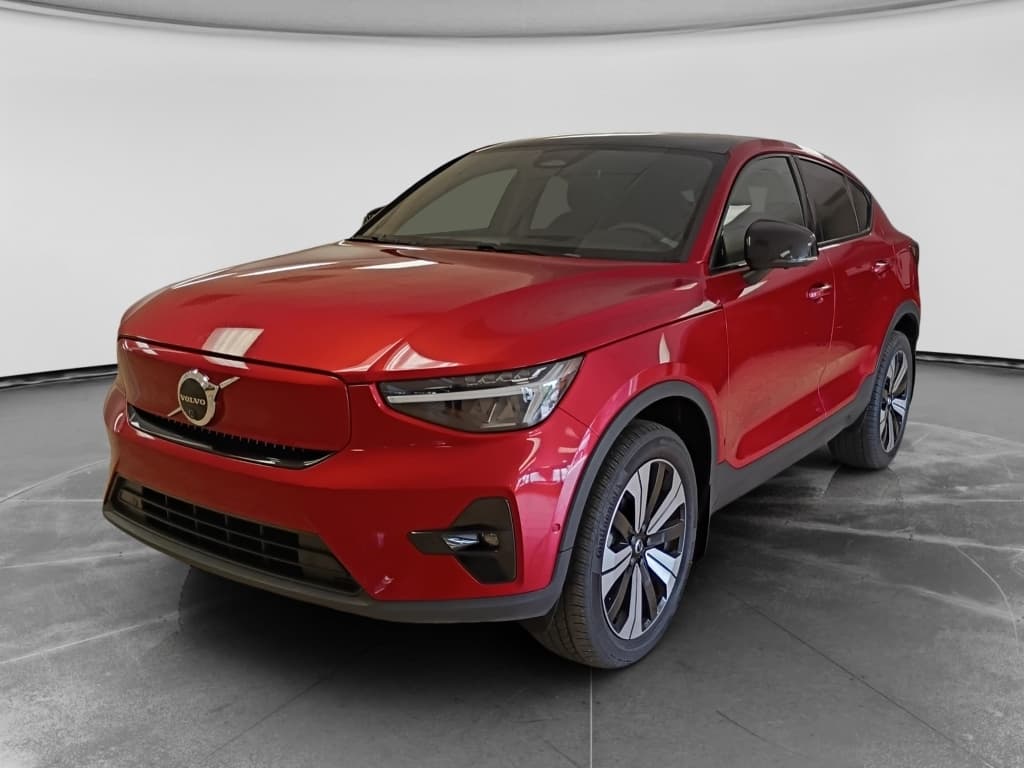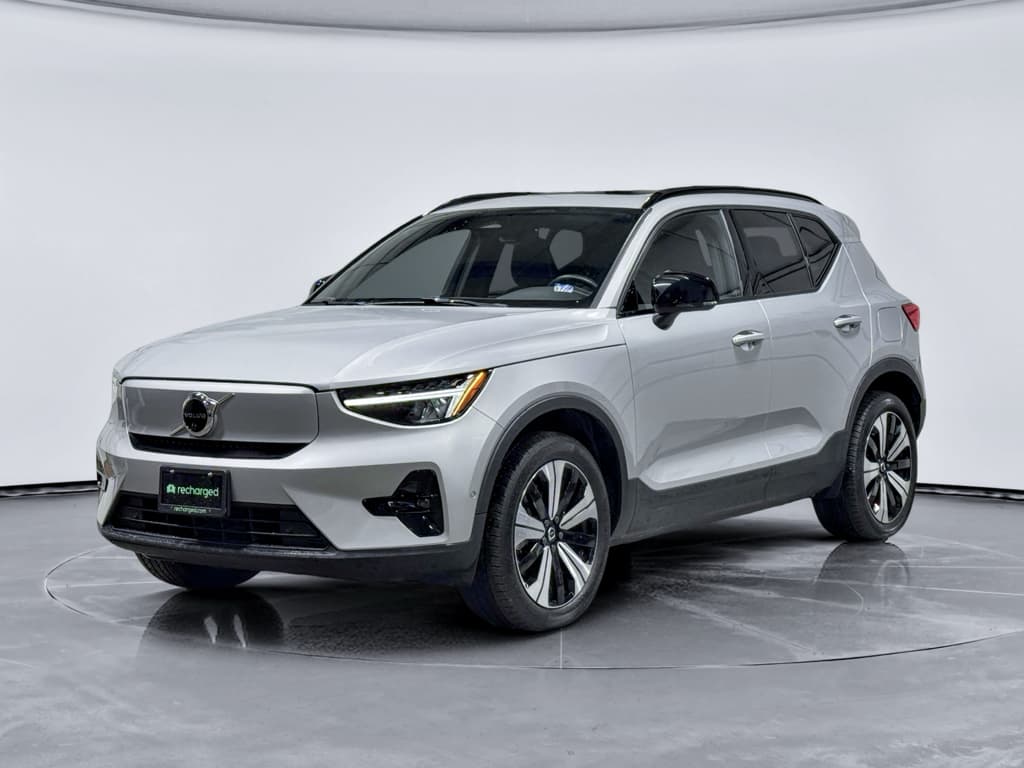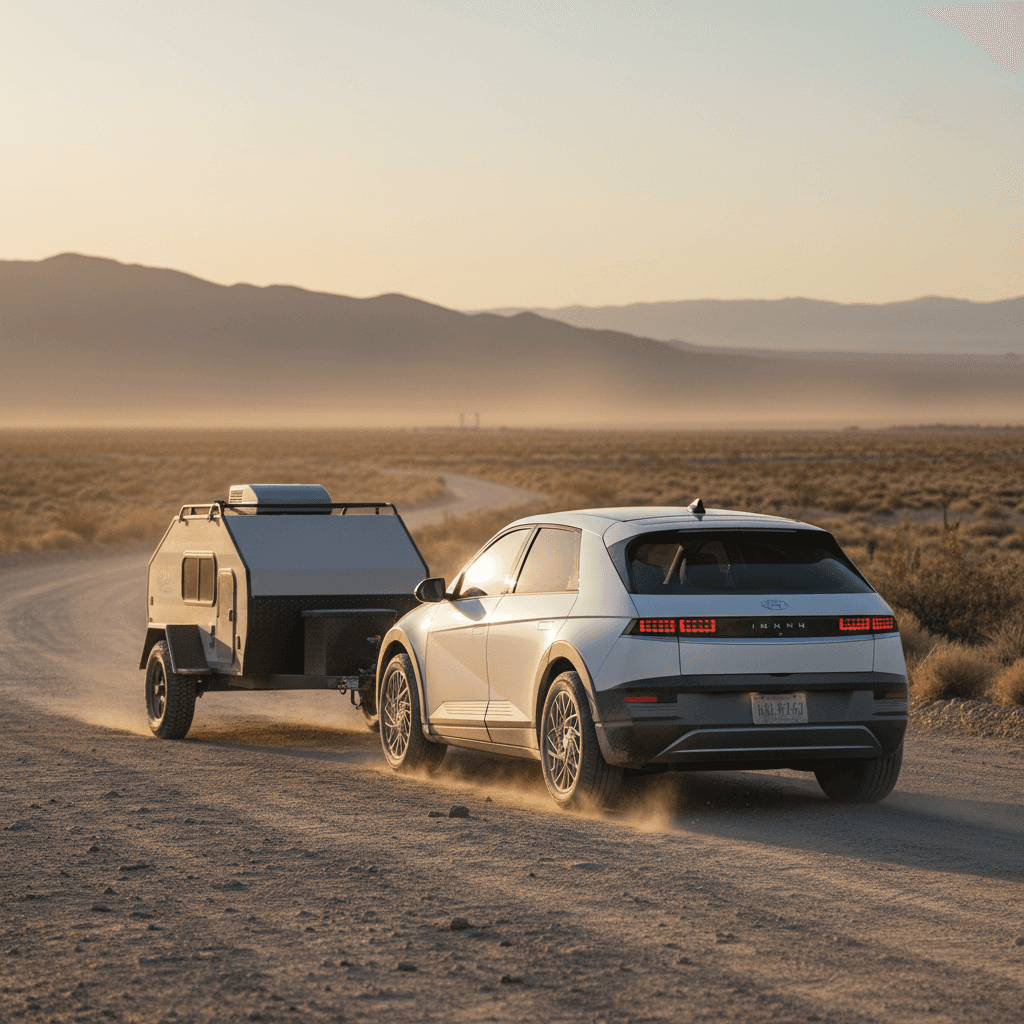
You don’t buy a Volvo C40 Recharge because you plan to haul a twin-axle camper across the Rockies. You buy it because you like design, safety, and a bit of Scandinavian understatement, with enough towing muscle for a small trailer, bikes, or a light camper. This guide walks you through the C40 Recharge towing capacity and range, and what those numbers actually mean in the real world.
Quick takeaway
Volvo C40 Recharge towing and range overview
The C40 Recharge shares its hardware with the XC40 Recharge, wrapped in a sleeker “crossover coupe” body. Underneath, you get a relatively compact, heavy EV with a big battery and strong motors. That means instant torque for pulling a trailer away from a stop, but also extra weight dragging down range when you’re towing at highway speeds.
C40 Recharge towing & range at a glance
Key numbers you should know before you hitch up
Towing capacity
Up to ~3,300 lb (1,500 kg) braked for most C40 Recharge configurations. That comfortably covers a small camper, utility trailer, or pair of motorcycles.
Battery & range
Battery packs around 69–82 kWh depending on model year and spec. EPA-rated range for 2024 C40 Recharge is roughly 257 miles (AWD) and 297 miles (RWD) in ideal conditions.
Range while towing
In real-world use, expect 30–50% range loss when towing at highway speeds. That can drop a 257‑mile rating to something like 130–180 miles between charges.
Know your specific car
Official towing capacity for the Volvo C40 Recharge
Volvo doesn’t advertise the C40 as a heavy-duty tow rig, but it does publish respectable towing numbers for a compact EV. In many markets, including much of Europe, the braked trailer rating sits around 1,500 kg (about 3,300 lb) for well‑equipped versions of the C40 Recharge with the factory towbar. In the U.S., availability of the tow package can vary by trim and model year, and some cars may not be rated to tow at all from the factory.
Typical Volvo C40 Recharge towing ratings
Approximate factory towing specs by configuration. Always verify the exact figures for your car.
| Configuration | Drive | Braked towing (approx.) | Unbraked towing (approx.) | Tongue weight (approx.) |
|---|---|---|---|---|
| Single Motor (69 kWh battery) | RWD or FWD, market-dependent | ~2,000–2,200 lb (900–1,000 kg) | ~1,650 lb (750 kg) | ~165–220 lb (75–100 kg) |
| Single Motor Extended Range (82 kWh) | RWD | ~2,000–3,300 lb (900–1,500 kg) | ~1,650 lb (750 kg) | ~165–220 lb (75–100 kg) |
| Twin Motor (82 kWh) | AWD | Up to ~3,300 lb (1,500 kg) | ~1,650 lb (750 kg) | ~220 lb (100 kg) |
Actual towing limits depend on market, tow package, and VIN-specific equipment.
Don’t assume every C40 can tow
Range ratings, battery size, and charging basics
Before talking about range while towing, you need a baseline. Across recent model years, the Volvo C40 Recharge uses either a mid‑size or larger battery, paired to single‑motor RWD or twin‑motor AWD setups. Updates for the 2024 model year brought more efficient motors, improved aerodynamics, and better range.
Key battery and range figures for C40 Recharge
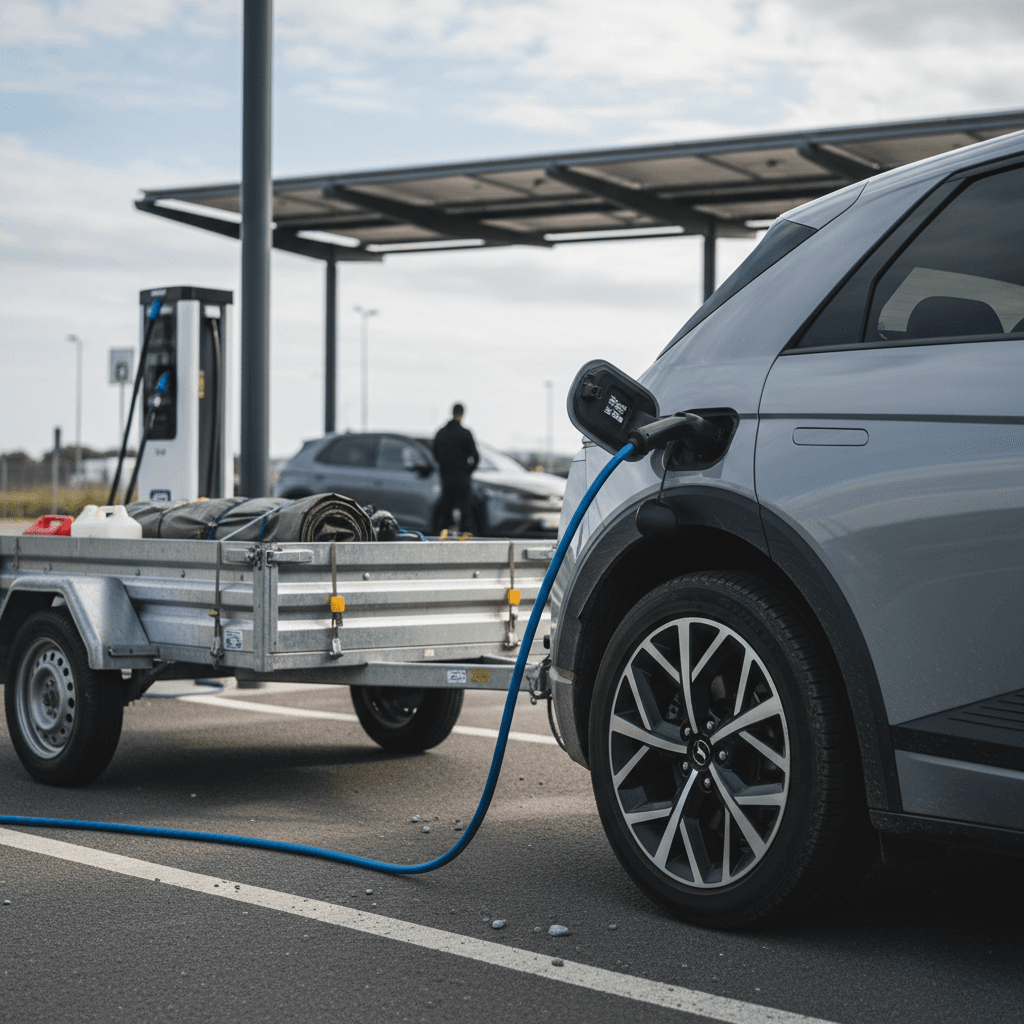
On AC power (home or destination charging), the C40 Recharge typically supports up to 11 kW Level 2 charging, enough to go from a low state‑of‑charge to near‑full overnight. For road trips and towing, you’ll lean on DC fast charging, where peak power can reach roughly 130–205 kW depending on battery size and model year.
Think in percentages, not just miles
How towing impacts range on the C40 Recharge
All EVs suffer a range penalty when towing. You’re pushing more weight, more frontal area, and usually more rolling resistance. The C40 Recharge, with its relatively short wheelbase and tall body, is no exception.
- Weight: Every extra pound the motors have to move increases energy use, especially on grades and during stop‑and‑go.
- Aerodynamics: A tall box trailer, roof box, or bikes standing in the wind blast hurt range more than a low, sleek load.
- Speed: Drag rises sharply with speed. The difference between 65 and 75 mph can be the difference between “manageable” and “we’re stopping every hour.”
- Terrain and temperature: Long climbs, headwinds, cold weather, and heavy HVAC use all subtract from your effective range.
Light, low trailer
A small utility trailer or low teardrop camper that tucks into the C40’s slipstream will mainly add weight. Range may drop closer to 20–35% versus solo driving if you keep your speed in check.
Tall, blunt trailer
A conventional box camper or tall cargo trailer adds both weight and drag. In that case, a 40–50% drop in range at highway speeds is entirely realistic, sometimes more in bad weather.
Speed is the silent range killer
Real-world range estimates when towing
No two towing scenarios are alike, but you can build a useful mental model. Start with your C40’s rated highway range, and then apply a percentage loss based on trailer type, weight, and speed.
Example C40 Recharge towing range scenarios
Approximate one‑way range estimates assuming mild weather, relatively flat terrain, and careful driving.
| Vehicle setup | Trailer type & weight | EPA rating (reference) | Estimated highway range solo | Estimated highway range while towing |
|---|---|---|---|---|
| 2024 C40 RWD, 82 kWh | No trailer | 297 mi | ~260 mi at 70 mph | N/A |
| 2024 C40 RWD, 82 kWh | Low teardrop camper, ~2,000 lb | 297 mi | ~260 mi at 65–70 mph | ~150–180 mi at 60–65 mph |
| 2024 C40 AWD, 82 kWh | Two motorcycles on open trailer, ~1,500 lb | 257 mi | ~225 mi at 65–70 mph | ~140–160 mi at 60–65 mph |
| Earlier C40 AWD, 69 kWh | Small utility trailer, ~1,000 lb | ~220–230 mi (est.) | ~200 mi at 60–65 mph | ~120–140 mi at 60–65 mph |
| Any C40 Recharge | Tall box camper, near max tow rating | Varies | Varies | Often <50% of solo range at highway speeds |
These are rough planning numbers, not guarantees. Always leave a safety buffer in your state‑of‑charge.
Plan legs, not full-tank fantasies
Is the Volvo C40 Recharge a good tow vehicle?
Functionally, the C40 Recharge is a light‑duty tow vehicle. If your mental picture of towing involves a 6,000‑lb boat and a lakeside launch ramp with a 15% grade, you’re looking in the wrong showroom. But if your real life looks like bikes, kayaks, a single‑axle camper, or Home Depot runs, the C40 can be a satisfying, quiet, and clean way to get it done.
C40 Recharge as a tow vehicle: pros and cons
Where this EV shines, and where it doesn’t
Where it works well
- Light recreational towing: Small campers, utility trailers, sports gear.
- Short to medium trips: Weekend escapes within 100–150 miles each way.
- Urban/suburban life: Quiet, effortless torque around town with a trailer.
- Safety tech: Volvo’s assists and braking systems inspire confidence.
Where it falls short
- Heavy loads: Large RVs or car haulers are beyond its intended scope.
- Long, remote routes: Sparse fast‑charging networks make planning harder.
- Steep mountain towing: Sustained climbs can hammer range and battery temps.
- Cargo flexibility: The stylish roofline sacrifices some interior volume versus the XC40 Recharge.
A realistic sweet spot
Towing and charging strategy for road trips
Towing doesn’t just shorten your range; it changes how you should think about charging. With the C40 Recharge, your road‑trip life is built around DC fast chargers and smart route planning.
Practical strategy for towing with a C40 Recharge
1. Use an EV trip planner that supports trailers
Apps like A Better Routeplanner allow you to add a towing penalty and higher consumption to get more realistic leg lengths and charging stops.
2. Aim for 10–70% state-of-charge
The C40 Recharge charges fastest in the middle of the pack. On longer trips, short, frequent fast‑charge stops are often quicker than going 10–100% in one go.
3. Keep speeds modest
Driving at 60–65 mph instead of 75 mph can be the difference between two and three charging stops on a given day, especially with a boxy trailer.
4. Prioritize chargers with easy trailer access
Look for stations where you can pull through or park across several spaces without blocking traffic. Some sites are clearly not trailer‑friendly, avoid them when you can.
5. Use preconditioning when possible
If your C40 supports battery preconditioning with DC fast chargers in the navigation system, make sure it’s enabled. A warm battery can hit peak charge rates more quickly.
6. Respect thermal limits on long climbs
On steep grades, use regen wisely and watch for power‑limit warnings. Give the car, and yourself, a break at the top of long climbs if you’re working it hard with a heavy trailer.
Build in "buffer" chargers
Buying a used C40 Recharge for towing: what to check
Shopping used is where the C40 Recharge becomes especially interesting. You can often find well‑equipped examples at a meaningful discount from new, and many have seen relatively gentle use. But if you’re planning to tow, you should go in with your eyes open.
Confirm the tow rating and equipment
- Factory towbar: Check whether the car has an OEM tow package or only an aftermarket hitch. OEM hardware generally integrates better with stability systems.
- Paperwork: Verify towing capacity in the owner’s manual and registration documents for that VIN and market.
- Electrical connection: Inspect the trailer wiring and connectors for corrosion or hack‑job installs.
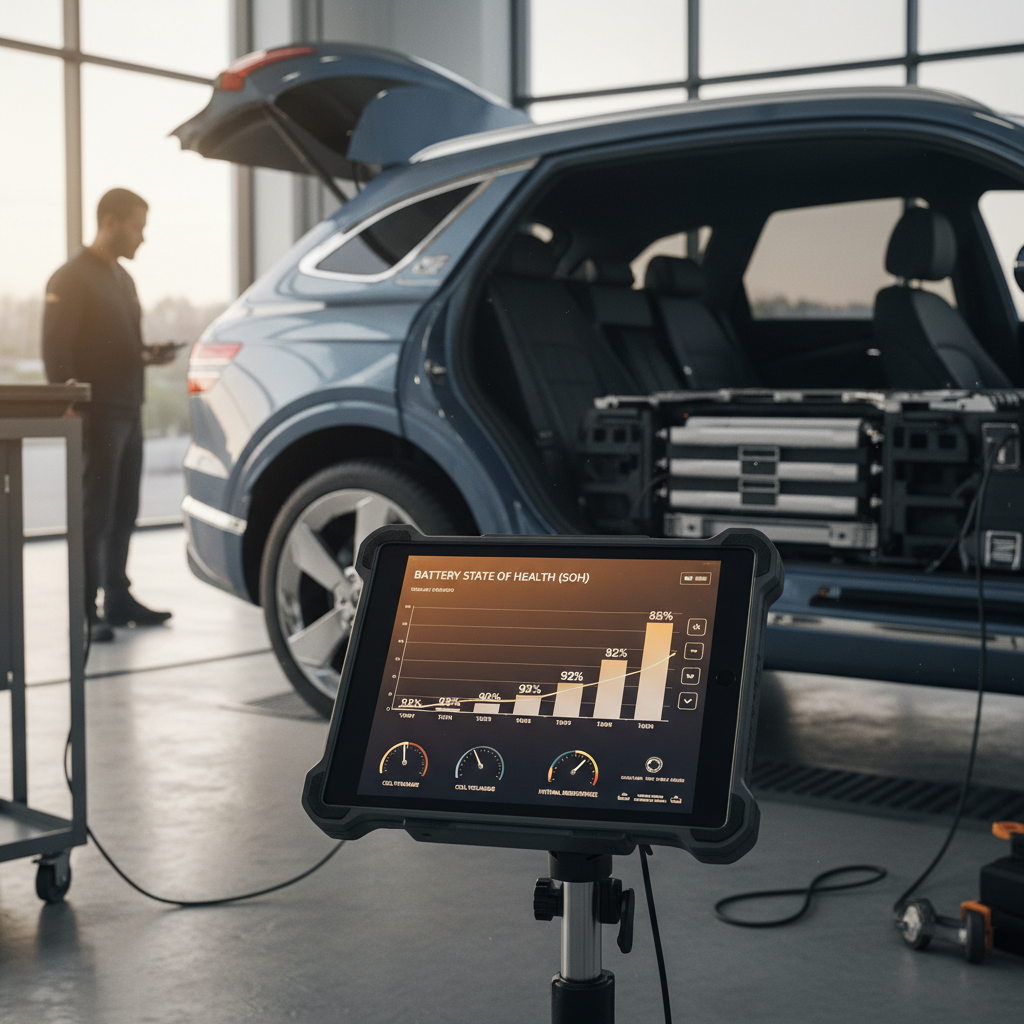
Assess battery health and range
- Degradation matters more when towing: A battery that’s lost 10–15% of its original capacity will feel much smaller once you bolt on a trailer.
- Check real-world range: Take a highway test drive and observe consumption at 65–70 mph.
- Look for fast-charging history: Occasional DC fast charging is normal; heavily abused packs may show it in their behavior.
How Recharged helps with towing peace of mind
Used C40 Recharge towing checklist
Verify tow capacity for your VIN
Check the door jamb label and owner’s literature to confirm whether that specific C40 is approved for towing, and at what weight.
Inspect hitch and rear structure
Look for signs of rear‑end collisions, poor‑quality hitch installs, or rust where the hitch mounts to the body.
Review service and charging history
Ask about previous use, lots of towing and repeated DC fast charging in hot climates put more stress on the battery and drivetrain.
Test DC fast charging speed
On a pre‑purchase inspection, a quick DC fast charge session can reveal whether the car still reaches healthy charge rates and behaves as expected.
Confirm charging options at home
If you’ll tow frequently, make sure you can support at least a 40‑amp Level 2 charger at home for quicker turnarounds between trips.
FAQ: Volvo C40 Recharge towing capacity and range
Frequently asked questions
The Volvo C40 Recharge isn’t a one‑size‑fits‑all tow vehicle, and it doesn’t pretend to be. Within its lane, small trailers, thoughtful route planning, and realistic expectations, it’s an impressively refined, safe, and quiet way to bring your toys along for the ride. If you’re considering a C40 Recharge, new or used, for towing duty, make sure the numbers pencil out for your routes and loads. And when you’re ready to shop, a used C40 on Recharged with a verified battery report can give you the confidence that the range you’re counting on is actually there when you hitch up.