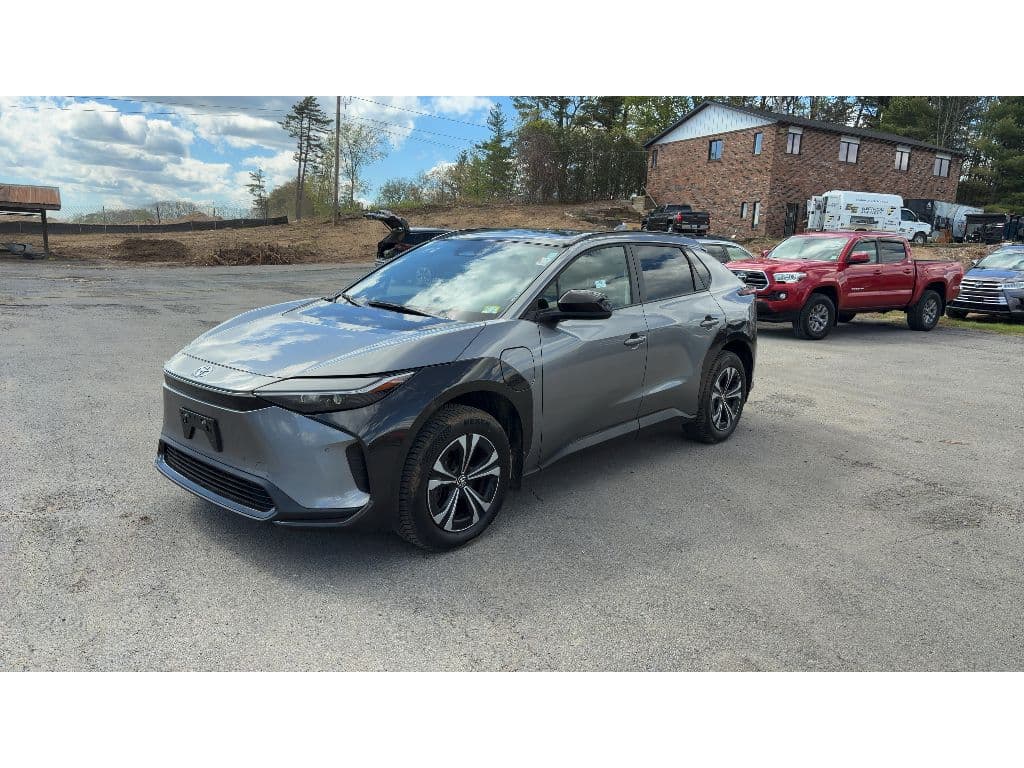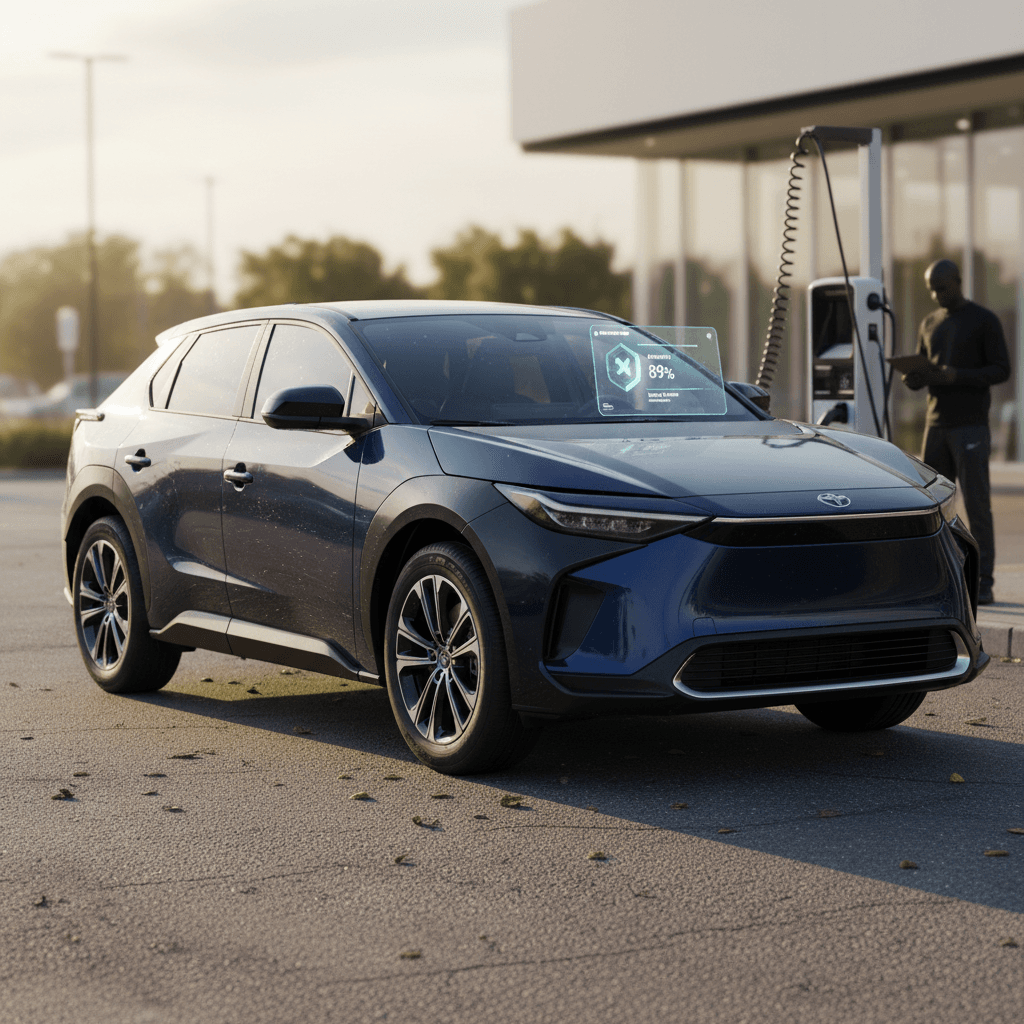
If you’re shopping used electric SUVs in 2026, the question naturally comes up: is the 2023 Toyota bZ4X a good buy or a science experiment you don’t want to fund? The answer is nuanced. Toyota’s first dedicated EV brings familiar brand reliability on paper, but also below‑average range, slow DC fast‑charging and a recall history you can’t ignore. Let’s unpack when a used 2023 bZ4X makes sense, and when your money is better spent elsewhere.
What this guide covers
Quick answer: Is the 2023 bZ4X a good buy?
When the 2023 bZ4X is a good buy
- You find a front‑wheel‑drive (FWD) XLE/Limited at a steep discount versus rivals.
- You mostly charge at home and drive local or suburban routes, not frequent 400‑mile road trips.
- You value comfort, quietness and Toyota’s conservative battery tuning over headline range numbers.
- The car has all recalls completed and a clean battery health report, such as a Recharged Score.
When the 2023 bZ4X is not a good buy
- You need to road‑trip often and rely on DC fast charging, the bZ4X is one of the slower chargers in class.
- You live in a very cold climate and regularly drive at highway speeds in winter.
- You’re paying close to what a newer 2024–2025 bZ4X or alternative EV would cost.
- You’re extremely sensitive to depreciation, early bZ4X values have fallen faster than typical Toyotas.
High‑level verdict
2023 bZ4X at a glance: key specs that matter used
2023 Toyota bZ4X core numbers
All 2023 bZ4X models ride on Toyota’s dedicated e‑TNGA EV platform. U.S. models use a roughly 71–72.8 kWh pack, with single‑motor FWD trims generally delivering the best range and the quickest DC‑fast‑charge peaks. Dual‑motor AWD brings more traction but costs you range and charging speed, two weak spots you’ll feel on long trips.
Pricing, depreciation and value for money
Three model years in, the 2023 Toyota bZ4X is shaping up as a good value play precisely because its resale values haven’t matched Toyota’s traditional strength. That’s uncomfortable for first owners but an opportunity if you’re shopping used in 2026.
Typical 2023 bZ4X price ranges in 2026 (U.S.)
Approximate retail pricing for mainstream trims with average mileage; actual numbers vary by region, options and condition.
| Condition | Trim examples | Approx. mileage | Typical retail ask | Notes |
|---|---|---|---|---|
| Good used | XLE FWD | 25k–35k miles | $22,000–$26,000 | Often the value sweet spot if battery health checks out. |
| Very good | Limited FWD / AWD | 15k–30k miles | $25,000–$30,000 | Expect higher price for AWD, tech packages and premium colors. |
| High‑mileage or rough | Any trim | 40k+ miles | $18,000–$22,000 | Discounts should be steep; scrutinize battery and service history. |
Use this as a starting point and adjust for mileage, trim, condition and local incentives.
Depreciation reality check
For context, pricing tools like Kelley Blue Book and Edmunds now show many 2023 bZ4X examples trading in the high‑teens to mid‑$20,000s, depending on mileage and trim. That positions it well under comparable Hyundai Ioniq 5 and Tesla Model Y examples of similar age, which still command stronger money in most markets.
How Recharged can help on price
Range and charging performance
Real‑world range expectations for a 2023 bZ4X
EPA labels tell one story; your use case tells another.
Front‑wheel drive (FWD)
EPA range: roughly 242–252 miles depending on trim and wheels.
Best use case: suburban and urban commuting with mostly home charging.
What owners report: highway range can dip noticeably, especially in winter. Plan around 180–210 miles on fast highway runs in mild weather, less in the cold.
All‑wheel drive (AWD)
EPA range: roughly 222–228 miles.
Best use case: snow‑belt drivers who prioritize traction over outright range.
What owners report: more pronounced range loss at 70+ mph and in freezing weather; some winter highway trips can feel tight unless you plan stops carefully.
Range on the 2023 bZ4X is competitive with earlier mainstream EVs but no longer class‑leading in 2026. Hyundai, Kia and Tesla have pushed their SUVs well into the 270–330‑mile band, which makes the Toyota feel modest on paper and in real‑world highway testing.
Charging realities you should know before buying
Understand DC fast‑charging limits
The 2023 bZ4X’s DC fast‑charge speeds, especially on AWD, lag most newer competitors. Even in good conditions, sessions can take longer to climb from 10–80% than in a Model Y or Ioniq 5.
Weather has an outsized effect
Owner reports show <strong>significant winter range loss</strong> and sluggish fast‑charging when the pack is cold. If you live in a northern state, assume more conservative winter range and time‑to‑charge than the EPA label suggests.
Home Level 2 makes life easy
Where the bZ4X shines is predictable Level 2 charging. On a 240‑volt circuit, returning from a daily commute and topping back up overnight is simple, even with the modest 6.6 kW onboard charger.
Plan road trips carefully
If you regularly drive 250‑plus miles in a day, be prepared to plan stops around networks like Electrify America or EVgo and accept longer sessions than you’d see in faster‑charging rivals.
Home charging plus public backup is ideal
Reliability, recalls and common issues
Toyota’s name carries weight in the used market, but the 2023 bZ4X is a first‑generation EV with more early‑production drama than a typical RAV4. You should go in with eyes open on reliability data and recalls.
- Early production wheel‑hub bolt recall that could allow a wheel to detach (2022–2023 builds; now addressed with updated hardware and torque procedures).
- Multiple software‑related recalls for camera, parking assist and safety systems, most resolved via dealer updates.
- Owner complaints about slow DC fast‑charging, particularly in cold weather, even when stations are working correctly.
- Reports of HVAC and defrost performance issues in very low temperatures, including heat pump behavior.
- Intermittent 12‑volt battery and charging‑port door quirks reported in owner forums.
Make sure recall work is complete
Despite the rocky start, survey‑based scores from sources like Consumer Reports put the bZ4X in the average range for overall reliability among EVs so far, not a disaster, but not bulletproof either. That’s consistent with what we see in the used market: most 2023 bZ4Xs are doing fine with routine maintenance, but a minority have experienced charging or HVAC headaches, especially in harsh climates.
Battery health and warranty coverage
Battery health is the single biggest swing factor in whether a 2023 Toyota bZ4X is a good buy. The good news: Toyota tends to tune its batteries conservatively. The company uses generous buffers and strict power management, which may help long‑term degradation but also caps usable capacity and charging aggression.
Typical 2023 bZ4X battery and EV component warranty coverage (U.S.)
Always confirm exact details for the car you’re looking at, but these are common Toyota EV warranty terms.
| Component | Typical coverage | What it means used |
|---|---|---|
| Battery pack | 8 years / 100,000 miles (whichever comes first) | Most 2023 bZ4Xs in 2026 are still early in their battery warranty, but high‑mileage ex‑fleet units may be closer to the limit. |
| Electric drive components | 8 years / 100,000 miles | Covers inverter, motor and related high‑voltage hardware against manufacturing defects. |
| Basic bumper‑to‑bumper | 3 years / 36,000 miles | Likely expired on most 2023 models by 2026, unless the car was sold late or mileage is unusually low. |
| Powertrain (if separate) | 5 years / 60,000 miles | Provides additional coverage for some drivetrain components; check your specific warranty booklet. |
Warranty timelines matter: a 2023 model purchased in 2026 usually has several years of battery coverage left.
Don’t guess on battery health, measure it
At three model years old, we’re not seeing systemic high‑mileage degradation disasters in the 2023 bZ4X, but the sample size is still modest. If you’re shopping a car that’s done 50,000–70,000 miles in a short window, say, a previous rideshare or fleet unit, a health report moves from “nice‑to‑have” to “non‑negotiable.”
How the 2023 bZ4X compares to rivals
2023 bZ4X vs key used‑EV rivals (as of 2026)
High‑level comparison for mainstream trims; numbers vary slightly by configuration.
| Model (2023) | Typical used price | EPA range (approx.) | DC fast‑charge peak | Notable strengths | Key drawbacks |
|---|---|---|---|---|---|
| Toyota bZ4X | $22k–$30k | 222–252 mi | 100–150 kW | Comfortable, quiet, Toyota brand trust, strong battery warranty. | So‑so range, slowish fast‑charging, early recall history, heavy depreciation. |
| Hyundai Ioniq 5 | $28k–$36k | 266–303 mi | Up to 235 kW | Very fast charging, sharp design, strong tech. | Higher used prices; some early charging‑network compatibility quirks. |
| Kia EV6 | $29k–$37k | 232–310 mi | Up to ~240 kW | Sporty drive, long range, ultra‑fast charging. | Firmer ride, higher insurance costs in some areas. |
| Tesla Model Y | $32k–$40k | 279–330 mi | Up to ~250 kW on Superchargers | Huge fast‑charge network, long range, robust software and app ecosystem. | Higher prices, firmer ride, variable build quality; insurance can be pricey. |
Use this to narrow your short list, then compare specific VINs on pricing and condition.
Where the bZ4X fits
Who should consider a used 2023 bZ4X?
Profiles where a 2023 bZ4X makes sense
If this sounds like you, the numbers can work.
Home‑charging commuter
You have off‑street parking and can install or already have a Level 2 charger. Most days, you’re driving 30–80 miles and rarely exceed 150–200 miles in a day.
Urban or suburban family
You want a quiet, comfortable EV with good space for kids and gear, and you don’t mind that it’s less flashy than rivals as long as it’s easy to own.
Value‑focused buyer
You’re more interested in getting solid transportation at a discount than in owning the hottest new EV. Steeper depreciation becomes your friend at the right price.
In these scenarios, the 2023 bZ4X’s weaknesses, particularly fast‑charging speed, fade into the background. What you notice instead is a familiar Toyota‑style cabin, a smooth and quiet ride, and the convenience of never visiting a gas station.
Who should avoid a 2023 bZ4X?
- Drivers who take frequent highway road trips and live by public DC fast chargers.
- Shoppers in very cold climates who regularly need full range at 70+ mph in winter and don’t have garage parking.
- Buyers who can stretch a little further financially to reach a 2024–2025 EV with meaningfully better range and charging performance.
- Anyone who is extremely risk‑averse about first‑gen tech and would sleep better with a longer track record.
Cold‑climate caution
Buying checklist for a used 2023 bZ4X
Critical steps before you sign
1. Pull the full recall and service history
Use the VIN to confirm that wheel‑hub, HVAC, camera and any other open recalls have been completed. Ask for dealer service records to see software and maintenance history.
2. Get a battery health report
Request a recent <strong>battery health diagnostic</strong>. On Recharged, this is baked into the Recharged Score so you can see usable capacity and charging behavior in one place.
3. Confirm remaining warranty coverage
Verify in‑service date and mileage to understand exactly how much battery and EV‑component warranty time is left. Ask the seller or dealer to put it in writing.
4. Test fast‑charging if you road‑trip
If highway travel is part of your life, run at least one real‑world DC fast‑charge session during your test period so you know what charge speeds to expect in your area.
5. Check for uneven tire wear and alignment
As with any SUV, look for suspension or alignment issues that show up in cupped or unevenly worn tires, vibrations or steering pull on a straight road.
6. Evaluate software and connected features
Pair your phone, test the Toyota app, check for over‑the‑air update capability and make sure driver‑assist systems behave as expected.
7. Compare against alternatives
Before committing, price‑shop similar‑age Hyundai Ioniq 5, Kia EV6 and Tesla Model Y examples. If the bZ4X isn’t meaningfully cheaper, it may not be the right call.
Leaning toward a 2023 bZ4X?
Ready to find your next EV?
Browse VehiclesFAQs: Is the 2023 Toyota bZ4X a good buy?
Frequently asked questions about the 2023 bZ4X
Bottom line: Should you buy a 2023 bZ4X used?
So, is the 2023 Toyota bZ4X a good buy? If your life is built around home charging, moderate daily miles and value shopping, a used 2023 bZ4X, especially a FWD XLE or Limited at the right price, can be a smart, low‑stress entry into EV ownership. You’re trading away bleeding‑edge range and road‑trip charging speeds in exchange for comfort, a conservative battery approach and sizable discounts off original MSRP.
If, on the other hand, you spend your weeks racking up interstate miles, live in a harsh climate without garage parking, or can comfortably stretch your budget into a faster‑charging rival, the bZ4X moves down the list. In that case, you’re likely better off with a Hyundai Ioniq 5, Kia EV6, Tesla Model Y, or even a newer 2024–2025 bZ4X that benefits from incremental updates.
Whichever way you’re leaning, it pays to shop with full transparency. On Recharged, every used EV listing, including the 2023 bZ4X, comes with a Recharged Score battery‑health and pricing report, expert EV support and nationwide delivery. That lets you answer the most important question with confidence: not just whether the 2023 bZ4X is a good buy in theory, but whether this specific one is the right EV for you.