The 2023 Rivian R1S is one of the few three-row electric SUVs that can genuinely go off-road, haul a family, and still feel quick enough to embarrass sports cars. But it’s also a nearly 7,000‑pound first‑generation product from a young automaker. In this 2023 Rivian R1S review, we’ll look past the hype to what it’s actually like to live with, especially if you’re considering a used example.
At a glance
2023 Rivian R1S overview
Key 2023 Rivian R1S specs (quad‑motor, Large Pack)
Rivian launched the R1S as the SUV companion to the R1T pickup. Both ride on the same skateboard platform with a large battery pack, motors at each axle (or each wheel, in quad‑motor trims), and air suspension with active damping. For 2023, the U.S. lineup centers on the Large Pack battery, with dual‑motor and quad‑motor powertrains and a choice of road‑oriented or all‑terrain tires.
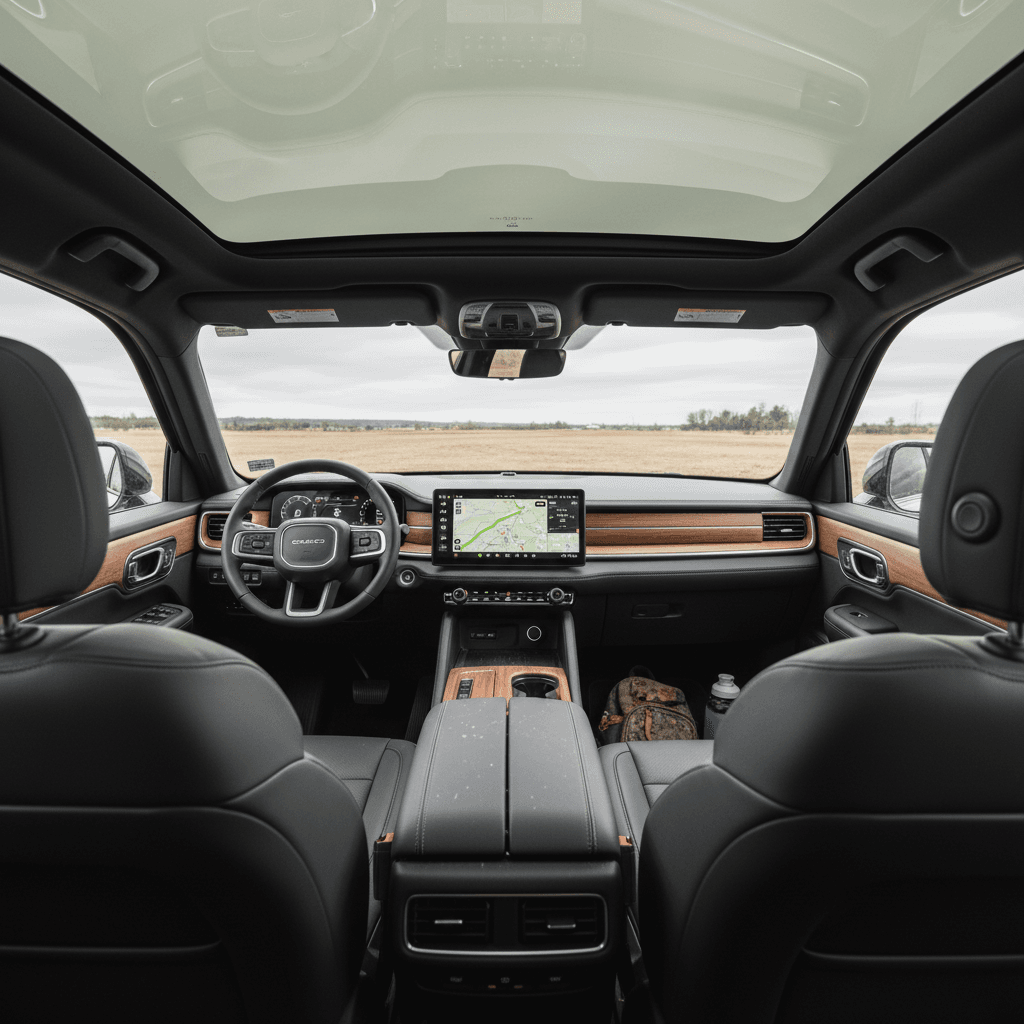
On the road the R1S feels more like an electric Range Rover than a conventional crossover. It’s tall and boxy outside, but inside you get clean, minimalist design, big glass, and software‑centric controls on twin displays rather than physical knobs. If you’re cross‑shopping Tesla’s Model X, Mercedes’ EQS SUV or BMW’s iX, the Rivian stakes out a more outdoorsy, overlanding‑ready niche.
Power, performance and driving character
Performance: where the R1S feels more like a sports car than a seven‑seater
Every 2023 R1S is quick, but the quad‑motor is genuinely wild.
Explosive acceleration
Balanced ride and handling
Confident in bad conditions
Quad‑motor R1S models use four independent motors, one at each wheel, enabling real torque vectoring: the system can over‑drive the outside wheels in a corner and claw for grip on loose surfaces in ways a mechanical AWD system simply can’t. Dual‑motor versions are still very quick, but they feel more conventional and slightly less playful when you really push them.
Weight matters
Battery, range and real-world efficiency
Most 2023 Rivian R1S models in the U.S. use the Large Pack battery, roughly 129 kWh usable. EPA estimates vary by configuration, but you’ll typically see around 316–321 miles of rated range for a quad‑motor R1S on street‑focused tires, and somewhat less for all‑terrain rubber.
2023 Rivian R1S: indicative EPA range figures
Exact numbers vary by wheels and tires, but this summarizes typical 2023 R1S ratings.
| Configuration | Battery pack | Drivetrain | EPA range (approx.) |
|---|---|---|---|
| Dual‑motor, road tires | Large | AWD | ≈ 321 miles |
| Quad‑motor, road tires | Large | AWD | ≈ 316 miles |
| Quad‑motor, all‑terrain tires | Large | AWD | High‑200s to low‑300s (EPA) |
Expect 10–15% less range at highway speeds or in cold weather compared to EPA ratings.
Independent highway testing has seen a quad‑motor R1S travel around 230 miles at 75 mph before needing a charge, and some tests have beaten EPA ratings at lower speeds despite all‑terrain tires. That’s solid for a brick‑shaped three‑row SUV, but less efficient than sleeker rivals like the BMW iX or Tesla Model X.
Cold‑weather reality check
Charging experience: home, public, and road trips
Home charging
The 2023 R1S has an 11.5 kW onboard charger. On a typical 48‑amp Level 2 home station, you can add roughly 25–30 miles of range per hour and refill from near empty to full overnight.
If you’re moving from gasoline to your first EV, installing a 240‑volt home charger is the single biggest upgrade to make R1S ownership painless.
Public & fast charging
On DC fast chargers the R1S peaks at around 220 kW and can go from 10% to 80% in roughly 45–60 minutes under ideal conditions. Average charge rates during independent 10–90% tests hover around 100–110 kW.
The R1S uses the CCS connector for 2023, so it works with most major non‑Tesla fast‑charging networks. Adapters or future NACS support may open up more options over time.
Planning road trips
If you’re coming from a Tesla ecosystem, you’ll notice that Rivian’s charging experience depends heavily on third‑party networks rather than a single vertically integrated system. Coverage is rapidly improving, but reliability can still vary by site and operator, plan conservatively, especially with kids and gear on board.
Interior space, tech and family-friendliness
Inside the 2023 R1S: modern cabin with real utility
Three rows, two big screens, and some quirks you should know about.
Seating and space
Infotainment & controls
Design and materials
From a family‑use perspective, the 2023 R1S mixes clever packaging with some compromises. The second row slides and reclines, and the flat floor helps with kid seats. However, the heavy reliance on touch controls means even basic tasks like adjusting HVAC or seat heaters require screen taps, which can be distracting on bumpy roads.
Is the 2023 R1S a good family hauler?
1. Car seat friendliness
The R1S offers LATCH anchors and reasonably wide rear seats; installing rear‑facing seats is possible without crushing front‑row legroom, but it’s tighter than in some minivans or full‑size SUVs.
2. Cargo flexibility
With all three rows up, cargo space is modest but helped by the front trunk. Fold the third row and you have generous room for strollers, sports gear, or camping equipment.
3. Cabin noise and comfort
The R1S is quiet and composed at speed, though aggressive all‑terrain tires can add road noise. Air suspension smooths out most impacts, especially in softer ride modes.
4. Tech learning curve
Expect a short adjustment period as you and your passengers learn Rivian’s software‑centric control layout. Frequent over‑the‑air updates can change menus and add features over time.
Software‑first tradeoff
Off-road capability and towing
Off‑road ability is where the R1S really justifies its adventure‑SUV image. With quad motors, air suspension, and Rivian’s drive modes, you can raise the body for extra ground clearance, lock in specific programming for snow, sand, or rock crawling, and modulate power with impressive finesse on loose surfaces.
Capability snapshot: 2023 Rivian R1S
Key numbers for adventure‑minded shoppers.
| Metric | Figure (approx.) | Notes |
|---|---|---|
| Maximum ground clearance | Over 14 inches | In highest off‑road suspension settings |
| Maximum towing capacity | Up to 7,700 lb | Quad‑motor models; confirm exact rating for your VIN |
| Water fording | Over 3 ft (claimed) | Real‑world owners have comfortably tackled moderate water crossings |
| Approach/departure angles | Comparable to midsize off‑road SUVs | Helped by short overhangs and adjustable suspension |
Remember that towing and off‑roading will significantly reduce driving range and increase energy use.
Towing with an EV
If you’re used to traditional body‑on‑frame SUVs, the silent torque and fine control of the Rivian off‑road will feel like cheating. Just remember that body and underbody damage on a complex electric platform is far more expensive than a scratched skid plate on a conventional truck, use that capability judiciously.
Safety ratings and driver assistance
The 2023 Rivian R1S performs very well in crash testing. The Insurance Institute for Highway Safety (IIHS) awarded it a Top Safety Pick+ rating, with top‑tier scores in small‑overlap and side impacts, and strong headlights and front crash‑prevention performance. Models built after January 2023 benefited from structural tweaks to improve performance in the original moderate overlap front test.
Standard safety and driver‑assist tech in the R1S
Every 2023 R1S comes well‑equipped from a safety standpoint.
Active safety features
Passive safety & structure
Seat‑belt reminder quirk
Reliability, recalls and long-term ownership
Any honest 2023 Rivian R1S review has to grapple with the reality that this is a complex, early‑generation EV from a relatively young automaker. Build quality on many 2023 trucks is solid but not flawless, and Rivian has used over‑the‑air updates and service campaigns aggressively to address issues as they emerge.
- Suspension and alignment: some R1S owners have reported premature tire wear or alignment drift, a common challenge on heavy EVs with air suspension.
- Trim and weather‑sealing: expect the odd rattle, wind noise tweak, or hatch adjustment, particularly on early builds.
- Software bugs: every major over‑the‑air update has the potential to fix some behaviors and introduce new quirks, anything from flaky Bluetooth to occasional infotainment reboots.
Recent recall context
On the upside, the large battery and electric motors tend to be mechanically gentle compared with turbo V6s or complex transmissions, and Rivian’s eight‑year battery and drivetrain warranties provide some peace of mind for early owners. The bigger question is service access: depending on where you live, you may rely on mobile technicians or a small number of service centers, which can mean longer waits than you’d see with an established mass‑market brand.
2023 Rivian R1S vs key electric SUV rivals
How the 2023 Rivian R1S compares to other large electric SUVs
High‑level comparison of the R1S with common alternatives.
| Model | Character | Range (max, approx.) | 0–60 mph (quickest trim) | Third row? |
|---|---|---|---|---|
| Rivian R1S (2023) | Adventure‑oriented, serious off‑road, software‑centric | ≈ 316–321 miles | ~3.1 s (quad‑motor) | Yes |
| Tesla Model X | Efficiency and charging network leader, falcon‑wing doors | ≈ mid‑300s miles | ~3.5 s (Plaid quicker) | Yes |
| Mercedes‑Benz EQS SUV | Luxury and comfort first, less off‑road focus | ≈ mid‑300s miles | ~4.5 s | Yes |
| BMW iX | Sleek, efficient, tech‑heavy, no 3rd row | ≈ high‑300s miles | ~3.6 s | No |
Exact specs vary by trim; this table is meant as a directional guide for shoppers.
If you prioritize off‑road capability and a rugged‑premium vibe, the R1S stands alone in this group. If your life is more interstate than fire road, the BMW or Mercedes will be more efficient and quieter, and Tesla still dominates when it comes to Supercharger‑based road‑trip convenience, at least until CCS/NACS integration fully matures.
Buying a used 2023 Rivian R1S: what to look for
By 2026, a growing number of 2023 Rivian R1S SUVs are hitting the used market as early adopters churn into newer trims or different vehicles. That creates opportunity, these trucks depreciate faster than some luxury gas SUVs, but also risk if you’re not methodical about inspecting condition, software, and battery health.
Used 2023 Rivian R1S inspection checklist
1. Battery and range health
Compare the displayed full‑charge range in the vehicle to the original EPA rating, factoring in tires and wheels. Moderate degradation over several years is normal, but big gaps can hint at hard use or issues.
2. Software and feature set
Confirm the vehicle is on the latest stable software and that driver‑assist features, cameras, and infotainment all behave normally. Ask the seller which updates have been applied and when.
3. Suspension, tires and alignment
Inspect tires for uneven wear and look for any signs of suspension work. On a test drive, listen for clunks or creaks over bumps and verify the air suspension raises and lowers smoothly in all modes.
4. Body, glass and seals
Check panel gaps around the doors and liftgate, look for water marks in the cabin or cargo areas, and test all windows and glass roof sections for wind noise at highway speeds.
5. Recall and service history
Run the VIN through a recall lookup tool and ask for service records. Completed recall work and documented maintenance are positive signs on an early‑production EV.
How Recharged can help with a used R1S
Ready to find your next EV?
Browse VehiclesRecharged also offers financing, trade‑in options, and nationwide delivery, plus EV‑specialist support if you’re moving from your first gas vehicle into an electric adventure rig. You can shop fully online or visit the Recharged Experience Center in Richmond, VA if you prefer to see vehicles in person.
FAQ: 2023 Rivian R1S
Common questions about the 2023 Rivian R1S
Bottom line: who the 2023 Rivian R1S is for
The 2023 Rivian R1S is one of the most ambitious electric SUVs on the market: a genuinely quick, remarkably capable, three‑row EV that feels just as at home on a forest road as it does in a downtown parking garage. It delivers serious performance, strong safety scores, and real family practicality, wrapped in a design that doesn’t copy‑paste the German luxury playbook.
In return, you accept trade‑offs. Efficiency trails sleeker rivals, charging still leans heavily on third‑party networks, and as a first‑generation product from a young automaker, the R1S asks for a bit more patience with software updates and service than a conventional SUV. If you value comfort and efficiency above all, a Model X, iX, or EQS SUV may be a better fit.
But if your ideal EV is a family adventure rig, something that can get to the trailhead in silence, tackle a snowstorm with confidence, and still feel special on a school run, the 2023 Rivian R1S deserves a spot at the top of your list. And if you’re hunting for one on the used market, pairing a careful inspection with tools like the Recharged Score battery‑health report can help you capture the upside of early depreciation while minimizing the risks that come with any pioneering vehicle.