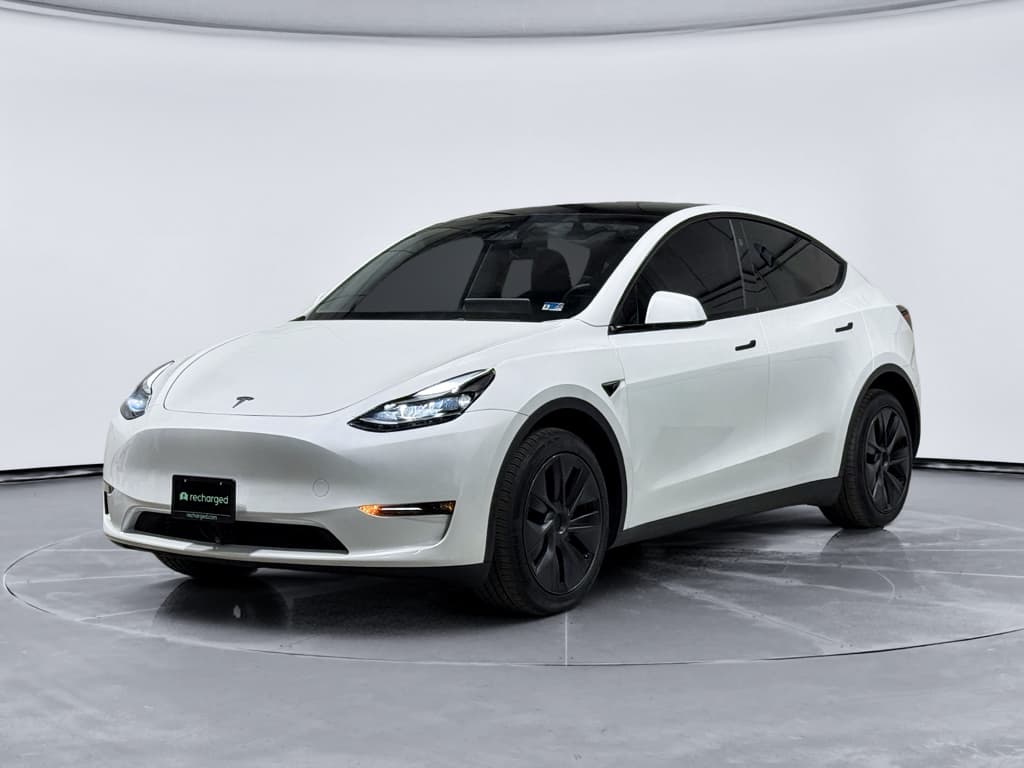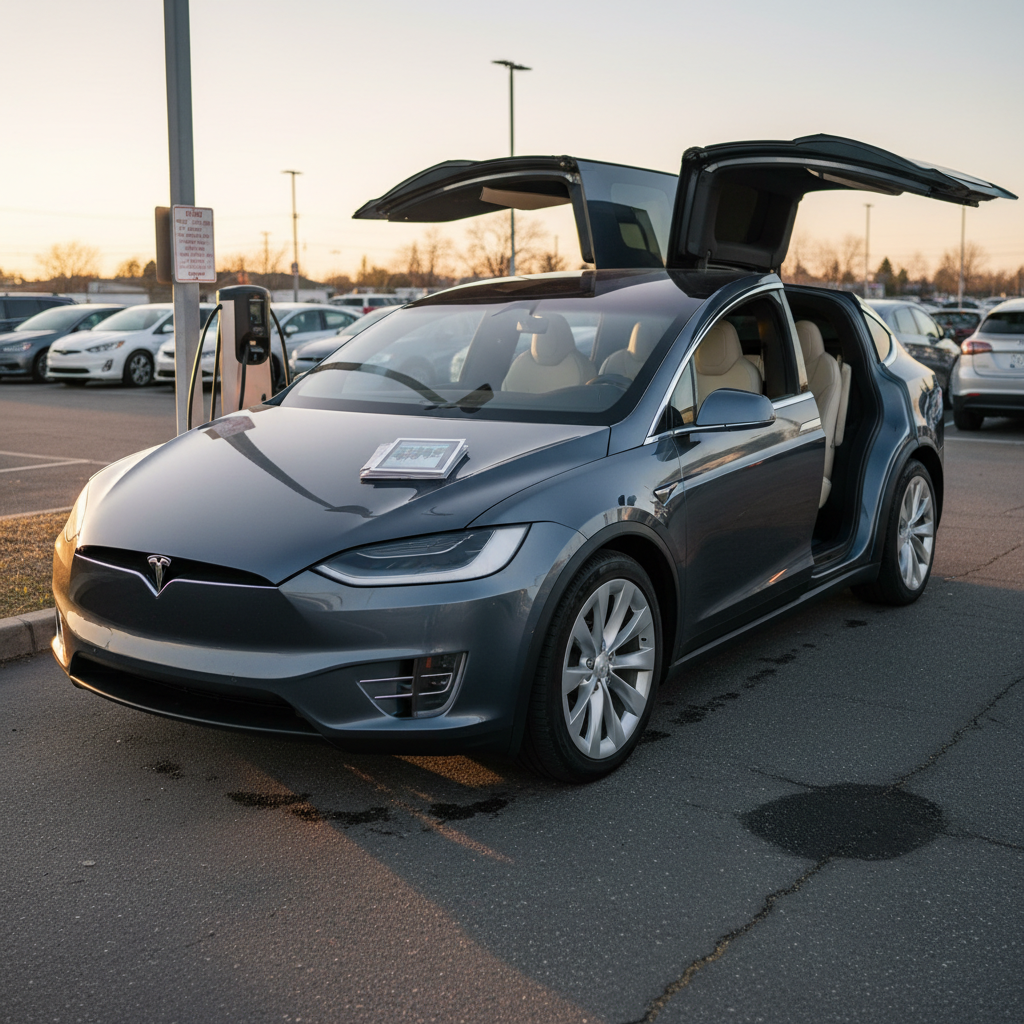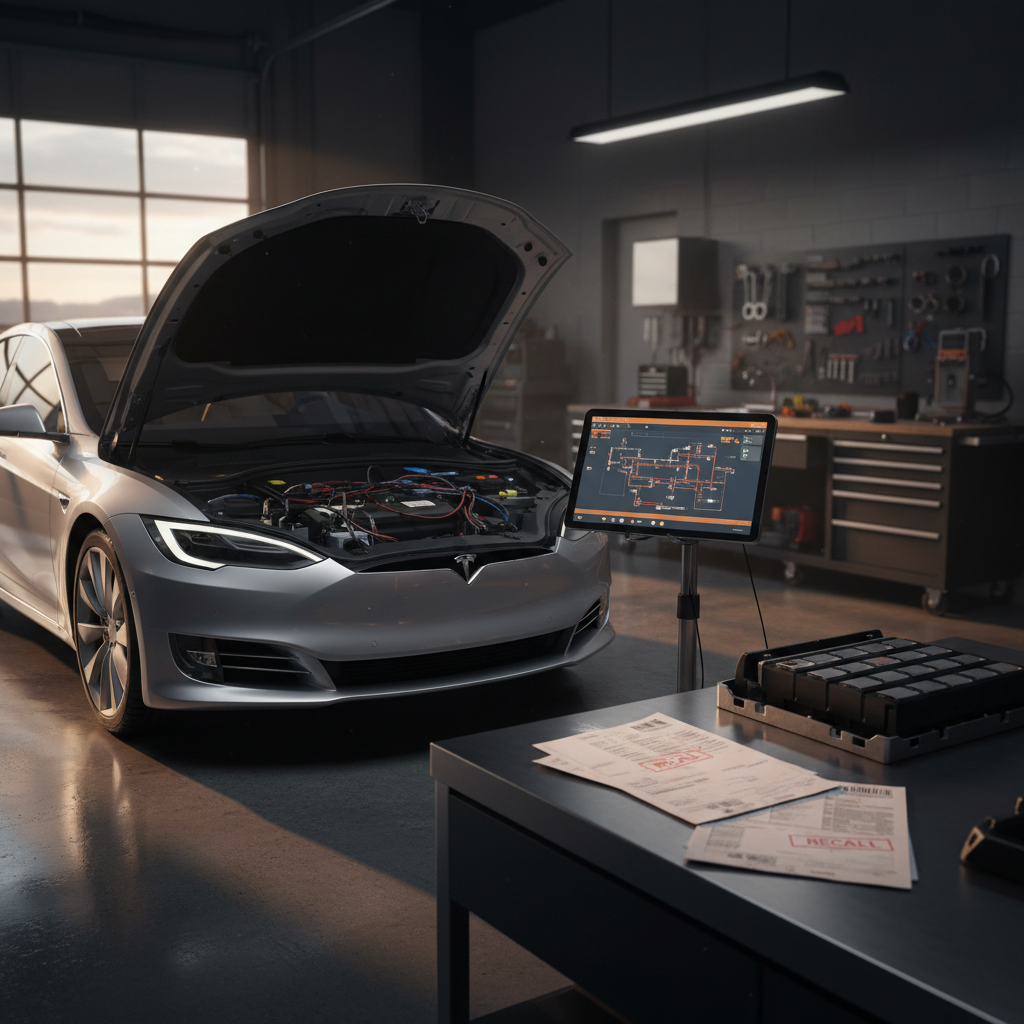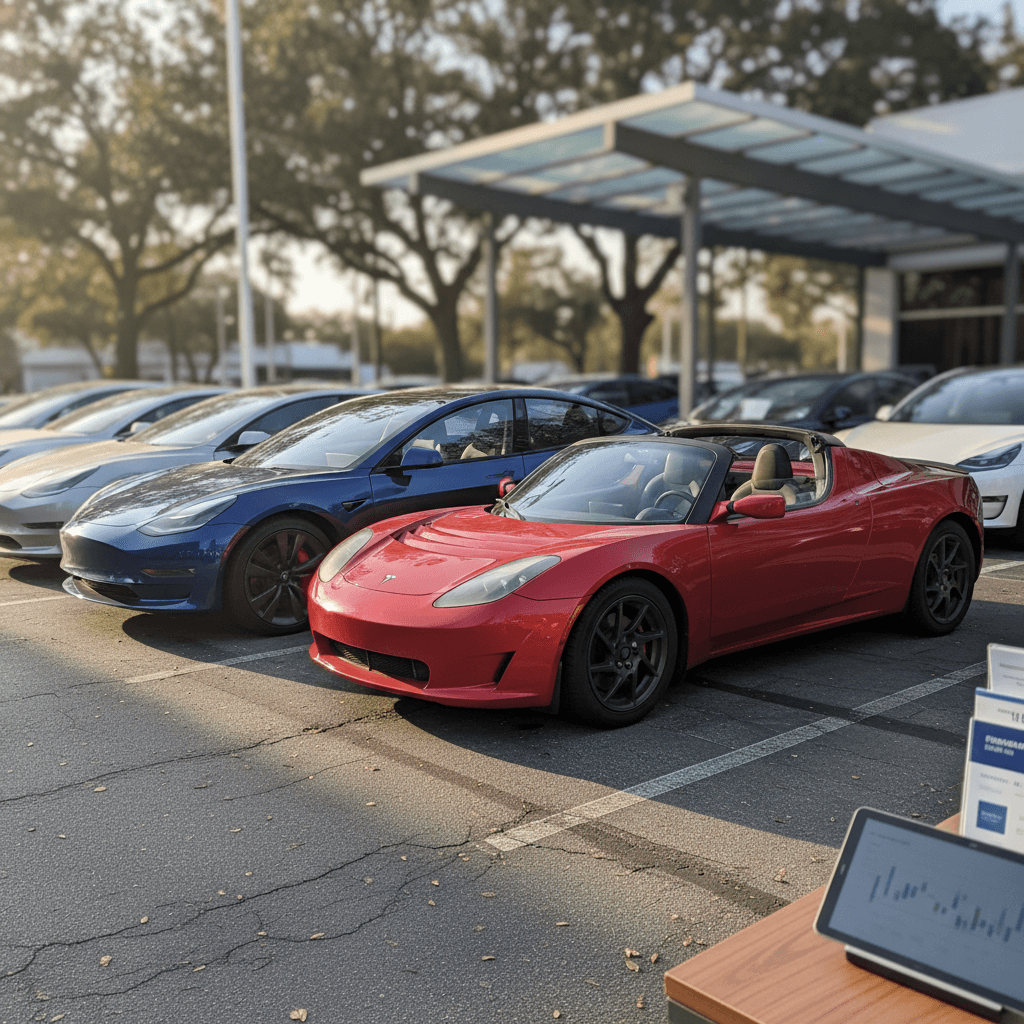
You start Googling "used Tesla sports car" and pretty soon you’re staring at a 2010 Roadster for six figures, a cheap-but-scary early Model S P85, and a shockingly affordable Model 3 Performance that claims 3.1 seconds to 60 mph. It’s confusing. Electrifying, but confusing. This guide untangles the market so you can decide which used Tesla sports machine actually fits your budget, driving style, and risk tolerance.
The short version
Why a used Tesla sports car is so compelling right now
The used Tesla performance market in 2025
Tesla spent a decade using shock and awe, ludicrous 0–60 times, YouTube drag races, plaid badges, to convince the world EVs aren’t golf carts. Now that same theater is trickling down to the used market. Price cuts on new Teslas and a wave of off-lease cars have pushed used performance models into the realm of ordinary buyers. For the first time, you can cross-shop a 3‑second electric sedan with a mid‑trim crossover and not blow up your budget.
Where the value is
What actually counts as a Tesla sports car?
The main "sports" Teslas on the used market
From collectible two‑seaters to family missiles
Tesla Roadster (2008–2012)
The original Tesla sports car: a Lotus Elise chassis with an electric powertrain. Two seats, removable top, genuine sports‑car proportions, and now a collector following.
Model 3 Performance
Compact four‑door with supercar acceleration, track modes, and playful handling. If you want a daily‑drivable sports EV, this is usually the answer.
Model S Performance / Plaid
Full‑size luxury sedan that just happens to demolish supercars off the line. Think of it as an EV GT car, insanely quick, deceptively practical.
Tesla doesn’t sell a traditional two‑door coupe today, so when shoppers say they want a "Tesla sports car" they usually mean one of three things: the original Roadster, a Model 3 Performance, or a high‑output Model S. Each lives in a different universe in terms of price, character, and risk. Let’s walk through them in order from most emotional to most rational.
Used Tesla Roadster: electric icon turned collectible
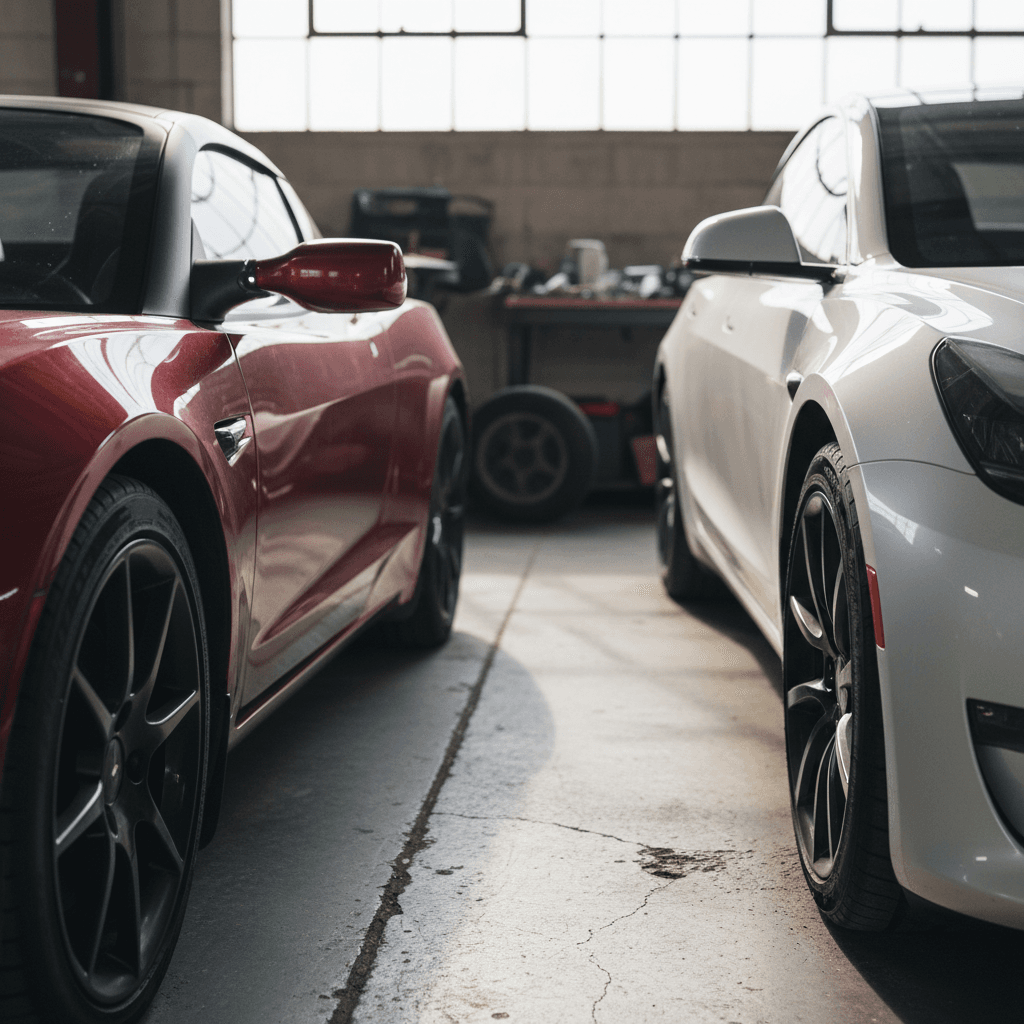
The first‑generation Tesla Roadster (2008–2012) is the car that proved an electric sports car could be fast, desirable, and more than a science fair project. It’s also a low‑production specialty car based on a Lotus chassis, with early‑EV quirks and parts scarcity baked in. In other words: it’s not an impulse buy, it’s a hobby.
Roadster at a glance
Key facts to know before you fall in love with the orange one on your screen.
| Aspect | What to know |
|---|---|
| Body & layout | Two‑seat targa‑top roadster based on the Lotus Elise. |
| Production | Roughly 2,450 units built worldwide, making it genuinely rare. |
| Real‑world range | About 150–200 miles for original packs when healthy; more with 3.0 upgrades. |
| Acceleration | 0–60 mph in the mid‑4‑second range for Sport versions, still properly quick. |
| Parts & service | Limited Tesla support; some components are bespoke. You’ll need a specialist. |
| Use case | Weekend toy, Cars & Coffee regular, appreciating asset, not a commuter appliance. |
Numbers vary by battery upgrade and individual car; always verify with documentation.
Roadster reality check
On the plus side, clean Roadsters with good battery documentation are holding value well and, in some cases, appreciating. On the downside, a single battery or electronics drama can redefine "running cost." Unless you specifically want a collectible, a Roadster is an emotional purchase, not the rational one.
Model 3 Performance: the everyday Tesla sports car
The Model 3 Performance is the car that turned Tesla from a tech flex into a track‑day regular. Dual motors, big brakes, playful chassis tuning, and software tricks like Track Mode make it feel more like a giant smartphone programmed for apex hunting. On the used market, it’s often the best balance of price, performance, and livability.
Used Model 3 Performance: strengths and drawbacks
What you’ll love, and what might annoy you
What it does brilliantly
- Violent acceleration on demand, with no drama or gear changes.
- Compact footprint and low center of gravity = point‑and‑shoot handling.
- Over‑the‑air updates and modern tech keep it feeling current.
- Usable back seat and trunk; it’s a sports car that takes kids to school.
Where it can bite
- Early cars can feel noisy and harsh over broken pavement.
- Repeated track days without cooling awareness can accelerate battery and brake wear.
- Some owners report panel rattle and interior squeaks as miles pile on.
- Performance tires + frequent launches = higher running costs.
Decoding Model 3 Performance listings
Model S Performance & Plaid: supercar speed, family body
If the Model 3 Performance is your sports sedan, the Model S Performance and Plaid are your four‑door supercars. Straight‑line performance is absurd to the point of comedy; you mash the pedal and your passengers involuntarily audition for roller‑coaster reaction videos. On early Performance trims, the party trick was the "Ludicrous" mode. On Plaid, it’s just called Tuesday.
Why enthusiasts love it
- Jaw‑dropping acceleration: even older Performance models will dust most sports cars.
- Spacious hatchback body and usable rear seats, think GT car for grownups.
- Later cars gained improved suspension and interior quality.
- Great road‑trip partner when paired with the Supercharger network.
What to watch for on used examples
- Early cars (especially pre‑2016) can have more squeaks and electronic gremlins.
- Large, heavy car + track use = hard life for brakes and tires.
- Check for drive unit replacements, air‑suspension work, and MCU (screen) repairs.
- Out‑of‑warranty Plaid repairs can be breathtakingly expensive, budget accordingly.
Don’t buy on speed alone
What used Tesla sports cars really cost in 2025
Pricing moves constantly with new‑car discounts, incentives, and macro‑EV mood swings, but some patterns are clear. The Roadster lives in a collector bubble; Model 3 Performance is where you’ll find usable bargains; Model S Performance and Plaid occupy the upper middle, often at staggeringly low prices relative to their original MSRP.
Typical U.S. asking prices for used Tesla sports cars (late 2025)
Ballpark price ranges from mainstream listing sites; actual deals vary by mileage, condition, options, and region.
| Model & trim | Typical price range* | Original vibe |
|---|---|---|
| Roadster (2008–2012) | $70,000 – $170,000+ | Collector toy, early‑EV history piece. |
| Model 3 Performance (2018–2022) | ~$30,000 – $45,000 | Everyday sports sedan, track‑day capable. |
| Model 3 Performance (newer, low‑miles) | $45,000+ | Near‑new feel, often still under warranty. |
| Model S Performance (earlier years) | Mid‑$20,000s – $40,000s | Disguised supercar with some age‑related quirks. |
| Model S Plaid (recent) | $70,000+ | Supercar acceleration in a luxury shell. |
These are guides, not guarantees, always compare multiple marketplaces and recent sales.
Why prices feel weird
Battery health, mileage and hard driving: what really matters
With any used EV, especially a fast one, the real question isn’t just "How many miles?" but "How hard were they?" Launch control antics, repeated high‑speed runs, and track days all ask more of the battery and drivetrain than polite commuting. The good news: Tesla packs have proven generally robust. The bad news: abuse rarely shows up in glossy listing photos.
How to judge a used Tesla sports car’s battery and driveline
1. Look at battery health, not just odometer
A 70,000‑mile Model 3 Performance that’s lost only ~8–10% of its original range can be a better bet than a 30,000‑mile car that’s been fast‑charged and thrashed constantly.
2. Ask for a recent range or health report
Ideally, get a <strong>professional battery health report</strong>. Recharged’s <strong>Recharged Score</strong> uses dedicated diagnostics to measure pack condition and thermal behavior, not just what the dash claims.
3. Check charging patterns
Cars that lived on DC fast chargers only, especially in hot climates, can show more degradation. A mix of home Level 2 charging and occasional fast charging is a healthier story.
4. Inspect brakes, tires and suspension
Uneven tire wear, cooked rotors, or tired dampers can hint at repeated track use. On a sports‑oriented Tesla, that’s fine, if the seller maintained it. It’s worrying if they didn’t.
5. Scan for software locks and warnings
Make sure there are no power‑limit warnings, battery‑health messages, or range limitations. If anything feels off in a test drive, reduced power, odd noises, pause the deal.
Why third‑party inspection matters
Pre-purchase checklist for any used Tesla sports car
You’re not just shopping for speed; you’re auditioning a long‑term electronic co‑pilot with a PhD in throwing torque at the horizon. Before you sign anything, private party or dealer, run through this list.
Used Tesla sports car pre‑purchase checklist
1. Confirm the exact trim and options
Verify you’re truly looking at a <strong>Performance</strong> or <strong>P</strong> model, not a dual‑motor car with fancy wheels. Check badging, VIN decode, and the in‑car menu for performance modes.
2. Review service history and recalls
Ask for Tesla service records, invoices, and recall completion. A car that’s seen regular visits for alignment, suspension, or MCU issues is less mysterious than one with no paper trail at all.
3. Inspect wheels, tires and brakes closely
Sports models often wear low‑profile tires and big brakes. Curb‑rashed wheels, mismatched tires, or heavily lipped rotors can hint at a hard life or deferred maintenance.
4. Test every driver‑assist and infotainment feature
Check Autopilot, cameras, parking sensors, Bluetooth, audio, and all screens. Replacing a Tesla MCU or camera suite can get expensive fast.
5. Evaluate charging behavior
Plug into AC and DC if possible. Watch how quickly the car ramps up to its expected charge rate and whether it holds it. Strange fluctuations or warnings deserve investigation.
6. Clarify software and subscription status
Is premium connectivity active? Is Full Self‑Driving included or subscription‑only? Features tied to the VIN can affect resale value and your day‑to‑day experience.
Beware of "too good" private deals
How Recharged simplifies buying a used Tesla sports car
If you like wrenching, spreadsheets, and the adrenaline of private‑party negotiations, you can absolutely hunt down your own used Tesla sports car. If you’d rather spend your bandwidth on choosing paint color and planning your first canyon run, Recharged exists to take the homework off your plate.
What you get when you shop a used Tesla sports car through Recharged
Performance EVs without the guesswork
Verified battery & drivetrain health
Every car comes with a Recharged Score Report that uses EV‑specific diagnostics to assess battery capacity, charging behavior, and motor health, far beyond a basic OBD scan.
Transparent, fair pricing
Recharged benchmarks listings against real‑world used EV sales so your Model 3 Performance or Model S is priced fairly, with no mystery fees tacked on at the end.
Financing, trade‑ins & delivery
Apply for EV‑friendly financing, get an instant trade‑in offer or consignment help for your current car, and arrange nationwide delivery, all online.
Ready to find your next EV?
Browse VehiclesPrefer to kick the tires in person? Recharged also operates an Experience Center in Richmond, VA, where EV specialists can walk you through battery reports, performance trims, and what to expect if you’re coming from gas sports cars.
Used Tesla sports car FAQ
Frequently asked questions
A used Tesla sports car can be anything from a fragile, fascinating slice of EV history to a brutally quick daily driver that just happens to have four doors and a hatch. The trick is matching your appetite for risk, rarity, and speed with the right model, and insisting on real battery data instead of vibes. If you’d rather skip the guesswork, Recharged can help you find, finance, and ship a vetted performance Tesla with a clear Recharged Score Report, so the only surprise is how hard it pins you into the seat when you floor it.