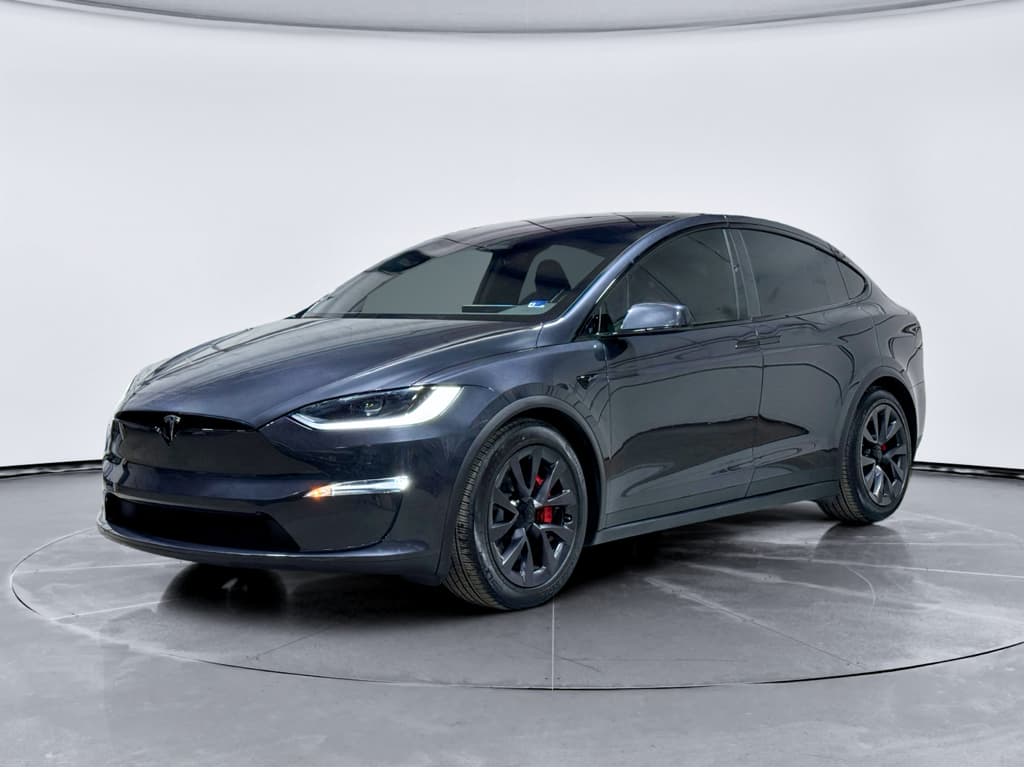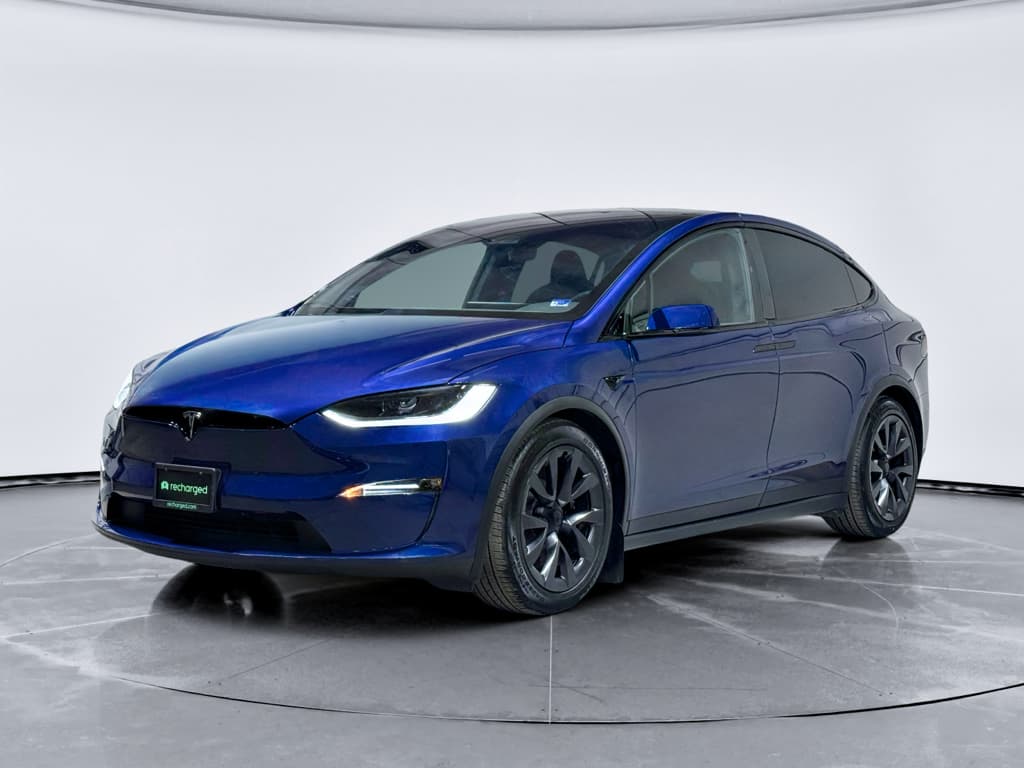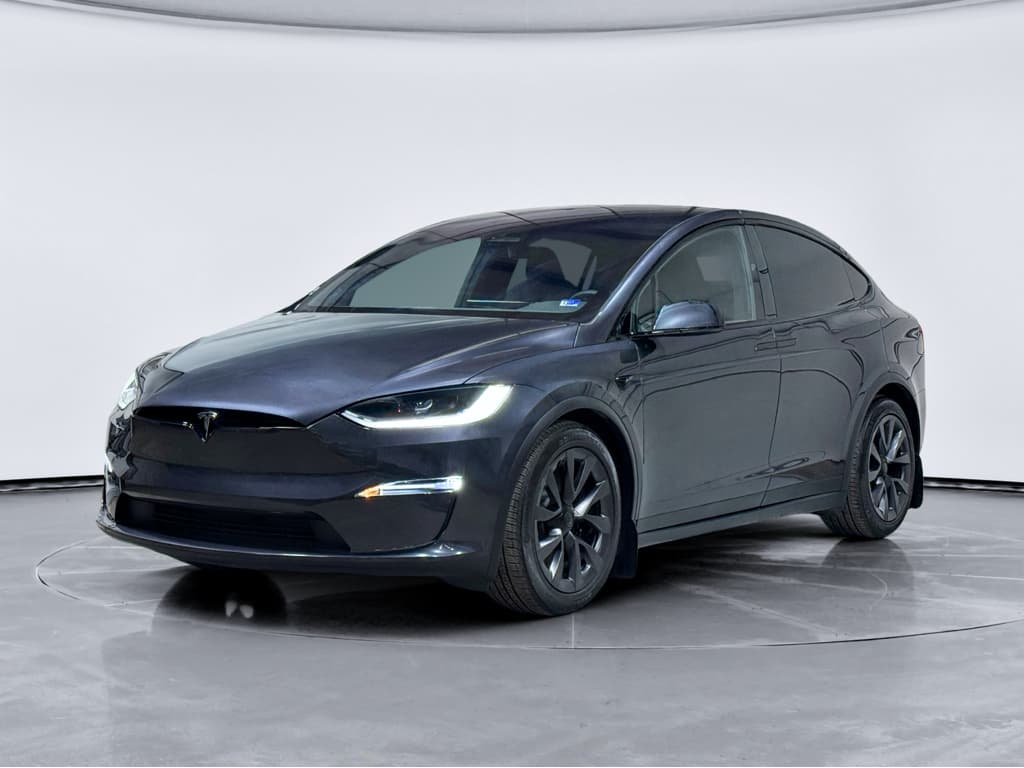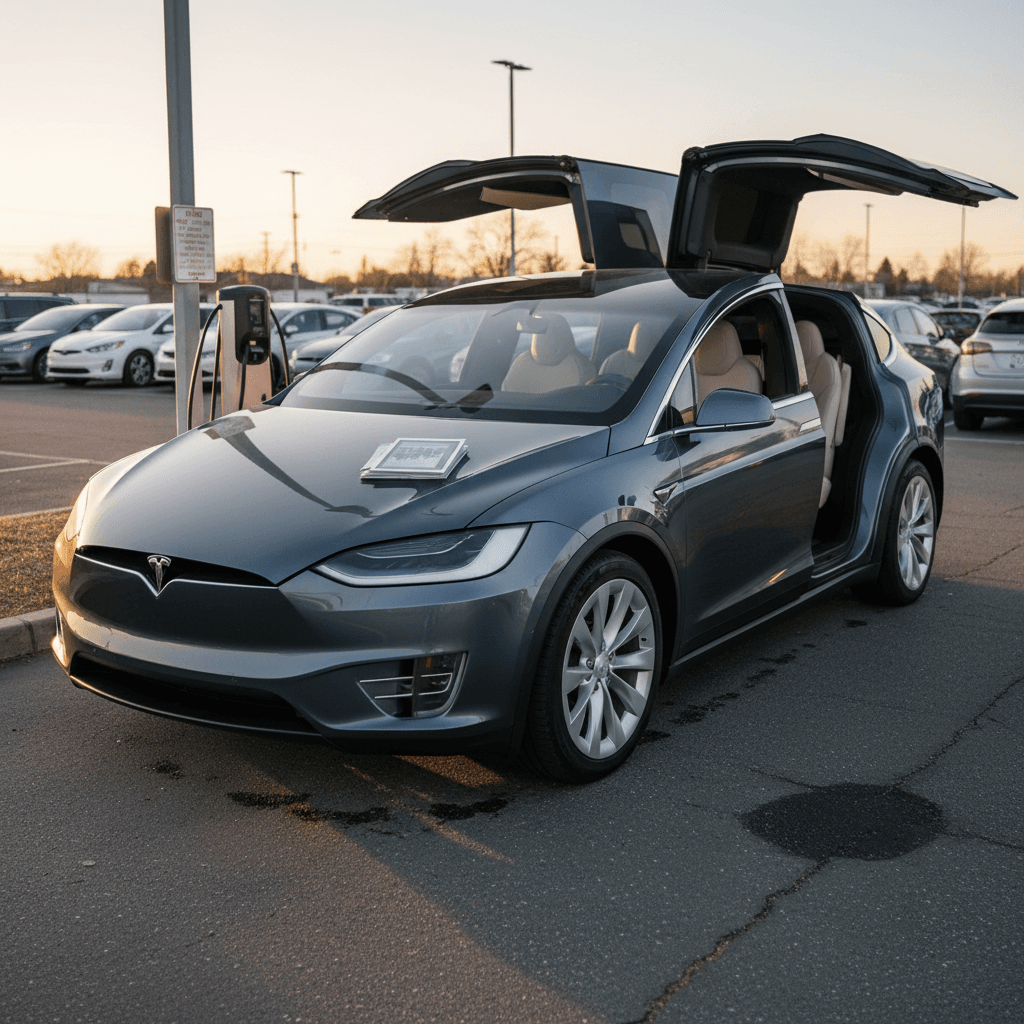
If you’re eyeing a used 2016 Tesla Model X, you’ve probably heard two very different stories: on one hand, it’s a futuristic, fast, family EV; on the other, early Model X reliability, especially those falcon‑wing doors, earned some infamy. This guide breaks down 2016 Tesla Model X reliability in plain English so you know what’s hype, what’s real, and what to check before you buy.
Quick context: a first‑year flagship
2016 Tesla Model X reliability at a glance
2016 Model X reliability snapshot
The short version: mechanically and electrically, the 2016 Model X can be a solid long‑term EV, but it’s wrapped in a body full of complex hardware that doesn’t always age gracefully. If you want the wow factor and are comfortable with some nuisance repairs, it can still be a great buy, especially if you choose the right car and price it correctly.
How the 2016 Model X has aged
Where the 2016 X has held up well
- Battery packs and dual motors have generally aged better than many skeptics expected, with relatively few catastrophic failures.
- Performance is still modern: instant torque, strong acceleration, and up‑to‑date driving dynamics with OTA software updates.
- Charging experience has improved as Tesla expanded Supercharging and added features like better trip planning and preconditioning.
Where time has exposed weaknesses
- Falcon‑wing and auto‑present doors can become misaligned, noisy, or glitchy and are expensive to adjust if out of warranty.
- Interior trim and seals on some early builds show more wear, wind noise, or water intrusion than later years.
- Electronics and screens (MCU1 infotainment) can feel dated and may need replacement to stay responsive long term.
Model X sweet spot
Common 2016 Model X problems
For 2016 Model X shoppers, reliability is less about the core EV hardware and more about the complex body and convenience features. Here are the issues you’re most likely to encounter on a nine‑ to ten‑year‑old 2016 X.
Most common trouble spots on the 2016 Model X
What tends to go wrong, and how serious it is
Falcon‑wing door glitches
Early Model Xs are notorious for:
- Doors refusing to open/close
- False obstacle detection
- Misalignment scraping paint or trim
Repairs often involve recalibration, sensor replacement, or hinge/strut work.
Auto‑present front doors
The driver’s door that opens itself can:
- Not latch or close fully
- Open into curbs or objects
- Need repeated sensor and alignment tweaks
Wind & water leaks
The massive windshield and complex seals can lead to:
- Wind noise at highway speeds
- Occasional water leaks or creaks
- Seal replacements and adjustments
Suspension and half‑shafts
Heavier Model Xs, especially performance trims used hard, may show:
- Front half‑shaft vibration under acceleration
- Bushing and control arm wear
- Clunks over bumps
MCU1 screen & electronics
Early center screens can:
- Lag or freeze
- Develop yellow banding or bubbles
- Need eMMC or full MCU replacement
Fit & finish issues
First‑year production quality means some cars have:
- Panel misalignment
- Rattles, squeaks, and loose trim
- Premature seat wear in high‑use cabins
Why inspection matters more than mileage
Battery and drive unit reliability
The good news: the 2016 Model X’s battery and dual‑motor powertrain are not the main reliability villains. Compared with its complex doors, the high‑voltage components have proven relatively robust when properly cared for.
- Most 2016 Model X owners report moderate battery degradation after nearly a decade, often in the ballpark of 10–20% range loss, depending on usage, climate, and charging habits.
- Frequent DC fast charging and repeated 100% charges can accelerate degradation, but outright battery failures remain the exception, not the rule.
- Dual‑motor drive units are generally durable, with far fewer widespread failure reports than early Model S units saw.
- Tesla’s battery management system aggressively manages pack temperature and charge limits, which helps preserve long‑term health.
How Recharged measures battery health
If you’re buying a 2016 Model X from a private seller or traditional dealer, insist on more than just the in‑car range estimate. At minimum, document current 100% range, typical charge levels, and any history of battery or drive‑unit replacement.
Safety, recalls, and software updates
Because the Model X is so software‑defined, reliability and safety evolve over time. Tesla has issued a series of recalls and over‑the‑air updates that affect 2016 vehicles.
Representative issues and recalls affecting early Model X
Always run a VIN‑specific recall check before you buy; this table highlights the types of items you’ll see on early Xs.
| Area | Example issue type | Typical fix | Why it matters |
|---|---|---|---|
| Parking brake | Parking brake caliper component may fail to release | Replace affected caliper parts | Prevents roll‑away risk or inability to move the vehicle |
| Seats / latches | Second‑row seat latch or fold mechanism problems | Inspect and replace latch or frame components | Ensures rear seats lock securely in a crash |
| Electronics / eCall | Possible loss of post‑crash emergency call function on some cars | Update software or repair communication module | Maintains emergency call capability after an accident |
| Cameras / visibility | Intermittent rearview camera loss on some vehicles | Replace camera or wiring harness | Critical for reversing safety and driver confidence |
Recall completion is free at Tesla service centers, but some items may still be outstanding on used vehicles.
Use software to your advantage
Real‑owner reviews and survey data
When you combine reliability surveys with owner reviews, you get a more balanced picture than the early headlines suggested.
- On major consumer sites, the 2016 Model X typically earns reliability scores around 4.6–4.7 out of 5, with more than 85–90% of reviewers saying they’d recommend it.
- Owners frequently praise the powertrain and daily driving experience while docking points for build quality and the hassle of door/sensor fixes.
- Broader reliability surveys historically ranked Tesla as below average overall in the mid‑2010s, and industry analysts singled out the Model X as one of the more problematic Teslas in its earliest years.
- Later‑year Tesla models (especially Model Y) have improved in survey rankings, suggesting the company learned from the early X’s complexity, but that doesn’t retroactively fix a neglected 2016 vehicle.
"The Model X taught the entire industry a lesson about how fast you can push complexity into a new vehicle. From a reliability standpoint, Tesla essentially debugged a rolling science project in the field."
What to check before you buy a 2016 Model X
Pre‑purchase checklist for a 2016 Tesla Model X
1. Falcon‑wing doors (both sides)
Open and close each door multiple times in different spots, flat ground, slight slope, near walls. Listen for grinding, watch for misalignment, and look for paint scuffs where the door meets the body.
2. Auto‑present driver’s door
Verify that the driver’s door opens and closes smoothly, latches correctly every time, and doesn’t swing too aggressively into nearby obstacles.
3. Wind, water, and rattles
On a highway test drive, listen for excessive wind noise around the windshield and mirrors. After a wash or rain, check for leaks around doors and the rear hatch.
4. Suspension and steering feel
In Standard and Low ride‑height settings, accelerate briskly and listen for shudder, clunks, or vibration from the front end. Over speed bumps, note any harsh impacts or knocks.
5. Battery health and charging history
Ask for a recent screenshot of the car at 100% charge, showing projected range, and how the car has typically been charged (home Level 2 vs frequent fast charging). If you’re buying through Recharged, review the Recharged Score battery report.
6. Infotainment responsiveness
Scroll, pinch‑zoom, and switch apps on the center display. Excessive lag, random reboots, or a yellow/bubbled screen may indicate the need for MCU repairs or an upgrade.
7. Software, recalls, and service history
Confirm the car is on a recent software version, and ask for Tesla service records or app screenshots showing completed recall work and major repairs.
Walk‑away red flags
Ownership costs and remaining warranty coverage
With a 2016 Model X, factory bumper‑to‑bumper coverage is long gone, but some high‑voltage coverage may remain depending on the original in‑service date and configuration.
Warranty basics to understand
- Bumper‑to‑bumper: Originally 4 years / 50,000 miles from first delivery. Any 2016 is now beyond this coverage.
- Battery & drive unit: Typically 8 years with a mileage cap (often around 150,000 miles) for Model X variants. Depending on in‑service date and current odometer, some 2016s are just aging out of this coverage now.
- Transferability: Tesla’s original warranties usually follow the car, but any extended or third‑party coverage may not. Always verify with documentation.
What you might spend to keep one happy
- Wear items: Tires, air‑suspension components, and brakes on a heavy, powerful SUV can be pricier than on a compact EV.
- Body and door work: Out‑of‑warranty falcon‑wing or auto‑door repairs can be four‑figure jobs if major components are involved.
- Electronics: An MCU replacement or infotainment upgrade is a meaningful but usually one‑time expense that modernizes the car.
How Recharged helps with cost transparency
Ready to find your next EV?
Browse Vehicles2016 Model X vs newer model years
If you’re cross‑shopping a 2016 with later Model X years, or even other three‑row EVs, it helps to understand what changed.
How a 2016 Model X compares with later years
Why it’s cheaper, and what you trade off
Why 2016 is attractive
- Lower entry price: As the first full model year, 2016s often sit at the bottom of the Model X price ladder.
- Same basic look & feel: You still get the dramatic doors, panoramic glass, and spacious cabin that define the X.
- OTA‑updatable: Many software features and UI changes trickle back to 2016, narrowing the perceived age gap.
Where newer years pull ahead
- Improved build quality: Later Xs benefited from incremental hardware and manufacturing refinements.
- Updated hardware: Newer infotainment, Autopilot hardware, and, in some years, revised suspension and range.
- Less risk: A 2018–2020 Model X tends to have fewer door and trim complaints if you look across large owner samples.
Should you buy a 2016 Tesla Model X?
A 2016 Tesla Model X can be a compelling used EV if you go in with clear eyes. The underlying EV platform, battery, motors, and software‑defined driving experience, has aged better than its early reputation suggests. Where shoppers get burned is ignoring the complex hardware that makes the X special: falcon‑wing doors, auto‑present front doors, and a massive glass structure that all require careful inspection.
If you’re the kind of buyer who values drama and innovation over absolute simplicity, a well‑sorted 2016 X at the right price can be a fantastic long‑range family EV. If you want a set‑and‑forget appliance, a simpler used EV, or a newer Model Y, will probably make you happier.
Either way, your best protection is good data and a transparent seller. That’s exactly why Recharged pairs every EV with a Recharged Score battery‑health report, detailed condition documentation, and EV‑specialist guidance from first click to delivery. Whether you end up in a 2016 Model X or something newer, that level of transparency turns reliability from a gamble into an informed decision.