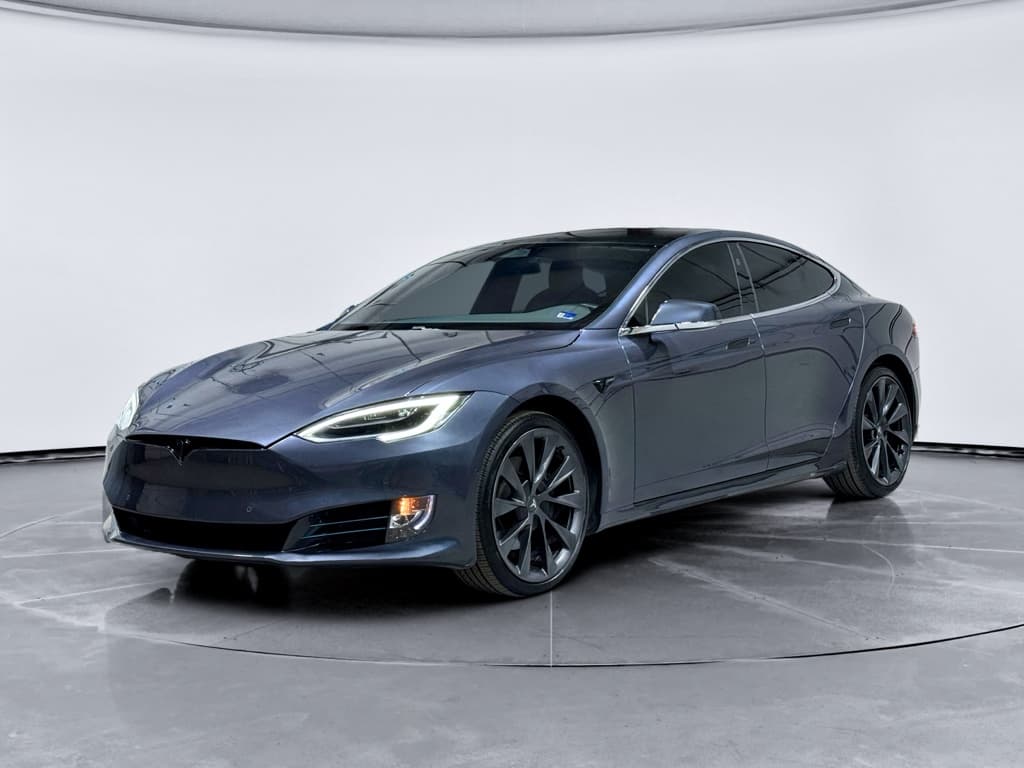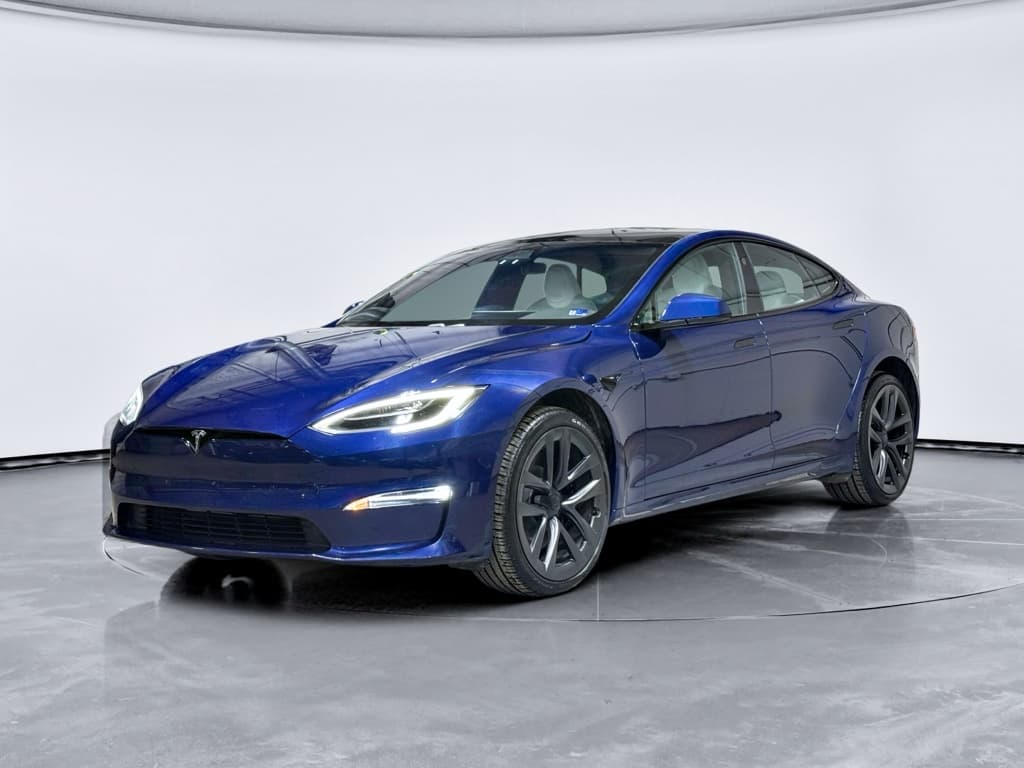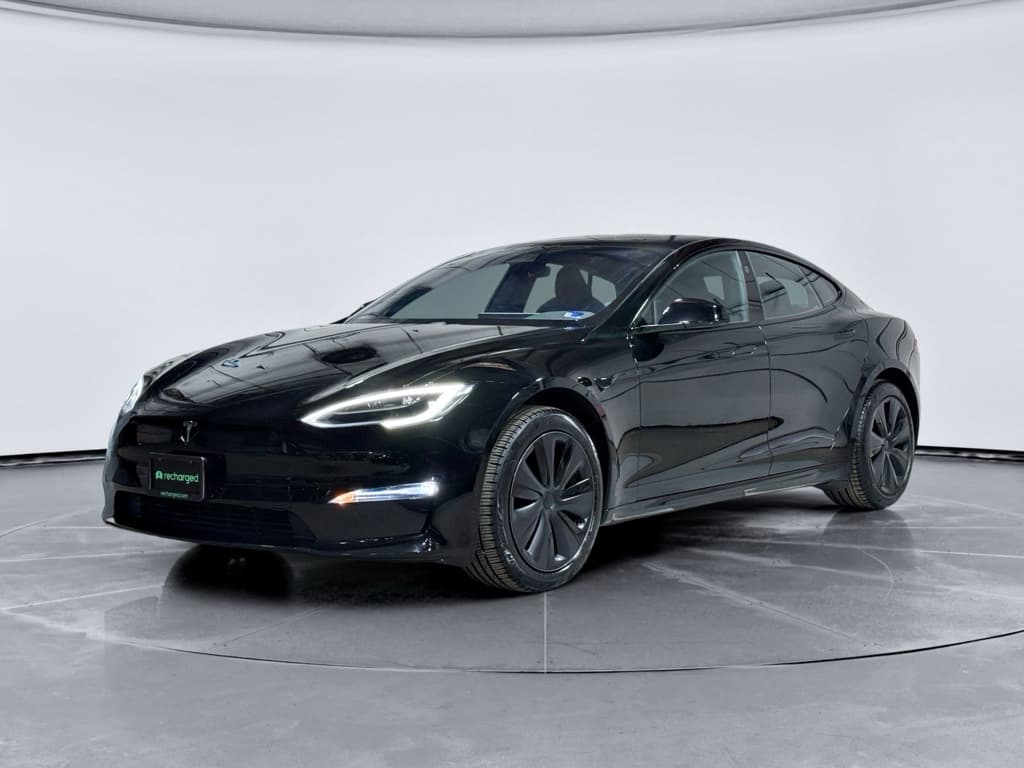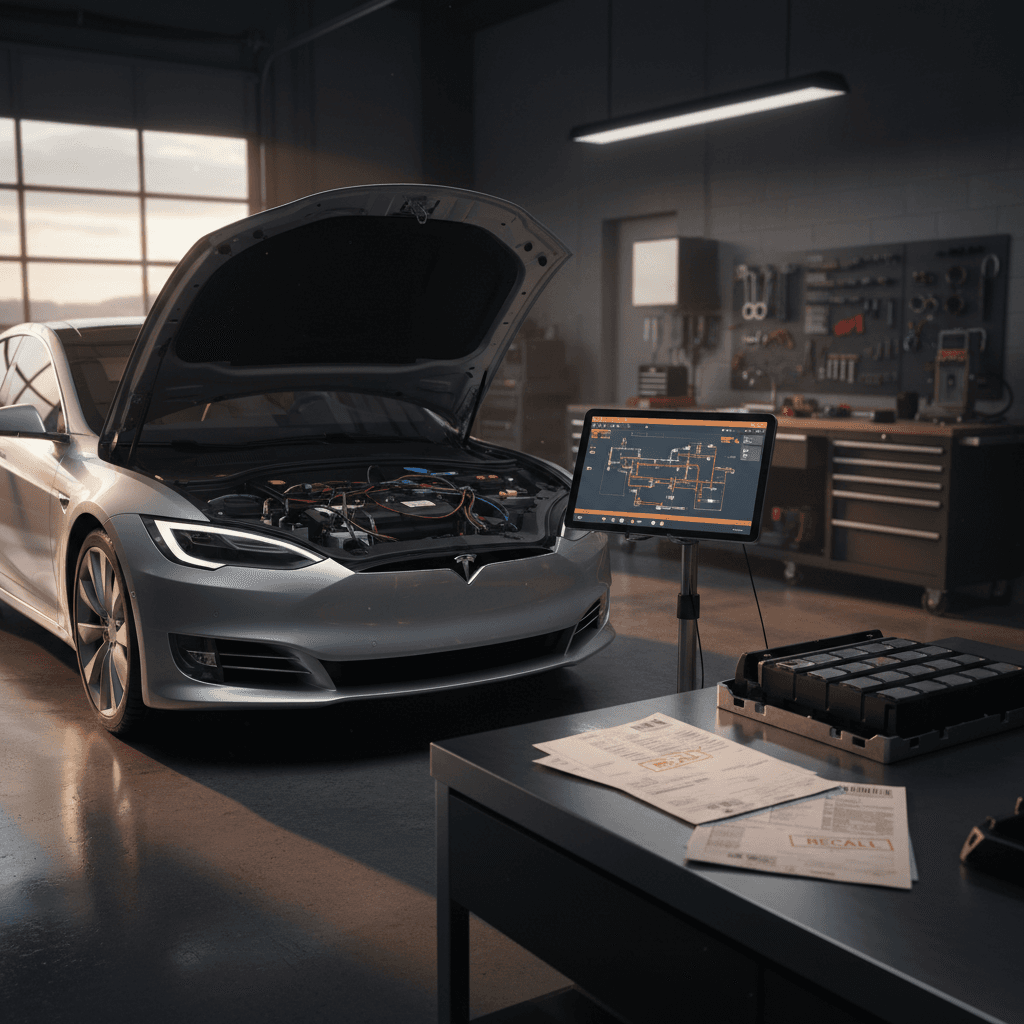
If you own, or are shopping for, a 2021 Tesla Model S, you’ve probably heard about several high‑profile Tesla safety campaigns in the last few years. This guide pulls together a clear, owner‑friendly 2021 Tesla Model S recalls list, explains what each one fixes, and shows you how to confirm that your specific car is up to date.
Why this matters for 2021 Model S owners
Overview: 2021 Tesla Model S recalls at a glance
The refreshed 2021 Model S sits in the middle of Tesla’s broader recall story. Some campaigns target only certain VIN ranges; others apply to nearly every Tesla built over the past decade. For 2021 Model S owners, the most important themes are driver‑assistance software (Autosteer / Autopilot), seat belt systems, and instrument‑cluster warning visibility. Most fixes arrive as software updates, with a smaller number requiring Service Center visits for inspection or part replacement.
Key recall themes for 2021 Model S
Don’t rely on headlines alone
Quick reference: 2021 Model S recalls list
Major recalls affecting 2021 Tesla Model S
High‑level overview of significant U.S. recall campaigns that specifically include 2021 Model S vehicles. Exact applicability depends on build date, hardware and options.
| Recall area | Typical model years covered | Fix type | Owner impact |
|---|---|---|---|
| Autosteer / Autopilot misuse controls | 2012–2023 Model S | OTA software update | Changes Autosteer behavior, alerts and engagement rules to reduce misuse. |
| Seat belt warning chime logic | 2012–2024 Model S (select VINs) | OTA software update | Ensures seat belt reminder activates correctly when belt is unbuckled. |
| Front seat belt attachment inspection | 2021–2023 Model S & X (subset) | Service Center inspection/repair | Checks that front seat belt is securely attached; repairs or replaces hardware if needed. |
| Warning light font size / cluster visibility | Older and newer Model S (various years incl. 2021) | OTA software update | Adjusts cluster display so critical warnings meet federal visibility rules. |
| Miscellaneous safety‑related software campaigns | 2012–2023 Model S (various) | OTA software update | Updates behaviors around collision warnings, braking and system monitoring. |
Always verify by VIN, this table is an owner‑friendly summary, not a legal record.
Important legal note
Autosteer misuse software recall (2023 Autosteer update)
One of the most far‑reaching Tesla recalls to date addresses how drivers use Autosteer, the core lane‑keeping function in Tesla’s Autopilot and Full Self‑Driving feature sets. Regulators concluded that drivers could too easily misuse or over‑rely on the system, increasing crash risk. The remedy is an over‑the‑air software update that tightens supervision and changes how Autosteer behaves.
Which 2021 Model S vehicles are included?
Tesla’s Autosteer campaign covers essentially all Model S units from 2012 through 2023 that are equipped with Autosteer, which includes the 2021 model year. Whether your specific car is included depends on:
- Whether it has Autosteer/Autopilot active
- The hardware generation (Autopilot 1.0 through Hardware 3.0)
- Production date relative to the recall manufacturing ranges
What does the fix change?
After the recall update installs, you may notice:
- More prominent visual and audible hands‑on‑wheel reminders
- Stricter limitations on using Autosteer outside controlled‑access highways
- More checks at activation, and quicker disengagement when conditions aren’t met
- Temporary suspension of Autosteer if you repeatedly ignore prompts
The goal isn’t to remove features, but to reduce the chance that drivers treat Autosteer like full self‑driving when it still requires continuous supervision.
Pro tip: confirm the Autosteer update finished
Seat belt warning and attachment recalls
Seat belts are one of the biggest focus areas for 2021 Model S recalls. Some campaigns address software (warning chimes that don’t trigger when they should). Others are hardware‑focused, covering how the front belts are attached to the vehicle structure.
Two different seat belt issues you should check
Both involve the front row, but the fixes are very different.
1. Seat belt warning chime software
In this recall, certain Tesla vehicles, including many 2021 Model S builds, may fail to play the required seat belt reminder chime if specific start‑up conditions occur.
- Fix: OTA software update
- Goal: Ensure the chime always sounds when the driver is unbuckled
- Owner effort: Keep your vehicle connected to Wi‑Fi or cellular and accept the update
2. Front seat belt attachment inspection
Another campaign involves some 2021–2023 Model S and Model X vehicles where the front seat belt may not be securely attached to the pretensioner anchor after service work.
- Fix: Service Center inspection, with replacement hardware if needed
- Symptoms: Excessive belt movement, unusual feel, or visible mis‑routing
- Owner effort: Schedule and attend a short inspection appointment
Do not ignore seat belt concerns
Warning light font size and display issues
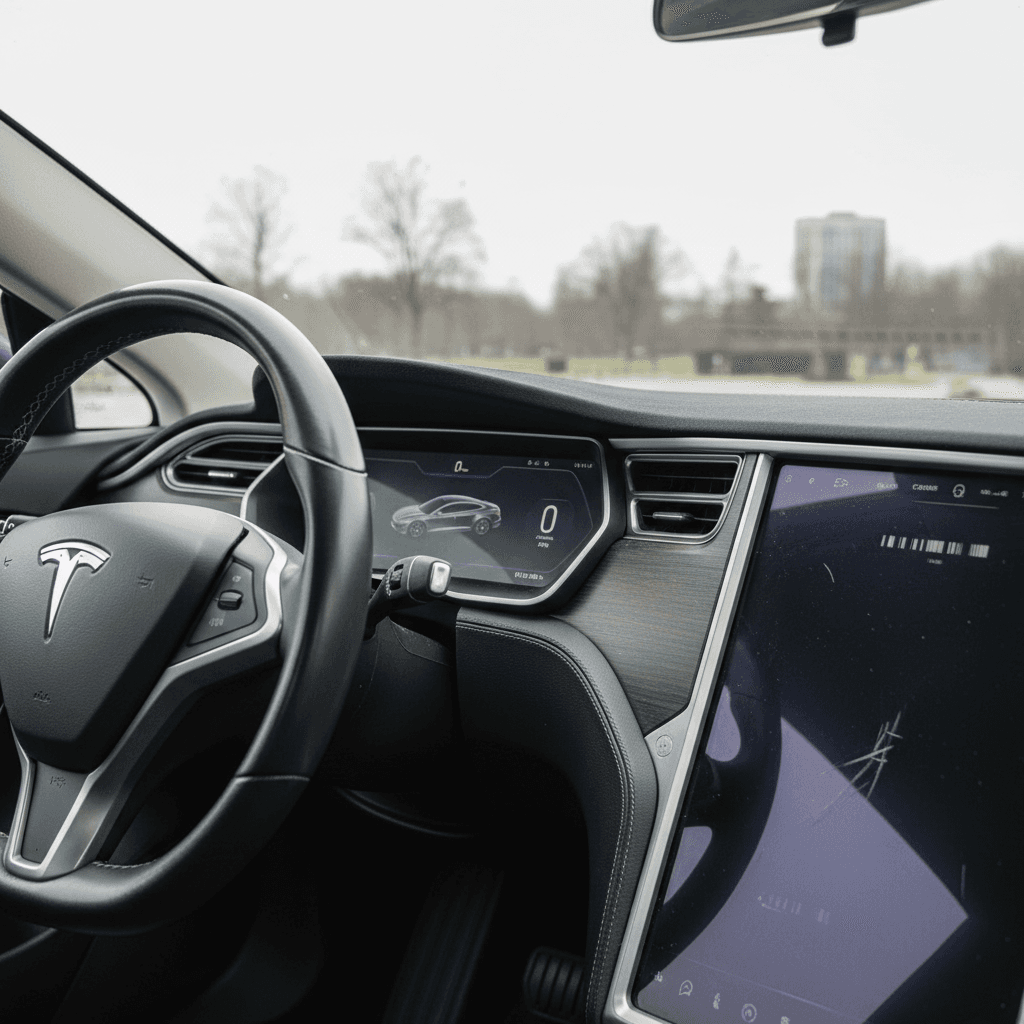
Tesla has faced scrutiny over how clearly dashboard warning lights and messages appear on the Model S instrument cluster. Regulators have raised concerns that some telltales, such as brake or ABS warnings, didn’t meet minimum size or visibility requirements, particularly after software updates that changed the cluster layout.
For 2021 Model S owners, that translates into software‑only recall fixes that adjust font sizes, contrast and placement so safety‑critical icons remain easy to see. These updates typically download and install like any other Tesla firmware release and may show up in your release notes under broader “bug fixes” or “usability improvements,” even though they are tied to a formal safety campaign.
Why display recalls still matter
Other software-based recalls affecting 2021 Model S
Beyond the high‑profile Autosteer and warning‑light campaigns, several other software‑centric recalls have swept in 2021 Model S vehicles as part of larger Tesla fleets. Depending on your hardware and option set, these may include updates related to collision‑avoidance behavior, brake system monitoring, lighting logic and other driver‑assistance refinements.
- Collision‑warning or braking behavior tuned to better recognize certain obstacles or scenarios.
- Changes to how the vehicle verifies that safety systems are active and functioning correctly.
- Refinements to camera or sensor diagnostics that trigger service messages sooner if hardware degrades.
- Updates to comply with evolving federal rules around driver‑assistance system behavior and transparency.
How to spot a recall in your software history
How Tesla handles recalls: OTA vs. Service Center
Unlike traditional automakers, Tesla leans heavily on over‑the‑air updates to handle recalls. For 2021 Model S owners, that means many safety fixes arrive the same way your entertainment or navigation updates do, no dealership, no loaner, no paperwork.
Over‑the‑air (OTA) recall fixes
- Apply to: Driver‑assistance behavior, warning logic, display visibility, software‑enforced limits
- What you do: Keep the car connected, approve the update, and let it install while parked
- Time: Typically 15–30 minutes, often scheduled overnight
- Cost: No charge, recall work is free to owners
Service Center recall fixes
- Apply to: Belts, airbags, steering or suspension hardware, and inspections that can’t be done remotely
- What you do: Schedule an appointment through the Tesla app and drop off the car
- Time: From brief inspections to multi‑hour repairs, depending on parts and workload
- Cost: Also no charge, but you’ll invest time and may need alternate transportation
Good news for used buyers
Ready to find your next EV?
Browse VehiclesHow to check if your 2021 Model S has open recalls
Because Tesla recall campaigns frequently change as regulators investigate and Tesla refines fixes, the most reliable way to know your status is to check using your specific Vehicle Identification Number (VIN). Here’s a simple process you can follow today.
Step-by-step: verify recalls on your 2021 Model S
1. Locate your VIN
Find your 17‑character VIN on the lower driver‑side windshield, the driver‑side door jamb label, your registration card, or within the Tesla app under Vehicle details.
2. Check the NHTSA VIN lookup
Visit the U.S. government’s online recall lookup and enter your VIN. It will display all <strong>federal safety recalls</strong> that are open on your 2021 Model S and whether repairs are complete.
3. Review the Tesla app and account
Open the Tesla mobile app and your online Tesla account. Look for any <strong>Service</strong> banners, recall notices or recommended appointments tied to your VIN.
4. Scan recent software release notes
On your car’s touchscreen, open <strong>Software → Release Notes</strong> and scroll through recent updates. Look for language about Autosteer, collision warnings, seat belts, or warning lights.
5. Call or message Tesla service if unsure
If you see news about a new recall that might involve 2021 Model S and your VIN lookup is unclear, use the app to message Tesla Service and ask directly whether your car is included.
6. Keep documentation for resale
If you plan to sell or trade your 2021 Model S, save screenshots or service invoices showing that recalls are complete. This reassures future buyers and can strengthen your position on price.
Tie recall checks to your annual routine
Used 2021 Model S: what buyers should look for
If you’re shopping for a used 2021 Model S, recalls are only one part of the safety and value story. Battery health, previous accident damage, and how diligently past owners applied software and hardware fixes all affect what the car is worth, and how confidently you can drive it.
Recall checklist for used 2021 Model S shoppers
Ask these questions before you sign anything.
Are all recalls closed?
Ask the seller for documentation showing that all known recalls are complete. Cross‑check using the VIN on the NHTSA recall site.
On Recharged, vehicles include a Recharged Score report that summarizes recall status alongside battery diagnostics.
Is the software current?
From the driver display, check the software version and look for a pattern of regular, recent updates. Long gaps can hint at an owner who ignored important fixes.
Any structural or belt repairs?
Review service history for seat belt anchor repairs, airbag deployments, or major body work. Confirm that any such work occurred after the relevant recall fix, or was rechecked later.
Buying through a specialized used‑EV retailer like Recharged can simplify this process. Every vehicle comes with a Recharged Score Report that covers battery health, fair‑market pricing and a detailed history check, so you’re not left guessing whether a past owner skipped something as important as a safety recall.
FAQ: 2021 Tesla Model S recalls
Common questions about 2021 Model S recalls
Bottom line: is a 2021 Model S safe after recalls?
On paper, the 2021 Tesla Model S has been swept up in several high‑visibility recall campaigns, but that doesn’t automatically make it a risky car. When its Autosteer software, seat belt systems and warning displays are brought fully up to date, a 2021 Model S can be a compelling, high‑performance EV with modern safety tech and a strong long‑term outlook.
Your job as an owner or shopper is to verify the details: run the VIN, confirm that OTA updates have been installed, and take hardware‑related inspections seriously. If you’d rather not manage all of that alone, consider working with an EV‑focused retailer like Recharged, where every used EV comes with a Recharged Score battery‑health and history report, expert guidance, and a fully digital buying experience. That way, you get the benefits of a 2021 Model S, without wondering what’s lurking in the fine print of its recall history.