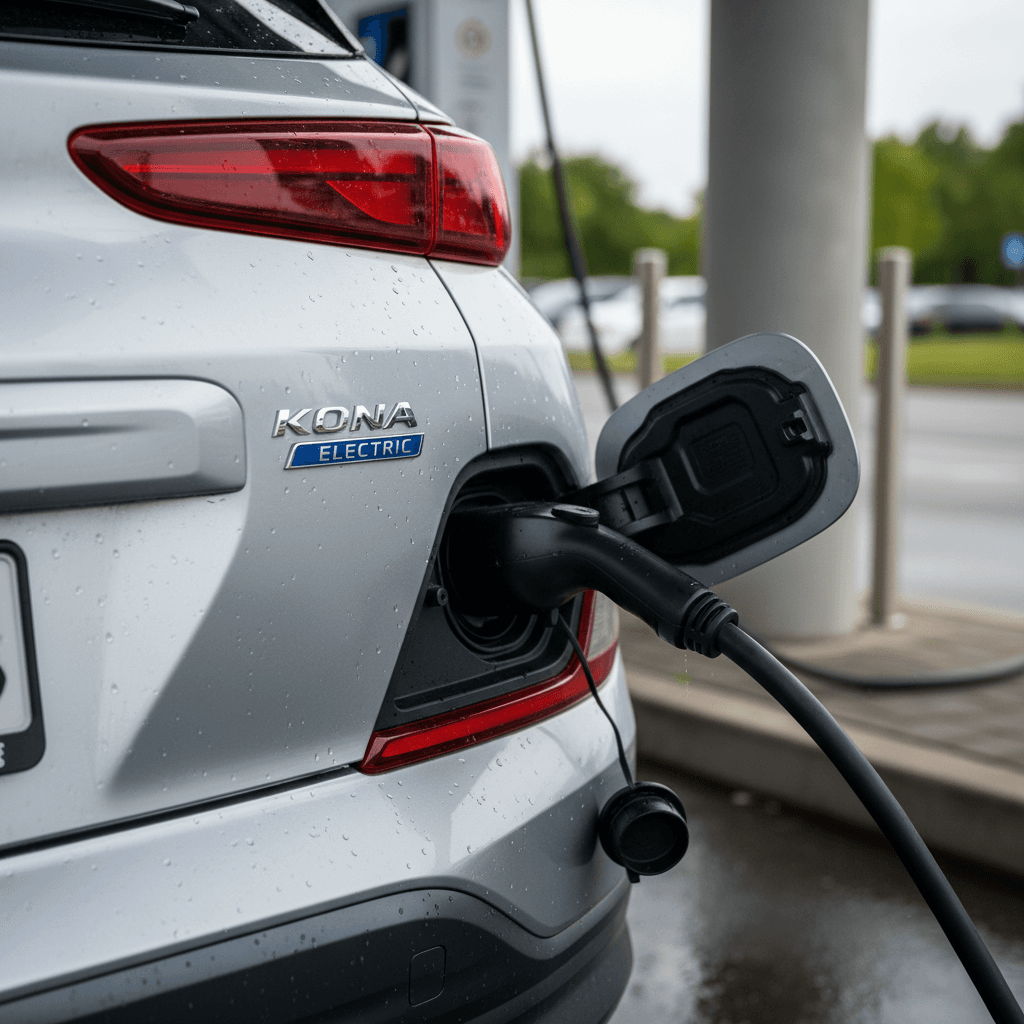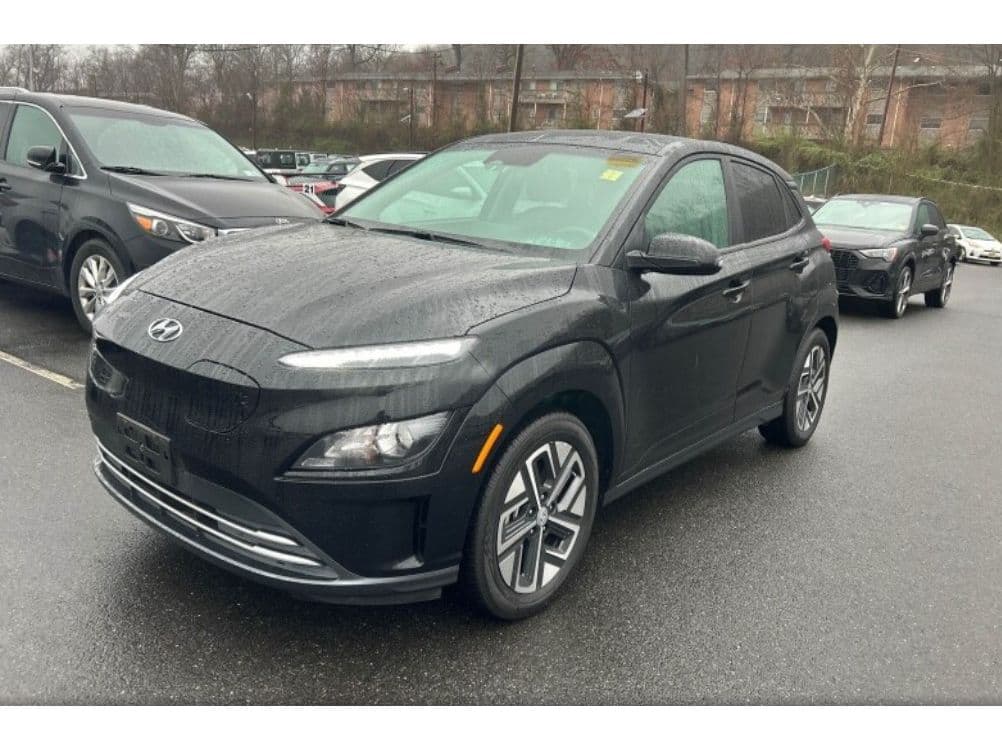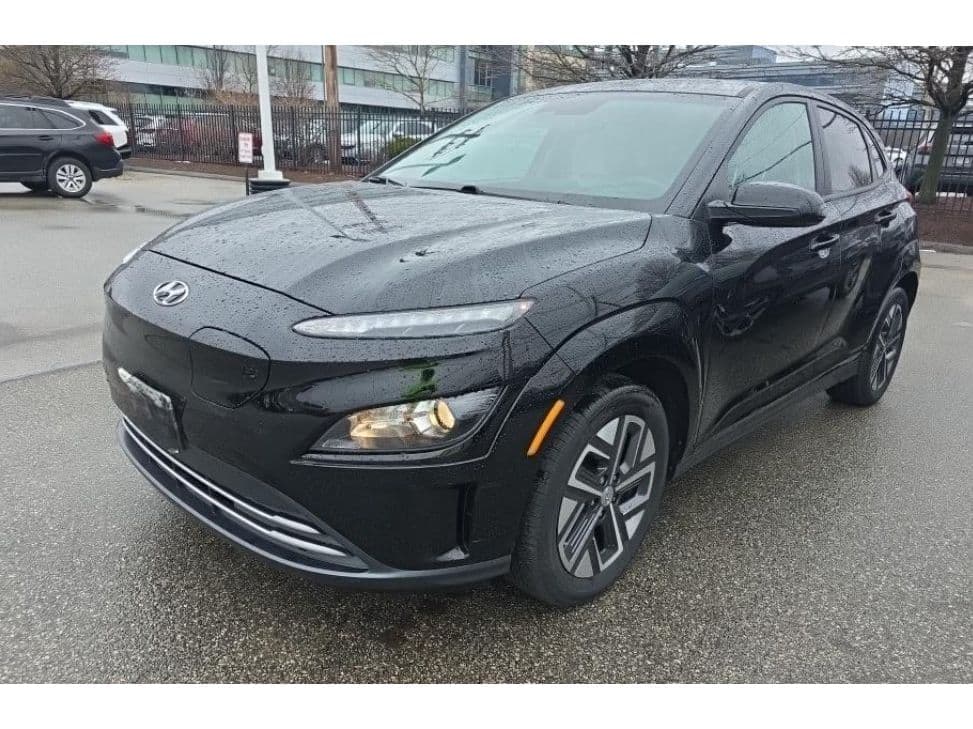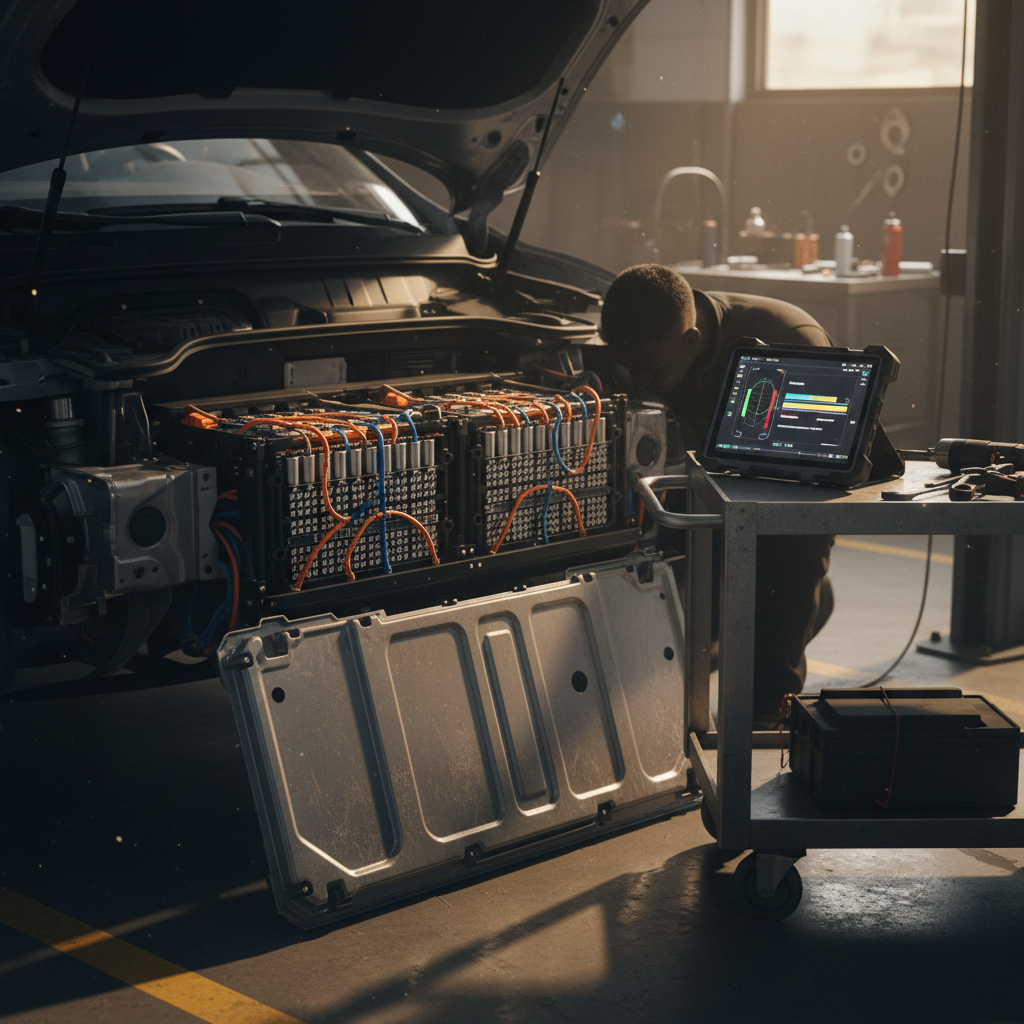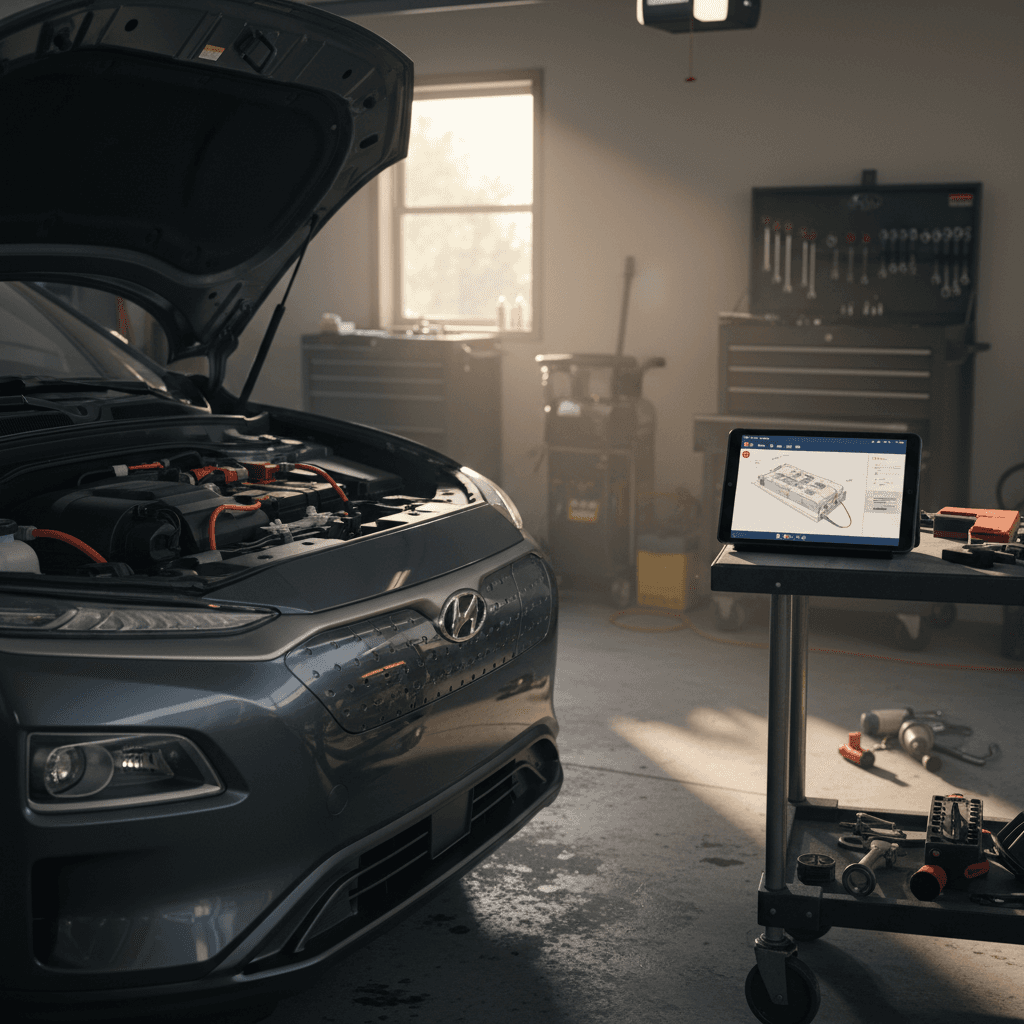
If you own or are shopping for a 2021 Hyundai Kona Electric, you’ve probably heard about battery fires, software fixes, and now something called Recall 239. This guide pulls together the most important information into a single 2021 Hyundai Kona Electric recalls list, then translates it into plain English so you know what’s urgent, what’s background noise, and what it means if you’re considering a used Kona EV.
Model-years vs. calendar years
Overview: 2021 Kona Electric recalls at a glance
Key recall facts for the 2021 Kona Electric
The 2021 Kona Electric is caught in the long tail of Hyundai’s early EV era: a smart, efficient small crossover overshadowed by headlines about fires in earlier model years. In reality, if you separate rumor from paperwork, there is one primary U.S. safety recall that most 2021 owners must care about today, plus some related service campaigns and technical bulletins that don’t show up as “official” recalls but still shape ownership.
Quick list: 2021 Hyundai Kona Electric recalls
- Safety Recall 239 – Electric Power Control Unit (EPCU) malfunction (NHTSA Recall 22V-941): can lead to stalling or, in rare cases, fire in the motor compartment. Affects many 2021 Kona Electric vehicles in the U.S.
- Regional or earlier battery recalls (2019–2020 Kona Electric, NHTSA 21V-127 and related): widely reported, but they primarily target earlier build years. They’re important background context for 2021 shoppers, even if your specific VIN isn’t in those campaigns.
- Service campaigns and Technical Service Bulletins (TSBs) for coolant, charging components, and software updates. These are not formal NHTSA safety recalls, but they address real-world issues like warning lights, DC fast‑charging faults, or charging control unit failures.
Don’t assume “no mail” means “no recall”
Recall 239 / 22V-941: EPCU fire risk and loss of power
The headline recall for the 2021 Hyundai Kona Electric in the U.S. is Safety Recall 239, known to NHTSA as Recall 22V-941. It covers the Electric Power Control Unit (EPCU), the power-electronics brain that meters out energy between the high‑voltage battery and the traction motor.
Recall 239 / 22V‑941 – 2021 Hyundai Kona Electric EPCU recall
What Hyundai and NHTSA say about the 2021 Kona Electric EPCU recall, boiled down for owners and used‑EV shoppers.
| Item | Details |
|---|---|
| Official name | Hyundai Safety Recall 239 – Electric Power Control Unit (EPCU) |
| NHTSA reference | 22V-941 |
| Affected vehicles | Certain 2021 Hyundai Kona Electric vehicles (VIN-specific; not every 2021 car is included) |
| Primary risk | Internal EPCU fault can cause sudden loss of motive power and, in rare cases, thermal damage or fire in the engine bay |
| Typical symptoms | Illuminated warning lights, sudden loss of power, vehicle going into limp mode or not restarting |
| Remedy | Inspection and repair or replacement of EPCU components; updated software and hardware as needed |
| Cost to owner | $0 – safety recall work is free at Hyundai dealers |
| Repair time | Often 1 day, but parts may need to be ordered; expect the car could be kept longer if parts are back‑ordered |
| Status | Active – owners should schedule repair as soon as possible if their VIN is affected |
Always confirm details for your specific VIN at Hyundai’s recall website or NHTSA.gov.
Why this EPCU recall matters
Hyundai’s own recall portal for Campaign 239 spells it out in corporate-legal beige, but the translation is simple: a defect in the EPCU can overheat internal components. In worst‑case scenarios that means smoke or fire; more commonly it means your Kona EV can stall or refuse to restart even though the high‑voltage battery is fine.
Warning signs your EPCU may be in trouble
Dashboard warning lights
If you see multiple EV system or powertrain warnings at once – especially combined with reduced power – treat it as urgent and contact a Hyundai dealer or roadside assistance.
Sudden loss of acceleration
If the car drops into limp mode or won’t respond to the throttle while you still have indicated battery charge, pull over safely and don’t keep driving it as if nothing happened.
Car won’t start or shift into gear
A Kona Electric that powers on but refuses to go into “D” or “R” may be having a serious EPCU or high‑voltage system issue that needs professional diagnosis.
Burning smell or visible smoke
Any smell of burning electronics or visible smoke from the motor compartment is a red‑flag safety condition. Get out, move away from the vehicle, and call emergency services before you call the dealer.
Good news for owners
Battery and fire risk: how worried should you be?
Most of the scary press about the Kona Electric traces back to earlier model years. Hyundai and its battery supplier spent 2020–2021 replacing packs in 2019–2020 Kona Electric after a string of global fire incidents. For 2021 U.S.‑market cars, the story is subtler: the underlying hardware and chemistry are closely related, but Hyundai hasn’t launched a broad, U.S.-wide battery replacement recall for the 2021 model year.
What’s true
- There were genuine fire risks associated with certain Kona Electric battery packs in earlier model years.
- Those risks led to large-scale recalls and pack replacements for 2019–2020 cars in many markets.
- Hyundai has continued to monitor and update Kona EV software and hardware as issues surface.
What’s often exaggerated
- That “every Kona Electric will catch fire.” That’s not supported by the data.
- That a single recall defines the entire car. In reality, most affected vehicles never experience a thermal event.
- That you should avoid a 2021 Kona Electric entirely. For many shoppers, a properly repaired car can be an excellent value.
Think like an insurance underwriter
How to check your 2021 Kona Electric for open recalls
Whether you already own the car or you’re scrolling classifieds at midnight, the most important step is to run a VIN‑specific recall check. It takes under a minute and tells you far more than model‑year gossip.
Step‑by‑step: Check your 2021 Kona Electric for recalls
1. Find your VIN
Your 17‑character VIN is printed on a plate visible at the base of the windshield on the driver’s side and on your registration or insurance card.
2. Use Hyundai’s recall lookup
Go to Hyundai’s official U.S. recall site, enter your VIN, and check for open campaigns like <strong>Safety Recall 239</strong> related to the EPCU.
3. Cross‑check on NHTSA.gov
Search your VIN at NHTSA’s official recall portal. It will confirm any open U.S. safety recalls, regardless of owner history.
4. Ask the service advisor to print the campaign history
When you schedule service, ask the dealer to print the campaign and recall history for your VIN. This gives you a paper trail of what’s already been done.
5. Verify completion dates
Look for completion dates next to each campaign. If Recall 239 or any other safety recall shows “open,” schedule the repair before you worry about optional work.
6. Keep your contact info current
Create or update your Hyundai owner account with your current mailing and email address so you receive future recall notices directly.
If you see a scary letter in the mail
Ownership priorities: what to fix first (and why)
If your 2021 Kona Electric shows multiple campaigns – a safety recall, a software update, maybe a service campaign – it helps to triage. Not everything is equally urgent, and not everything affects your day‑to‑day safety.
How to prioritize fixes on your 2021 Kona Electric
From “park it until fixed” to “do it when you can.”
1. Open safety recalls
Top priority. Anything labeled a safety recall by Hyundai or NHTSA goes to the front of the line.
- Includes Recall 239 / 22V‑941 (EPCU).
- Schedule as soon as parts are available.
- If the letter advises parking outside or limiting driving, take that seriously.
2. Service campaigns & software
These are Hyundai’s attempts to address issues before NHTSA forces a formal recall.
- Often improve charging reliability or warning‑light logic.
- Can prevent small problems from becoming big ones.
- Bundle with regular maintenance for convenience.
3. TSBs and known quirks
Technical Service Bulletins (TSBs) aren’t recalls. They tell dealers how to diagnose and fix recurring complaints.
- Useful if you’re chasing intermittent charging faults.
- May or may not be covered under warranty.
- Worth asking about if symptoms match.
When to consider parking the car
Buying a used 2021 Kona Electric with recalls on its record
On the used market, the 2021 Hyundai Kona Electric is a classic case of bad publicity, good value. The fire‑recall headlines suppress prices across the board, even for later cars that haven’t suffered the same battery campaigns. For a patient shopper, that can be an opportunity – if you’re disciplined about due diligence.
Used‑buyer checklist: 2021 Kona Electric with recalls
Confirm all safety recalls are completed
Ask the seller for documentation showing Recall 239 and any other safety recalls were performed. Cross‑check the VIN on Hyundai’s site and NHTSA.gov before you sign anything.
Look for repeated high‑voltage or charging repairs
A car that’s been in the shop over and over for EPCU faults, charging control unit failures, or unexplained stalling deserves extra scrutiny, or a hard pass.
Ask for DC fast‑charging history
Moderate DC fast‑charging isn’t a problem, but an ex‑fleet vehicle that lived on a fast charger may have more battery wear. Compare the real‑world range to the original EPA rating.
Inspect for coolant and underbody damage
EV cooling systems and high‑voltage cables live under the car. Bottom‑out scrapes, poor repairs, or leaks can aggravate issues that factory recalls never anticipated.
Get a third‑party or specialist EV inspection
If possible, have an EV‑literate technician or inspection service evaluate the high‑voltage system, charging behavior, and state‑of‑health reports before purchase.
Leverage the recall history in negotiations
A clean recall and service history is a selling point; a spotty one is leverage. Price the car accordingly and don’t be shy about walking away.
How Recharged approaches Kona EV recalls
Ready to find your next EV?
Browse VehiclesCommon complaints vs. formal recalls on the 2021 Kona EV
Scroll EV forums and owner complaint databases and you’ll see patterns: warning lights, DC fast‑charge hiccups, coolant‑related messages, occasional no‑start events. Not all of these rise to the level of a formal NHTSA recall, but they’re still worth understanding if you daily a 2021 Kona Electric.
What owners report – and how it connects to recalls
Not every quirk is a defect, but patterns matter.
Owner complaints you’ll often see
- Random “Check EV system” or powertrain warning lights.
- DC fast‑charging stops early or won’t initiate at certain stations.
- Messages about coolant or inverter temperature.
- Occasional no‑start or refusal to shift into gear.
How Hyundai typically responds
- Software updates to the Battery Management System (BMS) or charging control units.
- Component replacement for EPCU or charging modules if fault codes match known issues.
- Service campaigns or TSBs that quietly fix problems without triggering NHTSA recalls.
Read beyond the word “recall”
FAQ: 2021 Hyundai Kona Electric recalls
Frequently asked questions about 2021 Kona Electric recalls
Bottom line: Should 2021 Kona Electric recalls scare you?
Recalls are the rap sheet of any modern EV, and the 2021 Hyundai Kona Electric’s record is mixed but far from damning. Yes, the EPCU recall is serious enough to demand your attention. Yes, the shadow of earlier battery fires means you should do more homework than you might for a bland compact SUV. But none of that automatically disqualifies the car.
If you verify recall completion, confirm healthy battery behavior, and review the service history with clear eyes, a 2021 Kona Electric can still deliver exactly what drew you to it in the first place: compact size, strong efficiency, and more real‑world range than many newer nameplates. And if you’d rather not decode campaign numbers and service bulletins on your own, a retailer like Recharged, with battery‑health diagnostics, VIN‑level recall checks, and EV‑specialist support baked into every purchase, can turn a complicated recall story into a transparent, confident buying decision.