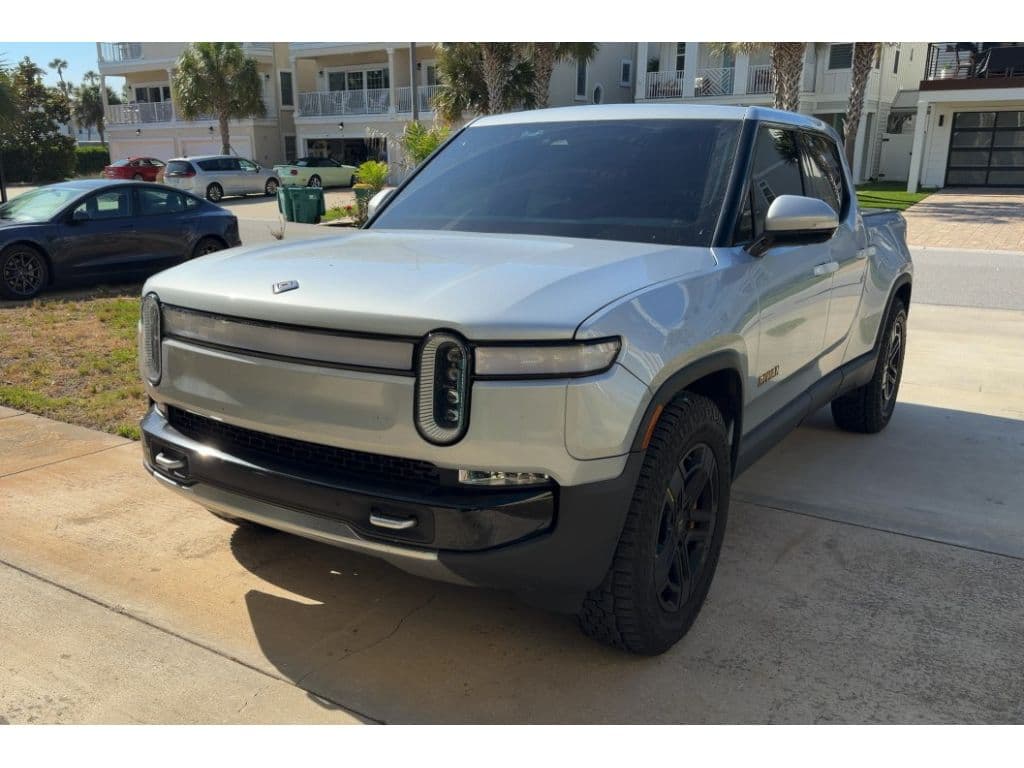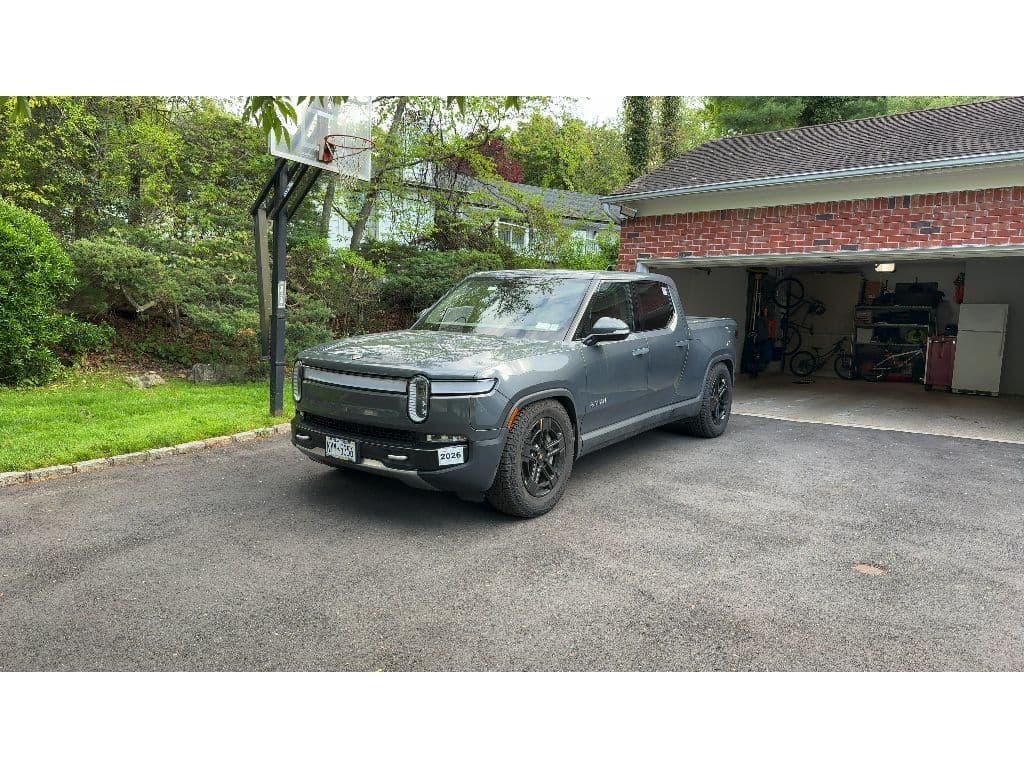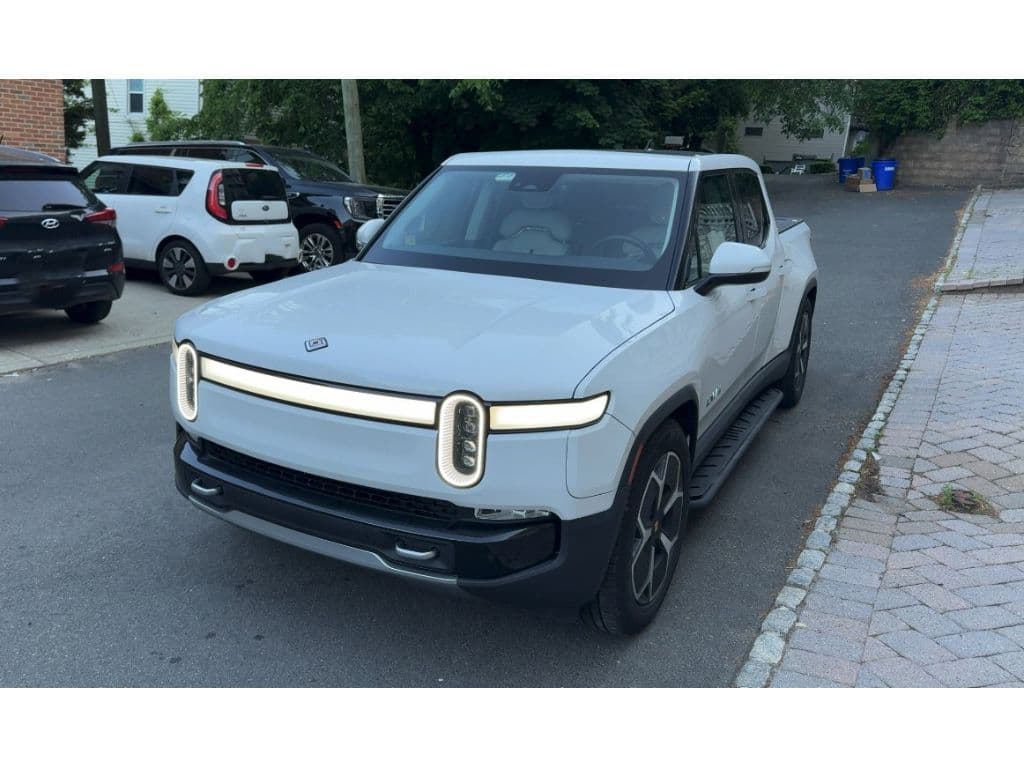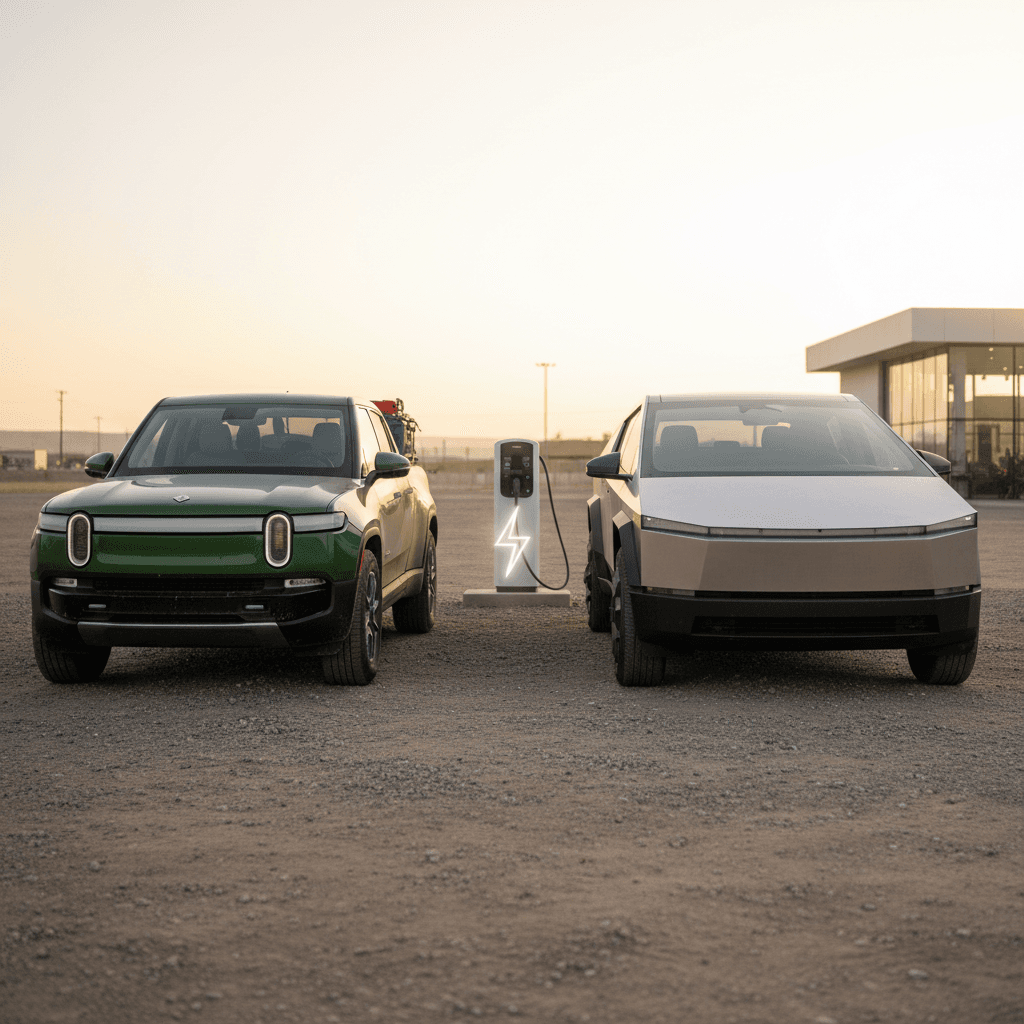
If you’re shopping the used EV market for a serious electric pickup, you’ve probably narrowed it down to a used Rivian R1T or a used Tesla Cybertruck. On paper they tow the same 11,000 pounds and promise huge range and wild performance. In reality, they’re very different trucks that will either make your life easier, or drive you a little crazy, depending on how you plan to use them.
Why this comparison matters for used buyers
Used Rivian R1T vs Tesla Cybertruck at a Glance
Headline Numbers: Used R1T vs Cybertruck
Quick Spec Comparison: Used Rivian R1T vs Tesla Cybertruck
High-level specs you’ll feel in everyday ownership. Exact numbers vary by year and configuration, but these ballparks reflect common trims you’ll see used.
| Spec | Used Rivian R1T | Used Tesla Cybertruck |
|---|---|---|
| Horsepower | 600–835 hp (earlier) to ~1,025 hp (newer quad-motor) | ~600 hp AWD, ~845 hp Cyberbeast |
| Max towing | 11,000 lb | 11,000 lb |
| Payload (approx.) | Up to ~1,760 lb | Up to ~2,500 lb (config-dependent) |
| Battery/range | Standard to Max pack ~270–410 mi EPA; highway often lower | ~301–325 mi EPA depending on trim |
| Ground clearance | Up to ~15 in with air suspension | Up to ~17 in in Extract mode |
| Bed length | ~4.5 ft | 6 ft vault-style bed |
| Charging | CCS fast charging + Rivian Adventure Network | NACS fast charging on Tesla Supercharger network |
| Overall vibe | Modern adventure truck, very refined | Brutalist sci-fi, attention magnet |
Specs focus on 2022–2025 Rivian R1T and 2024–2025 Tesla Cybertruck AWD/Cyberbeast trims commonly appearing on the used market.
Think in use cases, not just specs
Who Each Truck Is Really For
Personality Check: Which Truck Fits You?
Both are wildly capable. The question is: which one suits your life, your parking space, and your stomach for attention?
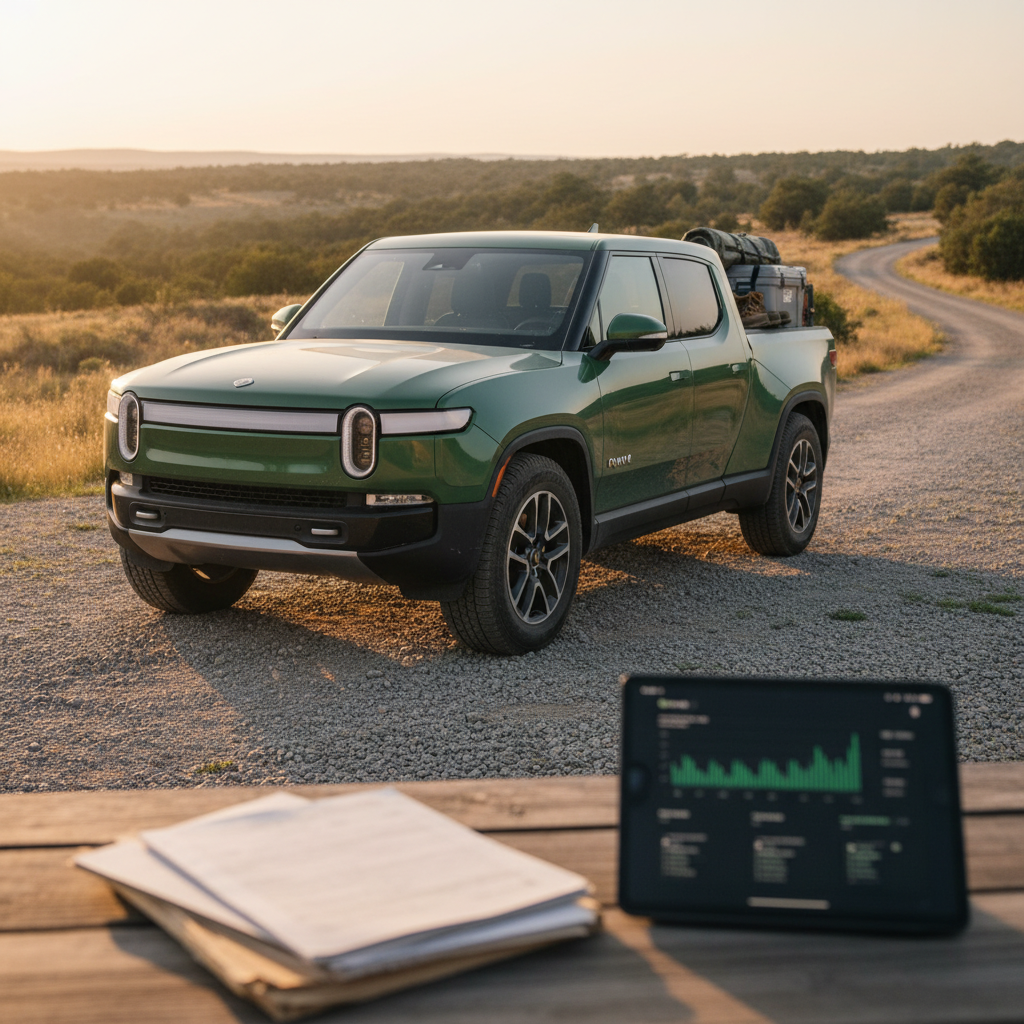
Used Rivian R1T: The adventure daily driver
The R1T feels like a modern, luxurious adventure truck that just happens to be electric. Steering is accurate, the air suspension soaks up abuse, and the cabin is quiet and thoughtfully laid out.
- Great if you want one truck to commute, haul, and explore.
- More conventional shape makes it easier to park, wrap, and live with.
- Ride and handling feel surprisingly refined for a 7,000‑lb pickup.
Used Tesla Cybertruck: The rolling conversation piece
The Cybertruck is unapologetically weird and proudly impractical in some ways. It’s shockingly quick, can tow like a champ, and that stainless-steel exoskeleton turns heads everywhere.
- Great if you want maximum attention and love the Tesla ecosystem.
- Longer bed and big vault cover help if you haul bulky gear.
- Angular styling, sightlines, and size demand a bit more patience in tight spaces.
Used-market reality check
Power, Towing, and Hauling
Acceleration and performance
Both trucks deliver performance that would have embarrassed sports cars not long ago. Early Rivian R1T quad‑motor trucks do 0–60 mph in roughly the mid‑3‑second range, with later high‑output quad‑motor versions pushing that into the mid‑2s. Cybertruck AWD and Cyberbeast trims live in the same neighborhood, with Tesla quoting as quick as the mid‑2‑second range for the top truck.
The takeaway for a used buyer: you won’t be left wanting power in either one. The real differentiator is how the truck behaves once you hitch something heavy to the back.
Towing and payload in the real world
On paper, both trucks are rated to tow up to 11,000 pounds. Payload is somewhat higher in the Cybertruck, up to roughly 2,500 pounds in some configurations, while many R1T builds land in the mid‑1,000‑pound range. That matters if you’re loading people, gear, and tongue weight all at once.
In practice, the constraint isn’t the rating; it’s range while towing. Independent tests have shown that pulling a 6,000‑plus‑pound trailer can slash highway range for both trucks to near 100 miles between fast charges. If your weekends revolve around long‑distance towing, you’ll be planning stops carefully no matter which badge is on the tailgate.
Don’t buy on tow rating alone
Range, Battery, and Real-World Efficiency
Official range numbers for both the Rivian R1T and Tesla Cybertruck look impressive on a window sticker. The problem is that real‑world range, especially on the highway, rarely matches the EPA label, and that’s before you factor in oversized all‑terrain tires, winter temperatures, or a trailer.
How Range Plays Out on the Road
EPA figures tell one story; your right foot and your trailer tell another.
Rivian R1T range reality
Depending on pack, Rivian quotes roughly 270–410 miles of range. In independent highway testing at 70 mph, large‑pack trucks often come in well below that, sometimes around 220–280 miles, especially on all‑terrain tires.
For a used buyer, this means:
- Wheel choice matters, all‑terrain tires cost range.
- Max pack trucks command a premium but give you more cushion.
Cybertruck range reality
Tesla’s early numbers peg Cybertruck AWD around the low‑300‑mile mark and Cyberbeast a bit lower. As with every EV truck, sustained high‑speed driving and cold weather can chip away a big chunk of that.
For used shoppers:
- Expect usable highway range below the EPA figure.
- Future software updates may tweak efficiency, but plan around today’s behavior.
Battery health on the used market
With both trucks still relatively young, outright battery failures are rare, but how a previous owner treated fast charging and storage matters to long‑term health and range.
At Recharged, every used EV we list comes with a Recharged Score battery health report, so you can see real, tested capacity versus when it was new, not just guess from the dashboard estimate.
Why third-party battery diagnostics matter
Ready to find your next EV?
Browse VehiclesOff-Road Capability and Ride Comfort
Rivian R1T: Built for trails
The R1T’s adjustable air suspension and clever drive modes make it feel like a proper off‑road tool. Ground clearance can rise into the mid‑teens (inches), approach and departure angles are generous, and quad‑motor trucks can precisely meter power to each wheel.
On uneven trails, the Rivian’s suspension tuning feels composed rather than brittle. One‑pedal driving in low‑speed off‑road modes makes steep descents almost serene. If you want a truck to handle real backcountry, the R1T delivers that confidence with surprisingly little drama.
Cybertruck: Capable, but less polished off‑road
The Cybertruck also offers air suspension with towering ground clearance in its highest modes and a long‑travel setup aimed at Baja‑style rough‑road speed. But it’s physically larger, with a longer wheelbase and more bulk to place on narrow or technical trails.
Early drives suggest it’s plenty capable, but the tuning feels more like a stunt double than a seasoned trail guide. If your idea of “off‑road” is rough forest roads and sandy access tracks, it will do the job. For tight switchbacks and rock gardens, the Rivian’s smaller footprint and trail‑oriented tuning are easier to live with.
Wheel and tire choices change the story
Tech, Interior, and Driving Experience
Living With a Used R1T vs Used Cybertruck
Screens, controls, and comfort matter more on Day 1,000 than 0–60 times ever will.
Cabin design
R1T: Warm, modern, outdoorsy. Big screens, but materials and colors feel like they belong in a high‑end SUV. Sightlines are more conventional, so it’s easier to place in traffic or a parking garage.
Cybertruck: Stark, minimalist, very Tesla. Dominated by a giant center screen and a geometric dashboard under a steeply raked windshield. It feels like the future, but not everyone finds it cozy.
Controls & ergonomics
Both trucks lean on touchscreens for almost everything. Rivian keeps some hard buttons and more familiar stalks; Tesla goes deepest into on‑screen controls with yoke‑like steering on some builds.
If multiple drivers will share the truck, consider how comfortable they’ll be jumping into something that throws out decades of conventional switchgear.
Driving experience
The R1T comes across as a very refined, almost European‑feeling truck, accurate steering, well‑controlled body motions, and a planted feel on the highway.
The Cybertruck feels more outrageous. It’s hugely quick and surprisingly capable, but its sheer width and wedge shape make it feel bigger on the road than the numbers alone suggest.
“The best EV truck isn’t the one with the wildest spec sheet; it’s the one you don’t mind driving every single day, in traffic, in the rain, with a bike in the back and kids in the rear seat.”
Charging and Road-Trip Viability
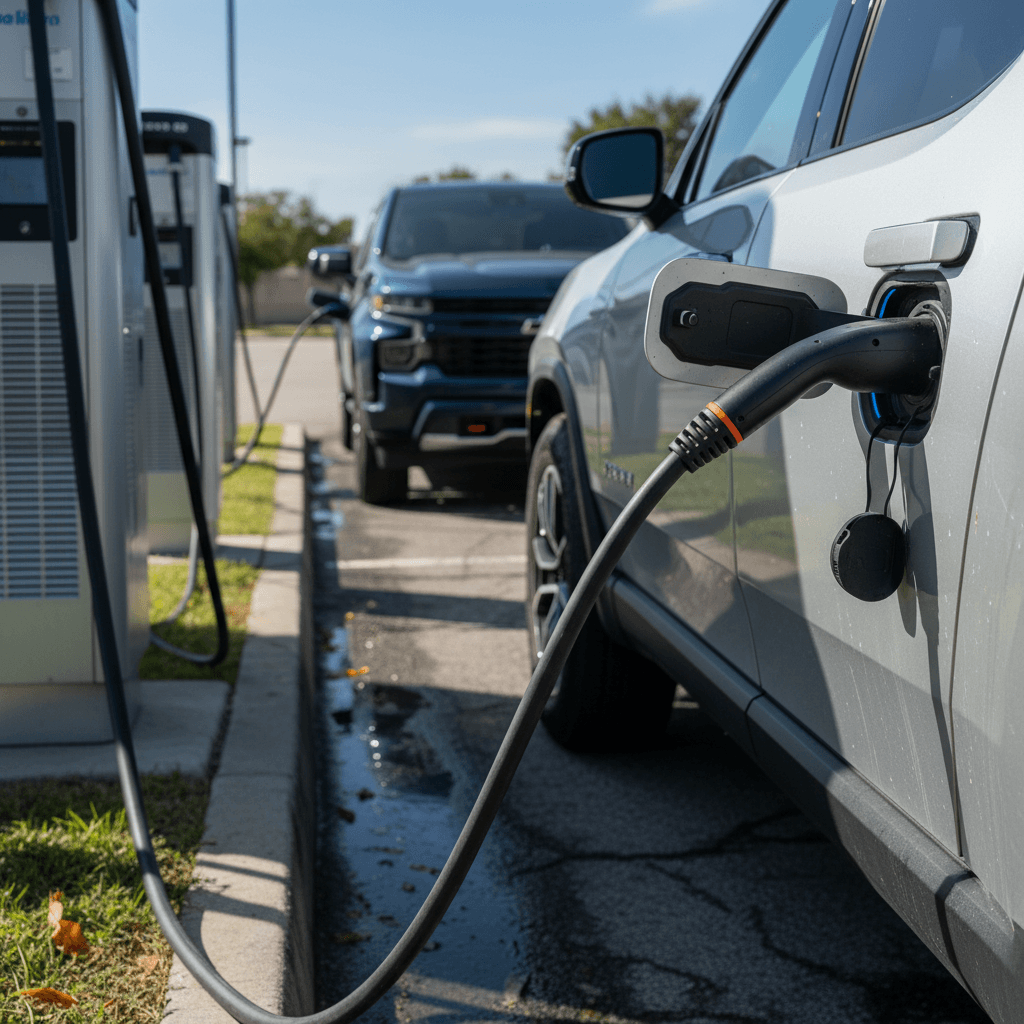
Charging is where these two trucks diverge most clearly in 2025. Rivian leans on the widespread CCS standard plus its own Adventure Network. Tesla’s Cybertruck plugs directly into the North American Charging Standard (NACS) and the Supercharger network that made the brand famous, now increasingly open to non‑Tesla EVs via adapters and native ports.
Charging: Rivian R1T vs Tesla Cybertruck
Same goal, quick juice on a road trip, very different ecosystems.
Used Rivian R1T charging experience
- Standard: CCS fast charging, which still dominates most non‑Tesla public sites.
- Access to Rivian’s growing Adventure Network along popular outdoor routes.
- Home charging via Level 2 (240V) is straightforward; many used buyers install a 40–80‑amp wall unit.
Planning matters more in rural areas, but the footprint of CCS fast chargers in the U.S. makes R1T road trips very doable.
Used Cybertruck charging experience
- Standard: NACS port and direct access to Tesla Superchargers, still the most reliable and tightly integrated network in North America.
- More sites are opening to non‑Teslas, but Cybertruck owners get the most seamless experience within Tesla’s ecosystem.
- Home charging is similarly simple via a Tesla Wall Connector or compatible Level 2 unit.
If you road‑trip constantly, the Cybertruck’s native Supercharger access is a genuine advantage.
Home charging is the great equalizer
Ownership Costs, Depreciation, and Reliability
On a used truck, what you pay to get in, and what it costs you to keep it moving, matters as much as horsepower. With both Rivian and Tesla still relatively young truck makers, we’re still building the long‑term reliability picture, but some early patterns are emerging.
Key Cost Factors When Comparing Used R1T and Cybertruck
1. Purchase price and depreciation
Because Rivian R1Ts have been on the road longer, there’s more used inventory and more price variation. That means better chances to find a deal, especially on earlier quad‑motor trucks or those with higher mileage. Cybertrucks, by contrast, remain scarce and expensive on the used market, with many listings still trading on hype rather than sensible depreciation curves.
2. Insurance and repairs
Insurance quotes can skew higher for both because of their price and aluminum/stainless construction. Body repairs on the Cybertruck’s stainless panels are a new ballgame for many shops. Rivian’s more conventional body construction may be easier for repair networks to adapt to, though parts availability and shop familiarity still vary by region.
3. Routine maintenance costs
Neither truck has oil changes, but you’ll still be replacing tires, brake fluid, cabin filters, and dealing with occasional suspension or electronics issues. Heavy, torquey EV trucks are <strong>hard on tires</strong>, especially if you love full‑throttle launches.
4. Software and service ecosystems
Tesla has the more mature app, over‑the‑air update cadence, and mobile‑service footprint. Rivian’s service network is younger but growing, with remote diagnostics and software updates improving features and efficiency over time. For used buyers far from a service center, mobile support and parts pipelines are worth asking about before you commit.
Don’t ignore warranty timelines
Buying Used: Key Checkpoints for Each Truck
Used Rivian R1T: What to look for
- Battery health: Ask for a measured capacity report, not just a range screenshot. Recharged’s Score report does exactly this.
- Suspension and alignment: Many R1Ts see real off‑road use. Listen for clunks over bumps, and check for uneven tire wear that might hint at alignment or bushing issues.
- Motor configuration: Early quad‑motor trucks are wild performers; dual‑motor versions trade some punch for efficiency and cost. Decide which matters more before you shop.
- Accessory use: Built‑in gear tunnels, power outlets, and racks are part of the R1T charm. Make sure they all work and haven’t been abused.
Used Tesla Cybertruck: What to look for
- Body condition: Stainless shows every ding and DIY experiment. Inspect panels carefully for creases, waves, or amateur polishing jobs.
- Software and options: Verify that any paid software features (like advanced driver assistance packages) actually transfer with the truck, and confirm which hardware is installed.
- Tire and wheel damage: The truck’s weight and width are unforgiving; curb rash and bent wheels can tell you a lot about past use.
- Charging behavior: On a test drive, watch how it takes a fast charge if you can, erratic charging speeds can hint at battery thermal issues or DC fast‑charge abuse.
How Recharged can simplify a complex decision
FAQ: Used Rivian R1T vs Tesla Cybertruck
Frequently Asked Questions
Bottom Line: Which Used EV Truck Should You Buy?
If you want an electric truck that feels like a polished, go‑anywhere adventure rig and a genuinely easy daily driver, a used Rivian R1T is usually the smarter, more balanced choice. It’s friendlier in town, impressively capable off‑road, and the used market already offers real selection and better values than buying new.
If you crave maximum theater, love Tesla’s software ecosystem, and prioritize access to the Supercharger network and a longer bed, a used Tesla Cybertruck will scratch that itch like nothing else. Just be prepared to pay a premium for the privilege and to live with a truck that never fades into the background.
Either way, stepping into a used EV truck is a big decision. Recharged was built to make that decision simpler: verified battery health, transparent pricing, expert EV support, and nationwide delivery. Whether you end up in a Rivian R1T, a Cybertruck, or decide a smaller used EV fits your life better, having real data, and an EV‑savvy team in your corner, turns a wild spec‑sheet race into a clear, confident choice.