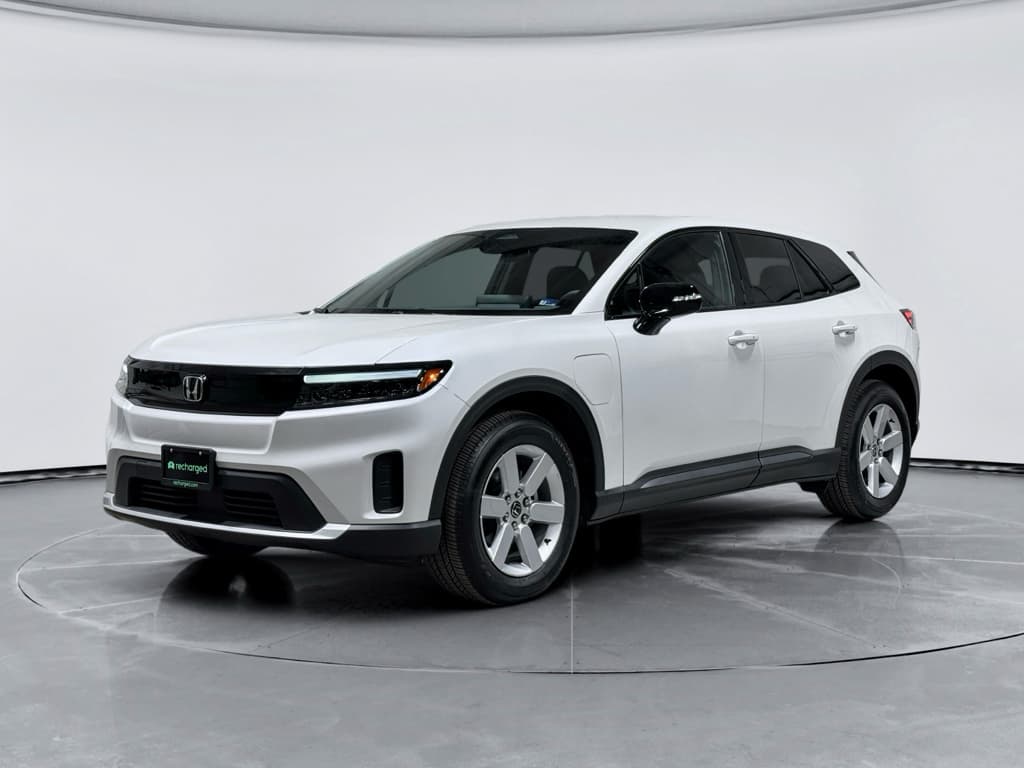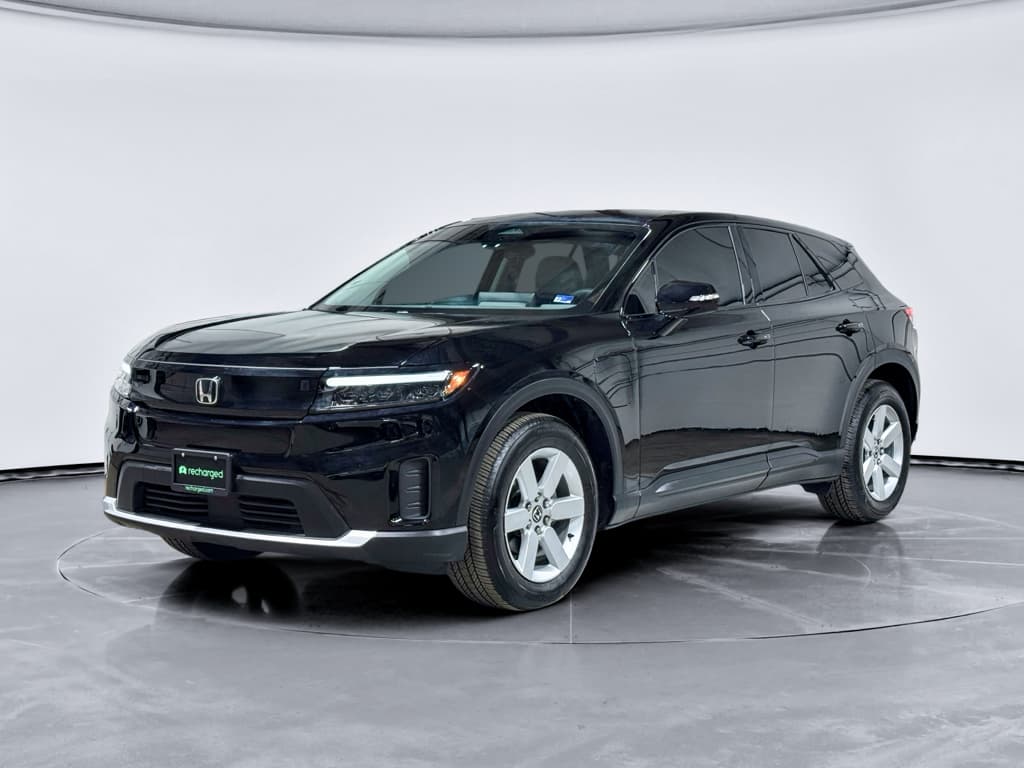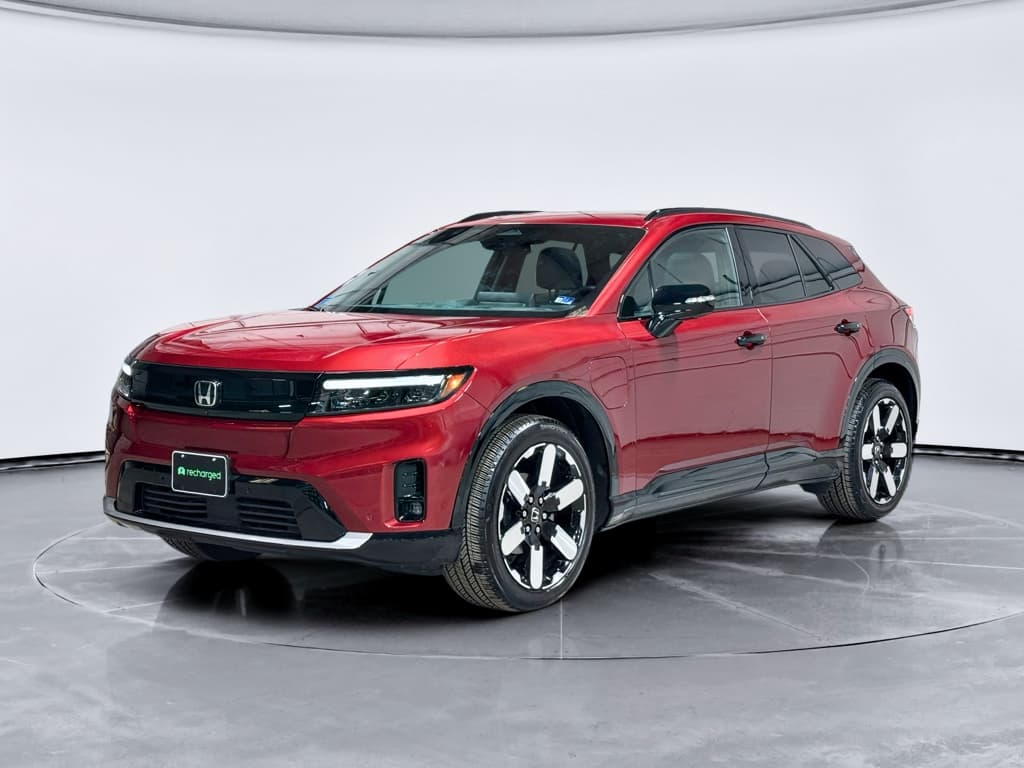
If you’re looking at a Honda Prologue in 2026, especially a lightly used 2024 or 2025 model, you’re not just asking how it drives on a short test loop. You want a genuine long‑term review: How does the Prologue hold up after years of commuting, road trips, fast charging and software updates? In this 2026 guide we pull together early owner feedback, official specs, recall history and used‑market insight to help you decide whether the Prologue deserves a spot in your driveway.
Context: Why “long term” matters already
Honda Prologue at a glance in 2026
Key Honda Prologue numbers (2024–2026)
On paper, the Prologue hits the sweet spot many shoppers want in 2026: a midsize two‑row SUV footprint, usable 270‑plus‑mile range, and familiar Honda design layered over GM Ultium hardware. That GM link brings both benefits (mature battery and charging tech) and a few headaches (software growing pains and a recall campaign you should know about). We’ll unpack all of that section by section so you can see how it stacks up against stalwarts like the Tesla Model Y and Hyundai Ioniq 5.

Battery, range and real‑world efficiency
Every Honda Prologue sold in North America uses an 85‑kWh lithium‑ion battery. EPA‑rated range lands around 296 miles for the most efficient front‑wheel‑drive versions and closer to the mid‑270s for all‑wheel‑drive trims. In Recharged’s own range testing of a 2024 Prologue, the vehicle came reasonably close to its EPA number in mixed driving, though high‑speed interstate runs and cold weather can pull it down into the low‑ to mid‑200‑mile band, similar behavior to many Ultium‑based EVs and peers like the Model Y and Blazer EV.
Range sweet spot
Daily commuting
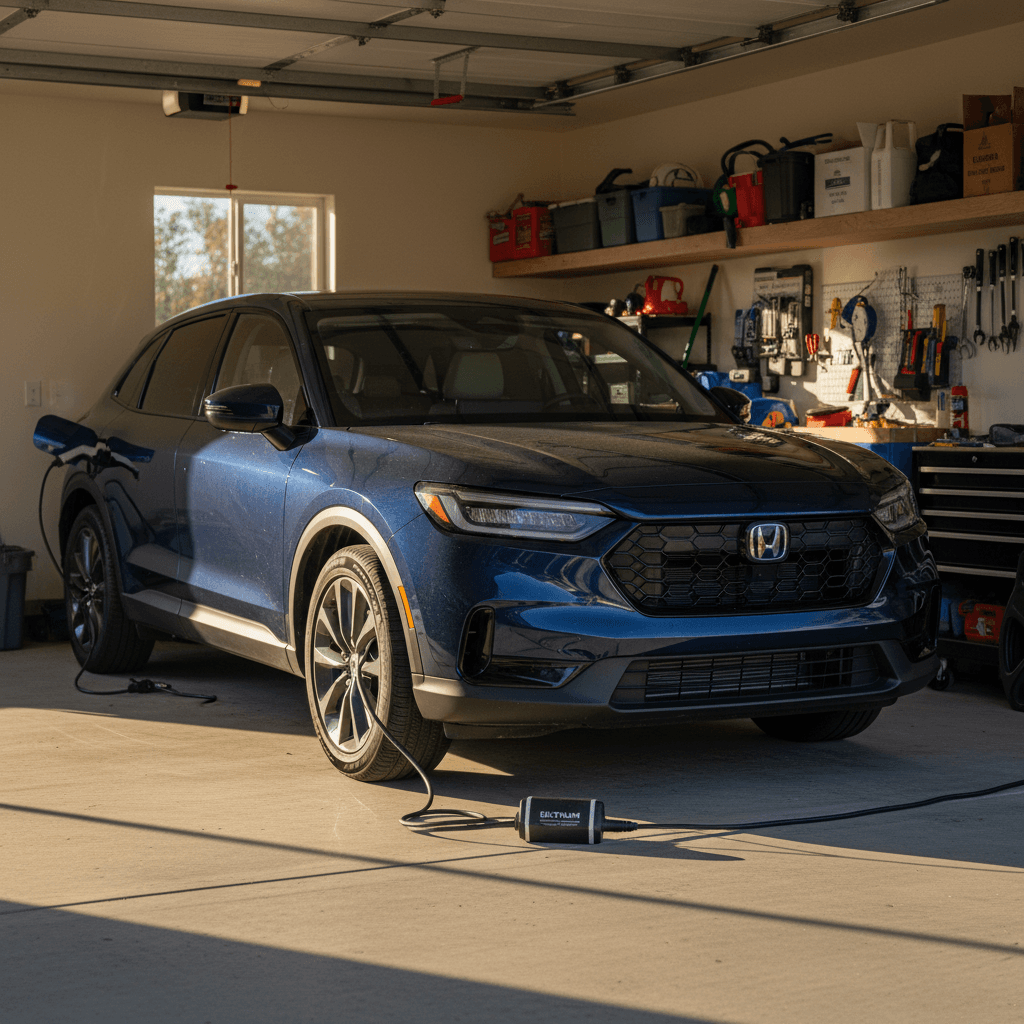
For a typical U.S. commute of 25–40 miles a day, even the less‑efficient AWD Prologue barely taps its 85‑kWh battery. Most owners can charge to 70–80% overnight on a Level 2 home charger, drive all day, and still have comfortable buffer.
- Little degradation concern in the first few years when you’re cycling only a small portion of the pack.
- Honda’s battery management, borrowed from GM’s Ultium playbook, keeps a generous buffer at the top and bottom of the pack, which helps long‑term health.
Road‑trip duty
On long highway stretches at 70–80 mph, real‑world drivers typically see energy use tick up, which means you’ll be planning for 180–230 miles between fast‑charge stops rather than the headline EPA number.
- Still very workable for regional trips, but EVs like the Hyundai Ioniq 5 and Kia EV6 that charge faster can shave more time off long drives.
- By 2026, the Prologue’s range is competitive but no longer class‑leading among new EVs.
What about battery degradation?
Charging experience: home and fast charging
Charging is where the Prologue feels very much like an early‑to‑mid‑2020s EV. It uses the CCS1 DC fast‑charging inlet and a standard J1772 connector for Level 2 AC charging. On a capable DC fast charger, Honda quotes a peak around 150–155 kW with a roughly 20–80% session taking about 35 minutes under ideal conditions. That was solid when the Prologue launched; by 2026, it’s merely average as more rivals push 200–350 kW peaks.
How the Prologue charges in the real world
Approximate times using typical 2024–2026 charging hardware
Level 1 (120V outlet)
Good only for emergencies or very short commutes.
- About 3–4 miles of range per hour.
- Can take more than 30 hours to go from low state of charge to full.
Level 2 home or workplace
The sweet spot for most owners.
- With a 40‑amp Level 2, expect roughly 30–35 miles per hour added.
- Overnight charging (8–10 hours) easily covers a full battery from low state of charge.
DC fast charging (public)
Best for road‑trips or emergency top‑ups.
- Peak around 150–155 kW when the battery is warm and low.
- Plan on 30–40 minutes to go from about 10–20% up to 80%.
Get the most from fast charging
One long‑term consideration in 2026 is the shift to the North American Charging Standard (NACS), the Tesla‑style connector many automakers are adopting. The Prologue ships with CCS; Honda has promised support for NACS access via adapter and future hardware, but if you’re planning to rely heavily on the Tesla Supercharger network, ask the seller what hardware or adapters are included and which networks they actually use today.
Daily driving, comfort and practicality
Short test drives don’t tell you what a vehicle is like to live with for years. The Prologue lands squarely in the comfortable‑and‑quiet camp rather than the neck‑snapping performance camp. Steering is light, ride quality is tuned more for broken pavement than racetrack on‑ramps, and wind and road noise are well‑controlled at U.S. highway speeds. Think of it as an electric CR‑V with more wheelbase and a cleaner, more modern cabin.
- Interior space: Two adults fit comfortably in the rear with good legroom; cargo space is competitive with other midsize EV crossovers, though there’s no meaningful front trunk.
- Seats: Long‑term owners tend to praise the seat comfort for daily commuting, though taller drivers may wish for slightly more thigh support on very long drives.
- Visibility: The low cowl and large windows make it easy to place in traffic and parking lots, important for newer EV drivers transitioning from sedans or small crossovers.
- Noise and vibration: The Ultium platform is inherently quiet; Honda’s tuning adds a bit more refinement than its Chevy cousins. Over rough surfaces, some tire slap is noticeable but not out of line for the class.
Family‑friendly pick
Software, tech and that GM connection
One of the most important long‑term realities of the Prologue is that you’re buying a Honda body on GM Ultium software and electronics. Inside, that means Google‑built‑in infotainment, large screens, and an interface that feels closer to a Cadillac Lyriq than a Civic. Over‑the‑air (OTA) updates are part of the package, and Honda has already used software revisions to smooth some early glitches and address certain recall‑related issues.
"The GM underpinnings give the Prologue a serious head start on EV tech, but they also import GM’s software growing pains. Expect updates, and make sure they’ve been done on any used example you’re considering."
What owners complain about most
Reliability, recalls and longevity outlook
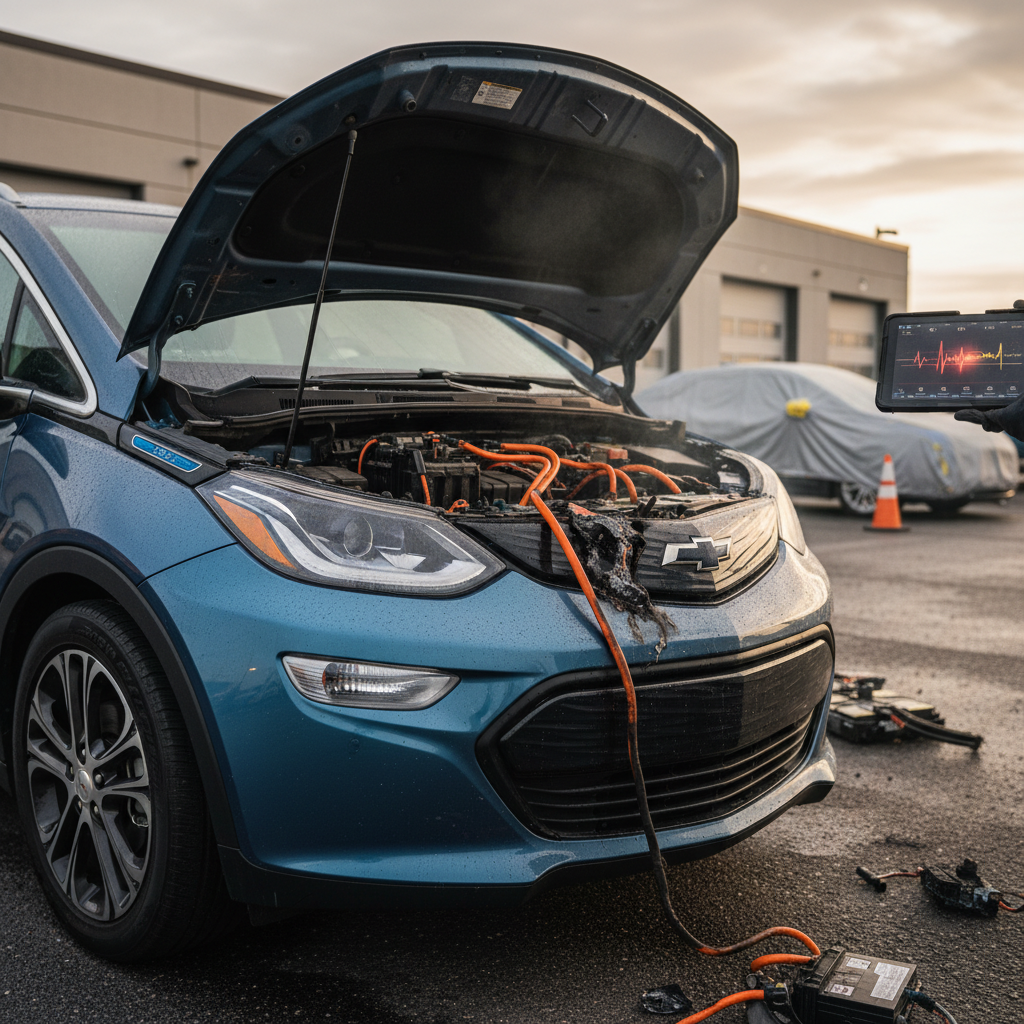
By 2026, we don’t yet have a decade of data on the Prologue, but we do have enough to talk honestly about reliability trends. The drivetrain and battery hardware have so far been largely solid. The weak spots have been software integration and electronic modules, which have generated the bulk of early complaints and at least one significant recall campaign covering both the Prologue and its Acura ZDX cousin.
Early recall and reliability themes for the Honda Prologue
Always run a VIN check, but this high‑level view shows the pattern emerging by 2026.
| Issue type | What it affects | Symptoms owners reported | Long‑term impact if fixed |
|---|---|---|---|
| Software/ECU resets | Vehicle control modules shared with Acura ZDX | Warning lights, occasional loss of certain driver‑assist features, rare drivability hiccups before software update | Low once updated; make sure recall work is documented. |
| Infotainment glitches | Center and driver displays | Frozen screens, intermittent backup camera loss, slow boot times | Annoying more than dangerous; mostly resolved with later software. |
| Charging behavior quirks | DC fast‑charging control logic | Lower‑than‑expected charge speeds or early taper until software update and proper battery preconditioning | Minimal if updates applied; verify behavior during a test fast‑charge. |
Summary based on 2024–2025 recall notices and owner‑reported issues.
The big question: Will it age like a Honda?
Ownership costs and value versus rivals
When new, the Prologue launched weaponized against the heart of the EV market: pricing in the same neighborhood as a Tesla Model Y Long Range and well‑equipped Hyundai Ioniq 5 or Kia EV6. By 2026, early 2024 models are filtering into the used market with the kind of depreciation curve we expect for first‑generation EVs: bigger percentage drops in the first 3–4 years, then a plateau as long‑term battery confidence firms up.
Where the Prologue is strong on value
- Honda brand trust: For many shoppers coming out of a CR‑V or Accord lease, the Prologue feels like a familiar step into EVs.
- Feature mix: Standard Honda Sensing safety tech, big screens, and decent range without forcing you into top trims.
- Used pricing: By 2026, early used examples can undercut rival EVs that were pricier new, especially some luxury‑branded Ultium cousins.
Where rivals have the edge
- Charging speed: Hyundai/Kia E‑GMP models, some newer Teslas, and certain German EVs charge faster and hold higher speeds longer on DC.
- Brand‑specific ecosystems: Tesla’s Supercharger network and in‑house software are still the industry benchmark for route planning and charging convenience.
- Styling/performance: If you value sharp styling and quick 0–60 times above all else, rivals may appeal more, even if they’re less “invisible” day to day.
Don’t ignore total cost of ownership
Is the Honda Prologue a good used EV buy?
For the right driver, a used Prologue in 2026 can be a very smart play. You’re getting a modern EV architecture, respectable range, and Honda’s user‑friendly interior for less than new‑car money. The key is to buy with your eyes open: understand the software history, confirm recall work, and verify that the battery is aging gracefully. That’s exactly where a marketplace that specializes in used EVs, like Recharged, can tilt the odds in your favor.
Who a used Honda Prologue fits best
Long‑term suitability by driver type
Suburban commuter
You drive 40–70 miles a day, mostly surface streets and highway commuting, and have access to overnight home charging.
Verdict: Excellent fit. You’ll rarely touch DC fast charging and can lean on Honda’s comfort and safety tech.
Family hauler
You need room for two adults, kids, and their gear, but don’t tow heavy trailers.
Verdict: Strong choice. Easy to live with, straightforward controls, plenty of space, and quiet operation.
Frequent road‑tripper
You routinely knock out 400–600‑mile days and rely on public charging.
Verdict: Good but not best‑in‑class. Range is fine, but DC fast‑charge speeds lag newer rivals. Consider how often those minutes at chargers matter to you.
When to think twice
Long‑term buying checklist for Prologue shoppers
Used Honda Prologue long‑term checklist
1. Verify recall and software update history
Ask for documentation showing that all open recalls have been completed and that the vehicle has the latest software. On a test drive, pay attention to screen responsiveness, camera function, and any warning lights.
2. Get a battery‑health report
Don’t rely only on the dashboard range estimate. Use a third‑party battery diagnostic, or a <strong>Recharged Score Report</strong> if you’re shopping through Recharged, to see how much capacity the pack has retained relative to new.
3. Test DC fast‑charging behavior
If possible, include a short DC fast‑charge session in your test drive. Observe peak charge rate, how quickly it tapers, and whether the session is stable. This is especially important if you plan frequent road trips.
4. Inspect tires, brakes and suspension
EVs are heavier than comparable gas SUVs. Check for uneven tire wear, brake feel, and any clunks or rattles over rough pavement, signs the suspension has had a hard life.
5. Confirm charging equipment and adapters
Make sure you understand what’s included: factory charging cord, any home wallbox, and any adapters for different plug types or networks. Replacing missing equipment can add hundreds of dollars to your real purchase price.
6. Fit it to your daily life
Map your real driving patterns, commute length, access to home or workplace charging, family needs, and make sure the Prologue’s range and cargo space work for you on the least convenient day, not just the best one.
Frequently asked questions: Honda Prologue long term
Honda Prologue long‑term ownership FAQ
Final thoughts: who the Prologue makes sense for
Seen through a 2026 lens, the Honda Prologue is not the flashiest EV on the market, nor the fastest‑charging. What it offers instead is a well‑rounded, comfort‑oriented electric SUV with enough range for most American drivers, a cabin that feels familiar rather than experimental, and early reliability results that are encouraging once software updates are in place. If your life looks like commuting, errands, weekend trips and the occasional longer drive, with reliable Level 2 charging at home, the Prologue can be a very satisfying long‑term companion.
If you’re shopping used, the trick is separating the great examples from the questionable ones. That means checking recall status, confirming software is current, and getting a real measure of battery health instead of trusting guesses. A platform like Recharged can simplify that process with a Recharged Score battery report, transparent pricing, and EV‑savvy specialists who live and breathe this stuff. Do your homework up front, choose the right example, and the Prologue can deliver the easygoing, low‑drama EV ownership experience Honda loyalists are hoping for.