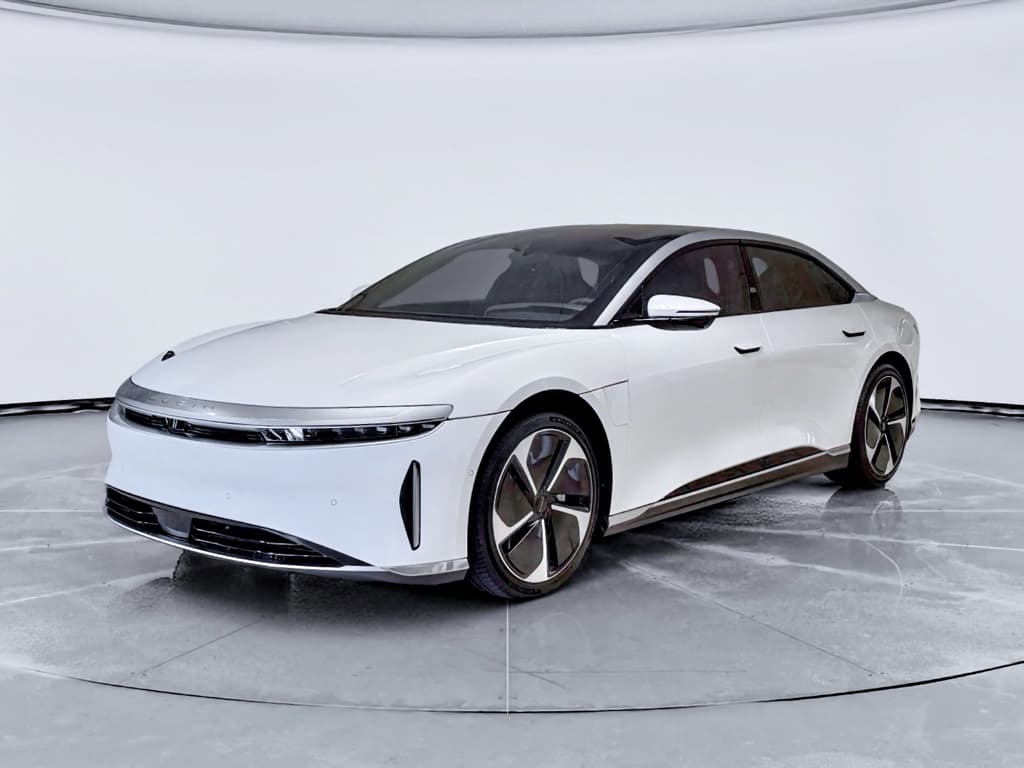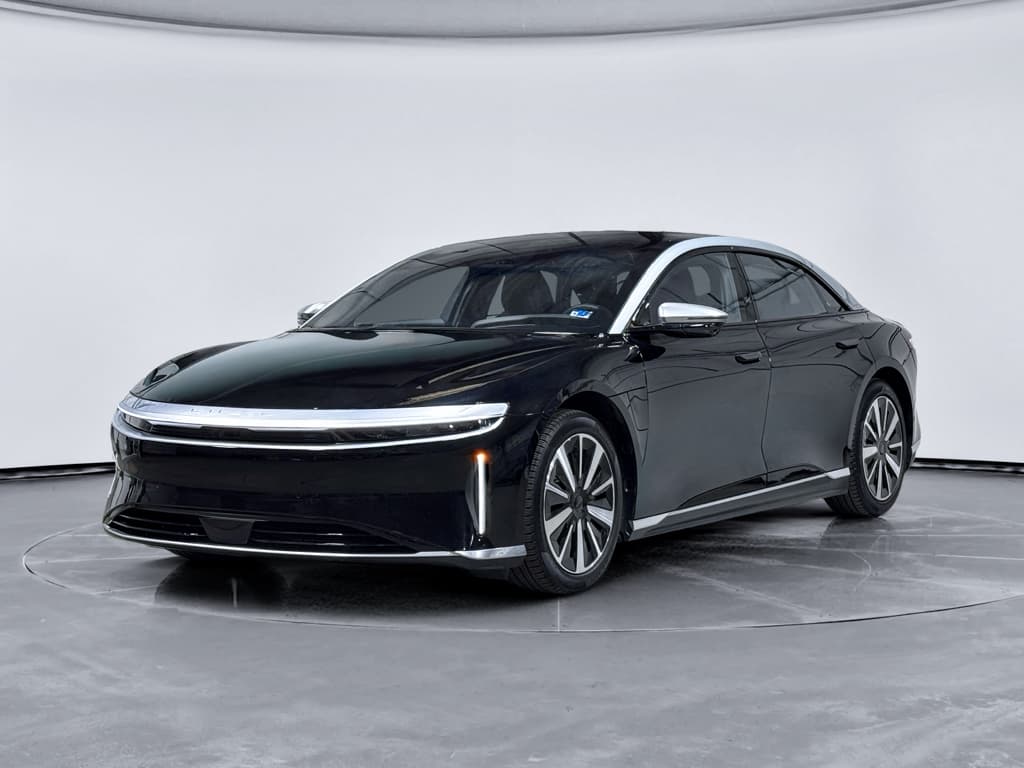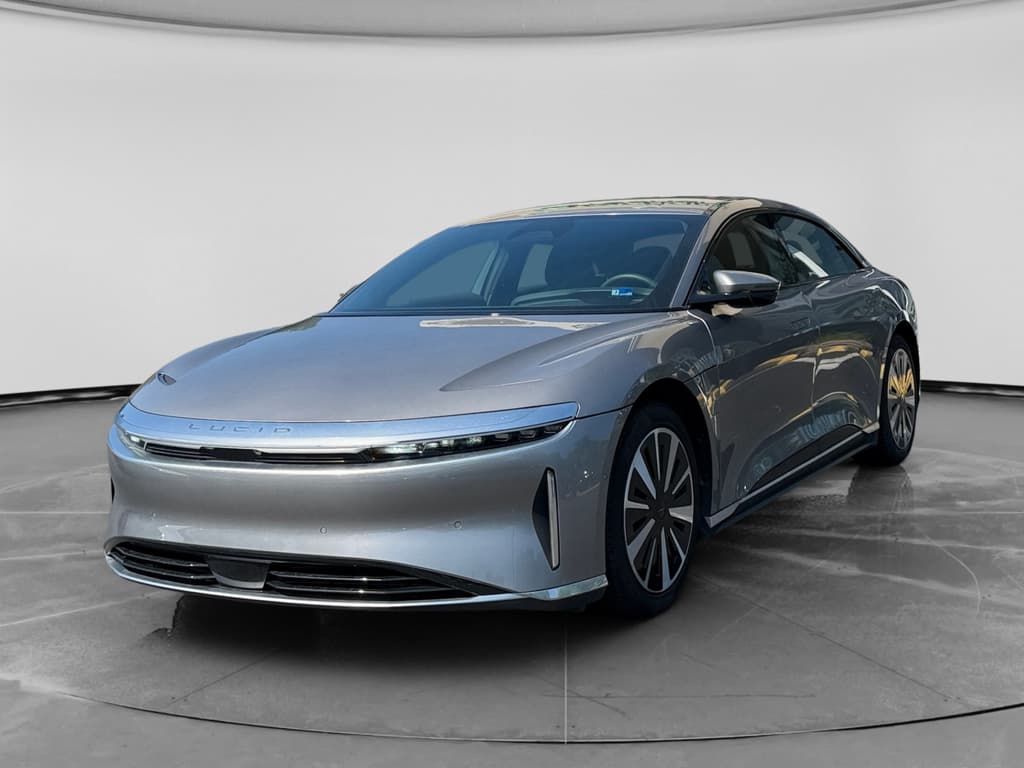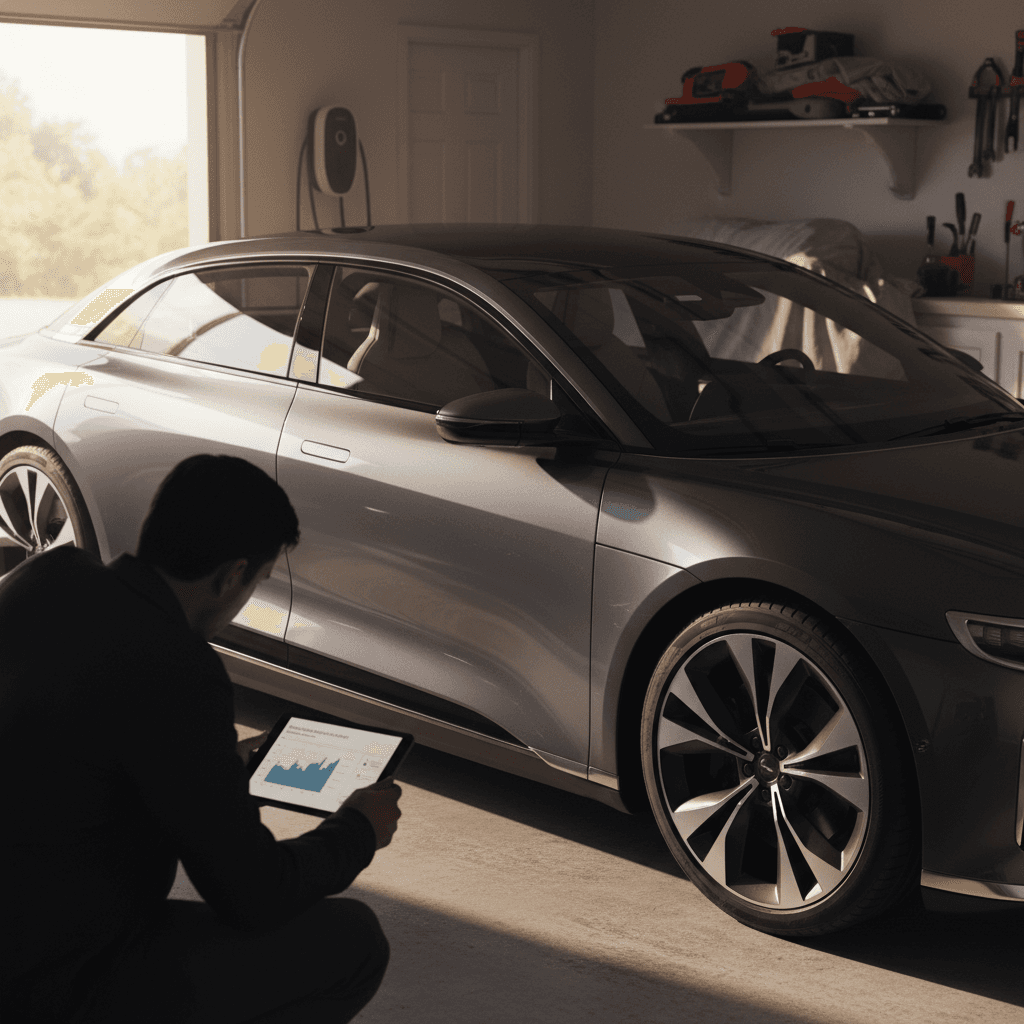
If you’re asking yourself, “Should I buy a used Lucid Air?” you’re not alone. The Air has jaw‑dropping range, sports‑car speed, and a cabin that makes German luxury sedans feel old. On the used market, prices have dropped enough that this once six‑figure EV is suddenly within reach, if you know what you’re getting into.
Big Picture
Is a Used Lucid Air Right for You?
The Lucid Air launched for 2022 as a flagship luxury EV with industry‑leading range, over 500 miles EPA‑rated in some Grand Touring trims, and ultra‑fast DC charging. Early cars were expensive, tech‑heavy, and built in relatively low volumes. That combination means they can be a screaming deal used, but also a little intimidating compared with a mainstream Tesla, Hyundai, or Ford.
Where a used Lucid Air shines
- Class‑leading range for road trips and long commutes
- Huge, airy cabin with limo‑like rear legroom and big frunk/trunk
- Blistering performance in Touring, Grand Touring, and above
- Ultra‑fast DC charging up to ~300 kW on compatible stations
- Lower used prices versus original MSRPs that often topped $150,000
Where it can bite you
- Early‑run software glitches and occasional quality issues
- Limited service network compared with legacy brands
- Complex electronics and air suspension can be costly out of warranty
- Resale values are still finding their footing
- Battery and drive unit warranty helps, but doesn’t cover everything
Quick Take: Should You Buy a Used Lucid Air?
Used Lucid Air at a Glance
Our Overall Take
Lucid Air Trims and Batteries Explained
Before you can judge any specific used Lucid Air, you need to know which one you’re looking at. Lucid has already shuffled trims and batteries a few times since launch, and that affects price, range, and performance.
Common Lucid Air Trims on the Used Market
These are the trims you’re most likely to see from 2022–2024 model years in the U.S. Exact specs vary by wheel choice and model year, but this gives you the lay of the land.
| Trim | Typical Years | Battery (approx.) | Drivetrain | EPA Range (new) | Personality |
|---|---|---|---|---|---|
| Pure | 2023–2025 | ~84–88 kWh | RWD (earlier) or AWD | Around low‑400‑mile max | Entry Lucid with impressive efficiency and range. |
| Touring | 2022–present | ~92 kWh | AWD | Around 400–420 miles | Sweet spot of speed, range, and price. |
| Grand Touring | 2022–2024 | ~112 kWh | AWD | Up to ~516 miles | Long‑range king; big battery, big power. |
| Dream Edition (Range/Performance) | 2022 only | ~118 kWh | AWD | High 400s–500+ miles | Launch editions; rare, very expensive new. |
| Sapphire | 2024+ | ~118 kWh tri‑motor | AWD | High 300s–400+ miles | Hyper‑performance halo car; will be scarce used. |
Always confirm exact specs for the VIN you’re considering, sellers often mis‑label trims.
How to Decode a Used Air Quickly
Range and Charging: What You Actually Get Used
Lucid built its reputation on efficiency and range, and that still holds up. Even on the used market, an Air will often out‑range nearly every other EV on the lot. But the number on the original window sticker isn’t the whole story.
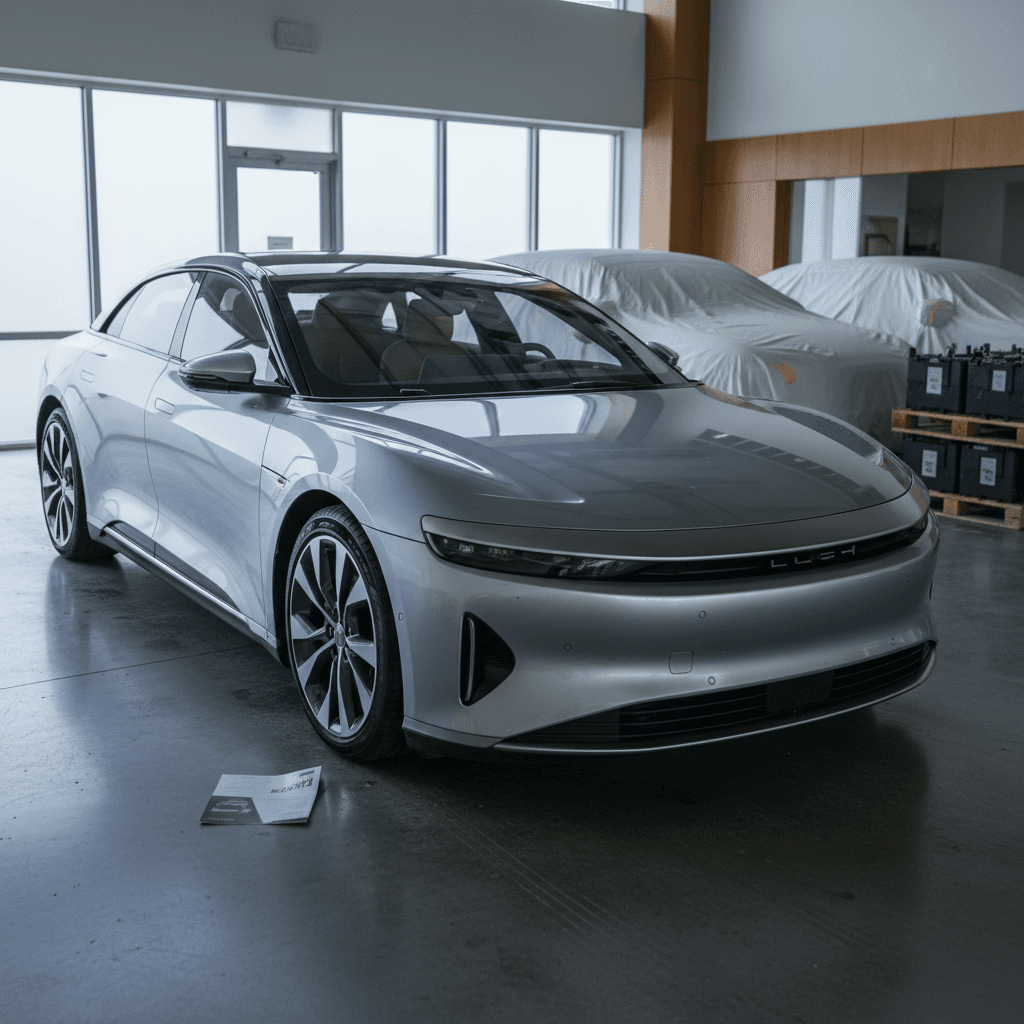
- Real‑world range: Owners commonly see slightly below EPA numbers at highway speeds, especially on 21‑inch wheels, but Touring and Grand Touring cars can still deliver 350+ miles on a trip when new.
- Degradation so far looks modest: Early Airs are still relatively young, and most real‑world reports suggest healthy packs, assuming the car hasn’t been abused or fast‑charged constantly.
- Fast charging is a strong suit: Up to roughly 250–300 kW peaks on capable DC fast chargers means you can add a big chunk of range in 15–20 minutes when conditions are right.
- Home charging is easy: On a 240‑volt Level 2 charger, the Air can take advantage of high AC rates (up to around 19 kW on some trims), easily refilling overnight.
Watch Your Charging Network
Reliability and Common Issues to Watch For
With any young automaker, reliability is a moving target. The Lucid Air is not a disaster story, but it is a complex, high‑end car built in relatively low numbers. That means you need to look a little closer than you might with a Toyota or even a Tesla.
Known Trouble Spots on Early Lucid Airs
Not every car will have these issues, but you should ask about all of them.
Software Glitches
Owners of early cars reported infotainment freezes, flaky Bluetooth, and occasional driver‑assist hiccups. Many were fixed via over‑the‑air (OTA) updates, but you’ll want a car that’s fully up to date.
12‑Volt & HV Issues
As with many EVs, a weak 12‑volt battery can cause strange behavior. Also ask whether the car has had any recalls or campaigns related to the high‑voltage battery or contactors addressed.
Fit & Finish / Hardware
Panel alignment, wind noise, sunroof creaks, and the odd trim rattle pop up in owner reports. They’re not universal, but a thorough test drive on rough pavement is a must.
Recharged data
Used EV battery health
94%
avg remaining capacity
From Recharged battery inspections, not manufacturer estimates.
- Lowest
- 70%
- Median
- 95%
- Highest
- 100%
- Est. range
- 266 mi avg
- Cell balance pass
- 100%
- Quick charges
- 18 avg
- Slow charges
- 61 avg
Average cell imbalance: 7.8 mV
Based on vehicles Recharged tested as of Jul 23, 2026
Recharged data
Used Lucid Air prices at Recharged
$46,498
median list price
Current list prices for matching inventory at Recharged.
- Lowest
- $43,532
- Average
- $47,623
- Highest
- $53,998
Based on available listings as of Jul 23, 2026
Service Network Reality Check
What a Used Lucid Air Really Costs to Own
The sticker price is only half the story. One of the big arguments for buying a used Lucid Air is the chance to let the first owner eat the worst of the depreciation, while you enjoy the low running costs of an EV and a still‑young battery warranty.
Costs that work in your favor
- Depreciation already hit: Early Airs launched with six‑figure MSRPs. As they show up used, prices often land well below that, especially for non‑special editions.
- Energy vs. fuel: Even at higher U.S. electricity rates, powering an efficient Air can undercut a comparable gas S‑Class or 7 Series by thousands of dollars over several years.
- Fewer moving parts: No oil changes, spark plugs, or exhaust systems to replace. Brakes can last a long time thanks to strong regen.
Costs you need to respect
- Insurance: This is still a high‑value luxury EV. Get quotes based on the specific VIN before you buy.
- Out‑of‑warranty repairs: Complex air suspension, advanced driver assistance hardware, and large glass panels are not cheap to fix.
- Charging: If you rely heavily on DC fast charging instead of home charging, your fuel‑cost advantage can shrink and long‑term battery health may suffer.
Use Total Cost, Not Just Price
Battery Health: Why It Matters More Than Horsepower
On any used EV, the battery pack is the beating heart. On a Lucid Air, with a huge, expensive, high‑performance pack, it’s absolutely central to whether you’re getting a bargain or a headache. The good news: early data suggests the Air’s battery chemistry and thermal management are robust. The caution: you still need objective proof on the specific car you’re buying.
Battery Health Questions to Answer Before You Buy
1. What’s the estimated remaining capacity?
Don’t settle for a vague “range seems fine.” Ask for a battery health report or range‑at‑100% data. On Recharged vehicles, the Recharged Score includes third‑party battery diagnostics so you can see how the pack compares with similar cars.
2. How was the car charged?
A car that lived on Level 2 home charging with occasional road‑trip fast charging is ideal. One that fast‑charged multiple times a week may show more wear over time.
3. Has the battery ever been replaced or repaired?
A documented pack repair isn’t automatically a red flag, but you’ll want paperwork and clarity on whether it was a full replacement or a localized fix.
4. What software version is it on?
Battery management and charging behavior can improve over time via software. Confirm the car is on current or recent software, or plan an update soon after purchase.
Do Not Skip a Battery Check
How to Inspect a Used Lucid Air Like a Pro
Think of a Lucid Air as a rolling computer on an aluminum skateboard. You’re checking all the usual used‑car stuff, plus a layer of software, sensors, and high‑voltage hardware. Here’s a practical inspection game plan.
Used Lucid Air Inspection Checklist
Confirm trim, options, and warranty
Match the VIN to the original build (window sticker or OEM record). Confirm what’s left of the basic and battery/drive‑unit warranties and whether they transfer to you.
Scan for recalls and service history
Ask for service records and confirm that all open recalls and campaigns have been completed. A well‑documented car is worth paying more for.
Test every screen and feature
Spend time with the center and lower screens, instrument cluster, climate controls, seat adjustments, audio, and driver‑assist features. Any lag, freezing, or non‑functioning features should be noted, and priced in.
Drive on mixed roads
On your test drive, hit smooth highway and rougher surfaces. Listen for wind noise, rattles, or suspension clunks. Pay attention to steering feel and brake modulation.
Inspect tires, wheels, and brakes
21‑inch wheels and sticky tires look great but wear faster and are easier to curb. Check for uneven tire wear or wheel damage that might hint at alignment or suspension issues.
Get an EV‑savvy inspection
If you’re not buying through an EV specialist like Recharged, hire a shop that understands high‑voltage systems to perform a pre‑purchase inspection. Conventional shops may miss important clues on an advanced EV like the Air.
Who Should, and Shouldn’t, Buy a Used Lucid Air
Great candidate for a used Lucid Air
- You want top‑tier range and fast charging for frequent road trips.
- You care about a special interior and design as much as raw speed.
- You’re comfortable using apps and OTA updates and don’t mind the occasional software quirk.
- You live within a reasonable distance of a Lucid service center or mobile service area.
- You’re shopping in the used luxury EV space, S‑Class, 7 Series, Taycan, EQS, rather than entry‑level EVs.
Maybe look elsewhere
- You’re far from Lucid service and want a local dealer you’ve used for years.
- You prioritize bulletproof appliance‑like reliability over cutting‑edge tech.
- Your budget is tight enough that a big unexpected repair would be a crisis.
- You mainly do short city trips where the Air’s massive range is overkill.
- You’d prefer a simpler, cheaper EV with more established resale patterns.
Used Lucid Air FAQ
Frequently Asked Questions About Buying a Used Lucid Air
Bottom Line: Is a Used Lucid Air Worth It?
A used Lucid Air is not the safe, boring choice, and that’s exactly why many people want one. It delivers outrageous range, modern design, and a sense of occasion every time you get behind the wheel. In return, it asks you to be a slightly more engaged owner: to think about service access, to vet battery health carefully, and to accept that a young automaker is still refining its product.
If that trade‑off sounds fair, then yes, you should absolutely consider buying a used Lucid Air. Start with a clear picture of your needs and routes, insist on objective battery‑health data, and lean on EV specialists rather than generalists. And if you want a shortcut, you can browse used Lucid Air listings on Recharged, where every car includes a Recharged Score report, expert‑reviewed pricing, and the option to finance, trade in your current vehicle, and have your next EV delivered right to your driveway.