The strongest used EVs for winter
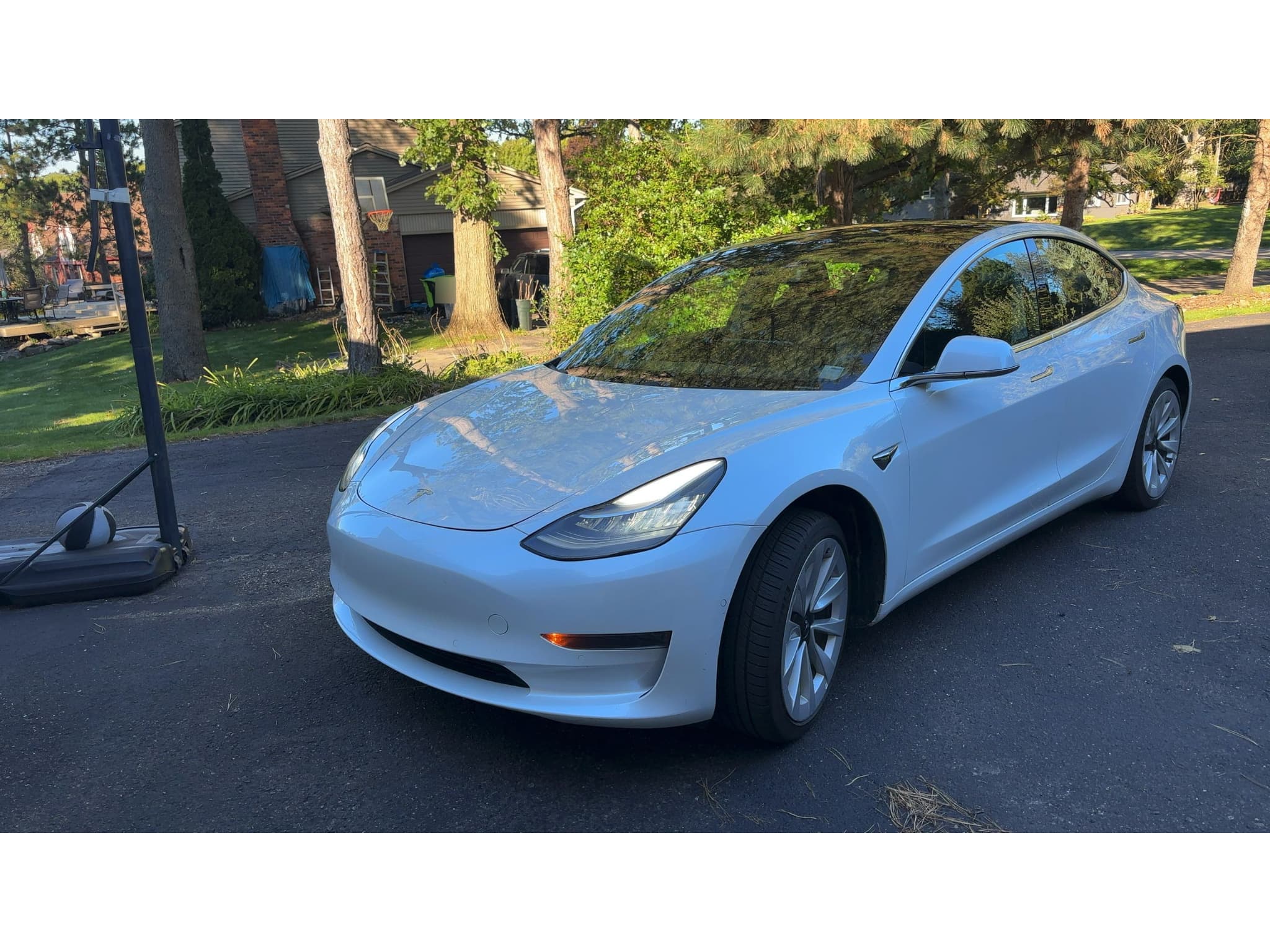
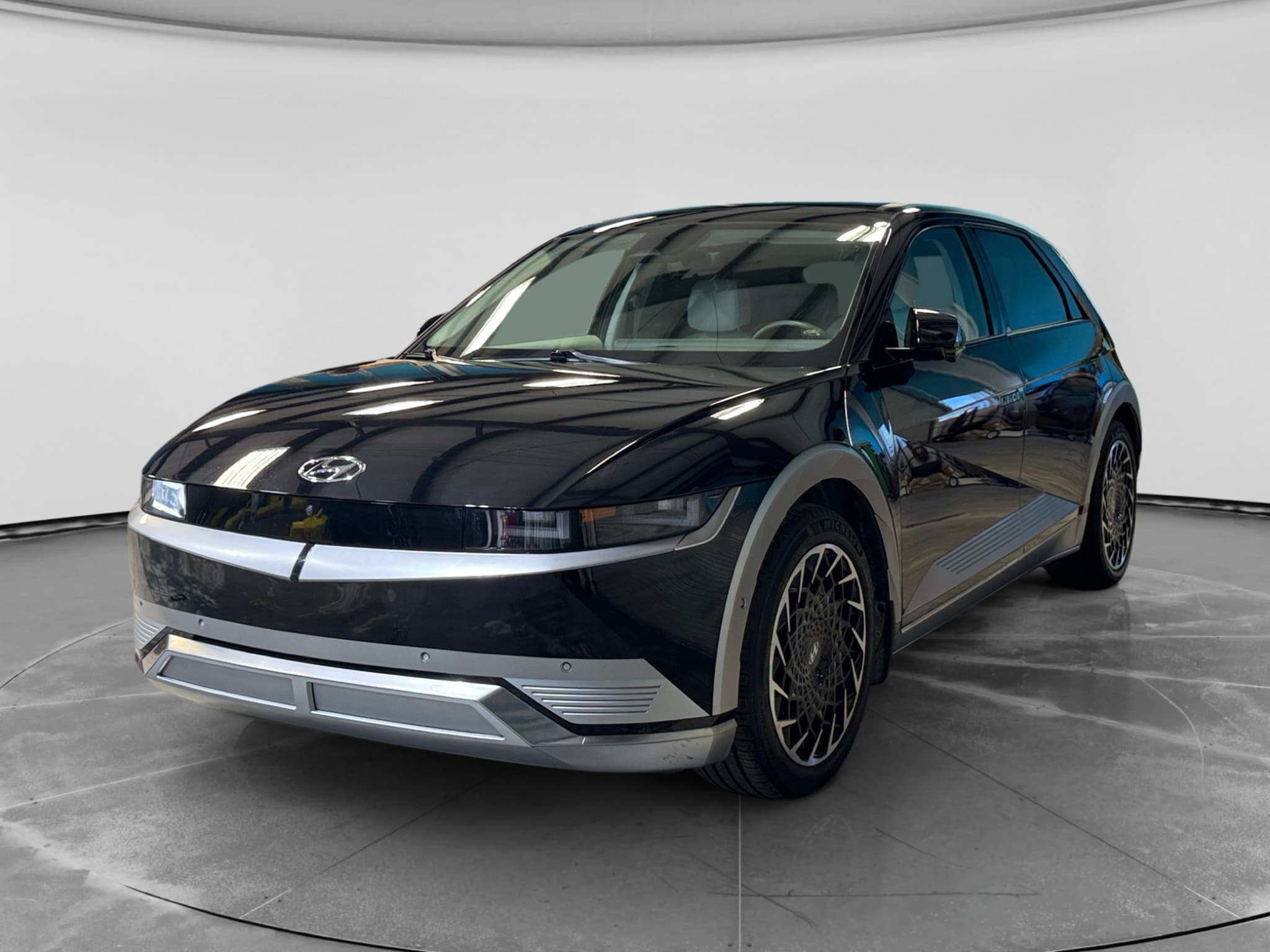
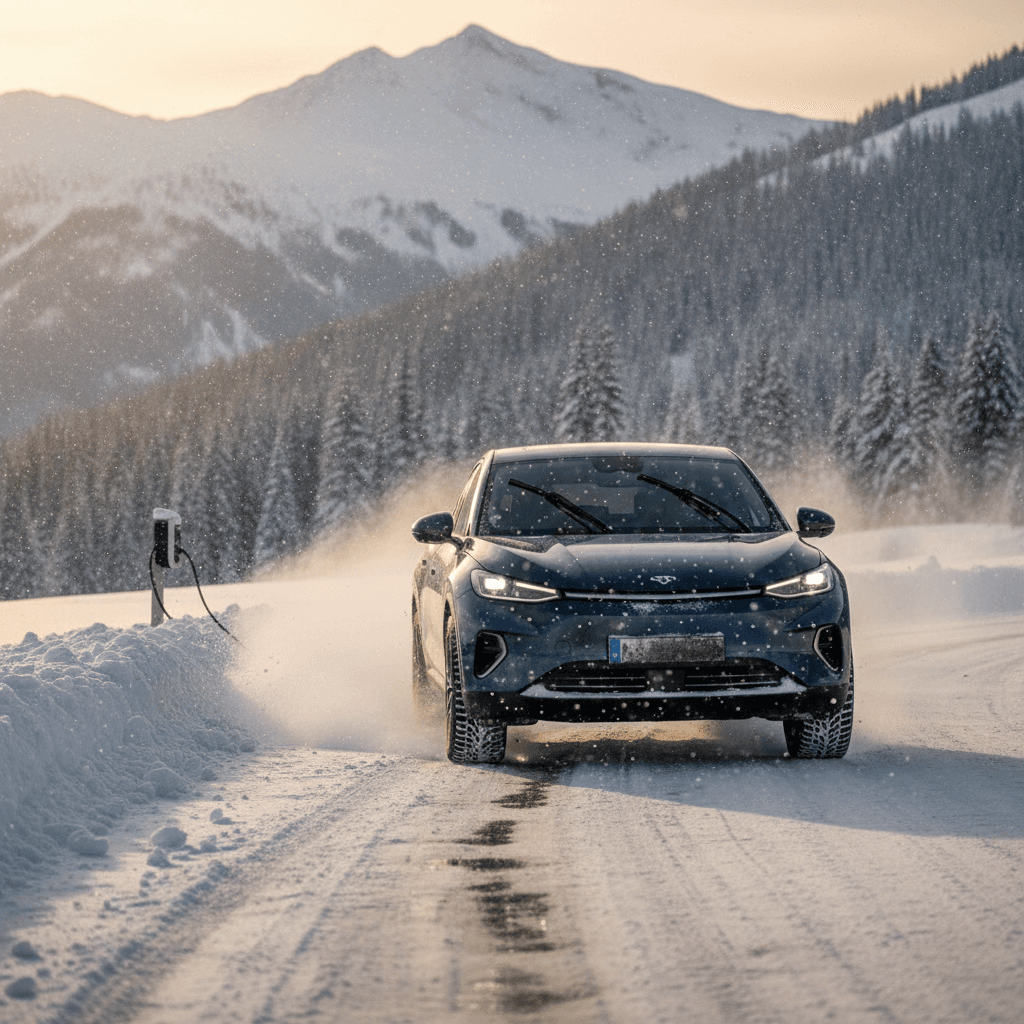
The Tesla Model Y, 2021-or-newer Model 3, Hyundai Ioniq 5, Kia EV6, and Rivian R1S are especially strong used-EV candidates for cold climates. Each combines useful winter technology with enough range or charging capability to make seasonal losses manageable. The best one for you depends less on the badge than on the exact vehicle's equipment, battery condition, tires, and your daily mileage. A used EV buying checklist can help you verify those details before committing.
Best used electric cars for cold weather
These models are strong starting points, but winter equipment can vary by model year, drivetrain, software, and market.
| Model | Why it works | Verify before buying | Main trade-off |
|---|---|---|---|
| Tesla Model Y | Heat pump; strong routing | Tires and wheel size | Firm ride; road noise |
| Tesla Model 3 (2021+) | Efficient; heat pump | Build date and tires | Low seating position |
| Hyundai Ioniq 5 | Fast charging; roomy cabin | Heat pump; preconditioning | Winter equipment varies |
| Kia EV6 | Fast charging; composed ride | Heat pump; preconditioning | Limited rear visibility |
| Rivian R1S | AWD; large range reserve | Tires and charging route | Size, weight, price |
Verify the exact vehicle's equipment rather than relying on the model name alone.
Check the individual car
Why cold weather reduces EV range
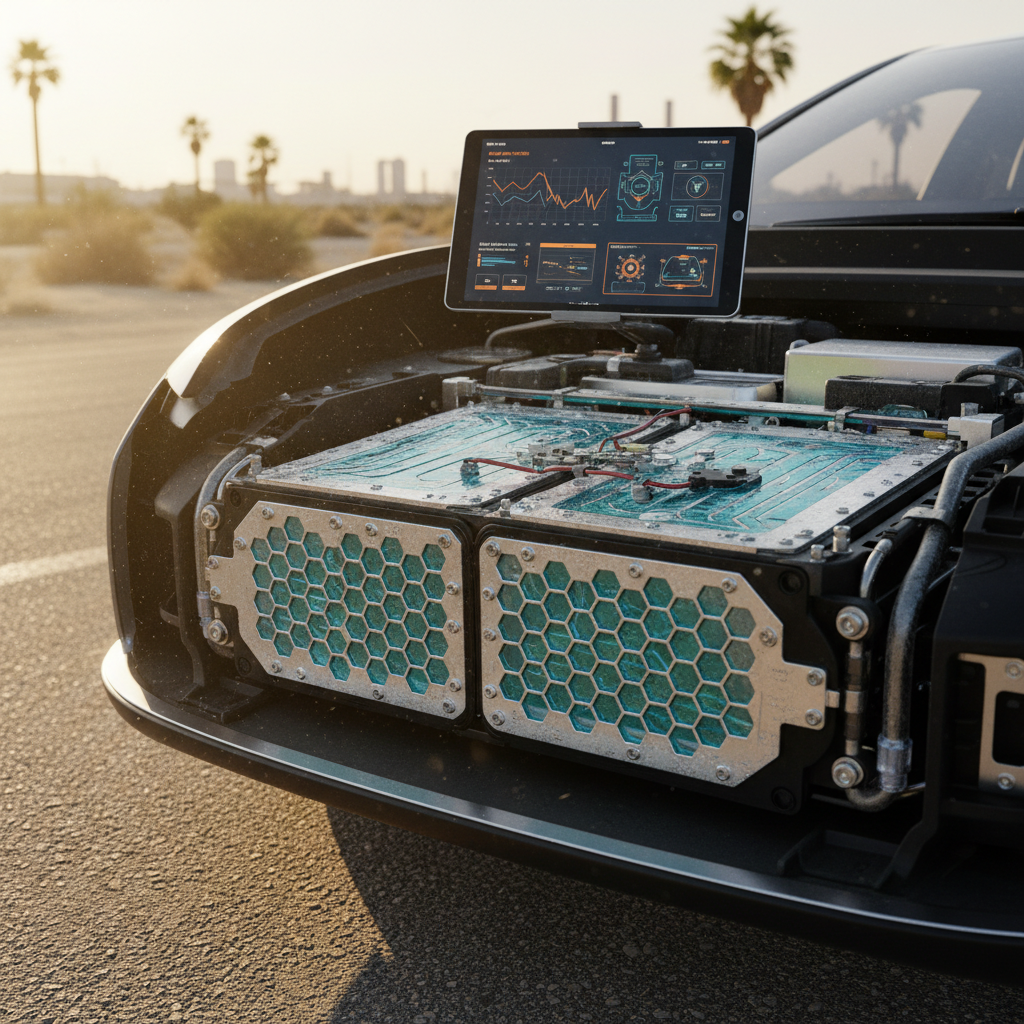
Cold weather reduces range because the battery operates less efficiently while cabin heat, battery warming, window defrosting, and lights consume additional energy. Recharged's winter guidance puts the possible reduction at roughly 10% to 40%, depending on the vehicle, temperature, trip length, and how you use the heater. Short journeys can be particularly demanding because the car repeatedly warms itself and the cabin. This temporary seasonal range loss isn't the same thing as permanent battery degradation; see our guide to real-world EV range for more context.
Precondition while the car is still plugged in. You can warm the cabin, and, where supported, the battery, using grid power instead of spending driving range to do it after departure.
What Recharged battery data shows
Recharged's inspection data shows why a diagnostic matters more than assumptions about an EV's age or odometer. Across 2,242 Recharged Score inspections, tested remaining battery capacity averaged 93.9%, with a 94.9% median. Tested real-world range averaged 266 miles, with a 268-mile median, although those fleet-wide figures span many models and shouldn't be treated as a winter-range promise for a particular car. The takeaway is simple: start with verified capacity, then build a cold-weather buffer around your own route and climate.
Price also varies widely across the used-EV market, so winter capability doesn't automatically require buying new. Across 1,796 EVs sold by Recharged during the trailing 12 months, the median retail price buyers paid was $27,297. That figure covers the whole Recharged fleet rather than only the five models above, but it shows why battery diagnostics and fair-market pricing should be considered together. Learn how to interpret the inspection results in our guide to EV battery health.
Recharged data
Used EV battery health
94%
avg remaining capacity
From Recharged battery inspections, not manufacturer estimates.
- Lowest
- 63%
- Median
- 95%
- Highest
- 100%
- Est. range
- 266 mi avg
- Cell balance pass
- 100%
- Quick charges
- 18 avg
- Slow charges
- 65 avg
Average cell imbalance: 7.3 mV
Based on vehicles Recharged tested
Recharged data
Recent EV sold prices
$27,297
median sold price
What buyers actually paid through Recharged, not list price.
- Lowest
- $500
- Average
- $29,901
- Highest
- $129,998
Monthly median sold price
Based on Recharged sales in the last 12 months
Every EV is battery-tested with a Recharged Score. Nationwide delivery.
Which winter features matter most?
The most important winter features are a heat pump, battery preconditioning, suitable tires, and enough usable range for your coldest routine drive. A heat pump warms the cabin more efficiently than basic resistance heating in many conditions, while battery preconditioning brings the pack closer to an effective operating temperature before driving or rapid charging. All-wheel drive helps the car move on slippery surfaces, but tires govern much of its grip when turning and stopping.
What to check on a cold-weather used EV
Heat-pump equipment
Confirm that the individual car has one; availability can vary by year and configuration.
Battery preconditioning
Check whether it can warm the battery before departure and automatically before rapid charging.
Verified battery health
Use a diagnostic report showing tested remaining capacity instead of relying only on displayed range.
Tire type and condition
Look for climate-appropriate tires with healthy tread, correct pressure, and even wear.
Home charging access
Regular overnight charging makes plugged-in preconditioning and winter range planning much easier.
Cold-day range buffer
Compare your longest routine drive with a conservative winter estimate, not the dashboard's best-case number.
AWD doesn't shorten stopping distance
How to protect your range in winter
You can preserve more winter range by warming the car while plugged in and reducing unnecessary heating demand once you're moving. Heated seats and a heated steering wheel warm you directly and may let you lower the cabin temperature, while properly inflated tires reduce avoidable rolling resistance. If you charge at home, a Level 2 charger, a 240-volt home charging setup, makes overnight recovery and scheduled preconditioning more convenient.
- Precondition the cabin while connected to power.
- Navigate to a rapid charger so compatible cars can warm the battery automatically.
- Use heated seats and the steering-wheel heater before raising cabin temperature.
- Check tire pressure regularly; cold air lowers pressure.
- Park in a garage or sheltered location when possible.
- Accelerate smoothly and use a steady highway speed.
- Keep a larger arrival buffer during severe cold or storms.
Instant offer, trade-in, or consignment. Pickup available.
Cold-weather EV questions
The winter EV verdict
The best cold-weather EV is the one that combines verified battery health, effective thermal management, appropriate tires, and enough range margin for your coldest day. The Model Y and 2021-or-newer Model 3 are efficient all-round choices, while the Ioniq 5 and EV6 bring especially convenient rapid-charging capability; the R1S suits drivers who need more space and all-weather utility. Whatever you choose, verify the exact vehicle's equipment and condition through its Recharged Score Report instead of buying the model name on faith.