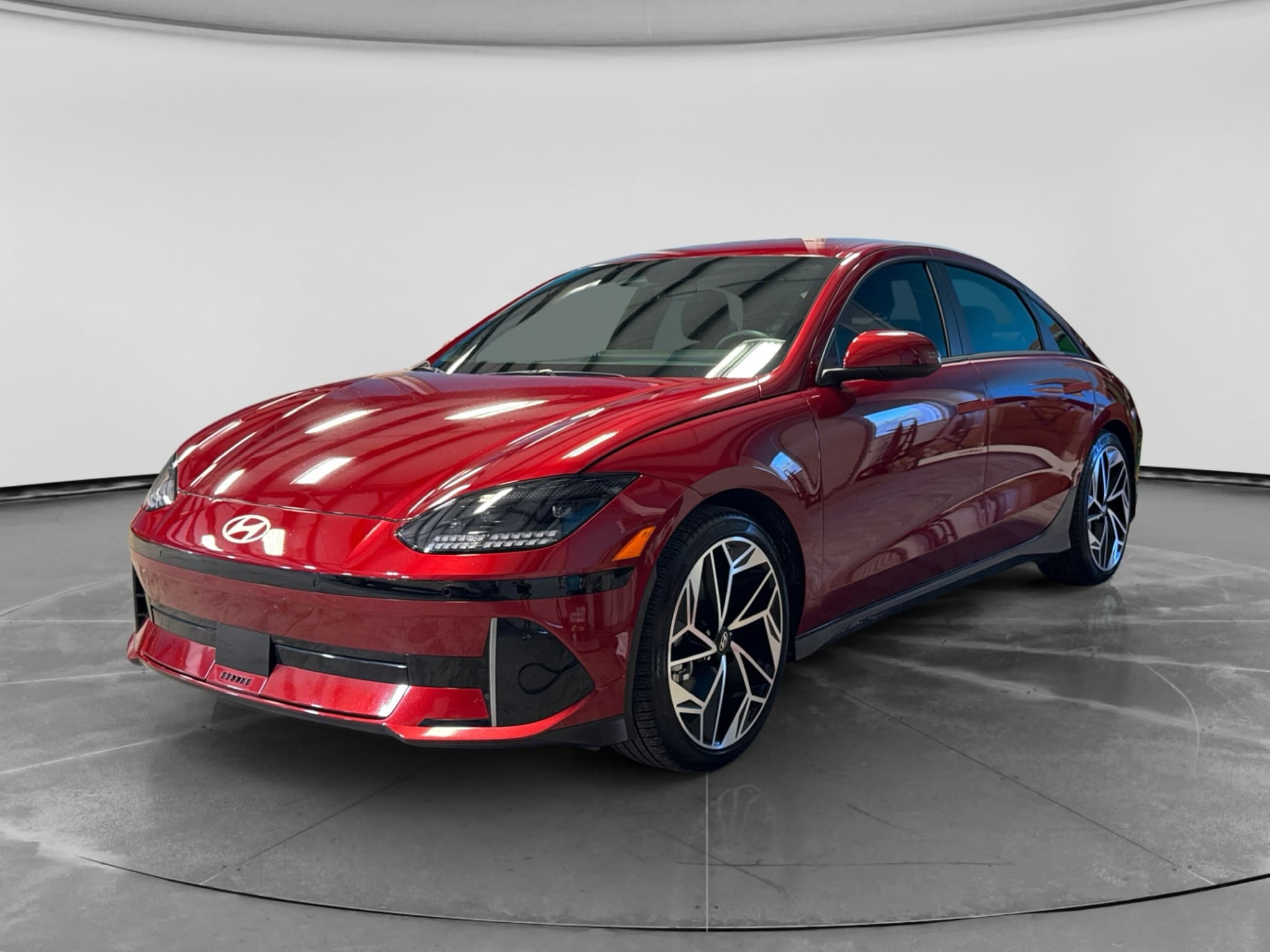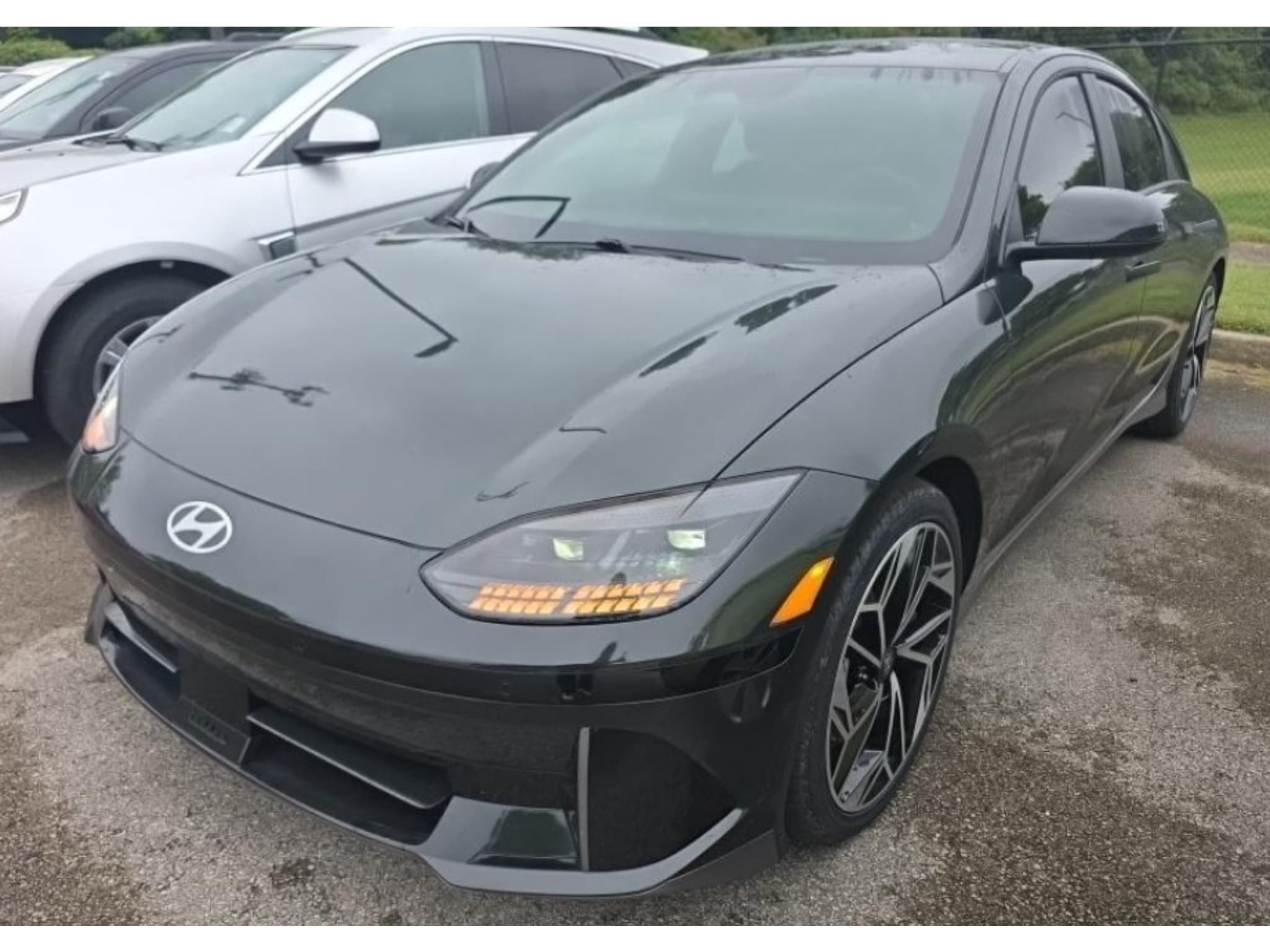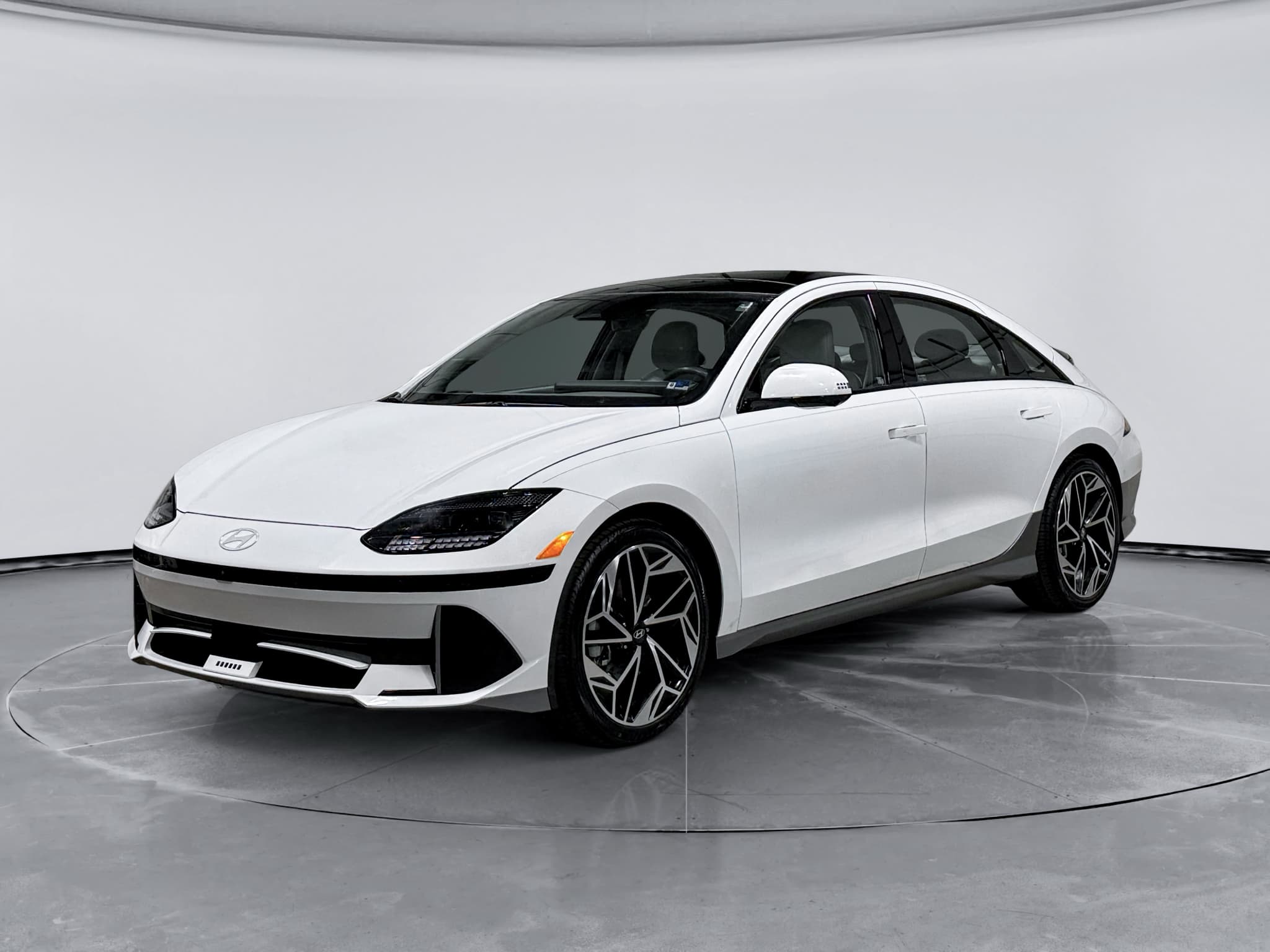
The IONIQ 6’s trim ladder is straightforward once you decide whether efficiency, added convenience, or premium equipment matters most. The complication is that range and equipment can change with model year, drivetrain, and wheel size, so compare the actual window sticker rather than relying on the trim badge alone. For a used car, verified battery condition and a careful physical inspection should carry just as much weight as the feature list.
The trims divide neatly by priority
The SE emphasizes efficiency, the SEL occupies the middle, and the Limited makes the strongest case with comfort and technology. That makes the SE the rational long-distance choice, the SEL the broadly appealing compromise, and the Limited the indulgent choice. Exact equipment varies, so use this as a buying framework rather than a substitute for checking a particular car.
IONIQ 6 trim comparison
Choose by the priority that will affect your daily driving most.
| Trim | Best for | Main advantage | Trade-off |
|---|---|---|---|
| SE | Range and value | Efficiency-focused setup | Fewer premium extras |
| SEL | Balanced daily use | Features without top trim | Not fully equipped |
| Limited | Comfort and technology | Premium cabin equipment | Range may be lower |
Equipment and range can vary by model year, drivetrain, and wheel configuration.
If you’re shopping used, the SEL can be the easiest place to start because it avoids the extremes: you aren’t automatically prioritizing maximum range or paying solely for top-trim amenities. But trim-level price differences shrink as cars age, so a well-priced Limited may be more compelling than a similarly priced SEL. Compare condition, battery results, mileage, tires, and equipment before treating the badge as the deciding factor.
Which IONIQ 6 trim has the best range?
The SE is generally the range-first choice, while larger wheels and added equipment can reduce the advantage of higher trims. In one IONIQ 6 Limited examined by the Recharged team, the rear-wheel-drive car showed just over 310 miles of estimated range; the team also noted that smaller-wheel configurations can exceed 350 miles. Those observations aren’t universal ratings for every model year, but they show why configuration matters more than the trim name by itself.
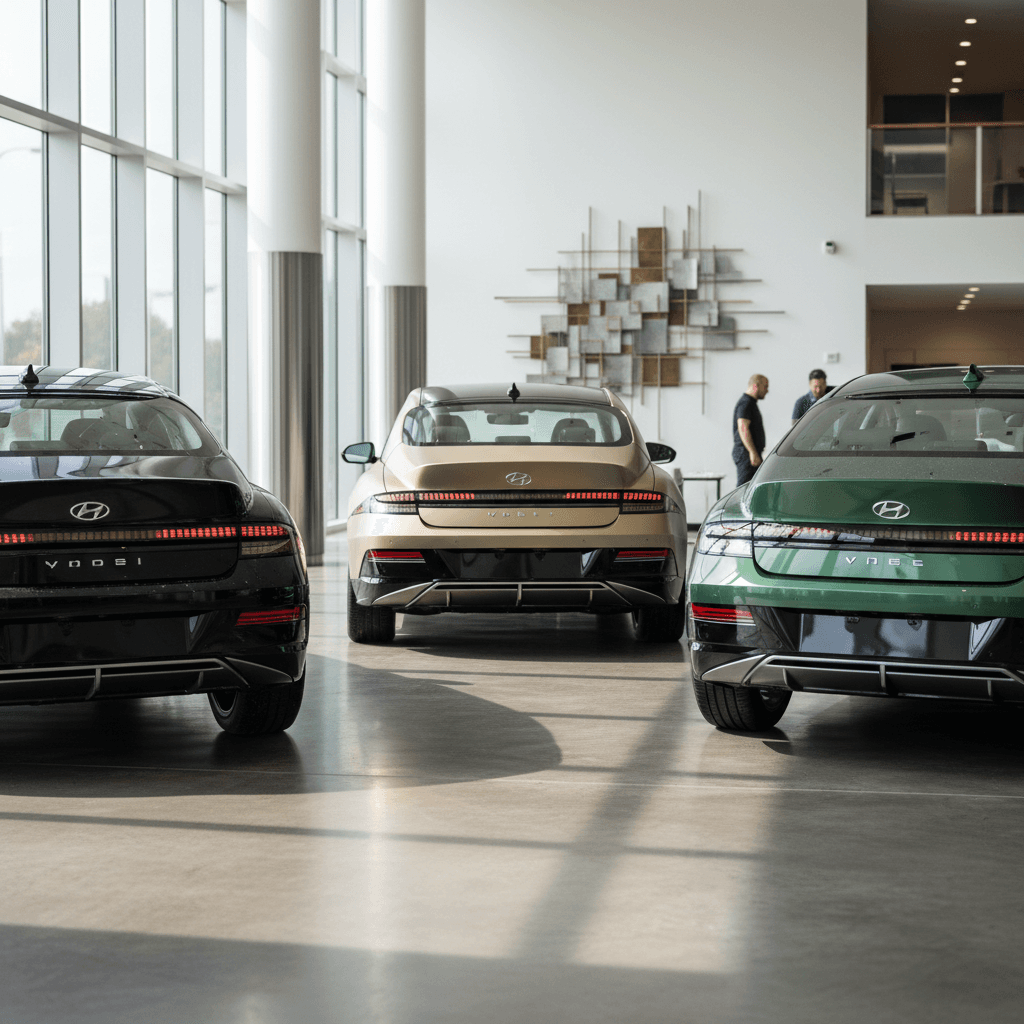
The IONIQ 6’s shape does real work, but wheels still matter. A shopper focused on maximum distance should compare the exact configuration instead of assuming every SE, SEL, or Limited will return the same range.
Your actual result will also change with speed, temperature, climate-control use, tires, and elevation. A tested battery estimate is therefore more useful than judging a used car from its dashboard reading on one particular day. See how EV range works before comparing two listings with different wheel and drivetrain combinations.
Compare the complete configuration
What Recharged data says about used IONIQ 6s
Recharged data shows strong tested battery capacity across the IONIQ 6s inspected for a Recharged Score. Among 100 battery diagnostics, tested remaining capacity averaged 98.9%, with a 100% median and a measured range from 90.6% to 100%. Average tested real-world range was 318 miles, while individual results ran from 276 to 361 miles.
Current Recharged listings also show how widely used-car pricing can vary across configurations and conditions. Among 11 matching IONIQ 6 listings, asking prices ranged from $22,402 to $32,599, with a $27,328 average and a $28,498 median. Among scored listings, the average Recharged Score was 4.8.
The takeaway is that the used IONIQ 6 can combine substantial tested range with high remaining battery capacity, but the overall model data doesn’t prove that one trim has a healthier battery than another. Use a vehicle-specific diagnostic such as the Recharged Score battery-health check rather than applying an average to the car you’re considering.
Recharged data
Used Hyundai Ioniq 6 battery health
99%
avg remaining capacity
From Recharged battery inspections, not manufacturer estimates.
- Lowest
- 91%
- Median
- 100%
- Highest
- 100%
- Est. range
- 318 mi avg
- Cell balance pass
- 100%
- Quick charges
- 29 avg
- Slow charges
- 71 avg
Average cell imbalance: 3.2 mV
Based on vehicles Recharged tested
Recharged data
Used Hyundai Ioniq 6 prices at Recharged
$28,498
median list price
Current list prices for matching inventory at Recharged.
- Lowest
- $22,402
- Average
- $27,328
- Highest
- $32,599
Average Recharged Score on these listings
4.8 / 5
Range
4.7 – 5.0
Based on available listings
Every EV is battery-tested with a Recharged Score. Nationwide delivery.
How should you choose between the three trims?
Choose according to the feature or capability you’ll notice every week, not according to which badge sounds most desirable. If you take frequent highway trips or want the greatest possible efficiency, prioritize the configuration with the strongest verified range. If commuting comfort and daily convenience dominate, compare the SEL and Limited feature lists against their actual used prices.
- Set your non-negotiable range based on your longest routine trip, not your average errand.
- Identify the cabin features you’ll use regularly, such as upgraded audio, seat ventilation, or a power trunk.
- Compare actual wheel and tire packages because they affect efficiency, ride quality, replacement cost, and tested range.
- Review the original equipment list or window sticker; used listing descriptions can omit features or assign them incorrectly.
- Favor the car with the better inspection and battery report when two trims are otherwise close.
The Limited inspected by the Recharged team illustrates what top-trim money can buy: a comfortable cockpit, Bose audio, heated and ventilated seats, a heated steering wheel, wireless charging, and a power trunk. Those amenities can be worthwhile if you use them, but they shouldn’t automatically outrank a better battery report or cleaner condition on another car. For more shopping context, review this used EV buying guide before comparing listings.
Condition matters as much as trim
A clean inspection can matter more than moving from an SEL to a Limited. Recharged once received a matte-finish IONIQ 6 with roof-wide hail damage that hadn’t been disclosed in the original condition report; the damage was difficult to see without controlled reflections and inspection screens. The car was sent back rather than offered to a customer, underscoring why remote listings and attractive equipment lists aren’t enough.
What to inspect on a used IONIQ 6
Battery condition
Request tested remaining capacity and a vehicle-specific range estimate.
Roof and body panels
Inspect reflections for subtle hail damage, especially on matte finishes.
Wheels and tires
Check for curb damage, uneven wear, and replacement-tire quality.
Installed equipment
Confirm the advertised options operate and match the original configuration.
Charging operation
Test the charge port and review available charging history and diagnostics.
Software and recalls
Verify updates and outstanding campaigns using the car’s VIN.
A trim badge tells you what a car was supposed to include when new. A hands-on condition inspection and battery diagnostic tell you what you’re actually buying today.
Instant offer, trade-in, or consignment. Pickup available.
Hyundai IONIQ 6 trim FAQ
The verdict
The SE wins for range-conscious value, the SEL is the sensible middle choice, and the Limited is the one to buy when premium equipment matters enough to accept possible efficiency and price trade-offs. Don’t shop the badge in isolation: compare the exact configuration, verified battery health, body condition, tires, and asking price. Recharged’s current listing and diagnostic data suggest the IONIQ 6 deserves a place on a used-EV shortlist, provided the individual car passes a thorough inspection.