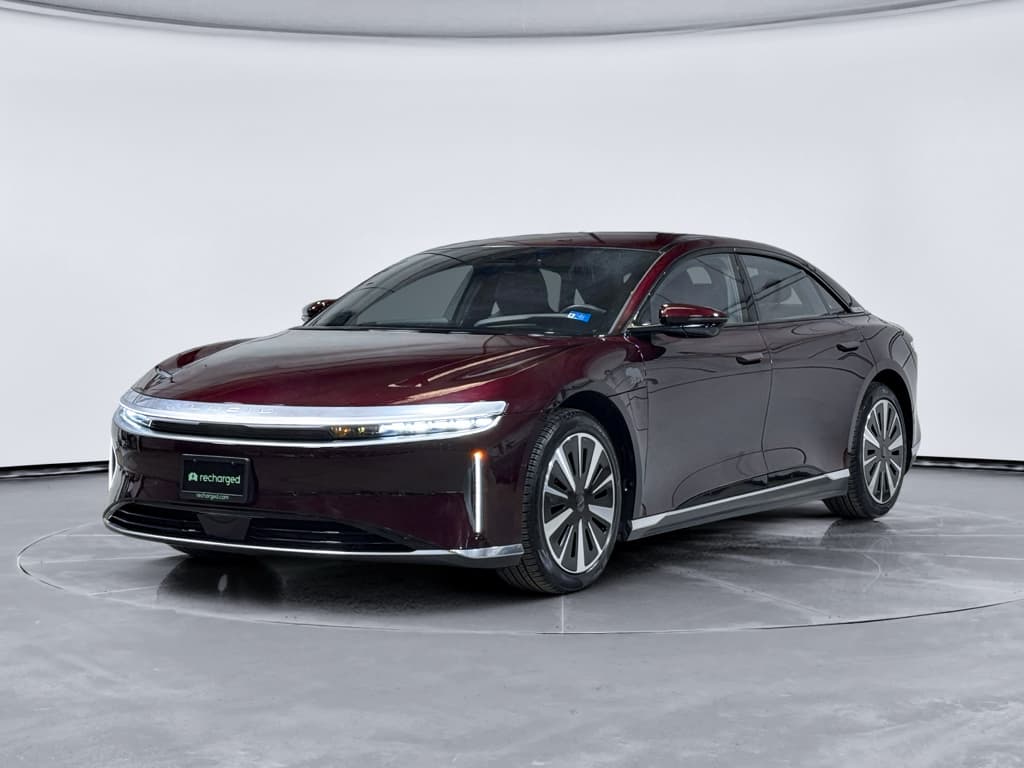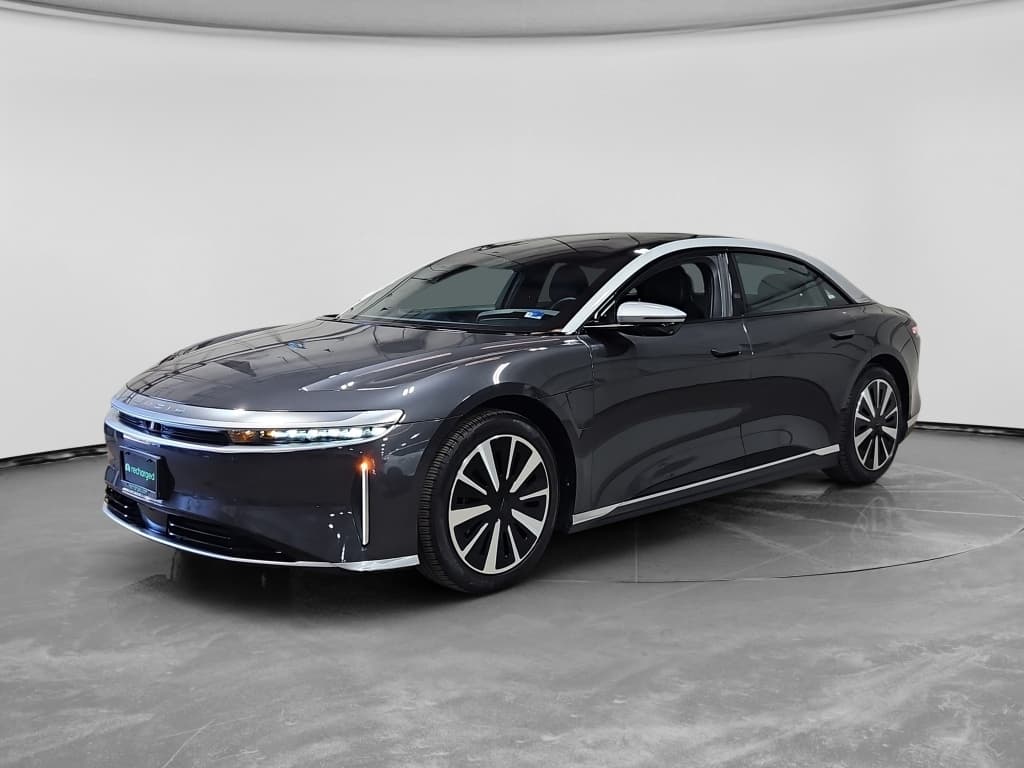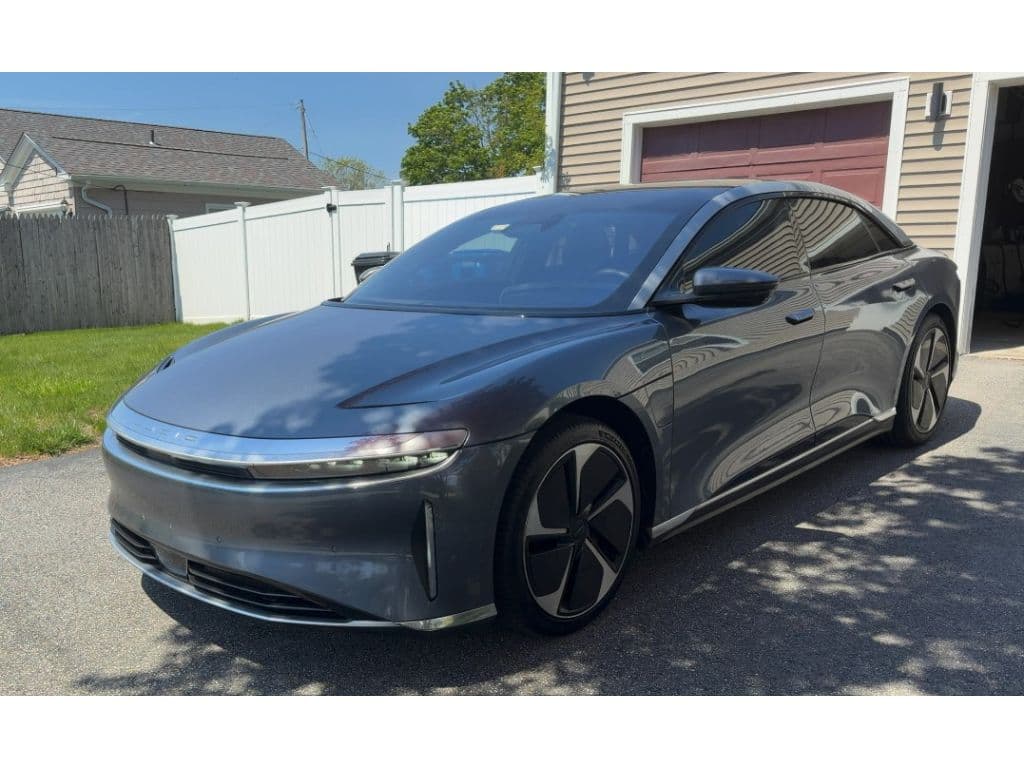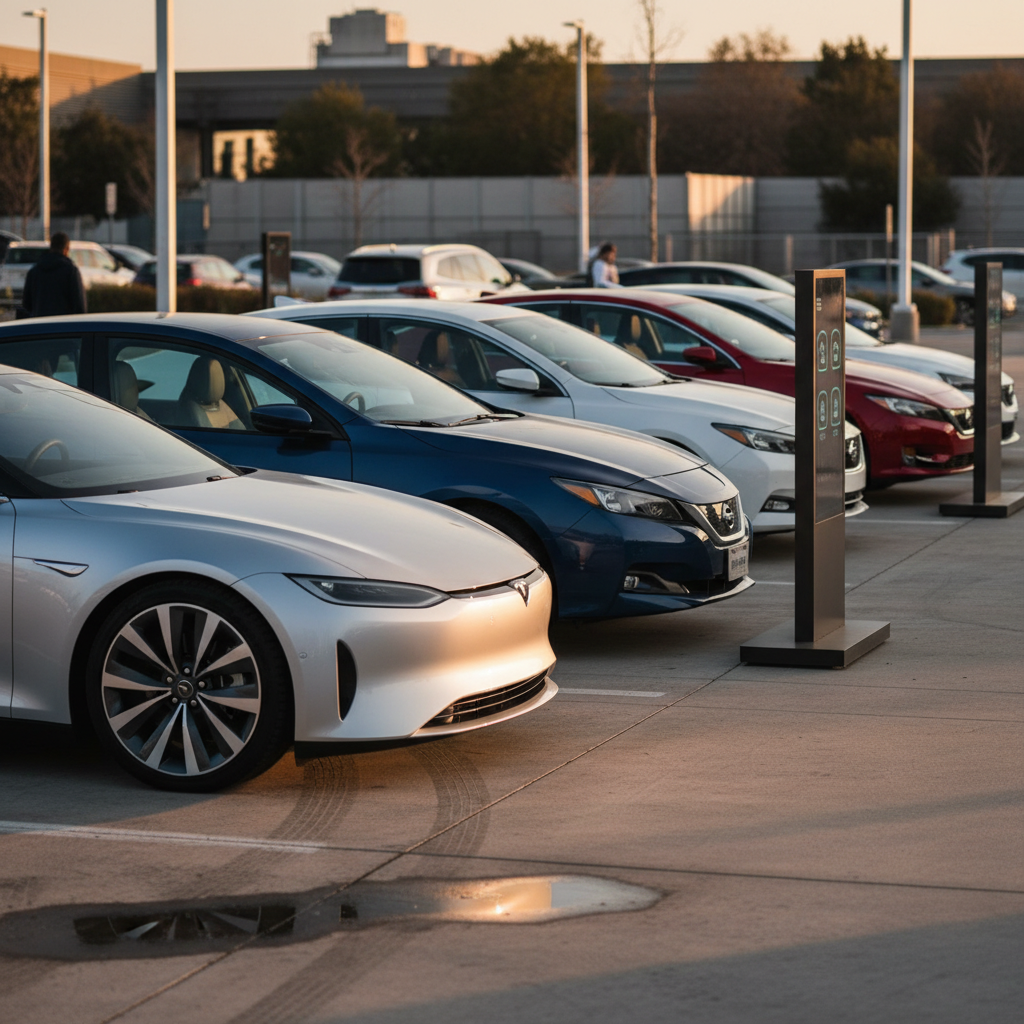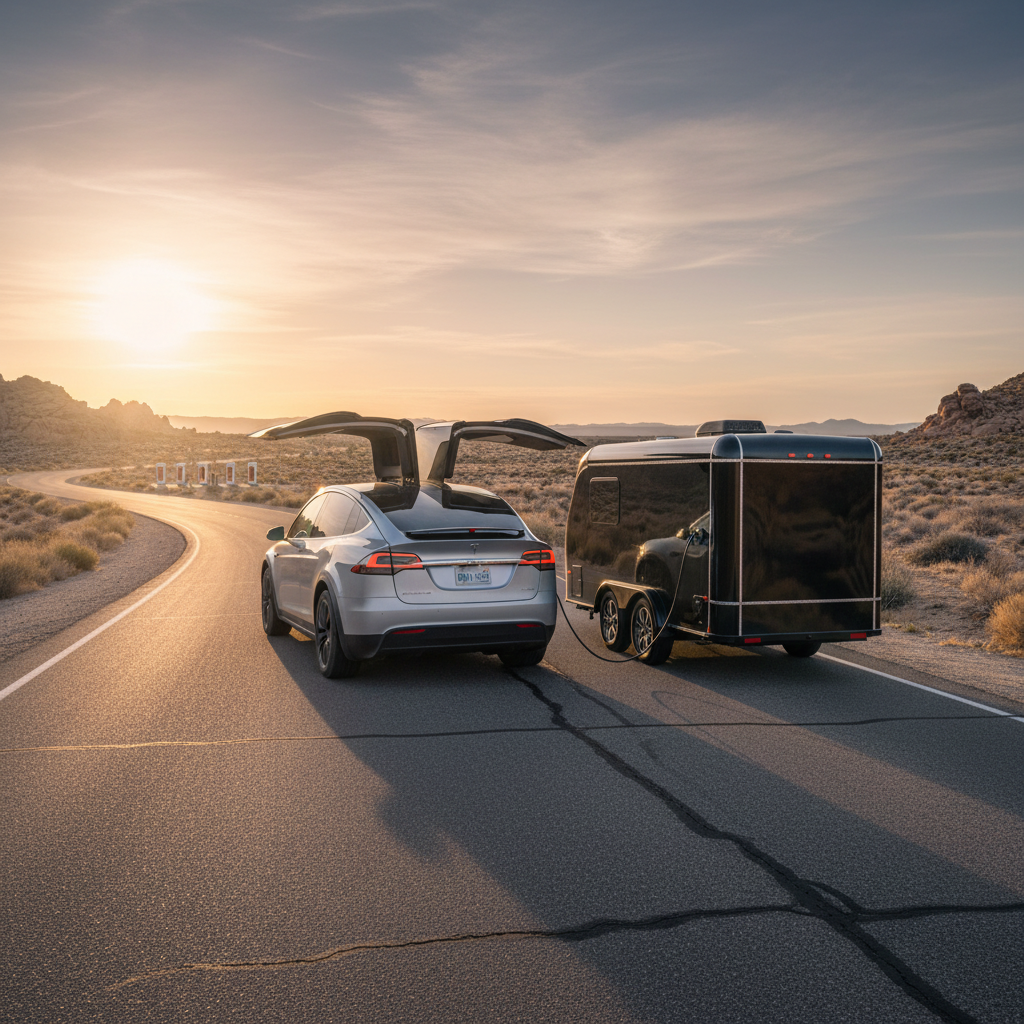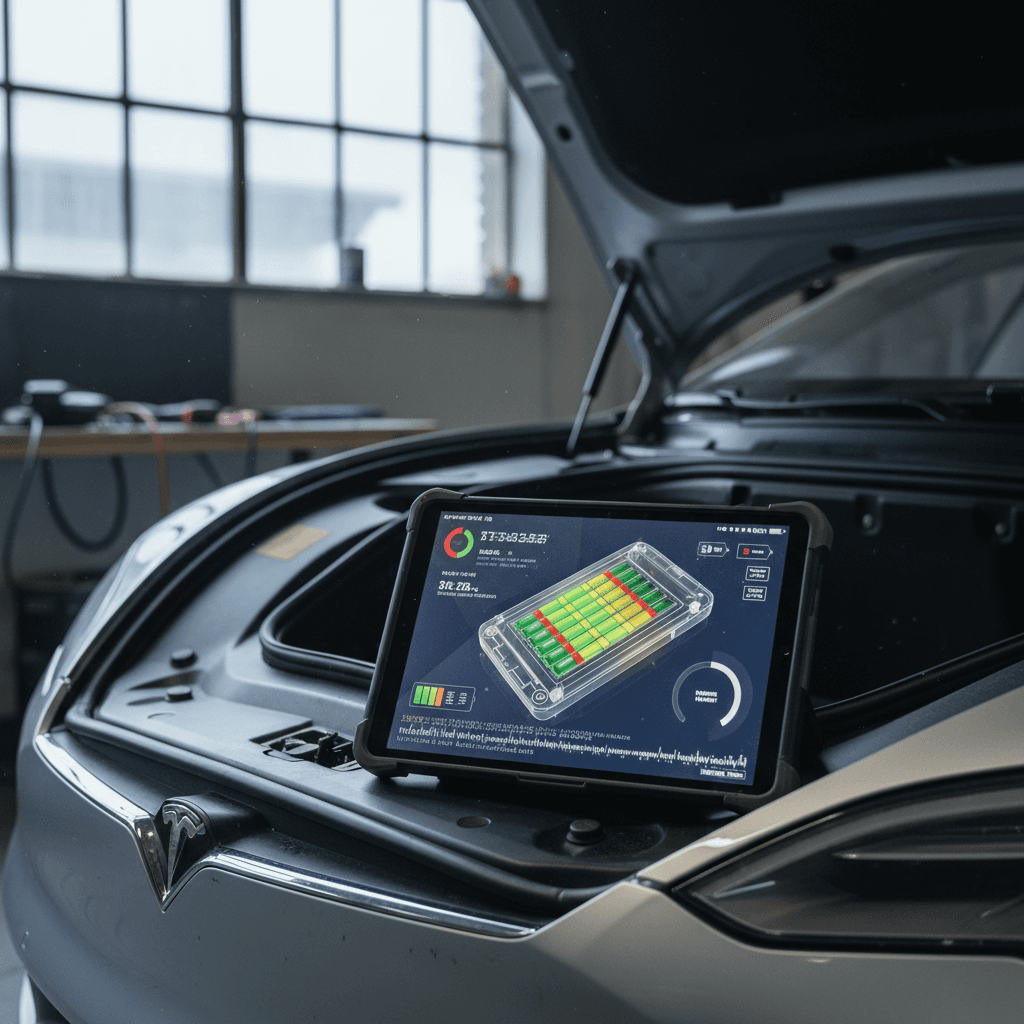
You’re shopping for a long‑range luxury EV and you’ve realized something interesting: for the price of a used Lucid Airbrand‑new Tesla Model S. Same general idea, big battery, big range, big performance, but very different bets. One is a daring upstart that depreciates like a startup stock. The other is the old guard with a mature ecosystem and a sometimes‑chaotic reputation.
Context: model years and prices
Used Lucid Air vs new Model S: the quick take
How the two choices feel from the driver’s seat
Both are wildly quick, long‑range luxury EVs, but they solve different problems for different buyers.
Used Lucid Air: Range king, value gamble
Biggest strengths: outrageous EPA range (up to ~500+ miles depending on trim and wheels), ultra‑modern cabin, rare and special to own. Used prices have already taken a big hit compared with original MSRPs.
Biggest trade‑offs: Smaller service network, younger company, steeper early depreciation. Charging relies on third‑party networks instead of a single, tightly integrated ecosystem.
New Model S: Ecosystem and simplicity
Biggest strengths: access to Tesla’s Supercharger network, mature software and OTA updates, simpler ownership and service experience, and a fresh full warranty.
Biggest trade‑offs: Not quite the range bragging rights of the Lucid Air, interior and styling feel more familiar than special at this point, and you’re paying new‑car money for tech that’s been around for years.
Core decision: risk vs convenience
If you’re willing to bet on Lucid’s future and live with more fragmented charging and service, a used Lucid Air can feel like a screaming deal. If you want the most straightforward luxury EV experience today, a new Model S is still the safer, easier choice.
Spec snapshot: where the numbers land
Pricing, depreciation and value for money
Let’s start where your spreadsheet does: how much car you get for the money. Lucid launched the Air with sky‑high pricing, many Grand Touring and Dream Edition cars easily crested six figures. Fast‑forward a few model years, and used examples are often trading tens of thousands of dollars below original MSRP as the market prices in brand risk and limited awareness.
What shoppers commonly see on listings today
Approximate U.S. asking prices as of early 2026. Real‑world numbers vary by mileage, condition, trim and incentives.
| Vehicle | Typical trim cross‑shopped | Ballpark price | Original MSRP when new | What it feels like |
|---|---|---|---|---|
| Used Lucid Air | 2023–2024 Pure or Touring | $60,000–$75,000 | Often $80,000+ | You’re buying a flagship‑level EV for loaded‑Model‑3 money. |
| Used Lucid Air | 2022–2023 Grand Touring | $75,000–$90,000 | Frequently $120,000+ | Ultra‑long‑range luxury sedan at a huge discount from sticker. |
| New Tesla Model S | AWD (Long Range‑type build) | ~$85,000–$90,000 | Similar | You’re paying full new‑car freight but getting a current‑year build and full warranty. |
| New Tesla Model S Plaid | Tri‑motor performance | ~$100,000+ | Similar | Super‑car acceleration with the simplest ownership path. |
These aren’t quotes, just realistic ballparks to frame the decision.
Follow the depreciation curve
If your budget is fixed around, say, $75,000, you’re typically looking at a nicely optioned used Lucid Air Touring or early Grand Touring versus a base, brand‑new Model S with few extras. The Lucid will often feel more exotic and more lavish inside. The Tesla will feel more familiar, and you’ll know exactly what you’re getting in terms of service and software.
Range and performance: where each shines
Lucid Air: the range benchmark
Lucid built its reputation on efficiency and range. Depending on the year and trim, you’ll see:
- Pure / Touring: roughly low‑400‑mile EPA range when new, especially on smaller wheels.
- Grand Touring: EPA ratings pushing into the 500‑mile neighborhood with the right wheel and tire combo.
- Performance and Sapphire variants: still outstanding range for the power on tap, often mid‑400s miles.
Even after a few years of battery aging, a well‑kept Lucid Air will usually offer more real‑world highway range than a comparable Model S. If you hate planning charging stops, this matters.
Tesla Model S: still seriously quick and capable
Tesla doesn’t dominate the range charts like it once did, but the current Model S is no slouch:
- Recent dual‑motor Model S variants are rated roughly 400+ miles of EPA range when new.
- Plaid models sacrifice a bit of range for outrageous acceleration, 0–60 mph in about 2 seconds under ideal conditions.
- Even the “plain” dual‑motor car is brutally quick by normal‑car standards, with effortless passing power.
In day‑to‑day driving the gap is less dramatic than the paper numbers suggest. But if you’re the type who keeps driving until the seat massage shuts off, the Lucid’s extra buffer feels wonderful.
Don’t buy on range alone
Charging experience and road‑trip usability
Lucid Air: third‑party networks, great hardware
The Lucid Air supports very fast DC charging with peak charge rates in the 250–300 kW neighborhood depending on trim. In practice, that means:
- Excellent top‑up speeds on high‑power DC fast chargers.
- Lucid’s software helps you route to compatible chargers.
- You’ll be relying on networks like Electrify America, EVgo and others.
The hardware is ready for serious road tripping; the limitation is the patchwork reality of U.S. public DC fast charging. How good your experience is will depend on the stations along your routes.
Tesla Model S: still the easiest fast‑charging experience
The Model S’s biggest ace remains the Supercharger network. You get:
- Native, plug‑and‑go access at thousands of stations in the U.S.
- Charging stops automatically integrated into trip planning.
- Billing handled through your Tesla account, no app juggling at the charger.
Other brands are beginning to adopt the North American Charging Standard (NACS), and Lucid is joining that world too, but today a Tesla is still the least‑headache way to drive cross‑country on electrons.
Where Recharged fits in
Ready to find your next EV?
Browse VehiclesTech, luxury and comfort
Inside the cabins: two ways to do high‑tech luxury
Both cars feel futuristic, but the vibe is very different.
Lucid Air: boutique luxury lounge
The Lucid’s cabin feels like a boutique hotel lobby, airy, light, and full of rich materials. Big glass areas, elegant color palettes and excellent seats make it feel special in a way that still turns heads.
The multi‑screen layout and physical controls for key functions will appeal if you like a bit more traditional structure to your tech.
Model S: minimalist tech pod
Inside the Model S you live in the touchscreen. The central display runs nearly everything, backed up by a driver screen and optional yoke‑style wheel in some years.
It’s clean and purposeful, but not as warm. If you’re already used to the Tesla interface from a Model 3 or Y, you’ll feel right at home.
Noise, ride and comfort
Both cars are quiet and quick; ride quality varies a lot with wheel size and options. In general, Lucid tunes the Air more toward plush luxury, while the Model S leans slightly sportier.
If your roads are rough, prioritize smaller wheels, adaptive suspension and a thorough test drive either way.
“Both of these sedans are shockingly quick. The real question is whether you want your future‑car cockpit to feel like a Scandinavian lounge (Lucid) or a high‑end smartphone on wheels (Tesla).”
Reliability, battery health and warranties
No EV is immune to teething problems, and both of these cars are packed with cutting‑edge tech. The difference is that Tesla has been building the Model S for more than a decade, while Lucid is still in its first product cycle. That matters when you’re betting on long‑term parts availability and service know‑how.
Used Lucid Air: early‑run realities
Early‑production cars from any startup can have more bugs, rattles, software glitches, trim issues, the usual exotic‑car stuff. Lucid has been pushing out frequent over‑the‑air updates and improving build quality, but:
- The service network is still small compared with legacy brands and Tesla.
- Travel distance to a service center can be a real factor depending on where you live.
- Independent shops are only just starting to learn these cars.
On the plus side, many used Lucid Airs are still within their original battery and powertrain warranties, and mileage on the used market tends to be low because the cars are so new.
New Tesla Model S: known quantity, fresh coverage
Buying new gives you the full new‑car warranty clock starting today, plus the benefit of many years of iterative improvements. Common issues are well documented, and Tesla can often diagnose and fix problems quickly over the air or with mobile service.
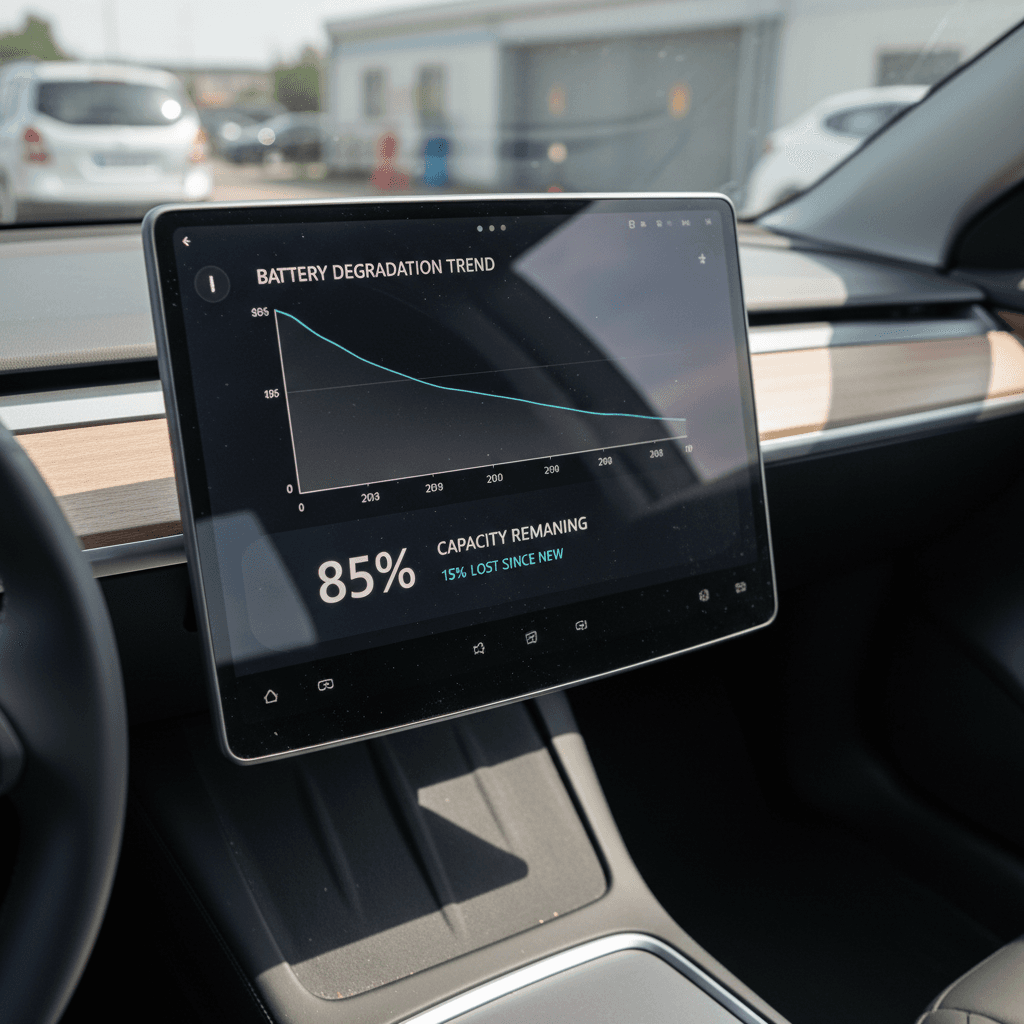
Battery degradation on well‑kept Model S cars has generally been modest in real‑world fleet data. As with any used EV, the specific car’s charging history matters, but the platform itself is no longer an experiment.
Never skip a battery health check on a used car
Insurance, maintenance and real‑world ownership costs
Here’s the unglamorous part: what it costs to keep one of these in your driveway. Neither is cheap to insure or repair, but there are differences that matter if you’re trying to keep monthly costs sane.
- Insurance on either car will be higher than on a Model 3 or mainstream EV simply because of repair costs and performance potential.
- Tesla’s larger repair ecosystem (both official and third‑party) can make collision work and parts sourcing easier, and sometimes cheaper, than on a Lucid Air.
- Routine maintenance for both is light (no oil changes), but budget for tires; these are heavy, powerful cars that can chew through rubber.
- Over a 5‑ to 7‑year window, a used Lucid Air bought after the big depreciation hit may keep its value surprisingly well, if Lucid continues to grow and support the fleet. The Model S has a longer track record of strong resale.
Run the total cost, not just the payment
Who should buy a used Lucid Air vs a new Model S?
Match the car to your priorities
You’ll love a used Lucid Air if…
You want the <strong>most range possible</strong> in a luxury sedan and don’t mind being an early adopter.
You’re excited by a rare, future‑forward car that still turns heads at every charger.
You live reasonably close to a Lucid service center and high‑speed DC fast chargers.
You’re comfortable trading some uncertainty about long‑term brand stability for a lot of car per dollar today.
You’ll love a new Model S if…
You road‑trip often and want <strong>the simplest charging experience</strong> via Tesla’s Supercharger network.
You value a big ecosystem: service options, third‑party accessories, used‑parts availability and a huge online knowledge base.
You’d rather pay more up front for the predictability of a new‑car warranty and a well‑known platform.
You already live in the Tesla world (perhaps with a Model 3/Y) and like the interface, app and ownership experience.
Buying checklist for both cars
Used Lucid Air vs new Model S: what to double‑check
1. Confirm how you’ll charge at home and on the road
Before you fall in love with either car, map your home charging options and your most common long‑distance routes. If there’s a Supercharger every 70 miles along your favorite road trip, that heavily favors the Model S. If there’s a dense mix of high‑power CCS sites and you’re range‑sensitive, the Lucid Air makes more sense.
2. For Lucid: know your nearest service center
Look up the closest Lucid service location and talk honestly with yourself about towing distances and loaner availability. The car may feel like a bargain, but a 300‑mile flatbed ride to sort out a quirk can erase those warm fuzzies quickly.
3. For Tesla: price out insurance and options
Run quotes on a new Model S with your actual address and driving record. Add in must‑have options, wheels, paint, interior, and any driver‑assist packages, to see the real price, not the base‑price ad.
4. Get objective battery health on any used EV
Dash‑display range estimates can be wildly optimistic. Ask for a third‑party battery‑health report or shop through a platform like <strong>Recharged</strong> that includes a <strong>Recharged Score battery report</strong> showing true pack health and how the car was charged and driven.
5. Check software feature sets
Both cars ship with robust driver‑assist suites, but the exact mix of adaptive cruise, lane‑keeping and automation features can vary by year, trim and option package. Make sure the used Lucid you’re eyeing has the same feature set you’ve seen in reviews; same for Tesla’s Autopilot or Full Self‑Driving packages.
6. Think past the first owner
Ask yourself: if I keep this car for 5–8 years, will it still be easy to service and sell? Tesla’s answer is relatively clear. With Lucid, you’re making a more speculative, but potentially rewarding, bet.
FAQs: Used Lucid Air vs new Tesla Model S
Frequently asked questions
Bottom line: which one is right for you?
If you want your luxury EV to feel like tomorrow’s car today, and you’re willing to live with some startup‑brand question marks, a used Lucid Air is incredibly tempting. The range is epic, the interior is special, and thanks to heavy early depreciation you can step into a car that once stickered in the six figures for a fraction of that price.
If you’d rather trade a little drama for a lot of convenience, a new Tesla Model S is still the easier answer. You get simple, integrated fast charging, a mature service ecosystem and a full new‑car warranty. It may not turn as many heads at the chargers anymore, but it will get you to those chargers with the least fuss.
Either way, don’t let the badge be the only deciding factor. Run the numbers on your routes, your charging, your insurance and your appetite for risk. And if you decide a used example of either car makes more sense than buying new, platforms like Recharged can help you find one with verified battery health, transparent pricing and expert EV guidance from first search to final delivery.