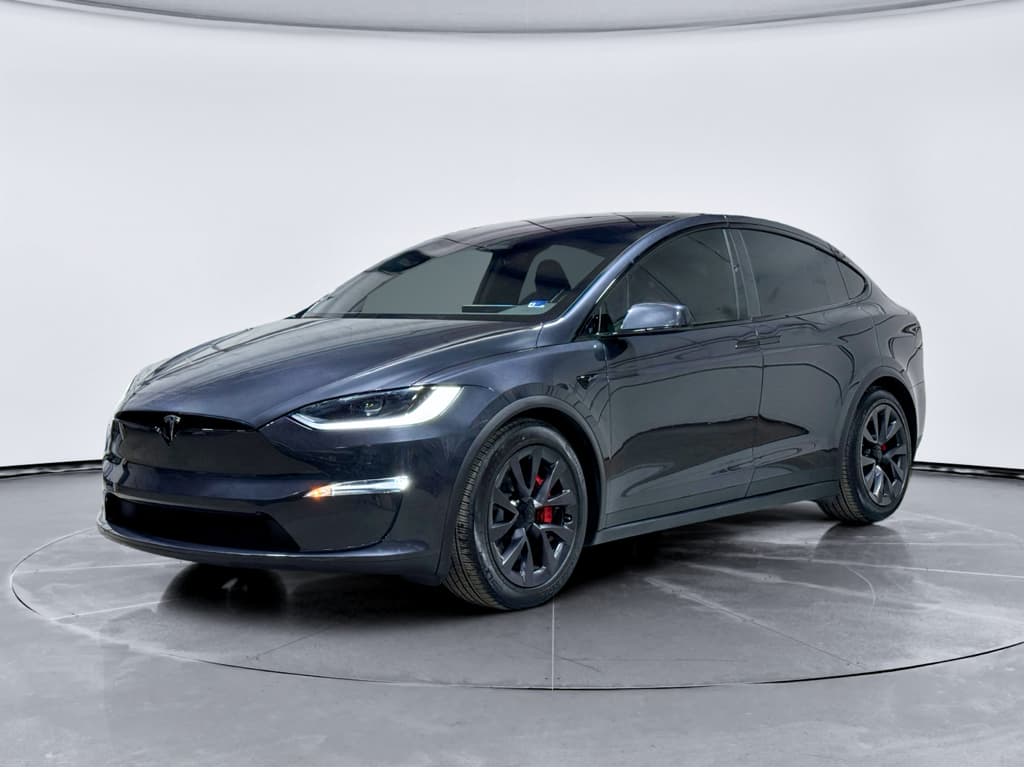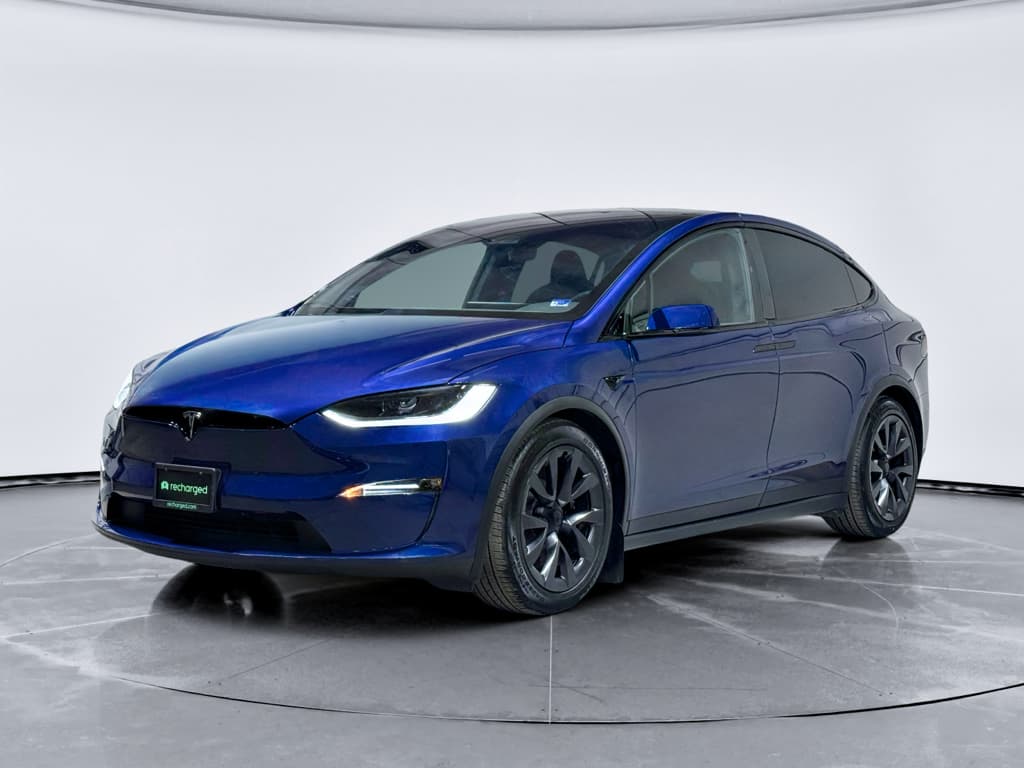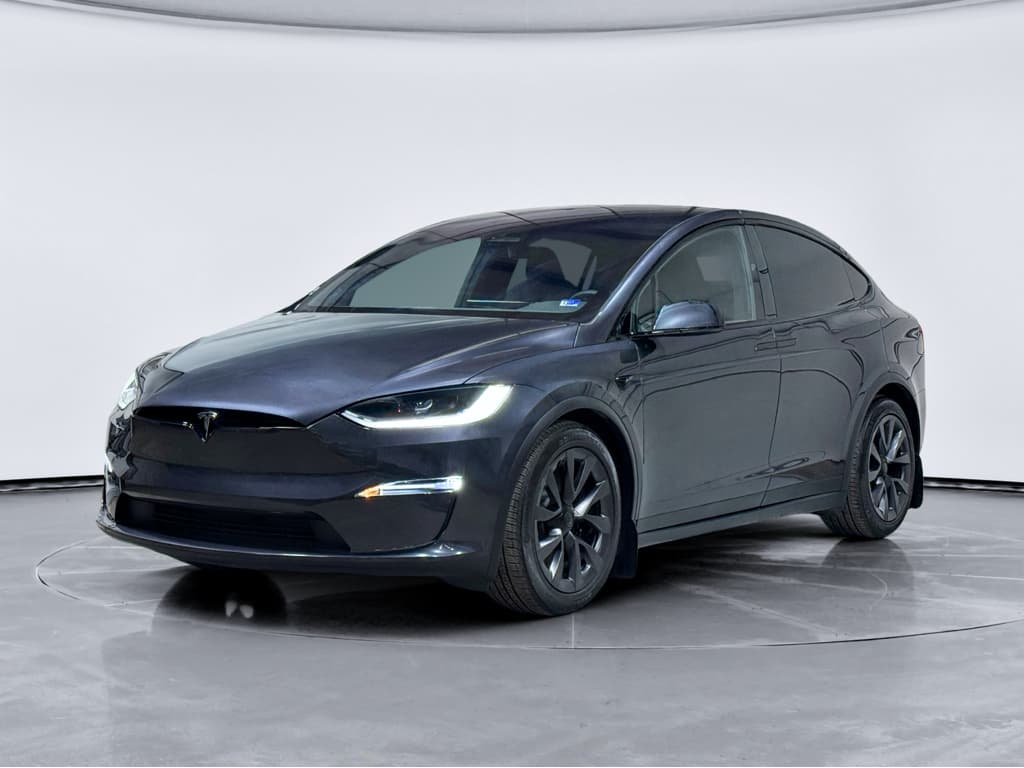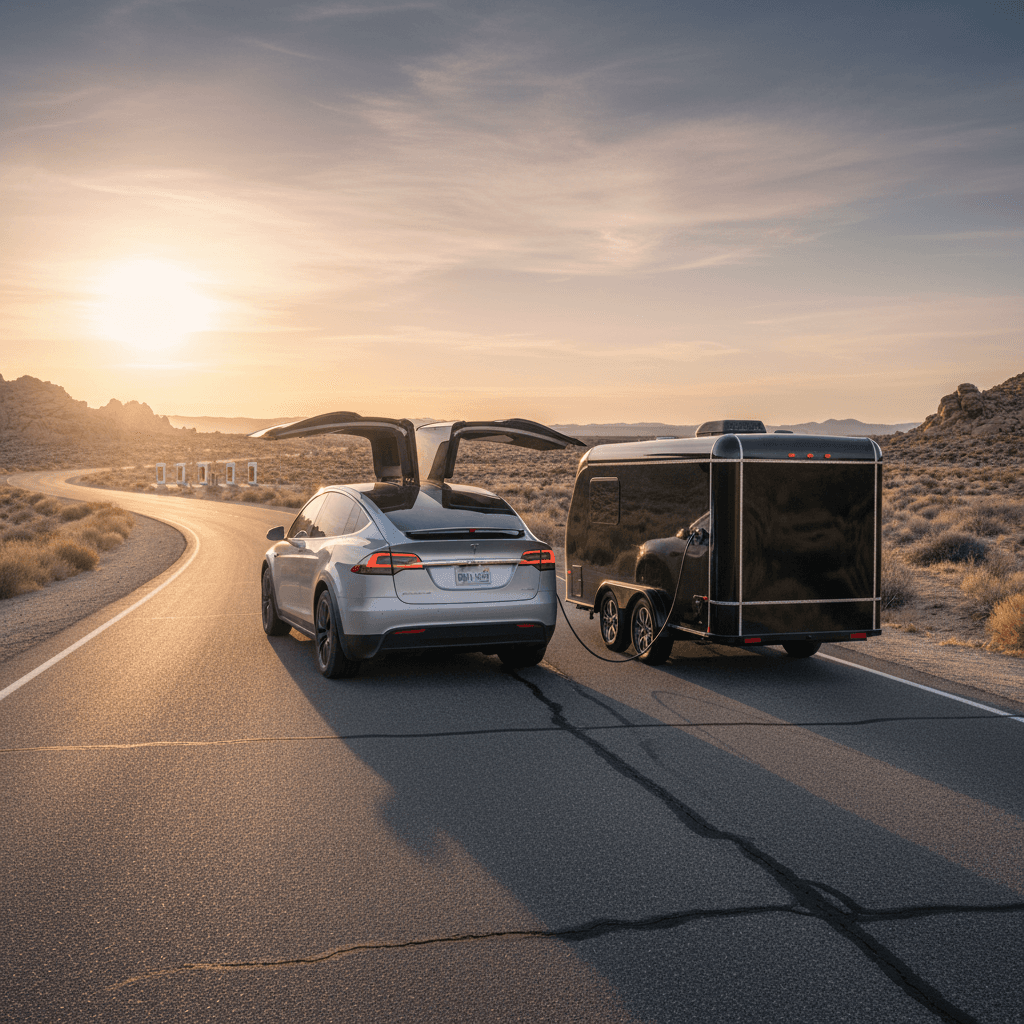
If you’re looking at a Tesla SUV that can haul the family, gear, and a camper, you’re probably asking one big question: what is the Tesla Model X towing capacity and how far can it actually go with a trailer? On paper, the Model X is rated to tow up to 5,000 pounds, but real‑world range can drop quickly when you add wind drag and extra weight. This guide walks through official tow ratings, how towing impacts range, and what to look for if you’re considering a new or used Model X as your tow vehicle.
Quick answer
Overview: Model X towing capacity and range
The Tesla Model X is one of the few three‑row electric SUVs on the market that’s factory‑rated for meaningful towing. With all‑wheel drive, instant torque, and a long wheelbase, it’s a capable tow vehicle for campers, boats, and utility trailers, as long as you understand the limits of towing capacity and usable range.
- Typical maximum tow rating with factory package: 5,000 lbs (braked trailer)
- Typical tongue weight rating: 500 lbs on the hitch
- Real‑world towing range: often 40–70% of the EPA rated range, depending on trailer, speed, terrain, and weather
- Best suited for: small to mid‑size campers, single‑axle utility trailers, small boats, and lightweight car haulers
Model X towing basics
Tesla Model X towing capacity by year and trim
Tesla doesn’t market the Model X as a heavy‑duty tow rig, but its official tow ratings cover most family and recreational needs. Exact numbers can vary slightly by year and market, yet the overall pattern is consistent: no factory tow package = no official tow rating. Here’s a simplified overview for North American models:
Approximate Tesla Model X tow ratings (North America)
Always verify the specific tow rating for the VIN you’re considering; these figures are general guidelines, not legal limits.
| Model / Era | Drivetrain | Tow Package | Max Tow (braked) | Approx. Tongue Weight |
|---|---|---|---|---|
| Early Model X (2016–2020) | Dual Motor AWD | Optional | 5,000 lbs | 500 lbs |
| Performance / P trims | Dual Motor AWD | Optional | 5,000 lbs | 500 lbs |
| Long Range / LR+ (2020–2021) | Dual Motor AWD | Optional | 5,000 lbs | 500 lbs |
| Current Model X (2021+ refresh) | Dual Motor AWD | Optional | 5,000 lbs | 500 lbs |
| Current Model X Plaid | Tri‑motor AWD | Optional | 5,000 lbs | 500 lbs |
Tow capacity assumes the vehicle is equipped with Tesla’s factory tow package and a braked trailer. Unbraked trailer limits are lower.
Always verify for your specific vehicle
Model X as a tow‑ready EV SUV
How towing actually impacts Model X range
On an EV, towing doesn’t just add weight, it increases aerodynamic drag, which is where most of the extra energy use comes from at highway speeds. The Tesla Model X starts with a relatively large battery and good efficiency for its size, but a trailer can cut your usable range by a third to half.
Major factors that affect Model X towing range
Why two identical setups can see very different numbers
Aerodynamics
Speed
Terrain & weather
Rule of thumb for trip planning
Real‑world examples of towing with a Model X
Every combination is different, but you can use ballpark figures to sanity‑check your expectations. The numbers below assume a dual‑motor Model X with an EPA highway range in the 320‑mile neighborhood and towing in mild weather.
Small utility trailer
Think of a 5x8 open utility trailer with lawn equipment, bikes, or a light cargo load totaling around 1,500–2,000 lbs.
- Range impact: Roughly 20–30% reduction
- Usable range: Around 220–260 mi at conservative highway speeds
- Best use case: Local hauls, weekend projects, occasional highway trips
Mid‑size travel trailer
A 20–23 ft single‑axle camper with a fairly tall, flat front profile and all‑in weight around 3,500–4,500 lbs.
- Range impact: Often 40–50%+ reduction
- Usable range: Roughly 130–170 mi between fast‑charge stops
- Best use case: Planned route with frequent DC fast chargers
Plan for energy, not just distance
Setup: What a Model X needs to tow safely
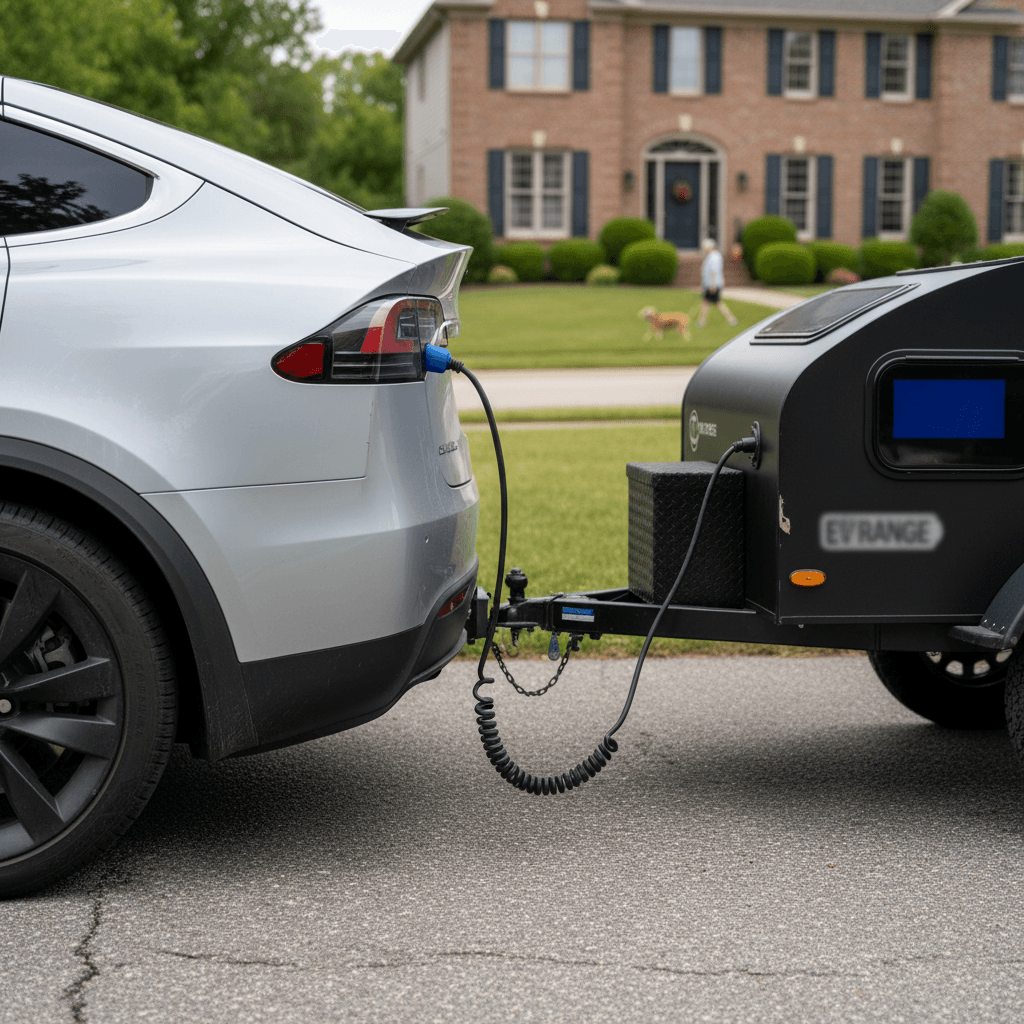
Before you hook up any trailer, make sure your Model X is properly equipped. Not every used Tesla comes with the factory tow hardware, and that matters for both safety and warranty coverage.
Model X towing setup checklist
1. Confirm factory tow package
Check for the removable hitch receiver behind the lower rear panel and verify the tow rating on the door jamb label or in the owner’s manual. If you’re shopping used, ask the seller or dealer to confirm the tow package on the original window sticker.
2. Verify wiring and trailer lights
The factory tow package includes a wiring connector for trailer lights. Make sure all lights, running, turn signals, and brakes, operate correctly before any trip. This is a safety and legal requirement in most states.
3. Check weight and tongue load
Know your trailer’s actual loaded weight, not just the brochure number. Keep tongue weight within the rated limit (commonly around 10% of trailer weight but not exceeding the hitch’s tongue rating).
4. Set trailer brake controller (if needed)
For heavier braked trailers, you may need an aftermarket brake controller. Follow the manufacturer’s instructions and test braking performance in a safe, empty lot before heading onto public roads.
5. Inspect tires and suspension
Confirm your Model X tires are in good condition and properly inflated. Check trailer tires for age, cracks, and pressure. Extra weight and heat from towing are hard on old or under‑inflated tires.
6. Adjust mirrors and visibility
If your trailer is wider than the Model X, consider towing mirrors or camera systems to maintain clear rearward visibility and safe lane changes.
Don’t improvise your hitch
Efficiency tips: Maximizing range while towing
You can’t escape physics, but you can work with it. Small changes in how you drive and configure your rig can add dozens of miles of usable range to each leg of your trip.
Practical tips to stretch Model X towing range
Simple habits that make a noticeable difference on the road
Slow down slightly
Watch the wind
Manage climate use
Use the energy graph
Road trip planning with a trailer
Towing with a Model X is less about whether it can physically pull the load and more about whether your charging and routing plan fits your timeline. You’ll be stopping more often than you would in a gas SUV, so think in terms of segments and waypoints.
Plan with charging in mind
- Use apps like Tesla’s built‑in navigation or third‑party tools to map Superchargers and other DC fast chargers along your route.
- Favor chargers directly off major highways or near trailer‑friendly parking lots.
- When possible, arrive at fast chargers around 10–20% state of charge for quicker sessions.
Think about charger access
- Some charging sites aren’t laid out with trailers in mind. Look for pull‑through stalls or perimeter parking where you can remain attached.
- In worst‑case scenarios, you may need to briefly unhitch to reach the station, build time for that into your plans.
- Be courteous to other drivers; avoid blocking multiple stalls while you’re charging.
Trailer‑friendly charging matters
Buying a used Tesla Model X for towing
If you’re shopping the used market, the Tesla Model X can be a strong choice for families who tow occasionally and want EV benefits the rest of the year. But not every used X is equal when it comes to towing, and battery health matters more once you start adding trailers and long trips.
Key questions to ask before you buy
Did this Model X come with the factory tow package?
Verify the presence of the OEM hitch receiver, connector, and tow rating. Some owners add aftermarket hitches for bike racks only; that’s not the same as a full tow package.
How is the battery health today?
Towing magnifies the impact of battery degradation. A Model X with a healthier pack will give you more real‑world towing range. Recharged vehicles include a <strong>Recharged Score battery health report</strong> so you know what you’re getting.
Has the vehicle towed frequently in the past?
Occasional towing is normal use; frequent heavy towing without maintenance might mean extra wear on tires, brakes, and suspension. Ask for service records and visual inspection of these items.
Are the tires and brakes ready for towing duty?
You’ll be adding weight and heat when towing. Check pad depth, rotor condition, and tire tread/age before you commit to regular trailer use.
Does the seller understand tow ratings?
If a seller casually mentions pulling loads well above the rating, take that as a sign to inspect even more closely, or to keep shopping.
How Recharged can help
FAQs: Tesla Model X towing capacity and range
Common questions about Model X towing
Bottom line: Is the Tesla Model X good for towing?
If you need to pull a massive fifth‑wheel or toy hauler across several states in a hurry, a heavy‑duty gas or diesel truck is still the easier choice. But if your towing needs fall in the small to mid‑size trailer range and you’re comfortable planning your charging stops, the Tesla Model X is a genuinely capable electric tow vehicle that doubles as a quiet, quick family hauler the rest of the year.
The key is to go in with clear expectations: 5,000 lbs of tow rating does not mean 300+ miles of range with a trailer attached. Expect more frequent fast‑charge stops, use tools like the energy graph to keep an eye on consumption, and give yourself extra buffer when weather or terrain turns against you. And if you’re shopping used, working with an EV‑focused retailer like Recharged, where every vehicle comes with a battery health report and transparent pricing, can help you match the right Model X to the way you’ll actually tow.