If you’re hunting for a used electric SUV under $25,000 in 2026, you’re shopping in the sweet spot of today’s EV market. Heavy depreciation on new EVs and a maturing first wave of electric crossovers mean you can now get real range, modern safety tech, and cargo space for compact-car money, if you know where to look and what to avoid.
Good news for value hunters
Why used electric SUVs under $25,000 make sense in 2026
Why used EV SUVs are a value play now
Two forces are working in your favor. First, early electric SUVs have taken big depreciation hits, especially as newer models add range and features. Second, charging infrastructure and homeowner familiarity with Level 2 charging have improved, so living with a used EV is simply easier than it was in 2018 or 2020. Combine that with a $25,000 price ceiling that lines up with the federal used EV tax credit, and 2026 is a particularly attractive year to step into a used electric SUV.
But don’t confuse SUV with “giant”
What $25,000 really buys you in 2026
Realistic expectations
- Model years: mostly 2019–2023, plus some 2024s with higher miles or base trims.
- Mileage: 25,000–70,000 miles is common; under 30k miles is a bonus in this price band.
- Range: Roughly 200–260 miles when new; expect a bit less today depending on battery health.
- Charging: DC fast‑charging on most candidates, although peak speeds vary a lot.
What you usually don’t get
- Latest‑generation long‑range EV SUVs like new‑shape Ioniq 5 or EV6 in top trims.
- Large luxury SUVs (EQS SUV, Escalade IQ, Lyriq) unless they’re very high mileage or salvage, which are best avoided by first‑time EV buyers.
- Every possible driver‑assist and tech package, though many sub‑$25k EV SUVs still include adaptive cruise and lane‑keeping, especially in mid‑level trims.
Use $25,000 as a hard cap, not a goal
Top used electric SUVs under $25k in 2026
Let’s look at the models you’re most likely to find under $25,000 in 2026 that still make sense as daily‑driver electric SUVs. Local inventory and pricing vary a lot, but these shortlists reflect what U.S. shoppers are actually seeing on the ground: Chevy Bolt EUV, Hyundai Kona Electric, Kia Niro EV, and increasingly Hyundai Ioniq 5 and Kia EV6 in certain trims and mileages.
Core used electric SUVs you can find under $25k
Representative examples and ballpark asking prices in early 2026. Always check your local market for current numbers.
| Model | Typical used price window* | EPA range when new | Body style | Best for |
|---|---|---|---|---|
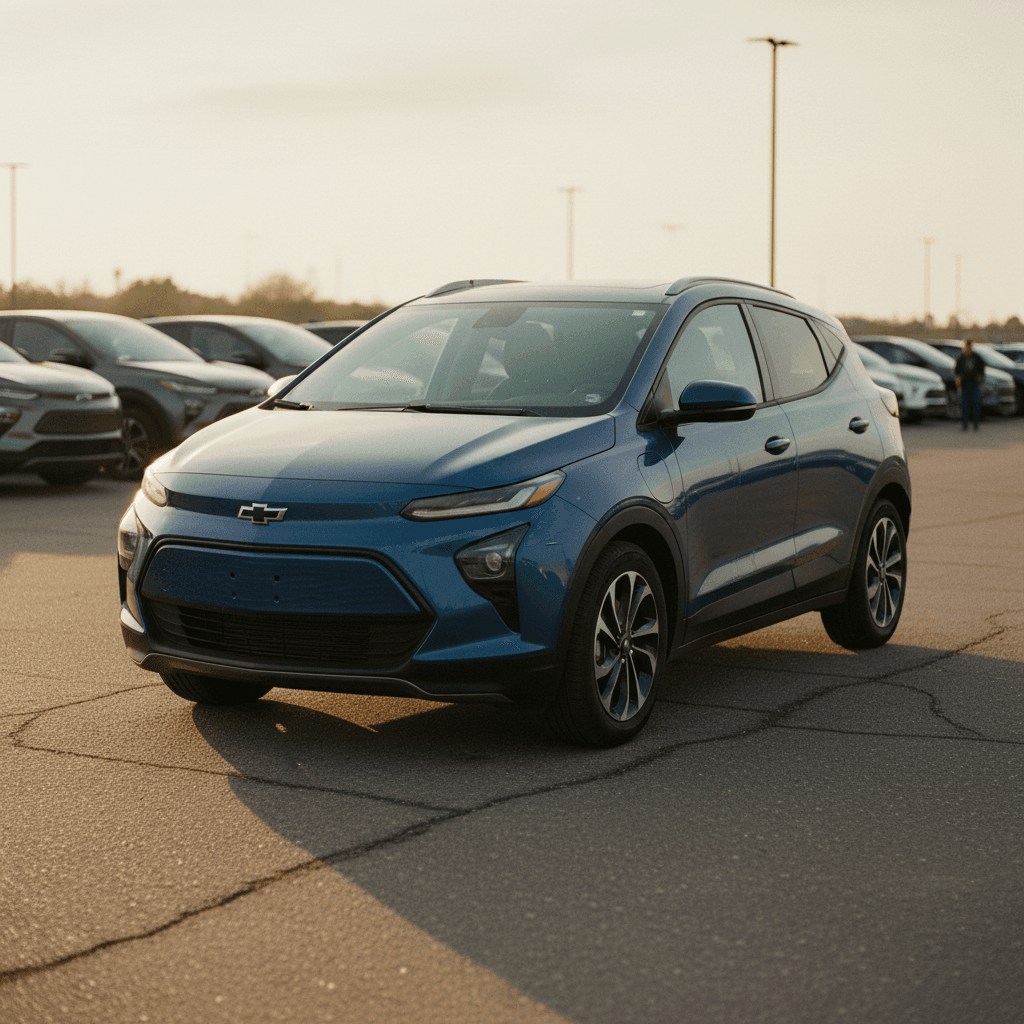
| Chevrolet Bolt EUV (2022–2023) | $16,000–$23,000 | 247 mi | Subcompact crossover | Budget‑friendly commuter with upright seating |
| Hyundai Kona Electric (2019–2023) | ~$15,000–$22,000 | 258 mi (pre‑refresh) | Subcompact SUV | Max range per dollar, compact footprint |
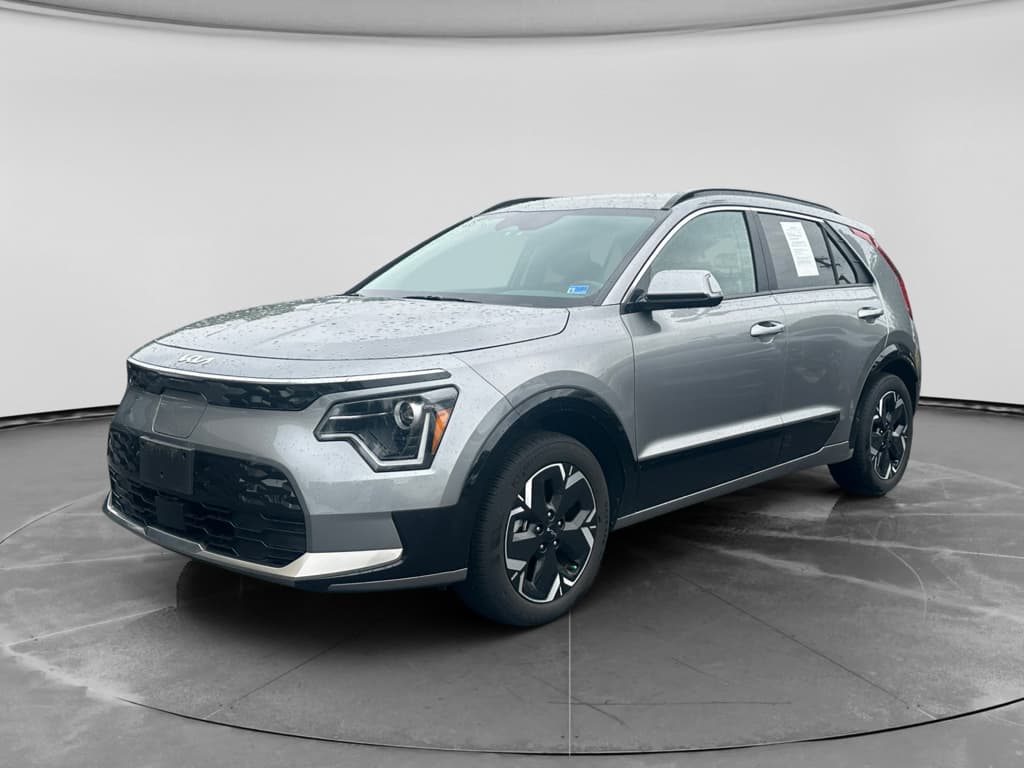
| Kia Niro EV (2019–2022) | ~$16,000–$24,000 | 239–253 mi | Compact crossover | Practical family hauler feel in a small package |
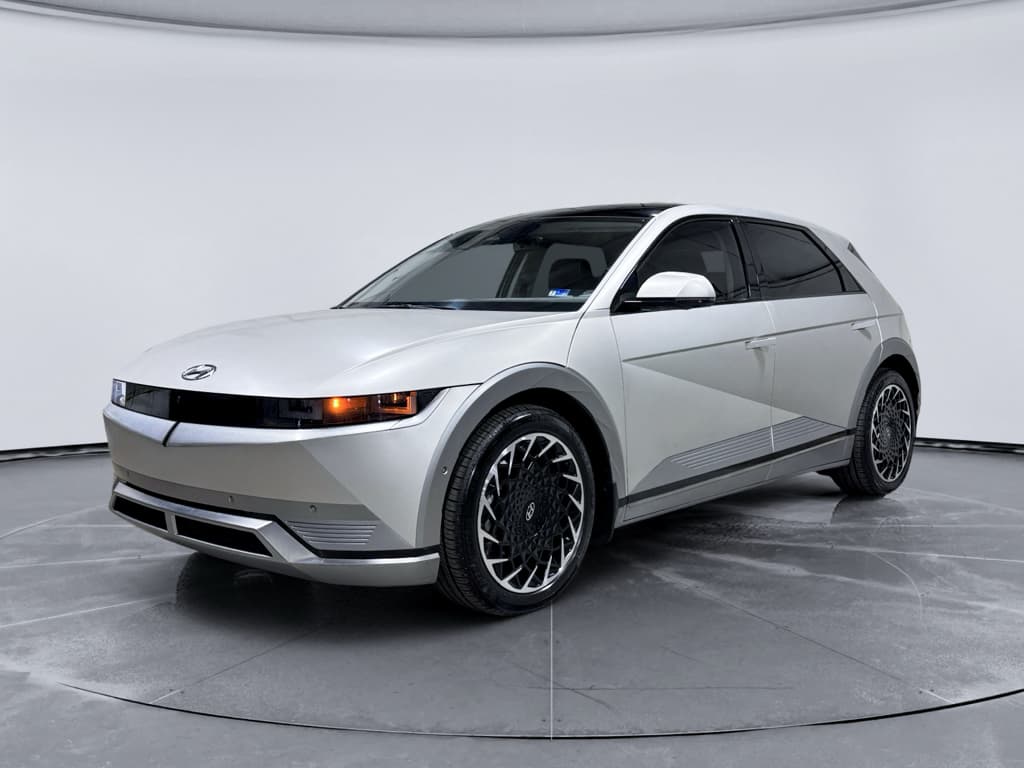
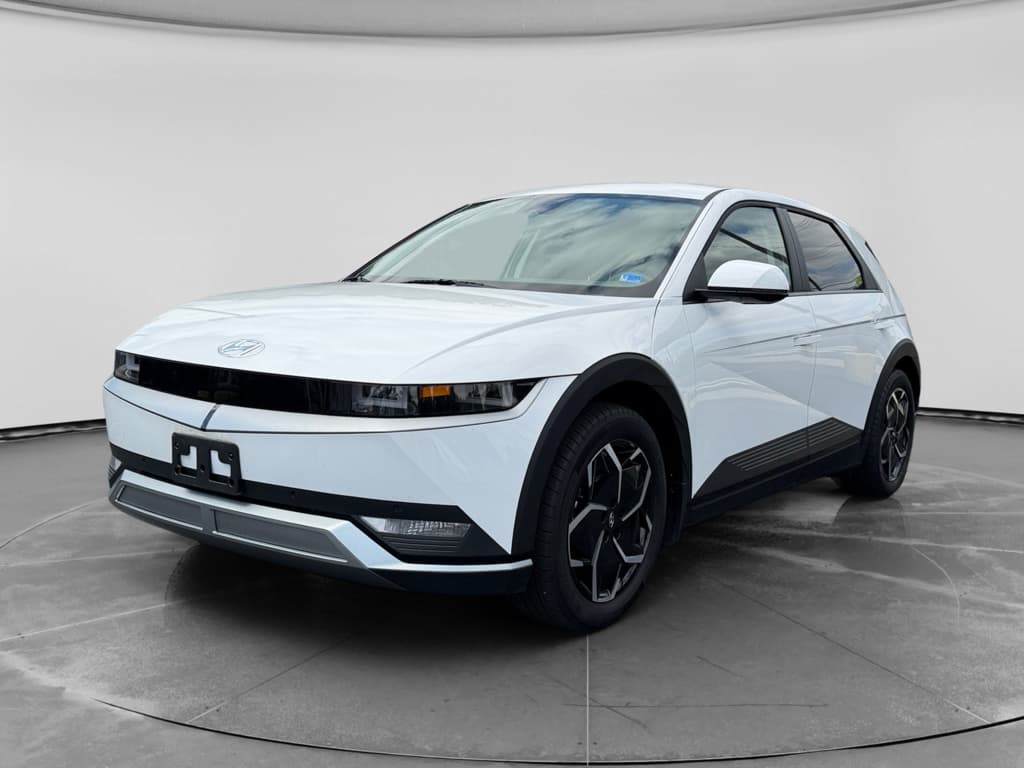
| Hyundai Ioniq 5 (2022–2023, SE/SEL) | High‑teens to mid‑$20ks | 220–303 mi (battery dependent) | Compact SUV | Roomier cabin, ultra‑fast DC charging; shop carefully under $25k |
| Kia EV6 (2022–2023, lower trims) | Around low‑ to mid‑$20ks | 232–310 mi | Sporty compact SUV | Drivers who want more performance feel than a Bolt or Kona |
All prices approximate and based on typical dealer and marketplace listings in early 2026.
About those price ranges
Choosing the right used electric SUV for your needs
How the main contenders differ in character, not just in specs
Chevy Bolt EUV
Think of the Bolt EUV as a tall hatchback with SUV‑like seating.
- Excellent efficiency and range for the money.
- Softer ride and simple interior.
- Narrow cabin and modest cargo area.
Hyundai Kona Electric
A true subcompact SUV footprint with surprisingly long range.
- Great option if you street‑park in cities.
- Earlier years have more basic driver‑assist tech.
- Rear seat and cargo space are only adequate.
Kia Niro EV & Hyundai Ioniq 5
More "crossover" in feel, especially the Ioniq 5.
- Niro EV offers familiar compact‑crossover ergonomics.
- Ioniq 5 has standout design and very fast DC charging.
- Under $25k, expect higher‑mileage or base‑trim examples.
Why you’re seeing so many of these models
Used Clean Vehicle tax credit and the $25,000 price cap
The U.S. used Clean Vehicle Credit is a big reason you see “$25,000” show up in so many used‑EV discussions. Through at least September 30, 2025, if you buy a qualifying used EV from a dealer for $25,000 or less, you may be eligible for a federal tax credit worth up to $4,000 or 30% of the sale price, whichever is lower. That’s a serious discount on a $19,000–$24,000 electric SUV if you meet the rules.
- Purchase price must be $25,000 or less from a licensed dealer (no private‑party sales).
- Vehicle must be at least two model years older than the calendar year you buy it (for a 2026 purchase, model year 2024 or earlier, subject to any extensions or changes Congress might pass).
- Household income has caps; roughly speaking, you need to be under middle‑to‑upper‑income thresholds to claim it.
- You can only claim the used credit once every three years, and the car has to be your personal use vehicle, not inventory or a flip.
Policy can change mid‑stream
Battery health and range: what matters on a used EV SUV
On a gas SUV, you mostly worry about maintenance records and engine or transmission problems. On a used electric SUV, battery health is the headline item. A Kona Electric that’s lost 5–10% of its original range is a different proposition than one that’s lost 20% or has a patchy fast‑charging history.
Battery and range checks before you buy
1. Look for a quantified battery‑health report
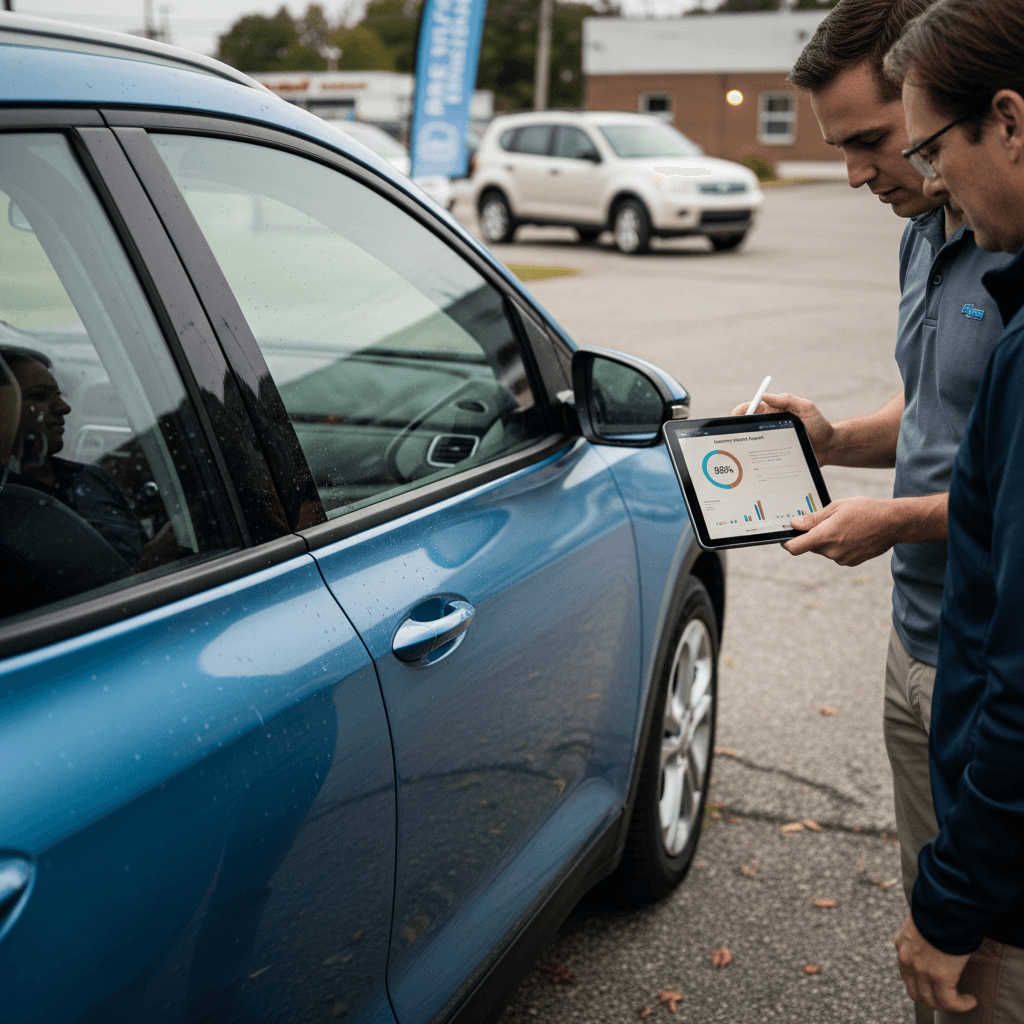
Instead of vague phrases like “battery is fine,” look for a report that translates battery data into an estimated state of health (SoH) or projected usable capacity. Recharged’s Recharged Score is one example, tying pack health directly to pricing and warranty context.
2. Compare displayed range to EPA rating
Take the vehicle on a fully charged test drive and see what the guess‑o‑meter shows. If a Kona rated for 258 miles at 100% SOC is only showing 190 with similar driving patterns, that’s a clue to ask more questions.
3. Inspect DC fast‑charging behavior
If you can, plug into a DC fast charger and watch the curve. A healthy pack should ramp quickly to its expected peak and only gradually taper. Sudden throttling or very low peak speeds compared to spec can indicate thermal or battery‑health issues, or just cold weather, so interpret in context.
4. Understand remaining battery warranty
Most mainstream EVs carry 8‑year/100k‑mile battery warranties (sometimes more) against excessive degradation. Check the in‑service date and mileage. A 2021 Kona Electric at 60,000 miles may have years of coverage left; a 2019 Niro EV just over 100,000 miles may be out of warranty.
5. Check for recalls and software updates
Bolt EV and EUV packs, for example, have been subject to high‑profile recalls and software updates. Make sure recall work is complete and that the car has the latest battery management software.
6. Match range to your real use
If you drive 40 miles a day and road‑trip a few times a year, a healthy 220‑mile EV SUV is plenty. If you routinely do 180‑mile winter highway runs with no charging stop, you may want something with a bit more buffer.
Why diagnostics beat gut feel
Ownership costs: insurance, charging, and maintenance
Landing a used electric SUV under $25k is only half the story. You also want to understand whether it will be cheaper, or more expensive, to own than a comparable gas crossover. The short version: if you can charge at home and you’re not paying unusually high insurance rates, total cost of ownership can be very competitive with gasoline.
How used EV SUV ownership costs break down
Where you save, where you might pay a bit more
Energy costs
Home charging on off‑peak electricity often beats gasoline by a wide margin on a cost‑per‑mile basis.
- Best case is a home Level 2 charger on a time‑of‑use rate.
- Heavy DC fast‑charging can eat into your savings.
Insurance
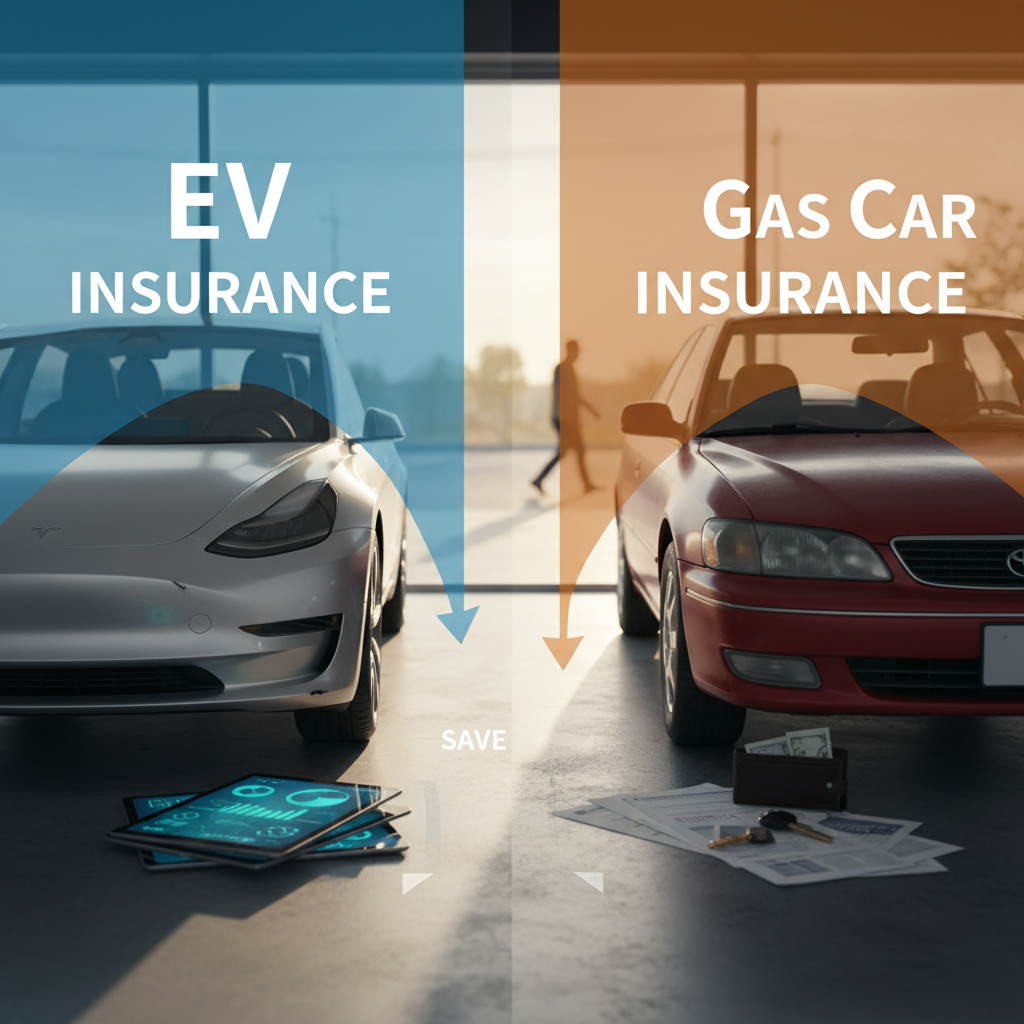
Insurance for EV SUVs can run a bit higher than for equivalent gas models, mainly due to repair costs.
- Shopping insurers and raising deductibles can narrow the gap.
- Some carriers now price EVs more competitively as they gain data.
Maintenance & repairs
No oil changes, fewer moving parts, and regenerative braking all reduce routine maintenance.
- Tires and suspension can wear faster on heavier EVs.
- Out‑of‑warranty battery or power electronics repairs are expensive but relatively rare in the early years.
Don’t skip pre‑purchase inspections
How to shop smart for a used electric SUV
Used EV SUVs are finally common enough that you can be picky. The trick is to focus less on badges and more on your actual use case, charging access, and tolerance for range trade‑offs. Here’s a practical way to approach the search.
Step‑by‑step game plan for buying a used EV SUV under $25k
1. Map your real‑world driving needs
Write down your longest typical daily round trip, where you park at night, and whether you have or can install Level 2 charging. This will tell you whether a 220‑mile EV is fine or you really should aim for 260+ miles of rated range.
2. Set a total budget, not just a cap price
Factor in taxes, registration, a home Level 2 charger if needed, and that pre‑purchase inspection. If you’re using financing, think in terms of a monthly payment that still leaves room in your budget for electricity and higher insurance.
3. Shortlist 2–3 target models
For many shoppers, that might be: Bolt EUV vs Kona Electric vs Niro EV. If you want more cabin space and faster DC charging, add Ioniq 5 or EV6 to the list and accept that you’ll be at the top of your budget or shopping higher mileage.
4. Filter listings by battery warranty and history
Favor vehicles with remaining battery warranty, clean title, and straightforward histories. Ask for service records and, when possible, logs of DC fast‑charging frequency. Platforms like Recharged bundle this data with a battery‑health report so you don’t have to chase it down yourself.
5. Drive at least two different models
Specs never tell you everything. A Kona Electric might feel too tight in the rear seat; a Bolt EUV’s seating position might not suit your back. Drive at least two EV SUVs to get a feel for seats, visibility, and infotainment quirks.
6. Negotiate with data, not vibes
Come armed with comparable listings, battery‑health information, and an understanding of remaining warranty coverage. A slightly higher asking price on a car with a healthier pack and better warranty situation can be a smarter buy than the absolute cheapest example.
Where Recharged fits in the used EV SUV market
Traditional used‑car lots were built around internal‑combustion vehicles, and many are still catching up to what matters on an EV. Recharged is designed from the ground up around used electric vehicles, which makes a real difference when you’re trying to buy a used electric SUV under $25,000 with confidence rather than crossed fingers.
How Recharged can simplify your used EV SUV purchase
Built specifically for modern EV shoppers
Recharged Score battery & pricing report
Every vehicle on Recharged comes with a Recharged Score that translates battery diagnostics, mileage, and history into a simple, transparent report.
- Verified battery health instead of guesswork.
- Fair‑market pricing benchmarks so you know if the number makes sense.
- Clear context around remaining warranty and expected degradation.
Digital buying, financing, and delivery
You can browse, finance, trade in, and arrange nationwide delivery of a used EV SUV entirely online, or visit the Recharged Experience Center in Richmond, VA if you prefer seeing vehicles in person.
- EV‑savvy specialists to help match models to your use case.
- Financing options tailored to used EVs.
- Instant offer or consignment options if you’re selling or trading in another vehicle.
Ready to find your next EV?
Browse VehiclesWhy this matters under $25k
FAQ: Used electric SUVs under $25,000 in 2026
Frequently asked questions
Bottom line: Should you buy a used electric SUV in 2026?
If you’re willing to live with compact‑crossover space and you have at least some access to reliable charging, a used electric SUV under $25,000 in 2026 can be one of the most rational plays in the market. You’re letting the first owner absorb the steepest depreciation, stepping in once the real‑world quirks are known, and still getting modern range and safety tech.
The smartest path is to treat these vehicles as you would any major purchase: define your use case, set a realistic budget, insist on objective battery‑health data, and compare total cost of ownership rather than chasing badges. Whether you buy from a local dealer or a purpose‑built EV platform like Recharged, those fundamentals don’t change, and they’re what turn a cheap used EV SUV into a long‑term win rather than a regret.