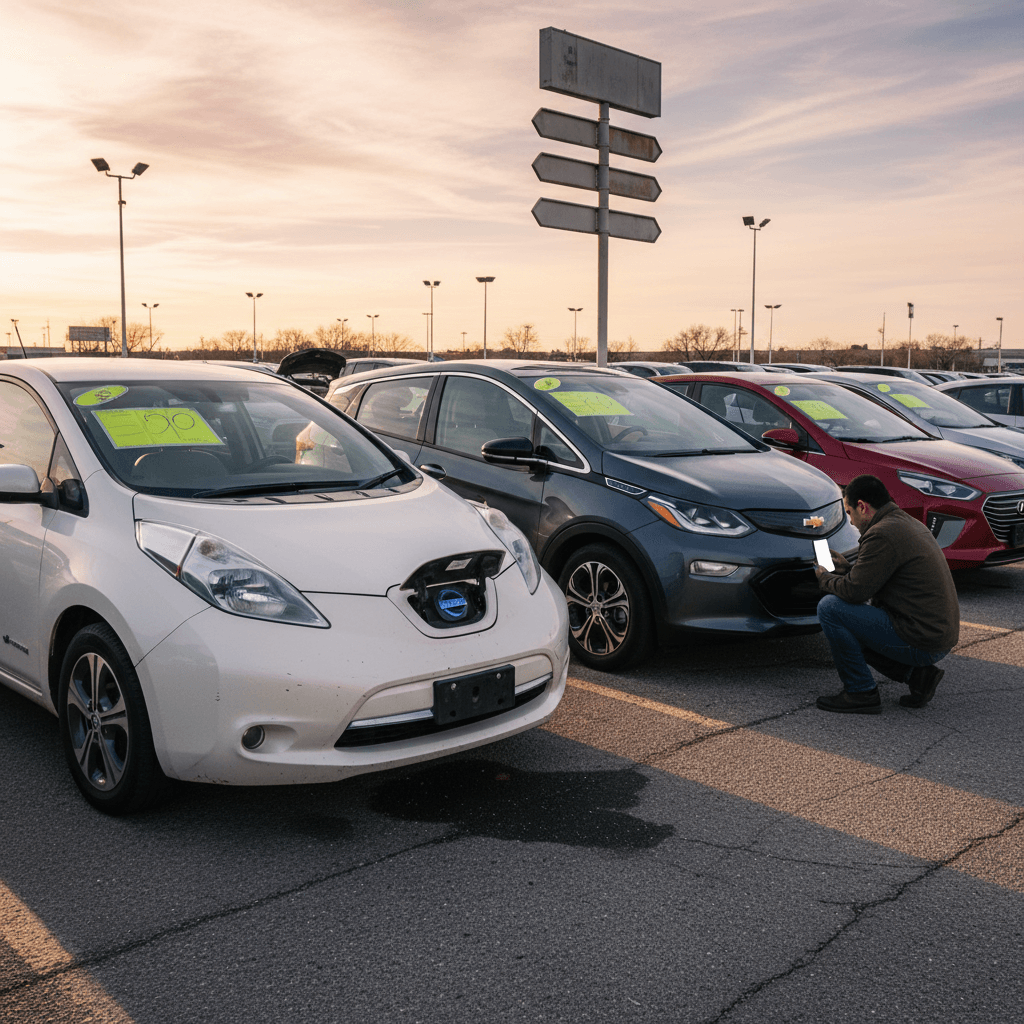
You absolutely can find a used electric car under $20,000 worth buying, but that price range is where the bargains and the bad ideas live side by side. The difference isn’t the badge on the hood; it’s the battery, the charging experience, and whether you understand what you’re giving up to hit that number.
Why this price point matters
Is a used electric car under $20,000 actually worth buying?
In 2026, the short answer is yes, if you pick carefully. Used EV prices have dropped sharply from their 2022 peak, and $15,000–$20,000 now reaches several solid electric models with modern safety tech and real-world range good enough for commuting and even the occasional road trip. At the same time, this is also where you’ll find early, short-range city EVs and cars with heavily degraded batteries that look cheap until you live with them.
Who a sub‑$20K used EV fits
- Suburban commuters driving 20–60 miles a day with home or reliable workplace charging.
- Two‑car households that can keep one gas car for long trips.
- Budget‑conscious buyers who care more about low running costs than new‑car smell.
Who should think twice
- Apartment dwellers with unreliable access to charging.
- Frequent long‑distance drivers with no patience for charging stops.
- Anyone unwilling to do homework on battery health and charging networks.
Don’t shop these like gas cars
How far $20,000 really goes in today’s used EV market
Used EV pricing snapshot for 2025–2026
- A low‑mileage, shorter‑range EV (older Nissan Leaf, BMW i3) that’s perfect for city duty but not a highway warrior.
- A higher‑mileage long‑range EV (Chevy Bolt EV, Hyundai Kona Electric, Kia Niro EV) that still does 200+ miles on a charge.
- Or, if you shop hard or nationwide, a slightly newer model, sometimes a post‑refresh car, with more modern driver‑assist tech.
Best used electric cars under $20,000 that are worth buying
Let’s talk metal. Exact prices swing by region, mileage, and incentives, but the models below regularly appear under $20,000 in U.S. listings by 2025–2026 and are generally smart buys when paired with a healthy battery and clean history.
Top used EV picks under $20K
These models tend to balance price, range, charging speed, and reliability better than most in this bracket.
Chevrolet Bolt EV (2017–2022)
Why it’s worth buying: Still the king of miles‑per‑dollar. Early cars offer ~238 miles EPA range; later ones stretch to ~259 miles. DC fast‑charging, compact footprint, and modern safety tech on newer trims.
What to watch: Confirm all battery recall work, check real‑world range via a battery health report, and look closely at fast‑charge history if it lived on road trips.
Hyundai Kona Electric (2019–2022)
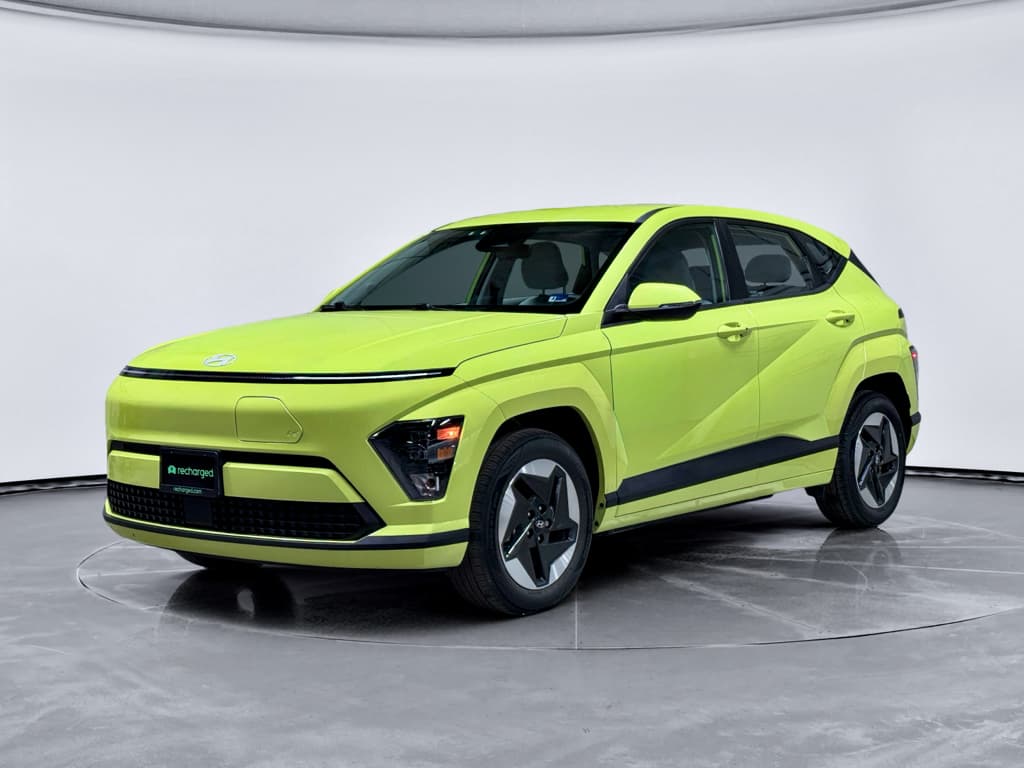
Why it’s worth buying: 250‑ish miles of range, comfortable ride, and a well‑equipped cabin. Later years add better driver‑assist tech. Often priced just under $20K for mid‑trim examples.
What to watch: Verify DC fast‑charging works properly and look for a strong service history; cosmetic wear inside is common but not fatal.
Kia Niro EV (2019–2022)
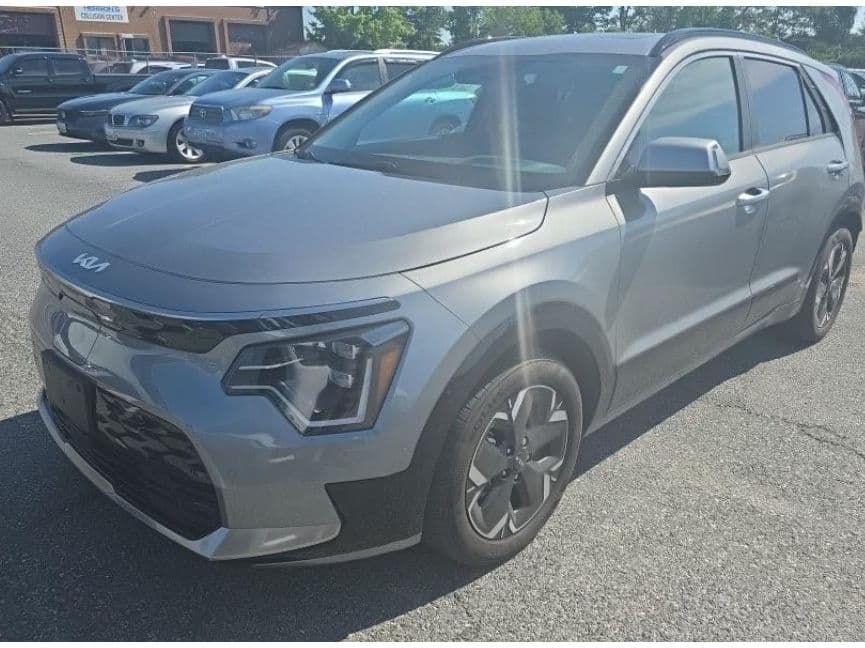
Why it’s worth buying: A practical small crossover feel with hatchback efficiency. Real‑world range typically north of 210–230 miles when the battery is healthy, with a roomy back seat for kids.
What to watch: Fleet or ex‑rental cars can have lots of miles and DC fast‑charging use, battery reports are your friend here.
More models under $20K worth a close look
These can be great if they fit your driving pattern.
Nissan Leaf (2018+ 40 kWh & 62 kWh)
Why it can be worth buying: One of the cheapest ways into an EV. Later 40 kWh and 62 kWh Leafs offer 150–226 miles EPA when new and nicer interiors than early cars, with lots of them under $15K–$18K.
What to watch: No liquid battery cooling. In hot climates or with lots of fast charging, range can drop faster. Battery health data is non‑negotiable on a used Leaf.
Hyundai Ioniq Electric (2019–2021)
Why it can be worth buying: Incredibly efficient, its modest battery squeezes out surprisingly good range around town, and used prices are often well under $20K.
What to watch: Highway range is limited compared with a Bolt or Kona. Great commuter, mediocre road‑trip companion.
BMW i3 (with Range Extender, 2017–2019)
Why it can be worth buying: Quirky, premium, and tiny‑footprint urban car with good safety and surprisingly quick acceleration. The optional gas range‑extender solves some charging anxiety.
What to watch: Limited luggage space, narrow tires, and range that may feel short by modern standards. Make sure the gas range‑extender system has been maintained.
Model year vs. battery size matters
Used EVs under $20,000 to approach with caution
Not every cheap electric car is a deal. Some early compliance cars and heavily used city EVs live in the under‑$10K basement for a reason: tiny batteries, slow charging, and real‑world range that can feel like a leash.
- Very early first‑generation Nissan Leaf (24 kWh packs), especially from hot climates, unless you have a verified, strong battery health report and only need short‑hop range.
- Short‑range early compliance cars (e.g., Fiat 500e, first‑gen VW e‑Golf, Spark EV) if you need regular highway driving or winter range.
- Any EV with a branded title, crash history near the battery, or incomplete recall work, especially battery recalls.
- Cars showing dramatically lower range than their original EPA ratings with no clear explanation in the service history.
The "cheap EV" trap
Battery health: the make-or-break factor on a cheap EV
Battery degradation is where a $16,000 listing becomes either a steal or a science project. Every EV loses some capacity as it ages, but the rate depends on chemistry, cooling design, climate, and how the car was charged. You don’t need to become a chemist to buy wisely, but you do need numbers, not vibes.
How battery design affects used‑EV value
Why two cars with the same odometer can have very different remaining range.
| Model family | Battery cooling | Typical role under $20K | Key buying note |
|---|---|---|---|
| Chevy Bolt EV / EUV | Liquid‑cooled | Long‑range value hero | Great when recall work is done and range still near original. |
| Hyundai Kona / Kia Niro EV | Liquid‑cooled | Small crossover sweet spot | Solid degradation profile; confirm DC fast‑charge health. |
| Nissan Leaf (2018+) | Air‑cooled | Budget city/highway mix | Later packs improved, but climate and fast‑charge history matter a lot. |
| Early short‑range EVs | Mixed | Urban specials | Fine as second car; battery health must match your commute. |
Liquid‑cooled packs generally age more gracefully, especially in hot climates and with frequent DC fast charging.
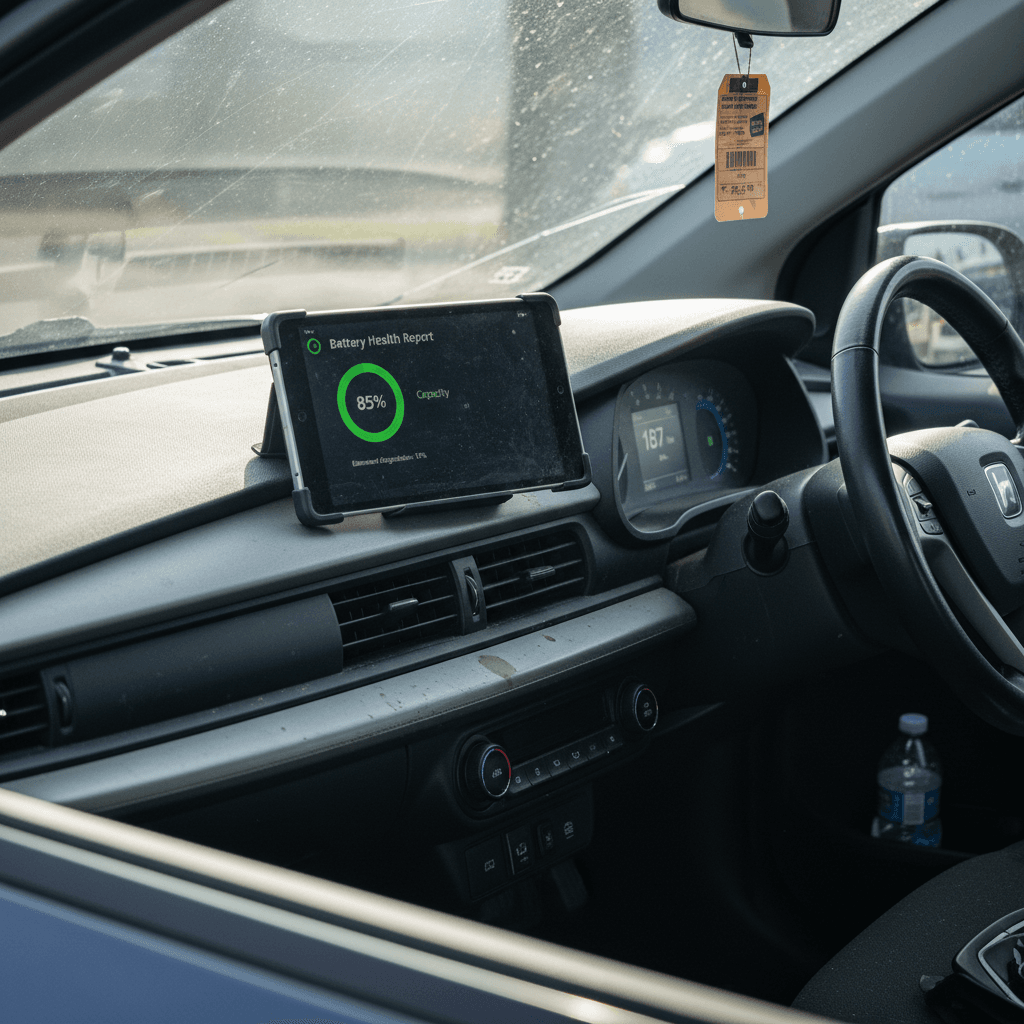
What a good battery report tells you
Every used EV listed on Recharged comes with a Recharged Score Report, which includes verified battery health diagnostics, fair‑market pricing, and projected range based on how that specific pack has aged. Instead of guessing whether a six‑year‑old Kona or Bolt still has road‑trip legs, you see it in black and white before you ever click “buy.”
Total cost of ownership: EV vs gas under $20K
It’s easy to fixate on the purchase price, especially when every used‑car lot feels like an auction. But the real magic trick of a good used EV is what happens after you bring it home. For many drivers, a well‑chosen electric car under $20K can beat a similarly priced gas car on total monthly cost, even without federal tax credits.
Where EVs save you money
- Energy cost: Home electricity is typically cheaper per mile than gasoline, especially with off‑peak rates.
- Maintenance: No oil changes, fewer moving parts, and far less brake wear thanks to regeneration.
- Predictability: With good battery data, your range and running costs are less of a mystery.
Where EVs can cost more
- Insurance: Some EVs cost more to insure due to repair complexity.
- Out‑of‑warranty repairs: A truly failed pack is expensive; that’s why battery health up front matters.
- Public charging rates: DC fast charging on the road is pricier than home charging, budget for it if you road‑trip often.
Run the monthly math, not just the sticker
How to shop smart for a used EV under $20K
Step‑by‑step checklist for buying a used EV under $20K
1. Define your real range needs
Track your actual driving for a week or two. If you rarely exceed 80–100 miles in a day, a 150‑mile EV might be plenty. If you have regular 150‑mile commutes, you’ll want a Bolt‑class car or better.
2. Decide where you’ll charge
Home Level 2 charging makes almost any used EV easier to live with. If you’ll rely on public stations, focus on cars with reliable fast‑charging and networks you trust in your area.
3. Shortlist the right models
Start with proven picks like the Chevy Bolt EV, Hyundai Kona Electric, Kia Niro EV, and later‑battery Nissan Leafs. Cross off anything whose original EPA range doesn’t meet your daily needs with a 25–30% buffer.
4. Demand real battery health data
Whether you shop on Recharged or elsewhere, don’t buy blind. Look for a <strong>formal battery health report</strong> or have one done independently, especially for Leafs and higher‑mileage cars.
5. Verify history, recalls, and charging habits
Run a full history report, confirm all recalls (especially battery work) were completed, and ask how the car was charged, mostly home Level 2 is ideal, constant DC fast charging is not.
6. Test drive like it’s your weekday
Recreate your typical use: highway speeds, hills, traffic. Watch how fast the state‑of‑charge and estimated range fall. If the numbers feel nervous on your normal route, keep shopping.
Shop nationally, not just locally
How Recharged helps you buy the right used EV
Buying any used car is an exercise in incomplete information. With EVs, the missing puzzle piece is usually the battery. Recharged was built to fix that. Every vehicle on the platform comes with a Recharged Score Report that blends battery diagnostics, pricing data, and condition into one clear picture so you know whether a sub‑$20K listing is a bargain or a booby trap.
What you get when you shop used EVs with Recharged
Lower risk, more clarity, and help at every step.
Verified battery health
Fair‑market pricing
End‑to‑end support
Ready to find your next EV?
Browse VehiclesIf you’re debating between, say, an older Leaf and a higher‑mileage Bolt, the Recharged Score Report makes the choice concrete instead of hypothetical. You’re no longer guessing which pack will age gracefully, you’re picking the car whose data backs up the promise.
FAQ: used electric cars under $20,000
Frequently asked questions
Bottom line: are cheap used EVs worth it?
A used electric car under $20,000 can be one of the sharpest plays in the car market right now, if you treat the battery like the engine, not an afterthought. Shop the right models, insist on real battery health data, and be honest about how far you actually drive. Do that, and a compact electric hatchback or small SUV can quietly undercut your gas costs, your maintenance schedule, and your stress level for years to come.
If you want to skip the guesswork, browsing used EVs on Recharged means every car includes a Recharged Score Report, expert EV‑specialist support, and options for financing, trade‑in, instant offer or consignment, plus nationwide delivery. The goal isn’t just to get you under $20K, it’s to get you into an electric car you’ll still be glad you bought five years from now.