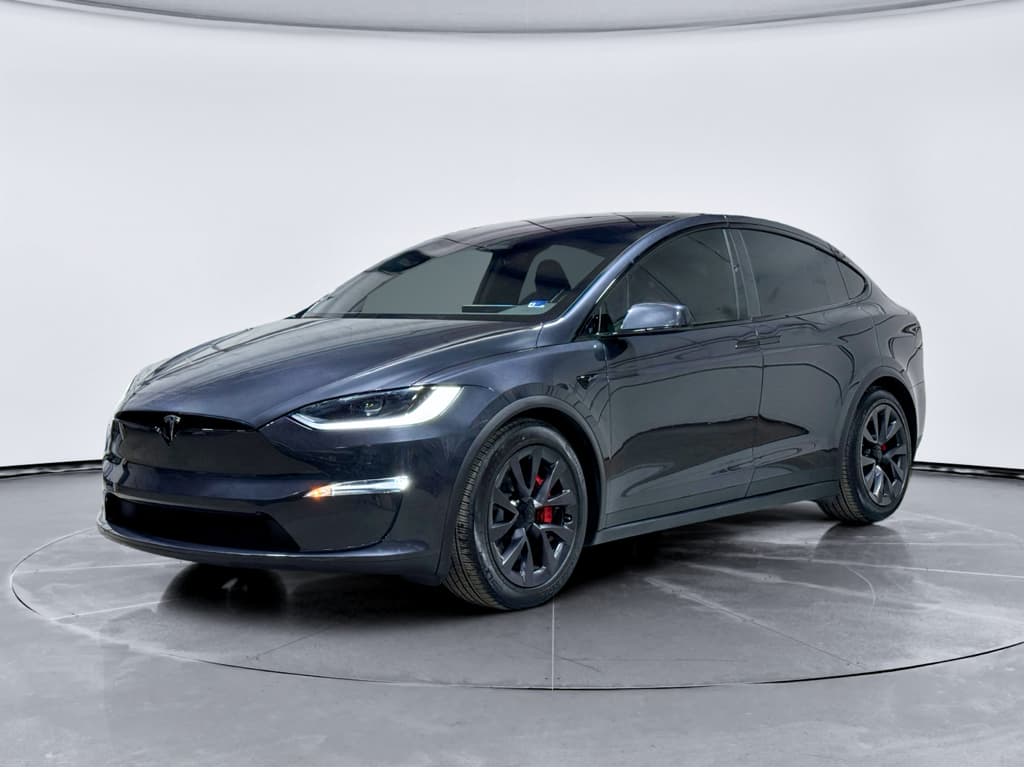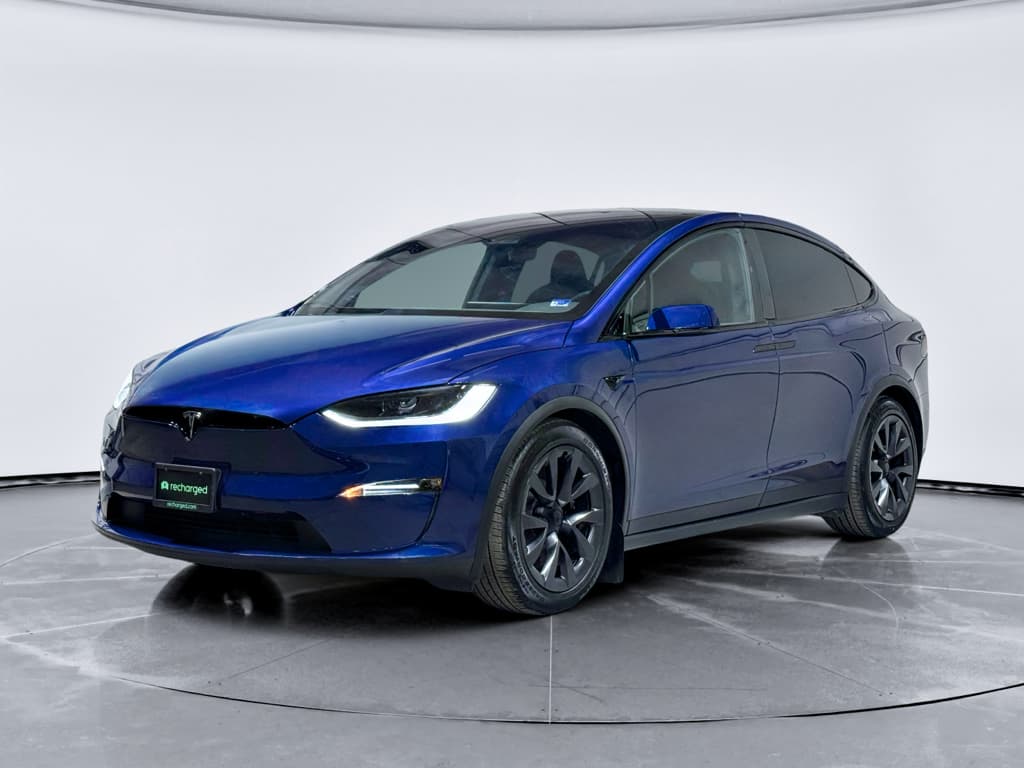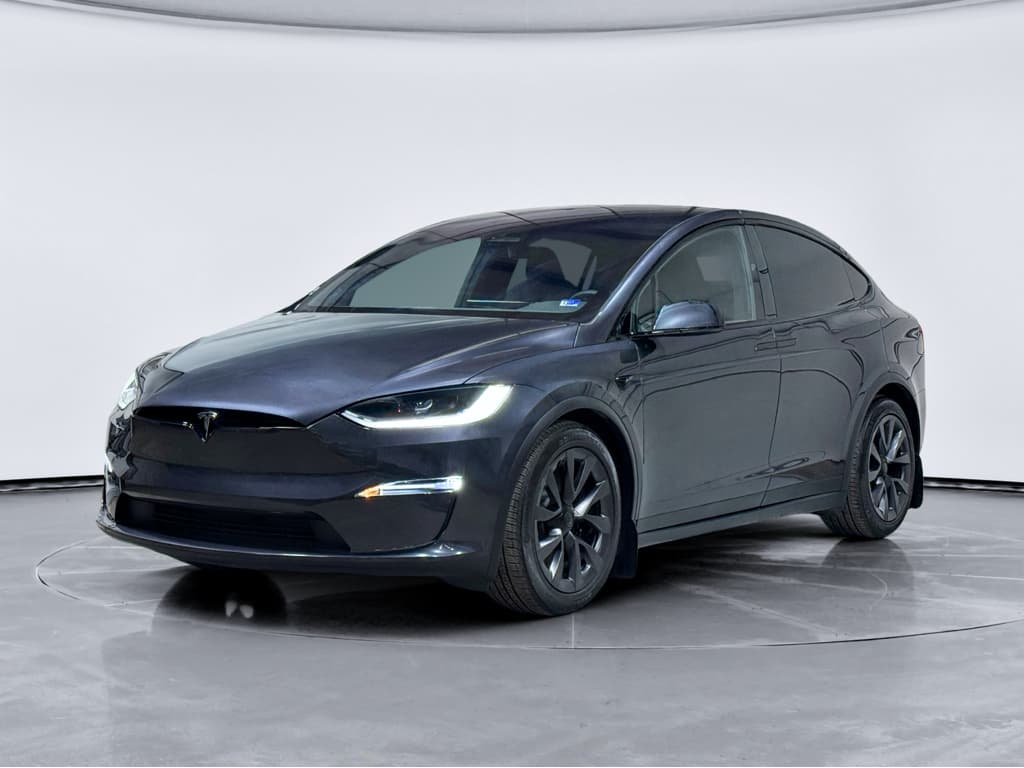
If you own a Tesla Model X, or you’re shopping for a used one, the first real cold snap usually brings the same question: how much winter range loss should I expect? The Model X is one of the most capable EVs on the road, but like every electric vehicle, its range drops in cold weather. The good news: with recent data and a few smart habits, you can predict the impact and dramatically reduce it.
Winter range in one sentence
How Much Winter Range Loss to Expect in a Tesla Model X
Tesla Model X Winter Range at a Glance
Different tests paint slightly different pictures. A recent large‑sample telematics study found that the Tesla Model X retained about 89% of its rated range around freezing, putting it at the top of the class for winter performance. At the same time, earlier third‑party tests that focused on older, pre‑heat‑pump X models reported much steeper losses, down to roughly half of EPA range at 32°F in some cases. Both can be true: how you drive, which Model X you own, and how you use the climate system matter a lot.
- Newer Model X with a heat pump and good driving habits: often around 80–90% of rated range in light‑to‑moderate winter cold.
- Older Model X without a heat pump, lots of short trips, heavy cabin heat: 50–70% of rated range is common in deep winter.
- For planning, most owners are safe assuming 20–30% less range than the EPA rating on cold days, and building in a little extra buffer for road trips.
Don’t trust the EPA number in January
Why the Tesla Model X Loses Range in Winter
Cold weather doesn’t mean your battery is “worse”; it just behaves differently. Three main forces drive Model X winter range loss:
Three Main Drivers of Winter Range Loss
All EVs are affected, but understanding them helps you cut the impact
Colder battery chemistry
Cabin & battery heating
Aerodynamics & rolling resistance
Short trips hurt most
Heat Pump vs. Older Model X: Why Model Year Matters
Tesla quietly changed the winter game for the Model X starting with the 2021 refresh, when it added a heat pump and redesigned thermal system. That matters a lot if you’re comparing a used 2017 X with a 2022 X in Minnesota.
Model X Winter Behavior: Pre‑Heat‑Pump vs. Heat‑Pump
A simplified look at how different generations handle the cold.
| Model years | Climate hardware | Typical winter impact | Owner experience notes |
|---|---|---|---|
| 2016–2020 (approx.) | Resistive cabin heater, earlier thermal system | More dramatic range hit in deep cold; third‑party testing has shown some older Xs falling to ~50% of EPA range at freezing with heavy HVAC use. | Warm‑up feels slower, energy use spikes when you first turn on the heat. Smart preconditioning is critical. |
| 2021+ (refresh) | Heat pump + integrated Octovalve‑type thermal system | Generally better efficiency; large studies show Teslas, especially Model X, retaining around 85–90% of rated range near freezing with normal driving. | Cabin heats faster, energy use is more stable on longer drives. Still loses range, but less punishing. |
Exact behavior varies by software version and driving style, but this captures the big picture.
Shopping used? Note the build year
Real‑World Examples: EPA Range vs. Winter Range
Let’s translate all of this into something you can actually plan around. Below are simplified, illustrative examples for common Model X trims. These aren’t promises, but they reflect what many owners see when they mix highway and city driving in cold weather.
Example Winter Ranges for Popular Model X Versions
Assumes a healthy battery, all‑season or winter tires, and typical mixed driving. Numbers are rounded to keep planning simple.
| Model X variant (approx.) | EPA rated range | Mild winter (~32°F) likely range | Deep winter (<15°F) cautious planning range |
|---|---|---|---|
| Model X Long Range (2022+, ~330 mi EPA) | ~330 miles | 260–290 miles (about 10–20% loss) | 200–240 miles (about 25–40% loss) |
| Model X (earlier 90D/100D, ~250–290 mi EPA) | ~250–290 miles | 180–230 miles (about 20–30% loss) | 140–190 miles (about 30–45% loss) |
| Performance / Plaid (various years) | Lower EPA than Long Range equivalent | Similar percentage loss; absolute miles will be lower to start. | Sporty driving in cold can widen the gap further. |
Always check your own energy graph and recent trip data, your driving style and climate can swing real results by tens of miles.
Plan by percentage, not just miles
How to Cut Winter Range Loss in Your Model X
You can’t change physics, but you can work with it. Tesla’s software, hardware and your own habits give you a lot of control over how much Tesla Model X winter range loss you actually see.
Practical Steps to Improve Model X Winter Range
1. Precondition while plugged in
Use the Tesla app to start climate 15–30 minutes before you leave, while the car is still on shore power. This warms the cabin and battery without draining driving range, and ensures full regenerative braking sooner.
2. Use seat & wheel heaters first
Resistive cabin heat can draw several kilowatts continuously. Seat and steering‑wheel heaters use a fraction of that. Set the cabin a few degrees cooler, lean on the seat heaters, and you can save meaningful range without freezing.
3. Avoid very short, back‑to‑back cold starts
If possible, group errands into one longer trip rather than several quick ones. Each cold start forces the car to re‑heat the pack and cabin, which is when efficiency is worst.
4. Slow down on the highway
The Model X is a large, heavy, high‑drag SUV. At 75–80 mph in cold, dense air, consumption spikes. Dropping to 65 mph can easily save 10–15% range while also improving safety on winter roads.
5. Check tire pressure regularly
Cold weather drops tire pressure, increasing rolling resistance and cutting range. Use the in‑car pressure readouts or a gauge and keep tires at Tesla’s recommended PSI, especially when temps swing quickly.
6. Use Chill Mode and sensible acceleration
Aggressive launches feel fun but punish efficiency when the pack is cold. Using Chill Mode and driving smoothly keeps current draw lower and helps the battery warm up with less waste.
Garage parking is “free” range
Trip Planning and Charging Strategy in Cold Weather
Daily commuting in winter is usually straightforward once you understand your personal efficiency. Long highway trips are where Tesla Model X winter range loss becomes a planning exercise instead of an unpleasant surprise.
On daily drives
- Keep the car plugged in at home and, if possible, at work.
- Use Scheduled Departure so the battery and cabin are ready right when you leave.
- Target a state‑of‑charge window like 30–80% for routine commuting, this is where the pack is happiest.
- Watch your Wh/mi figure on the energy screen to learn what’s “normal” for your route in 20°F vs. 40°F weather.
On winter road trips
- Let the built‑in Trip Planner route you via Superchargers and precondition automatically as you approach.
- Add a 10–20% buffer to what the trip computer suggests if temperatures are well below freezing or you’re facing strong headwinds.
- Plan to arrive at fast chargers with 5–15% battery, then charge to 60–80% and move on, shorter, more frequent stops are usually faster overall.
- If heavy snow or ice is in the forecast, favor more frequent top‑ups for flexibility if a charger is busy or temporarily offline.
Be cautious with deep discharges in extreme cold
Used Tesla Model X Winter Range: What Buyers Should Know
If you’re considering a used Model X, winter performance and battery health should be part of your shopping checklist, especially if you live in the Snow Belt. Two Model X SUVs with the same badge can behave very differently in January depending on model year, battery condition, tire choice, and how they were used.
Winter‑Focused Checklist for Used Model X Shoppers
Confirm the build year and trim
Check whether you’re looking at a pre‑refresh (no heat pump) or 2021+ refreshed Model X. Later models typically have better winter efficiency, all else equal.
Review battery health data
Ask for recent range at 100% and typical Wh/mi figures in cold weather if the seller has them. On Recharged, every vehicle includes a <strong>Recharged Score battery health report</strong> so you can see real diagnostic data, not just guesses.
Look at tire type & condition
Fresh winter or all‑weather tires help with safety but can change efficiency. Worn, mismatched, or heavily oversized wheels can hurt both range and traction.
Check software & features
Verify that features like Scheduled Departure, Cabin Overheat Protection, and the latest range and cold‑weather updates are present and working. Tesla frequently refines thermal management via software.
Think about your real winter use case
A ski‑house family doing regular 200‑mile highway runs in single‑digit temps has different needs than a suburban commuter with a 30‑mile round‑trip. Buy with your hardest days, not your easiest, in mind.
How Recharged helps winter‑proof your choice
Ready to find your next EV?
Browse VehiclesCommon Winter Range Myths for Tesla Owners
Separating Winter Range Facts from Fiction
Don’t let bad information drive your expectations
“Cold permanently damages my battery”
“Heat pumps solve winter loss completely”
“Range loss means my battery is worn out”
FAQ: Tesla Model X Winter Range Loss
Frequently Asked Questions About Model X Winter Range
Bottom Line: Getting Comfortable With Winter Range
A Tesla Model X will not deliver its summer EPA range when the thermometer dips, but that doesn’t mean it’s unpredictable or unusable in the cold. With realistic expectations, a basic understanding of why winter range loss happens, and some simple adjustments in how you precondition, drive, and charge, most owners settle into a comfortable rhythm where winter is just another driving season, not a source of anxiety.
If you’re evaluating a used Model X, building winter into your decision up front is far easier than trying to fix regret later. That’s exactly why Recharged pairs every vehicle with a Recharged Score battery health report, transparent pricing, and EV‑specialist support that understands how your next Tesla will behave in February, not just on paper in July.