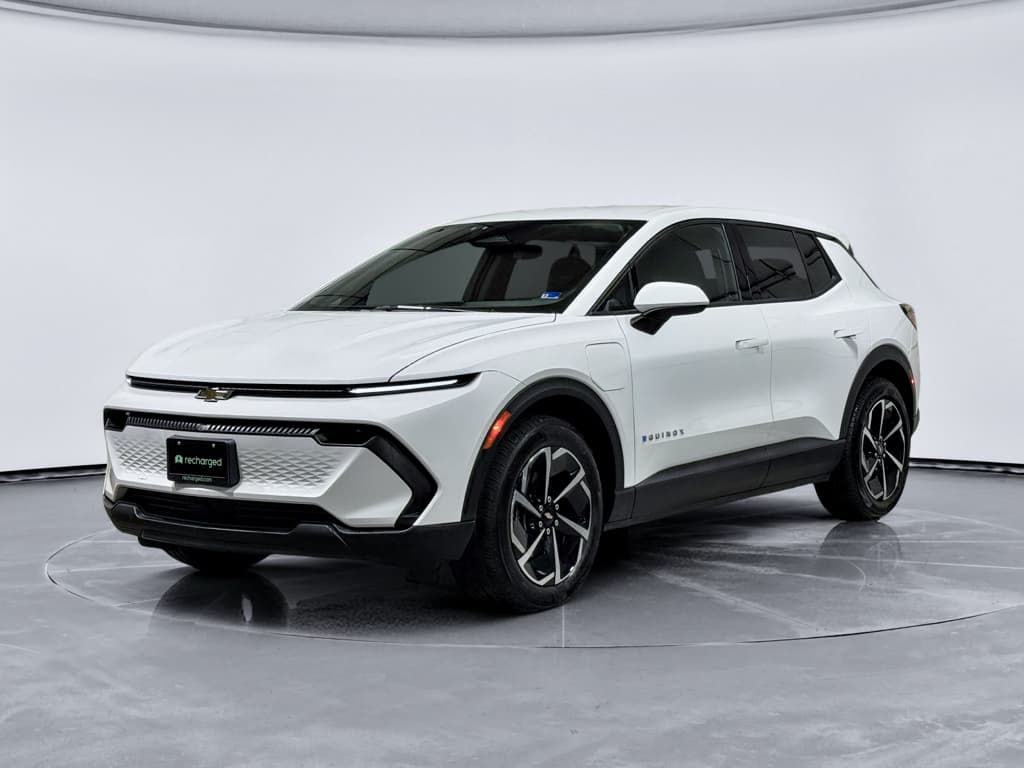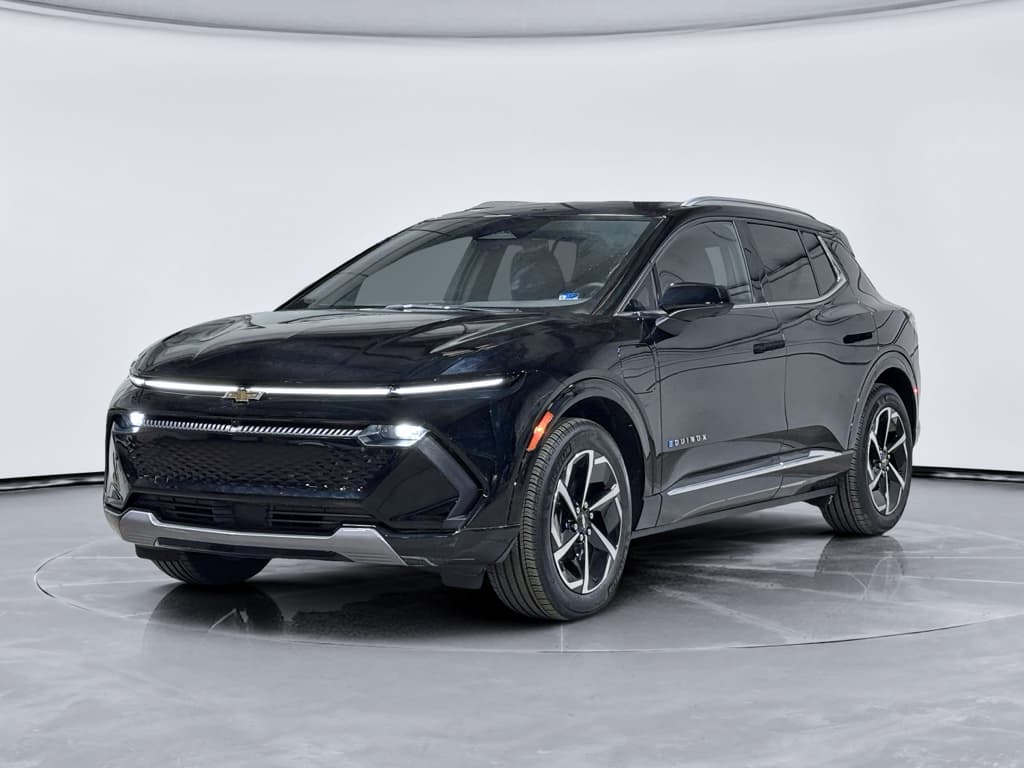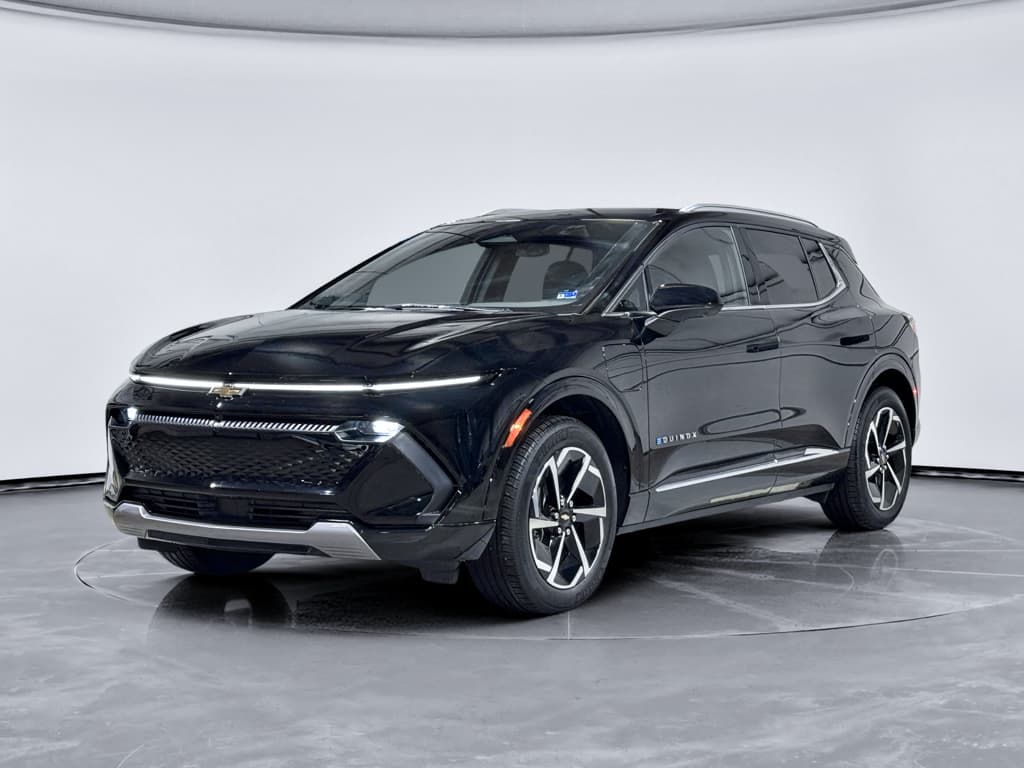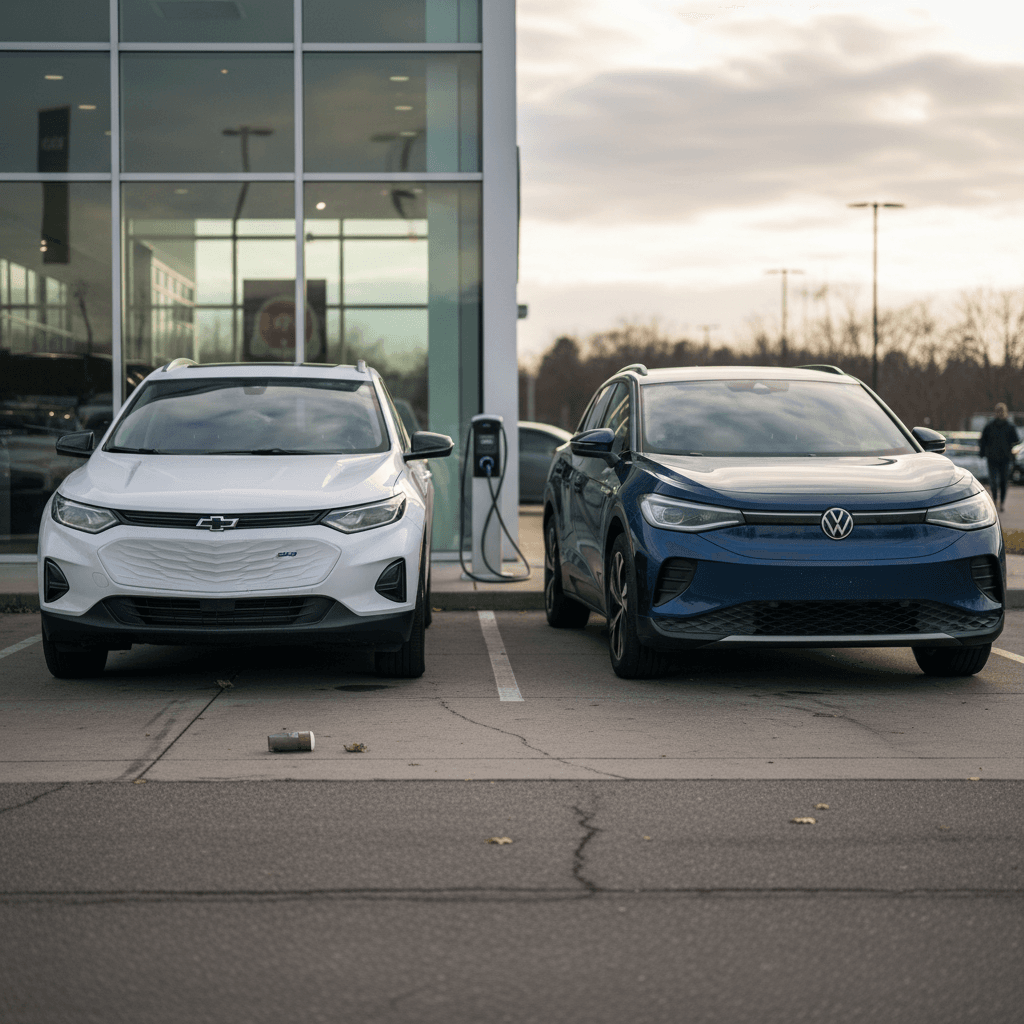
If you’re shopping for a used compact electric SUV in 2026, a used Chevrolet Equinox EV vs Volkswagen ID.4 comparison is almost inevitable. Both are practical, family-friendly crossovers with decent range, but they come from very different eras of EV development and live quite differently on the used market.
Why these two matter
Overview: Used Equinox EV vs ID.4 in 2026
Used Chevrolet Equinox EV (2024–2026)
- Ultium-based compact SUV on GM’s BEV3 platform.
- Single large pack (≈85 kWh usable) with FWD or AWD.
- EPA-est. range roughly in the 280–320 mile band depending on trim.
- First U.S. examples only date back to 2024, so low-mileage but limited supply today.
- Still on CCS in 2026, but positioned as a value-focused, mainstream EV.
Used Volkswagen ID.4 (2021–2025)
- MEB-platform electric SUV, built in Europe and later Tennessee.
- Multiple battery sizes (≈62 kWh and 82 kWh) with RWD or AWD.
- EPA-est. ranges from mid‑200s to just under 300 miles for most U.S. 82‑kWh trims.
- Launched earlier, so lots of 3–5‑year‑old used inventory with steep depreciation.
- Software and build-quality improved over time, especially post‑2023 updates.
Quick read of the market
Core Specs, Batteries, and Platforms
Key specs: Used Chevrolet Equinox EV vs Volkswagen ID.4
Approximate U.S.-market specs for common trims you’ll likely see used in 2026. Always verify exact options and battery size on an individual vehicle listing.
| Model (common used years) | Platform | Battery (usable, approx.) | Typical drive options | EPA-est. range band | DC fast charge peak |
|---|---|---|---|---|---|
| Chevy Equinox EV 2LT/3LT 2024–2026 | GM BEV3 / Ultium | ≈85 kWh | FWD or AWD | ≈280–320 mi | ≈150 kW |
| Chevy Equinox EV 1LT 2025–2026 | GM BEV3 / Ultium | ≈85 kWh | FWD | High‑200s mi | ≈150 kW |
| VW ID.4 62‑kWh (Std/Limited) 2021–2024 | VW MEB | ≈58–62 kWh | RWD | ≈200–220 mi | ≈110 kW |
| VW ID.4 82‑kWh Pro / Pro S 2021–2025 | VW MEB | ≈77–82 kWh | RWD or AWD | ≈240–291 mi | ≈125–175 kW depending on year |
| VW ID.4 2025–2026 updated motors | VW MEB | ≈82 kWh | RWD or AWD | High‑200s mi | Up to mid‑100s kW (U.S.) |
Specs vary by trim and model year; treat this table as a starting point, not gospel.
Mind the battery size on ID.4
Range and Efficiency in the Real World
On paper, the Equinox EV and 82‑kWh ID.4 trims look similar: both promise mid‑ to high‑200‑mile range for most configurations. In practice, the way they deliver that range, and the efficiency you’ll see on a used example, depends heavily on drive layout, wheel size, climate, and how the previous owner charged the vehicle.
How range feels day to day
EPA numbers are a starting point; here’s how they translate into ownership patterns.
Commuting & errands
Equinox EV: Even AWD trims give you enough buffer that a typical American commute plus errands rarely dips below 40–50% state of charge in a day.
ID.4 62‑kWh: Better for shorter commutes; frequent highway use can eat into that smaller buffer quickly.
Highway efficiency
Both SUVs lose range at 70–75 mph, but the boxier ID.4 and older motor designs on early years mean it’s easier to see sub‑3 mi/kWh on the highway, especially with roof racks.
Cold-weather impact
Heat pumps on some ID.4 trims help in winter, but early software managed them inconsistently. The Equinox EV uses Ultium thermal management that’s been refined across multiple GM EVs, which helps stabilize winter range.
EPA range vs used reality
Charging Speed and Road-Trip Ability
Charging behavior is where these two diverge more meaningfully. Both support DC fast charging well above 100 kW, but their charging curves, thermal management, and network compatibility shape the long‑trip experience.
Equinox EV charging experience
- DC fast peak: Around 150 kW on CCS public networks.
- Charging curve: GM targets adding roughly 70 miles in about 10 minutes under ideal conditions on newer Ultium crossovers.
- Home charging: Typical 11.5 kW AC onboard charger, so a 48‑amp Level 2 can refill most of the pack overnight.
- Network access: CCS today, with a transition toward NACS adapters and ports across GM’s lineup as agreements with Tesla play out.
ID.4 charging experience
- DC fast peak: Early U.S. ID.4s peaked around 125 kW; later 82‑kWh models improved curves and briefly hold higher power.
- Charging curve: Known to be conservative on earlier years, which makes 10–80% sessions feel slower than rivals with similar peaks.
- Home charging: 11 kW AC capability on most trims; easy overnight top‑offs.
- Network access: Also CCS, but Volkswagen has tightened integration with major U.S. DC networks via its own apps and subscriptions.
Practical road-trip advice
Used Pricing and Depreciation in 2026
One of the biggest reasons shoppers cross‑shop these two in 2026 is price. The ID.4 has several model years of depreciation behind it, while the Equinox EV is still early in its lifecycle and came to market aggressively priced when new.
How fast does the VW ID.4 lose value?
What you might pay for a used ID.4 in 2026
- Early 2021–2022 RWD 82‑kWh: Often priced like mainstream used compact crossovers, but with far lower running costs.
- 2023–2024 82‑kWh Pro/Pro S: Higher prices, but better software and build quality, a sweet spot for many buyers.
- 62‑kWh trims: Cheaper entry, but treat them more like city cars or second vehicles given their real‑world range.
Because depreciation has already done a lot of work, ID.4s can deliver a very low cost per mile if you buy after the steepest part of the curve and keep the vehicle for 4–6 more years.
What you might pay for a used Equinox EV in 2026
- 2024–2025 early builds: Often lightly used lease returns or short‑term keepers with relatively low mileage.
- 2026 model year: Still close to new‑car pricing, especially for high‑spec trims, given limited supply.
- Price behavior: Discounts from MSRP, but not the deep cuts you see on 4‑year‑old ID.4s yet.
With the Equinox EV, you’re paying a newer‑tech premium: more modern platform, fresher interior, and fewer model‑year quirks, but at the cost of a higher up‑front check.
Where Recharged fits in
Ready to find your next EV?
Browse VehiclesFeatures, Comfort, and In-Car Tech
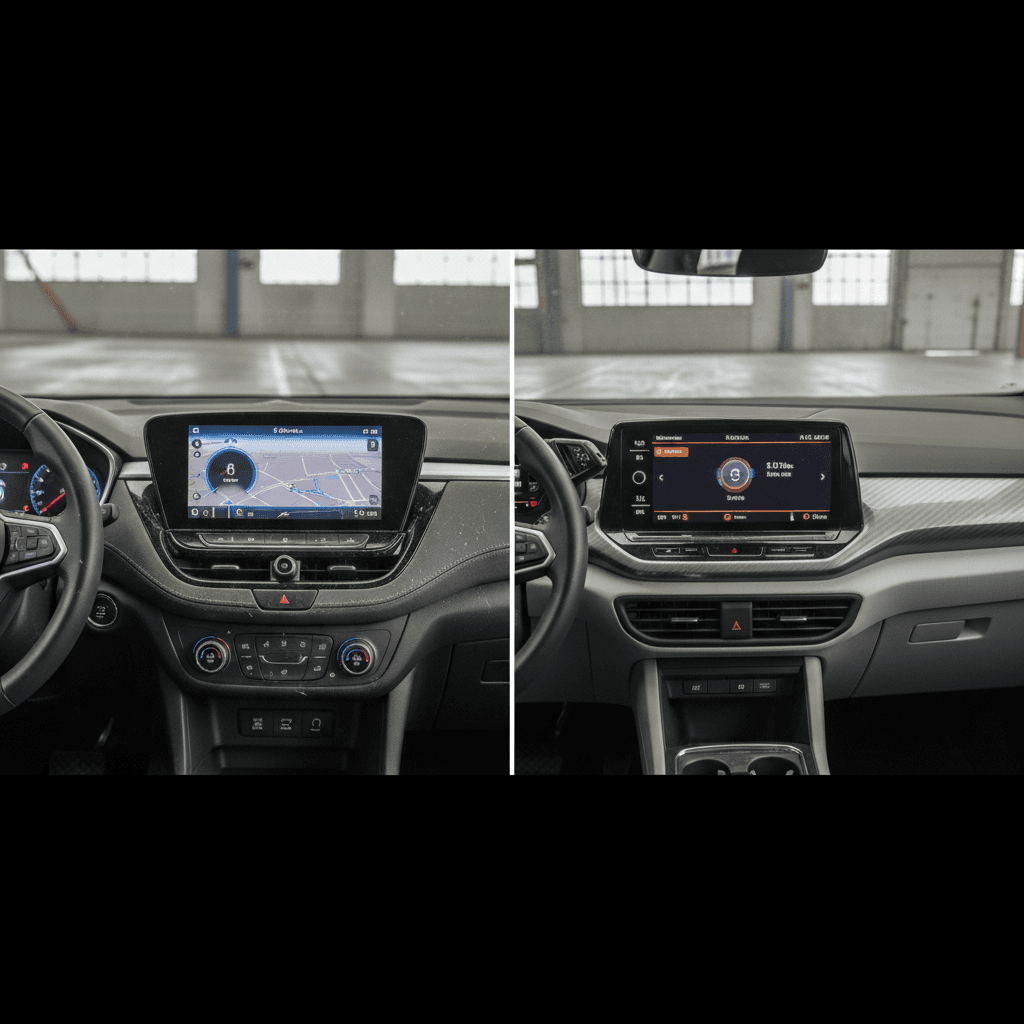
Interior and tech: where they feel different
Think less about raw screen size and more about how the cabin works for you day to day.
Cabin design & ergonomics
Equinox EV: More conventional GM layout with large central screen and familiar switchgear. If you’re coming from a recent Chevy crossover, it feels instantly intuitive.
ID.4: Early years leaned heavily on touch sliders and minimal physical buttons, which frustrated some owners. Later software updates improved responsiveness, but the basic philosophy remains more minimalist.
Infotainment & driver assistance
Equinox EV: GM’s newer infotainment stack is quicker and better integrated with phones, and many trims support advanced driver assistance like lane centering and adaptive cruise.
ID.4: Went through several software generations. By 2023+, the infotainment became noticeably smoother, but if you’re cross‑shopping, test the specific car, early builds can feel laggier.
Test the software, not just the seats
Ownership Costs, Reliability, and Battery Health
Neither the Equinox EV nor the ID.4 has the bulletproof, decades‑long track record of a Corolla, but by 2026 we do see some patterns. You’re balancing early‑run Ultium learnings and recalls on the GM side against first‑wave MEB teething issues and software on the Volkswagen side.
What to expect over 5–7 years of used ownership
Maintenance & repairs
Equinox EV: As a newer model, many major components will still be under factory warranty on a 2024–2026 used example. Parts availability on GM’s Ultium line is improving but still maturing.
ID.4: Older used ID.4s may be aging out of some warranty coverage by 2026. On the plus side, independent shops and VW dealers have several model years of experience with common issues.
Battery health
GM’s Ultium packs in the Equinox EV and VW’s MEB packs in the ID.4 both use active thermal management and should age better than first‑gen EVs, but usage history matters.
Look for: State‑of‑health (SOH) estimates from a trusted diagnostics tool, DC‑fast‑charge vs home‑charge mix, and any prior battery‑related warranty work.
Insurance & running costs
Insurance can be higher than a comparable gas SUV due to repair costs and parts pricing, but energy and maintenance costs are typically much lower.
Between the two, premiums tend to track value and repair complexity, so a cheaper used ID.4 may be slightly cheaper to insure than a nearly new Equinox EV with more advanced ADAS hardware.
Leverage Recharged Score
Which Used EV Fits Which Type of Buyer?
Match the SUV to your priorities
Value-focused commuter
Prioritize a 3–4‑year‑old <strong>ID.4 82‑kWh RWD</strong> with solid battery health: huge depreciation already baked in, plenty of range for daily use.
Avoid the temptation of the very cheapest 62‑kWh examples unless your daily driving is modest and you have easy charging access.
If you can verify a clean history, an ID.4 here can undercut total ownership cost of many used gas crossovers.
Tech-forward first EV household
Lean toward a <strong>late‑build Equinox EV</strong> (2025–2026) to get GM’s latest UI and driver‑assist features in a mainstream package.
Focus on trims with the comfort and ADAS features you care about; you’ll be living with the software and ergonomics every day.
You’ll pay more up front than for an older ID.4, but you’re also betting on a newer platform with longer support runway.
Road-trip and family-hauling
Either model works, but favor <strong>larger battery variants</strong> and trims with better DC fast‑charge curves.
For very young kids or lots of cargo, sit in both cargo areas; the ID.4’s upright profile can be handy for strollers, while the Equinox EV can feel more car‑like.
If you use public charging a lot, evaluate which local networks work best for each car and what adapters or memberships you’ll need.
Risk-averse buyer
Look for <strong>certified or well‑documented used examples</strong>, ideally with some factory warranty remaining.
Avoid the very first build months of any new EV line if possible; later units tend to fold in quiet running changes and fixes.
Here, a carefully vetted 2023–2024 ID.4 or 2025–2026 Equinox EV bought through a specialist like Recharged can reduce surprises.
Checklist: How to Shop These Used EVs Smartly
Step-by-step used-shopping checklist for Equinox EV and ID.4
1. Confirm battery size and trim
On the ID.4 especially, verify whether you’re looking at a 62‑kWh or 82‑kWh battery and which trim level (Pro, Pro S, etc.). For the Equinox EV, confirm FWD vs AWD and wheel size, as these affect range.
2. Pull a detailed battery health report
Use a trusted diagnostic like the <strong>Recharged Score</strong> to see pack state‑of‑health, temperature history, and fast‑charge exposure. Don’t rely on a dash range guess as proof of battery condition.
3. Check for software updates and recalls
Ask for service records showing recent software updates, especially on earlier ID.4s, and confirm that any safety recalls on both models have been completed.
4. Test all driver-assistance features
On your test drive, activate adaptive cruise, lane‑keeping, parking assists, and blind‑spot monitoring. You’re checking both functionality and how confident you feel with the system’s behavior.
5. Evaluate charging behavior where you’ll plug in
If possible, test the car at a nearby DC fast charger and on Level 2. Watch charge rates, connector fit, and any error messages. This is particularly valuable if the car has mostly fast‑charged in its past life.
6. Compare total cost of ownership, not just price
Factor in insurance quotes, local electricity rates, potential EV incentives on used purchases, and expected depreciation from today’s used price. A cheaper ID.4 might still cost more over time if it drops faster from here.
FAQ: Used Chevrolet Equinox EV vs Volkswagen ID.4
Frequently asked questions about used Equinox EV vs VW ID.4
Bottom Line: How to Decide Between Equinox EV and ID.4
If your primary goal is to minimize total cost per mile, it’s hard to ignore a well‑vetted, 3–4‑year‑old Volkswagen ID.4 with the larger battery. Depreciation has already done much of the work for you, and you’re left with a practical, family‑friendly EV that can handle commuting and road trips with ease, provided the battery and software check out.
If you’d rather pay more up front for newer tech, fresher hardware, and a longer remaining warranty runway, a used Chevrolet Equinox EV from the first few model years is the stronger fit. It’s a later‑generation platform with a more familiar cabin, a robust Ultium pack, and a value‑oriented mission that still feels current in 2026.
Either way, the real advantage in 2026 isn’t just picking the right badge, it’s picking the right individual vehicle. That means verified battery health, transparent pricing, and guidance from people who live and breathe used EVs. That’s exactly the gap Recharged was built to close: giving you a clear Recharged Score report, flexible financing, trade‑in support, and nationwide delivery so your next used EV SUV is a smart decision, not a leap of faith.