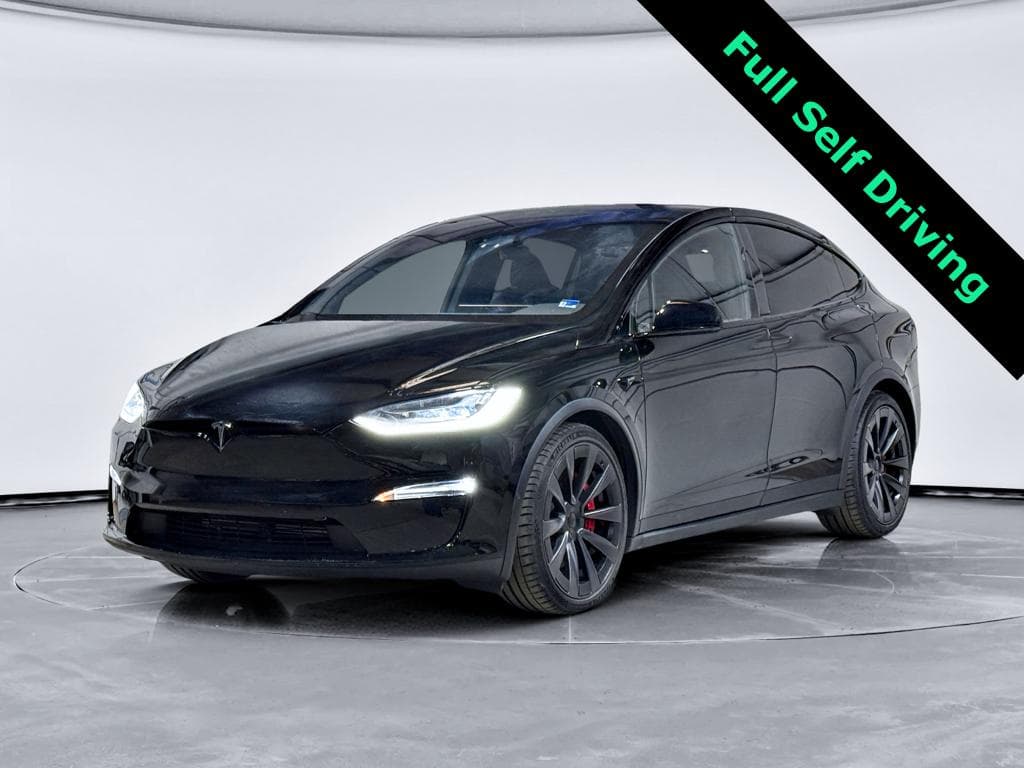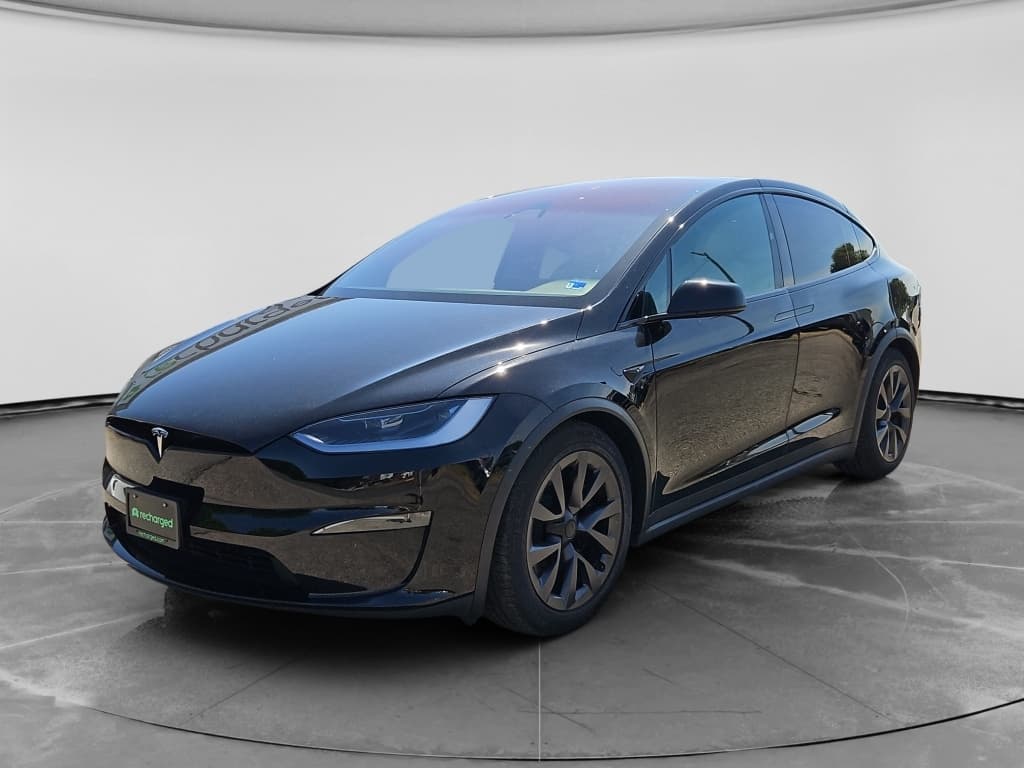
If you’re looking at a Tesla Model X, especially a used one, insurance can be the line item that blows up your budget. This is a big, powerful, expensive electric SUV, and insurers price it accordingly. Understanding Tesla Model X insurance rates by age is one of the fastest ways to predict your real monthly payment and spot savings opportunities before you buy.
Quick snapshot
Overview: How age changes Model X insurance costs
Age is insurance companies’ bluntest, but most powerful, risk lever. For a high-value EV like the Model X, that age effect is amplified. Teen drivers and people in their early 20s tend to see the highest Model X insurance rates, both because of limited experience and higher claim frequency. As you get into your 30s, 40s, and 50s with a clean record, rates usually fall, sometimes dramatically, before creeping back up slightly in your 70s.
- Teen drivers and early 20s: insurers assume high crash risk, especially in a fast SUV.
- Late 20s–50s: sweet spot for pricing if you have good credit and a clean history.
- 60s–early 70s: still favorable if your record is clean, but small increases are common.
- Mid-70s and up: some insurers start applying senior surcharges or tighter underwriting.
Not a substitute for quotes
Typical Tesla Model X insurance rates by age
Because insurers don’t publish a single official rate card for the Tesla Model X, you’ll see a wide range of quotes. Still, there are clear patterns by age. Below is a conceptual look at how Model X insurance costs usually scale by age bracket in the U.S. for full coverage on a good-credit driver, compared to an already-high mid‑30s baseline.
Illustrative Tesla Model X insurance ranges by driver age
Approximate relative ranges for full‑coverage annual premiums. These are directional, not guarantees, and assume a clean record and average U.S. location.
| Age range | Relative cost vs. 35–40 baseline | Illustrative annual premium range* | Notes |
|---|---|---|---|
| 16–19 | +70% to +140% | Very high | Often requires parent on policy; many insurers will decline a teen-only Model X policy. |
| 20–24 | +40% to +90% | Very high | Risk is still elevated; rates can rival or exceed the vehicle’s monthly payment. |
| 25–29 | +15% to +40% | High | Starts coming down, but Model X is still priced as a powerful luxury SUV. |
| 30–39 | Baseline | High | Often the best combination of experience and income for full‑coverage Model X ownership. |
| 40–54 | 0% to -10% | High | Many drivers see their best pricing here with a clean record and strong credit. |
| 55–69 | 0% to +15% | High to very high | Some carriers view this as low‑risk; others begin modest age‑based surcharges. |
| 70+ | +20% to +60% | Very high | More frequent medical and liability payouts push premiums back up. |
Younger and older drivers typically pay significantly more to insure a Tesla Model X than experienced middle‑aged drivers.
About those ranges
What typically drives Model X insurance higher
Why the Tesla Model X is expensive to insure
Even if you’re in a low‑risk age bracket, the Model X sits in one of the most expensive insurance tiers for any SUV. From an underwriter’s point of view, it combines three things that spike risk: a very high vehicle value, expensive repairability, and significant performance.
Three forces pushing Model X premiums up
Age is just one part of the story; the vehicle itself does a lot of the heavy lifting.
High vehicle value
The Model X is a six‑figure SUV when new, with many used examples still carrying luxury‑tier replacement costs. Even a minor collision can translate into a five‑figure claim.
Complex repairs
Aluminum body panels, large panoramic glass, and dense sensor suites mean specialized shops and long repair times. Insurers price in those higher expected claim costs.
Performance SUV
Even non‑Plaid variants are very quick. That power and torque, especially in the hands of younger drivers, increase perceived accident severity and frequency.
The Plaid penalty
Other factors beyond age that shape your rate
Age is a headline factor, but it never acts alone. Two 35‑year‑old drivers can see wildly different quotes on the same 2019 Model X depending on their risk profile. When you’re comparing options, or deciding how much Model X you can realistically afford, keep these variables in mind.
Key non‑age factors that move Model X insurance up or down
Driving history
At‑fault accidents, speeding tickets, and DUIs are magnified on a high‑value EV. A single recent at‑fault crash can add hundreds of dollars per year to a Model X policy.
Location and garaging
Urban, high‑theft or high‑litigation areas typically see much higher rates. Off‑street or garage parking can help, especially in dense cities.
Annual mileage and use
A 12,000‑mile‑per‑year family hauler is riskier than a 4,000‑mile weekend car. Business use or rideshare can push you into different rating tiers or even commercial coverage.
Coverage levels and deductibles
Full coverage with low deductibles and high liability limits will cost substantially more, but may be worth it given the Model X’s value.
Credit-based insurance scores
In most states, insurers blend your credit profile into pricing. Strong credit often unlocks substantially lower premiums on expensive EVs.
Aftermarket modifications
Custom wheels, wraps, or suspension changes can increase risk or reduce insurability. Always disclose major mods on a Model X.
Used Tesla Model X vs new: insurance differences
If you’re shopping a used Model X, a smart play given depreciation, the natural question is whether insurance gets cheaper, too. The answer is: somewhat, but not as much as you might expect from looking at the window sticker alone.
Why a used Model X can be cheaper to insure
- Lower actual cash value (ACV) means smaller potential payouts on total losses.
- Many older Model Xs have dropped out of the highest MSRP brackets.
- Drivers moving into a used EV often choose higher deductibles to trim costs.
Why premiums stay stubbornly high
- Body, glass, and sensor repair costs are similar whether the SUV is 2 or 7 years old.
- Complex features, Falcon Wing doors, large windshields, are still expensive to fix.
- Insurers price to expected claim cost, not just sticker price.
Pair a used Model X with smart coverage
How Tesla safety tech actually affects insurance
On paper, the Model X is a safety standout: strong crash ratings, a very rigid battery structure, and advanced driver assistance features. Those things do help, but not always in the simple linear way shoppers imagine.
Safety features vs. premiums: what insurers actually care about
Crash test scores are only part of the equation.
Passive safety
Strong crash ratings and low injury risk can reduce medical and liability payouts, which helps premiums, especially as you age into higher‑risk health brackets.
Driver assistance
Features like Autopilot can cut some types of claims but introduce new, expensive scenarios when sensors or cameras are damaged. Not all insurers give explicit discounts.
Driver behavior
The biggest safety variable is still how you drive. Speed, distraction, and following distance will move your individual risk more than any single feature.
Telematics can work in your favor

Ways to lower Model X insurance at every age
You can’t change your age, but you can absolutely influence how underwriters see your risk. The most effective tactics vary depending on where you are in your driving life and how you plan to use your Model X.
Practical insurance moves by age band
Teens & early 20s (16–24)
Keep the Model X titled and insured under a parent with a stronger profile, then list the young driver as an occasional user.
Complete any available safe‑driver or defensive‑driving courses to unlock small but important discounts.
Avoid performance trims and aggressive wheel/tire packages that can spook underwriters.
Drive low annual miles and avoid using the Model X for rideshare or commercial work.
Core working years (25–54)
Shop at least three quotes before you buy or renew, insurer appetite for high‑value EVs varies widely.
Bundle home/renters and auto coverage to unlock multi‑policy discounts on your Model X.
Raise comprehensive and collision deductibles to a level you could comfortably pay out‑of‑pocket.
Use telematics or plug‑in devices if you consistently drive smoothly and within speed limits.
Pre‑retirement & retirees (55+)
Carefully review coverages; you may be driving less, but your assets and liability exposure may be higher.
Avoid dropping liability limits just to save a bit; medical and legal costs in serious crashes can be substantial.
Ask about low‑mileage, mature driver, or retiree discounts that may not be applied automatically.
Periodically re‑quote with EV‑friendly insurers if your current carrier starts ratcheting up age‑based surcharges.
Don’t under‑insure a high‑value EV
Why your state and insurer change everything
Two Model X owners of the same age and risk profile can easily see a difference of $1,000 or more per year just based on state and insurer choice. That’s because insurance is regulated at the state level and each company’s appetite for EV risk is different.
- States with high medical costs, dense traffic, and active plaintiff bars tend to have much higher liability premiums.
- Weather risk, hail, floods, hurricanes, pushes up comprehensive coverage for all vehicles, including EVs.
- Some insurers price EVs cautiously due to battery replacement fears, while others have updated data and are far more competitive.
- Regional repair networks matter: a strong Tesla‑certified shop network can bring claim costs (and eventually premiums) down.
Quote widely, not just once
Insurance and the true cost of owning a Model X
Because the Model X is electric, you’ll likely spend far less on fuel and routine maintenance than with a comparable gas SUV. But those savings can be offset if you underestimate insurance, especially in your 20s and early 30s, or if you live in a high‑cost state. The right way to look at it is as part of your total cost of ownership, not an afterthought.
Build your real monthly payment
- Estimate or quote insurance by age for your situation.
- Add finance or lease payment (or opportunity cost if paying cash).
- Factor in home and public charging instead of fuel.
- Include registration, taxes, and any paid connectivity or software options.
Where Recharged fits in
When you shop a used Model X on Recharged, every vehicle comes with a Recharged Score Report that covers battery health and fair‑market pricing. That transparency makes it easier to right‑size your insurance coverage, and our EV specialists can help you think through total ownership cost, not just the purchase price.
Pair smart financing with realistic insurance
FAQ: Tesla Model X insurance rates by age
Common questions about Model X insurance costs
Key takeaways
Age has a huge impact on Tesla Model X insurance rates, but it’s only part of the story. Younger and older drivers face the steepest premiums, while experienced drivers in the middle of the age curve generally get the best pricing, though still at luxury‑SUV levels. Vehicle value, repair complexity, location, and driving history all layer on top of age to produce your actual quote.
If you’re considering a Model X, especially a used one, build insurance into the deal from the start. Get quotes before you commit, adjust deductibles thoughtfully, and take advantage of safe‑driver and telematics programs where they make sense. And when you shop through Recharged, use the transparency of the Recharged Score Report and EV‑savvy guidance to choose a Model X that fits not just your lifestyle, but your long‑term cost of ownership, including insurance.