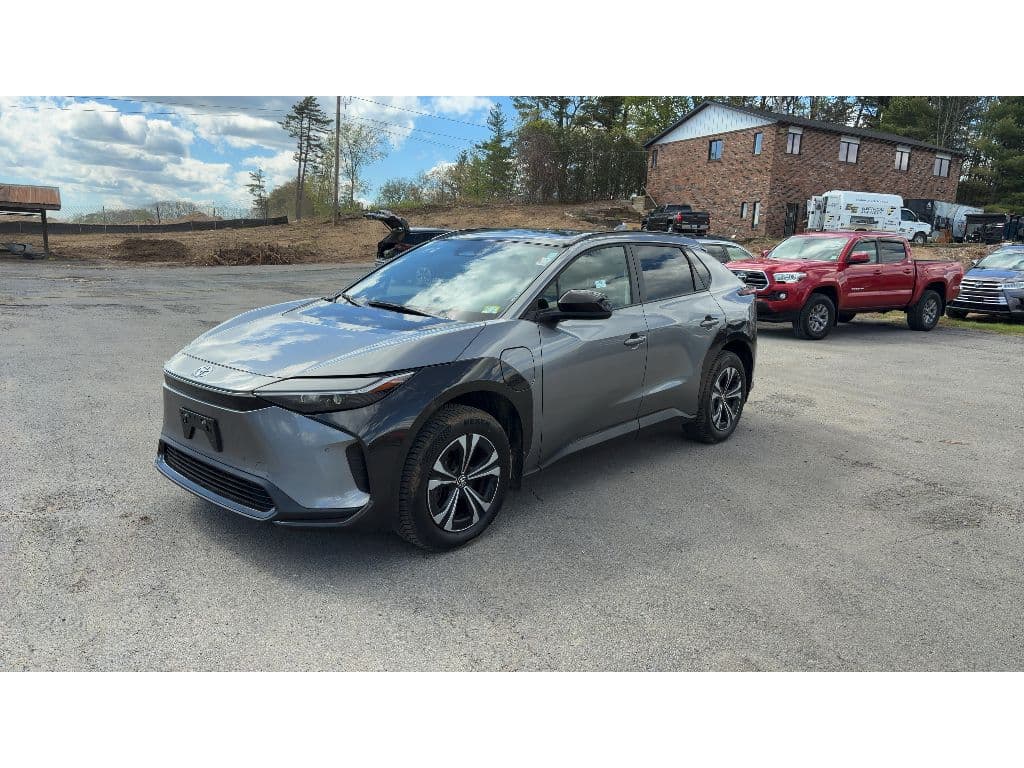
If you’re reading a Toyota bZ4X long term review in 2026, you’re probably eyeing one on the used market and wondering whether the early criticism about range, charging and depreciation still applies. After several model years, price cuts, software tweaks and a meaningful 2026 update, the bZ4X story has evolved, and in some ways, it’s become one of the more interesting value plays among used electric SUVs.
Quick take
Toyota bZ4X long-term 2026 overview
Toyota bZ4X at a glance in 2026
Toyota launched the bZ4X in 2022 as its first dedicated EV, co-developed with Subaru (which sells its version as the Solterra). On paper it offered familiar Toyota practicality and a comfortable ride, but the long-term story has been shaped by three themes: range in real conditions, charging performance, and resale value.
- Front-wheel-drive models get the best efficiency and tend to feel closest to EPA range claims.
- All-wheel drive uses a slightly different battery supply on early U.S. models and typically charges a bit slower on road trips.
- A series of price cuts in 2024 and 2025 made the bZ4X one of the cheaper new EV SUVs, but also pressured used values for earlier buyers.
- For 2026, Toyota focuses updates on better efficiency, battery preconditioning and a calmer charging curve.
Who the bZ4X suits best in 2026
What changed for the 2026 Toyota bZ4X?
By 2026, Toyota has made several running changes since the original 2022–2023 bZ4X, including software updates and a hardware-focused refresh aimed at easing the car’s biggest pain points: winter efficiency and fast-charging performance.
Key 2026 updates that matter long term
Why the latest bZ4X is easier to live with than early builds
Improved efficiency
Toyota’s own figures and independent testing point to better miles per kWh for 2026 models, especially on 18‑inch wheels. That translates directly into more real‑world range from roughly the same‑size battery pack.
Battery preconditioning
Newer bZ4X models add true battery preconditioning tied to DC fast charging, helping the pack warm up before a high‑power session. That reduces the brutal winter slowdowns early owners complained about.
Smoothed charging curve
Software revisions help the car hold higher charge power later into the session, especially above 60–70%. It still isn’t the fastest‑charging SUV in the class, but it’s less frustrating than the earliest cars.
Not all used bZ4X are equal
Real-world range and efficiency over time
Official range ratings only tell part of the story. Over multiple years and tens of thousands of miles, owner data and long-term tests paint a consistent picture: the bZ4X is efficient enough around town, but highway range and winter performance lag some rivals.
Everyday commuting
In mixed city and suburban driving, many front‑wheel‑drive bZ4X owners report efficiency around 3.0–3.5 miles/kWh in mild weather. That translates to roughly 220–250 miles of usable range from a full charge on earlier models, and a bit more on the 2026 update.
Because EVs are most efficient at lower speeds, commuters who avoid long highway stretches typically see the best results and the least noticeable seasonal swings.
Highway and winter reality
Sustained 70–75 mph driving trims that figure closer to 2.5–2.8 miles/kWh for many owners, bringing usable range down into the 190–220 mile window, lower if it’s very cold or very hot.
Long‑term testers in colder climates routinely report winter highway ranges closer to 160–190 miles before the car hits low state of charge. Heat pump tweaks and preconditioning in 2026 help, but physics still applies: this is not a 300‑mile freeway road‑trip machine.
Long-term range stability
Charging performance: DC fast and home
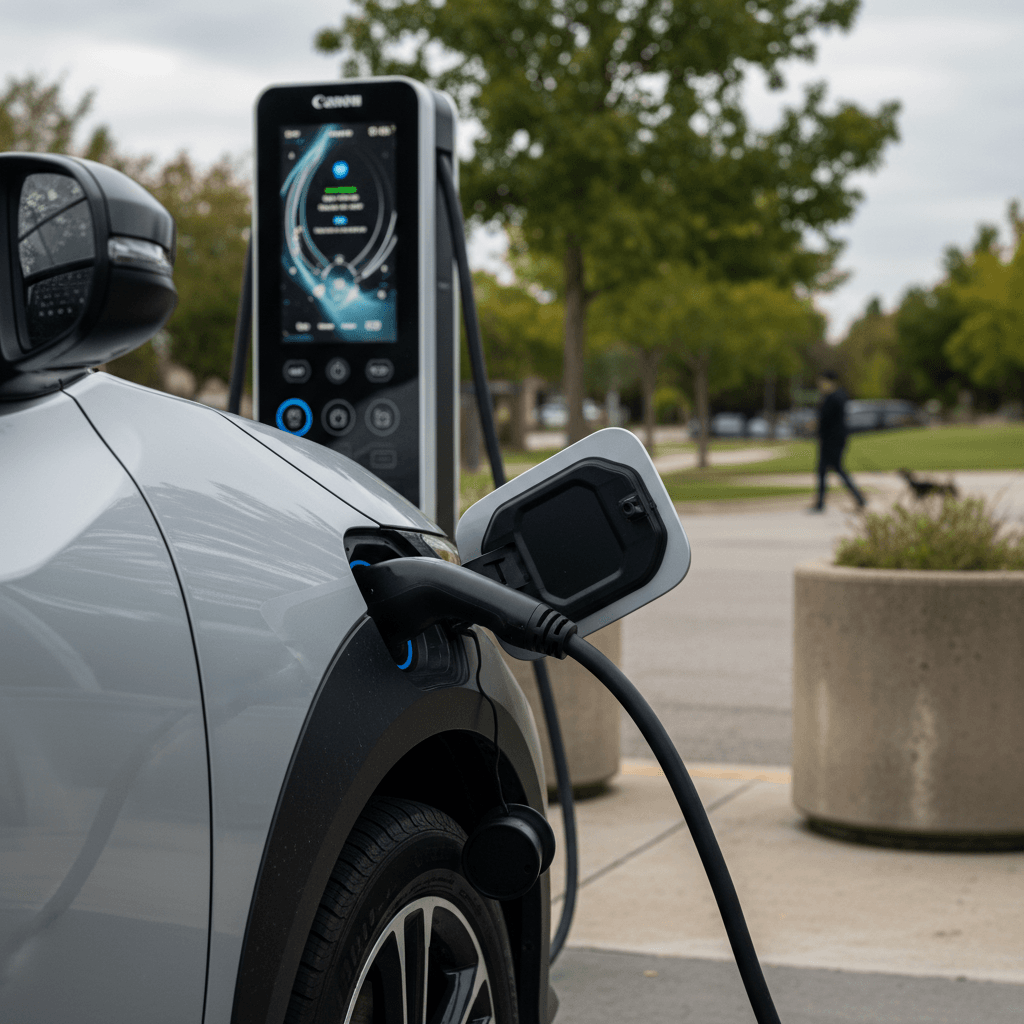
Charging is where the bZ4X attracted some of its loudest early criticism. The good news: Toyota has nudged things in the right direction with software and the 2026 update. The less-good news: if you road-trip a lot, there are still faster options.
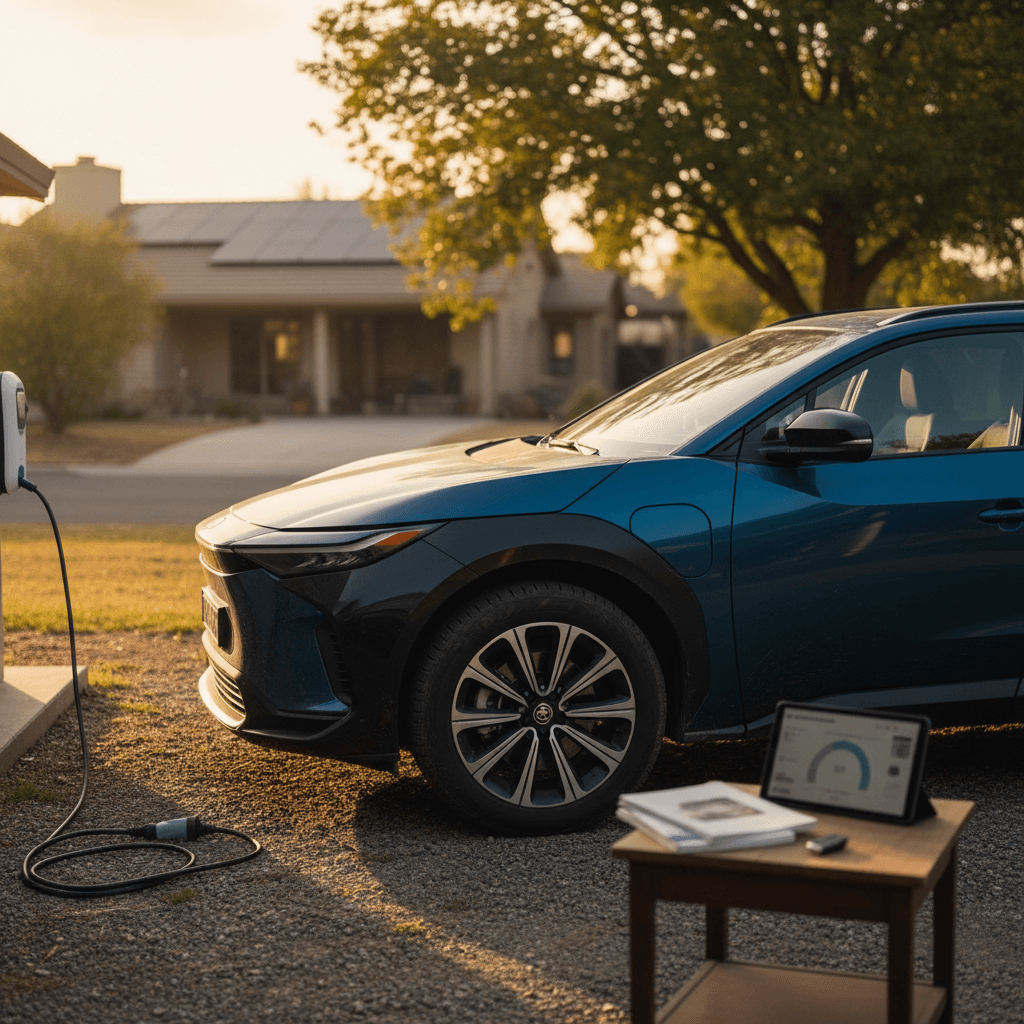
Toyota bZ4X long-term charging experience
How the bZ4X behaves at home and on the road compared with expectations
| Scenario | What most owners see over time | What to know when buying used |
|---|---|---|
| Level 1 (120V) at home | ~3–4 miles of range per hour | Fine for short commutes, but most owners quickly want Level 2. |
| Level 2 (240V) at home | ~25–30 miles of range per hour (about 6 kW onboard charger) | Overnight charging from 20–80% is easy; check that the previous owner installed wiring correctly. |
| DC fast 10–80% (early models) | Often 35–60 minutes depending on temperature and charger quality | Some AWD cars with older software can fall well short of published times, especially in winter. |
| DC fast 10–80% (2026/updated cars) | More consistently in the 30–45 minute range on a 150 kW+ charger | Battery preconditioning and smoother charge curves make trips less stressful, but plan for conservative speeds. |
Numbers are typical owner-reported experiences, not official specs.
Trip-planning caution
Charging checklist for long-term bZ4X ownership
1. Prioritize Level 2 at home
A properly wired 240V circuit and quality wallbox turn the bZ4X into a “wake up full” EV. Factor this into your budget if the car will replace your primary commuter.
2. Ask about software updates
When shopping used, request service records showing that the EV charging performance software updates and HVAC recalls have been completed.
3. Test DC fast charging yourself
If possible, do a 20–70% DC fast charge during a pre‑purchase inspection. Note the peak speed, how quickly it tapers, and whether the station or car aborts the session.
4. Learn your local networks
Some owners report different results between charging networks. Invest a weekend in testing the stations you’re likely to use on real trips.
Battery health and degradation outlook
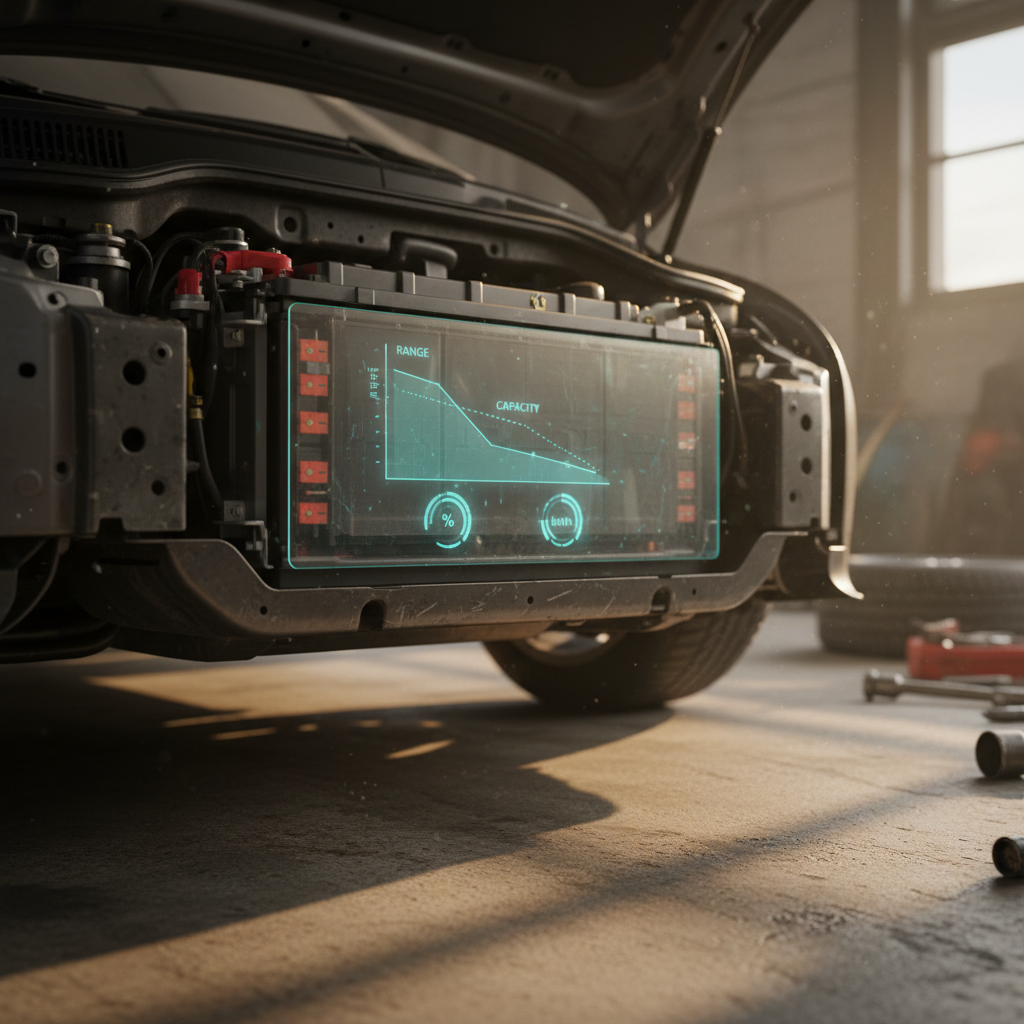
The bZ4X’s long-term battery story is more reassuring than some of the internet horror stories might suggest. Toyota built its EV pack with conservative buffers and active temperature management, and early fleet data through 2025 doesn’t show dramatic real-world degradation for typical drivers.
How the bZ4X battery holds up
What early years of real-world use are telling us
Conservative tuning helps longevity
Toyota appears to leave a healthy safety buffer at the top and bottom of the usable pack. That, combined with relatively modest charging power, is aimed squarely at protecting battery life even if it makes spec-sheet numbers less exciting.
Temperature still matters
Like any EV, repeated DC fast charging in extreme heat, or regularly parking at 100% state of charge, can accelerate wear. Long‑term owners who mostly AC charge to 80–90% and keep the car garaged tend to report stable range over the first 40,000–60,000 miles.
How Recharged evaluates bZ4X battery health
Reliability, recalls and owner experience
From a mechanical standpoint, the bZ4X behaves like you’d expect a Toyota EV to behave: no oil changes, no multi‑speed transmission to fail, and relatively few drivetrain complaints. But long-term ownership has surfaced a cluster of software and ancillary-system issues that shoppers should be aware of.
- Early recall for wheel hub bolts (largely resolved by now, but worth verifying on 2022 builds).
- HVAC and defroster/heat pump concerns in cold climates, leading to a high‑profile recall and software updates.
- 12‑volt battery complaints, some owners report repeated low‑voltage warnings or no‑start situations.
- Infotainment lag, app pairing frustrations and occasional charge-session communication glitches with certain public networks.
Software vs. hardware problems
"Mechanically, our long-term bZ4X has been solid. The headaches have been software updates, a weak 12-volt battery, and managing range expectations in cold weather."
Depreciation and resale value in 2026
Here’s where the Toyota badge doesn’t automatically guarantee the strongest numbers. Early bZ4X buyers watched values fall quickly as Toyota cut new-vehicle pricing by about $6,000 for the 2025 model year and offered aggressive leases to keep inventory moving. That pulled used prices down, too.
How the bZ4X is holding its value
Why depreciation can be your friend
Recharged’s marketplace leans into that dynamic by pairing each listing with a Recharged Score report so you can see, for example, how a 2023 bZ4X that spent its life fast‑charging on road trips should be priced versus a gently used commuter that mostly lived on Level 2 at home.
Daily driving, comfort and tech
Strip away the spreadsheets and the bZ4X is, at its core, a comfortable, quiet compact SUV that feels familiar to anyone coming out of a RAV4 or Highlander. Long-term owners generally praise its ride quality, cabin space and ease of use, even if the wow‑factor isn’t as strong as some flashier EVs.
What the bZ4X is like to live with
Long-term strengths and weaknesses from the driver’s seat
Comfortable ride
Soft suspension tuning and a quiet cabin make the bZ4X an easy highway cruiser. Over time, most owners report minimal squeaks and rattles and seats that remain comfortable on long commutes.
Tech that’s “good enough”
The infotainment system supports modern smartphone integration and over‑the‑air updates, but it’s not the slickest in the segment. Expect the occasional lag and some learning curve with Toyota’s app ecosystem.
Safety first
Toyota Safety Sense driver‑assist features, lane centering, adaptive cruise, automatic emergency braking, have matured nicely. They’re not the most hands‑off systems out there, but they strike a cautious, predictable balance.
Family-friendly practicality
2026 Toyota bZ4X vs rivals in the long run
By 2026, the compact electric SUV field is crowded: Hyundai Ioniq 5, Kia EV6, Tesla Model Y, Volkswagen ID.4, Nissan Ariya and others all compete for your money. Each brings its own long-term pros and cons.
bZ4X vs key EV SUV rivals (long-term view)
How the bZ4X stacks up on attributes that matter after several years of ownership.
| Model | Fast-charging speed | Highway range | Tech feel | Resale strength |
|---|---|---|---|---|
| Toyota bZ4X | Below average but improved for 2026 | Adequate, especially FWD, but trails leaders | Conservative, familiar | Softer than typical Toyota |
| Hyundai Ioniq 5 / Kia EV6 | Among the quickest in class | Strong, especially larger-battery trims | Modern, tech-forward | Mixed but generally solid |
| Tesla Model Y | Fast and predictable on Supercharger network | Strong real-world range | App-first, minimalist | Historically strong, softening in 2025–26 |
| VW ID.4 / Nissan Ariya | Varies by year/software; generally mid-pack | Competitive when spec’d right | Improving, still quirky in spots | Middle of the pack |
Generalized comparison for U.S. shoppers; individual vehicles can vary widely.
How to think about the bZ4X vs. rivals
Should you buy a used Toyota bZ4X in 2026?
The honest answer: it depends heavily on your driving pattern, charging access and the specific example you’re considering. As a product, the bZ4X has matured since launch and the 2026 update shores up some early weaknesses. As a used purchase, its softer resale value can be a gift, if you go in with clear expectations.
Decision checklist: is a used bZ4X right for you?
You mostly drive locally
If your weekly routine is school runs, commutes and groceries inside a 30‑ to 60‑mile radius, the bZ4X’s range and charging behavior are unlikely to frustrate you.
You have or can add home Level 2
Home Level 2 charging turns the bZ4X into a hassle‑free daily driver. If you’ll rely heavily on public DC fast charging, consider whether a faster‑charging rival might fit better.
You value comfort over theatrics
The bZ4X isn’t the quickest or flashiest EV SUV, but it is calm, quiet and easy to live with. If that sounds like you, it’s a better match than a more aggressive, sport‑tuned EV.
You’re buying with data, not guesswork
Look for a used bZ4X with a documented service history, completed recalls and an independent battery health report. On Recharged, that’s baked into the Recharged Score, along with fair‑market pricing and expert guidance.
In 2026, a long-term look at the Toyota bZ4X reveals a cautious, comfortable EV that’s finally starting to grow into its potential. It’s not the segment’s charging or range champion, and depreciation has been harsher than Toyota loyalists expected. But for the right driver, and especially as a well‑vetted used purchase with transparent battery health, the bZ4X can be a smart, budget‑friendly way to step into electric ownership without giving up the familiar feel of a Toyota SUV.