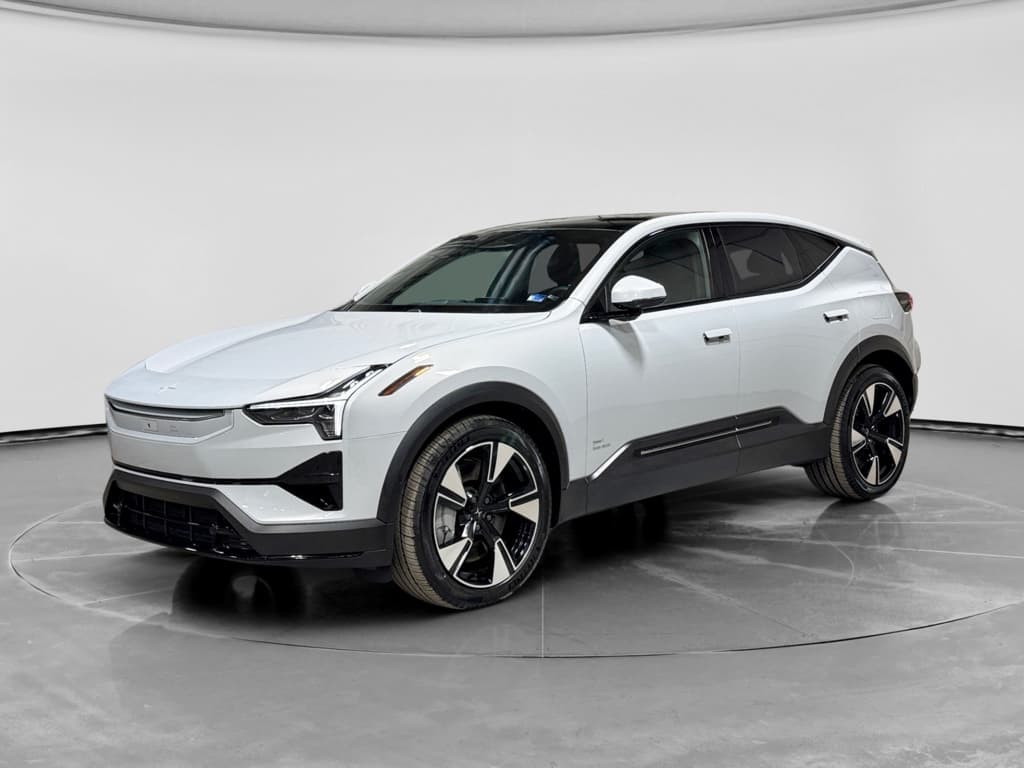
You don’t buy a Polestar 3 because you love risk. You buy it because you like clean lines, Scandinavian restraint, and the quiet confidence that the *very expensive* battery under your feet won’t quit on you in year six. Understanding the Polestar 3 battery warranty details is the difference between sleeping soundly and doomscrolling EV forums at 2 a.m.
Quick take
Polestar 3 battery basics: size, range, and tech
Before you can judge whether the warranty is any good, you need to know what it’s actually protecting. The Polestar 3 launched in the U.S. with a 111 kWh gross lithium‑ion pack on a 400‑volt architecture, feeding either a rear‑drive single motor or a dual‑motor all‑wheel‑drive setup. Official EPA estimates put range at up to 350 miles for the long‑range single motor, around 315 miles for the dual motor, and about 279 miles for the Performance Pack configuration, depending on wheels and options.
Polestar 3 battery & range at a glance
For 2026 and later, Polestar is moving the 3 to an 800‑V architecture with updated batteries (around 92–106 kWh depending on configuration) and significantly faster DC charging peaks. The headline: regardless of pack size tweaks or voltage, the warranty promise centers on one thing, how long the company is willing to stand behind the pack’s health and usable capacity.

Official Polestar 3 battery warranty details
Polestar keeps the warranty language refreshingly simple. In the U.S., the Polestar 3 battery warranty sits on top of a standard 4‑year/50,000‑mile new‑vehicle warranty and a 12‑year corrosion warranty. The high‑voltage battery gets its own, longer clock.
Polestar 3 warranty coverage overview (U.S.)
How the Polestar 3’s battery warranty fits alongside the rest of the factory coverage.
| Component | Term | Mileage limit | What it generally covers |
|---|---|---|---|
| New-vehicle warranty | 4 years | 50,000 miles | Defects in materials or workmanship across most vehicle systems. |
| Paint warranty | 4 years | 50,000 miles | Defects in paint or application, not stone chips or external damage. |
| Corrosion warranty | 12 years | Unlimited* | Perforation (rust-through) due to faulty materials or construction. |
| High-voltage battery | 8 years | 100,000 miles | Material defects and excessive loss of usable capacity (below 70% SoH). |
Always confirm exact terms for your model year and region in the official warranty booklet.
Core Polestar 3 battery warranty promise
That 70% figure is now the de facto industry line in the sand. It’s Polestar’s way of saying: “We expect this pack to hold on to at least 70% of its juice over eight years of normal use, or we’ll make it right.” You’re not guaranteed a *brand‑new* pack, warranty replacements can be refurbished or remanufactured, but the effect from your driver’s seat is similar: restored usable capacity.
What the 70% capacity promise really means
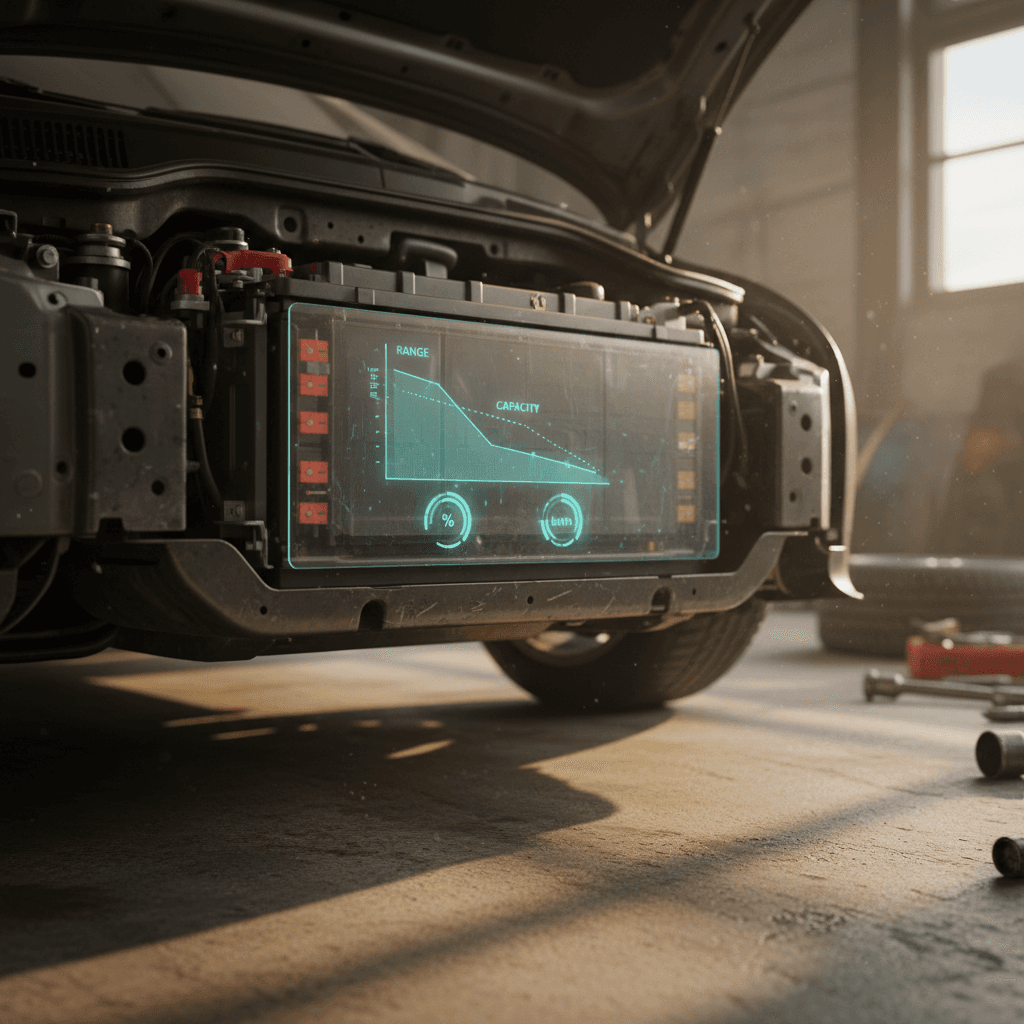
Battery warranties live and die on one slippery concept: state of health (SoH). That’s the percentage of usable capacity your pack retains relative to when it rolled off the line. The Polestar 3 ships with roughly 111 kWh gross capacity in early models, with a slightly smaller usable portion. Over time, that usable slice shrinks.
Translating 70% into miles
If your early single‑motor Polestar 3 is rated for up to 350 miles of EPA range when new, 70% capacity implies something like 245 miles of ideal‑conditions range. In the real world, cold weather, higher speeds, big wheels, you’ll see less, but the relative drop is what matters.
How Polestar checks it
State of health isn’t a guess from the dash display. Polestar can read detailed battery data via diagnostics: cycle count, measured capacity, cell balance, temperature history, and more. If they decide the pack is still above 70%, a warranty claim will be denied even if your displayed range feels low.
Tip: watch trend, not one trip
The other subtlety: that 70% threshold applies to the pack as a whole, not one noisy cell. EV manufacturers build in buffers, top and bottom margins of unused capacity, to protect the pack. As the pack ages, software can reallocate those buffers to keep performance consistent longer, even as the true chemical capacity erodes.
What’s not covered in the Polestar 3 battery warranty
Every EV battery warranty has a fine‑print villain, and the Polestar 3 is no exception. The 8‑year/100,000‑mile promise covers defects and abnormal degradation, not every conceivable bad outcome. Think of it as a shield against manufacturing issues, not a refund guarantee for every hard‑driven, hard‑charged life story.
- Normal, gradual degradation that still leaves the pack above 70% capacity within the warranty window.
- Damage from accidents or external impacts (crash damage, road debris piercing the pack, flood damage).
- Abuse or misuse, such as ignoring critical warnings, attempting DIY battery repairs, or unauthorized modifications to high‑voltage systems.
- Improper charging equipment or installation, like a badly wired home Level 2 charger that causes over‑voltage or overheating.
- Using the vehicle outside its intended parameters, such as repeated deep off‑road water fording deep enough to compromise high‑voltage components.
Read the actual booklet
Worth noting: things like brutal DC‑fast‑charging every day, always to 100%, may not be explicitly banned, but they can factor into Polestar’s judgement on whether your use was “normal” if you’re trying to claim a premature battery failure. The car logs a surprising amount of behavioral data.
How Polestar 3 battery coverage may change by model year
As of early 2026, Polestar’s public U.S. documentation treats the Polestar 3 battery much like the Polestar 2 pack: 8 years / 100,000 miles with a 70% capacity floor. That appears consistent across early 400‑V cars and the updated 800‑V versions slated for the 2026 model year.
Polestar 3 is evolving fast, here’s what to watch
Warranty philosophy is stable, but hardware changes matter for real‑world experience.
400 V vs 800 V
Pack size tweaks
Region-specific fine print
Used-car twist
Practical tips to protect your Polestar 3 battery
If you plan to keep your Polestar 3 beyond the finance term, or you’re eyeing one on the used market, the best play is to drive in a way that the battery warranty never has to work hard for you. Fortunately, the usual EV best practices apply here too.
Everyday habits that keep your Polestar 3 battery happy
1. Live between ~20% and 80% for daily use
Use scheduled charging to avoid parking at 100% overnight. Save full charges for road trips, not the grocery run.
2. Don’t panic‑fast‑charge every day
DC fast charging is fine occasionally, Polestar expects it, but repeatedly hitting maximum power on a hot day is harder on the pack than a calm overnight Level 2 session.
3. Watch heat more than cold
Cold slashes range temporarily but doesn’t scare lithium cells the way sustained high heat does. Avoid extended parking in blazing sun with a full battery if you can.
4. Use built‑in preconditioning
When navigating to a fast charger with built‑in routing, let the car precondition the pack. A warmed‑to‑spec battery charges faster and more gently.
5. Keep software current
Polestar frequently refines thermal management, charging curves, and range estimates via OTA updates. Staying current can improve both performance and longevity.
6. Fix warning lights promptly
If you ever see high‑voltage or battery warnings, don’t drive for weeks hoping they go away. Allow a Polestar‑trained tech to diagnose issues while they’re small.
Don’t DIY the orange cables
Buying a used Polestar 3? Battery warranty checklist
The Polestar 3 is expensive enough that the second owner may be you. That’s where a strong battery warranty and real‑world health data matter most. A low‑mileage, well‑cared‑for example with warranty runway is a different animal from a hard‑driven, fast‑charged corporate shuttle.
Used Polestar 3 battery & warranty questions to ask
Run through these items before you sign for a pre-owned Polestar 3, whether you’re buying from a private seller, a traditional dealer, or a digital retailer like Recharged.
| Item | What to check | Why it matters |
|---|---|---|
| In‑service date | Ask for the original sales paperwork or service records showing when the car was first registered. | Battery warranty starts at first in‑service date, not model year; this anchors your 8‑year window. |
| Odometer vs warranty miles | Compare current miles to the 100,000‑mile battery limit. | A 70,000‑mile car still has 30,000 miles of battery coverage; a 95,000‑mile car, not so much. |
| Software/recall history | Confirm all battery or charging‑related recalls and software updates are complete. | Manufacturers often tweak charging profiles and pack management after launch; you want those fixes. |
| Charging behavior | Ask how often the previous owner used DC fast charging vs home Level 2. | Heavy fast‑charge use isn’t a crime, but it can accelerate wear, especially on early‑build cars. |
| Independent battery health report | Request a professional diagnostic or third‑party battery health score. | Objective SoH data is far better than a seller’s “seems fine to me.” |
You’re not just buying a car, you’re buying whatever’s left of an 8‑year promise.
How Recharged helps on used Polestar 3s
Ready to find your next EV?
Browse VehiclesPolestar 3 vs other EV battery warranties
Is Polestar’s promise generous, stingy, or right down the middle? On paper, the Polestar 3 battery warranty is very much in the mainstream of modern EVs, but there are subtle differences that matter if you cross‑shop Teslas, Hyundais, or German luxury SUVs.
How Polestar 3 battery coverage stacks up
High-level comparison of major EV players targeting the same shopper.
Polestar 3
- 8 years / 100,000 miles
- Capacity guarantee down to 70% SoH
- Luxury-segment SUV, large pack (around 111 kWh early on)
Tesla Model X / Model Y
- Typically 8 years / 120,000–150,000 miles (varies by model)
- Implied but not always explicitly stated capacity floor; Tesla tends to treat extreme degradation case‑by‑case.
Hyundai / Kia EVs
- Usually 10 years / 100,000 miles on high‑voltage battery
- Similar 70% capacity guarantee; long‑term coverage is a brand selling point.
Polestar lands near the upper middle: not the very longest term (Hyundai/Kia still wear that crown), but aligned with most European and American premium brands. Where it quietly overachieves is in the combination of a big pack, decent thermal management, and a very clear 70% threshold. That clarity is valuable when you’re negotiating the price of a used example.
FAQ: Polestar 3 battery warranty details
Frequently asked questions about the Polestar 3 battery warranty
Bottom line: how confident should you feel about the Polestar 3 battery?
The Polestar 3 is a big, stylish Swedish‑Chinese cruise ship with a correspondingly big battery. The good news is that its 8‑year/100,000‑mile, 70%‑capacity battery warranty is entirely competitive with the best in the segment and pairs with a pack that, so far, appears to behave itself in the real world.
If you’re buying new, that warranty should comfortably outlast your first finance term, even if you drive a lot. If you’re shopping used, the key is to line up three things: remaining warranty term, documented charging and service history, and an objective battery health report. That’s exactly the gap companies like Recharged are built to close, combining verified battery diagnostics, fair market pricing, and EV‑savvy support so you’re not left hoping that 111 kWh of lithium will remain polite out of sheer goodwill.
In other words: you don’t need to fear the Polestar 3’s battery. You just need to understand the rules of the game, and make sure the car you’re buying, new or used, is still playing by them.