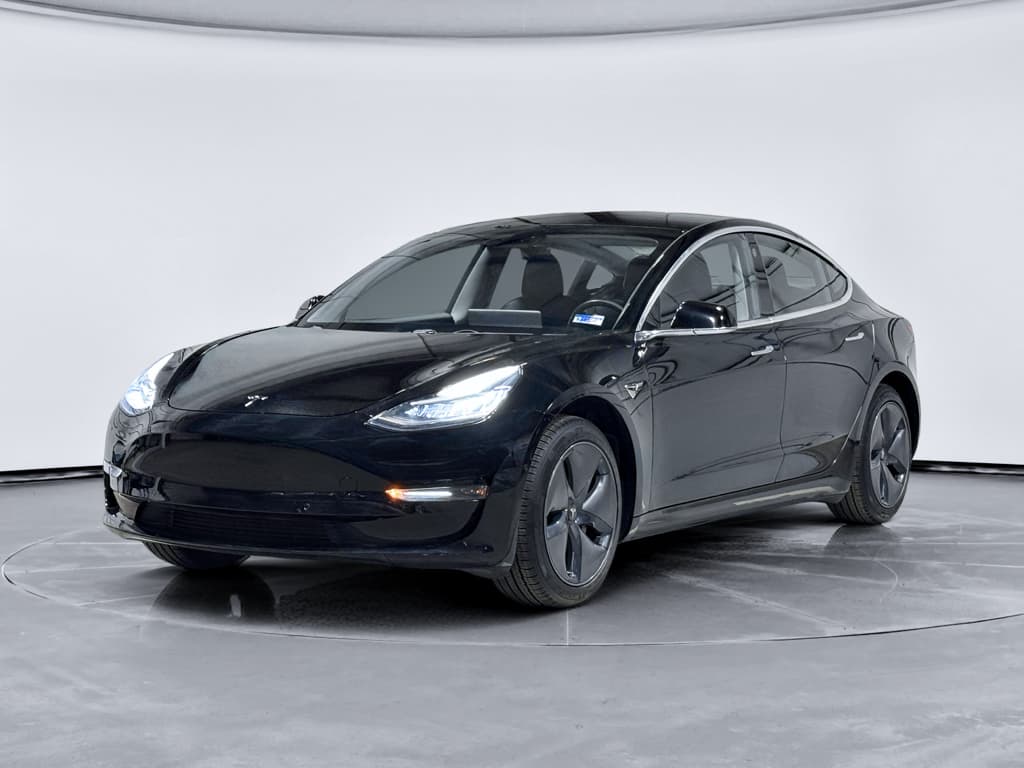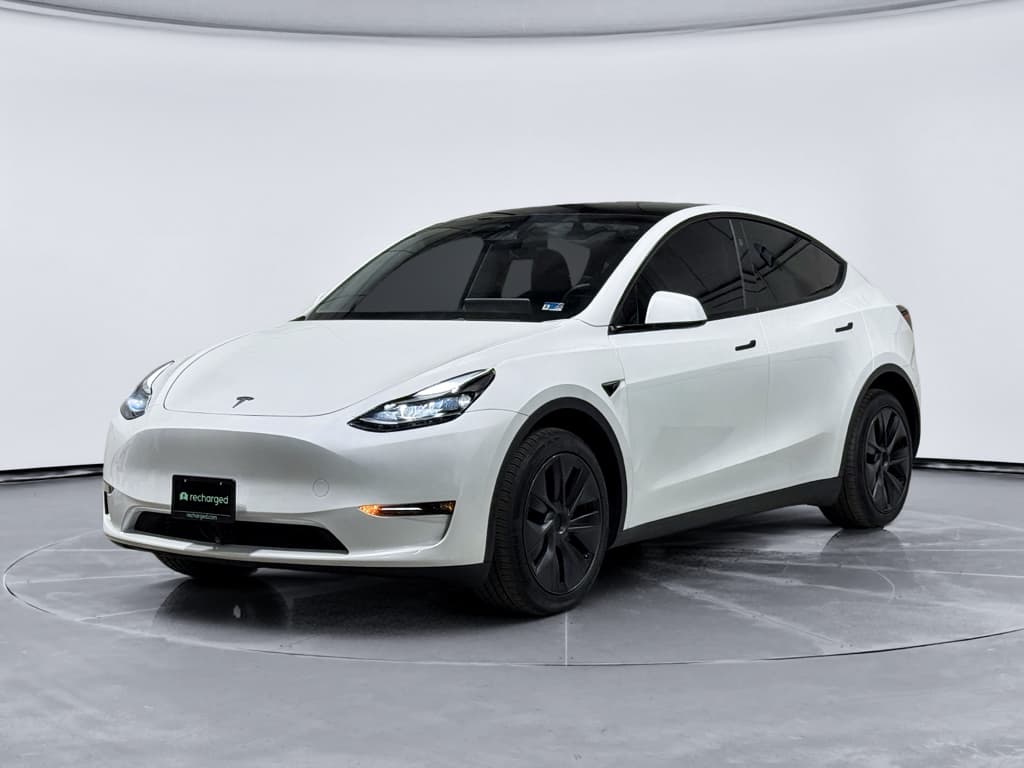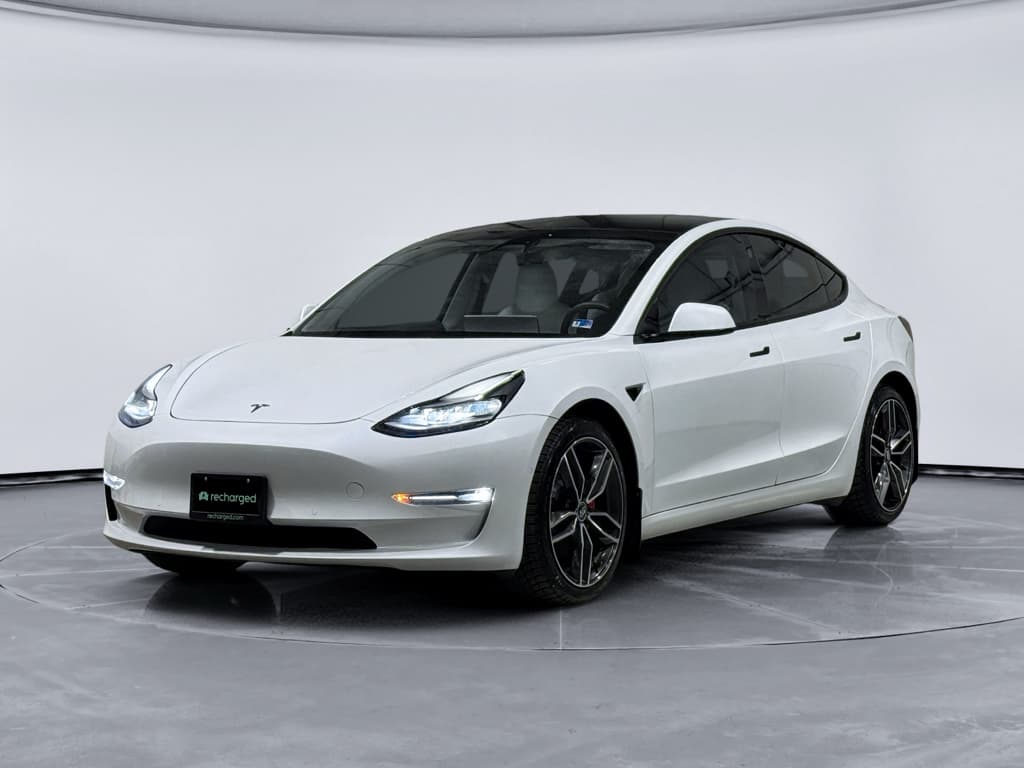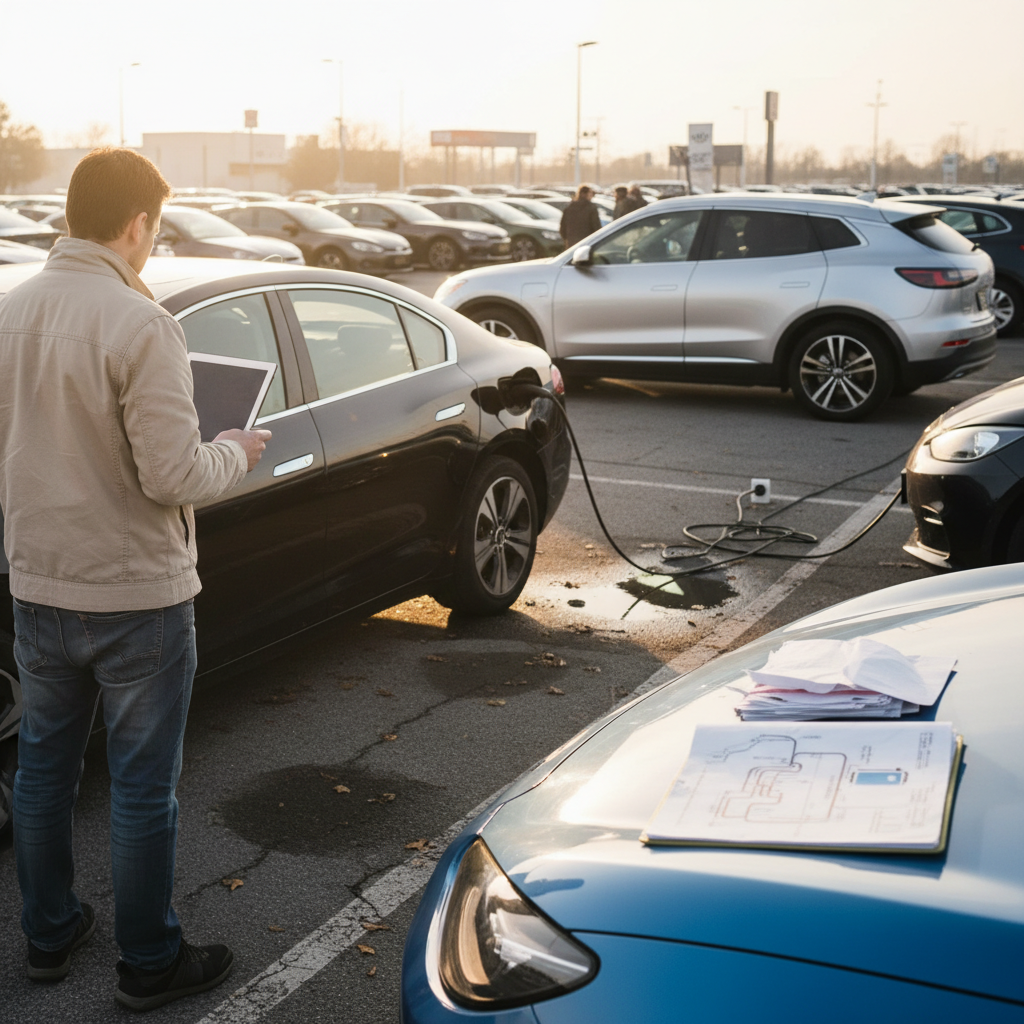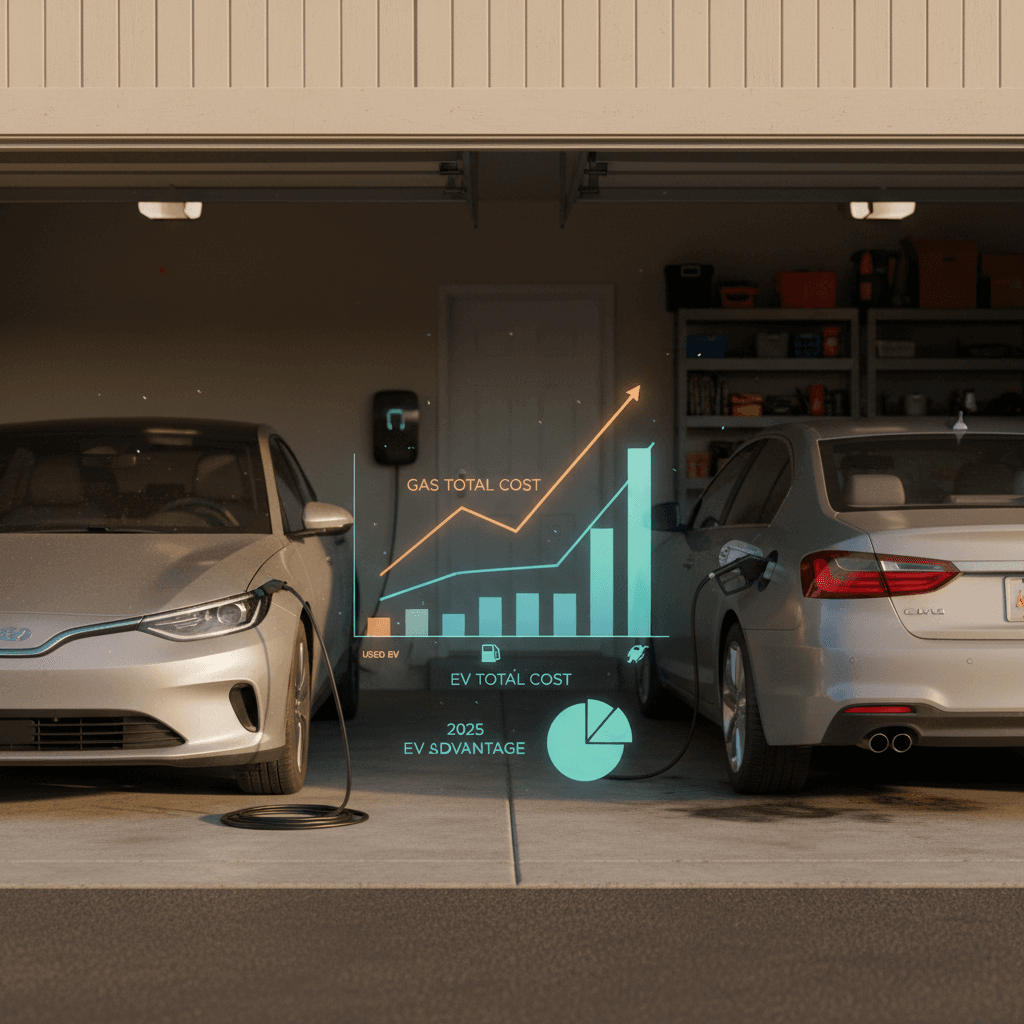
If you’re torn between buying a Tesla vs a gas car in 2025, you’re not alone. Gas prices have bounced around, EV incentives keep changing, and headlines about reliability and recalls can make the decision confusing. The good news: when you break ownership down into hard numbers, purchase price, fuel or charging, maintenance, and resale, the picture gets much clearer.
What this guide covers
Tesla vs gas car in 2025: big picture
Tesla vs gas car: 2025 ownership snapshots
In plain terms, a Tesla usually costs more up front than a comparable gas car, but you often save thousands in fuel and maintenance over a 5–10 year span. The key is how much you drive, whether you can charge at home, and whether you’re looking at new or used.
Purchase price and incentives
Sticker price is where most shoppers start, and it’s where gas cars still have an edge. In 2025, compact and mid-size gas sedans commonly start in the mid‑$20,000s, while a new Tesla Model 3 or Model Y generally lands above that range once you include destination and typical options. Mid-size gas SUVs might run $35,000–$45,000, while similar electric SUVs can stretch $40,000–$55,000 or more.
Upfront cost: Tesla vs gas
Approximate 2025 pricing for mainstream models (before incentives)
Typical gas sedan / SUV
- Compact sedan: often $25,000–$30,000 new.
- Mid-size SUV: commonly $35,000–$45,000.
- Plenty of sub‑$25,000 options if you shop basic trims.
Tesla Model 3 / Model Y
- Model 3: typically mid‑$30,000s to low‑$40,000s depending on trim and incentives.
- Model Y: often in the low‑ to mid‑$40,000s.
- Higher trims and options quickly push prices up.
Don’t forget EV incentives
If you’re shopping used, the pricing picture changes again. Used Teslas have come down sharply from early‑pandemic highs, and in many markets you can now cross‑shop a used Model 3 or Model Y directly against a similarly priced used gas BMW, Audi, Honda, or Toyota. This is where cost of ownership, and tools like the Recharged Score battery health report, become especially important.
Fuel vs charging: what you actually spend
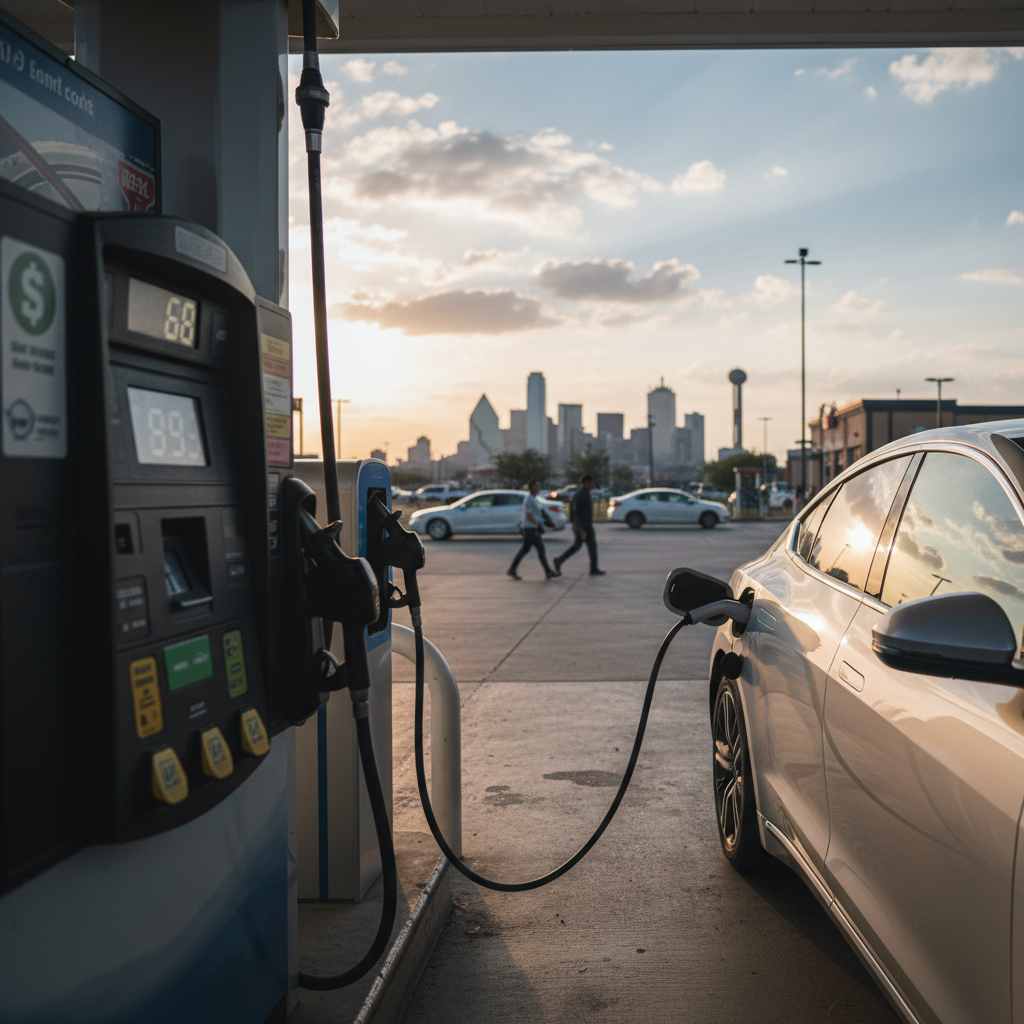
Energy is where a Tesla really starts to pull away. Even with national gas prices off their 2022 peaks, electricity is still much cheaper per mile for most drivers, especially if you can charge overnight at home.
Typical 2025 energy costs: Tesla vs gas car
Illustrative example for a driver covering 12,000 miles per year.
| Vehicle type | Energy use | Energy price (example) | Cost per 100 miles | Annual energy cost (12,000 miles) |
|---|---|---|---|---|
| Tesla (home charging) | ~28 kWh / 100 mi | $0.13 / kWh | About $3.60 | ≈ $430 |
| Gas car (28 mpg) | ~3.6 gal / 100 mi | $2.75 / gal | About $9.90 | ≈ $1,190 |
Actual costs will vary by your local gas price and electricity rate, but the general gap between Tesla and gas remains similar.
Pro tip: charge at home when you can
If you drive 12,000–15,000 miles a year, it’s not unusual for a Tesla to save $700–$1,000 per year on energy alone compared with a similar gas car. Over a 5‑year span, that’s roughly $3,500–$5,000 that never leaves your wallet just for fuel.
Maintenance and repairs: fewer moving parts, fewer headaches
Even if fuel were a wash, maintenance would still tilt the comparison in favor of a Tesla. A modern gas car has hundreds of moving parts in the engine and transmission alone, plus fluids, filters, exhaust components, emissions hardware, and more. A Tesla’s drivetrain is far simpler, no oil changes, no timing belts, no exhaust system, no spark plugs, and less wear on brakes thanks to regenerative braking.
Common maintenance items: gas vs Tesla
Where many owners underestimate long‑term costs
Typical gas car
- Oil and filter changes 2–3 times per year.
- Transmission service around 60,000–100,000 miles.
- Exhaust and emissions repairs (catalytic converter, O2 sensors, etc.).
- Regular tune‑ups, belts, hoses, and cooling system service.
Tesla / EV
- No oil changes or exhaust system.
- Far fewer fluids and filters to service.
- Brakes often last much longer thanks to regenerative braking.
- Software updates delivered over the air instead of dealership visits.
What owners actually spend
The catch? When a gas car needs a major engine or transmission repair, owners often junk the vehicle. When a Tesla needs a major battery or electronics repair outside warranty, the bill can be eye‑watering. That’s why understanding battery health on a used Tesla is critical, and why a verified battery report like the Recharged Score is so valuable if you’re shopping the used market.
Reliability and longevity: how long a Tesla really lasts
Reliability headlines can be confusing. Some surveys show EVs, including Teslas, reporting more issues per vehicle than gas cars, often related to newer tech features, infotainment, and build quality quirks. At the same time, large‑scale data from vehicle inspections suggests that EVs are rapidly converging with, and in some cases matching, the lifespans of gas vehicles.
Short‑term reliability
- Consumer surveys still report more problems per 100 vehicles for EVs than for traditional gas cars, often due to software bugs and features that are unique to EVs.
- Tesla specifically can show issues like trim alignment, rattles, or sensor glitches, annoying, but not usually catastrophic.
Long‑term durability
- Recent lifespan studies indicate modern EVs are now approaching gas cars in expected life, often in the high‑teens in years.
- Real‑world data from tens of thousands of Teslas shows Model 3 and Model Y packs losing only about 7–8% capacity around 100,000 miles, suggesting many will comfortably exceed 200,000 miles with useful range.
Reliability nuance matters
Resale value and depreciation
Depreciation is the single biggest ownership cost for both Teslas and gas cars. Historically, Teslas held their value exceptionally well; then used EV prices cooled and resale became more in line with other premium vehicles. In 2025, many Teslas lose a similar percentage of their value over 5 years as luxury gas models, though mainstream gas cars from brands like Toyota and Honda can still depreciate more slowly.
How depreciation shapes Tesla vs gas ownership
Conceptual comparison using typical 5‑year ownership patterns.
| Vehicle | New price example | Estimated value after 5 years | Notes |
|---|---|---|---|
| Tesla Model 3 | $40,000 | ≈ $16,000–$18,000 | Similar percentage loss to many luxury sedans; incentives reduce your effective starting price. |
| Mid-size gas sedan | $32,000 | ≈ $13,000–$15,000 | Slightly lower dollar loss, but you likely paid less up front. |
| Reliable compact gas car | $26,000 | ≈ $13,000–$16,000 | Some mainstream gas cars can hold value extremely well, especially with strong reliability reputations. |
Numbers are illustrative but reflect common patterns seen in real‑world cost‑to‑own data.
Why used buyers often win
Driving experience: performance, comfort, and convenience
Cost and reliability are crucial, but they’re not the whole story. For many buyers, the driving experience is exactly why they’re cross‑shopping a Tesla vs a gas car in the first place. Instant torque, a quiet cabin, and one‑pedal driving all change how a car feels day‑to‑day.
What it feels like to live with a Tesla vs a gas car
Beyond the spreadsheet: everyday ownership
Performance
Tesla: Even mid‑range trims sprint like yesterday’s sports cars, with instant torque and smooth acceleration.
Gas: Modern gas cars can be quick, but you typically need a performance trim, and more fuel, to match EV punch.
Noise and comfort
Tesla: Quieter powertrain, fewer vibrations, and regen braking that can reduce driver fatigue once you’re used to it.
Gas: Engine noise and shifting are part of the character, appealing to some, tiring to others.
Tech & updates
Tesla: Over‑the‑air updates can add features, improve range estimates, or refine driving feel over time.
Gas: Many gas cars now offer great tech, but feature updates are limited after you drive off the lot.
Environmental impact: emissions and regulations
If your main concern is environmental impact, the comparison between a Tesla and a gas car is more straightforward. Producing any new vehicle, EV or gas, creates emissions, and batteries in particular are energy‑intensive to manufacture. But over the life of the vehicle, EVs almost always emit significantly less CO₂ than comparable gas cars when you factor in real‑world electricity grids.
- EVs produce zero tailpipe emissions, improving local air quality where you drive.
- Even on a mixed U.S. grid, lifetime CO₂ emissions for a typical EV are usually far below those of a comparable gasoline car over 100,000+ miles.
- As more renewable energy comes online, each mile you drive in a Tesla tends to get cleaner over time, whereas gas combustion is locked into its emissions footprint.
- Some cities and states are moving toward stricter emissions or low‑emission zones, which could favor EV owners long‑term.
Don’t assume EVs are impact‑free
Who should choose a Tesla vs a gas car?
Tesla vs gas car: which fits your life?
Choose a Tesla if…
You can reliably charge at home or work, drive at least 10,000–12,000 miles per year, value quick acceleration and quiet driving, and you’re comfortable with a tech‑heavy interface and the occasional software quirk.
Choose a gas car if…
You live in an area with limited home charging options, drive infrequently, or need a very low purchase price with no interest in tax credits, apps, or charging networks.
Tesla makes sense for road‑trippers
If you regularly take long trips, Tesla’s Supercharger network still offers one of the most seamless fast‑charging experiences, often more predictable than relying on a patchwork of third‑party gas‑station chargers.
Gas still wins for niche use cases
If you regularly tow heavy loads long distances, drive far from major highways, or need certain specialty vehicles that don’t yet exist as EVs, a gas (or hybrid) model might still be the better tool for the job.
Buying a used Tesla vs used gas car
On the used side, the Tesla vs gas car debate often becomes even more interesting. A 3‑ to 6‑year‑old Tesla Model 3 can be priced similarly to a used BMW 3 Series, Honda Accord, or Toyota RAV4. The difference is that a used Tesla may offer significantly lower ongoing costs, if its battery is healthy and charging behavior has been reasonable.
Used gas car advantages
- Wide selection at every price point, from basic commuters to luxury sedans and SUVs.
- Independent mechanics are everywhere, and parts are widely available.
- Some models (especially Japanese brands) have stellar long‑term records and inexpensive repair histories.
Used Tesla advantages
- Low ongoing fuel and maintenance expenses if you drive a lot.
- Modern safety and driver‑assistance tech even on older model years.
- Over‑the‑air updates mean features and software are usually more current than the model year suggests.
How Recharged helps with used Teslas
Frequently asked questions: Tesla vs gas car
Tesla vs gas car FAQ
Bottom line: how to make the right choice
When you strip away the hype, the Tesla vs gas car decision is about your driving pattern, your charging options, and how long you plan to keep the vehicle. If you drive a healthy number of miles each year and can plug in at home, a Tesla often undercuts a comparable gas car on total cost of ownership within a few years, while delivering quicker acceleration and a quieter, more modern driving experience.
If you’re EV‑curious but not ready to commit to new‑car pricing, looking at a used Tesla with verified battery health can be a smart middle ground. That’s exactly what Recharged was built for: transparent used EV shopping with a Recharged Score Report, expert guidance, financing, trade‑in options, and nationwide delivery. Whether you end up in a Tesla or decide a gas car still fits your life best, going in with clear numbers, not just headlines, will put you in the driver’s seat of the deal.