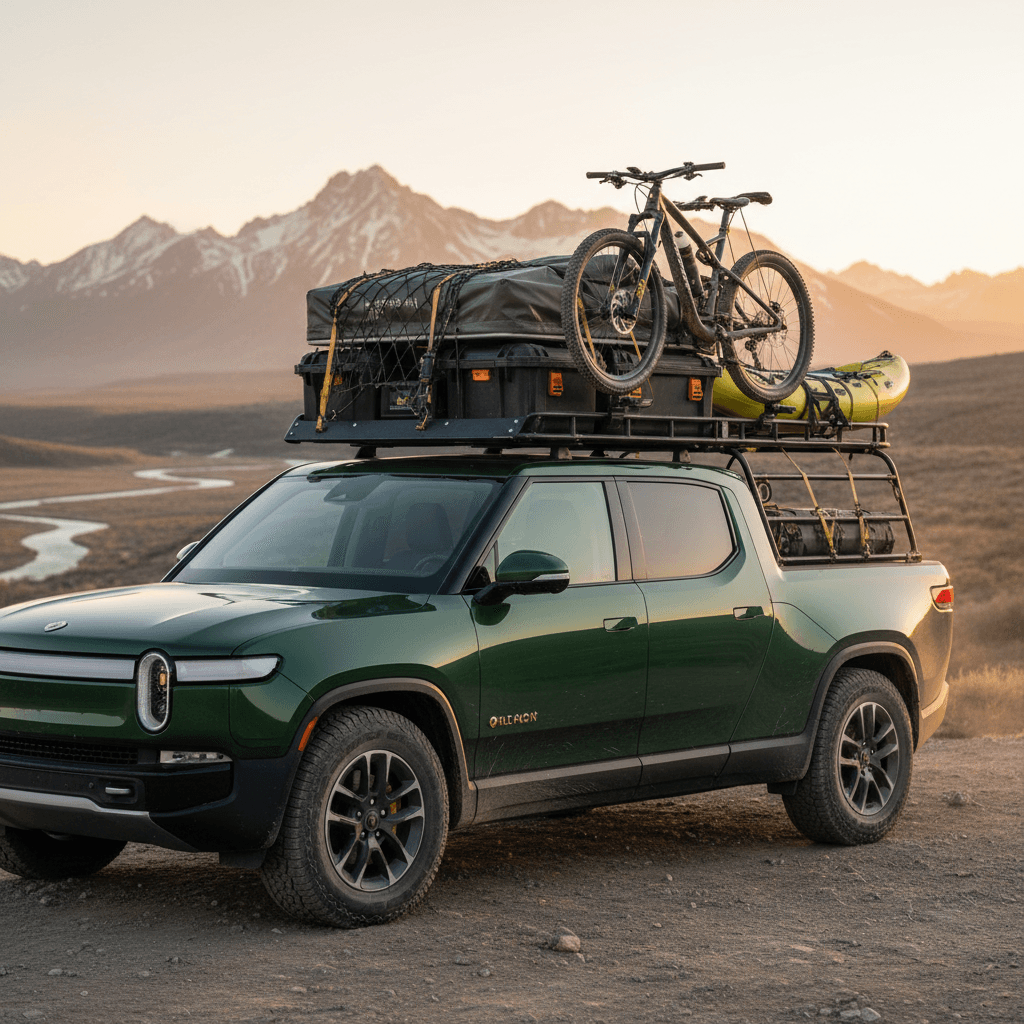
If you’re planning to haul bikes, kayaks or a rooftop tent, understanding the Rivian R1T roof rack weight limit isn’t optional, it’s the difference between a confident adventure and an expensive mistake. The numbers on paper can be confusing, especially when you see different ratings for the rack, the roof and the truck’s overall payload. Let’s break it all down in plain English so you know exactly how much weight your R1T’s roof can safely handle.
The short answer
Rivian R1T roof rack weight limit: quick overview
Rivian R1T roof load numbers at a glance
Before we dive into rooftop tents and bike racks, it helps to understand three different limits you’re balancing every time you add weight to the roof of your R1T:
- Roof rack / crossbar rating – how much weight the bars themselves are designed to handle.
- Roof structure rating – how much load the truck’s cab and mounting points can safely support.
- Vehicle payload rating – the total weight of passengers plus cargo your R1T can carry, including anything on the roof, in the bed, or in the cabin.
Watch all three limits
Dynamic vs static roof load on the R1T
Almost every confusing conversation about roof rack capacity comes back to one thing: the difference between dynamic and static load. Your Rivian R1T, like other modern SUVs and pickups, is rated much lower while moving than when it’s parked.
What roof rack numbers really mean
Understand the ratings before you strap on that tent
Dynamic load (while driving)
This is the maximum roof weight you can carry while the truck is in motion. It includes the rack, mounts, accessories and cargo.
- Lower number, because bumps, cornering and braking multiply forces.
- Controls how heavy your rooftop tent or cargo can be on the highway.
- Most important rating for day-to-day driving safety.
Static load (parked)
This is the maximum roof weight you can have when the truck is stationary, such as at a campsite.
- Much higher number, because the suspension and tires share the load.
- Relevant when adults are sleeping in a rooftop tent.
- Still must stay within the vehicle’s overall payload limits.
Simple rule of thumb
OEM Rivian R1T cargo crossbar ratings
Rivian’s own owner’s guides for the R1 family refer to factory “Cargo Crossbars” and specify two key limits for a pair of bars mounted to the roof or bed. Exact line items can vary a bit by publication date, but the guidance is consistent:
Typical Rivian OEM cargo crossbar ratings (per pair)
Applies to Rivian R1T/R1S factory crossbars when used as directed. Always confirm with your specific owner’s guide.
| Load type | Limit (per pair) | What it means |
|---|---|---|
| Dynamic (driving) | ≈ 250 lbs (113 kg) | Maximum combined weight of crossbars + mounts + rack/box/tent + cargo while driving. |
| Static (parked) | ≈ 780 lbs (353 kg) | Maximum combined weight of rack + tent + bedding + people while parked at camp. |
| Off-road usage | Use additional margin | Same dynamic cap officially, but smart owners leave extra headroom for rough trails. |
Remember: these are per pair of bars and include the weight of the bars, mounts, accessories and cargo.
Where these numbers come from
One easy point to miss: those limits are per pair of crossbars, not for every single bar individually. If you’re running two pairs (four bars) with a full-length platform, your total capacity will still be constrained by the truck’s roof and payload limits, not doubled automatically, so use the larger system mainly to distribute weight and support long gear, not to chase monster numbers.
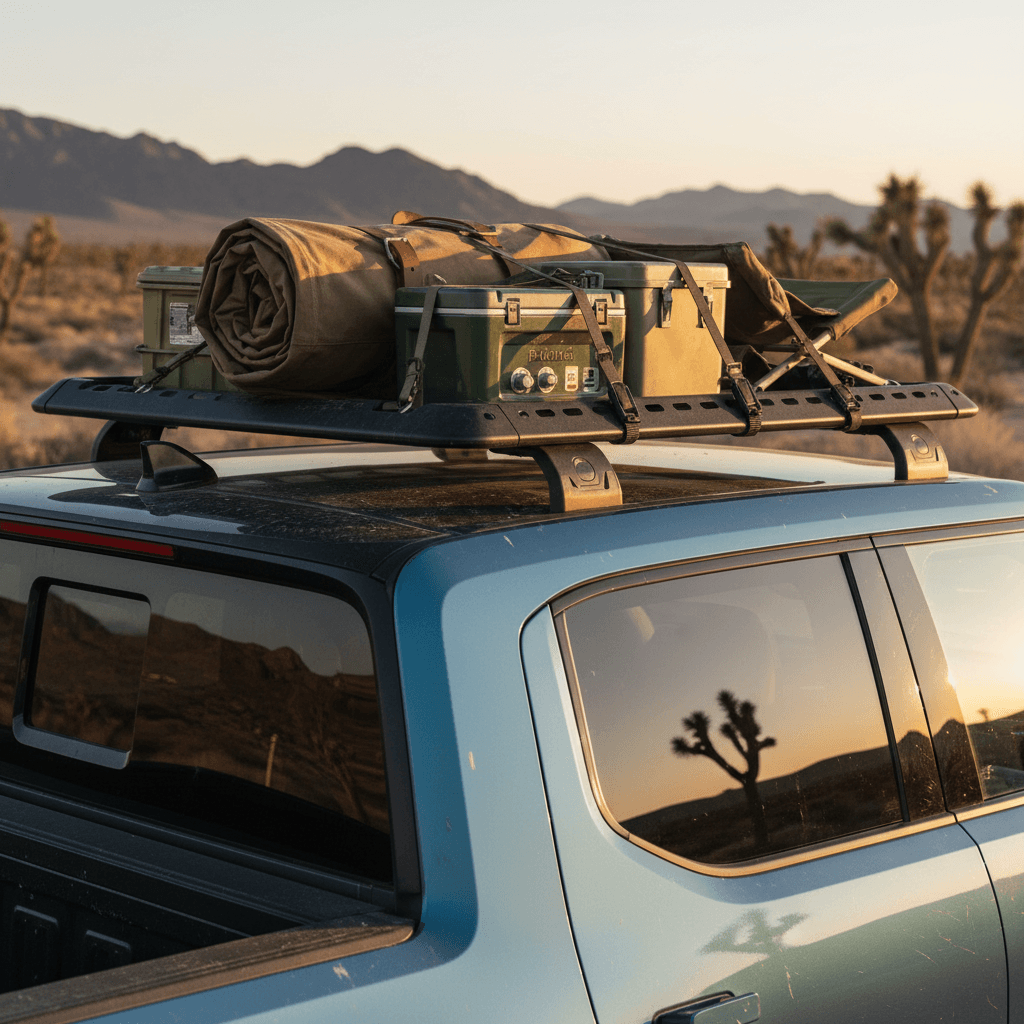
Running a rooftop tent on a Rivian R1T
The question most R1T owners ask is, “Can my roof rack safely handle a rooftop tent and a couple of adults?” With Rivian’s generous static rating per crossbar pair, the answer is usually yes, if you choose the right tent and load it thoughtfully.
1. Add up your total tent system weight
When you’re looking at rooftop tent specs, don’t stop at the tent’s brochure number. Your real static load on the R1T roof includes:
- Tent shell and base
- Crossbars or platform rack
- Mounting hardware, ladders and awnings
- Bedding, pillows and stored gear
- People in the tent (adults + kids + pets)
2. Compare to Rivian’s static and payload limits
If your combined tent system plus occupants comes in under ~780 lbs per crossbar pair and within the truck’s overall payload, you’re in the right neighborhood. Many R1T overlanders run mid‑weight tents (around 150–200 lbs) plus two adults and still stay within Rivian’s guidance when parked.
Where you need to be more conservative is with the dynamic load. Make sure the tent, rack and hardware together stay within that ~250 lb driving cap per pair of bars.
Don’t size your tent by the static number alone
If you’re new to rooftop tents, it’s smart to stay on the lighter side, especially if you drive fast highway miles or rough off‑road trails. A compact, clamshell-style tent on the OEM crossbars is a far better match for the R1T than a giant family tent that eats up your dynamic capacity before you ever pack a sleeping bag.
Real-world examples: bikes, kayaks, cargo boxes and more
Most R1T owners won’t spend every weekend in a rooftop tent. More often, the roof rack carries a rotating cast of bikes, boats and cargo boxes. Here’s how the factory roof rack weight limits play out in typical use cases.
Common R1T roof loads and how they fit within limits
Always include the weight of the bars and attachments when you do the math.
Two mountain bikes
Estimated total: 100–140 lbs
- Rivian/Yakima‑style roof tray or fork‑mount racks: ~30–40 lbs
- Two modern full‑suspension bikes: ~70–100 lbs total
Well below the ~250 lb dynamic rating on the OEM bars. Great everyday setup.
Kayaks or SUPs
Estimated total: 120–180 lbs
- Two plastic kayaks: 90–140 lbs total
- Cradles or J‑racks: 20–40 lbs
Still inside the dynamic limit for most combos, but taller loads create more drag and side wind forces. Slow down in crosswinds.
Cargo box + luggage
Estimated total: 110–180 lbs
- Large rooftop box: 40–60 lbs
- Luggage and gear: 70–120 lbs
Easy to stay within the dynamic rating. The bigger concern is range, expect a noticeable highway hit.
Use a simple spreadsheet or note
How roof rack weight and drag affect R1T range
On an electric truck like the R1T, the penalty for roof gear isn’t just structural, it’s aerodynamic. Owners consistently report that adding a roof‑mounted tent or big cargo box can trim 15–25% off highway range, even when they stay within Rivian’s roof rack weight limit.
- Extra weight makes the suspension and motors work harder, especially on climbs.
- Roof‑mounted loads sit high, raising the center of gravity and increasing body motion.
- Big tents and boxes act like sails, increasing drag and sensitivity to crosswinds.
- Bed‑mounted racks with low‑profile tents typically hurt efficiency less than tall roof setups.
Plan your charging stops accordingly
One smart move is to treat your roof system as modular. Use the OEM crossbars full‑time if you like the look, but remove bulky boxes or tents between trips. Your range, cabin noise and even wind buffeting will all improve.
Aftermarket roof racks for the R1T: capacity and cautions
As the R1T has matured, several aftermarket companies have launched full‑length roof racks, cab racks and bed racks that advertise substantial static capacities, 800 lbs and beyond. They’re tempting if you’re chasing the ultimate overlanding build, but a few realities are worth keeping in mind.
- Rack rating vs vehicle rating – A heavy‑duty rack might handle more than the OEM bars, but the R1T’s roof structure and payload label still rule the day.
- Warranty and liability – Modifying factory mounting points or drilling the roof can create warranty questions. Always follow both Rivian’s guidance and the rack maker’s instructions.
- Dynamic loads off‑road – Rock crawling, washboards and whoops multiply dynamic forces. Leave more headroom than you would on pavement.
- Driver assistance sensors – Very tall loads or platforms can intrude into camera views and affect Driver+ performance. Test carefully after any major rack change.
Bed racks vs roof racks on the R1T
Checklist: loading your R1T roof rack safely
Pre‑trip checklist for your Rivian R1T roof rack
1. Confirm your truck’s specific ratings
Open the <strong>R1T owner’s guide</strong> or the in‑vehicle manual and look up roof and cargo crossbar limits. Use the latest numbers for your model year rather than relying on forum hearsay.
2. Add up real total weight
Include crossbars, platforms, attachment hardware, racks, tents, bikes, kayaks, luggage and anything stored in a rooftop box. Don’t forget water, fuel or recovery gear strapped to the rack.
3. Compare to dynamic and static limits
Verify that your <strong>driving weight</strong> sits under the dynamic limit per crossbar pair, and your <strong>camping weight</strong> (including people in a tent) sits under the static limit and the truck’s payload.
4. Double‑check balance and tie‑downs
Distribute weight evenly left‑to‑right and front‑to‑back. Use quality straps, check that crossbar paddles or clamps are fully locked, and tug every piece of gear before you roll.
5. Adjust driving style
With a loaded roof, slow down in crosswinds, leave extra braking distance and take corners more gently. Remember that Driver+ and lane‑keeping systems are calibrated for the stock profile.
6. Re‑inspect during the trip
On long drives or rough trails, stop periodically to inspect the rack, hardware and load. Re‑tighten straps or mounts if anything has shifted or loosened.
Buying a used Rivian R1T for roof‑rack and overlanding duty
If you’re shopping the used market, the R1T is one of the most capable electric adventure trucks you can buy, but not every example has led an easy life. Roof racks, tents and heavy payloads are exactly the kind of use that separates a well‑cared‑for truck from a tired one.
What to look for on a used R1T
- Signs of previous racks: small scuffs on roof rails, paint wear around mounting points.
- Evidence of heavy off‑road use: underbody scrapes, damaged skid plates, mismatched tires.
- Sagging or uneven suspension heights that could hint at chronic overloading.
- Wind noise or water leaks around the glass roof if aftermarket racks were fitted incorrectly.
How Recharged can help
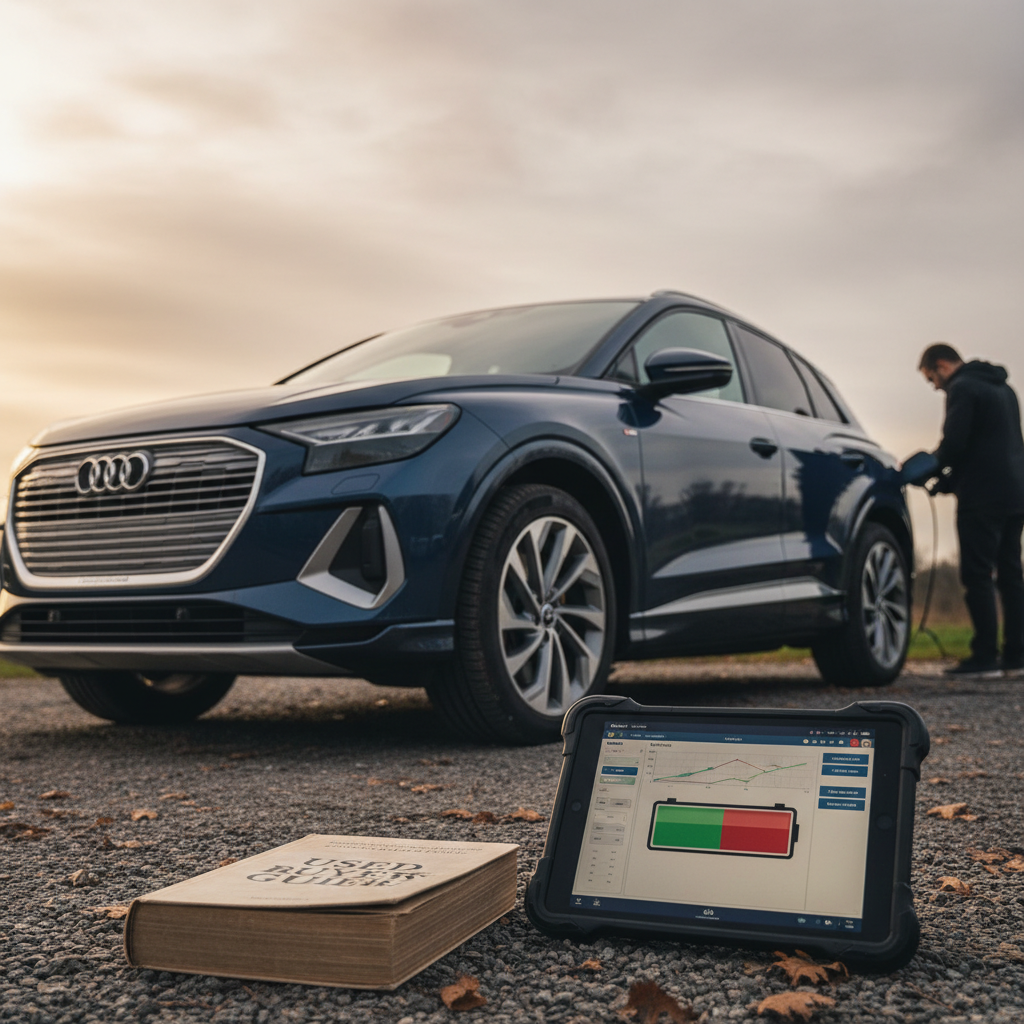
Every used EV listed on Recharged includes a Recharged Score Report with verified battery health and pricing insights. For an adventure‑ready R1T, that means you can:
- See how much usable battery capacity remains after past road trips.
- Compare trucks that have towed or carried heavy loads with those that haven’t.
- Get EV‑specialist guidance on which roof‑rack or bed‑rack setup makes sense for your travel plans.
If you’re trading out of a gas truck, Recharged can also value your trade‑in or help you sell it via instant offer or consignment before you step into an R1T.
Pro move for adventure buyers
Rivian R1T roof rack weight limit FAQ
Frequently asked questions about R1T roof rack limits
Key takeaways before your next trip
The Rivian R1T is more than capable of carrying bikes, kayaks and a rooftop tent, but you have to respect the numbers. Treat the ~250 lb dynamic rating per crossbar pair as your hard ceiling while driving, make sure your full tent system and campers are under the static roof load and payload limits, and remember that drag, not just weight, will eat into your range on the highway.
If you’re considering a used R1T as your do‑everything adventure truck, a little homework goes a long way. A clean battery‑health report, careful inspection for rack wear and a thoughtful plan for how you’ll load the roof can turn a great idea into a rig you trust for years. And if you’d like help matching a truck to your travel plans, or understanding how a rooftop‑tent setup will affect real‑world range, Recharged’s EV specialists and Recharged Score Reports are built to make that decision easier.