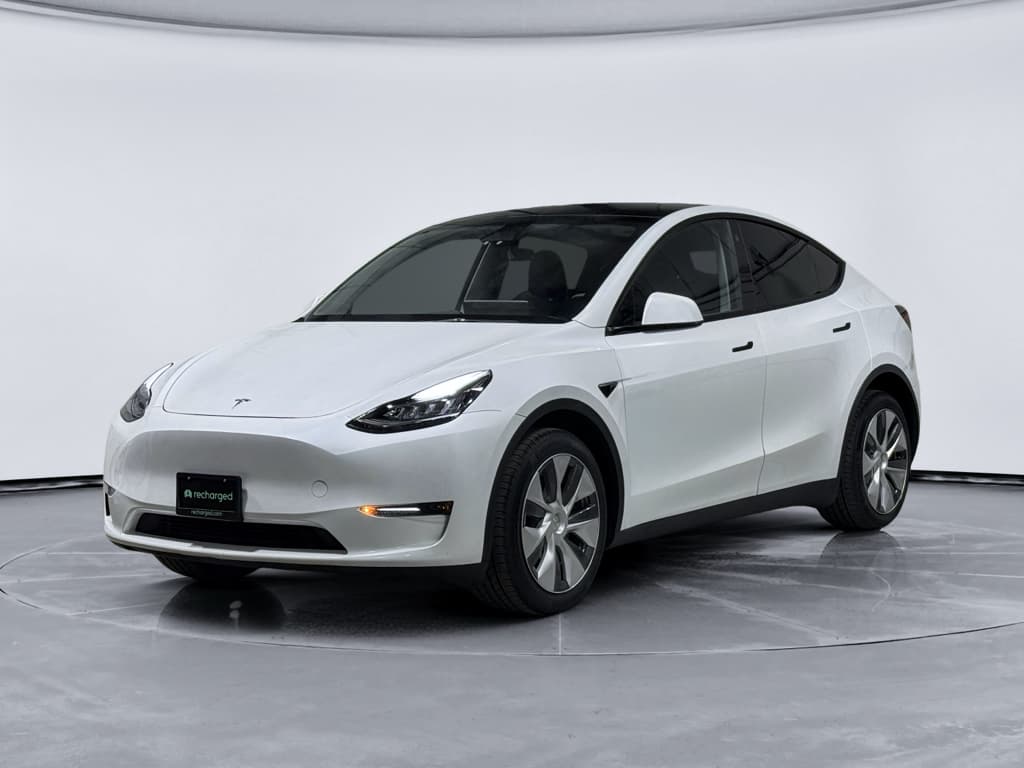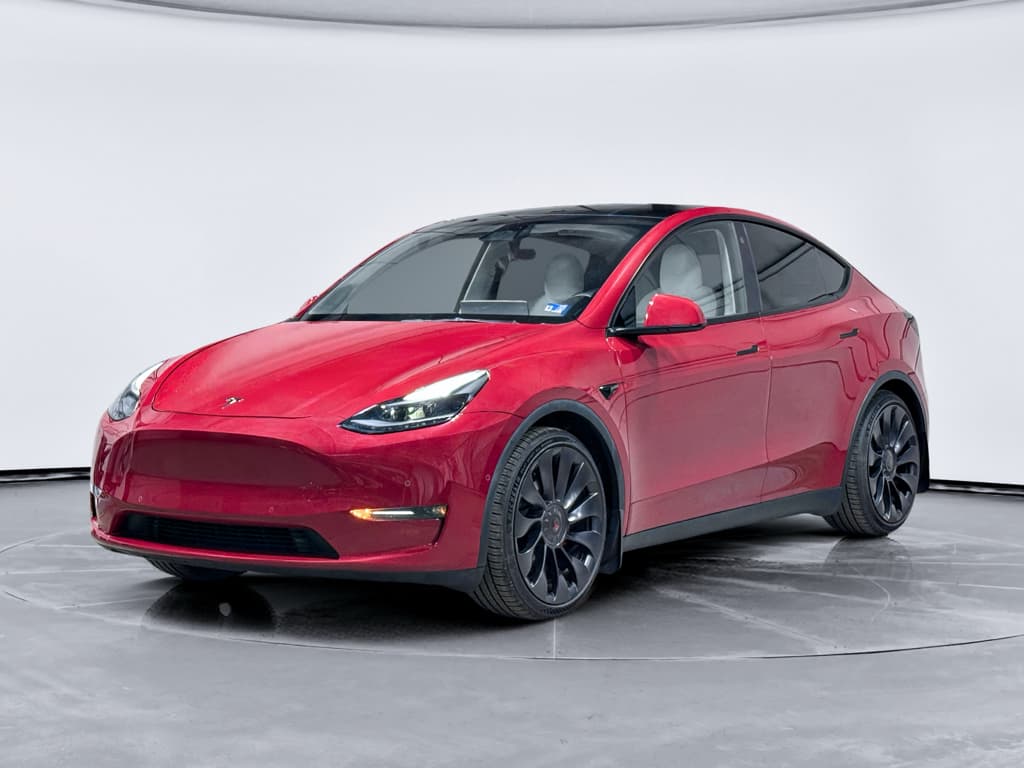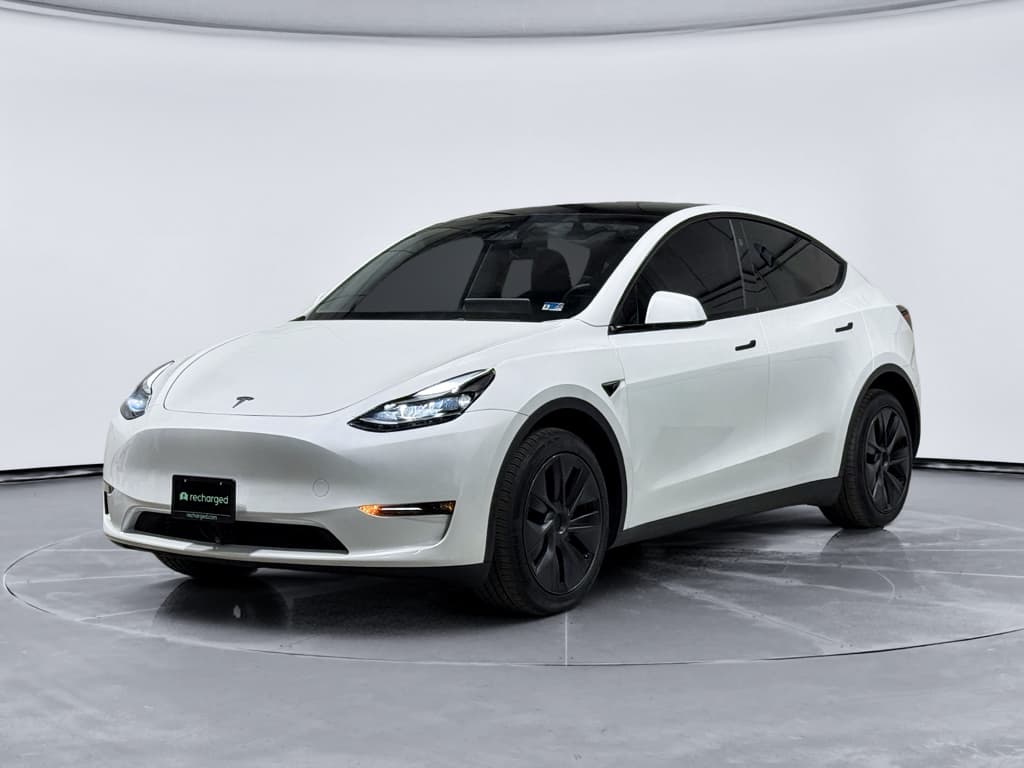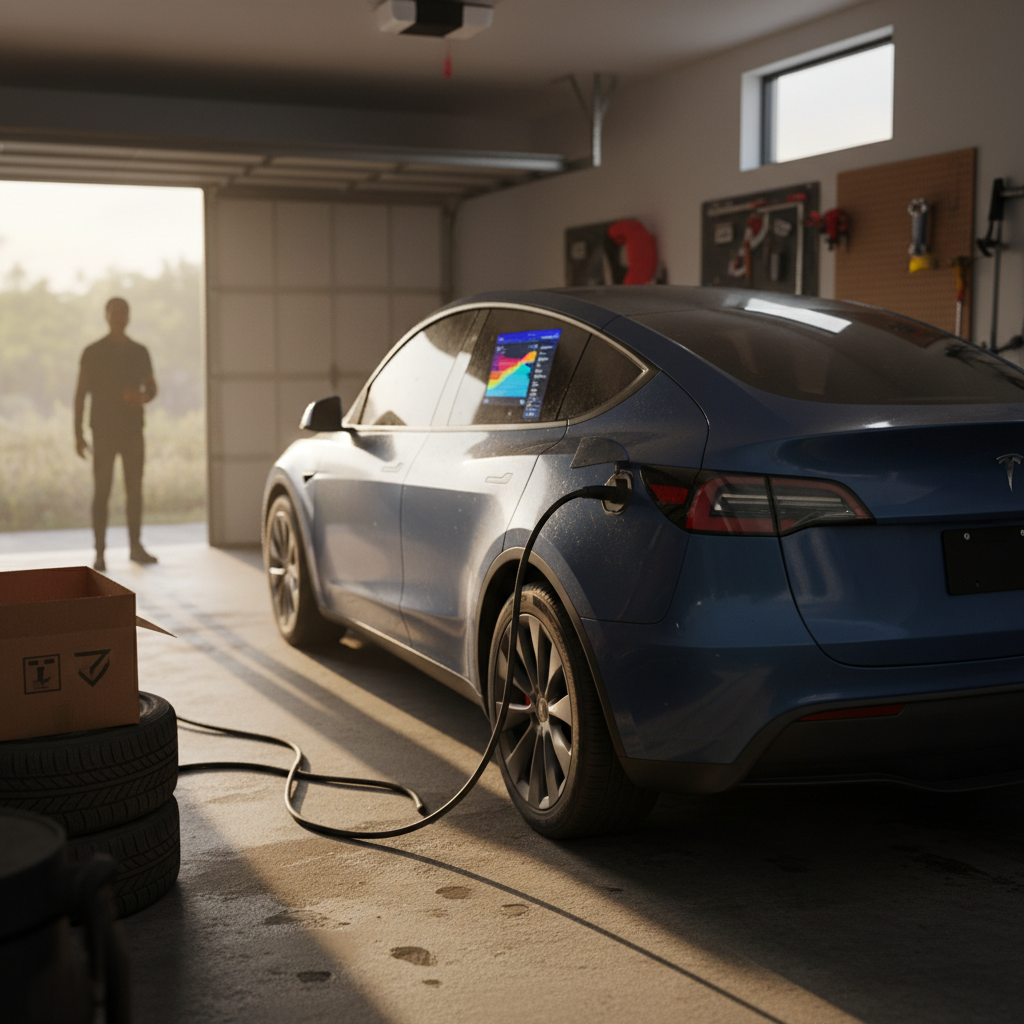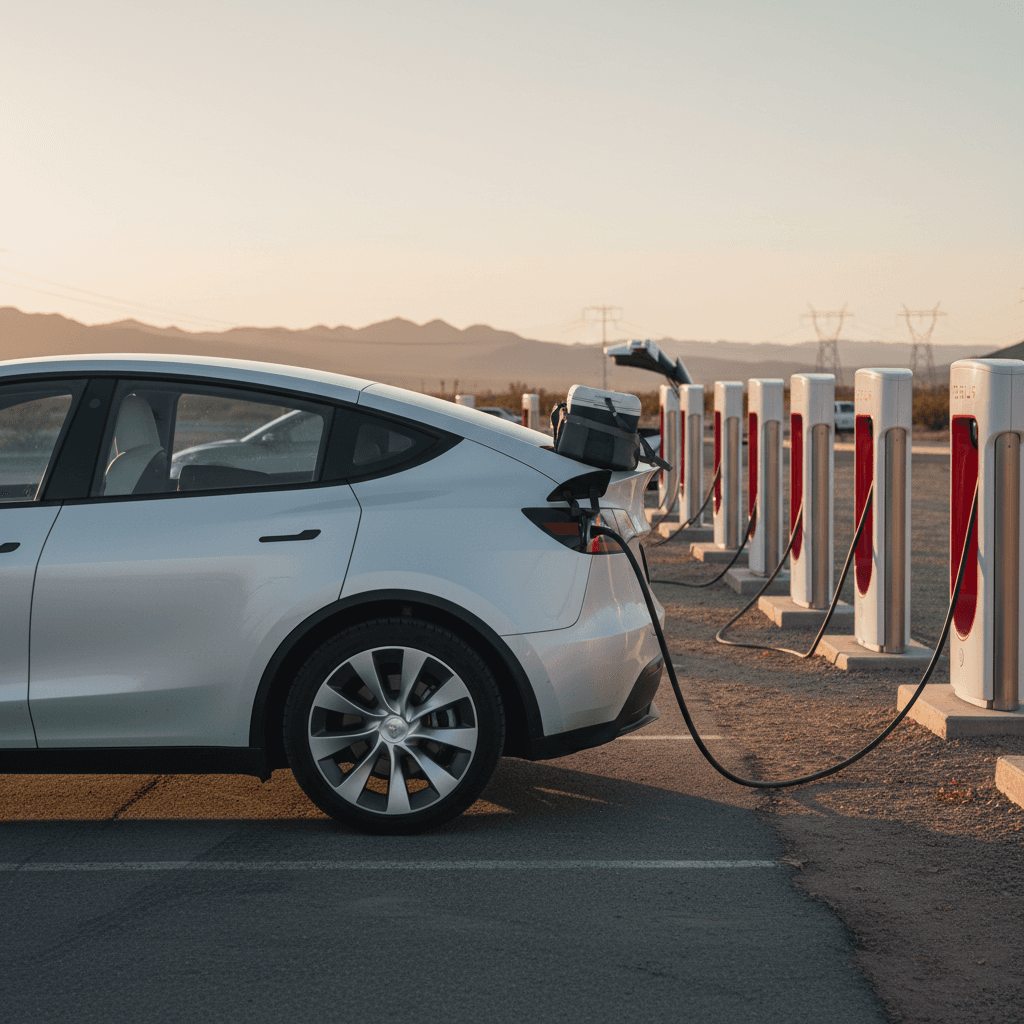
If you own a Tesla Model Y or you’re thinking about buying one, chances are a big reason is road trips. The good news: with smart planning and a few **Model Y long distance driving tips**, you can turn anxiety about range and charging into a predictable, low‑stress routine.
Who this guide is for
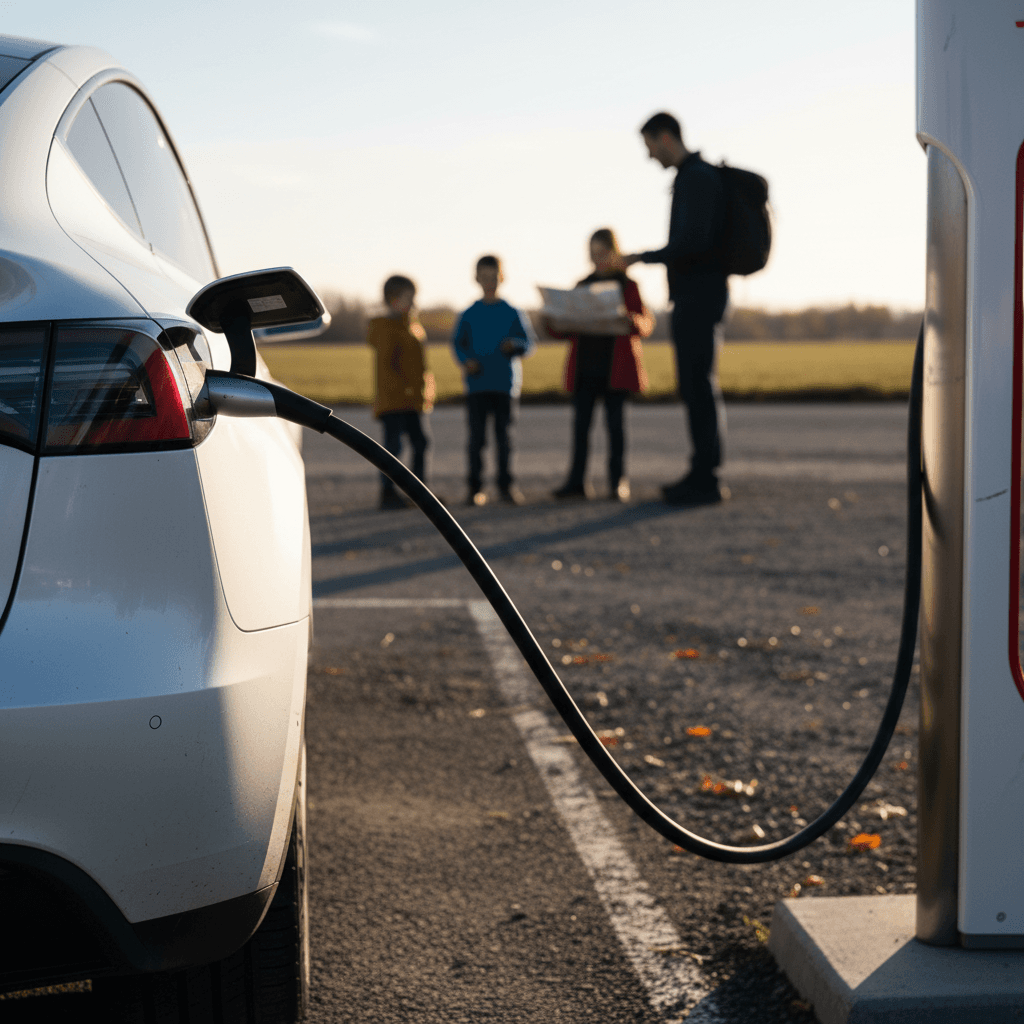
Why the Tesla Model Y Works Well for Long Trips
Tesla designed the Model Y with long‑distance travel in mind. You get a large battery, efficient motors, a comfortable cabin, and most importantly access to the **Supercharger network**, which remains one of the most reliable fast‑charging options in North America.
Core strengths of the Model Y on road trips
These are the built‑in advantages you can lean on when planning long drives.
Strong range
Supercharger network
Space & comfort
Think in legs, not total miles
Know Your Real-World Tesla Model Y Range
The EPA range number on the sticker is a lab figure, not a promise. Real‑world **Model Y highway range** depends on speed, temperature, wind, elevation, and how much you’re carrying. Long‑distance planning gets easier when you understand what YOUR car typically does on the highway.
Approximate real‑world highway range by trim (ideal conditions)
These are ballpark highway ranges at steady 65–70 mph in mild weather, starting from ~90–95% and arriving around 10% battery. Your results will vary.
| Model Y Trim | Battery & Drive | EPA Rated Range (mi) | Conservative Highway Planning Range (mi) |
|---|---|---|---|
| Long Range (AWD) | Dual motor | 310–330 | 220–250 |
| Performance | Dual motor | 279–303 | 200–230 |
| RWD / Standard Range | Single motor (varies by year) | 260–303 | 190–220 |
Use these numbers as a conservative planning baseline, not as guarantees.
Don’t plan off 100% EPA range
- Start by watching your **Wh/mi** (energy use per mile) on a few highway drives close to home at your usual speed.
- If your average is higher than 280–300 Wh/mi, expect less real‑world range than the EPA sticker suggests.
- Over time, you’ll learn patterns for your car, those patterns are more useful than the official rating when planning road trips.
Plan Your Route Like a Pro
Good route planning is the single biggest factor in stress‑free **Tesla Model Y long distance driving**. Think of the car and the apps as co‑pilots, use both, but don’t hand over all control.
Best tools for planning Model Y road trips
Use at least two of these to cross‑check routes and charging stops.
Tesla Trip Planner (in‑car)
A Better Routeplanner (ABRP)
Charging network apps
Pre‑trip planning checklist for your Model Y
1. Set realistic daily distances
Aim for **400–600 miles per day** if you’re sharing driving, less if you’re solo or traveling with kids. That typically means 3–5 charging stops, which align with meal and restroom breaks.
2. Map your overnight charging
Prioritize hotels or rentals with **Level 2 charging** so you can start each day near 80–100%. Many booking sites and apps now let you filter for EV charging.
3. Identify backup chargers
For each main Supercharger stop, know at least one backup option within 15–30 minutes, another Supercharger, a DC fast charger, or a reliable Level 2 station.
4. Consider time of day and traffic
Heavy traffic and low speeds can actually improve range but may delay arrival at chargers. Build time buffers into your plan, especially near major cities.
5. Share the plan with passengers
Talk through approximate stop times and durations, especially if passengers are new to EVs. It helps set expectations and cuts down on “are we stopping again?” questions.
Plan around meals, not miles
Smart Charging Strategies on the Road
On long trips, your goal isn’t to arrive with a full battery, it’s to **minimize total travel time**. The Model Y charges fastest at low to mid state of charge, so small, efficient charging sessions often beat fewer long ones.
Use the fast middle of the battery
- DC fast charging is quickest roughly between **10–60%**. Above ~70–80%, the charge rate tapers off sharply.
- Plan to arrive at Superchargers with **10–20%** and leave around **55–70%**, depending on the distance to your next stop.
- This pattern often saves 10–20 minutes per stop versus charging to 90–100% every time.
When to charge higher
- Before a long stretch with no fast charging, especially in rural areas or at night.
- When severe cold or headwinds are in the forecast and you want extra buffer.
- Before overnight parking without charging, so you have flexibility the next morning.
Watch Supercharger power and stall sharing
- Enable **battery preconditioning** by setting a Supercharger as your destination, the car will warm the battery for faster charging as you approach.
- Avoid sitting at 95–100% SoC on DC fast charging unless necessary; it’s slower and isn’t ideal for battery health if done frequently.
- Use the **Charging** screen to watch power (kW) and estimated time remaining. Leave slightly earlier than 100% of the projection if you’re comfortable with a smaller arrival buffer.
Driving Habits That Protect Range
The difference between a relaxed, efficient driver and an aggressive one can easily be **50+ miles of range** over a day of highway driving. The Model Y’s instant torque makes it tempting to punch it, but on a long day, smooth is fast.
Model Y driving habits that extend range
Small adjustments add up over a 400–600 mile day.
Moderate your speed
Smooth acceleration
Use Autopilot wisely
Watch your energy graph, not just miles
Weather, Elevation, and Load: What Really Changes Range
Long‑distance Model Y range isn’t just about the battery, it’s also about physics. **Cold weather, mountain driving, headwinds, and extra weight** all change how far you’ll go between chargers. The trick is to know when they matter and plan around them.
How conditions can affect Model Y highway range
Cold weather strategies
- Precondition the cabin and battery while plugged in before departure.
- Use **seat and steering‑wheel heaters** instead of cranking cabin temperature.
- Expect shorter legs between chargers and plan extra buffer, especially on your first winter trip.
Elevation and cargo strategies
- On big climbs, watch the **Trip energy projection** closely and slow down if the forecast arrival SoC keeps dropping.
- On long descents, allow regen to do the work instead of riding the brakes.
- If using a roof box or hitch rack, assume extra consumption and build in an additional stop or more buffer.
Don’t ignore strong headwinds
Comfort, Safety, and Packing Tips for Long Drives
Efficiency matters, but so does arriving with everyone in a good mood. The Model Y’s cargo space and tech can make long days more comfortable, as long as you pack strategically and use those features well.
Comfort & packing checklist for Model Y road trips
Use the front and rear cargo smartly
Put heavier items low and near the center of the car. Keep charging adapters, tire inflator, and emergency kit easily accessible, don’t bury them under luggage.
Plan screen time and entertainment
Download playlists, podcasts, and offline maps ahead of time. If you’re stopping at Superchargers, factor in time for built‑in streaming or games to keep kids occupied.
Manage cabin comfort efficiently
On long days, set a moderate temperature (68–72°F) and use seat heaters instead of max heat or A/C blasts. It’s more comfortable and easier on range.
Keep charging gear organized
Store your mobile connector, any third‑party adapters, and cleaning wipes in a dedicated bag or bin. That way you’re not hunting for them at a dark charger after 10 p.m.
Have a basic roadside kit
Include a tire repair kit or inflator, basic tools, flashlight, gloves, and a small first‑aid kit. EVs have fewer moving parts, but flat tires and minor issues still happen.
Use driver fatigue tools, not crutches
Autopilot and lane‑keeping help reduce fatigue, but they’re not self‑driving. Rotate drivers when possible and schedule real breaks outside the car.
Use your stops strategically
Used Model Y? Do This Before a Long Trip
If you’re driving a used Model Y, especially one you just bought, take time to confirm **battery health, charging behavior, and basic maintenance** before your first big road trip. A little homework up front can prevent frustrating surprises on the interstate.
How Recharged can help
Pre‑trip checklist for a used Tesla Model Y
1. Review battery health information
If you have access to a battery report (like the Recharged Score), look at estimated remaining capacity. This helps you set realistic planning ranges versus EPA numbers.
2. Test DC fast charging locally
Visit a nearby Supercharger before your trip. Confirm the car connects normally, watch peak charging speeds, and practice navigating stalls and menus while you’re not under time pressure.
3. Check tires and alignment
Uneven wear or low pressures can hurt both safety and range. Verify tread depth, tire condition, and pressures set to Tesla’s recommended values with cold tires.
4. Confirm software and navigation updates
Install the latest Tesla software and map updates before leaving. That ensures your Trip Planner and charger locations are current.
5. Verify included charging equipment
Make sure you know which adapters and mobile connectors came with the car, what outlets you’ll have at home and on your trip, and whether you need any additional gear.
6. Do a shorter "shakedown" trip
Take a 100–200 mile day trip before a cross‑country run. Watch Wh/mi, charging behavior, and comfort issues that you can address ahead of time.
FAQ: Tesla Model Y Long-Distance Driving
Frequently asked questions about Model Y long trips
Key Takeaways for Your Next Trip
The Tesla Model Y is fundamentally a strong long‑distance vehicle. When you combine its range, access to fast charging, and roomy cabin with smart planning, most long trips feel less like an experiment and more like a routine.
- Plan your route in **2–3 hour legs** between Superchargers instead of thinking only about total miles.
- Use conservative **real‑world range estimates** based on your trim, conditions, and Wh/mi history, not just the EPA label.
- Rely on multiple planning tools (Tesla Trip Planner, ABRP, charging apps) and always have a backup charger in mind.
- Charge in the **fast middle** of the battery when possible and only top up higher when the route demands it.
- Adjust for weather, elevation, and cargo, especially on your first winter or mountain road trip.
- If you’re in a used Model Y, confirm **battery health and charging behavior** ahead of time so you know what to expect.
If you’re still shopping for a Model Y, pay close attention to battery health and real‑world range when comparing used options. At Recharged, every EV comes with a **Recharged Score Report** that shows verified battery data and fair market pricing, so you can choose a car that fits the kind of road trips you actually plan to take. Once you’ve matched the right vehicle to your driving style, these long‑distance tips will help you make the most of every mile.