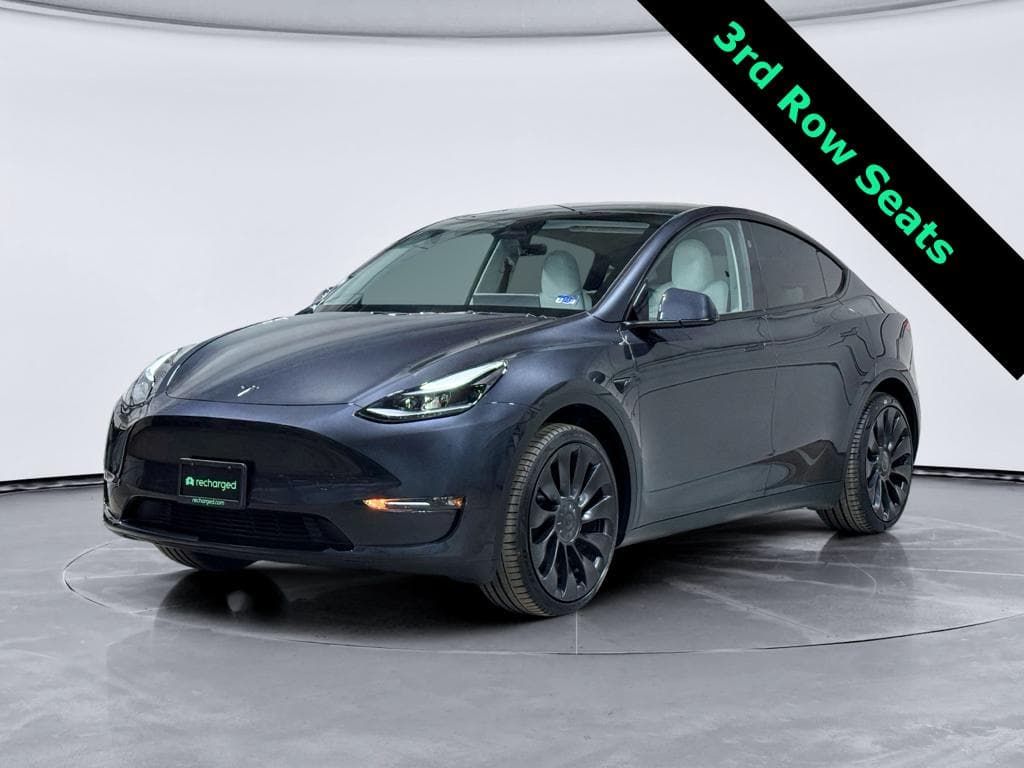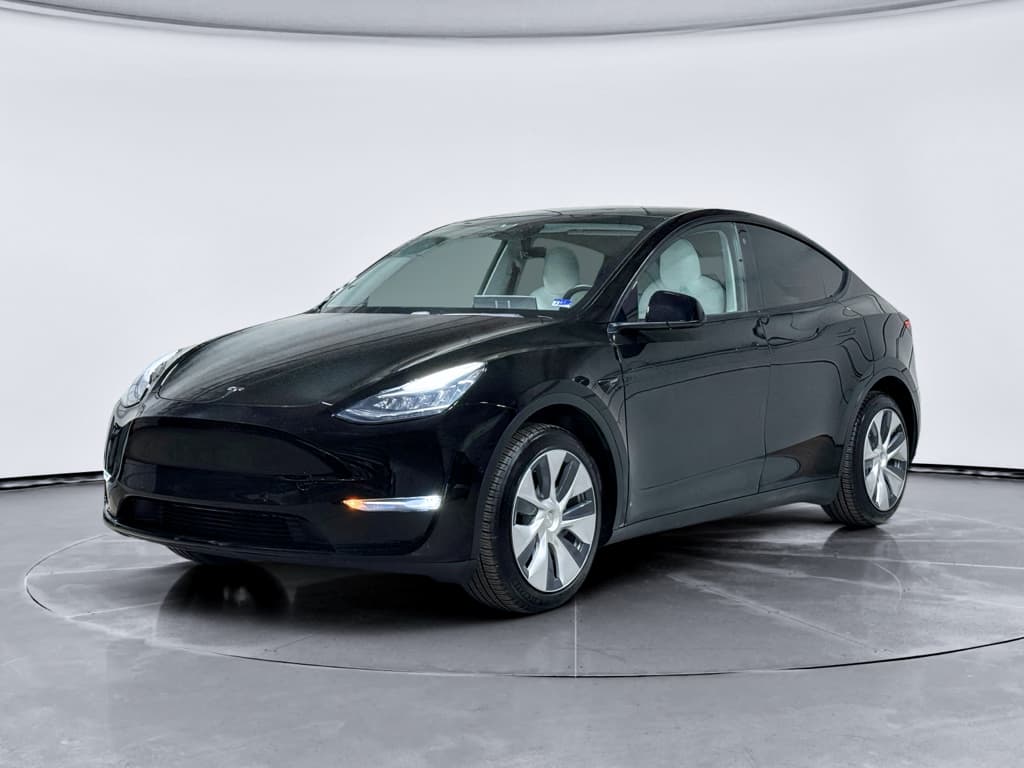
If you’re shopping used, you’ve probably already heard the rumors: “2022 Tesla Model Y problems” pulls up pages of complaints, recall notices, and horror‑story Reddit threads. The truth is more nuanced. The 2022 Model Y is quick, efficient, and wildly popular, but it also carries some recurring issues you should understand before you buy.
Context matters
Why focus on 2022 Tesla Model Y problems?
The Model Y is one of the best‑selling EVs on the planet, and 2022s are now prime used‑market inventory. They’re new enough to feel modern, old enough to be affordable, and often just leaving their basic warranty window. That’s exactly when hidden problems stop being Tesla’s problem and start being your problem.
At the same time, independent reliability data has started to catch up. Consumer surveys show below‑average reliability for the 2022 Model Y, and German TÜV inspection data recently put 2–3‑year‑old Model Ys at the bottom of the pack for defects discovered during mandatory safety inspections. None of this means “don’t buy one.” It means “go in with your eyes open and your inspection list ready.”
2022 Tesla Model Y reliability at a glance
Quick overview: Is the 2022 Model Y unreliable?
Short answer: it’s not a disaster, but it’s not a Toyota either. Think of the 2022 Model Y as a brilliant piece of consumer electronics wrapped around a decent but still‑maturing car platform. Most problems are annoying rather than catastrophic, squeaks, leaks, sensor failures, software oddities, yet they can be expensive and time‑consuming to chase down if you’re unlucky.
2022 Model Y strengths vs. weaknesses
What 2022 owners tend to love, and what they complain about
Where the 2022 Model Y shines
- Performance: Instant torque, quick 0–60 times, and sure‑footed AWD on most trims.
- Efficiency: Class‑leading range for the size, especially in mild weather.
- Charging access: Supercharger network remains a major advantage versus most rivals.
- Tech experience: Clean interior, responsive UI, constant software updates, rich app integration.
Where problems show up
- Suspension & steering: Noisy or failing front control arms, clunks, alignment issues.
- HVAC/heat pump: Loss of cabin heat or A/C, especially in very cold climates.
- Build quality: Panel misalignment, wind noise, tailgate and glass leaks, interior rattles.
- Software & ADAS: Glitchy screens, phantom braking, Autopilot/FSD confidence issues.
Used‑buyer reality check
Major mechanical issues: suspension and steering
If the 2022 Model Y has a mechanical “signature flaw,” it’s the front suspension and steering hardware. Owners commonly report creaks, squeaks, and clunks from the front end, typically traced to upper control arms or other suspension links. In more serious cases, there are reports of hardware or fasteners failing and causing a sudden change in alignment or control.
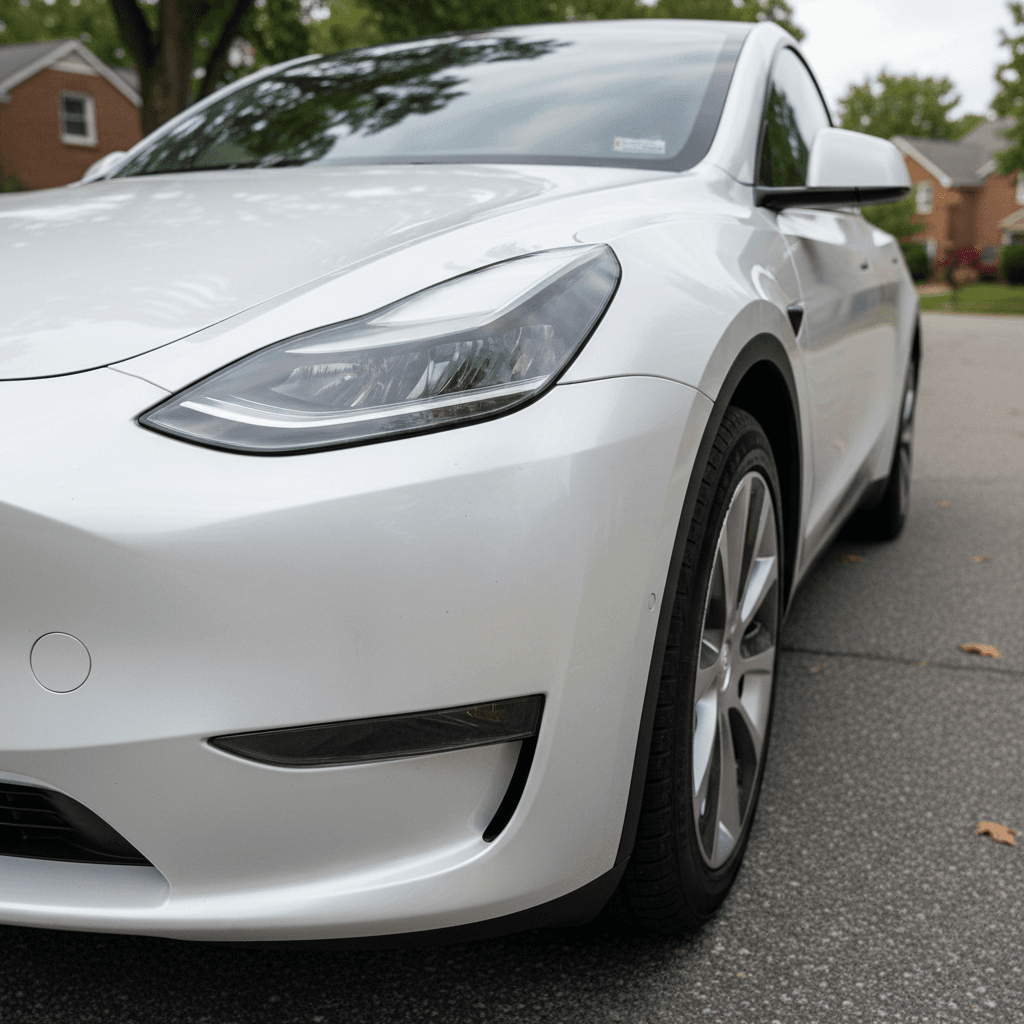
- Upper control arm squeak: A high‑pitched creaking over bumps or when turning the wheel at low speed. It’s often a sign of moisture intrusion into the ball joint, a known design weakness that aftermarket suppliers have already redesigned.
- Clunks or pops when turning: Can indicate play in ball joints, control arms, or steering links. Left alone, it can compromise steering precision and tire wear.
- Premature bushing wear: Harsh impacts, noise over small bumps, and vague steering feel are all common complaints from high‑mileage 2022s.
- Serious but rare failures: A handful of owners report control‑arm or link hardware loosening or failing outright, suddenly changing how the car tracks. That’s unacceptable in any car, much less one this new.
Do NOT ignore front‑end noises
Suspension & steering checks before you buy
1. Slow‑speed steering test
In a parking lot, turn the wheel from lock to lock at walking speed with the windows down. Listen for squeaks, pops, or groans from the front corners.
2. Bumpy‑road drive
Drive over speed bumps and rough pavement at neighborhood speeds. Note any rattles, clunks, or thumps that repeat consistently.
3. Straight‑line tracking
On a straight, level road, briefly loosen your grip on the wheel. If the car drifts strongly left or right, it may have alignment or underlying suspension issues.
4. Tire wear inspection
Uneven tire wear, especially inside‑edge wear on the front tires, can reveal suspension geometry or alignment problems even if the car feels fine.
5. Underbody inspection
If possible, put the car on a lift. Inspect control arms, ball joints, and bushings for torn boots, corrosion, or visible play.
Cold-weather heating and HVAC: heat pump troubles
Starting in 2021, Tesla moved the Model Y to a heat pump–based HVAC system. It’s efficient and good for range, but the early implementations have been temperamental. 2021–2022 Model 3 and Y vehicles in particular were hit with a recall and software update campaign after owners reported complete loss of cabin heat in very cold weather.
The core issue: under certain conditions, the electronic expansion valve and heat‑pump logic can get confused, shutting down the compressor. When that happens in a 2022 Model Y climbing a mountain at –20°C, you go from Nordic chic to meat locker in about ten minutes. Even after Tesla’s software fixes, scattered reports of heat‑pump failures and sensor problems continue to trickle in, especially from Nordic countries, Canada, and the northern U.S.
If you live where winter is real
How to test the 2022 Model Y’s HVAC before purchase
1. Full‑blast heat test
From a cold start, set the cabin to HI, fan medium‑high, and watch how quickly warm air arrives. It should start warming within a minute or two, not "sometime next week."
2. Full‑blast A/C test
On a warm day (or in a heated garage), set temperature to LO and max A/C. Check that outlet air gets cold quickly and stays cold without cycling off mysteriously.
3. Defrost performance
Activate front and rear defrost. Make sure air is blowing strongly at the windshield and rear glass, and that no warning messages appear.
4. Listen for compressor oddities
Under the frunk area, listen for the heat‑pump compressor. Rhythmic start‑stop cycling with accompanying error messages can indicate deeper issues.
5. Scan for HVAC‑related alerts
Ask the seller for screenshots of the Service menu or recent alerts. Codes referencing HVAC, compressor faults, or cabin heat unavailable deserve a closer look.
Build quality, water leaks, and rattles
Tesla’s great contradiction is that it builds cutting‑edge drivetrains and then sometimes forgets to install the car around them properly. The 2022 Model Y is better than the infamous early‑run cars, but it still suffers from inconsistent build quality.
- Panel gaps and alignment: Doors, hatch, and fenders that don’t quite line up are not just cosmetic. Poor alignment can lead to wind noise, seal wear, and water ingress over time.
- Wind noise: Many owners report whistle or roar from the frameless window seals at highway speed. Sometimes Tesla addresses this with revised seals or adjustments; sometimes you live with it.
- Water leaks: Reports include moisture in taillights, water in the trunk well, and rare but real cases of water finding its way into the cabin through the hatch or roof seams.
- Interior rattles: Over rough pavement, some 2022s sound more like a drawer of silverware than a $60,000 crossover, loose trim, seat rails, and hatch panels are usual suspects.
How picky should you be?
Software, Autopilot, and safety complaints
Every Tesla rolls off the line with a laptop’s soul and a lawyer’s nightmare onboard. For 2022 Model Ys, many owner complaints aren’t mechanical at all; they’re about software behavior, driver‑assist systems, and safety confidence.
Common 2022 Model Y software & ADAS complaints
Most are fixable, some are just part of the Tesla experience
Glitches & reboots
- Center screen freezing or rebooting mid‑drive.
- Bluetooth or phone key randomly not recognized.
- Backup camera feed going black for a few seconds.
Autopilot quirks
- "Phantom braking" when passing trucks or under bridges.
- Over‑confident lane changes in dense traffic.
- Lane‑keeping that hunts on poorly marked roads.
FSD controversy
- Ongoing federal investigations into how Full Self‑Driving behaves and is marketed.
- Owners divided between "amazing" and "terrifying" long‑distance FSD experiences.
The good news is that many software and ADAS issues are mitigated over time via over‑the‑air (OTA) updates. The bad news is you are, in effect, beta‑testing a constantly evolving driver‑assist stack. If you’re coming from a Honda CR‑V, Tesla’s lane‑keeping and adaptive cruise may feel brilliant one week and bizarre the next.
Test it the way you’ll drive it
Battery and charging: are they a problem on 2022s?
Here’s the pleasant surprise: for 2022 Model Ys, the high‑voltage battery and DC fast‑charging hardware are not the main villains. Tesla’s pack chemistry and thermal management are well developed by this point, and severe early‑life battery failures are comparatively rare.
- Most 2022 Model Ys show modest degradation, often in the 5–10% range by years 3–4, depending on climate, charging habits, and mileage.
- While there are isolated reports of pack or high‑voltage component failures, they are far less common than suspension or HVAC issues.
- Supercharging speeds can taper sooner on heavily used cars, but that’s usually a function of pack temperature and software limits rather than a literal “failing battery.”
Where Recharged digs deeper
Recalls: what you should check by VIN
The 2022 Tesla Model Y has racked up roughly 18 NHTSA recalls, an eye‑popping number at first glance. But most of them are software‑driven: they fix chimes, warning logic, or behaviors that don’t strictly require a physical repair.
Typical recall themes for 2022 Model Y
This is illustrative, not exhaustive, always run the exact VIN through the federal recall lookup tool.
| Recall type | What it affected | Typical fix |
|---|---|---|
| Seat belt & airbag logic | Warning chimes, indicator behavior, restraint deployment thresholds | Over‑the‑air software update |
| Autopilot / FSD behavior | How the car responds to certain traffic control devices | Over‑the‑air software update |
| HVAC / heat pump | Cabin heating performance in extreme cold | Software update and, in some cases, hardware inspection |
| Exterior trim / hardware | Potential loose trim or fasteners | Service visit, inspection, and part replacement if needed |
Many 2022 Model Y recalls are resolved via over‑the‑air updates, but a few require physical inspections or parts.
Always run a VIN recall check
Pre‑purchase checklist for a used 2022 Model Y
Most of the pain around 2022 Tesla Model Y problems can be avoided, or at least priced in, if you approach the car like an inspector, not a fan. Here’s a focused checklist you can take to a test drive or pre‑purchase inspection.
2022 Model Y used‑buyer checklist
1. Suspension & steering
Listen for squeaks, pops, or clunks from the front end at low speed and over bumps. Review any prior suspension work; repeated repairs in the same corner are a concern.
2. HVAC & heat pump
Test hot and cold thoroughly. Watch for unexplained loss of heat, weak defrost, or HVAC warning messages. If you live in a cold‑weather state, this is non‑negotiable.
3. Water leaks & seals
Inspect the trunk wells, under‑floor storage, and rear seat carpets for dampness or musty smells. Check around the hatch seal and rear lights for signs of past water ingress.
4. Panel alignment & glass
View the car in bright daylight. Look down the sides for uneven gaps, misaligned doors, or glass that sits proud of the body. Minor variation is normal; obvious misbuilds are not.
5. Software health
Confirm the car is on recent firmware and that the center screen is stable. Pair your phone, test Bluetooth, navigation, and cameras. Ask the owner about any recurring bugs.
6. ADAS behavior
On a safe road, test Autopilot and adaptive cruise. If the car exhibits severe phantom braking or erratic behavior, decide whether that’s something you’re willing to tolerate long‑term.
7. Battery & charging
Check current displayed range at 90–100% and compare against original spec. If possible, review charge logs or have a battery‑health assessment done before purchase.
8. Warranty & service history
Verify what’s left of the basic and battery/drivetrain warranties. Ask for Tesla service records (or app screenshots) showing past repairs and open recommendations.
What Recharged looks at differently
If all of this sounds like a lot of homework, that’s because it is. A 2022 Tesla Model Y is not a used Corolla; it’s a rolling software platform with a complex thermal system and premium‑car repair costs. That’s exactly why Recharged exists: to front‑load the inspection work and make battery‑electric ownership more transparent.
How Recharged de‑risks a used 2022 Model Y
What happens before a car ever reaches our marketplace
Deep mechanical inspection
Recharged Score battery health
Fair, transparent pricing
Ready to find your next EV?
Browse VehiclesFrom there, you can complete the entire purchase digitally, get help with EV‑friendly financing, value your trade‑in, and arrange nationwide delivery. And if you’re the careful type (you’re reading this article, so you probably are), you can reach an EV specialist to talk through whether a specific 2022 Model Y fits your range, climate, and budget needs.
FAQ: 2022 Tesla Model Y problems
Frequently asked questions about 2022 Model Y issues
Bottom line: should you buy a 2022 Tesla Model Y?
If you want the quick answer: yes, a 2022 Tesla Model Y can be an excellent used EV, if you’re selective. The drivetrain and charging ecosystem are first‑rate. The problems live mostly in the suspension hardware, HVAC complexity, and build‑quality roulette that Tesla was still playing in 2022.
Treat a 2022 Model Y less like a used appliance and more like a certified pre‑owned aircraft: you’re buying hours already flown, so you want records, diagnostics, and expert eyes on the hardware. Whether you do that through your own mechanic or lean on a curated marketplace like Recharged, the goal is the same, get the performance and efficiency without inheriting someone else’s headaches.
Do that well, and the “2022 Tesla Model Y problems” you read about online become exactly what they should be: cautionary tales that happened to other people.