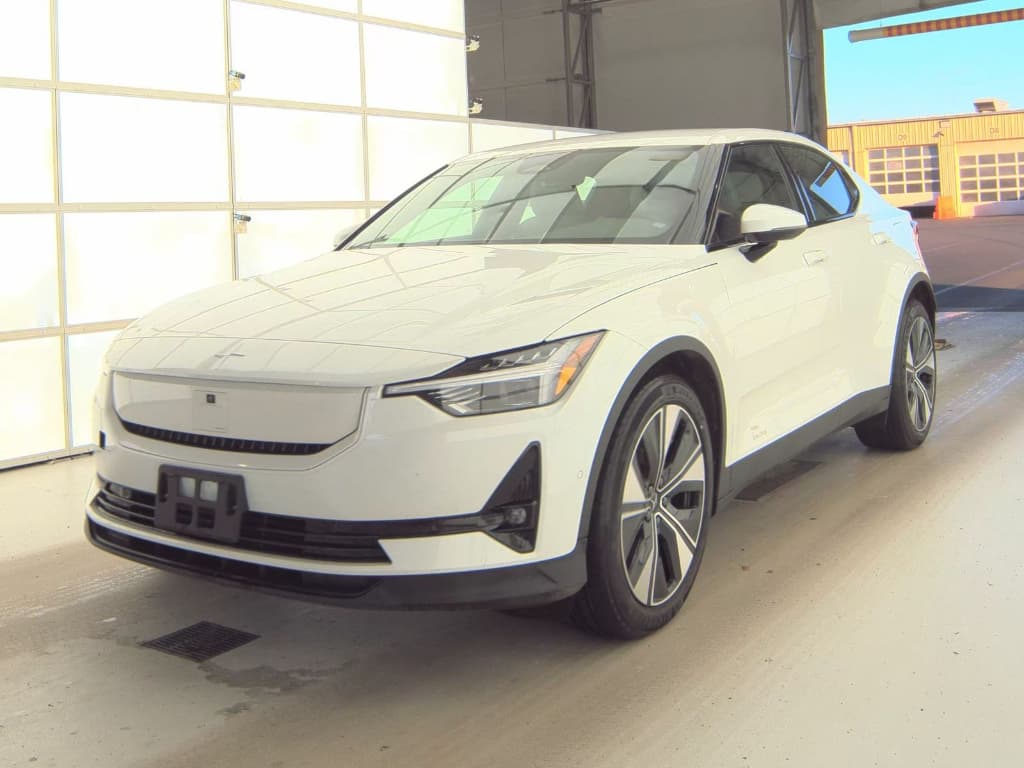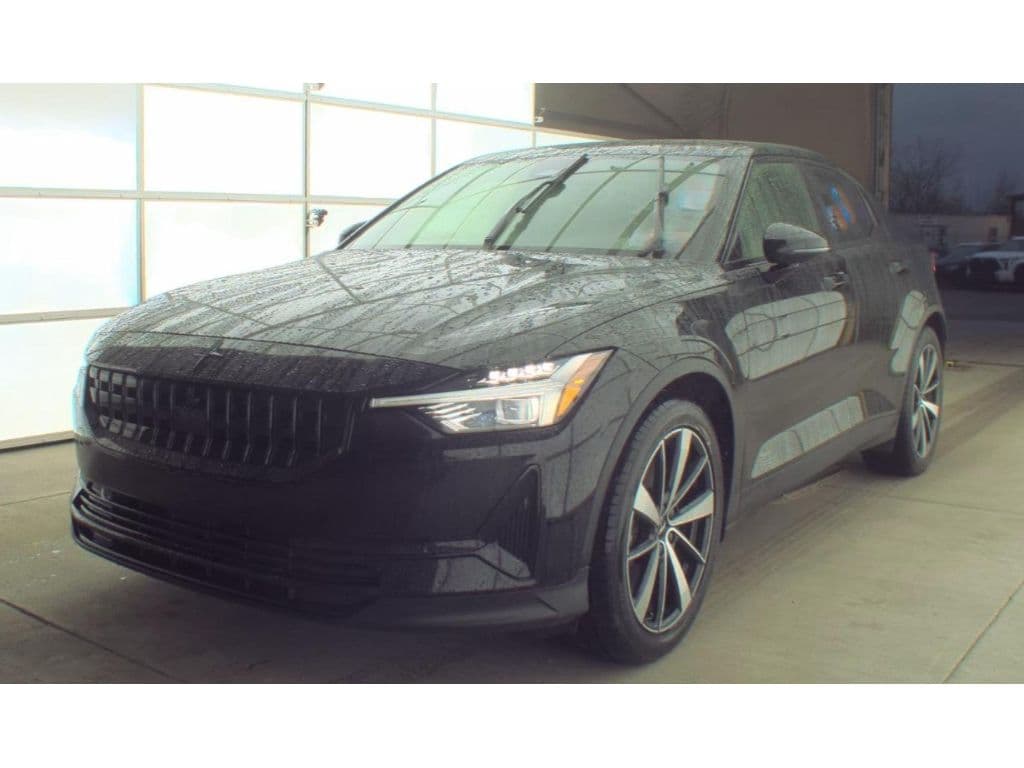
If you’ve shopped a Polestar 2, you’ve probably heard the same refrain: "Great car, brutal insurance." In 2026, many U.S. drivers are still seeing full‑coverage quotes well above mainstream gas sedans and crossovers. This guide breaks down realistic Polestar 2 insurance costs in 2026, why this EV is pricey to cover, and what you can actually do to push premiums back toward earth, especially if you’re considering a used Polestar 2 from a marketplace like Recharged.
Key takeaway for 2026
Polestar 2 insurance cost in 2026: quick overview
Polestar 2 insurance snapshot for 2026 (U.S.)
There is no single "official" Polestar 2 insurance number for 2026; every quote is built from your personal risk profile. But by triangulating insurer data, EV insurance studies, and many real‑world owner reports, a pattern emerges: insuring a Polestar 2 in the U.S. typically costs well above the national average full‑coverage premium, though the gap has begun to narrow as overall auto rates cooled slightly in 2025.
How much does Polestar 2 insurance cost in 2026?
Based on 2025–2026 insurer data and EV‑focused comparison studies, a realistic Polestar 2 insurance cost in 2026 for a U.S. driver with a clean record and good credit generally falls somewhere in this band:
Estimated Polestar 2 insurance costs in 2026 (U.S.)
These are directional ranges for full‑coverage policies on a financed Polestar 2, assuming average U.S. rates and no major tickets or accidents.
| Driver profile | Annual premium (est.) | Monthly (est.) | How it compares |
|---|---|---|---|
| Low‑risk, suburban, 30s–40s | $2,000–$2,400 | $165–$200 | Slightly above a typical gas crossover |
| Average risk, mixed urban/suburban | $2,400–$3,000 | $200–$250 | Common range owners report in 2025–2026 |
| Higher‑risk (younger, dense city, prior tickets) | $3,000–$4,200+ | $250–$350+ | Where many "insane" quotes show up online |
| Multi‑vehicle, strong discounts, lower‑value used P2 | $1,600–$2,000 | $135–$165 | Achievable for experienced drivers with clean records |
Your actual quote can be far outside these ranges depending on state, city, age, driving history, and coverage choices.
Why ranges, not a single number
Polestar‑specific data from major insurers and comparison sites often shows annual full‑coverage costs around, and sometimes above, $3,000 per year at certain carriers for the Polestar 2, putting it in line with some of the more expensive EVs to insure. At the same time, many owners report paying closer to $1,800–$2,200 when they bundle, shop around, or choose a lower‑value used example.
Why is Polestar 2 insurance often so expensive?
If you’ve gotten a shocking quote on a Polestar 2, you’re not alone. Several structural realities push Polestar 2 insurance cost above garden‑variety sedans and compact SUVs:
- Higher vehicle price and tech content. Even as used Polestar 2 prices have softened, you’re still insuring a modern luxury‑leaning EV with complex electronics, dual‑motor options, and advanced ADAS hardware.
- Repair complexity and limited body‑shop networks. EV‑specific parts, aluminum body structures, and calibration work for radars and cameras make repairs slower and pricier. Insurers price that into premiums.
- Battery replacement risk. While full battery replacements are rare, the potential claim size is large. That risk is built into the model’s loss history.
- Small but growing fleet. Compared with Toyota or Honda, insurers have less historical claims data on Polestar 2, which can make them conservative until the book of business matures.
- Higher average EV premiums overall. Across the market, many analyses show EVs costing noticeably more to insure than comparable gas vehicles as of 2025, due largely to repair costs and parts pricing.
Good news heading into 2026
9 factors that shape your Polestar 2 premium
What your insurer cares about most
Polestar 2 premiums are a blend of vehicle risk and personal risk.
1. Your driving record
2. Where you live and park
3. Annual mileage and use
4. Trim, battery and motor setup
5. Coverage levels and deductibles
6. Age and household profile
7. Credit‑based insurance score (in most states)
8. Local repair and parts costs
9. Telematics and driving‑behavior programs
Polestar 2 vs other EVs: how insurance compares
At a high level, the Polestar 2 sits in the same insurance neighborhood as other premium compact EVs. It’s typically cheaper to insure than high‑end performance EVs, but often more expensive than mainstream compact electric crossovers and hatchbacks.
How Polestar 2 insurance compares to other popular EVs (2026 est.)
Directional comparison of typical full‑coverage premiums for clean‑record drivers in average‑cost U.S. states.
| Model | Vehicle type | Typical annual premium band | Relative to Polestar 2 |
|---|---|---|---|
| Polestar 2 | Premium compact EV sedan/hatch | $2,400–$3,000+ | Baseline |
| Tesla Model 3 (non‑Performance) | Compact EV sedan | $2,300–$3,100 | Similar, sometimes slightly higher or lower depending on market and vandalism/theft trends |
| Hyundai Ioniq 5 | Design‑led EV crossover | $2,100–$2,700 | Often a bit cheaper than Polestar 2 |
| Chevrolet Equinox EV | Mainstream EV crossover | $1,800–$2,400 | Among the more affordable EVs to insure |
| Nissan Leaf (used) | Compact EV hatchback | $1,500–$2,100 | Typically cheaper than Polestar 2, reflecting lower vehicle values |
These are broad market estimates for 2026, not official quotes. Always compare real offers from multiple insurers.
How to use this comparison
New vs used Polestar 2 insurance: 2026 perspective
By 2026, there’s a healthy used Polestar 2 market, 2021–2024 cars with a wide range of mileage and options. From an insurance standpoint, that used inventory is a mixed bag: the cars are cheaper to replace than a brand‑new 2026 model, but many insurers still rate them using the same or similar symbols as new cars.
Insuring a new Polestar 2
- Higher MSRP means higher replacement cost if the car is totaled.
- Most lenders will require full coverage plus comprehensive and collision.
- Gap coverage is smart if you put little money down; it protects you if the car is totaled while you still owe more than it’s worth.
- New‑car discounts and advanced safety features sometimes counteract part of the higher value.
Insuring a used Polestar 2
- Lower market value can reduce comprehensive and collision portions of the premium over time.
- Some owners of older, lower‑value Polestar 2s choose higher deductibles or even drop comprehensive/collision once loan‑free.
- Repair complexity is similar, so insurers still see elevated claim severity relative to a basic gas car.
- Shopping multiple carriers matters even more, some are adjusting more quickly to lower used EV prices than others.
Where Recharged fits in
Ready to find your next EV?
Browse Vehicles11 ways to lower your Polestar 2 insurance cost
Actionable steps to cut your Polestar 2 premium
1. Shop at least 3–5 insurers
Different companies price the Polestar 2 very differently. Get quotes from national carriers and at least one strong regional company. Re‑shop every year or when your policy renews, EV pricing is evolving quickly.
2. Adjust deductibles strategically
If you have healthy emergency savings, explore moving comprehensive and collision deductibles from $500 to $1,000. On a higher‑value EV, that change can yield meaningful savings, but only if you’re comfortable covering a larger out‑of‑pocket cost after a claim.
3. Right‑size your coverage limits
Don’t under‑insure, but do revisit whether you’re paying for extras you don’t need. For example, if your Polestar 2 is financed through a lender that doesn’t require gap coverage and you’re not upside‑down on the loan, you might be able to drop a redundant gap policy.
4. Enroll in telematics or usage‑based programs
Many insurers now offer smartphone or plug‑in based programs that reward gentle braking, daytime driving, and limited mileage. On a Polestar 2 that starts with a high base rate, a 10–20% telematics discount can save hundreds per year.
5. Ask about EV‑specific and safety discounts
Some carriers offer modest discounts for vehicles with advanced safety tech, good crash‑test scores, or EV‑specific programs. It’s rarely huge on its own, but every stacked discount helps when you’re trying to tame a premium‑priced EV.
6. Bundle home or renters insurance
Bundling auto with home or renters insurance can knock 10–20% off your auto premium at many carriers. Because the Polestar 2 is expensive to insure, the absolute dollar savings from bundling can be significant.
7. Fine‑tune who’s listed as a driver
If you have a teen or high‑risk driver in the household, talk to your agent about whether they truly need to be rated as a primary driver on the Polestar 2 or if a lower‑value car can be assigned to them instead.
8. Improve your credit profile (where allowed)
In states where insurers can use credit‑based scores, moving from "fair" to "good" credit can do more for your premium than almost anything else. It won’t change overnight, but on a vehicle like the Polestar 2 the payoff over several years is large.
9. Choose wheels and tires with repair in mind
Huge, low‑profile wheels and performance tires look great but raise repair costs and claim severity, especially in pothole country. If you’re ordering or choosing a car, know that more modest wheel setups may be friendlier to your insurance line item.
10. Consider a slightly older, lower‑value Polestar 2
A 2–3‑year‑old example with a strong <strong>Recharged Score</strong> and clean history will generally be cheaper to insure over time than a brand‑new Performance car, even if list prices look similar today.
11. Keep mileage realistic and documented
If your Polestar 2 is not a high‑mileage commuter, make sure your insurer knows that. Under‑estimating mileage is a bad idea, but accurately reporting low usage and backing it up with odometer photos or telematics can justify lower risk rating.
When NOT to cut corners
Sample Polestar 2 insurance scenarios for 2026
To make all of this more concrete, here are simplified, hypothetical scenarios for insuring a Polestar 2 in 2026. These aren’t quotes, but they mirror patterns many owners report.
Illustrative Polestar 2 insurance scenarios (full coverage, 2026)
Assumes $500 comprehensive/collision deductibles, strong credit unless noted, and typical coverage limits.
| Scenario | Vehicle & driver | Location type | Est. annual premium |
|---|---|---|---|
| A. Used P2, experienced driver | 2022 Polestar 2 LR single motor, age 42, clean record | Suburban Midwest, garage parked | $1,800–$2,200 |
| B. New P2 Dual Motor, city | 2026 Polestar 2 dual motor, age 35, minor speeding ticket | Large coastal metro, street parking | $2,700–$3,400 |
| C. Young enthusiast | 2023 Polestar 2 dual motor Performance, age 25 | High‑cost state, dense urban area | $3,400–$4,200+ |
| D. Bundled, low‑mileage household | 2021 Polestar 2 plus one older crossover, age 50 couple | Smaller city, multi‑policy bundle, 7,000 mi/year | $1,600–$2,000 for the Polestar 2 |
These examples are directional only. Your situation may differ substantially.
Where insurance fits into Polestar 2 total cost of ownership
Insurance is just one line item in owning a Polestar 2, but it’s one that surprises a lot of new EV drivers. When you zoom out, the picture gets more nuanced: while premiums are often high, EVs can compensate with lower fueling costs, fewer routine maintenance items, and, on used examples, relatively attractive purchase prices compared with new EVs.

Costs where the Polestar 2 can sting
- Above‑average insurance premiums in many markets, especially for younger drivers.
- Potentially high repair bills for collision damage or vandalism, even for moderate‑looking impacts.
- Higher financing costs if you stretch loan terms on a new, heavily optioned model.
Where EV ownership pays you back
- Lower "fuel" costs per mile versus gasoline, particularly with off‑peak home charging.
- Fewer routine maintenance items: no oil changes, fewer fluids, and less brake wear thanks to regeneration.
- On the used market, softer Polestar 2 resale values can mean attractive purchase prices relative to the tech and performance you’re getting.
Run the full math, not just the premium
FAQs: Polestar 2 insurance cost in 2026
Frequently asked questions about Polestar 2 insurance
Bottom line: is Polestar 2 insurance worth it in 2026?
The Polestar 2 delivers a genuinely distinctive EV experience, Scandinavian design, strong performance, and a tech‑forward feel, at used prices that undercut many newer competitors. The tradeoff, at least in 2026, is that insurance costs can be uncomfortably high, especially for younger or urban drivers. But those premiums aren’t fixed; they’re levers you can pull with smart shopping, careful coverage choices, and the right ownership strategy.
If you’re serious about a Polestar 2, fold insurance into the decision early. Get quotes on multiple trims and model years, compare them with alternatives like the Ioniq 5 or Model 3, and look at total monthly cost, including payment, insurance, and charging, not just the sticker. And if you’re leaning toward a used Polestar 2, working with a marketplace like Recharged gives you the battery‑health transparency and pricing clarity you need to choose a car that fits both your driving style and your insurance budget.