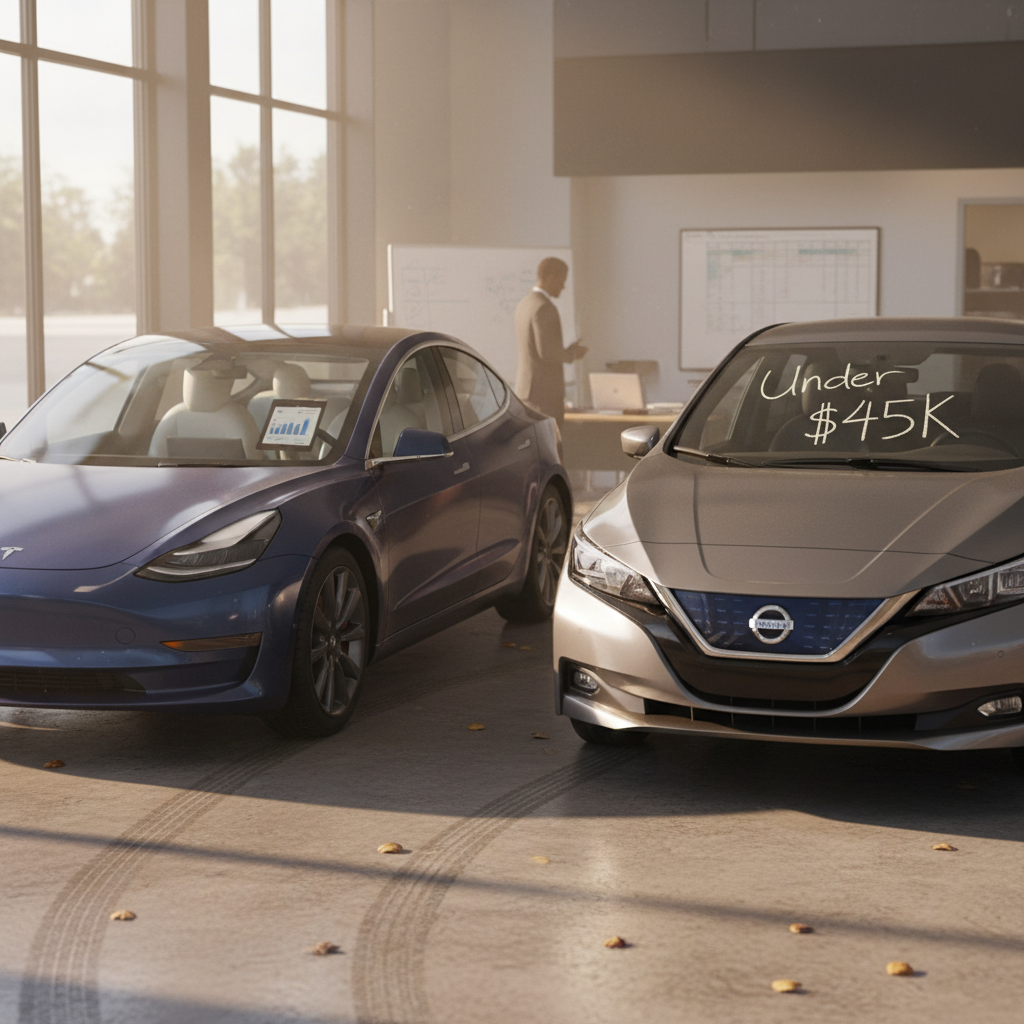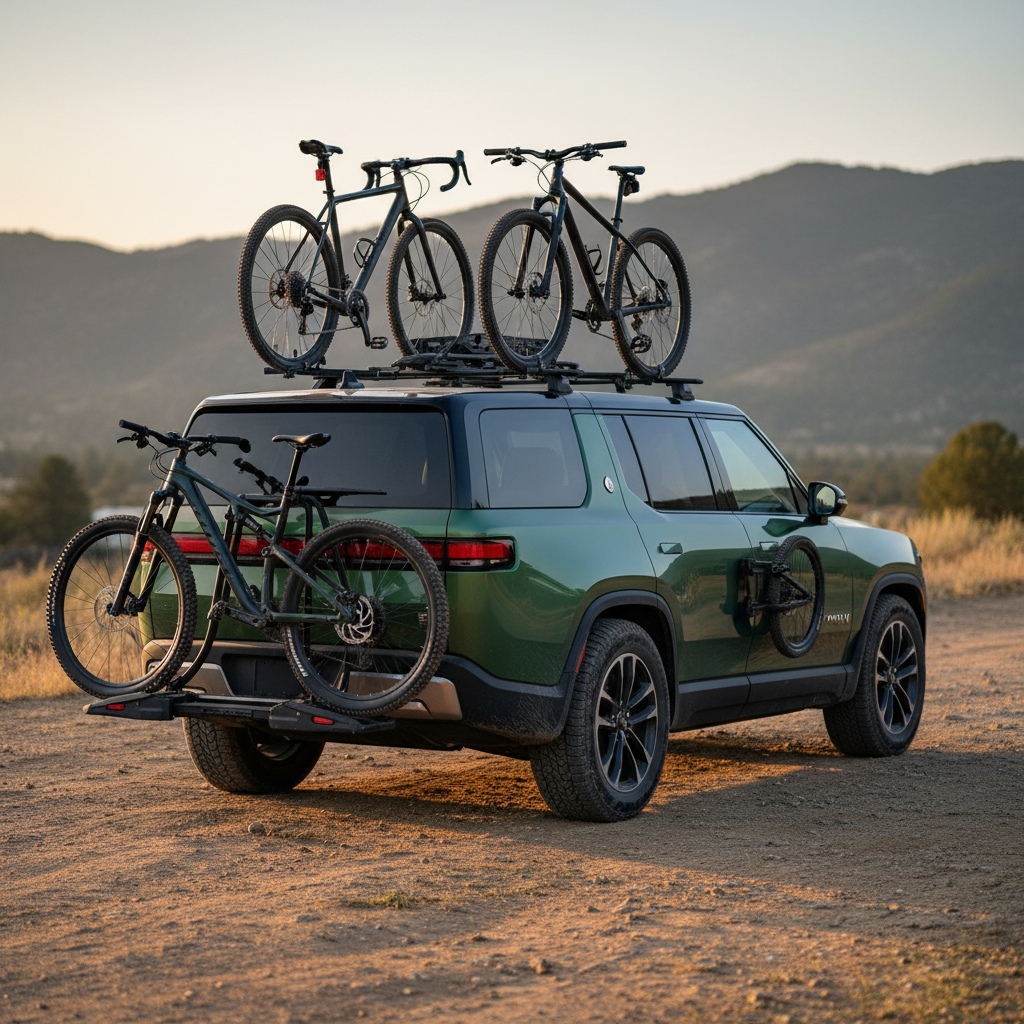
If you’re trying to figure out a fair price for a used Tesla Model Y in 2025, you’re not alone. Prices have swung up and down over the last few years as Tesla cut new-car prices, flooded the market with trade‑ins, and then saw used values firm up again. The good news: with the right benchmarks, you can tell in minutes whether an asking price is realistic or wishful thinking.
Key takeaway for 2025
Why Model Y prices are tricky in 2025
Used Tesla pricing isn’t behaving like a typical compact SUV. Over the last few years, Tesla’s frequent new‑car price changes and generous inventory discounts have pushed used values around. In 2024 and early 2025, average used Model Y prices slipped below the broader used‑car market, creating a buyer’s market. Then, as federal incentives shifted and new‑EV demand cooled, used Teslas started to firm up again and even tick upward in some reports.
Used Tesla Model Y market snapshot (early 2025)
This volatility is exactly why you should look at today’s real‑world transaction ranges, not just what the seller “has into it” or what a friend paid three years ago. In 2025, current market data and battery health matter more than historical stories.
Typical used Tesla Model Y price ranges in 2025
Every car is unique, but you need a ballpark before you start shopping. Here are typical retail asking ranges in early 2025 for clean‑title Model Ys at dealers and online marketplaces in the U.S. (private‑party sales often run a bit lower).
Typical 2025 used Tesla Model Y asking ranges (U.S.)
Approximate retail asking prices for well‑equipped, clean‑title Model Ys. Actual fair pricing for your situation should adjust for trim, local market, mileage, and battery health.
| Model year | Typical miles | Common trims on market | Typical asking range (fair‑condition retail) |
|---|---|---|---|
| 2020 | 45,000–70,000 | Long Range AWD, Performance | $24,000–$30,000 |
| 2021 | 35,000–60,000 | Long Range AWD, Performance | $26,000–$32,000 |
| 2022 | 25,000–50,000 | Long Range AWD, Performance | $28,000–$34,000 |
| 2023 | 15,000–40,000 | Long Range AWD, Performance | $30,000–$36,000 |
| 2024 | 5,000–25,000 | Long Range AWD, Performance | $32,000–$38,000 |
| 2025 | Under 15,000 | Long Range RWD/AWD, Performance | $35,000–$42,000 |
Use these as starting points, not absolute rules. Many individual cars will sit above or below these ranges for good reason.
Why these are ranges, not rules
Fair price by model year and trim
To decide whether a specific asking price is fair, you need to adjust for model year, trim, and equipment. Here’s how to think about it in practical terms.
How trims affect a fair used Model Y price
Long Range vs. Performance vs. early Rear‑Wheel Drive
Long Range
The volume seller. In 2025, a fair premium of $1,500–$3,000 over a comparable RWD car is reasonable for the extra range and all‑wheel‑drive capability, especially in snow‑belt states.
Performance
Quicker, sportier wheels/tires, slightly less range. A fair Performance premium is typically $2,000–$4,000 over a similar‑year Long Range, assuming tire wear and curb‑rash are under control.
Earlier RWD / Standard Range
Less power and range but often cheaper to run. In 2025, a fair discount of $1,500–$3,000 vs. a similar Long Range is typical, more if range is a concern in your climate or driving pattern.
Be wary of sellers who price a base or rear‑wheel‑drive Model Y like a loaded Performance car. When you compare listings, match year, trim, drive type, and options list before drawing pricing conclusions.
Rule‑of‑thumb fair price targets by year & trim
Assuming clean history, average mileage for age, and healthy battery. Subtract for accidents, very high miles, or weak battery; add for unusually low miles or remaining extended warranty.
| Year | Trim example | "Fair" target zone (retail, early 2025) | Red flag zone (buyer caution) |
|---|---|---|---|
| 2020 | Long Range AWD | $25k–$29k | Over $31k without strong justification |
| 2021 | Long Range AWD | $27k–$31k | Over $33k without strong justification |
| 2022 | Performance AWD | $30k–$35k | Over $37k unless ultra‑low miles |
| 2023 | Long Range AWD | $31k–$36k | Under $29k (why so cheap?) or over $38k |
| 2024 | Performance AWD | $34k–$39k | Under $32k (investigate) or over $41k |
| 2025 | Long Range AWD | $36k–$40k | Under $34k (check title/battery) or over $42k |
Use these targets to judge whether an asking price is fair, optimistic, or a bargain.
Use multiple price tools, not just one
How mileage and condition change a fair price
Two Model Ys of the same year and trim can be thousands of dollars apart in fair value depending on how they’ve been driven and cared for. EVs have fewer moving parts than gas SUVs, but condition still matters.
Mileage adjustments
- Below 10,000 miles per year: It’s fair for a seller to ask a $1,000–$2,000 premium versus an average‑miles example.
- 15,000–20,000+ miles per year: Expect a $1,500–$3,000 discount versus typical‑mileage cars, depending on age.
- Very high mileage (80k+): Look for aggressive pricing. You’re assuming more wear on suspension, interior, and tires.
Condition adjustments
- Accident history: Moderate structural damage or airbag deployment can fairly knock $2,000–$5,000+ off value.
- Cosmetic issues: Wheel rash and paint scuffs should translate into hundreds, not thousands, in discounts, unless they’re severe.
- Service records: A clear service history, updated tires, and fresh brakes justify being closer to the top of the fair‑price range.
Don’t ignore unseen costs
Battery health: the hidden price driver
With any used EV, the single most important and least understood factor in fair pricing is battery health. Two Model Ys that look identical on paper can have very different remaining range, and that should absolutely move the price.

- Most Model Y packs lose roughly 5–10% of capacity in the first 50,000 miles, then typically degrade more slowly.
- Tesla’s 8‑year/100,000–120,000‑mile battery warranty (depending on variant) covers major failures, not everyday range loss.
- A car that still charges close to its original rated range is worth more than one that’s quietly lost 15–20% capacity.
That’s why Recharged includes a Recharged Score battery health report with every vehicle. Instead of guessing from the dash estimate or an app screenshot, you see verified pack health, fast‑charge history, and usage patterns. If one car has meaningfully better battery health than another, it’s rational to pay a premium for it, and unreasonable for a rough‑battery car to be priced at the top of the market.
Battery‑health checks before you call the price fair
1. Compare displayed range at 100%
Have the seller share the rated range at or near 100% charge and compare it to the car’s original EPA range. A modest drop is normal; a huge gap needs an explanation.
2. Ask about DC fast‑charge history
Frequent fast charging isn’t necessarily a deal‑breaker, but heavy DC use plus high miles should translate into a lower fair price.
3. Review a third‑party or Recharged Score report
Whenever possible, rely on an independent diagnostics report instead of a verbal assurance. At Recharged, that’s built into every listing.
4. Confirm warranty coverage window
Check the in‑service date and odometer. A Model Y with several years of battery warranty left fairly commands a higher price than one that’s nearly out of coverage.
Options, warranty and Autopilot: how much extra is fair?
Tesla simplifies specs, but there are still meaningful price differences based on wheels, interior, paint, tow hitch, and software options like Enhanced Autopilot or Full Self‑Driving (FSD). The question is how much they’re really worth to you on the used market in 2025.
What common Model Y options are worth on the used market
Approximate fair‑value premiums when comparing similar cars
Premium paint & wheels
Special colors and larger wheels look sharp but don’t hold their full new‑car price. A fair premium is usually $500–$1,000 versus a basic‑spec car, if condition is excellent.
White interior
Highly desirable to some buyers, neutral to others. In strong EV markets, it can justify $500–$1,000 more than a black‑interior twin.
EAP / FSD software
These are polarizing. In practice, used‑market buyers rarely pay anywhere near Tesla’s new‑software prices. Many shoppers treat EAP/FSD as worth $1,000–$3,000 on a used car, not $10k+.
Extended coverage can justify a premium
How to check if a used Model Y is fairly priced
Here’s a simple, repeatable process you can use on every listing, whether you’re shopping on a generic classifieds site or a specialized used‑EV marketplace like Recharged.
6‑step fair‑price checklist for any used Model Y
1. Start with year, trim, and drivetrain
Confirm whether you’re looking at a Long Range, Performance, or earlier RWD variant. Use the tables above to find the right ballpark for that combo.
2. Adjust for mileage
Compare the odometer to the typical‑miles range for its year. Add or subtract a couple of thousand dollars in your mental target based on whether it’s low‑, average‑, or high‑miles.
3. Pull valuation benchmarks
Check at least one pricing guide and a few live listings of similar cars in your region. Aim for where those numbers overlap instead of fixating on the single lowest ad you can find.
4. Factor in battery health and history
Review battery‑health data, charge habits, and any high‑voltage repairs. If you’re buying through Recharged, use the Recharged Score to see how this car stacks up against peers.
5. Evaluate options and cosmetic condition
Add modest value for options that matter to you, then subtract for curbed wheels, chipped paint, worn seats, or cheap tires. Translate repairs into dollars, not just annoyance.
6. Compare total cost, not just sticker
Include taxes, fees, shipping, and any immediate maintenance in your mental math. A slightly higher asking price from a transparent, EV‑specialist retailer can be the better fair deal overall.
Negotiation strategies that work in 2025
In a shifting market, the smartest buyers don’t just chase the lowest price, they negotiate from data. Here’s how to use 2025’s conditions to your advantage without turning the process into a battle.
Use the market, not emotion
- Bring a short list of comparable listings in the same radius, year, trim, and mileage.
- Show where their asking price sits vs. your fair‑price target and politely explain your offer.
- Remember that in 2025, used Tesla values have been under pressure, sellers know this, even if they don’t open with it.
Negotiate based on specifics
- Price in upcoming expenses like tires, brakes, or windshield chips and use those as concrete adjustment points.
- If battery health is borderline or warranty is nearly over, that’s a legitimate reason to seek a lower price.
- Be willing to walk. There are a lot of Model Ys on the market; your leverage comes from having alternatives.
Be firm, not combative
When buying from a marketplace like Recharged makes sense
You can absolutely find a fair deal on a used Model Y in a private sale, but you’ll do more of the homework yourself. A specialist marketplace like Recharged is designed to handle the hardest parts of used‑EV shopping for you.
How Recharged helps you land a fair‑priced Model Y
Designed from the ground up around used EV ownership
Verified battery health
Every vehicle comes with a Recharged Score Report that includes third‑party battery diagnostics, so you’re not guessing at pack health or future range.
Transparent, market‑based pricing
Recharged pricing is anchored to live used‑EV market data, depreciation curves, and condition, so what you see reflects fair market value, not just a seller’s wish list.
Financing & nationwide delivery
On top of fair pricing, you can arrange EV‑friendly financing, trade‑in your current vehicle, and have your Model Y delivered nationwide, or visit the Richmond, VA Experience Center.
Ready to find your next EV?
Browse VehiclesIf you’re wary of overpaying for a car with an undisclosed issue, or you just don’t want to become an EV pricing analyst overnight, shopping a curated inventory with verified battery health and clear pricing can be worth more than squeezing the last few hundred dollars out of a private deal.
FAQ: Used Tesla Model Y fair pricing in 2025
Frequently asked questions
The bottom line: in 2025, there is a fair price for every used Tesla Model Y, it just isn’t the same number for every car. When you ground your search in today’s market data, adjust for year, trim, mileage, and verified battery health, and compare your options with a clear head, you can land a Model Y that fits both your budget and your expectations. And if you’d rather have experts do the heavy lifting on pricing and battery diagnostics, a curated used‑EV marketplace like Recharged can make getting a fair deal a lot more straightforward.