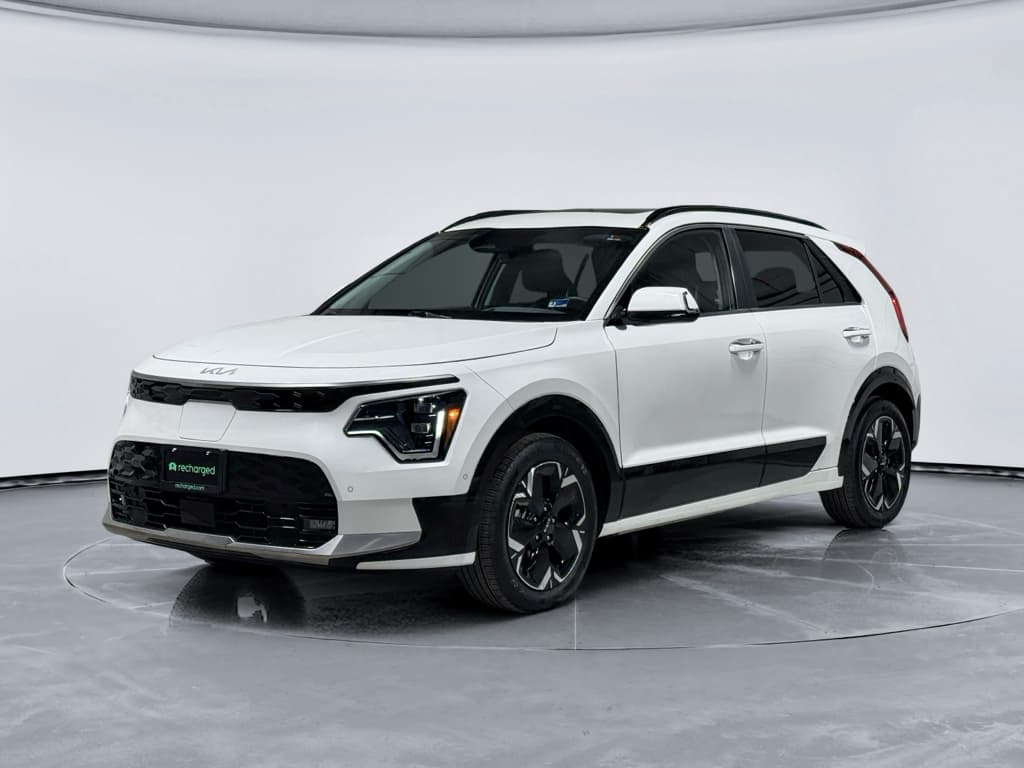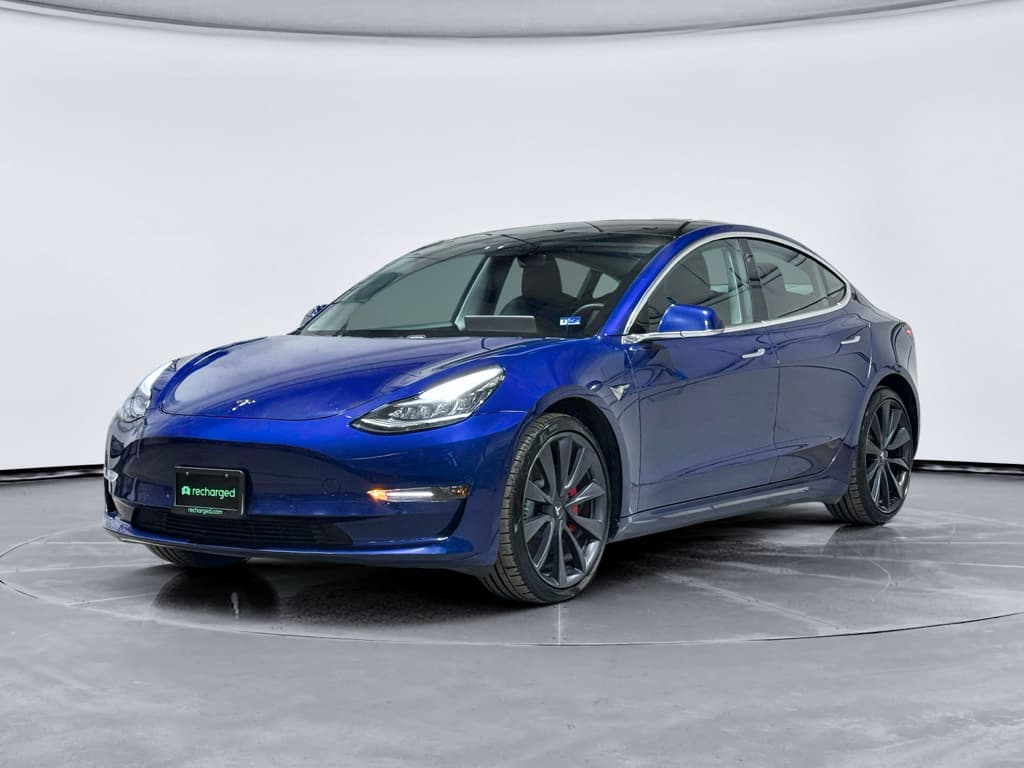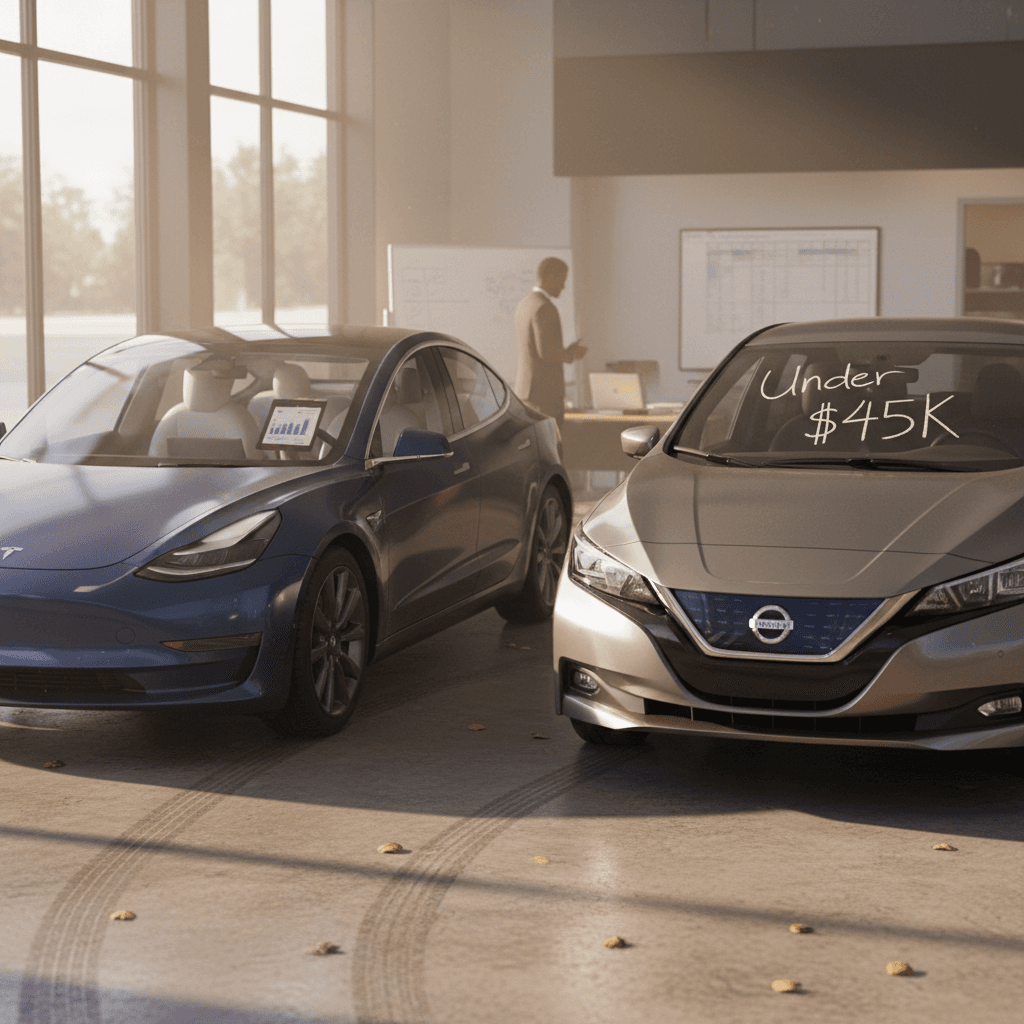
If your budget tops out around $45,000, you’re in a very strong position in today’s used EV market. Used electric car prices fell sharply from 2022–2024 and stabilized into 2025–2026, which means $45K can now buy everything from a low-mileage Tesla Model 3 or Y to a well‑equipped Ioniq 5, EV6, Mustang Mach‑E, or Kia Niro EV. In this guide, we’ll cut through the noise and show you the best used electric cars under $45K, how to evaluate battery health, and how to avoid overpaying.
Context: Used EV Prices Today
Why $45,000 Is a Sweet Spot for Used EVs
On the new‑car side, $45,000 is still close to the average new EV transaction price in the U.S., which means many shoppers feel squeezed. On the used side, it’s a different story. By late 2024, the average used EV listing price had dropped into the mid‑$30,000s, and many compact crossovers and sedans are now comfortably below $30K. That makes $45K a ceiling rather than a target, you rarely need to spend all of it to get a great used electric car.
Used EV Market Snapshot (U.S.)
Don’t Anchor on the Cap
Quick Look: Best Used Electric Cars Under $45K
There is no single “best” used electric car under $45K, because the right answer depends on range needs, body style, and how much you care about performance versus efficiency. But some models consistently rise to the top when you blend price, range, reliability data, and owner satisfaction.
Top Used EV Picks Under $45K (Typical U.S. Prices in 2026)
Representative price bands assume clean titles and typical mileage; exact pricing varies by region, trim, and condition.
| Model (Years) | Type | Typical Used Price* | EPA Range New (mi) | Best For |
|---|---|---|---|---|
| Tesla Model 3 (2018–2023) | Sedan | $22,000–$38,000 | ~220–358 | Efficiency, charging access, daily commuting |
| Tesla Model Y (2020–2023) | Compact SUV | $30,000–$45,000 | ~244–330 | Family use, cargo space, road trips |
| Chevrolet Bolt EV/EUV (2017–2023) | Compact hatch/SUV-ish | $14,000–$26,000 | ~238–259 | Lowest cost of entry, city driving |
| Kia Niro EV (2019–2023) | Compact SUV | $18,000–$30,000 | ~210–253 | Practical, efficient crossover on a budget |
| Hyundai Kona Electric (2019–2023) | Compact SUV | $18,000–$28,000 | ~258 | Long range in a small package |
| Hyundai Ioniq 5 (2022–2024) | Compact SUV | $32,000–$45,000 | ~220–303 | High‑speed DC charging, family road trips |
| Kia EV6 (2022–2024) | Sporty crossover | $32,000–$45,000 | ~232–310 | Style, performance, ultra‑fast charging |
| Ford Mustang Mach‑E (2021–2023) | Sporty crossover | $28,000–$42,000 | ~230–312 | Fun to drive, familiar Ford dealer network |
| Volkswagen ID.4 (2021–2023) | Compact SUV | $25,000–$38,000 | ~209–275 | Comfortable, spacious family hauler |
All of these models are widely available under $45,000 on the U.S. used market as of 2026.
About Prices in This Guide
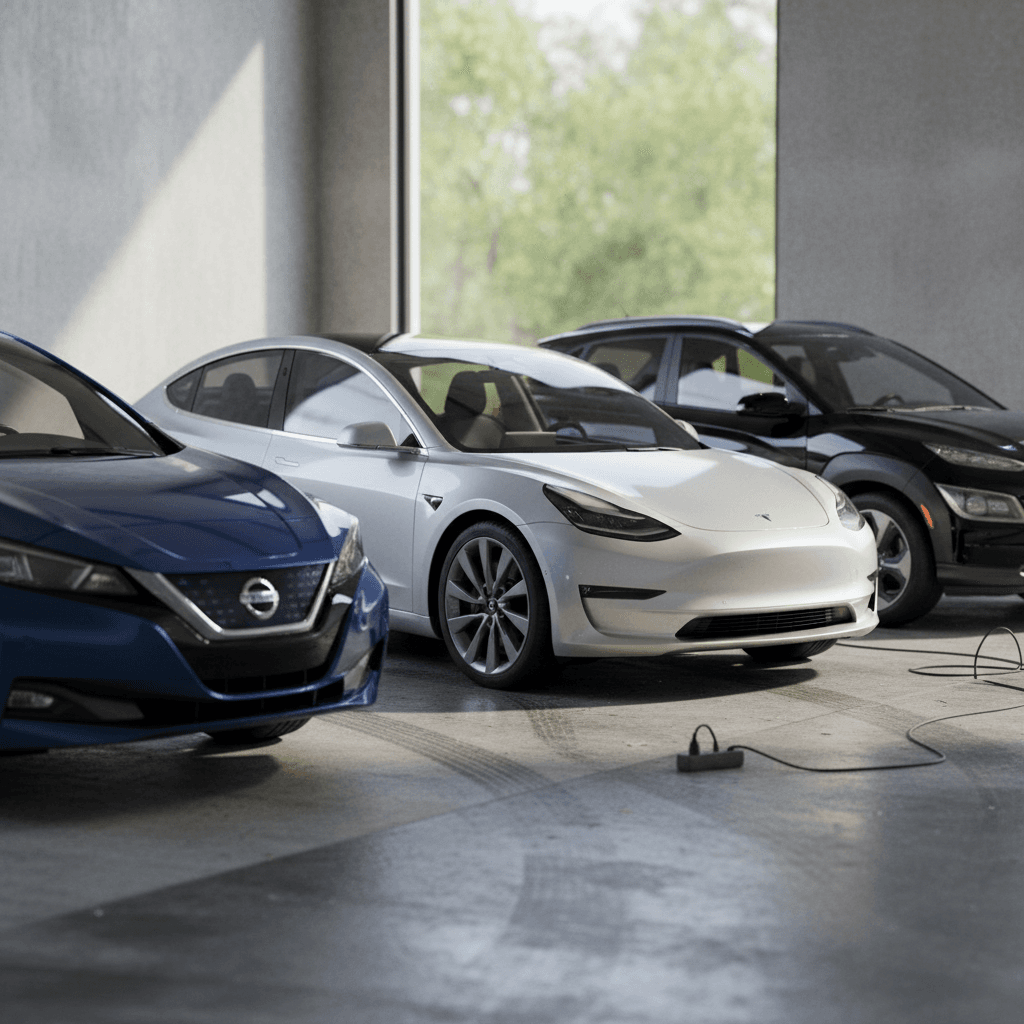
Price Bands: What $45K Buys You in 2026
Common Used EV Budget Bands Under $45K
Where the sweet spots are, and what you give up or gain as you move up the ladder.
Under $25K
Who it fits: Budget‑conscious buyers, city commuters, second cars.
- Older Tesla Model 3 SR+, Chevy Bolt EV/EUV, early Kia Niro EV, Hyundai Kona Electric.
- Typically 2017–2021 model years with moderate mileage.
- Range generally 200–260 miles when new; some still under battery warranty.
$25K–$35K
Who it fits: Most used EV shoppers.
- Newer Model 3 and Model Y, fresher Bolts, Kona, Niro, Volkswagen ID.4, base Mach‑E.
- Often 2020–2023 cars; better driver‑assist and infotainment.
- Great balance of price, range, and warranty coverage.
$35K–$45K
Who it fits: Shoppers who want latest tech and fast charging.
- Well‑optioned Model Y, Ioniq 5, EV6, higher‑trim Mach‑E, luxury‑leaning trims.
- Lower mileage, often 1–3 years old.
- Best for families and frequent highway road‑trippers.
Where the Value Peaks
How to Choose the Right Used EV for You
Once you know your budget, the real work begins: matching body style, range, charging speed, and long‑term costs to how you’ll actually use the car. The best used electric car under $45K for a one‑car household in the suburbs is not the same as the best choice for an urban family with street parking.
1. Start With Your Daily Use
List your typical weekday miles, your worst‑case winter commute, and how often you genuinely take long highway trips. A 240‑mile Kona Electric or Model 3 can be overkill for a 15‑mile daily commute but might feel tight if you regularly do 180‑mile winter days without easy charging.
- If you rarely exceed 80–100 miles in a day, almost any modern EV will work.
- If you often exceed 150 miles, prioritize 250+ mile EPA range when new.
- Think in usable winter range, not brochure numbers.
2. Be Honest About Charging Access
Home Level 2 charging (a 240V outlet or wallbox) is the single biggest quality‑of‑life upgrade for EV ownership. If you can’t install it, you’ll lean more on public DC fast charging and should prioritize models with good charging curves and reliable networks.
- Home charging available? Focus on efficiency and comfort.
- Apartment or street parking? Favor fast DC charging (Ioniq 5, EV6, Mach‑E) and plug‑and‑charge convenience where possible.
- Check local charging coverage before committing to an EV with a smaller battery.
Match These Factors Before Picking a Model
Define your must‑have body style
Decide if you truly need <strong>SUV‑like cargo and ride height</strong> (Model Y, ID.4, Mach‑E, Ioniq 5, EV6, Niro, Kona) or if a sedan/hatch (Model 3, Bolt) will do. Crossovers cost more for the same battery and tech.
Set a minimum comfortable range
Take your longest regular round‑trip, add a 25–40% buffer for winter and detours, and use that as your <strong>minimum usable range</strong>. Then look for models whose original EPA rating clears that bar even after some battery degradation.
Consider warranty coverage
Many EVs carry <strong>8‑year/100K‑mile battery warranties</strong>. A three‑year‑old used EV can still have 5+ years of battery coverage left, which greatly reduces downside risk.
Plan for resale
Mainstream, in‑demand models (Model 3/Y, Ioniq 5, EV6, Niro, Kona) tend to have <strong>deeper buyer pools</strong>, which helps resale value, even as overall EV prices adjust.
Where Recharged Fits In
Battery Health: What Really Matters
Battery condition is the single biggest variable in the value of a used electric car. Two identical‑looking cars can differ by tens of miles of usable range, depending on how they were charged, stored, and driven. Price alone will not tell you this story.
Battery Health Basics for Used EVs
Focus on these three things instead of obsessing over one magic percentage.
Degradation vs. failure
EV batteries usually lose capacity gradually, not fail overnight. A 10%–15% loss after several years is normal for many chemistries. What you want to avoid is an outlier car with unusually high degradation or evidence of cell/module problems.
Climate & charging history
Frequent fast charging in hot climates accelerates wear. A car that lived in a mild climate and spent most of its life on home Level 2 charging is generally a safer bet than a similar‑mileage car that fast‑charged daily in Phoenix.
Diagnostics over guesses
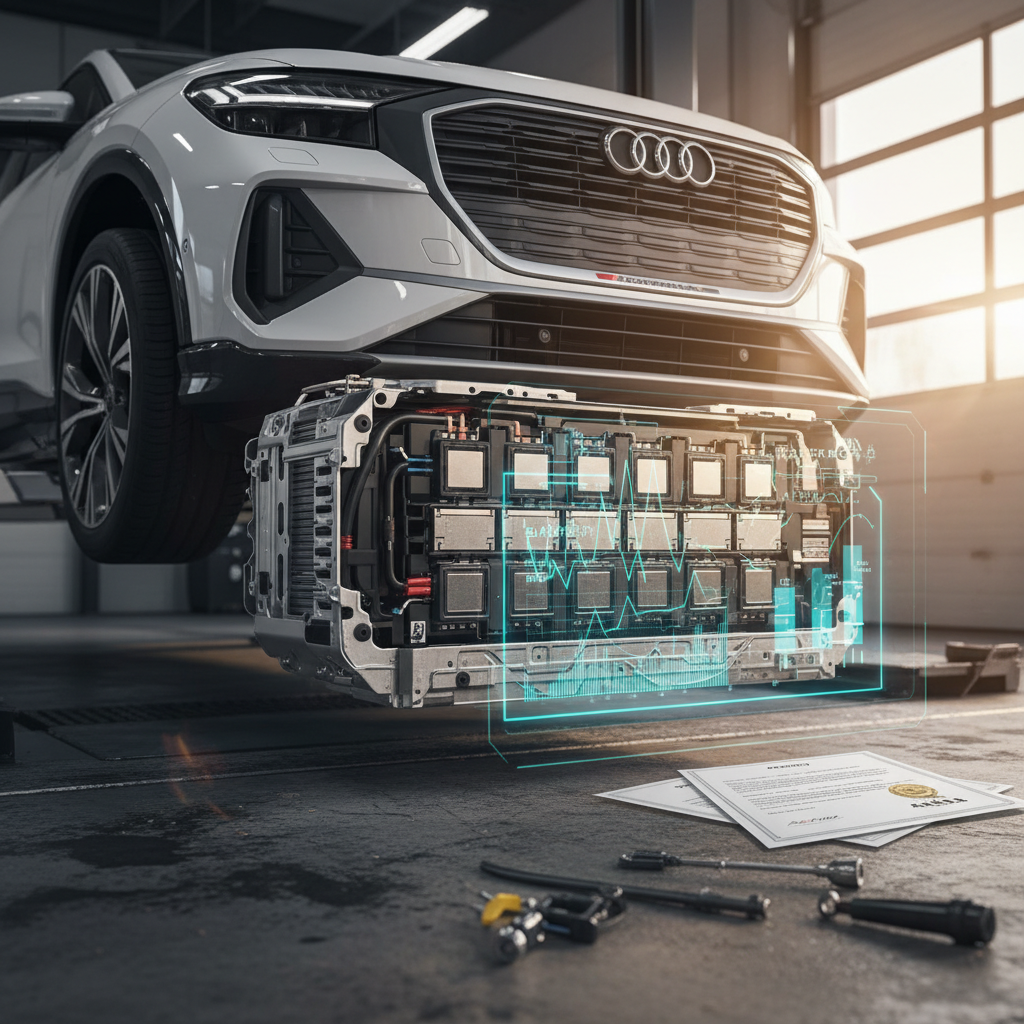
Dash readouts and seller claims are not enough. Proper battery health checks use scan tools and pack‑level data to estimate remaining capacity and spot unusual cell imbalance.
Don’t Skip a Battery Health Report
Charging, Range, and Daily Usable Distance
Shoppers often focus on headline EPA range, but what matters is how far the car will comfortably go in your real‑world conditions with your charging options. A car that can add 30–40 miles per hour of home charging and 150+ kW on road‑trip chargers will feel very different from an older, slower‑charging model.
Tesla Model 3 / Y
- Home charging: ~30–44 miles of range per hour on a 48A Tesla Wall Connector.
- Road trips: Access to the Supercharger network, increasingly open to non‑Teslas as NACS becomes standard.
- Best for: Frequent highway travelers who value reliable, simple fast charging.
Ioniq 5 / EV6
- DC speed: Among the fastest on the market, with peaks around 230–240 kW when conditions are right.
- 0–80%: Often in the 18–20 minute range at a strong charger.
- Best for: Apartment dwellers or road‑trippers who rely on non‑Tesla DC networks.
Bolt, Niro, Kona, ID.4
- DC speed: Commonly in the 50–125 kW band depending on model and year.
- Real‑world use: Perfectly adequate for occasional trips, slower for repeated highway fast‑charge hops.
- Best for: Commuters and households with consistent home charging.
Think in Charging Sessions, Not Just Miles
Ownership Costs: Used EV vs Gas Car
Sticker price is only part of the story. Even as some federal incentives for used EVs have sunset, many buyers still come out ahead over a 5–7‑year ownership cycle thanks to lower fuel and maintenance costs. That’s especially true when you start below $45K on the purchase price.
Where Used EVs Save You Money
- Electricity vs. gasoline: Depending on local rates, home charging can cut per‑mile energy costs in half compared with 25–30 mpg gas cars.
- Maintenance: No oil changes, fewer fluids, and fewer moving parts. Tires and brakes are your main recurring mechanical costs.
- Stop‑and‑go efficiency: EVs are most efficient in the city, where gas cars traditionally struggle.
Costs to Watch Carefully
- Insurance: EVs can cost more to insure in some markets; always quote a specific VIN.
- Battery out‑of‑warranty risk: Rare but potentially expensive, another reason to prioritize healthy packs and remaining warranty coverage.
- Charging installation: Budget for a 240V outlet or wallbox if you own your home and plan to keep the EV for several years.
Use Total Cost of Ownership, Not Just Price
Step-by-Step Checklist for Buying a Used EV
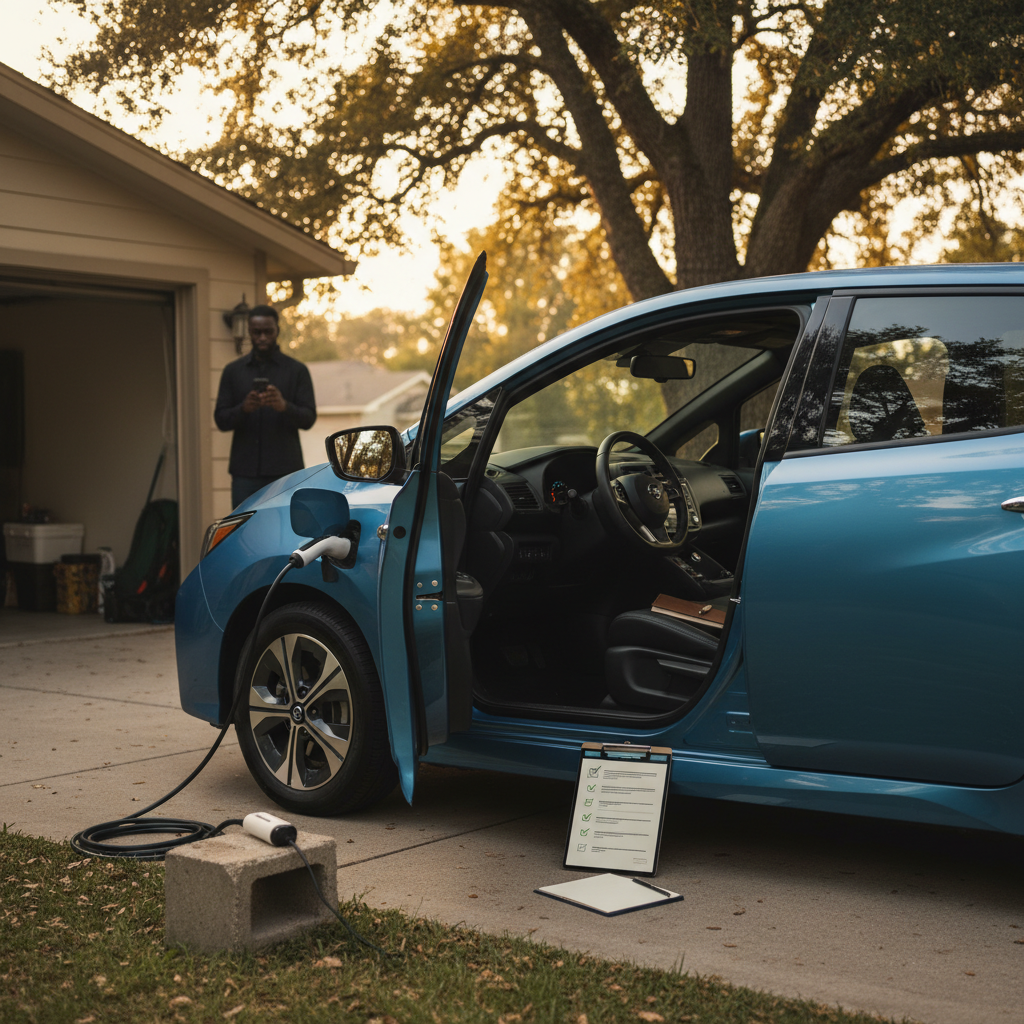
Whether you buy from a private seller, a traditional dealer, or a digital retailer like Recharged, the best protection is a consistent process. Use this checklist to keep emotions from overriding the fundamentals.
Used EV Buying Checklist (Under $45K)
1. Lock in your use case and budget
Confirm your maximum spend (up to $45K), minimum real‑world range, body style, and whether you can install home charging. This filters out entire model categories before you fall in love with the wrong car.
2. Shortlist 3–5 target models
Based on your needs, build a short list, e.g., <strong>Model 3 vs. Kona vs. Niro vs. Bolt</strong> for commuters, or <strong>Model Y vs. Ioniq 5 vs. EV6 vs. ID.4</strong> for small families. Research known issues and recall campaigns for each.
3. Screen listings for red flags
Walk away from cars with <strong>salvage or flood titles, mismatched panels, or vague battery descriptions</strong>. Look for full VINs, detailed photos, service history, and clear mention of remaining battery warranty where applicable.
4. Get a real battery health report
Insist on pack‑level diagnostics, not just a dashboard guess at range. At Recharged, every car comes with a <strong>Recharged Score Report</strong> that includes a quantified battery‑health reading based on professional testing.
5. Evaluate charging flexibility
Confirm whether the car includes the correct <strong>home charging cable, adapters, and DC fast‑charge capability</strong>. For Teslas and newer EVs with NACS ports, ask how easily they can use both Tesla and non‑Tesla stations in your area.
6. Test drive like you already own it
Drive your test route as if it’s a normal day: highway, stop‑and‑go, and a rough patch of pavement. Listen for wind noise, feel for odd suspension behavior, and test all driver‑assist features you care about.
7. Compare total deal quality
Don’t just compare prices; compare <strong>warranty, reconditioning quality, battery health, and return policies</strong>. A slightly higher sticker on a car with verified diagnostics and a transparent condition report can easily be the smarter buy.
How Recharged Simplifies This
Ready to find your next EV?
Browse VehiclesFAQ: Best Used Electric Car Under $45K
Frequently Asked Questions
Bottom Line: Finding Your Best Used EV Under $45K
If you’re shopping for the best used electric car under $45,000 in 2026, you’re in one of the strongest positions in the market. That budget easily covers high‑demand models like the Tesla Model 3 and Y, Hyundai Ioniq 5, Kia EV6, Ford Mustang Mach‑E, and a long list of practical crossovers like the Niro EV, Kona Electric, and ID.4. The real differentiators are not badges or 0–60 times, but battery health, charging access, and how well the car fits your daily life.
Use your $45K ceiling to buy the healthiest, best‑documented car you can, not just the newest one on paper. Focus on clear battery diagnostics, honest pricing, and a seller who understands EVs. And if you’d rather skip the guesswork, Recharged can help you compare vetted used EVs, each with a Recharged Score Report, financing and trade‑in options, and nationwide delivery, so you can shift from research mode to simply enjoying electric driving.