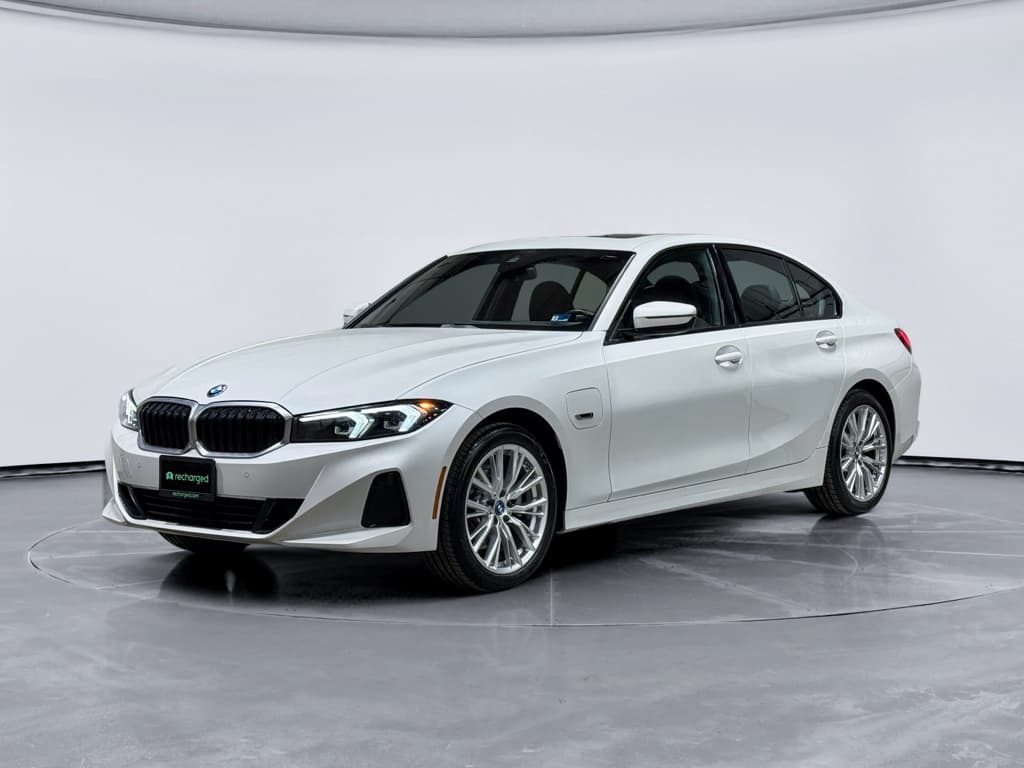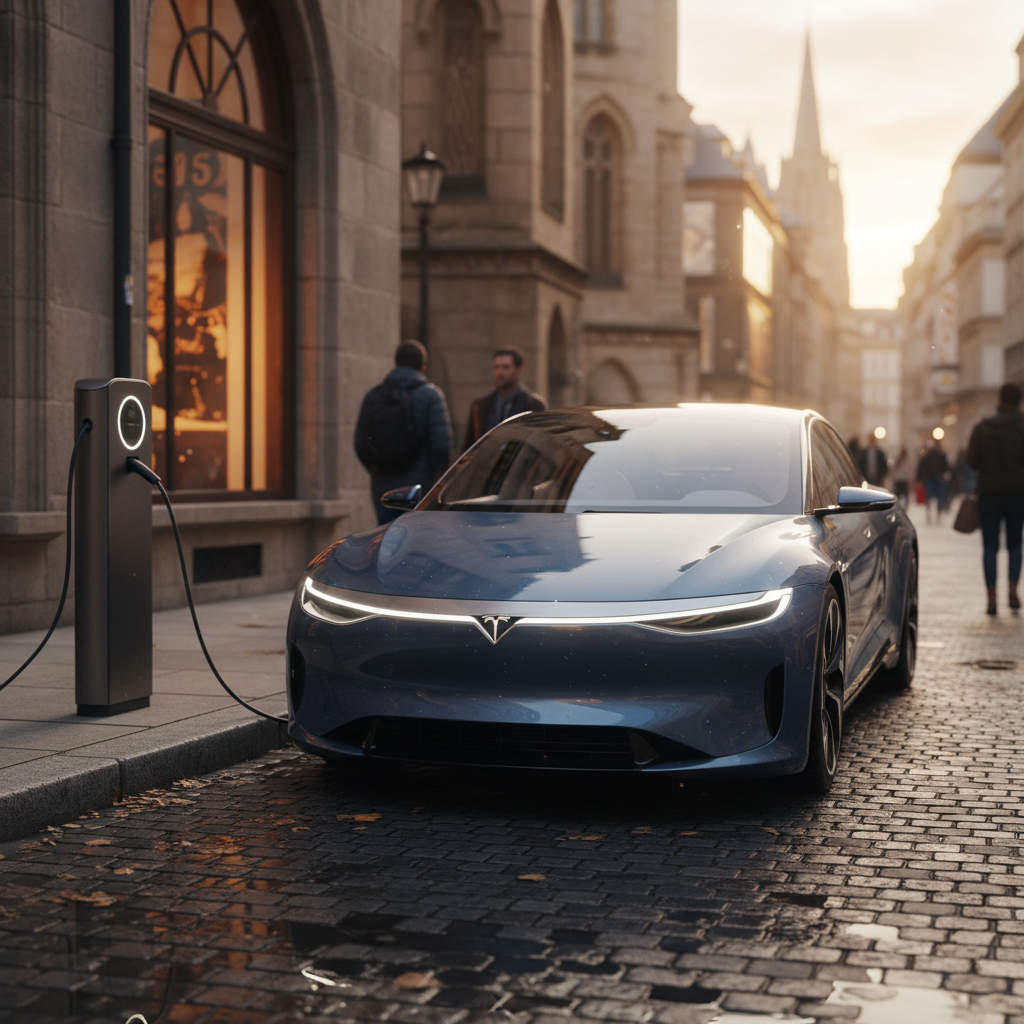
The 2025 BMW i4 is BMW’s electric answer to the 3‑Series: a low, handsome Gran Coupe with serious range, big‑car refinement, and a proper sense of occasion. If you’re cross‑shopping a Tesla Model 3, Polestar 2, or Hyundai Ioniq 6, this 2025 BMW i4 buying guide will walk you through trims, range, pricing, options, and what to look for if you’re considering a used example.
Where the i4 fits in the EV world
Overview: Why the 2025 BMW i4 Is Worth a Look
2025 BMW i4 at a glance
The i4 isn’t the newest EV on the block, but BMW has steadily refined it. For 2025, the U.S. lineup centers on three main trims, eDrive40, xDrive40, and M50, with the entry‑level eDrive35 appearing in some markets and inventories but with spotty availability. That makes trim choice the single biggest decision you’ll make, followed closely by wheels, options, and whether you should buy new or used.
Shop the car, not the calendar year
Trim lineup and who each 2025 i4 suits
BMW’s trim walk is straightforward once you translate the names. All 2025 BMW i4s share the same basic body and cabin; what changes is how much power you get, which wheels are driven, and which battery pack is underneath.
2025 BMW i4 trim comparison (U.S. focus)
Approximate specs and who each trim suits. Exact numbers vary slightly with wheels and options.
| Trim | Drivetrain | Approx. power | 0–60 mph (est.) | EPA range window* | Best for |
|---|---|---|---|---|---|
| eDrive35 | RWD | ≈280 hp | ~5.8 sec | ≈200–260 mi | Value‑seekers, commuters who don’t need maximum range. |
| eDrive40 | RWD | ≈335 hp | ~5.5 sec | ≈280–320 mi | Balanced choice: range, comfort and price all in the sweet spot. |
| xDrive40 | AWD | ≈395 hp | ~4.9 sec | ≈260–300 mi | All‑weather grip; quick but still efficient highway cruiser. |
| M50 | AWD | ≈470+ hp | ~3.7 sec | ≈245–270 mi | Performance fans who want a silent M3‑adjacent experience. |
Always confirm final specs on the window sticker or build sheet for the specific car you’re considering.
Watch out for wheel‑size range hits
Which 2025 i4 trim should you actually buy?
Boiled down by use case, not brochure language.
Daily commuter & first‑time EV buyer
If your life is mostly school runs, office commutes and the occasional weekend away, the eDrive40 is the sweet spot. It’s quick enough, has the best blend of range and price, and rear‑drive keeps steering feel clean.
Snow‑belt driver or mountain dweller
If you regularly deal with snow or live in hilly country, xDrive40 buys you all‑weather traction with only a modest hit to efficiency. Pair it with winter tires and it’s a superb four‑season grand tourer.
Performance addict
If you’ve ever owned an M car, or wanted one, the M50 is the one that will make you cackle. Instant torque, dual‑motor shove, and enough power to embarrass most sports cars, at the cost of some range and tire life.
Range, battery and real‑world efficiency
Official EPA range numbers for the 2025 BMW i4 vary by trim and wheel size, but broadly you’re looking at roughly 200–320 miles of rated range. The bigger‑battery eDrive40 and xDrive40 naturally post the best headlines, while the M50 trades range for acceleration.
Main battery packs
- Smaller pack on eDrive35 (around 70 kWh gross), aimed at cost‑conscious buyers.
- Larger pack on eDrive40, xDrive40, M50 (roughly mid‑80s to mid‑90s kWh gross depending on source and market).
- All are liquid‑cooled, with DC fast‑charging capability up to about 200 kW on a capable charger.
Real‑world range expectations
- Expect 10–20% less than EPA on long freeway drives at 75–80 mph, especially in cold weather.
- In mixed driving, many owners report beating EPA in mild conditions, particularly in the eDrive40.
- Short trips in winter with full cabin heat will be the toughest scenario; plan accordingly.
Cold‑weather sanity check
Performance and driving experience
Here’s where the i4 feels like a BMW first and an EV second. Steering is calm and accurate, the body is tied down, and the wheelbase is long enough that the car always feels planted. Compared with a Model 3, the i4 is quieter, heavier and more relaxed; it trades knife‑edge agility for long‑legged composure.
Driving character by trim
Same basic shell, very different personalities.
eDrive35
Lighter on its feet with the smaller battery, and plenty quick for real roads. Best if you want BMW feel without maxing the budget.
eDrive40
The most "BMW" of the lineup: rear‑drive balance, strong passing power, and excellent highway manners. A terrific daily driver.
xDrive40
All‑wheel‑drive traction and a stronger shove off the line. Feels heavier, but in a German way, solid, unflappable, autobahn‑ready.
M50
Borderline outrageous. Launches like a roller coaster, especially in Sport Boost. Ride is firmer; tires and brakes work for a living.
Beware of test‑drive charm
Pricing, options and what you really need
New 2025 BMW i4 pricing in the U.S. generally starts in the mid‑$50,000s for an eDrive40 and climbs rapidly as you layer on xDrive, the M50 powertrain, premium packages, and larger wheels. A realistically equipped M50 can flirt with, and sometimes pass, the $75,000 mark before taxes and fees.
- Driver Assistance Pro: Worth it if you do lots of highway miles; BMW’s lane‑centering is calmer than many rivals.
- Premium/Executive packages: Add nicer trim, HUD, and comfort features. Great if you plan to keep the car; harder to recoup in resale dollar‑for‑dollar.
- Harman Kardon audio: A noticeable upgrade if you care about sound; easy to skip if you don’t.
- Glass roof: Airy and pretty, but slightly more heat load in hot climates and no physical shade on many builds.
- Big wheels: Look terrific in photos, cost you range and tire money in real life. The 18s or aero 19s are the rational choice.
The value spec
Charging explained: home, public and road trips
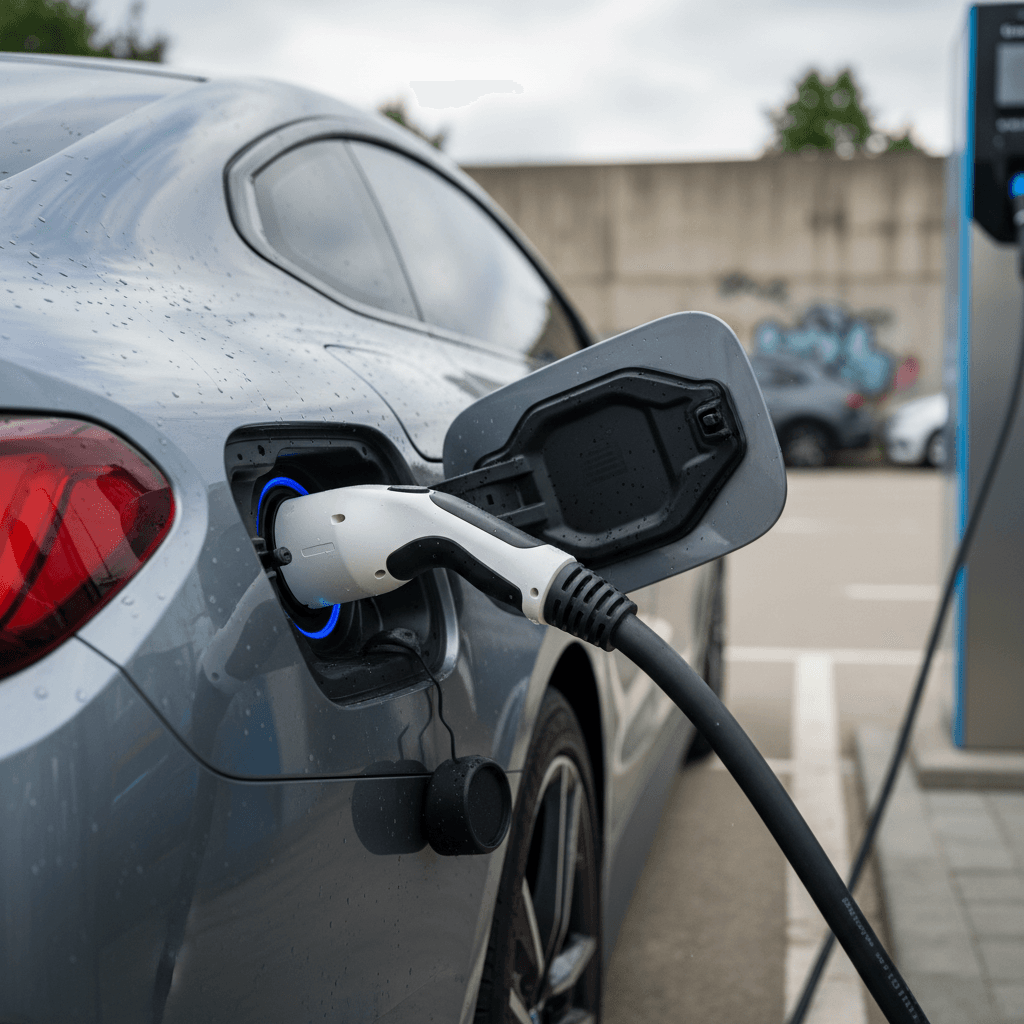
All 2025 i4s use the CCS fast‑charging standard in the U.S. and a Type 2/CCS combo in other markets. Underneath the alphabet soup, the experience is simple: Level 2 at home for most of your miles, DC fast charging on the road, and occasional public Level 2 when you’re parked for hours.
At home
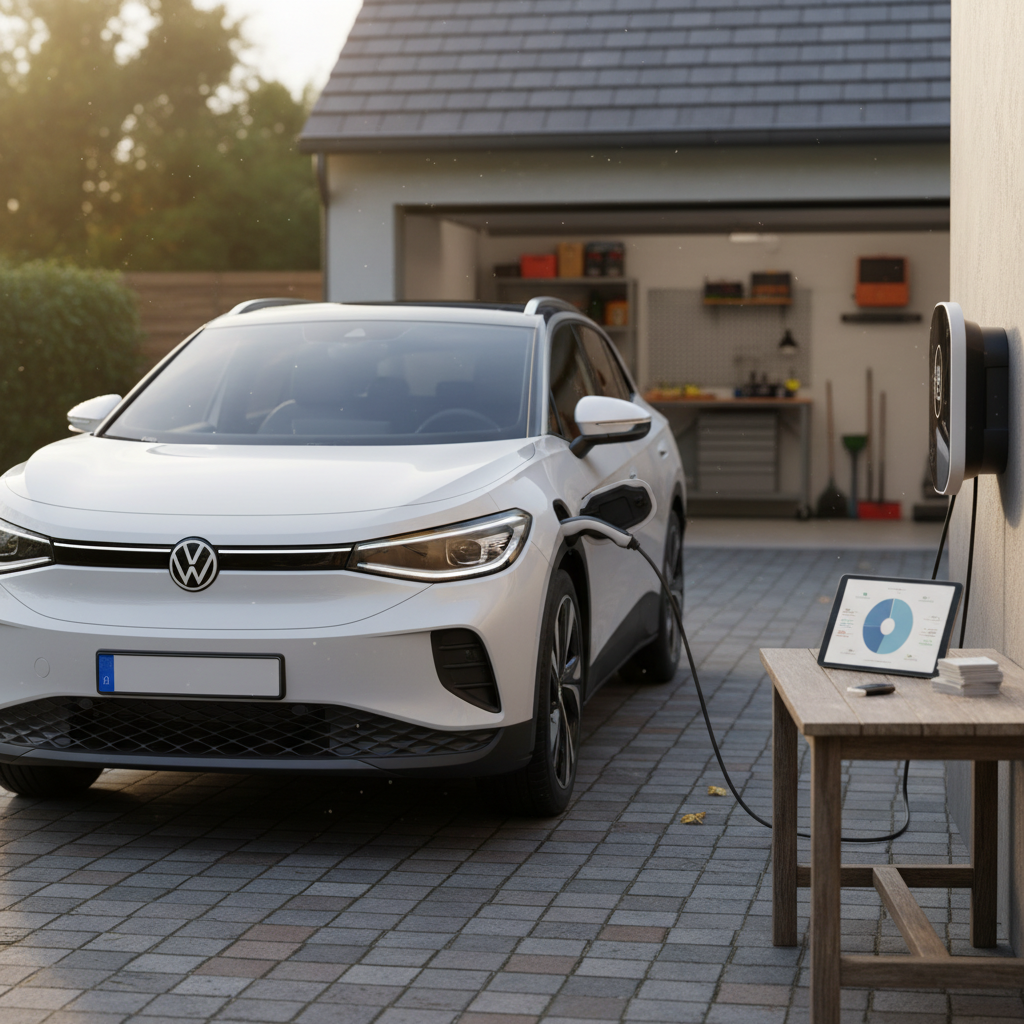
- A 40‑ to 48‑amp Level 2 charger on a 240V circuit will comfortably refill an i4 overnight.
- Figure 25–35 miles of range per charging hour, depending on trim and weather.
- If you can charge at home or work, the i4 is an easy daily companion, even the lower‑range eDrive35.
For a deeper dive on setup, see our home EV charger installation guide.
On the road
- The i4 can accept up to ~200 kW on a strong DC fast charger, going from roughly 10% to 80% in about 30–35 minutes under ideal conditions.
- Plan road trips around fast‑charge stops every 140–200 miles, padding more in winter or mountains.
- Apps from networks like Electrify America, EVgo and ChargePoint, plus in‑car nav, make planning straightforward.
Don’t live at the fast charger
Reliability, battery health and longevity
The i4’s underlying hardware is shared with the mainstream 4‑Series Gran Coupe, which is good news for durability: BMW has been building this platform, and fixing its mistakes, for years. Early owner reports on the i4 have been generally positive, with most complaints centering on infotainment quirks, the learning curve of iDrive, or the occasional public‑charging hiccup, not chronic mechanical failures.
How the i4 tries to protect its battery
You can help it help you.
Conservative buffers
BMW uses usable‑capacity buffers at the top and bottom of the pack, so "100%" on the gauge isn’t truly 100% of the cells. That leaves headroom to protect longevity.
Thermal management
Active liquid‑cooling and heating keeps the pack in its happy temperature window, especially during DC fast‑charging or extreme weather.
Warranty coverage
In the U.S., the high‑voltage battery is typically covered for 8 years or 100,000 miles (check the specific car’s booklet). Significant degradation below a threshold is covered.
Why independent battery checks matter
New vs used 2025 BMW i4: how to shop smart
EV depreciation has been steep the last few years, and the i4 hasn’t been immune. That’s rough for first owners, and a gift for second ones. A lightly used 2023–2024 i4 can undercut a new 2025 by a wide margin while delivering essentially the same driving experience and tech.
Why buy new?
- Full new‑car warranty and battery coverage from day one.
- Ability to spec the exact color, trim and packages you want.
- Access to the very latest software and minor running‑changes.
- Potential access to new‑EV incentives, depending on current laws and your location.
Why buy used (or nearly new)?
- Let the first owner take the biggest depreciation hit.
- Plenty of low‑mileage lease returns and off‑lease cars hitting the market.
- Often easier to justify the jump to a higher trim like xDrive40 or M50.
- On Recharged, every i4 listing includes a Recharged Score with verified battery health and fair‑market pricing benchmarks.
Look just off‑new for the best deals
Checklist: what to verify before you buy
Pre‑purchase checklist for a BMW i4
1. Confirm the exact trim and battery
Double‑check whether you’re looking at an eDrive35, eDrive40, xDrive40 or M50. Verify battery size and EPA range on the window sticker; don’t rely on the ad title alone.
2. Inspect wheels and tires closely
Note the wheel size, big wheels look great in photos but cut range and raise tire costs. On a used car, inspect for curb rash and mismatched or cheap replacement tires.
3. Review charging history and habits
Ask how the car was typically charged: home Level 2 vs. constant DC fast charging. Neither is automatically a deal‑breaker, but a car that lived on fast chargers deserves extra scrutiny of battery health.
4. Test the charging hardware
If possible, plug the car into both Level 2 and DC fast chargers before purchase. Make sure ports, cables and doors behave, and there are no warning lights or error messages.
5. Check software, cameras and driver assists
Test adaptive cruise, lane‑keeping, parking cameras and parking sensors. Glitches here can be annoying and expensive to chase out of warranty.
6. Get a battery‑health report
For used i4s, ask for a recent, third‑party battery assessment. On Recharged, every vehicle includes a <strong>Recharged Score Report</strong> with battery diagnostics baked in.
Frequently asked questions: 2025 BMW i4 buying
2025 BMW i4 Buying FAQ
Bottom line: Is the 2025 BMW i4 right for you?
If you want an EV that still feels like a grown‑up European sport sedan, the 2025 BMW i4 is one of the stand‑outs. It’s not the flashiest spec sheet warrior, nor the cheapest way into an EV, but it nails the everyday stuff: long‑distance comfort, confident range, and an interior that feels engineered rather than cost‑optimized. Choose your trim based on how often you truly need maximum power versus maximum range, pay attention to wheel size, and be honest about your charging reality.
For many shoppers, the smartest move right now is a nearly new i4 with low miles and strong battery health. On Recharged, every used EV, including the i4, comes with a Recharged Score Report that verifies battery condition, benchmarks pricing against the market, and pairs you with EV‑specialist support from first click through delivery. That’s the kind of transparency this new era of electric luxury ought to come with by default.