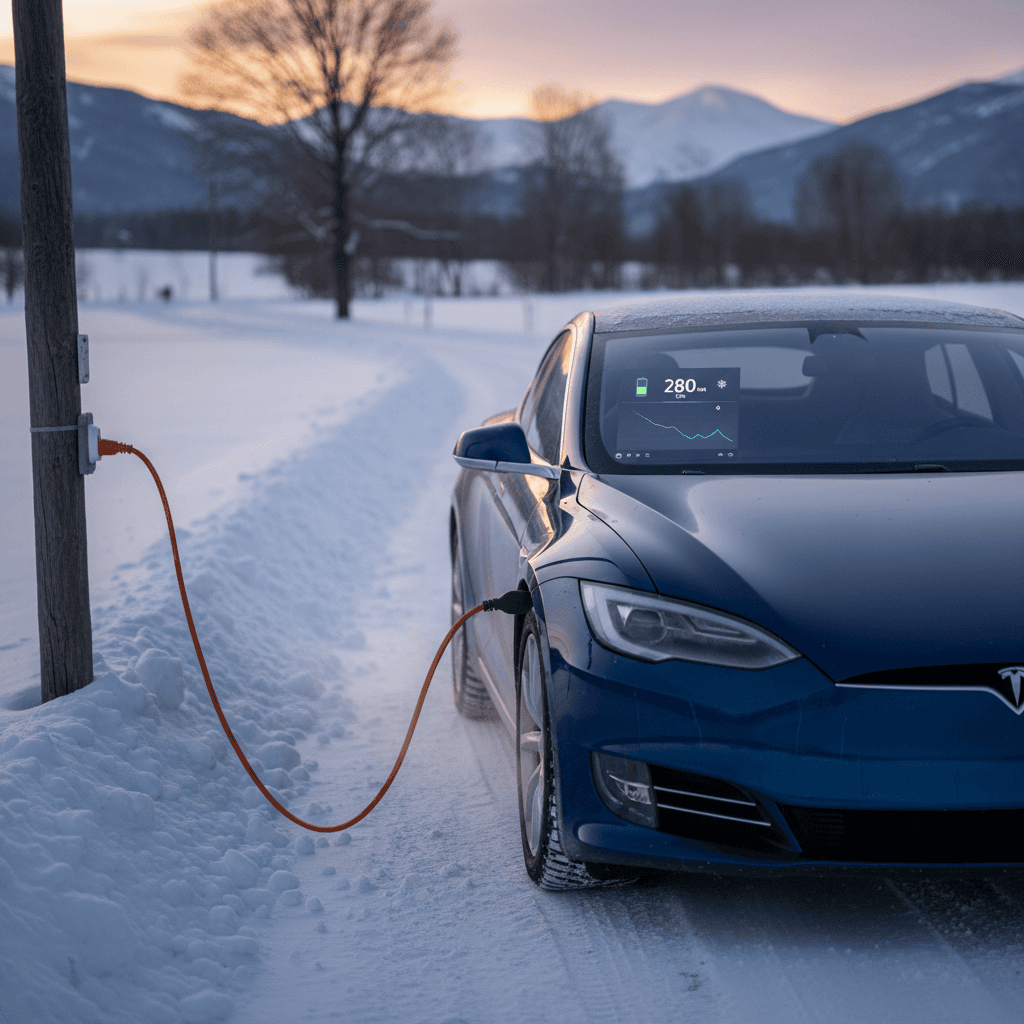
If you own or are shopping for a Tesla Model S, winter range is probably near the top of your worry list. You’ve heard stories of electric cars losing half their range in the cold, but what’s the *real* Tesla Model S winter range loss percentage, and when should you be concerned?
Cold‑weather reality check
Why the Tesla Model S Loses Range in Winter
A Tesla Model S doesn’t suddenly become less efficient just because there’s snow on the ground. What happens is that **cold temperatures change how the battery and cabin heating behave**, and that extra energy use shows up as lower driving range.
- Battery chemistry: Lithium‑ion batteries can’t release or accept energy as easily when they’re cold. Usable capacity and power output drop until the pack warms up.
- Cabin heating: In an EV, there’s no free waste heat from an engine. Warm air comes from an electric heater or heat pump, and it draws a meaningful share of your battery, especially on short trips.
- Thicker fluids and tires: Cold air is denser, tires are stiffer, and drivetrain components take more energy to spin. That nudges consumption up even if you never touch the climate controls.
- Frequent warm‑ups: Lots of 5–10 minute drives are brutal for winter range. The car keeps reheating the cabin and battery, but you’re not driving long enough to “amortize” that energy.
Think in percentage, not miles
Typical Tesla Model S Winter Range Loss Percentage
Pulling together fleet data and independent winter tests, here’s a realistic view of **Tesla Model S winter range loss percentage** for U.S. and Canadian owners in 2024–2026 conditions:
Realistic Model S Winter Range Loss Snapshot
Those percentages line up with broader EV research showing most electric cars retain roughly 70–80% of their warm‑weather range in freezing conditions, with outliers doing better or worse depending on battery heating strategy and whether they use a heat pump.
Don’t confuse winter loss with degradation
Model S Winter Range Loss by Temperature
To make this practical, let’s translate percentages into miles. Assume a healthy long‑range Model S with an EPA rating around 375 miles. Here’s what you can reasonably expect on a typical mixed‑driving day if you manage the car sensibly (preconditioning, reasonable speeds, tires in good shape).
Approximate Tesla Model S Winter Range by Temperature
Approximate real‑world range for a long‑range Model S vs. its rated 375 miles. Your exact results will vary with speed, elevation, wind, and how often you precondition.
| Ambient temp | Typical loss % | Usable range (mi) | What this feels like day‑to‑day |
|---|---|---|---|
| 50–60°F (10–16°C) | 0–10% | 340–375 | Feels close to rated range unless you drive very fast. |
| 40–50°F (4–10°C) | 10–15% | 320–340 | Noticeable but mild hit; long trips still easy. |
| 30–40°F (-1–4°C) | 15–25% | 280–320 | You start planning a bit more around charging on road trips. |
| 20–30°F (-7– -1°C) | 20–30% | 260–300 | Typical northern‑U.S. winter experience with mixed driving. |
| 10–20°F (-12– -7°C) | 25–35% | 240–280 | You rely more on preconditioning and destination charging. |
| 0–10°F (-18– -12°C) | 30–40% | 225–260 | Range can feel tight on long highway legs; planning matters. |
| Below 0°F (< -18°C) | 35–50% | 190–240 | Heavy loss if you do short trips or 75+ mph with full heat. |
Use these numbers as planning guardrails, not promises.
Older vs. newer Model S behavior
Heat Pump vs. Non‑Heat‑Pump Model S: Why It Matters
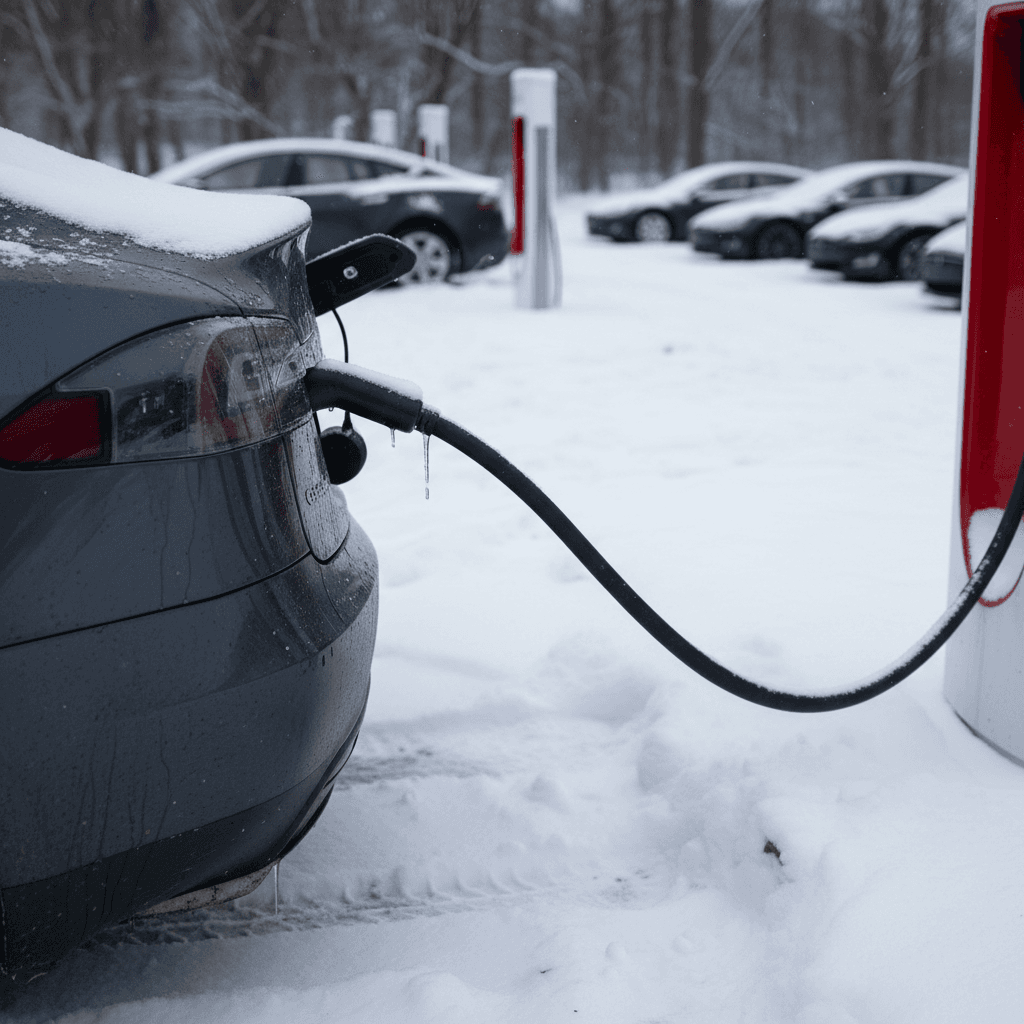
Tesla steadily improved the Model S’s cold‑weather performance over the years. The biggest change was the introduction of a **heat pump–based HVAC system**, which uses far less energy to heat the cabin and battery than a simple resistive heater.
Earlier Model S (no heat pump)
- Relies mainly on a resistive heater to warm the cabin and battery.
- Owners in cold climates often report 25–35% range loss in typical winter use, and more in deep cold if they don’t precondition.
- Supercharging speeds can be slower if you arrive with a cold battery and no preheating.
Newer Model S (with heat pump)
- Uses a heat pump plus smart thermal management to recycle heat.
- Independent data shows winter efficiency in the **high‑70s to high‑80s percent** of warm‑weather range when driven sensibly.
- Battery preconditioning is more effective, so you lose less energy just getting things up to temperature.
Quick VIN‑year rule of thumb
What’s “Normal” vs. a Problem on a Model S?
Cold weather absolutely cuts range, but not every big drop is “just winter.” Here’s how to tell when your Tesla Model S winter range loss percentage is within the normal band and when it’s a red flag worth investigating.
Normal Winter Loss vs. Potential Problem
Use these patterns as a diagnostic starting point.
Likely Normal Behavior
- Loss is 20–35% on truly cold days (20°F or below), but shrinks as temperatures climb above freezing.
- Range is better on longer drives than on lots of short hops.
- Efficiency improves when you precondition and use seat/wheel heaters instead of cranking cabin temp.
- Once spring arrives, your summer road‑trip range looks similar to last year.
Worth a Closer Look
- You’re seeing 40–50%+ loss even around 30–40°F on moderate drives.
- Range seems poor in every season, not just winter.
- The car reports significant battery degradation or a much lower projected range at 100% than peers of the same year and mileage.
- You routinely arrive at chargers with a very cold battery (no preconditioning) and see slow charging and high losses.
When to get a professional assessment
12 Ways to Reduce Tesla Model S Winter Range Loss
You can’t negotiate with physics, but you can **work with the car instead of against it**. Here are practical steps that have a measurable impact on Tesla Model S winter range loss percentage.
Practical Winter Range Playbook
1. Precondition While Plugged In
Use the app to warm the cabin and battery **before you unplug** at home or work. That moves the heavy lifting onto the grid instead of the battery and improves both range and Supercharging speed.
2. Use Departure Scheduling
Set your departure time in the car or app. The Model S will aim to finish charging and preconditioning just before you leave, so the pack is warm and full when you roll out.
3. Lean on Seat and Wheel Heaters
Seat and steering‑wheel heaters sip energy compared with blasting cabin heat. Set the cabin a few degrees cooler than you would in a gas car and let the seat heaters keep you comfortable.
4. Dial Back Highway Speed
At 75–80 mph in sub‑freezing temps, aerodynamic drag and heating load team up. Even dropping to **65–70 mph** can recover a meaningful chunk of range.
5. Avoid Lots of Short, Cold Trips
Combine errands where you can. One 30‑minute drive uses less energy than three 10‑minute drives where the car reheats everything from scratch each time.
6. Keep Tires Properly Inflated
Tire pressure falls with temperature. Under‑inflated winter tires can add a surprising efficiency penalty. Check and set pressures when the tires are cold, using the door‑jamb spec as your target.
7. Use Eco or Chill Modes When Useful
In cold weather, maximum acceleration is less important than smooth, predictable power delivery. Using Chill or efficiency‑oriented settings helps the car manage torque and traction more efficiently.
8. Precondition Before Fast Charging
If you’re heading to a Supercharger in winter, navigate to it in the Tesla nav so the car can preheat the battery. Arriving with a warm pack cuts charging time and wasted energy.
9. Clear Snow and Ice Before Driving
Packed snow on the roof or in the wheel wells increases drag and rolling resistance. Take a few minutes to clean the car off fully before you hit the highway.
10. Use Range Graphs, Not Just the Guess‑O‑Meter
The Model S’s energy graph (15 or 30 mi view) gives you an honest picture of current consumption. It’s more reliable than the simple remaining‑miles number when conditions change quickly.
11. Park Indoors or Out of the Wind
A garage, even an unheated one, moderates overnight cold soak and cuts how much energy the car spends just getting back up to temperature in the morning.
12. Keep Software Up to Date
Tesla routinely tweaks cold‑weather behavior via over‑the‑air updates. Staying current gives you the latest thermal‑management and efficiency refinements.
How much can good habits save?
Planning Trips Around Winter Range Loss
Once you know your own Tesla Model S winter range loss percentage, you can plan winter trips with the same confidence you’d bring to a summer road trip, just with a bit more buffer and charging strategy.
For daily commuting
- Try to keep your **round‑trip winter commute within about half** of your realistic cold‑weather range. If your summer range is ~320 miles and you see 30% loss in January, think in terms of a 225‑mile "winter tank" and plan your daily use around 100–120 miles max.
- Whenever possible, charge at home to a consistent state of charge (say, 70–80%) and top off more fully only before longer drives.
- If work charging is available, even a slow Level 2 adds a big safety margin on frigid days.
For long winter road trips
- Use the in‑car Trip Planner and factor in that the **first leg after an overnight cold soak** will often be the least efficient.
- Add an extra stop or two compared with your summer route; short, fast top‑ups at Superchargers are easier on both your time and the battery than gambling on one long stretch.
- In remote areas, look for backup public chargers or destination chargers near your overnight stops so you can start each morning warm and full.
Mountain and ski‑trip caution
Shopping Used? Winter Range Checklist for Model S
If you’re considering a used Model S in a cold‑weather state, winter behavior isn’t just a comfort issue, it’s a daily‑usability question. Here’s how to evaluate one before you buy.
Used Model S Winter‑Readiness Checklist
Confirm Model Year and Heat Pump Hardware
Ask which climate and battery‑heating hardware the car has. Later‑model cars with a heat pump and updated thermal systems will generally lose a smaller percentage of range in winter.
Review Battery Health, Not Just Odometer
Look at projected range at 100% charge compared with the original EPA rating. A **Recharged Score report** goes further by measuring pack health directly, so you know how much capacity you really have left for winter driving.
Check Winter Tire Setup
All‑season tires trade some winter grip for efficiency; true winter tires improve safety but can add a few percent to energy use. Make sure the tire choice matches your local climate and your range expectations.
Ask About Charging Habits
A Model S that has mostly home‑charged to 70–80% and rarely fast‑charged from low state of charge will typically have healthier batteries, translating to better winter performance.
Test Drive in Real Conditions If Possible
If you can, drive the car on a cold day with the heater on. Watch the energy graph and estimated range to get a feel for how quickly miles disappear under your typical driving style.
Review Software and Service History
Confirm that the car is on current software and ask about any past battery or high‑voltage system repairs. Properly documented service can be a good sign that the car has been cared for.
Where Recharged fits in
Ready to find your next EV?
Browse VehiclesFAQ: Tesla Model S Winter Range Loss Percentage
Frequently Asked Questions
Bottom Line: Can a Tesla Model S Handle Winter?
Yes, driven and managed properly, a Tesla Model S is a capable winter car. In real‑world use, you’re usually looking at a **20–35% winter range loss percentage** in normal cold climates, with higher losses only when conditions or driving patterns push things to the extreme. Understand those numbers, plan your daily use and trips around them, and you’ll find the Model S a willing partner through the snow season.
If you’re evaluating a used Model S, especially in a northern state, don’t guess. Combine what you’ve learned here with a verified battery health report and expert guidance. That’s exactly what you get with Recharged, clear data on winter range, transparent pricing, and support from EV specialists who have driven these cars through plenty of winters themselves.