If you’re eyeing an Audi e-tron GT, or already have one in the garage, understanding the Audi e-tron GT maintenance schedule is one of the best ways to keep it feeling fast, quiet, and drama-free. EVs skip oil changes and timing belts, but that doesn’t mean they’re maintenance‑free, especially when you’re shopping used.
Quick takeaway
How Audi e-tron GT maintenance works
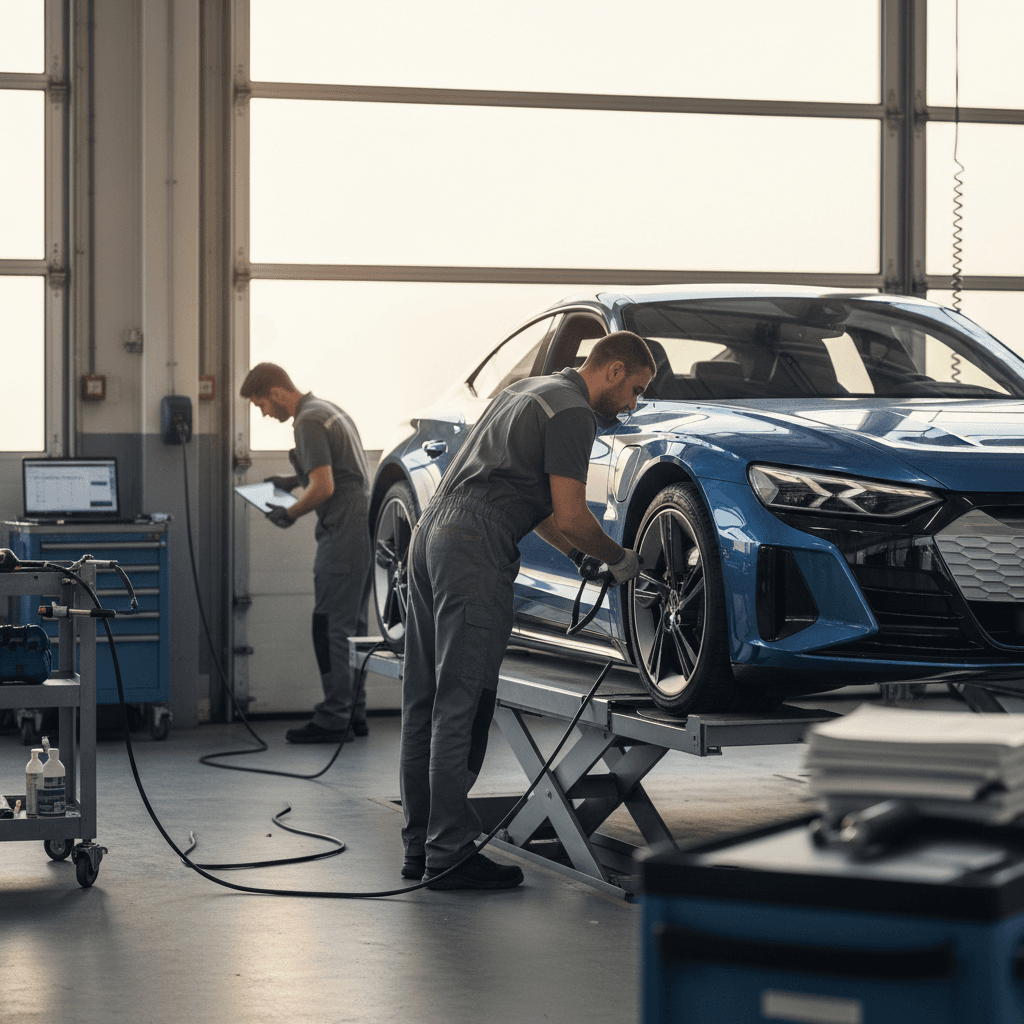
The e-tron GT is built like a high‑performance Audi but maintained like a modern EV. Instead of the familiar A6 or S5 routine of oil changes every 10,000 miles, the electric GT leans on long inspection intervals and software‑driven checks. The car’s service reminder in the cockpit display is your referee, counting down to the next visit based on time and mileage.
- There’s no engine oil, spark plugs, or exhaust system to service.
- The big-ticket item, the high‑voltage battery, is monitored constantly by onboard software.
- Most scheduled visits center around inspections, filters, fluids, tires, and brake components.
- Audi typically structures service as flexible inspections rather than long lists of parts to replace.
Tip for first-time EV owners
Audi e-tron GT maintenance schedule overview
Exact intervals can vary slightly by model year and market, but most Audi e-tron GT schedules in the U.S. follow this general rhythm. Always confirm with the owner’s manual or Audi dealer for your specific VIN, but this overview will get you 95% of the way there.
Audi e-tron GT service interval table
Common U.S. market inspection and replacement intervals for key e-tron GT maintenance items. Always verify against the service booklet for your car.
| Interval (time / miles) | What usually happens | EV‑specific notes |
|---|---|---|
| Every 1 year / 10,000 miles | General inspection, tire rotation, visual brake check, fluids top‑off | High‑voltage cables and underbody shield visually checked. |
| Every 2 years / 20,000 miles | Comprehensive inspection, brake fluid change, cabin filter replacement | High‑voltage system and battery cooling circuit checked with diagnostics. |
| Every 3 years | Air conditioning service check, refrigerant leak inspection | Heat pump and battery thermal management performance evaluated. |
| Every 4 years / ~40,000 miles | More detailed suspension/steering check, alignment check recommended | Extra attention to weight‑related wear on tires, bushings, and control arms. |
| Every 6 years / 60,000+ miles | Possible coolant exchange depending on Audi guidance and climate | Battery coolant condition and thermal system capacity reviewed. |
| As needed | Tires, brake pads/rotors, wiper blades, 12‑V battery | Tire wear can be quicker than on non‑performance EVs; regen doesn’t eliminate brake service. |
Intervals shown are typical guidelines; local schedules and warranty plans may differ.
Key maintenance items on the Audi e-tron GT, explained
What your e-tron GT actually needs serviced
Think inspections and wear items, not constant fluid changes.
Annual inspections
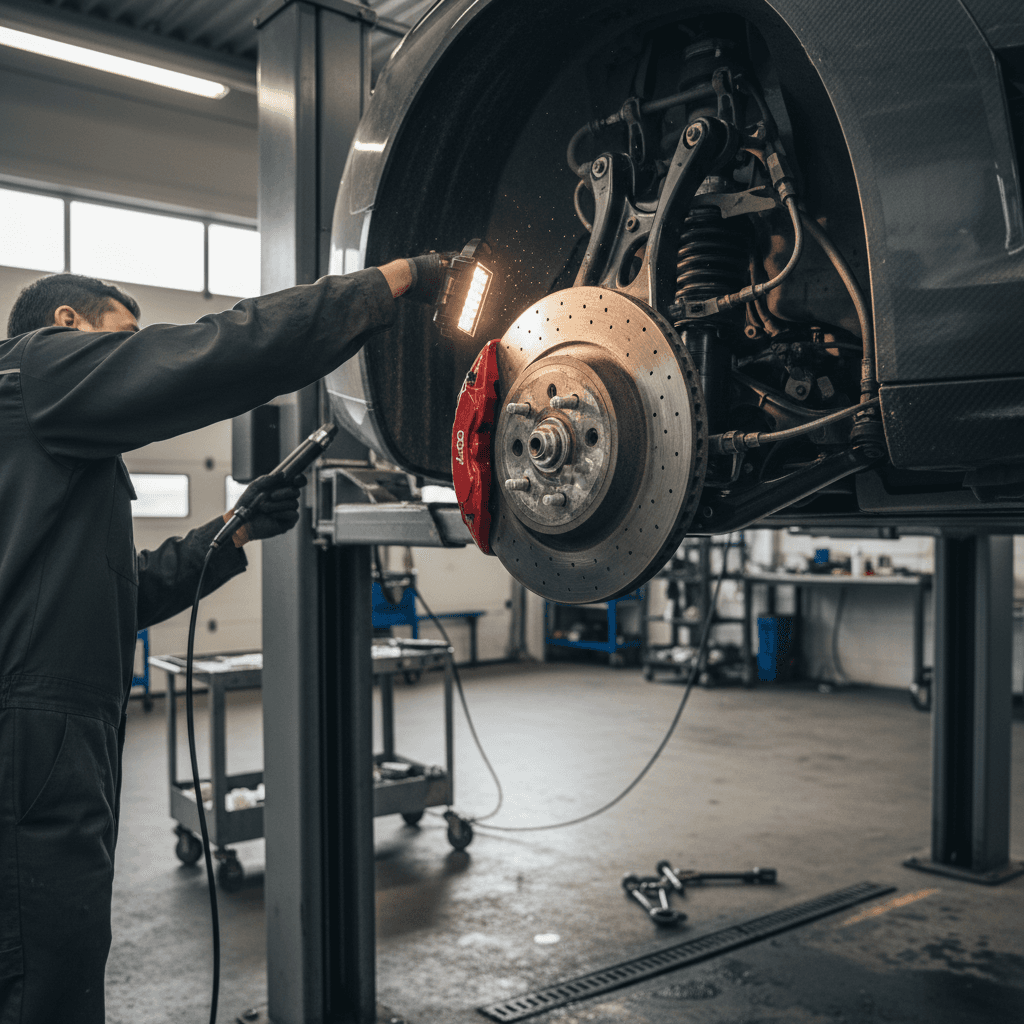
Brake fluid & hydraulics
Cabin & 12‑V battery
Beyond those basics, expect the usual wear items: tires, wiper blades, and, over time, brake pads and rotors. Because the e-tron GT is heavy and very quick, it can chew through tires faster than a regular sedan, especially on performance rubber.
Don’t skip tire rotations
Battery health checks for the e-tron GT
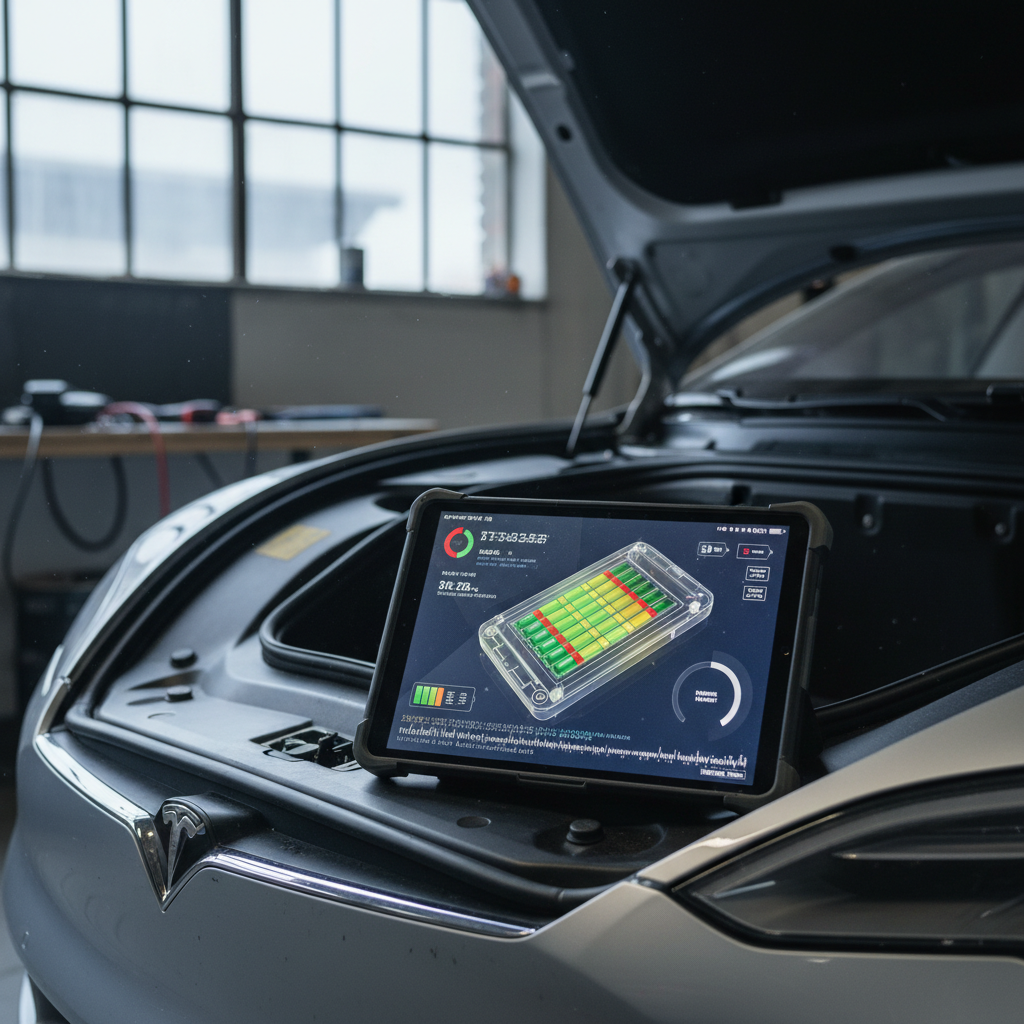
The high‑voltage battery is the e-tron GT’s heart and its most expensive single component. Day to day, you’ll see only a percentage and range estimate on the dash, but during scheduled service Audi technicians can pull detailed diagnostic data, including fault codes, temperature behavior, and any cell‑level issues.
What Audi checks at service
- Battery control module fault codes and thermal alerts.
- Cooling system performance and coolant level/condition.
- High‑voltage wiring and connectors for damage or corrosion.
- Sealing and underbody protection around the pack.
What you can watch at home
- Sudden loss of range with the same driving pattern.
- Charging behavior that’s much slower than usual on the same charger.
- Warning lights related to the electrical system or drive system.
- Unusual fan noise or frequent cooling activity when parked.
How Recharged helps on used e-tron GTs
Typical Audi e-tron GT maintenance costs
You’re driving a flagship Audi, so service visits won’t be bargain‑basement. The good news is that EVs shift more of your budget from maintenance to tires rather than piling on fluid changes and engine work. Actual prices vary by dealer and region, but this is a realistic way to think about costs in the U.S.
Typical U.S. e-tron GT maintenance and wear costs
Budgeting tip
Maintenance differences: e-tron GT vs gas Audi
If you’re coming out of a gas‑powered S or RS model, the e-tron GT will feel strangely low‑maintenance. You’ll still see the service counter tick down in the cluster, but the checklist behind that reminder looks very different from a traditional powertrain.
Audi e-tron GT vs gas Audi: maintenance at a glance
Key differences between maintaining an electric e-tron GT and a comparable gas Audi performance sedan or coupe.
| Item | Gas Audi (e.g., S6/S7) | Audi e-tron GT |
|---|---|---|
| Engine oil & filter | Every ~10,000 miles | Not applicable |
| Spark plugs & ignition | Every 40,000–60,000 miles | Not applicable |
| Transmission service | Periodic fluid/filter service | Single‑speed gearbox with far less service |
| Cooling system | Traditional coolant, regular flushes | Battery and power electronics coolant; longer intervals, software‑monitored |
| Exhaust system | Rust, leaks, hangers, catalytic converters | Not applicable |
| Brakes | High wear from friction braking | Lower pad wear from regen, but fluid and hardware still age |
| Tires | Performance wear, but usually lighter car | Heavy EV + torque = faster tire wear if driven hard |
Less under‑hood work, more focus on tires, brakes, and software.
Where EVs save you money
Used Audi e-tron GT: what to check before you buy
When you’re buying used, the maintenance schedule turns into a detective story. You’re not just asking, “What does this car need next?” You’re asking, “What’s been done already, and what got skipped?”
Pre‑purchase maintenance checklist for a used e-tron GT
1. Confirm service history
Ask for Audi dealer records or digital service history. Look for those 2‑year inspections, brake fluid changes, and any battery‑related campaigns or software updates.
2. Inspect tires and alignment
Uneven wear on the inside edges can point to alignment or suspension issues. Budget for a fresh set if tread depth is low or mismatched brands are fitted.
3. Check brakes for age, not just wear
Pads and rotors might have plenty of material but still show rust ridges or pitting from sitting. That can mean noisy brakes and reduced performance.
4. Test all charging options
Verify that AC home charging and (if you can) DC fast charging work normally. Watch for unexpected error messages or unusually slow charging on a known charger.
5. Look underneath
Have a shop or seller lift the car. Check for underbody damage, especially near the battery pack and cooling lines, curb strikes can get expensive.
6. Get a battery health report
On a used EV, a professional battery health assessment is gold. With Recharged, every car comes with a <strong>Recharged Score</strong> that summarizes pack condition and helps you compare vehicles.
Red flags on a used e-tron GT
DIY vs dealer: what you can do yourself
The Audi e-tron GT is full of high‑voltage hardware, but you’re not banned from ever lifting the hood. The key is knowing which jobs are safe for a confident DIY owner and which belong in the hands of an EV‑trained technician.
Reasonable DIY tasks
- Tire care: Checking pressures, swapping to winter wheels, and visually inspecting tread.
- Wiper blades: Straightforward replacement on your driveway.
- Cabin air filter: If you’re comfortable with trim pieces, many owners can handle this at home.
- Washer fluid & basic checks: Fluids, lights, and cosmetic issues.
Leave these to EV pros
- High‑voltage system work: Anything involving orange cables, battery pack, or inverter.
- Brake fluid changes: The e-tron GT’s blended regen and ABS systems benefit from proper bleeding procedures.
- Suspension and alignment: The car’s weight and performance mean alignment specs matter.
- Software & recalls: Let an Audi dealer or qualified EV shop handle updates and campaigns.
Find the right shop
Audi e-tron GT maintenance FAQ
Frequently asked questions about Audi e-tron GT maintenance
Bottom line: planning maintenance for an Audi e-tron GT
The Audi e-tron GT doesn’t ask you to babysit it with constant shop visits. Follow the recommended maintenance schedule, keep an eye on tires and brakes, and pay attention to what the dash is telling you, and it’s entirely capable of being a daily‑driver super‑sedan with luxury‑car manners.
If you’re shopping used, maintenance history and battery health matter as much as paint color and wheel design. That’s exactly why Recharged backs every EV we sell with a Recharged Score Report covering verified battery condition, fair market pricing, and expert guidance from first click to delivery. Do your homework on the schedule, lean on specialists for the EV‑specific bits, and the e-tron GT can be one of the most satisfying long‑term cars you’ll ever own.