If you live with real winters, you’ve probably wondered whether a **Porsche Taycan is actually good in snow and ice**, and if so, which version is best. Between rear‑wheel‑drive sedans, all‑wheel‑drive 4 and 4S trims, and the lifted Cross Turismo wagon, the choice matters a lot once the roads turn white.
Quick Answer
Can a Porsche Taycan Really Handle Snow and Ice?
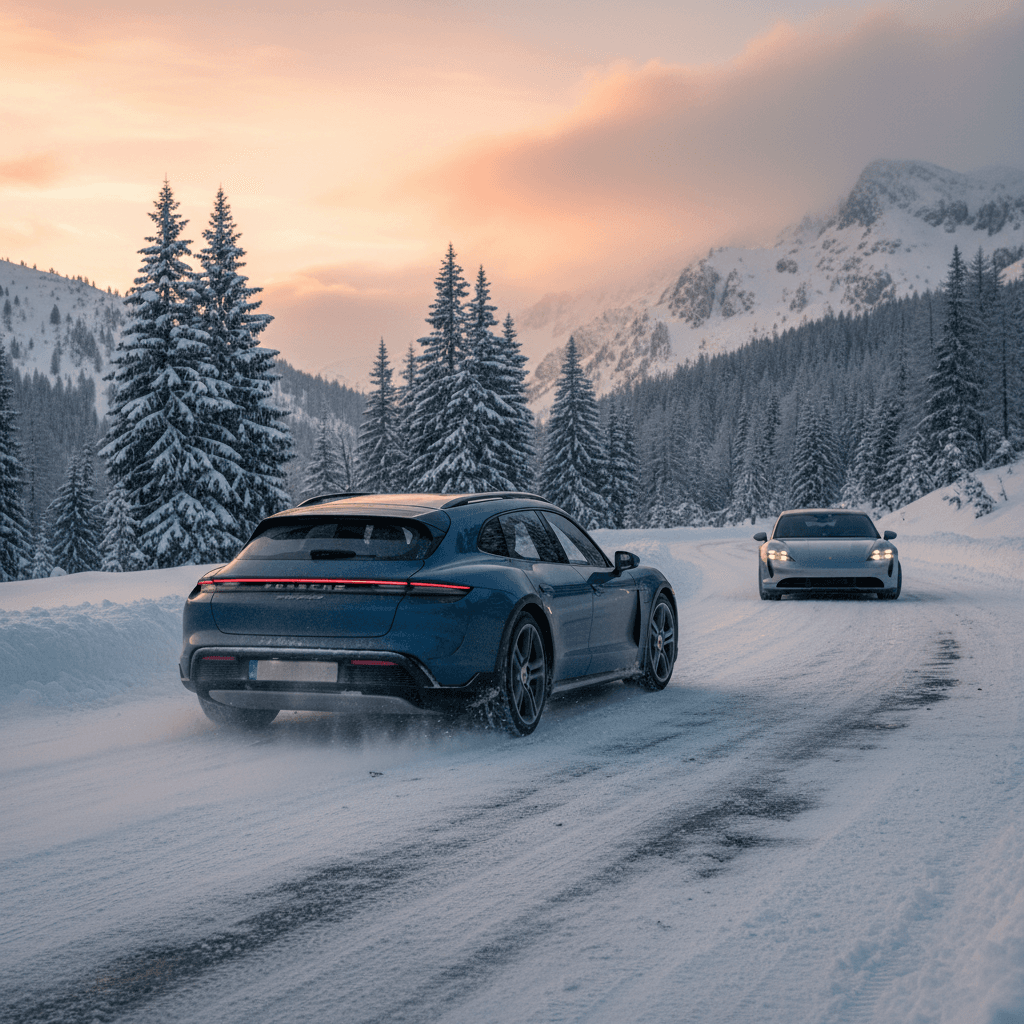
Porsche has done extensive cold‑weather testing with the Taycan lineup in places like northern Finland, running cars on ice tracks at temperatures down to around **‑30°C (‑22°F)**. Engineers highlight the **precise control of the dual‑motor all‑wheel‑drive system and traction management**, which can meter torque to each wheel much quicker than a traditional gas car’s drivetrain. That translates into confident launches, stable cornering and predictable behavior on low‑grip surfaces when you have the right tires.
Independent winter drives and owner reports back this up. Drivers running **Taycan 4, 4S and Cross Turismo models on dedicated winter tires** consistently describe the cars as sure‑footed in snow, with traction that feels similar to or better than many all‑wheel‑drive performance sedans. Where the Taycan behaves like any other EV is range: **cold weather shortens range noticeably**, so winter planning is part of the ownership experience.
The Non‑Negotiable
What Makes an EV Good (or Bad) in Snow and Ice?
Key Winter Factors for Any Electric Vehicle
Where the Taycan shines, and where you still need to plan ahead
Battery & Range
Cold temperatures slow battery chemistry, which cuts range and charging speed. Preconditioning and smart route planning help mitigate this.
Traction & Control
Electric motors can modulate torque very precisely, which helps on slippery surfaces, especially with dual‑motor AWD and good stability control.
Ground Clearance & Tires
Deep snow demands enough clearance and the right rubber. Higher‑riding models and narrow winter tires are your friends here.
On paper, the Taycan checks most of the important winter boxes: available dual‑motor all‑wheel drive, sophisticated traction management, a flat battery pack that helps stability, and factory‑approved winter wheels and tires. Where you’ll need to be realistic is in **winter range and charging speeds**, especially on longer ski‑country road trips.
Best Porsche Taycan Models for Snow and Ice
All Taycan variants can get you through winter with the right tire setup, but some are better suited to snow and ice than others. Below is a winter‑focused view of the current Taycan range available in North America.
Porsche Taycan Trims Ranked for Snow and Ice
How major Taycan variants stack up when winter is a priority, assuming proper winter tires are fitted.
| Rank | Model | Drivetrain | Body Style | Why It Works (or Doesn’t) in Winter |
|---|---|---|---|---|
| 1 | Taycan 4 Cross Turismo | Dual‑motor AWD | Raised wagon | Best blend of clearance, cargo for gear and AWD; ideal for ski trips and deep‑snow climates. |
| 2 | Taycan 4S Cross Turismo | Dual‑motor AWD | Raised wagon | More power than 4 Cross Turismo but similar winter capability; great if you want extra punch. |
| 3 | Taycan 4 (sedan) | Dual‑motor AWD | Sedan | All‑wheel drive with slightly lower cost than 4S; excellent if you don’t need wagon practicality. |
| 4 | Taycan 4S (sedan) | Dual‑motor AWD | Sedan | Stronger performance; still very capable in snow with 19" winter wheels. |
| 5 | Taycan GTS / Sport Turismo | Dual‑motor AWD | Sport wagon/sedan | More performance‑oriented; fine for winter with careful wheel/tire choice and awareness of lower ride height. |
| 6 | Taycan Turbo / Turbo S | Dual‑motor AWD | Sedan/Cross Turismo | Huge power not helpful in snow; still capable but overkill for winter‑first buyers. |
| 7 | Base Taycan (RWD) | Rear‑wheel drive | Sedan | Usable with winter tires and moderate snow, but **not** the first choice for regular deep‑snow driving. |
Ground clearance figures are approximate; priorities are traction, clearance and tire choices rather than outright performance.
AWD Naming Tip
Sedan vs Cross Turismo vs Sport Turismo in Winter
Sedan (Taycan, 4, 4S, Turbo, Turbo S)
- Lowest ride height and sleeker look.
- Best for plowed city and highway driving.
- Can struggle sooner in deep, unplowed snow due to lower ground clearance.
Cross Turismo
- Wagon body with increased ground clearance (roughly an extra inch over the sedan in its highest suspension setting).
- More practical cargo area for skis, boards and winter gear.
- Plastic cladding helps protect paint from road salt and debris.
Sport Turismo (GTS)
- Wagon body without the extra ride height of Cross Turismo.
- Great handling but still relatively low to the ground.
- Best for drivers who want performance first, winter capability second.
If you often drive on **unplowed side roads, rutted snow or to ski cabins**, the additional ground clearance and more forgiving tire setups of the **Cross Turismo** are a real advantage. For primarily urban and highway use where roads are usually plowed, the **sedan or Sport Turismo** can work just as well, again, assuming proper winter tires.
Tires, Drive Modes, and Options That Matter Most
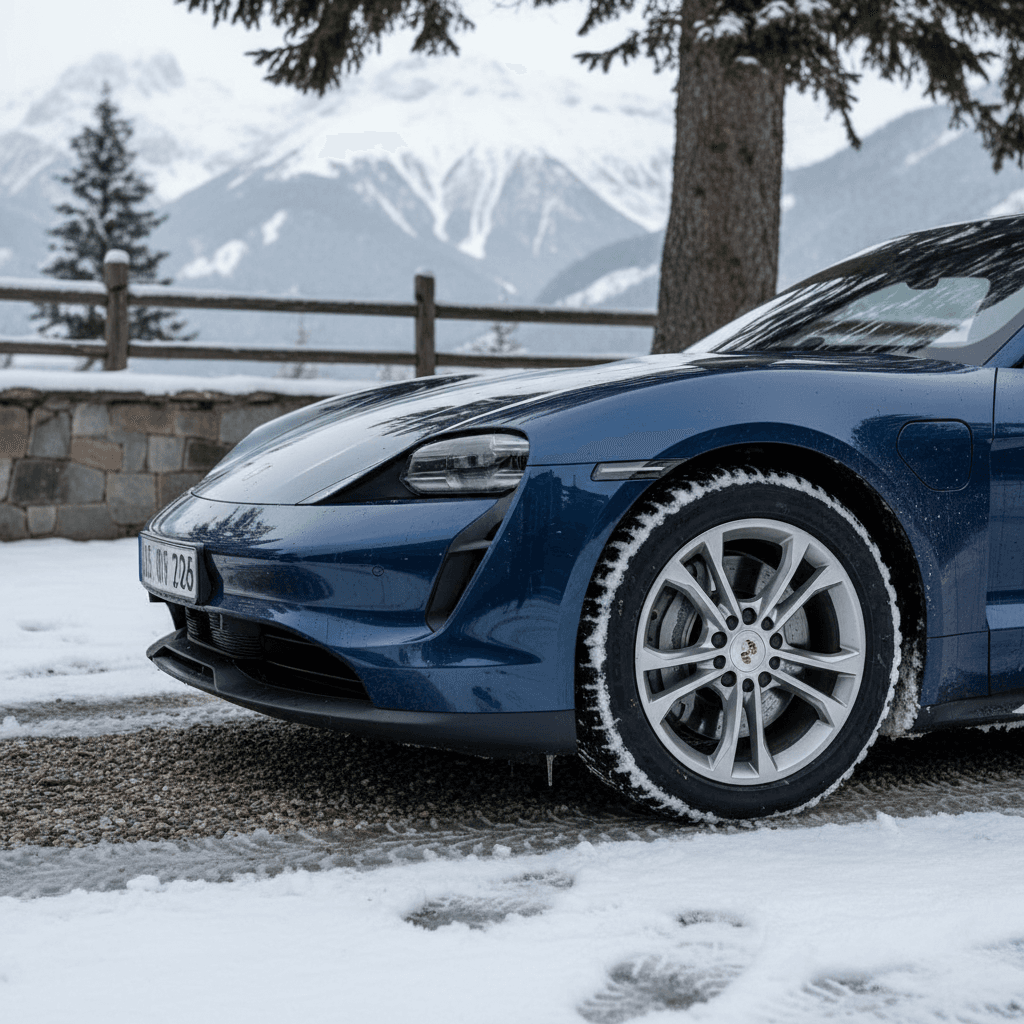
Porsche’s engineers are clear on one point: **winter capability starts with tires**. The Taycan ships from the factory on summer performance rubber in most configurations. That’s ideal for dry grip, but a liability in cold weather, even before you add snow or ice.
Winter Setup Essentials for Any Taycan
1. Choose dedicated winter tires
Look for tires with the **three‑peak mountain snowflake (3PMSF)** symbol in sizes Porsche approves for the Taycan, often 19‑inch packages work best in the snow.
2. Downsize wheels if you can
Smaller‑diameter wheels with taller sidewalls (for example, stepping down to 19‑inch wheels) allow **narrower tires** that cut through slush and provide more compliance on rough winter roads.
3. Use the right drive mode
On Cross Turismo and many AWD Taycans, modes like **Gravel or Wet** soften throttle response and adjust traction control and ABS for low grip. In snow and ice, that makes the car easier to modulate.
4. Consider Porsche‑approved chains
For mountain regions that legally require chains, Porsche offers **tested snow chain setups** for certain 19‑inch Taycan wheels. Check the owner’s manual or dealer for exact combinations.
5. Add heated surfaces where possible
Heated seats, steering wheel and windshield defroster let you **keep cabin temps reasonable** without cranking the HVAC, which helps range on cold days.
6. Protect the paint and underbody
Road salt is tough on any car. A ceramic coating, regular washes and, in some regions, an **underbody rinse** can help a Taycan age more gracefully through repeated winters.
Do Not Rely on All‑Season Tires Alone
Real‑World Taycan Winter Range: What to Expect
Typical Taycan Winter Range Impact
In independent 70‑mph winter highway testing, a dual‑motor Taycan has shown **better‑than‑expected cold‑weather efficiency for a performance EV**, but you should still plan for meaningful range loss versus summer. Around‑town driving with more braking and lower speeds is generally kinder to winter range than long, fast interstate slogs.
Range Planning Tip
How to Set Up a Taycan for Snow and Ice
- Install a full set of quality winter tires in Porsche‑approved sizes, ideally on dedicated winter wheels.
- Set your **departure time** in the My Porsche app so the car can preheat the battery and cabin while plugged in, preserving range.
- Before you pull out of the driveway, clear snow and ice from **sensors, cameras and lights** so driver‑assist features work properly.
- Select a winter‑friendly drive mode such as Wet or Gravel (if equipped), and avoid turning off stability control on public roads.
- Keep the battery between roughly **20% and 80%** on normal days; give yourself more buffer (e.g., arrive with 15–20%) on remote winter trips.
- Carry a basic winter kit: brush and scraper, gloves, charging‑network RFID cards or apps, and a backup Level 1 or Level 2 charging plan at your destination.
Comfort Bonus
Buying a Used Taycan for Winter: Key Checks
If you’re shopping used, the right Taycan can be a phenomenal year‑round daily, even in tough winters. But not every car on the lot was spec’d with cold climates in mind, and battery condition matters more on an EV than on a gas car.
Used Taycan Winter‑Buyer Checklist
Confirm it’s an AWD model
Look for **Taycan 4, 4S, GTS, Turbo, Turbo S or any Cross Turismo** badge if snow traction is a priority. Rear‑drive cars can work but need more caution.
Inspect wheel and tire setup
Check whether the car has an existing **winter wheel and tire package** or only summer tires. Budget for a winter set if you’re in the Snowbelt.
Review battery health
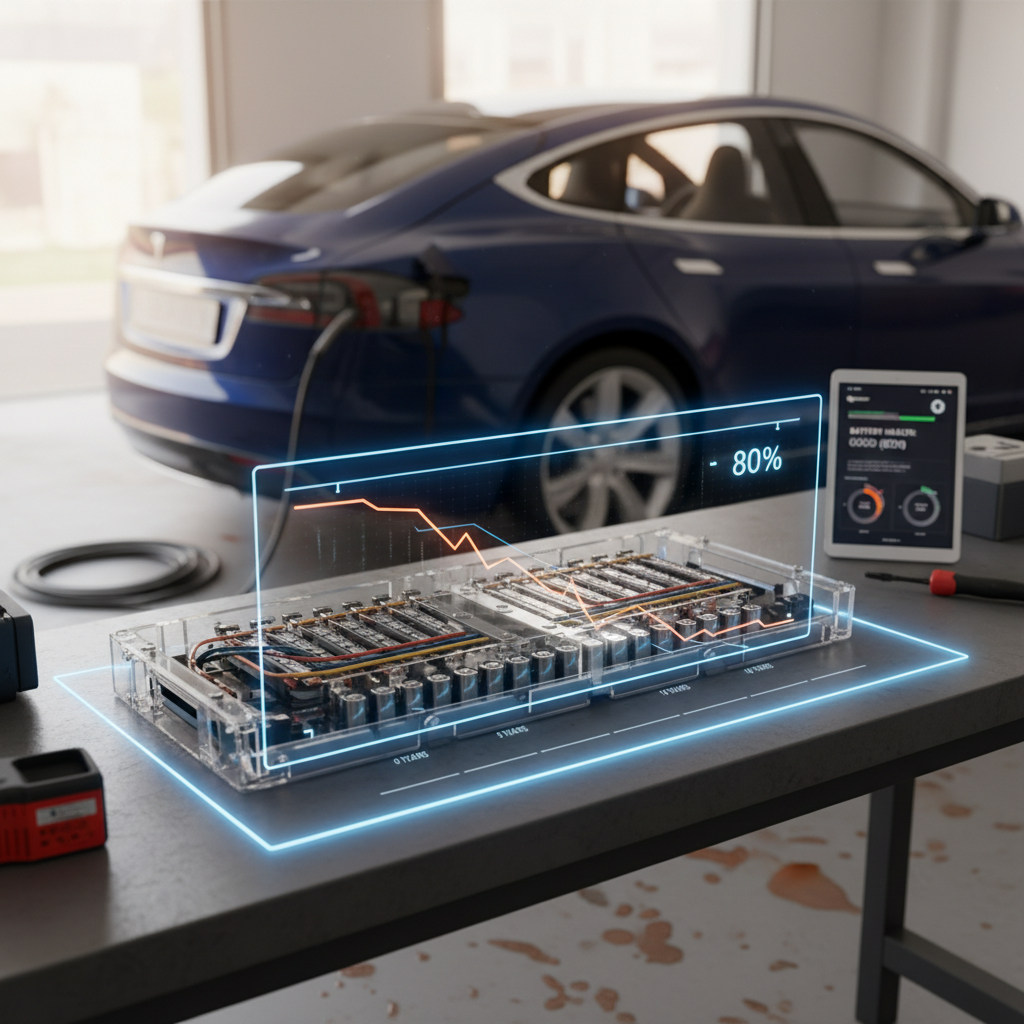
Ask for documentation like a **battery health report**. With Recharged, every vehicle comes with a <strong>Recharged Score</strong> that includes verified battery diagnostics, so you know how winter range will hold up before you buy.
Check for corrosion and underbody wear
Cars that have seen several salty winters should be inspected for **rust, underbody damage and worn suspension components**.
Look for cold‑weather options
Heated steering wheel, heated rear seats, and a heat pump (where equipped) make winter use more comfortable and efficient.
Verify charging history and software updates
A Taycan with documented DC fast‑charging use, up‑to‑date software and regular service history is more likely to deliver **predictable winter performance**.
How Recharged Helps
Porsche Taycan Winter Driving FAQ
Frequently Asked Questions About the Taycan in Snow and Ice
Bottom Line: Which Taycan Is Best for Snow and Ice?
If winter confidence is at the top of your list, the **Taycan 4 Cross Turismo or 4S Cross Turismo on dedicated winter tires** is hard to beat. You get dual‑motor all‑wheel drive, extra ground clearance, room for skis and boards, and the kind of traction and stability that make snow days feel routine instead of stressful.
If you prefer the cleaner look of the sedan, a **Taycan 4 or 4S with 19‑inch winter wheels** is an excellent all‑rounder for snowy suburbs and highway commutes. Rear‑drive Taycans can absolutely survive winter on good snow tires but aren’t the best match for deep‑snow regions.
Whichever route you choose, the fundamentals are the same: **all‑wheel drive where possible, real winter tires, smart preconditioning and realistic range expectations**. Get those right, and a Taycan doesn’t just cope with snow and ice, it can make winter driving genuinely enjoyable. And if you’re exploring a used Taycan as your next all‑weather EV, Recharged can help you compare trims, battery health and pricing so you end up with a winter‑ready car that fits your budget.