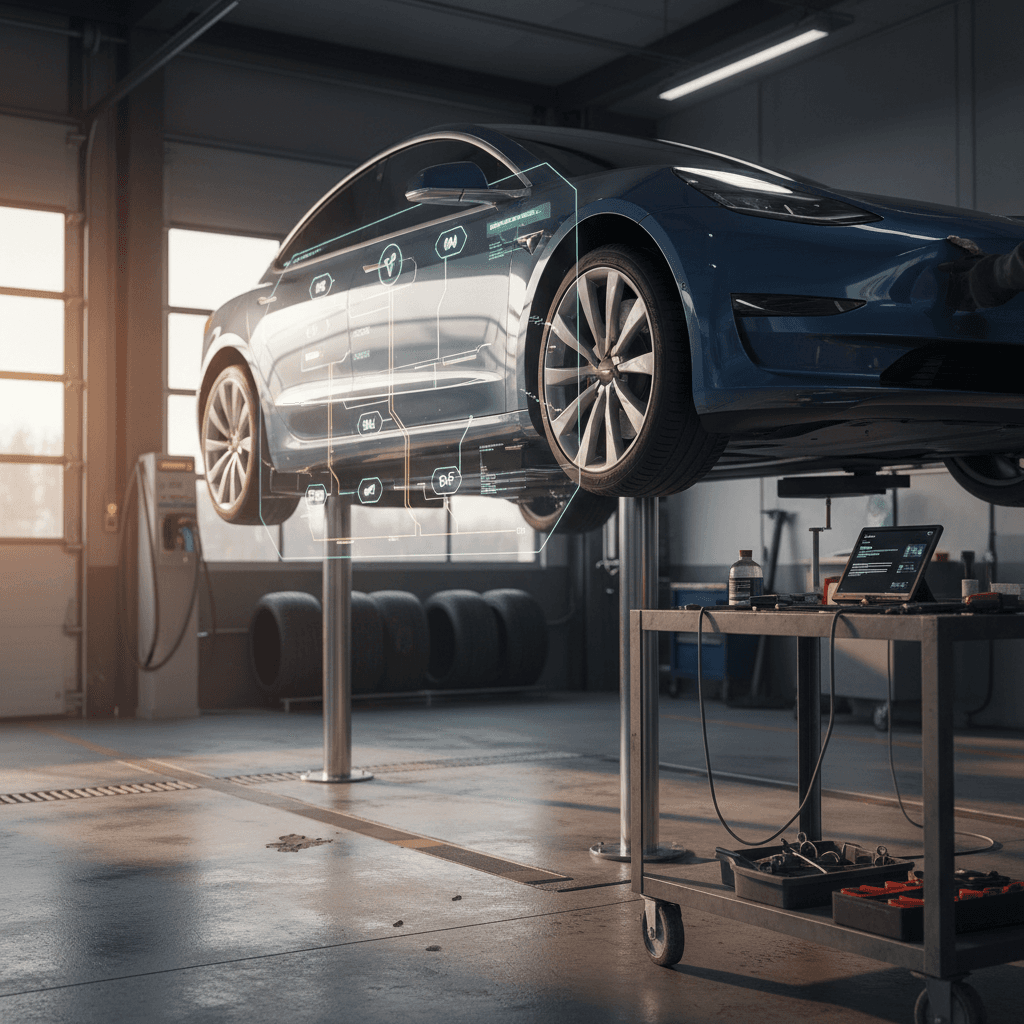
The phrase “Tesla Model 3 maintenance schedule” can be a little misleading. Unlike a gas car, there’s no giant checklist of oil changes, belts, and spark plugs. Tesla has shifted to an as‑needed service model, which is great for owners, but it also makes it harder to know what actually needs to be done, and when.
Quick takeaway
Why the Tesla Model 3 Maintenance Schedule Looks Different
Traditional maintenance schedules are built around the weaknesses of internal‑combustion tech: oil breaks down, belts stretch, spark plugs wear, emissions systems clog. The Tesla Model 3 doesn’t have any of that. Its schedule is built around tires, brakes, fluids, and filters, plus software and visual inspections.
Model 3 vs Gas Car: Maintenance at a Glance
Where you save the most over time
No engine upkeep
No oil changes, spark plugs, timing belts, fuel filters, or emissions tests. That wipes out many of the line items that dominate a traditional maintenance schedule.
Fewer wear items
Regenerative braking dramatically reduces brake pad wear, and there’s no multi‑speed transmission to service. Most wear and tear concentrates in tires and suspension.
Software-first model
The car constantly monitors itself and pushes over‑the‑air updates. Many issues are fixed without a shop visit, and the app guides you when service is actually needed.
Think “checklist”, not “dealer menu”
Core Tesla Model 3 Maintenance Schedule
Tesla’s own materials and the Model 3 owner’s manual boil the official maintenance schedule down to a handful of recurring items. Here’s the high‑level view for U.S. Model 3 owners as of 2025–2026:
Tesla Model 3 Core Maintenance Items
Approximate intervals for most U.S. Model 3 owners. Always double‑check your in‑car manual for your specific year and configuration.
| Item | Recommended Interval | Notes |
|---|---|---|
| Tire rotation & inspection | Every 6,250–10,000 miles or when tread difference ≥ 2/32" | More frequent if you drive hard or run performance tires. |
| Wheel alignment check | Every 12–24 months or if you notice pull/uneven wear | Not a Tesla‑only requirement; any competent shop with EV-safe lifts can check. |
| Cabin air filter | Every 2 years | 3 years if equipped with HEPA/large carbon filter on some variants. |
| Brake fluid check | Every 4 years (replace as needed) | Heavy towing or mountain driving may justify shorter intervals. |
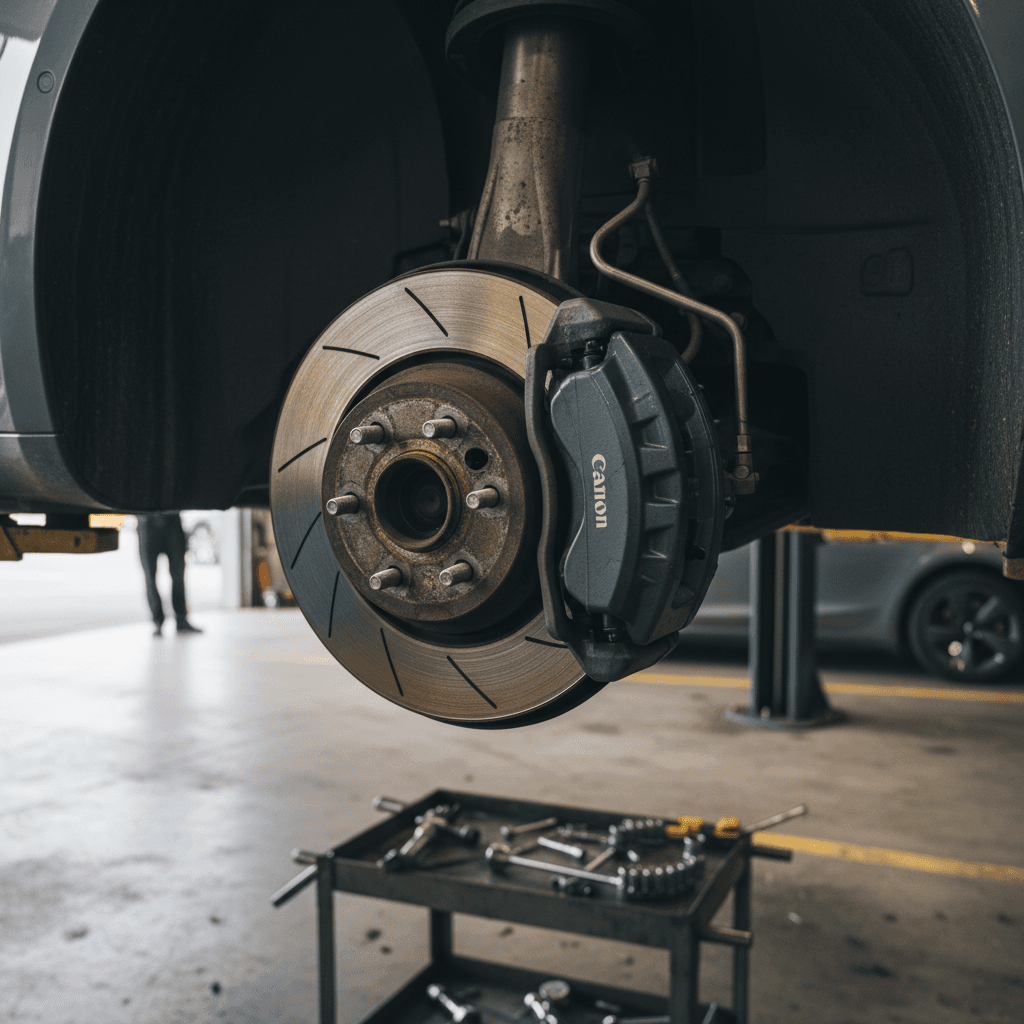
| Brake caliper clean & lube (salty roads) | Every 12 months or ~12,500 miles | Critical in regions that use road salt to prevent calipers from seizing. |
| Wiper blades | About once a year | Or whenever streaking or chatter appears. |
| A/C desiccant service | Around every 6 years (for earlier builds) | Tesla may recommend this during an HVAC service; newer vehicles may differ. |
| Battery coolant | Generally only if alerted or during major service | Do not open the coolant reservoir yourself, can void warranty. |
Tesla has moved away from fixed annual “services” toward item‑specific intervals and condition-based recommendations.
Always confirm in your own manual
Detailed Maintenance Schedule by Time & Mileage
To make the Tesla Model 3 maintenance schedule more intuitive, it’s helpful to think in ranges of time and mileage rather than rigid “15,000‑mile service” blocks. Below is a practical breakdown for a typical U.S. driver covering 10,000–15,000 miles per year.
0–12,500 miles (~Year 1)
Monitor tires from day one
The Model 3’s weight and instant torque are hard on tires. Check pressure monthly in the app and visually inspect for shoulder wear. Plan a rotation around 6,000–7,500 miles, sooner if you see uneven wear.
Listen and feel for alignment issues
If the car pulls, the steering wheel is off‑center, or one edge of a tire is wearing faster, book an alignment check with a shop that understands EV jacking points.
Wiper performance check
Harsh winters and sun can wreck blades quickly. If you see streaks, skip the schedule and just replace them.
Software and alerts
Respond promptly to any service alerts in the Tesla app. Many minor issues can be pre‑diagnosed via remote diagnostics before you ever visit a Service Center.
12,500–25,000 miles (~Year 2)
Rotate tires again
By now you’re on your second or third rotation. If tread depth difference exceeds 2/32" front‑to‑rear or side‑to‑side, get them rotated sooner rather than waiting for a round number.
Replace the cabin air filter
At roughly the 2‑year mark, plan to replace the cabin air filter to keep HVAC performance and in‑car air quality high. Many owners DIY this with basic tools.
Brake caliper service in salty climates
If you’re in the northern U.S. or Canada where salt is used, a yearly caliper clean and lube helps avoid stuck calipers, a bigger issue in EVs because friction brakes are used less often.
HVAC and A/C check
If you notice weak A/C, fogging, or odd smells, this is a good time to have Tesla or an EV‑savvy shop inspect the system and check for service bulletins.
25,000–50,000 miles (~Years 3–4)
Ongoing tire management
Most Model 3 tires last 25,000–40,000 miles depending on driving style and tire choice. Budget for a full set of tires during this window, especially on Performance models.
Brake fluid health check
Tesla recommends checking brake fluid around every 4 years. If a test shows contamination, have it flushed and replaced. Regenerative braking doesn’t eliminate the need for healthy fluid.
HVAC desiccant and deeper inspection
On earlier cars, Tesla may recommend desiccant bag service around the 6‑year mark, but a thorough HVAC check around year 4 is sensible if you live in humid or hot climates.
Suspension and steering inspection
Ask for a suspension and steering check with your next alignment or tire service, bushings and links can wear, especially on rough roads.
High‑milers and rideshare drivers
Costs: How Much Model 3 Maintenance Really Runs
Tesla’s own guidance pegs Model 3 annual maintenance in roughly the mid‑hundreds of dollars per year, depending largely on tires and where you service the car. Real‑world owner data broadly backs that up: most drivers see $300–$700 per year on average once you account for tires, filters, and occasional shop visits.
Typical Model 3 Maintenance Costs (2025–2026 U.S.)
Model 3 annual maintenance
Across tires, filters, brake fluid checks, and the occasional inspection, many owners land in the $300–$700 per year range. Years with a tire purchase or out‑of‑warranty repair will be on the high end; some years may be far lower.
Comparable gas sedan
When you include oil changes, transmission service, belts, emissions components, and more frequent brake work, it’s common to see $800–$1,500 per year over a similar mileage profile, before any major engine or transmission repairs.
Where EVs really win
Winter, High-Mileage, and Performance Driving Considerations
The base Tesla Model 3 maintenance schedule assumes average driving in mild conditions. If you live in a harsh winter climate, rack up big miles, or own a Performance model, you’ll want to tweak the plan slightly.
Adjusting the Schedule for Your Use Case
Three scenarios where you should go beyond the basic recommendations
Snow & road salt
- Clean and lube brake calipers every 12 months or ~12,500 miles.
- Wash underbody regularly to reduce corrosion.
- Consider winter wheels/tires to protect your primary set.
High annual mileage
- Plan on more frequent tire rotations (every 5,000–7,500 miles).
- Expect more frequent full tire replacements.
- Ask for suspension checks when you’re in for alignment.
Performance driving
- Track days and mountain runs put real heat into the brakes.
- Shorten your brake fluid and pad inspection intervals.
- Watch for accelerated tire shoulder wear.
Don’t ignore brake work just because you regen
DIY vs Tesla Service Center vs Independent Shop
Tesla encourages owners to use the app and Service Center network, but you’re not locked into Tesla for everything. The right mix of DIY, mobile service, and independent shops can keep your Model 3 on schedule without overpaying, or voiding your warranty.
Who Should Handle Each Model 3 Maintenance Item?
A practical look at what’s safe to DIY and when it’s smarter to call in a pro.
| Task | DIY-Friendly? | Tesla Service Center / Mobile | Independent EV-Savvy Shop |
|---|---|---|---|
| Tire rotation | Yes, with proper jack pads and torque wrench | Common; easy to bundle with inspection | Very common; tire shops do this all day |
| Wheel alignment | No | Available in most Service Centers | Often cheaper and faster; choose a shop familiar with Teslas |
| Cabin air filter | Yes, widely DIYed | Quick job if you don’t want to DIY | Any shop can do; just supply correct filter |
| Brake fluid test/flush | Usually no for beginners | Recommended, especially if under warranty | Good option out of warranty with a trusted shop |
| Brake caliper clean & lube | Intermediate DIY | Common in cold/salty regions | Many independent shops now offer EV brake services |
| Wiper blades | Yes | Tesla can install OEM blades | Any parts store or shop can install |
Warranty law in the U.S. allows you to use independent shops and DIY for many items, as long as work is performed correctly and with appropriate parts.
Be careful with high-voltage systems
Maintenance and Buying a Used Tesla Model 3
Maintenance history matters especially when you’re buying a used Tesla Model 3. The schedule is relatively light, which means neglect can hide in plain sight: half‑worn tires, original brake fluid, and filters that should have been changed years ago.
Key maintenance questions to ask
- When were the tires last replaced and rotated?
- Has the cabin air filter been changed in the last 2 years?
- Was the brake fluid ever checked or replaced (especially on older cars)?
- Any records of brake caliper service in salty climates?
- Has the car had any suspension or alignment work after impacts or curb hits?
How Recharged helps simplify this
Every used EV sold through Recharged includes a Recharged Score Report with verified battery health, tire and brake condition, and a clear picture of recent maintenance. That gives you a head start on the schedule instead of guessing what the previous owner did.
If you’re trading in or selling, Recharged can also give you an instant offer or help you consign your Model 3, making it easier to roll into your next EV without surprise service bills.
90-Day Maintenance Plan After Buying a Used Model 3
1. Baseline inspection
Schedule a quick tire, brake, and suspension inspection, either at a Tesla Service Center or a trusted independent shop used to EVs.
2. Reset the wearable items
If you’re even slightly unsure about the cabin filter, wipers, or brake fluid, replace or check them early so you know where you stand.
3. Align and rotate
Start fresh with an alignment check and tire rotation so you’re not inheriting someone else’s uneven wear patterns.
4. Document everything
Keep digital copies of invoices and inspections. It helps you stay on schedule and supports resale value when you eventually move on.
Common Tesla Model 3 Maintenance Mistakes to Avoid
- Waiting too long to rotate tires, then being surprised by premature shoulder wear or noisy cupping.
- Ignoring slight steering pull or off‑center wheels, often the first sign you need an alignment.
- Treating brake fluid as “lifetime” and never testing it, even after 4–5 years.
- Skipping caliper service in salty regions, leading to seized hardware and expensive brake jobs.
- Assuming “no scheduled maintenance” means “no maintenance at all” and never opening the manual or service tab in the app.
An annual 15-minute check-in goes a long way
FAQ: Tesla Model 3 Maintenance Schedule
Frequently Asked Questions
Bottom Line: Keep the Schedule Simple and Consistent
The Tesla Model 3 doesn’t need an old‑school, dealer‑friendly maintenance schedule, and that’s a big part of its appeal. If you stay on top of tire care, filters, brake fluid checks, and climate‑specific items like caliper service, you’ve already done most of what this car needs to stay reliable for the long haul.
If you’re shopping for a Model 3, especially used, fold the maintenance schedule into your decision, not as a reason to worry, but as a way to budget realistically and avoid surprises. Recharged was built to make that easier: with verified battery health, transparent pricing, and EV‑savvy support, you can see exactly where a car sits on its maintenance journey before you buy. That’s the kind of clarity that should have come standard with the EV revolution.