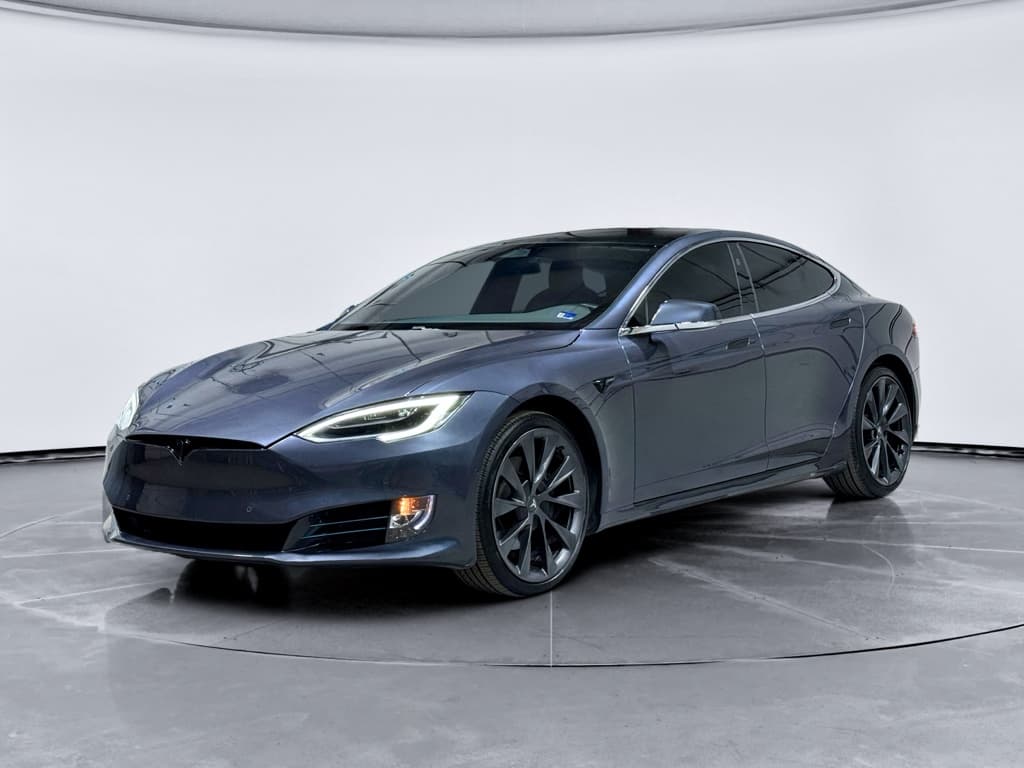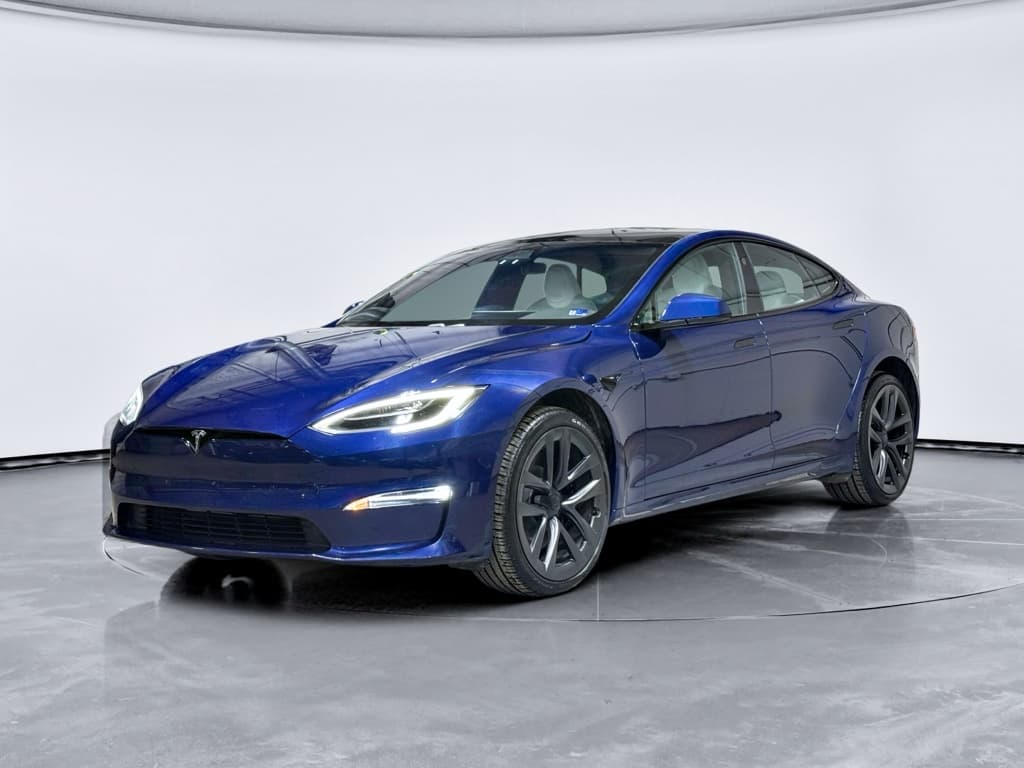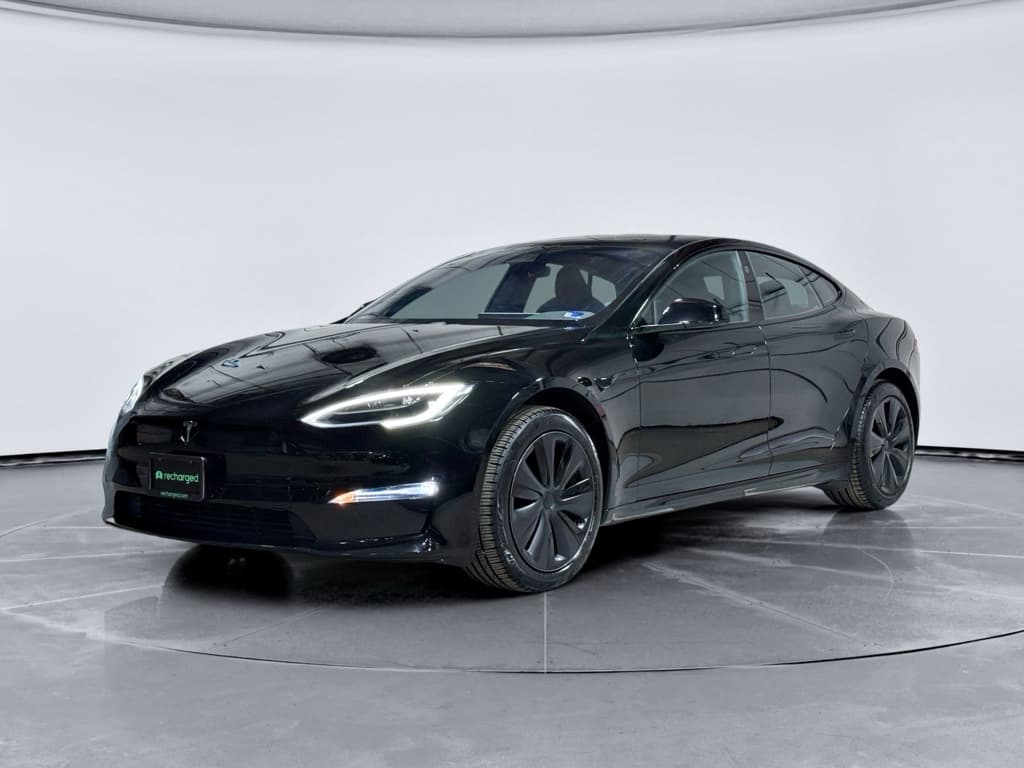
If you’re looking up “Tesla Model S real world range 2026”, you’re probably not asking what the EPA sticker says, you want to know how far the car will actually go at 70–75 mph, in real weather, with real passengers and cargo. This guide walks through the latest data and driver experience so you can plan road trips, compare trims, or evaluate a used Model S with realistic expectations.
Quick answer
Why “real-world range” matters more than ever in 2026
On paper, the Tesla Model S is still one of the longest‑legged EVs you can buy, with EPA ratings that climbed above 400 miles in the early 2020s. But by 2026, two realities collide for shoppers and owners: EPA numbers have come down after methodology changes, and many cars on the road are now several years old, with some degree of battery degradation. That makes real‑world range, not brochure numbers, the metric that actually determines whether a Model S fits your life.
The other reason to focus on real‑world range is that highway driving at U.S. speeds is punishing. Independent 75‑mph tests have historically shown Tesla sedans landing around 75–85% of their EPA combined rating at those speeds, even before you factor in cold weather or heavy wheels. Understanding that gap helps you choose the right trim, charging strategy, and even the right used Model S to buy.
Tesla Model S range reality check (2026 snapshot)
Tesla Model S variants & EPA range in 2026
Before we talk about real‑world numbers, it helps to frame where the 2021–2026 Model S sits on paper. Over the last few years, Tesla simplified the lineup to essentially two trims in North America:
- Model S Long Range – dual‑motor AWD, comfort‑oriented, longest rated range
- Model S Plaid – tri‑motor performance flagship, slightly less efficient but dramatically quicker
Early refresh cars (2021–2022) saw eye‑catching EPA numbers, over 400 miles for some Long Range configurations, while 2023–2025 updates and EPA test‑cycle changes pulled those claims down by a few dozen miles. Tesla then announced in early 2026 that it will wind down Model S production later in the year, but the thousands of cars already on U.S. roads will remain relevant for a long time, especially in the used market.
Approximate EPA ratings for recent Model S trims (U.S.)
These figures are rounded snapshots of EPA combined ratings for recent Model S variants. Exact numbers vary by model year and wheel size, but the relationships between trims hold.
| Model year & trim | Wheel size | EPA combined rating (approx.) | Key takeaway |
|---|---|---|---|
| 2020–2021 Long Range Plus / Long Range | 19" | 390–402 mi | Best‑case paper range; many cars now a few years old |
| 2021–2024 Long Range | 21" | 360–380 mi | Big wheels trade 20–30 miles of rating for looks & grip |
| 2021–2024 Plaid | 19" | 350–360 mi | Performance with still‑strong headline range |
| 2021–2024 Plaid | 21" | 320–340 mi | Fastest, but pays the biggest efficiency penalty |
| 2024–2025 updated ratings | 19" | Down ~20–30 mi vs earlier | EPA methodology & Tesla recalibration lower official figures |
Remember: EPA ratings assume a mix of city and highway driving at lower average speeds than typical interstate travel.
Don’t obsess over the exact EPA number
Real-world highway range: what drivers actually see
Most owners judge their Tesla Model S by how it behaves on the interstate. Third‑party 70–75 mph tests and thousands of owner reports point to a consistent pattern: at typical U.S. highway speeds, a healthy Model S returns about 75–85% of its EPA combined rating in mild conditions.
Realistic 75‑mph highway range by recent Model S trim
Assuming mild weather (~60–75°F), light wind, relatively flat terrain, starting from a full charge and driving down to low state‑of‑charge, not zero.
Model S Long Range (2020–2025, 19" wheels)
- EPA combined: roughly 380–400 miles when new
- Typical 75‑mph range when new: about 290–320 miles
- Lightly used in 2026 (3–5 years old): expect 270–300 miles if the battery is healthy
Model S Plaid (2021–2025, 19" wheels)
- EPA combined: mid‑350‑mile range
- Independent 75‑mph tests: around 275–300 miles when new
- Used in 2026: common reports in the 260–285‑mile band on 19" wheels
Model S Long Range (21" wheels)
- EPA combined: typically 20–30 miles lower than 19"
- Real 75‑mph range: often 250–280 miles, depending on temperature
- Heavier drivers or high speeds (80+ mph): can push that closer to 230–250 miles
Model S Plaid (21" wheels)
- EPA combined: roughly low‑ to mid‑330s
- Real‑world 75‑mph range: many owners land around 240–270 miles
- Spirited driving: sustained triple‑digit runs or frequent launches can drop usable highway range into the low 200s
Think in legs, not theoretical max range
City, mixed driving, and daily commuting range
Highway range gets the attention, but most Model S owners in 2026 spend far more time in suburban and urban driving. The good news is that the same physics that hurt you at 75 mph help you at 30–45 mph: lower aerodynamic drag and more frequent opportunities for regenerative braking.
- In mixed driving (suburban + highway under 65 mph), many owners report efficiency close to or even slightly better than EPA.
- In dense city driving, it’s common to see effective ranges that would translate to 330–360 miles per full charge in a healthy Long Range car, even if you never actually run it from 100 to 0%.
- Stop‑and‑go traffic is less punishing than you might think, climate control becomes the main energy draw, not movement itself.
If your daily commute is, say, 40–60 miles round trip and you can charge at home, any 2020+ Model S in reasonable health is essentially a “charge once or twice a week” car. Real‑world range questions matter more for road‑trip flexibility and for buyers who lack consistent home charging.
7 real-world factors that cut your Model S range
Every EV manufacturer sells a number printed under idealized conditions. In the wild, your Model S range depends on a stack of variables. These are the big ones that matter in 2026, whether you’re in a brand‑new Plaid or a 2018 100D.
Key range killers to watch for
1. Speed above ~70 mph
Aerodynamic drag increases with the square of speed. Jumping from 65 to 80 mph can cost you 15–25% range on its own. If you’re planning a “set it at 80” interstate run, expect to land at the <strong>bottom</strong> of the ranges in this guide.
2. Temperature and climate control
Cold batteries are sluggish and resist taking or giving charge. In steady sub‑freezing weather, especially with cabin heat running, a Model S can lose <strong>25–40% of its rated range</strong>. Very hot weather has a smaller penalty, but constant A/C at 100°F still adds up.
3. Wheel size & tire type
The gap between 19‑ and 21‑inch wheels is not just cosmetic. Wider, stickier tires and heavier rims can easily cost <strong>15–30 miles</strong> of realistic highway range, even in perfect weather.
4. Elevation and headwinds
Climbing long grades at highway speeds is brutal on efficiency. A strong headwind can mimic a permanent climb, quietly shaving another 10–20% off what your trip planner predicted if you don’t adjust your speed.
5. Payload & roof accessories
Four adults, luggage, and a roof box on a ski trip? You’re stacking weight and drag. It’s not unusual to see another <strong>10–15% hit</strong> to range in that scenario compared with the same route solo with no cargo.
6. Battery age and health
Most modern Tesla packs lose range gradually, not catastrophically. A five‑year‑old Model S Long Range that started at ~390 miles EPA may realistically offer <strong>5–12% less usable capacity</strong>, depending on usage and charging habits.
7. Driving style
Smooth throttle inputs matter. Hard launches and repeated full‑throttle bursts in a Plaid can push consumption to sports‑car levels. Over a tank‑sized highway leg, that may be the difference between arriving with 15% and hunting for a charger at 3%.
Wheel size & tires: how much range you lose
For Model S shoppers in 2026, the wheel‑and‑tire choice might be the single easiest way to trade looks for meaningful range. Tesla itself has historically rated 21‑inch wheels on the Model S as costing roughly 20–40 miles of EPA range versus 19‑inch aero designs, and that gap shows up just as clearly in the real world.
19" wheels (range‑oriented)
- Best choice if you prioritize highway range and smooth ride.
- Expect 5–10% better efficiency than 21" wheels at 70–75 mph.
- Usually paired with lower‑rolling‑resistance tires from the factory.
21" wheels (performance / aesthetics)
- Sharpen steering response and fill the wheel wells, but cost efficiency.
- On a Plaid, owners commonly report real highway range in the 240–270‑mile band on 21" vs 260–290 on 19" under the same conditions.
- Stickier tires wear faster and can further erode efficiency over time.
Easy win for used‑car shoppers
Range on road trips vs. around town
The Model S was built for covering ground, but the kind of driving you do changes how much of its potential you can tap. In 2026, the Supercharger network is robust enough across most of the U.S. that you’ll rarely be limited by maximum range alone, but understanding how the car behaves in different use cases lets you plan better and avoid surprises.
How driving patterns change your effective range
Same car, same battery, very different outcomes depending on the trip profile.
Urban & short‑hop driving
- Lots of stops and regen, speeds often below 45 mph.
- Energy use dominated by HVAC and short warm‑up periods.
- Effective range can feel better than highway, but you seldom use the full pack in a day.
Suburban commuting
- Mix of 35–55 mph roads with occasional highway segments.
- Real‑world range often tracks close to EPA combined in mild weather.
- Most owners simply charge to 60–80% and never think about range.
Long‑distance road trips
- Steady 70–80 mph, climate control always on.
- Expect to see 75–85% of EPA combined at best, less in winter.
- Trip planning revolves around charging stops every 150–220 miles, not max theoretical range.
Superchargers change the equation
Used Tesla Model S: what range to expect by model year
For used shoppers, the right question in 2026 isn’t “What was the EPA number when this car was new?” but “How much range does this specific car still have today?” That depends on mileage, fast‑charging history, climate, and build generation.
Ballpark real-world highway range by Model S generation (in 2026)
These are high‑level, mild‑weather 70–75 mph estimates for healthy examples. Individual cars can be better or worse depending on battery health and configuration.
| Model years & battery | Original EPA combined (approx.) | Typical 75‑mph range when new | Reasonable 75‑mph range target in 2026* | Notes |
|---|---|---|---|---|
| 2016–2018 90D / 100D | ~294–335 mi | 230–270 mi | 200–240 mi | Strong highway cruisers; many are now 8–10 years old. |
| 2019–2020 Long Range / Long Range Plus | ~345–402 mi | 270–320 mi | 240–290 mi | Best of the pre‑refresh cars; condition matters a lot now. |
| 2021–2022 Refresh Long Range | ~375–400 mi | 290–320 mi | 270–300 mi | Most still feel “like new” if well cared‑for. |
| 2021–2022 Plaid | ~340–360 mi | 275–300 mi | 255–285 mi | Tri‑motor performance with still excellent real‑world legs. |
| 2023–2025 Long Range (post rating update) | ~350–380 mi | 270–310 mi | 260–300 mi | EPA numbers dipped; hardware is broadly similar, so real range remains strong. |
Always treat these as starting points. A verified battery‑health report is the only way to know what a particular car can really do.
Why you shouldn’t guess on older cars
How to estimate your own real-world range
Once you know roughly where your Model S sits in the EPA and age hierarchy, you can sanity‑check your own expectations in a few minutes. Here’s a practical way to do it that lines up with how independent tests are run.
DIY real-world range estimate
1. Start from your EPA rating
Look up the original EPA combined range for your exact year, trim, and wheel size. This gives you a baseline to work from, say, 390 miles for a Long Range on 19" wheels.
2. Adjust for battery age
If your car is 3–6 years old and has moderate mileage, knock off <strong>5–12%</strong> to account for typical degradation. Heavy fast‑charging or extremely high mileage may justify a bigger haircut.
3. Convert to highway reality
Multiply the result by <strong>~0.8</strong> to estimate 70–75 mph range in mild weather. Example: 390 miles × 0.9 (age) × 0.8 (highway) ≈ <strong>280 miles</strong> of realistic highway range when starting from a full charge.
4. Adjust for your conditions
If you’ll cruise at 80 mph, run winter tires in freezing weather, or carry four adults and luggage, shave off another <strong>10–25%</strong>. Conversely, if you drive 65 mph in spring weather, you may do a bit better than the 0.8 multiplier.
5. Plan using 10–90% or 20–80%
On road trips, it’s rare (and stressful) to run from 100% to 0%. Focus on the energy between <strong>10–90%</strong> or <strong>20–80%</strong>. An estimated 280‑mile highway range becomes roughly <strong>180–220 usable miles per leg</strong> in realistic planning.
Use trip meters, not guesses
How Recharged measures range & battery health
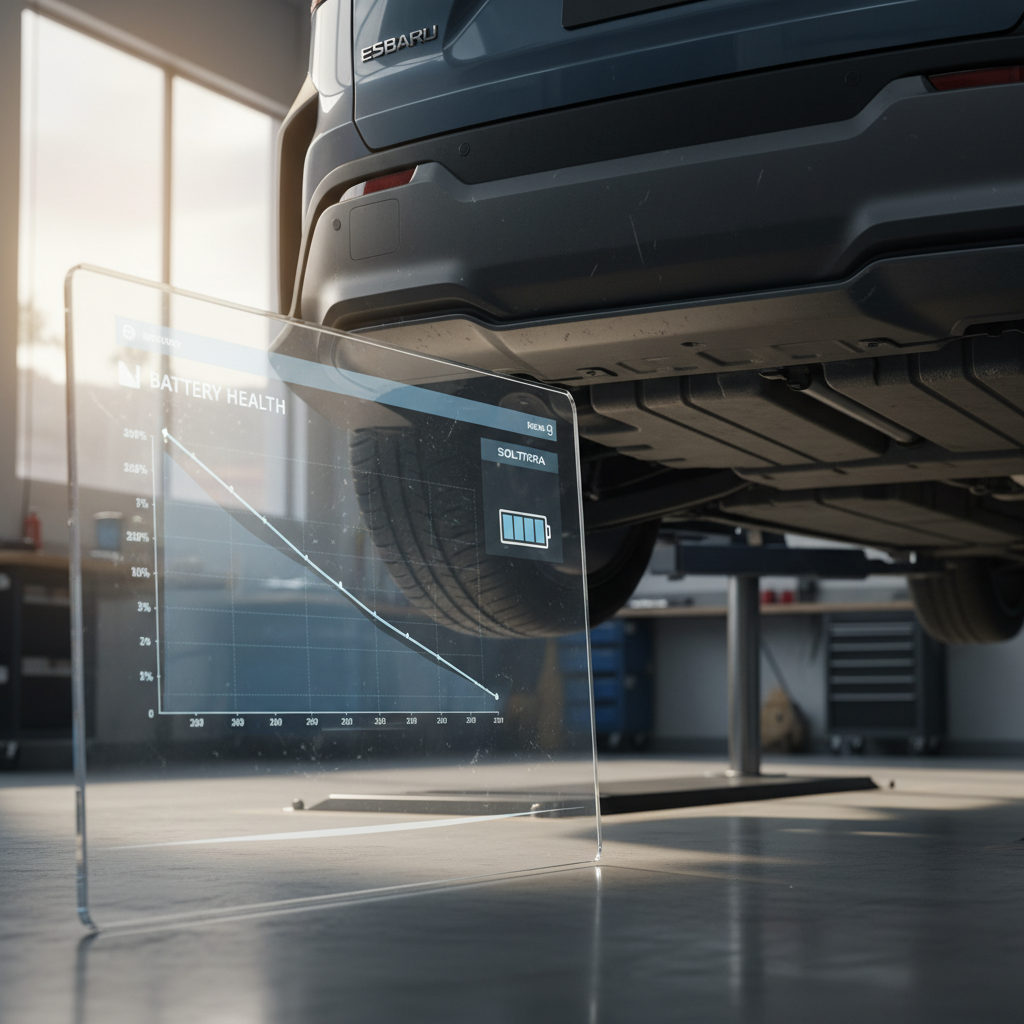
At Recharged, range isn’t an abstract number. Every used EV we list, including Tesla Model S sedans, gets a Recharged Score Report that combines on‑road data, direct pack analysis, and market context so you can compare one car to another with confidence.
What goes into a Recharged Score for a Model S
Why a verified report beats guessing from the odometer or EPA rating.
Verified battery health
Real-world range modeling
Fair market context
Ready to find your next EV?
Browse VehiclesIf you’re comparing a handful of used Model S listings, a Recharged Score Report makes it much easier to answer questions like, “Is this Plaid on 21‑inch wheels still a comfortable 200‑mile winter road‑trip car?” or “How does this 2018 100D’s highway performance compare to a newer Long Range?”
FAQ: Tesla Model S real-world range in 2026
Frequently asked questions about Model S range
Bottom line: is Tesla Model S range enough in 2026?
Even with the swirl of headlines about revised EPA ratings and production changes, the real‑world range story for the Tesla Model S in 2026 is simple: a healthy Long Range remains a 270–300‑mile interstate car in good conditions, and a Plaid isn’t far behind. For most drivers, that translates into relaxed 150–220‑mile legs between Superchargers and worry‑free daily commuting.
Where things get nuanced is in the used market. Age, wheel choice, climate, and how the previous owner treated the battery can swing your actual highway range by 50 miles or more. That’s why leaning on verified data, rather than assuming every Model S matches the brochure, is the smartest move. If you’re considering a used Tesla, browsing Recharged gives you transparent Recharged Score battery reports, fair‑market pricing, and expert EV support so you know exactly what kind of real‑world range you’re buying before you ever click “purchase.”