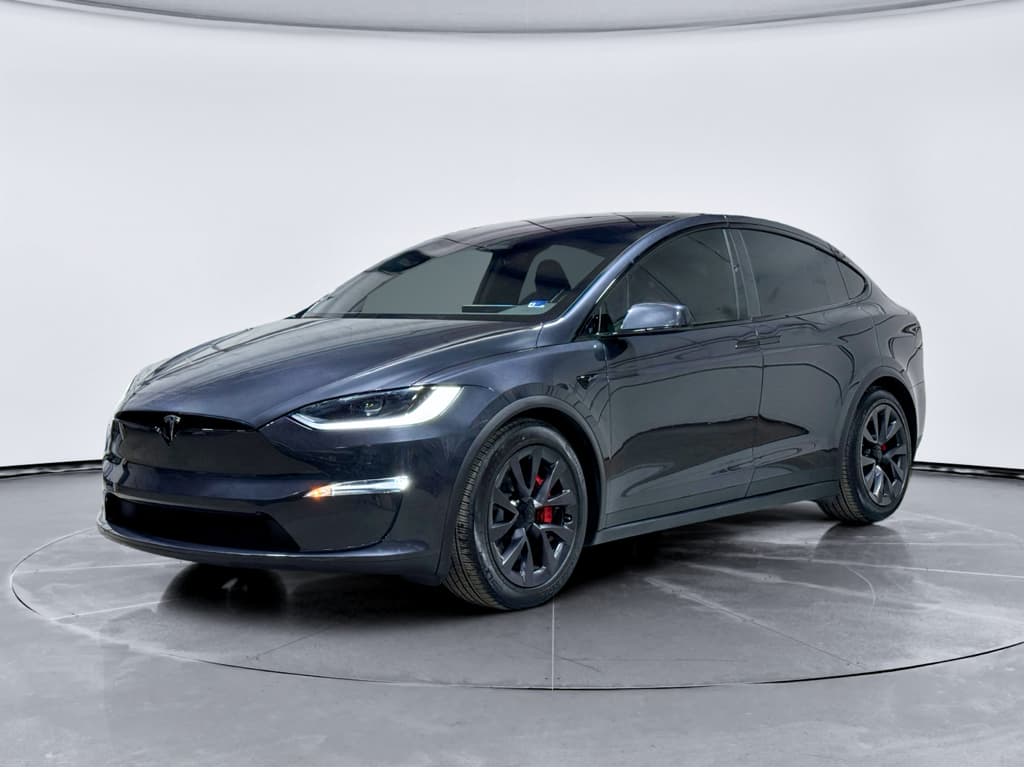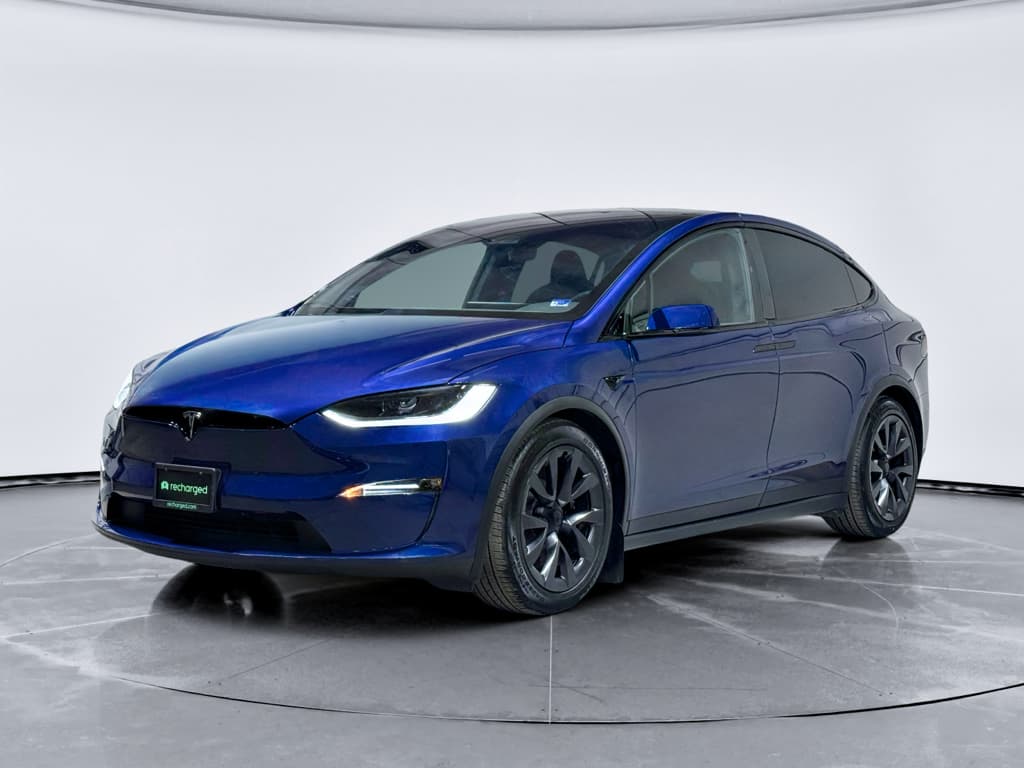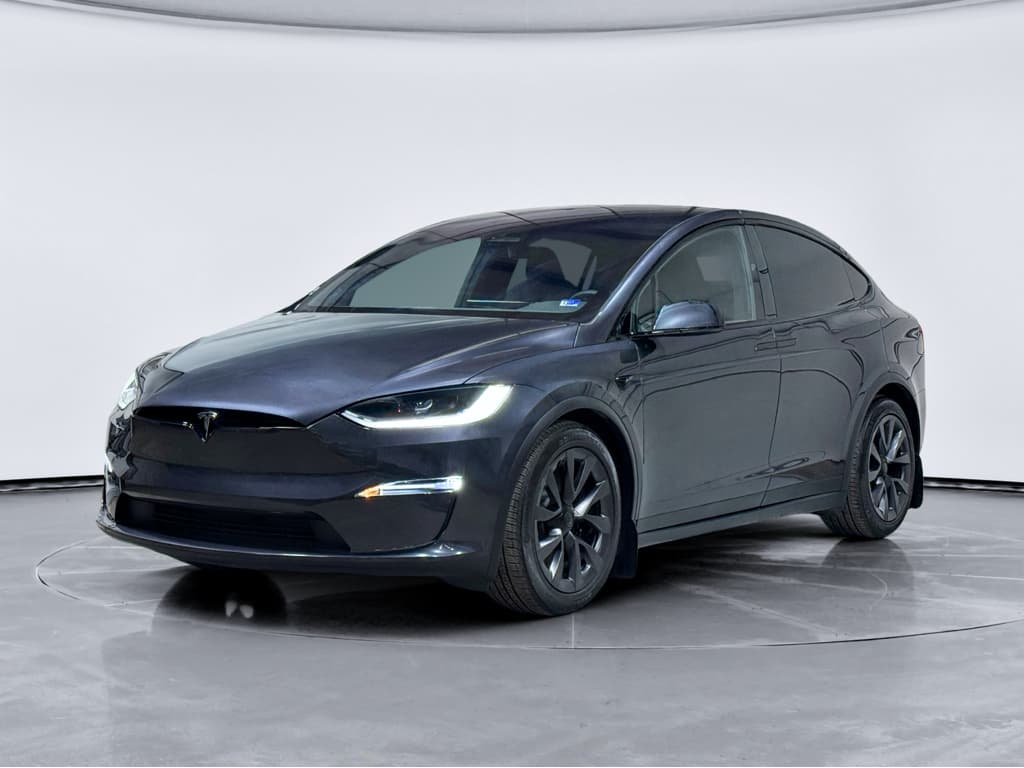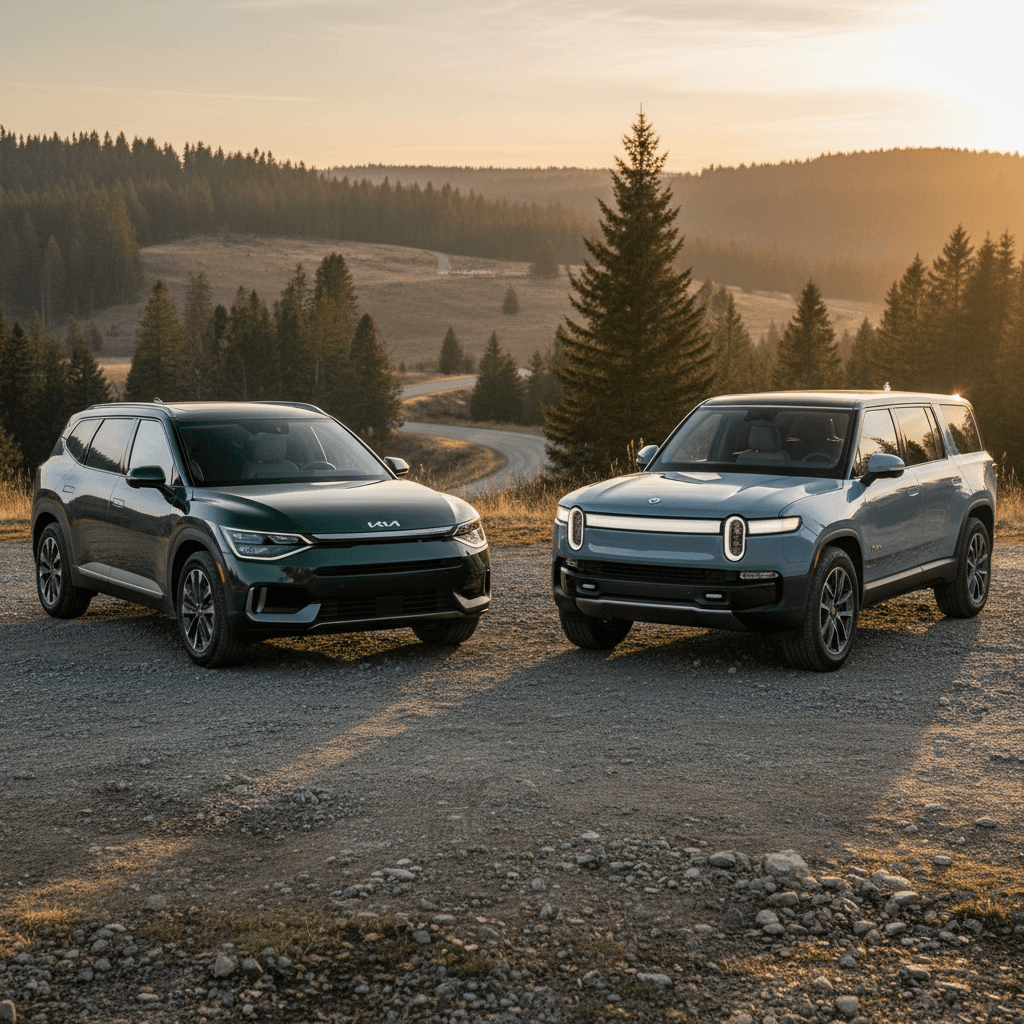
If you’re shopping for a three-row electric SUV, your short list probably includes the **Tesla Model X** and the **Rivian R1S**. They’re both quick, quiet and luxurious, but they solve the same problem in very different ways. One is a sleek highway cruiser built around Tesla’s software and Supercharger network; the other is a boxy, trail-capable family hauler with serious adventure chops.
Two EV heavy-hitters, two personalities
Tesla Model X vs Rivian R1S: quick overview
Headline specs: Tesla Model X vs Rivian R1S (recent model years)
Key numbers for late‑generation Model X and current‑generation Rivian R1S sold in the U.S. as of the 2025–2026 model years. Exact specs vary by configuration and year, especially on the used market.
| Tesla Model X (Long Range / Plaid) | Rivian R1S (Dual / Tri / Quad) | |
|---|---|---|
| Base new MSRP (approx, US) | $84,990–$99,990 | $75,900–$105,900 (2025); slight increase for 2026 |
| EPA range window | ~314–329 miles, 100 kWh pack | ~270–380 miles (up to ~410 mi in Conserve mode) |
| 0–60 mph | ~3.8s (Long Range) / ~2.5–2.6s (Plaid) | ~4.5s (Dual) / 3.4s (Dual Perf & Max) / ~2.9s (Tri / Quad est.) |
| Max towing | 5,000 lbs | 7,700 lbs |
| Drive layout | Dual- or tri‑motor AWD | Dual‑, tri‑ or quad‑motor AWD |
| Seats | 5, 6 or 7 | 7 seats (one configuration) |
| Character | Sleek, techy highway cruiser | Rugged, outdoorsy adventure SUV |
Always confirm exact specs for the specific vehicle and model year you’re considering.
How to read the numbers
Price, value and incentives
New, the **Model X** is the pricier of the two. After Tesla’s 2025 price hikes, the Long Range (now usually just called “Model X AWD”) sits in the **mid‑$80Ks**, with the Plaid pushing just under **$100K**. That pricing also pushed many new Model X builds over the federal SUV price cap, so **recent Model Xs generally no longer qualify for the $7,500 federal EV tax credit** when purchased new.
The **Rivian R1S** undercuts it. For 2025, Dual-Motor Standard models were in the **mid‑$70Ks**, with Large and Max pack trims stepping into the **$80Ks–$90Ks** and Tri‑Motor around **the low $100Ks**. Confirm current figures, but Rivian has also leaned on **aggressive lease offers**, at one point advertising R1S leases around **$599/month plus several thousand due at signing**, roughly “half the price of a Model X” on equivalent terms. That makes an R1S far easier to get into as a new vehicle than a comparably equipped X.
Value snapshot: new vs used
Watch the fine print on incentives
On the **used market**, things get interesting. Early Model Xs have been around since 2016, and you’ll see a huge price spread based on battery size, Autopilot hardware, and how well the car has been cared for. Rivian R1S is newer, volume really ramped up in the early–mid 2020s, so used examples tend to be newer and higher-mileage, with less time for major price drops but more modern hardware standardized across the fleet.
Where Recharged fits in
Ready to find your next EV?
Browse VehiclesRange, charging and road-trip ability
Both of these SUVs can cover real distance, but they take different paths to get there.
Tesla Model X: efficiency + Superchargers
- Recent Model X variants carry a ~100 kWh battery and deliver roughly 314–329 miles of EPA range depending on wheels and trim.
- Tesla still leads on **efficiency**, you often get more miles per kWh than in the Rivian.
- The Tesla Supercharger network remains the **most seamless DC fast‑charging experience** in North America, especially for long highway runs.
- Many non‑Teslas now use Superchargers via NACS, but a Tesla still gets the cleanest integration and the broadest access.
Rivian R1S: range monster with caveats
- R1S battery packs span from a Standard pack around 270 miles of EPA range to a Max pack advertised up to the **high 300s** and even **~410 miles** in efficiency‑oriented modes.
- The tradeoff is **weight and aero**: boxy shape, big tires, and off‑road hardware mean you’ll see bigger hits at 75–80 mph or with a roof box.
- Rivian’s DC fast‑charging peaks are strong and getting better, but you’re juggling **multiple networks** (Rivian Adventure Network, Electrify America, others) unless you also have NACS access.
Think in terms of *time*, not just miles
If your life is mostly **interstate runs between cities** with well‑mapped Tesla infrastructure, the Model X is still the easy button. If you’re more likely to be **headed into the mountains with kids, skis, and a trailer**, the R1S’s extra battery options and tougher hardware may better offset its higher consumption.
Performance, driving feel and comfort
On paper, both of these SUVs are *ridiculous* by traditional SUV standards. In the real world, they go about speed and comfort in different ways.
How they drive: Tesla Model X vs Rivian R1S
Speed is easy; character is what you’ll notice daily.
Straight-line punch
A recent Model X Plaid and the hotter R1S trims both live in the **sub‑3‑second 0–60 mph** neighborhood. Even the "slower" dual‑motor versions of each are seriously quick, think mid‑3s to mid‑4s.
Ride & handling
The Model X feels more like a tall hatchback: **planted on highways, firm but controlled**. The R1S sits taller, with more body motion and a slightly truck‑ier feel, but its adaptive air suspension does a good job juggling comfort and capability.
Noise & refinement
Earlier Model Xs could be noisy; recent updates added **better sound insulation and active noise cancellation**. The R1S is quiet too, but you’ll hear a bit more **tire and wind** with aggressive off‑road rubber or roof racks.
Daily driving personality
Space, seating and everyday usability
Both SUVs seat up to seven, but they package that space differently, and the details matter if you have growing kids, car seats, or pets.
Tesla Model X
- Available as a 5-, 6-, or 7‑seater. Captain’s chairs in the 6‑seat layout make the third row easier to access and feel more "lux" for second‑row passengers.
- The famous **falcon‑wing rear doors** are fantastic in tight side‑to‑side parking once you trust them, but they add mechanical complexity and can be awkward in low garages or with roof cargo.
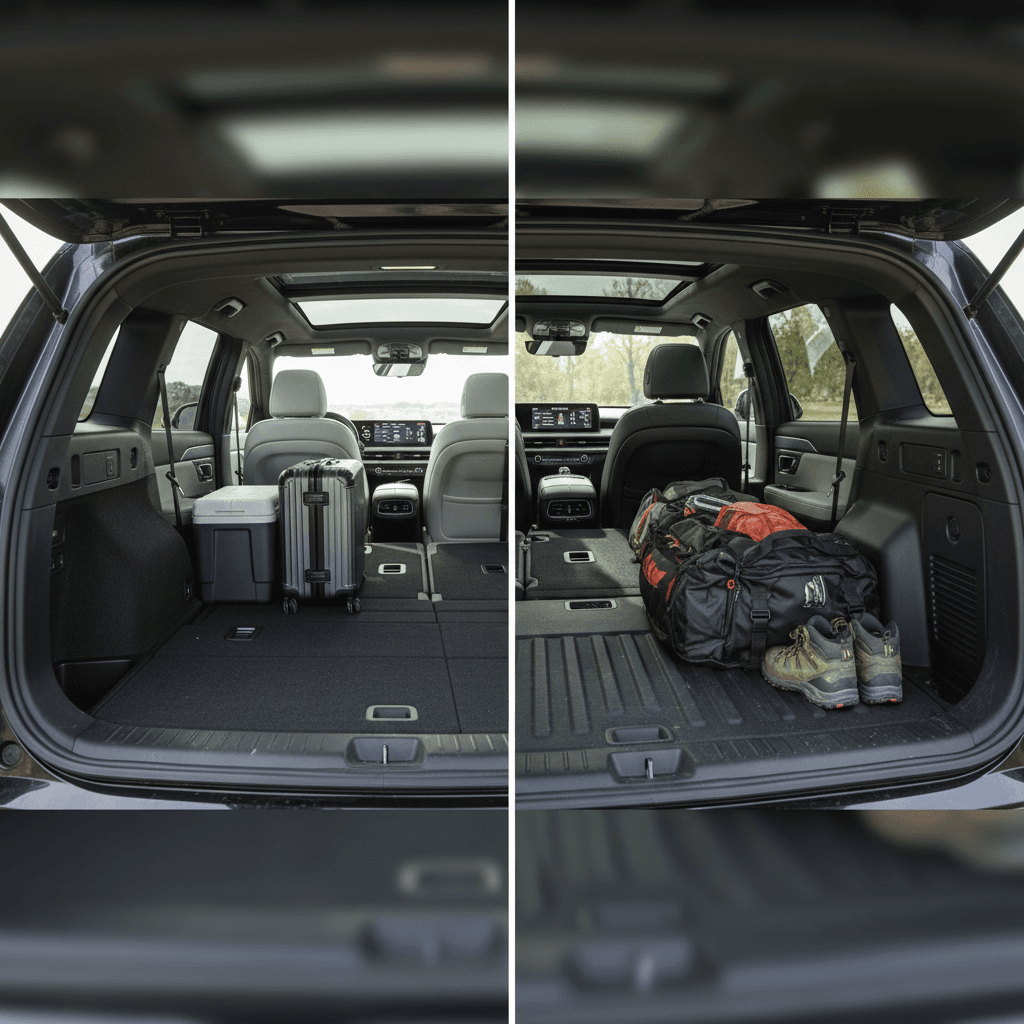
- Cargo space is generous with seats folded, but the sloping roof and rear hatch mean **bulky square items fit more easily in the Rivian**.
Rivian R1S
- One configuration: **7 seats** with a sliding/folding second row and a usable third row for kids or short adults.
- Traditional doors and a **boxy rear** make it easier to load strollers, dogs, bikes, or camping bins.
- Latches, hooks, rails and under‑floor storage are all designed with **outdoor gear** in mind more than elegant people‑moving.
Family detail to check in person
Tech, software and driver-assistance
This is where Tesla has traditionally run the table, and where Rivian has been closing the gap quickly.
Software and driver-assist: where they differ
Both are over‑the‑air updatable, but their philosophies diverge.
Tesla Model X tech
- Dominated by a **large central touchscreen** with sparse physical controls.
- Infotainment feels like a smartphone: responsive, app‑forward, and constantly changing through **over‑the‑air updates**.
- Autopilot and the optional "Full Self‑Driving" package provide some of the **strongest lane‑centering and traffic‑jam assist** in the business, but features and behavior can change with software pushes.
Rivian R1S tech
- Still heavily screen‑based, but with more **physical switches and knobs** where you want them (climate, drive modes).
- Rivian’s software has improved rapidly, adding things like **Camp Mode, off‑road cameras, and drive‑mode refinements**.
- Driver assistance is solid, adaptive cruise, lane keeping, and plenty of cameras, but it’s not trying to be an FSD science experiment.
Don’t over-trust driver assistance
If you love the idea of your car getting new tricks in a holiday update and you’re comfortable living inside one big screen, **Tesla still sets the pace**. If you’d rather have a modern interface that still feels like a car’s cockpit instead of a tablet on wheels, **Rivian’s approach may age more gracefully** for you.
Towing, off-road and adventure use
On paper, this is where the Rivian R1S lands its hardest punches, and where the numbers really matter if you’re hauling anything heavier than hockey bags.
Capability comparison
Core capability differences that matter if you tow or leave the pavement.
| Tesla Model X | Rivian R1S | |
|---|---|---|
| Max towing | 5,000 lbs | 7,700 lbs (most configurations) |
| Off-road hardware | All‑wheel drive, air suspension, but street‑oriented | Multiple off‑road modes, adjustable air suspension, robust underbody protection |
| Approach/departure angles | Respectable for a crossover, but not a rock crawler | Shaped and geared like an off‑road SUV; excellent clearance and angles |
| Roof & accessory ecosystem | Plenty of third‑party racks & boxes | Strong OEM and aftermarket support for racks, tents, and overlanding gear |
Always check your specific vehicle’s build sheet: wheels, tires and options can change ratings.
The reality of towing with EVs
If your weekends look like gravel roads, trailheads and dispersed campsites, the R1S is purpose‑built for that life. If they look more like travel hockey tournaments and ski‑in condos with underground parking, the Model X will feel more at home.
Ownership costs, reliability and resale
Neither of these SUVs is cheap to run if you start from full MSRP, but compared with gas‑burning luxury SUVs, both can save meaningful money on fuel and, to a lesser extent, maintenance.
What costs really look like
Think total cost, not just the payment.
Energy vs fuel
Charging at home on off‑peak electricity is typically **far cheaper per mile** than feeding a comparable gas GLS, X7 or Escalade. DC fast‑charging narrows that gap but usually still wins on cost.
Maintenance
No oil changes, but you still have **brakes, tires, suspension** and cooling systems. Heavy EVs like these can be **hard on tires**, especially Rivians on off‑road rubber.
Depreciation & resale
EV resale has been volatile. Tesla values can swing with pricing changes and new models; Rivian is newer, so long‑term patterns are still forming. Generally, buying **used after the first big drop** makes far more financial sense than buying new.
Battery health is the big swing factor
Third‑party data has often shown **above‑average owner satisfaction** for both brands, but also a fair share of **fit‑and‑finish gripes and software quirks**. With a used Model X or R1S, a thorough inspection of suspension, door mechanisms (especially falcon‑wing doors), seals and electronics is as important as a traditional mechanical check on a gas SUV.
Buying a used Tesla Model X or Rivian R1S
On the used market, you’re not just choosing between Tesla and Rivian, you’re choosing between **generations and hardware eras** inside each brand. Here’s what to keep in mind.
Key checks when shopping used Model X or R1S
1. Battery health and fast-charging history
Ask for a **battery health report** and look at real‑world range at typical state‑of‑charge levels. A car that lived on DC fast‑charging may show more degradation than one mostly charged at home.
2. Software and hardware generation
Tesla in particular has gone through multiple **Autopilot and FSD hardware revisions**; features can vary wildly by year and even within the same model year. Rivian has rapidly evolved its drive units and battery packs. Know which generation you’re buying.
3. Doors, seals and glass
Check Model X falcon‑wing doors for smooth operation, alignment and water leaks. On either SUV, look for **wind noise, rattles, and signs of re‑sealing** around glass roofs and tailgates.
4. Suspension and tires
Both vehicles are heavy, and many owners spec big wheels. Inspect **control arms, bushings and air‑suspension components**, and budget for a new set of high‑load EV tires sooner rather than later.
5. Charging equipment and ports
Verify the **charging port condition** and make sure the vehicle comes with the right home charging cable and any adapters you’ll need for your region.
6. Warranty status and service access
Look at remaining **battery and drivetrain warranty** and check how convenient brand‑authorized service is in your area. A gorgeous SUV is no fun if every visit requires a day‑long road trip.
How Recharged can help you compare
Tesla Model X vs Rivian R1S: which is right for you?
Quick guide: which electric SUV fits your life?
Choose the Tesla Model X if…
You road‑trip on **major interstates** and want the smoothest possible DC fast‑charging experience via Tesla Superchargers.
You care more about **on‑road comfort, quiet and efficiency** than trail‑rated hardware.
You like a **minimalist, screen‑dominated interior** and fast‑moving software updates, even if that means things change frequently.
You want flexible seating (5/6/7) and love the idea of **falcon‑wing doors** for school drop‑off and tight parking lots.
You’re more likely to haul **people and luggage** than heavy trailers or off‑road toys.
Choose the Rivian R1S if…
Your weekends involve **camping, skiing, mountain biking or off‑grid cabins**, and you actually drive down those dirt roads, not just park near them.
You need **real towing**, a boat, camper or utility trailer that pushes up against the 5,000‑lb ceiling of the Model X.
You prefer a more **traditional SUV shape** with a square cargo area, conventional doors, and lots of gear‑friendly details.
You like tech but don’t want to live inside a single giant screen; Rivian’s cabin mixes **modern interfaces with useful physical controls**.
You want a vehicle that feels less like a gadget and more like a **go‑anywhere adventure rig that just happens to be electric**.
In the end, **Tesla Model X vs Rivian R1S** isn’t about which SUV is “better”, it’s about which one matches your life. The Model X leans into long‑range efficiency, slick software and Supercharger convenience. The R1S leans into capability, versatility and a sense that you could turn off the pavement on a whim and keep going. If you’re cross‑shopping them on the used market, focus less on brochure specs and more on **battery health, how and where you drive, and your access to charging and service**. Get those pieces right, and either of these big EVs can be a fantastic long‑term partner.