Buy an EV

  • EVs for sale
  • Learn about EVs
  • Articles
  • Charging

Sell or trade

  • How it works

Financing

  • Get pre-qualified
  • Credit application

Contact us

  • Book a consultation
  • Call us at (804) 390-5910
  • Email us at hello@recharged.com
  • Visit our Experience Centers
    • Richmond, VA
    • Fairfax, VA
    • Charlotte, NC

© 2025 Recharged. All Rights Reserved.

7-Day Return Policy·Privacy Policy·SMS Opt-In·Do Not Sell or Share My Information·
TikTokYouTubeInstagramLinkedInFacebook
    Switching From Gas to an Electric Car: 2026 Guide to Costs, Charging, and What to Expect
    EV Education·11 min read·By Recharged Editorial

    Switching From Gas to an Electric Car: 2026 Guide to Costs, Charging, and What to Expect

    switching-to-evev-ownershipgas-vs-electricev-charginghome-chargingpublic-chargingused-evstotal-cost-of-ownershipev-incentivesrecharged-score

    Table of Contents

    • Why drivers are switching from gas to electric
    • How life changes when you switch from gas to an electric car
    • Gas vs electric: what you’ll really pay over time
    • Charging basics: home vs public and how long it takes
    • Do you need home charging to switch from gas to electric?
    • Range, road trips, and planning your charging stops
    • Is a used EV a smart way to switch?
    • Step-by-step checklist for switching from gas to electric
    • Common mistakes to avoid when switching to an EV
    • Frequently asked questions about switching from gas to an electric car
    • The bottom line: is switching from gas to electric worth it?

    If you’re thinking about switching from a gas to an electric car, you’re not alone. EV sales in the U.S. passed roughly 10% of new car sales by 2024, and public charging has grown quickly, but the transition still feels confusing and a little risky for many drivers. This guide walks through what actually changes when you go electric: costs, charging, range, and how to make the switch with fewer surprises, especially if you’re considering a used EV.

    Quick snapshot

    EVs typically cost more to buy but less to power and maintain. Public charging is expanding fast, but home charging still delivers the simplest experience. The best move for many shoppers right now is a well-priced used EV with verified battery health.

    Why drivers are switching from gas to electric

    The EV shift in a few numbers

    10%
    New U.S. sales
    By 2024, about one in ten new light‑duty vehicles sold in the U.S. was electric.
    200k+
    Public chargers
    Non‑home chargers in the U.S. by the end of 2024, with deployment growing around 25% annually.
    2M+
    Home chargers
    Rough estimate of private home charging points, showing most EV charging still happens at home.
    $7.7k–$14k
    Fuel savings
    Estimated lifetime fuel savings for EV drivers over 15 years, depending on region and energy prices.

    The headline reasons people switch from gas to electric are consistent: lower fueling costs, less maintenance, and lower emissions

    Top reasons drivers switch from gas to electric

    What current EV owners say mattered most

    Lower running costs

    Electricity is typically cheaper per mile than gasoline, even with higher power prices. You also avoid oil changes and many engine-related repairs.

    Lower emissions

    Even accounting for manufacturing, most EVs produce significantly fewer emissions over their lifetime compared to gas cars, especially once you pass about 15,000 miles of driving.

    Convenience at home

    Instead of weekly gas-station stops, you plug in overnight. Many EV drivers say they only use public fast charging on road trips or occasional long days.

    What still holds people back

    Sticker price, charging access (especially for renters), and questions about battery life are the three biggest reasons many shoppers hesitate. The rest of this guide tackles those head‑on.

    How life changes when you switch from gas to an electric car

    What stays familiar

    • Driving feel: You still have a steering wheel, pedals, and normal controls, just with stronger acceleration in many EVs.
    • Insurance & registration: You’ll still register and insure the car like any other vehicle, though premiums can differ by model.
    • Tires & brakes: You still replace tires, wiper blades, cabin filters, and brake pads (though EVs often use pads more slowly).

    What feels different

    • Refueling routine: Most charging happens at home or work, not at a station on the corner.
    • Trip planning: You think a little more about range and charger locations, especially in winter.
    • Software: EVs update over‑the‑air and rely more on apps for locking, preheating, and route planning.

    Talk to current EV owners

    If you can, ask a coworker or neighbor who already drives an EV what actually surprised them. Their real‑world routines, charging at home, winter range, service visits, will tell you more than any brochure.

    Gas vs electric: what you’ll really pay over time

    When you switch from a gas to an electric car, your cost picture shifts from higher upfront, lower running costs. New EVs still average several thousand dollars more than comparable gas cars, but fuel and maintenance savings chip away at that gap over the years. The math looks different if you buy new, lease, or shop for a used EV.

    Snapshot: gas vs electric costs over 5 years (illustrative)

    A simplified example comparing a mainstream gas SUV to a similar all‑electric SUV, assuming 15,000 miles per year.

    CategoryGas SUVElectric SUV
    Purchase price (new)$48,000$55,000
    Energy/fuel (5 years)$15,000$7,000
    Maintenance & repairs (5 years)$6,000$3,000
    Estimated tax incentives*$0Varies by state
    Net 5‑year differenceBaselineEV often similar or slightly cheaper

    Actual numbers will vary by model, energy prices, and resale values, but the pattern, higher upfront, lower running costs, is consistent.

    About the numbers

    Recent studies show that while many EVs cost around $8,000 more to buy than gas equivalents, they can save roughly that much in fuel over five years, plus additional savings in maintenance. Depreciation and insurance can still be higher for some models, so your exact break‑even point depends on what you drive and how long you keep it.
    • Energy costs: AAA and other analyses continue to find that charging typically costs less than half as much per mile as buying gasoline, even after recent rate changes.
    • Maintenance: No oil changes, fewer fluids, and far fewer moving engine parts. You’ll still handle tires, alignment, brakes, and occasional software‑related service.
    • Depreciation: EV values have been more volatile than gas cars, which is painful for early buyers, but creates opportunities if you’re shopping the used market.
    • Incentives: As of late 2025, federal EV tax credits are being phased out, but many states and utilities still offer local rebates or rate discounts. Always check current programs in your ZIP code before you buy.

    Where a used EV can shine

    Because many new EVs dropped rapidly in value between 2023 and 2025, used buyers can often step into a low‑mileage EV at a steep discount versus original MSRP, while still enjoying low fueling and maintenance costs. That’s one reason used EVs are becoming a popular bridge for shoppers moving from gas for the first time.

    Charging basics: home vs public and how long it takes

    If you’re used to gas stations on every corner, charging is the biggest mindset shift when you switch from gas to an electric car. The good news: by the end of 2024 the U.S. had more than 200,000 public charging points, and home charging has quietly become the default for millions of drivers. But how you’ll charge depends a lot on your housing situation.

    Three main ways to charge an EV

    From slowest (cheapest) to fastest (most convenient on the road)

    Level 1 (120V)

    Where: Standard household outlet.

    Speed: ~3–5 miles of range per hour.

    Best for: Short daily commutes, plugging in every night, or as backup at relatives’ houses.

    Level 2 (240V)

    Where: Home charger or public "Level 2" station.

    Speed: ~20–40 miles of range per hour, depending on charger and car.

    Best for: Primary at‑home charging, workplaces, hotels, public parking.

    DC fast charging

    Where: Highway fast‑charge sites, some retail locations.

    Speed: 80% charge in ~20–45 minutes for many modern EVs.

    Best for: Road trips and occasional top‑ups, not daily use.

    Fast charging isn’t like a gas pump

    Public fast chargers are vital for road trips, but they’re not yet as reliable or plentiful as gas stations. Studies still find reliability issues at non‑Tesla networks, so you’ll want backup options on long drives. Home or workplace Level 2 charging is what makes day‑to‑day EV life feel easy.
    Side-by-side illustration of a gasoline car at a fuel pump and an electric car plugged into a public charging station, comparing refueling styles.
    Switching from gas to electric changes when and where you refuel, most EV drivers “fill up” while parked, not while they wait.

    Do you need home charging to switch from gas to electric?

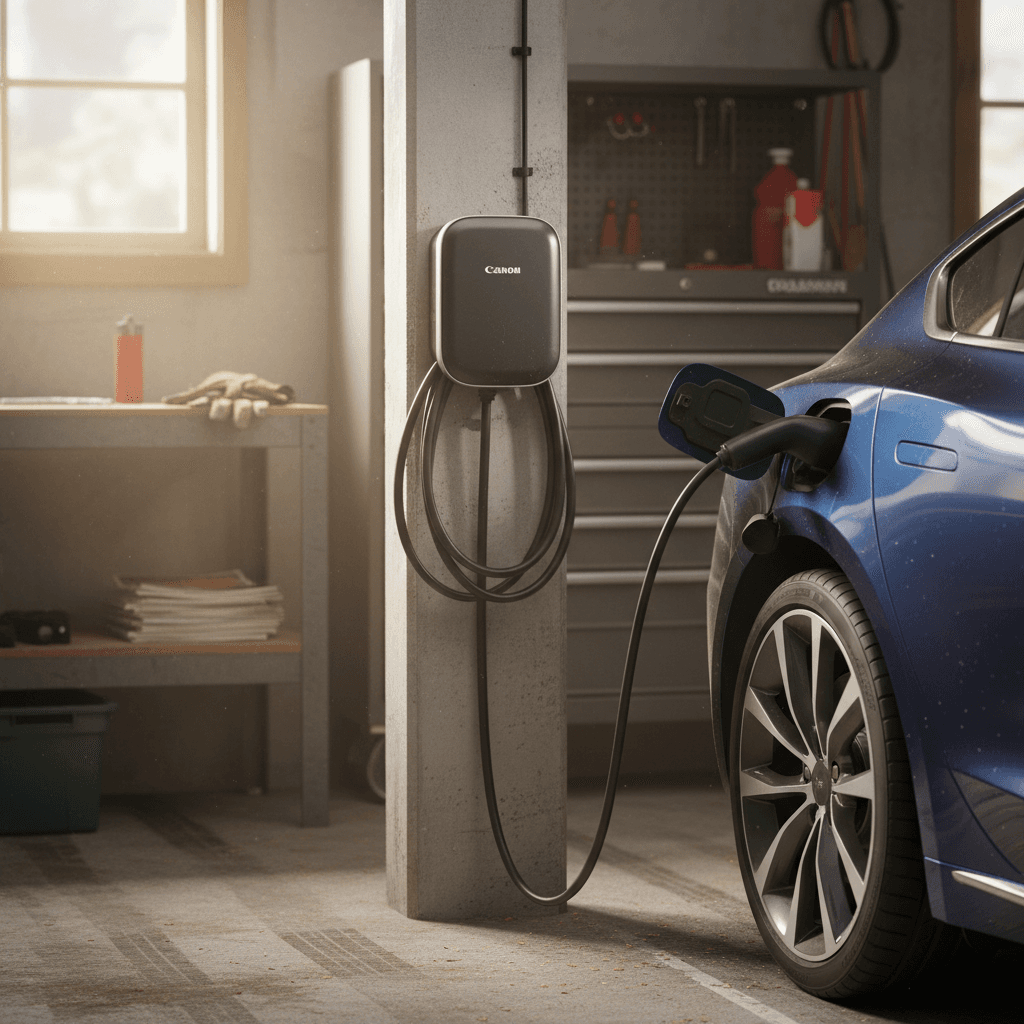
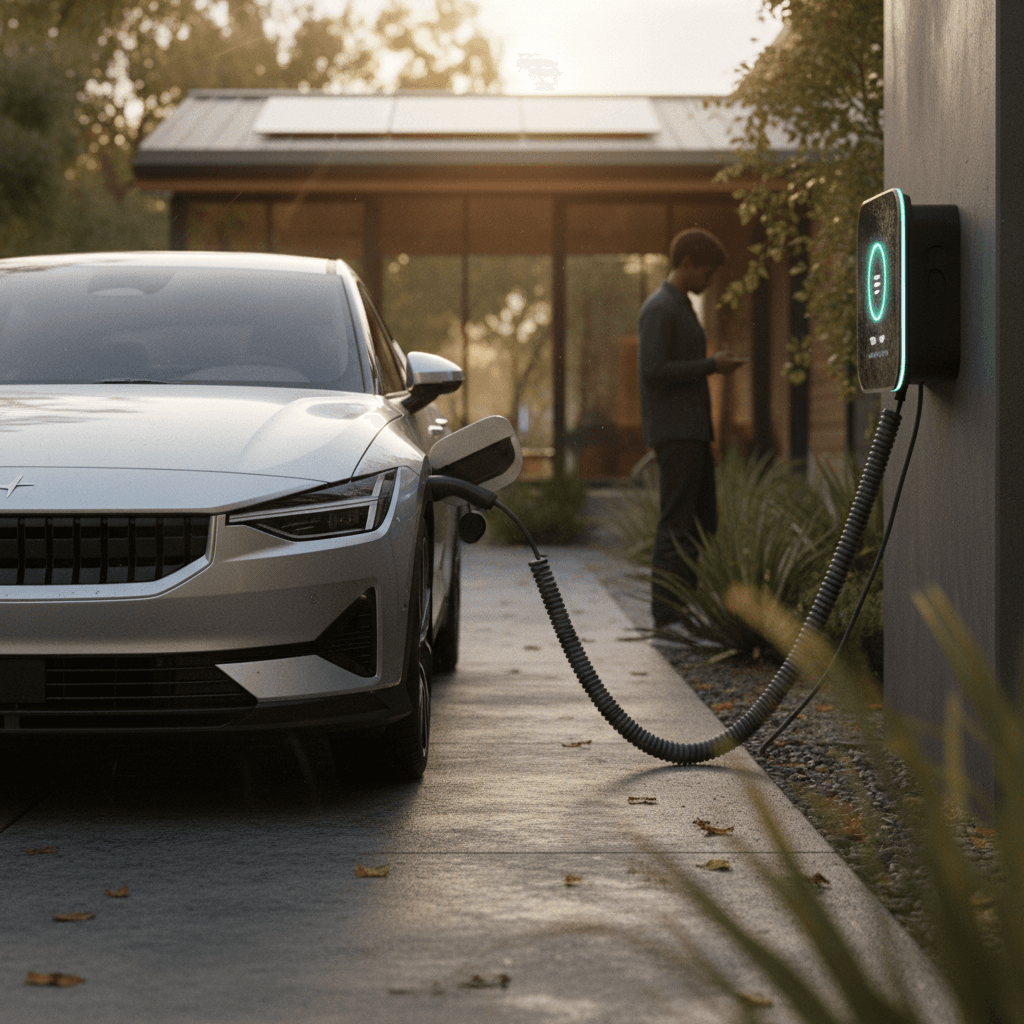
    No, but it makes the switch much smoother. Roughly two million private home chargers are already installed across the U.S., and surveys consistently show that most charging happens at home overnight. If you own your home and can add a 240‑volt circuit, you’ll likely want a Level 2 charger in your garage or driveway.

    Home charging readiness checklist

    1. Check your daily mileage

    If you typically drive 30–50 miles a day, even a modest Level 2 charger (or consistent Level 1 charging) can comfortably replace gas fill‑ups.

    2. Confirm parking and outlet access

    Do you have a dedicated parking spot within reach of an outlet or panel? If you park on‑street with no power nearby, you’ll rely more on workplace and public charging.

    3. Talk to an electrician

    An electrician can confirm whether your panel can support a 240V circuit and where to install it. Never DIY a high‑voltage line unless you’re licensed.

    4. Ask your utility about EV rates

    Many utilities offer discounted overnight EV charging rates. Shifting your charging to off‑peak hours can significantly cut your electricity costs.

    5. If you rent, talk to your landlord early

    Some landlords are open to adding shared Level 2 chargers, especially in newer buildings. Bring basic info on costs and potential benefits to other tenants.

    No home charger? Look for a strong local network

    If home charging isn’t realistic, focus on EVs with strong fast‑charging support and research public charging near your home, work, and regular errands. Check both availability and reliability reviews, not just dots on a map.

    Range, road trips, and planning your charging stops

    Range anxiety, worrying you’ll run out of charge, is mostly about familiarity. Modern EVs commonly offer 220–300 miles of EPA‑rated range, but winter weather, high speeds, and heavy loads can knock that down. The key is understanding your real‑world range and building a simple planning habit for longer drives.

    Everyday driving

    • Commutes: If your round‑trip commute is under 80–100 miles, nearly any modern EV will handle it comfortably, even with winter range loss.
    • Errands: You’ll treat range more like your phone battery, something you glance at, not obsess over, once you know how far your car actually goes.
    • Charging pattern: Many owners stay between 20% and 80% charge during the week and only go higher for trips.

    Road trips

    • Fast charging stops: Plan a 20–40 minute stop every 2–3 hours, similar to a meal or bathroom break.
    • Apps: Use route planners like A Better Routeplanner, PlugShare, or built‑in navigation to locate chargers along your route.
    • Backups: Always have a backup fast‑charge site in mind in case your first choice is busy or out of service.

    Cold weather cuts range

    If you live in a northern climate, expect meaningful winter range loss, often 20–40% on very cold days. Preheating the cabin while plugged in, using seat and steering‑wheel heaters instead of blasting hot air, and avoiding very high speeds can help mitigate the impact.

    Is a used EV a smart way to switch?

    For many shoppers, a used electric car is the most affordable way to switch from gas. EV prices slid hard from 2023 through 2025 as more models hit the road and incentives shifted. That’s tough news for first owners, but it means there are now plenty of late‑model EVs at prices that look more like mainstream gas sedans and crossovers.

    Used EV pros and cons vs new EV

    Why so many first‑time EV drivers start pre‑owned

    Advantages of a used EV

    • Lower upfront cost: You often avoid the steepest first‑year depreciation.
    • Known track record: You can research real‑world range and reliability by model year.
    • More EV for the money: A used premium EV may cost the same as a new economy gas car.

    What to watch closely

    • Battery health: Degraded packs mean less range; you need data, not guesses.
    • Out‑of‑date tech: Older models may lack newer fast‑charging speeds or safety features.
    • Warranty status: Check how much battery and powertrain coverage remains.

    How Recharged helps on the used EV side

    Every vehicle sold through Recharged includes a Recharged Score Report with verified battery health, pricing against fair‑market data, and EV‑specific inspection points. That’s designed to take the guesswork out of buying a used EV, especially if it’s your first move away from gas.

    Step-by-step checklist for switching from gas to electric

    Your roadmap for moving from gas to electric

    1. Map your real driving needs

    Track your mileage for a couple of typical weeks. Note your longest daily round trip, where you park at night, and whether you have reliable access to power.

    2. Decide on new vs used

    If minimizing monthly payment is key, a used EV may make more sense. If you want the latest range, charging speeds, and safety tech, a newer model or lease could be better.

    3. Check incentives and utility programs

    Look up state and local EV incentives, plus utility discounts for home charging. These can meaningfully change the math even as federal credits wind down.

    4. Plan your charging solution

    If you own your home, get an estimate for a Level 2 charger install. If you rent, map public chargers near home and work and test them before you buy.

    5. Test‑drive several EVs

    Drive at least two or three EVs with different body styles and ranges. Pay attention to seating position, visibility, and how the car feels at highway speed.

    6. Run a 5‑year cost comparison

    Compare a realistic 5‑year total cost of ownership between your gas short‑list and EV short‑list: energy, insurance, maintenance, and expected depreciation.

    7. Line up financing and trade‑in

    If you’re selling or trading a gas car, get offers from multiple sources. Recharged can give you an instant offer or help you sell on consignment, and you can pre‑qualify for EV financing with no impact on your credit.

    8. Take delivery and set up your charging routine

    Once you choose an EV, set up home or workplace charging, download charging apps, and do a few practice fast‑charge sessions on familiar routes before your first big trip.

    Common mistakes to avoid when switching to an EV

    • Buying more range than you need: Extra battery capacity adds cost and weight. If your daily driving is modest, a mid‑range pack may be the sweet spot.
    • Ignoring charging where you actually live and work: Dots on a map don’t guarantee working, available chargers. Read recent reviews and try a few stations before you commit.
    • Assuming all fast chargers are equal: Different networks and cars have different peak speeds and reliability. Check what your specific model supports.
    • Overlooking battery health on used EVs: Range is the lifeblood of an EV. Don’t buy used without some form of battery health report or diagnostic.
    • Expecting gas‑station habits to map 1:1: EV ownership works best when you shift to charging where you park, not driving till “empty” and then filling to 100% in one shot.

    Safety reminder on charging

    Always use properly rated equipment and professionally installed 240‑volt circuits. Avoid sketchy extension‑cord setups or makeshift outlets, those shortcuts can overheat wiring and create real fire risk.

    Frequently asked questions about switching from gas to an electric car

    FAQ: Switching from gas to electric

    The bottom line: is switching from gas to electric worth it?
    For many U.S. drivers, switching from a gas to an electric car is already a practical, financially sensible move, especially if you can charge at home and are open to a used EV. You trade the simplicity of gas stations on every corner for the convenience of refueling where you park, plus lower fuel and maintenance bills over time.

    The key is to match the car to your real driving, understand your charging options, and go in with clear expectations about range and ownership costs. If you want expert help picking the right used EV, verifying battery health, lining up financing, or trading out of your current gas car, Recharged was built for exactly that: a transparent, EV‑focused path from test‑drive to delivery.

    EVs on Recharged

    See all →
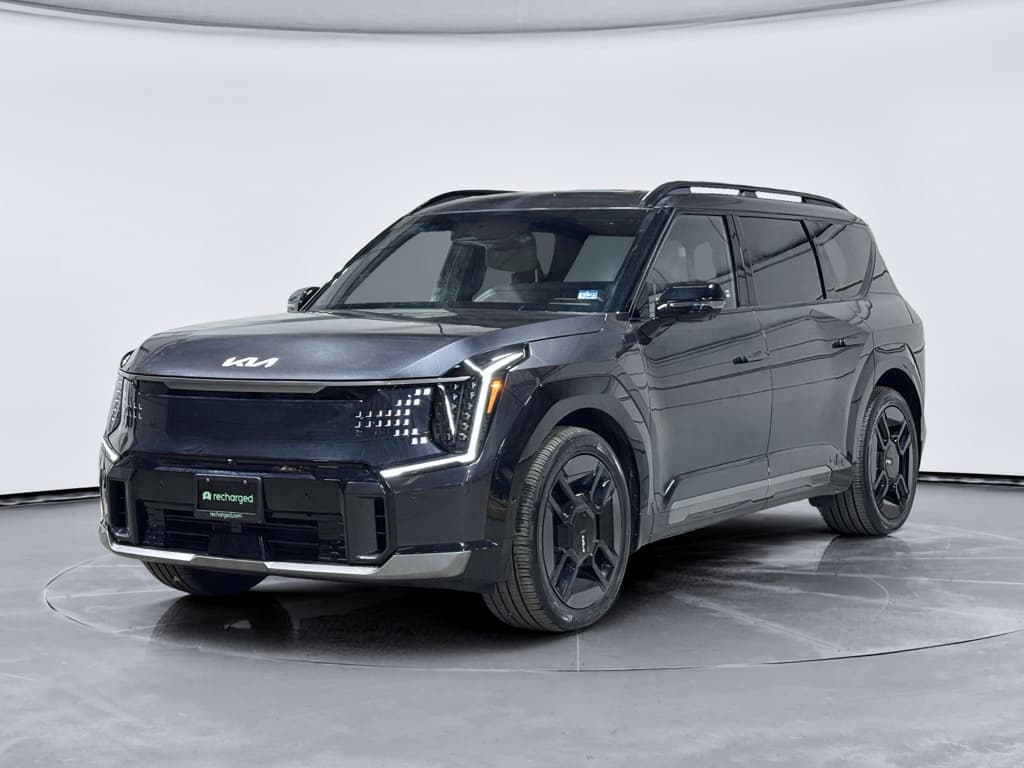
    2024 Kia EV9

    2024 Kia EV9

    GT-Line•15K mi•270 mi range
    4.7/5Recharged Score
    $48,997
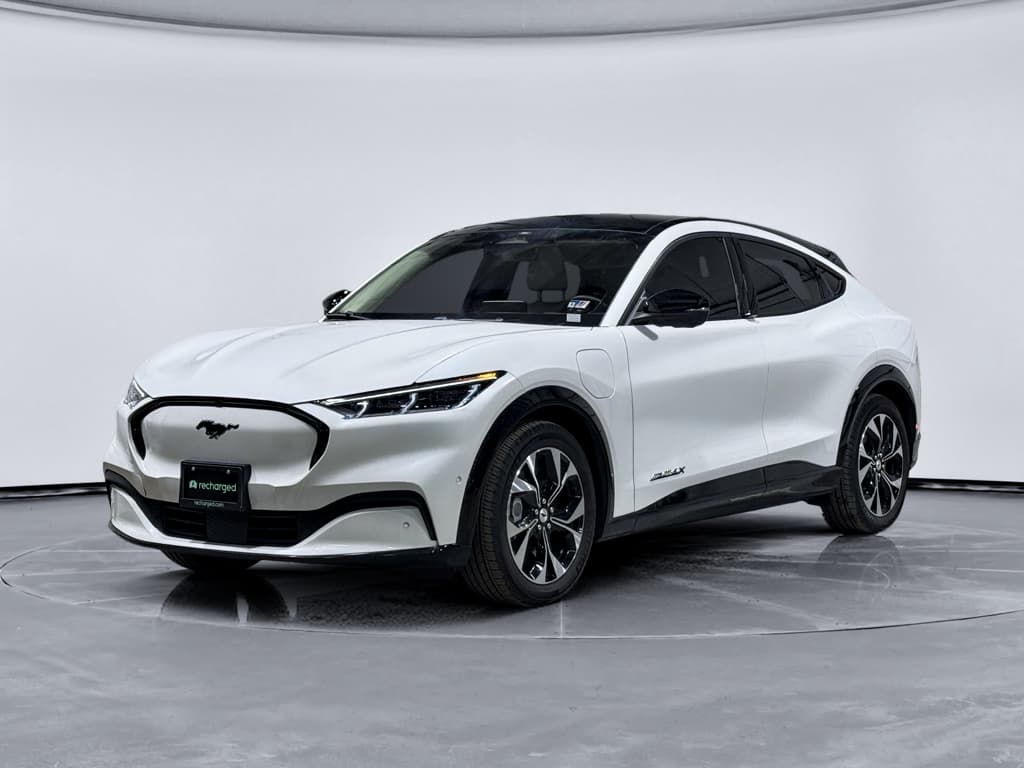
    2023 Ford Mustang Mach-E

    2023 Ford Mustang Mach-E

    Premium•19K mi•278 mi range
    4.8/5Recharged Score
    $33,997
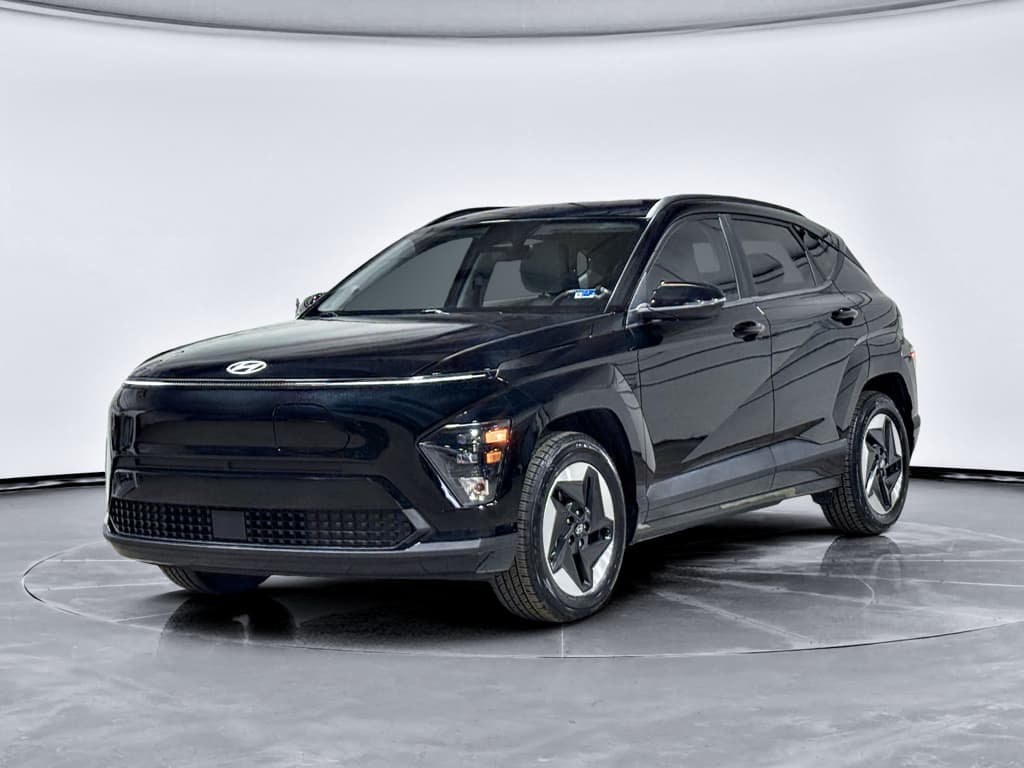
    2024 Hyundai Kona

    2024 Hyundai Kona

    SEL•30K mi•261 mi range
    5.0/5Recharged Score
    $21,598

    Related Articles

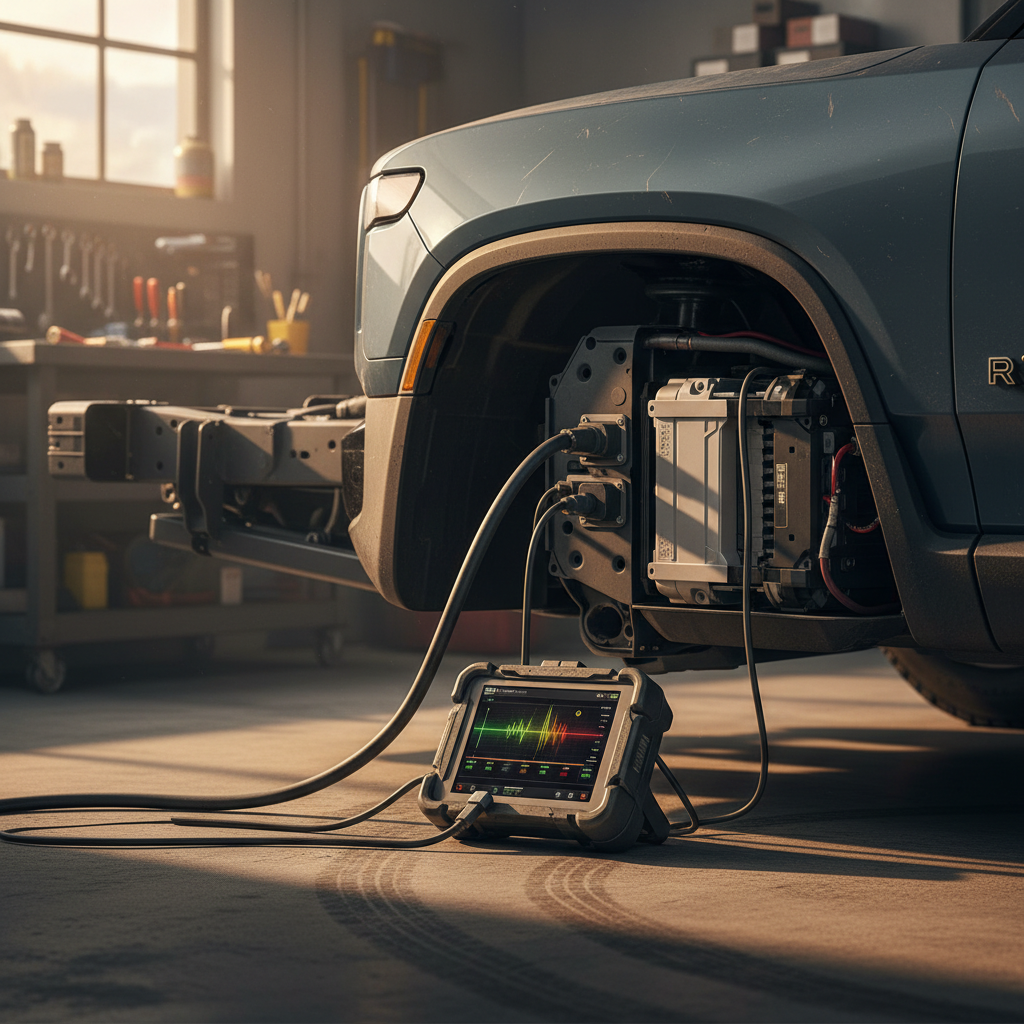
    Rivian R1S Battery Health Check: How To Test, Track & Protect Your Pack
    Battery & Range·10 min

    Rivian R1S Battery Health Check: How To Test, Track & Protect Your Pack

    Learn how to check Rivian R1S battery health at home and with Rivian service. Step‑by‑step tests, real‑world range tips, and what to do if results look bad.

    rivian-r1sbattery-healthev-range
    Hyundai Ioniq 6 Price Forecast for 2026: What Shoppers Should Expect
    Market Trends·10 min

    Hyundai Ioniq 6 Price Forecast for 2026: What Shoppers Should Expect

    See the 2026 Hyundai Ioniq 6 price forecast, including new and used values, discounts, and depreciation, plus how to shop smart in a changing EV market.

    hyundai-ioniq-6ioniq-6-pricesev-resale-values
    Best Used Hyundai Ioniq 5 Under $25,000: Models, Trims & Shopping Tips
    Used EVs·10 min

    Best Used Hyundai Ioniq 5 Under $25,000: Models, Trims & Shopping Tips

    Looking for the best used Hyundai Ioniq 5 under $25,000? See which years, trims & battery options to target, common issues, and how to shop smart.

    hyundai-ioniq-5used-ev-buyingev-suv