If you’re trying to make sense of the Hyundai Ioniq 6 price forecast for 2026, you’ve picked a complicated moment. Hyundai has decided not to bring a regular 2026 Ioniq 6 to the U.S. market, leaving only the high‑performance N variant and leftover inventory from earlier model years. That decision, combined with a cooling EV market and rising used‑EV supply, will shape what you’ll pay, or receive, for an Ioniq 6 next year.
Key context for 2026 shoppers
Hyundai Ioniq 6: Where Things Stand for 2026
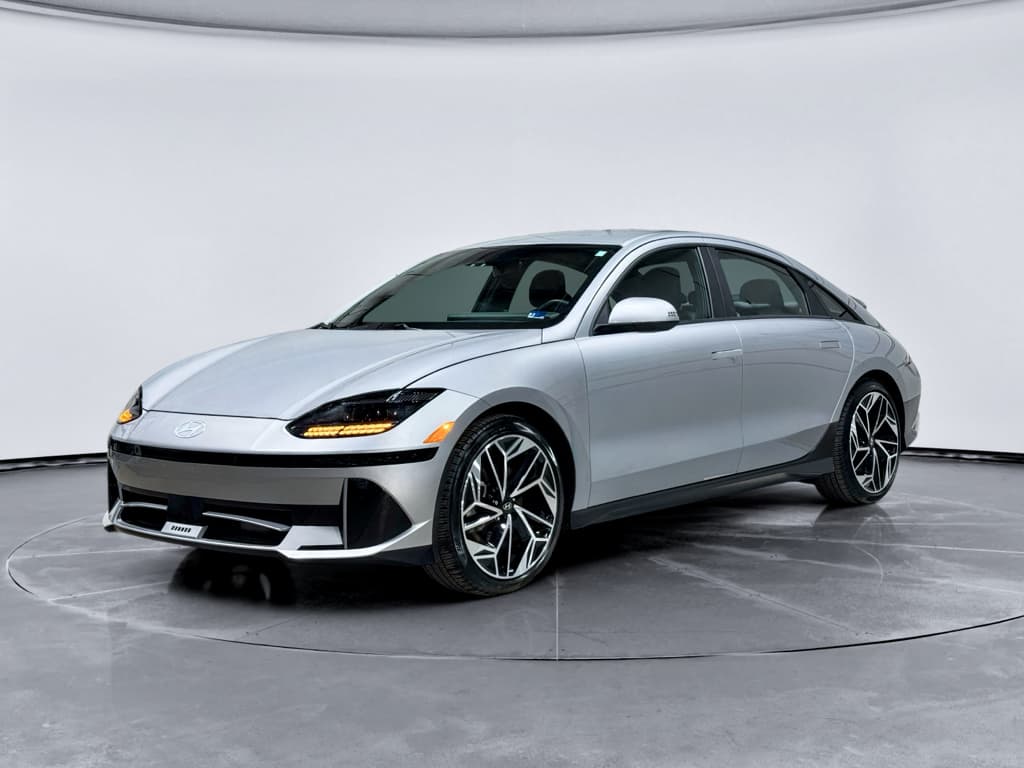
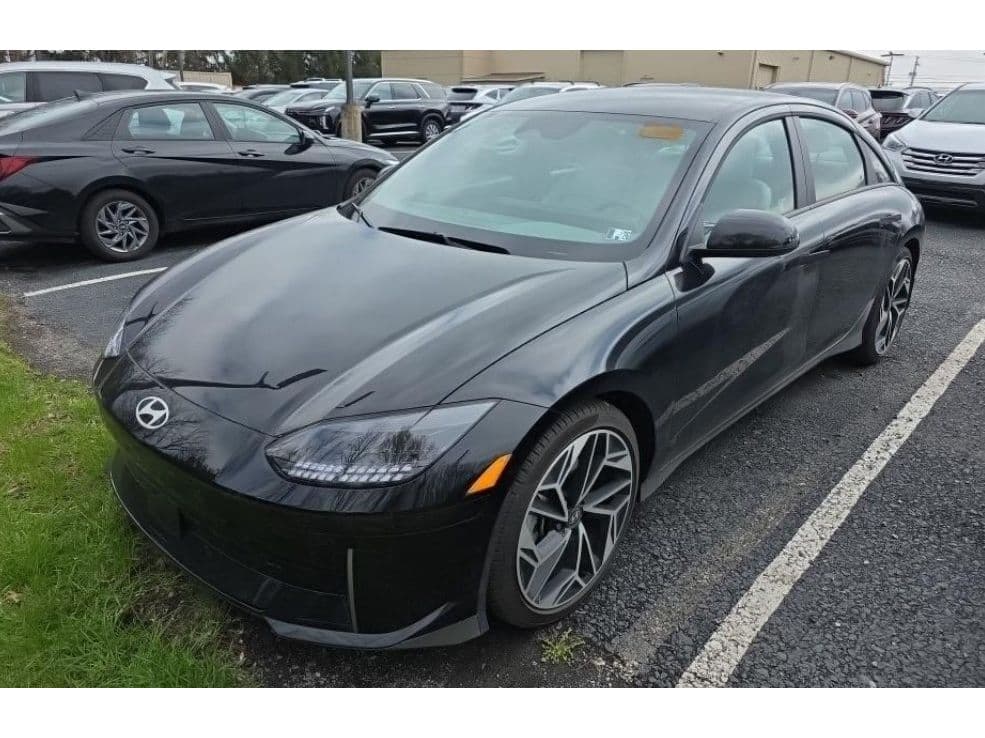
The standard Hyundai Ioniq 6 arrived in the U.S. in 2023 as a sleek, ultra‑efficient electric sedan built on the E‑GMP platform. It earned major awards and offered excellent range and charging speed. But by early 2026, Hyundai confirmed that the regular Ioniq 6 will not return for the 2026 model year in the U.S., citing slow sales and shifting priorities toward crossovers and higher‑demand EVs.
Instead, Hyundai will focus on the Ioniq 6 N, a limited‑volume performance variant with an upgraded battery and significantly higher output. Global reports indicate roughly 6,000 Ioniq 6 N units per year across all markets, with U.S. volume being only a fraction of that. For everyday buyers, the real 2026 Ioniq 6 story will be about remaining 2024–2025 inventory and the growing pool of used cars.

Current Ioniq 6 Pricing and Discounts
To understand any 2026 Hyundai Ioniq 6 price forecast, you first need a baseline. For the 2024 model year, Hyundai cut sticker prices by roughly $4,000 versus the launch year, with base SE Long Range models in the high‑$30,000s before destination and better‑equipped trims stretching into the mid‑$50,000s when new. Dealers in many regions have layered on incentives and lease support as EV demand cooled in late 2024 and 2025.
Ioniq 6 Pricing Snapshot Heading Into 2026
Don’t judge value by MSRP alone
2026 Price Forecast: New Ioniq 6 and Ioniq 6 N
New standard Ioniq 6 in 2026
Because Hyundai isn’t bringing a regular 2026 Ioniq 6 to the U.S., your realistic "new" options will be:
- Leftover 2025 inventory on dealer lots
- Occasional 2024s that never sold and were carried over
Dealers typically discount aging EV inventory heavily, particularly once a model is officially discontinued. That means you should expect aggressive pricing on remaining 2024–2025 Ioniq 6 sedans in calendar year 2026.
The 2026 Hyundai Ioniq 6 N
The Ioniq 6 N changes the picture. It’s a low‑volume, high‑performance car with an uprated battery pack and significantly more power. That combination usually means:
- Higher MSRP than mainstream trims
- Limited discounts, especially at launch
- Stronger short‑term resale, assuming limited supply
If you’re cross‑shopping Model 3 Performance, Kia EV6 GT, or similar cars, expect the 6 N to line up more with those prices than with the outgoing SE or SEL.
Because Hyundai hasn’t announced final U.S. pricing for the Ioniq 6 N as of April 2026, we have to think in relative, not absolute, terms. Historically, Hyundai’s N performance models carry a 20–35% premium over a fully‑equipped non‑N version. Applied to today’s Ioniq 6 pricing landscape, that points to a car that should comfortably clear $60,000 when new, and potentially higher with options or limited‑run specs.
Forecast, not a guarantee
Used Hyundai Ioniq 6 Price Forecast for 2026
For most shoppers, the real opportunity is the used market. Early data from price indexes and resale analyses show recent used Ioniq 6 models averaging in the low‑$30,000s, with some higher‑mileage or less‑desirable trims dipping into the high‑$20,000s. Recharged’s own modeling of five‑year ownership suggests depreciation of roughly $24,000–$25,000 over five years for a mainstream trim, about half of its original price.
Directional Used Ioniq 6 Price Bands in 2026 (U.S.)
These are estimated retail asking‑price bands for typical condition vehicles sold through dealers or marketplaces, based on current trends and standard depreciation modeling. Actual prices will vary by mileage, region, equipment, and incentives.
| Model years | Mileage range | Condition example | Estimated asking range | What it means for you |
|---|---|---|---|---|
| 2023 models | 25,000–40,000 miles | One or two owners, clean history, mainstream trims (SE/SEL) | ~$22,000–$28,000 | Likely the value sweet spot: substantial depreciation already realized, but still plenty of warranty left. |
| 2024 models | 15,000–30,000 miles | Lease returns, certified used, higher trims available | ~$26,000–$32,000 | Pay more, but gain newer tech, fresher batteries, and nicer equipment. |
| 2025 models | Under 20,000 miles | Late‑build cars, some still in service loaner fleets | ~$30,000–$36,000 | Closest experience to a new car, likely with remaining original bumper‑to‑bumper coverage. |
| Ioniq 6 N (hypothetical) | Low mileage | Early enthusiasts reselling performance models | >$50,000 initially | Expect strong early resale and limited supply, at least for the first few years. |
Estimated 2026 used pricing bands assume normal market conditions, average mileage, and no major economic shock. Treat them as planning ranges, not quotes.
Good news for value‑focused buyers
Factors That Will Shape Ioniq 6 Values
Five Big Forces Behind 2026 Ioniq 6 Pricing
Understanding these drivers will help you read the market instead of guessing.
Battery health & range
The Ioniq 6 launched with a competitive battery size and excellent efficiency. As long as real‑world range stays strong, used buyers will remain interested. Cars that show documented battery health, such as a Recharged Score Report, should command stronger money.
Charging access & NACS
Hyundai’s move to the NACS/SAE J3400 charging port and broader access to Tesla Superchargers makes the platform more future‑proof. Earlier CCS‑equipped cars may rely on adapters, but their fast‑charging capability remains a big plus versus older EVs.
EV demand cycle
EV demand cooled in the U.S. during 2024–2025 as incentives changed and interest rates rose. If EV adoption re‑accelerates toward 2027, 2026 could be a low point for prices, an opportunity if you’re buying, but a headwind if you’re selling.
Body style preferences
Crossovers rule the American market, and that’s a big reason the sedan‑shaped Ioniq 6 is exiting early. Long term, that can hold prices down versus hot‑selling SUVs, but it can also make the Ioniq 6 attractive to buyers specifically seeking something different.
Financing & incentives
Shifts in federal and state EV incentives, plus where Hyundai builds its EVs, will affect the relative value of the Ioniq 6 versus newer models that qualify for bigger credits. Higher interest rates tend to push shoppers toward more affordable used examples.
Warranty coverage
Hyundai’s long EV battery warranty is a major value anchor. A 2023–2025 Ioniq 6 that still sits comfortably inside its battery and powertrain coverage will be easier to sell and easier to finance, another support under used values.
The wildcard: rapid EV tech changes
Ioniq 6 vs. Rivals: Price and Value Outlook
Shoppers eyeing a 2026 Ioniq 6 will almost certainly be cross‑shopping rivals like the Tesla Model 3, Kia EV6, Hyundai Ioniq 5, and perhaps some compact luxury EV sedans. Those comparisons matter because they shape what sellers can realistically ask, and what buyers will pay.
How the Ioniq 6 May Stack Up on Price in 2026
Directional guidance comparing used pricing trends and perceived value for common alternatives. Exact values will vary by trim, mileage, and local market conditions.
| Model | Body style | Likely used‑price positioning vs. Ioniq 6 (2026) | Key value strengths | Key value risks |
|---|---|---|---|---|
| Hyundai Ioniq 6 | Mid‑size sedan | Baseline | Efficient, comfortable, strong warranty, distinctive styling. | Discontinued in U.S.; sedan format less in demand than SUVs. |
| Hyundai Ioniq 5 | Compact crossover | Slightly higher | Hotter body style, similar tech, may carry a small premium. | More buyers chasing each car; less discount room. |
| Kia EV6 | Sporty crossover | Similar to slightly higher | Design flair, strong performance, related technology. | Some trims pricier new; brand perception varies by region. |
| Tesla Model 3 | Compact sedan | Varies by trim; many similar | Brand recognition, Supercharger integration, over‑the‑air updates. | Values have been volatile after repeated price cuts and updates. |
| Luxury EV sedans (e.g., BMW i4) | Premium sedan | Typically higher | Badge appeal, interior quality, dealer networks. | Higher running costs; depreciation can be steep after warranty. |
The Ioniq 6’s combination of range, charging speed, and warranty coverage should keep it competitive even as newer rivals appear.
Where the Ioniq 6 shines on value
How to Shop Smart for an Ioniq 6 in 2026
Step‑by‑Step Plan for 2026 Ioniq 6 Shoppers
1. Decide between leftover new and used
Ask yourself whether you value a brand‑new title and full warranty, or a lower entry price. In 2026, leftover 2024–2025 inventory may be discounted heavily, while 1–3‑year‑old used cars offer even bigger savings with similar tech.
2. Focus on battery health, not just miles
Two Ioniq 6s with the same mileage can have very different battery health depending on how they were charged and driven. At Recharged, every car includes a <strong>Recharged Score Report</strong> with verified battery diagnostics so you’re not guessing.
3. Check charging compatibility and adapters
Understand which connector your specific Ioniq 6 uses and how you’ll access DC fast charging near you. Budget for a NACS adapter if your car is CCS‑equipped and you plan to rely on Tesla’s network.
4. Compare total cost of ownership
Look beyond the purchase price. Consider insurance, charging costs, maintenance, and probable resale value in 5–7 years. A slightly higher price today for a better‑equipped, healthier car can easily pay off later.
5. Use objective pricing tools
Pair online pricing guides with real‑world marketplace data. On Recharged, every Ioniq 6 listing includes fair‑market pricing analysis, so you can see how a specific car stacks up against similar vehicles nationwide.
6. Consider financing and lease‑to‑own plays
In some periods, Hyundai’s lease incentives have effectively lowered the real cost of Ioniq 6 ownership. For 2026, compare traditional loans with lease buyout paths and be sure to factor in any regional EV incentives still available.
How Recharged can simplify the process
FAQ: Hyundai Ioniq 6 Price Forecast 2026
Frequently Asked Questions About 2026 Ioniq 6 Prices
Bottom Line: Should You Target an Ioniq 6 in 2026?
Putting it all together, the Hyundai Ioniq 6 price forecast for 2026 points to a car that’s quietly shifting from new‑car curiosity to used‑market value play. The standard model’s early U.S. exit will likely keep transaction prices soft in the near term, creating opportunities for thoughtful buyers who care more about efficiency, comfort, and charging performance than riding the latest SUV wave.
If you’re shopping in 2026, expect attractive deals on remaining 2024–2025 inventory, realistic used prices in the low‑to‑mid‑$20,000s for earlier model years, and a much pricier, enthusiast‑focused Ioniq 6 N sitting in its own lane. As always, your best protection is solid information: verified battery health, clear pricing data, and a realistic view of how you’ll use the car.
Recharged is built around that kind of transparency. Every used Ioniq 6 we sell includes a Recharged Score Report, fair‑market pricing, and EV‑specialist guidance from first click to final delivery. Whether you’re buying, trading, or simply watching the market, that level of insight is exactly what you’ll need to navigate 2026 with confidence.