If you’re shopping for an SUV used car right now, you’re not alone in wondering whether a used electric SUV might be a smarter move than another gas-powered crossover. With EV prices softening and more models coming off lease, the used electric SUV market in the U.S. is finally big enough that you can be picky, and save real money if you know what to look for.
The SUV used car market is changing
Why SUV Used Car Shoppers Are Looking at EVs
1. Fuel and maintenance savings
Even if you only drive 10,000–12,000 miles a year, electricity typically costs the equivalent of paying around $1–$1.50 per gallon of gas, depending on your local utility rates. On top of that, a used electric SUV has far fewer moving parts, no oil changes, timing belts, spark plugs, or exhaust system. Over 5 years, that’s often thousands of dollars saved versus a comparable gas SUV used car.
2. More space, less guilt
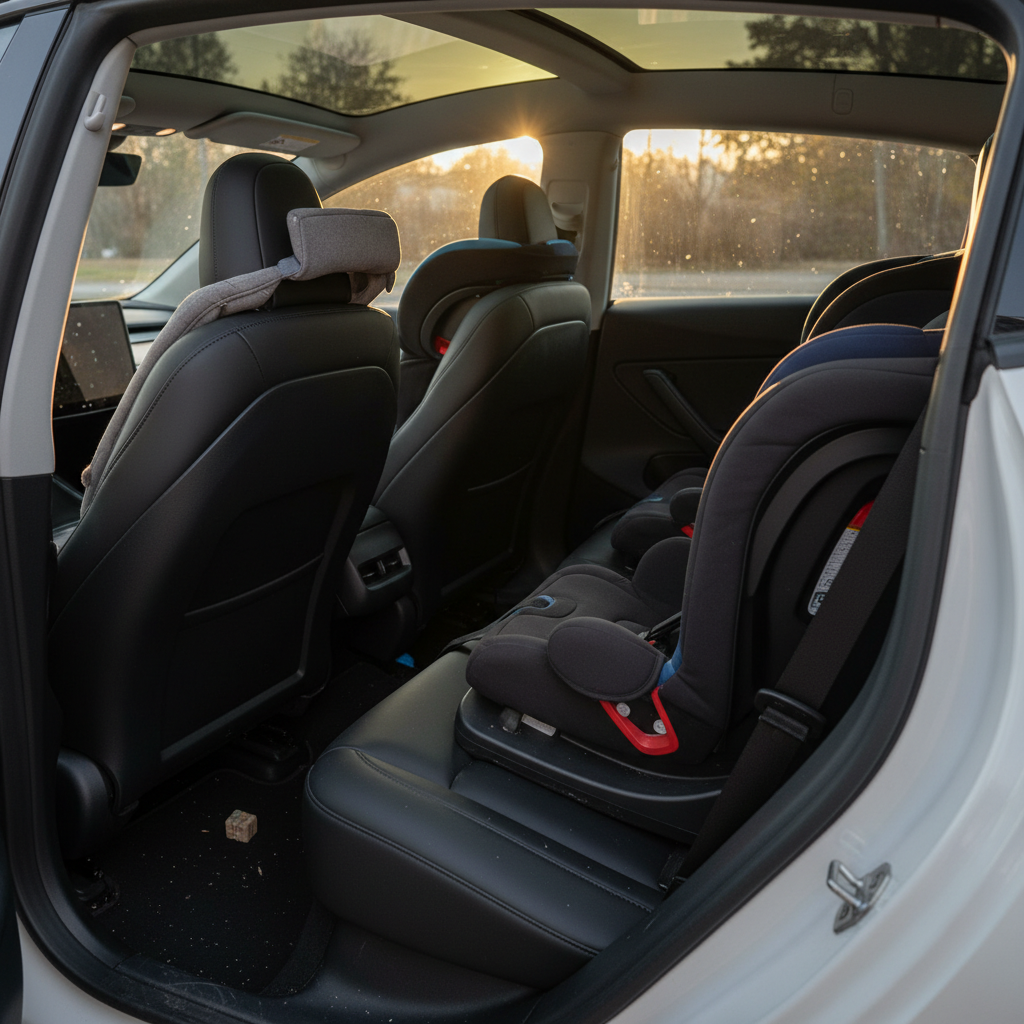
Many modern EV SUVs sit on dedicated electric platforms, so wheels are pushed to the corners and the battery is under the floor. The result: a roomy cabin, big back seat, and often a front trunk, without the fuel economy penalty you’d pay with a traditional mid‑size or three‑row SUV. For families, that means space for kids and gear without a 15–20 mpg reality.
- Instant torque makes even modest EV SUVs feel quicker around town than many V6 gas models.
- Most EV SUVs qualify for carpool/HOV perks or local incentives when new, which often helps their second‑owner value.
- Used prices have come down sharply on some models as new‑EV growth has cooled, giving savvy buyers more negotiating leverage.
Think in total cost, not sticker price
Best Used Electric SUVs to Shortlist
Model availability changes month to month, but several electric SUVs consistently stand out in the U.S. used market for their mix of range, space, and reliability. Here’s a high‑level snapshot to guide your search before you ever set foot on a lot or browse an EV marketplace like Recharged.
Popular Used Electric SUVs and What They’re Best At
Approximate EPA range figures are for higher‑volume trims; verify exact range by model year and configuration.
| Model | Segment/Size | Approx. EPA Range (mi) | Key Strengths | Watch Outs |
|---|---|---|---|---|
| Tesla Model Y | Compact/mid-size | 260–330 | Excellent fast‑charging network, strong efficiency, software features | Ride can be firm, build quality varies by year |
| Hyundai Ioniq 5 | Compact | 220–303 | Spacious interior, ultra‑fast DC charging, modern design | Some early software bugs, check recall history |
| Kia EV6 | Compact | 225–310 | Sporty drive, quick charging, good efficiency | Cargo space slightly tighter than some rivals |
| Ford Mustang Mach‑E | Compact | 224–312 | Fun to drive, Ford dealer network, decent range | Fast‑charge speeds slower than the newest rivals |
| Volkswagen ID.4 | Compact | 209–291 | Comfortable ride, good value used, practical cabin | Infotainment interface and software quirks |
| Kia EV9 | Three‑row | 230–304 | Family‑sized three‑row cabin, strong DC charging, fresh tech | Still newer, so used prices may be higher and inventory thinner |
| Chevrolet Equinox EV | Compact | ~250–300 (by configuration) | Value‑focused pricing, mainstream appeal | Check charging curve and software updates for your exact trim |
Use this as a shopping short list, not a substitute for checking a specific vehicle’s window sticker and battery report.
Always verify exact specs
Used Electric SUV vs Gas SUV: Cost and Experience
How a Used Electric SUV Can Save vs a Gas SUV
Day‑to‑day driving
In an SUV used car that’s gas‑powered, you’re used to stopping for fuel and dealing with a transmission that’s always hunting gears. In a used electric SUV, you charge at home most of the time and enjoy one‑pedal driving and instant torque off the line. For commuting, school runs, and around‑town errands, this is a meaningful quality‑of‑life upgrade.
Long trips
On road trips, a gas SUV still wins on pure convenience: fill up almost anywhere in five minutes. A used EV SUV can handle long drives, but you’ll need to plan stops around fast chargers and allow 20–30 minutes at each stop for DC charging. If you road‑trip several times a month, that’s a real factor; if you primarily do one or two big trips a year, it’s usually manageable with some planning.
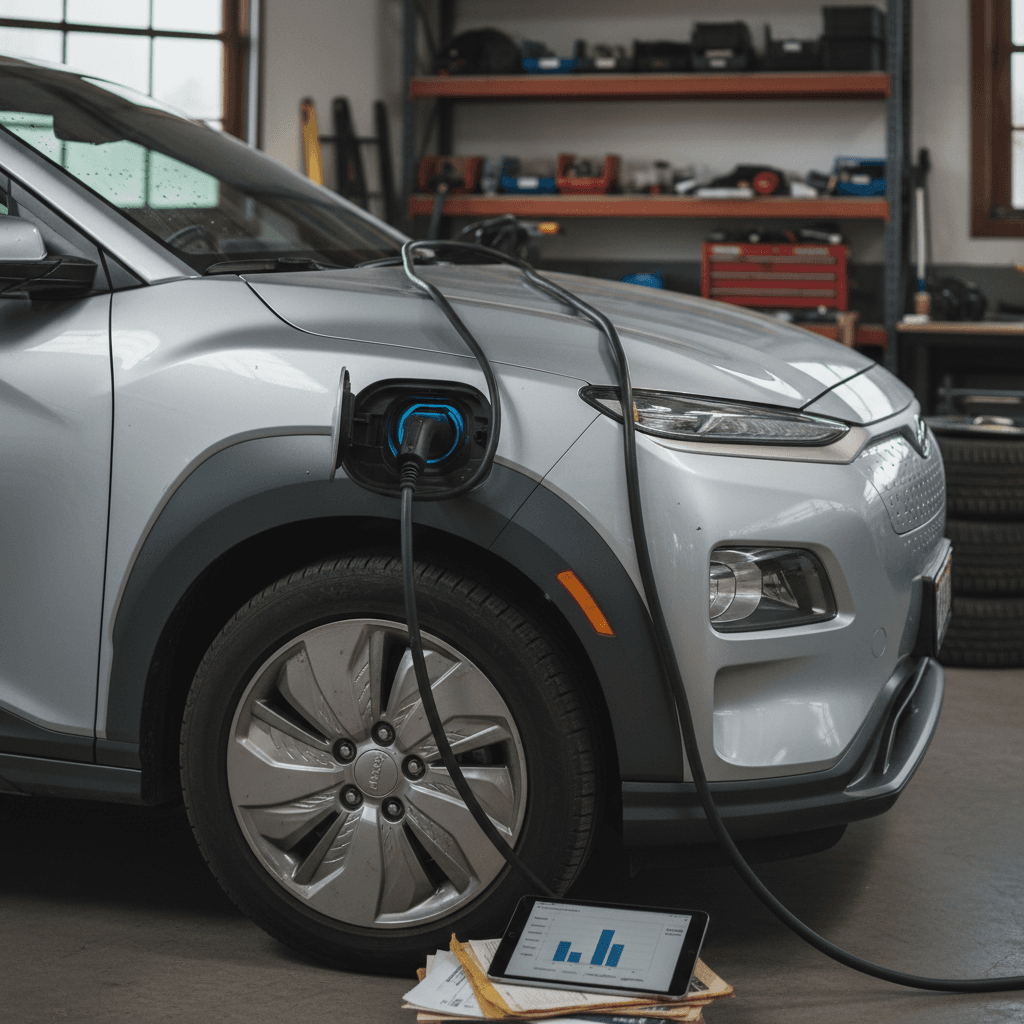
How to Check Battery Health on a Used SUV EV
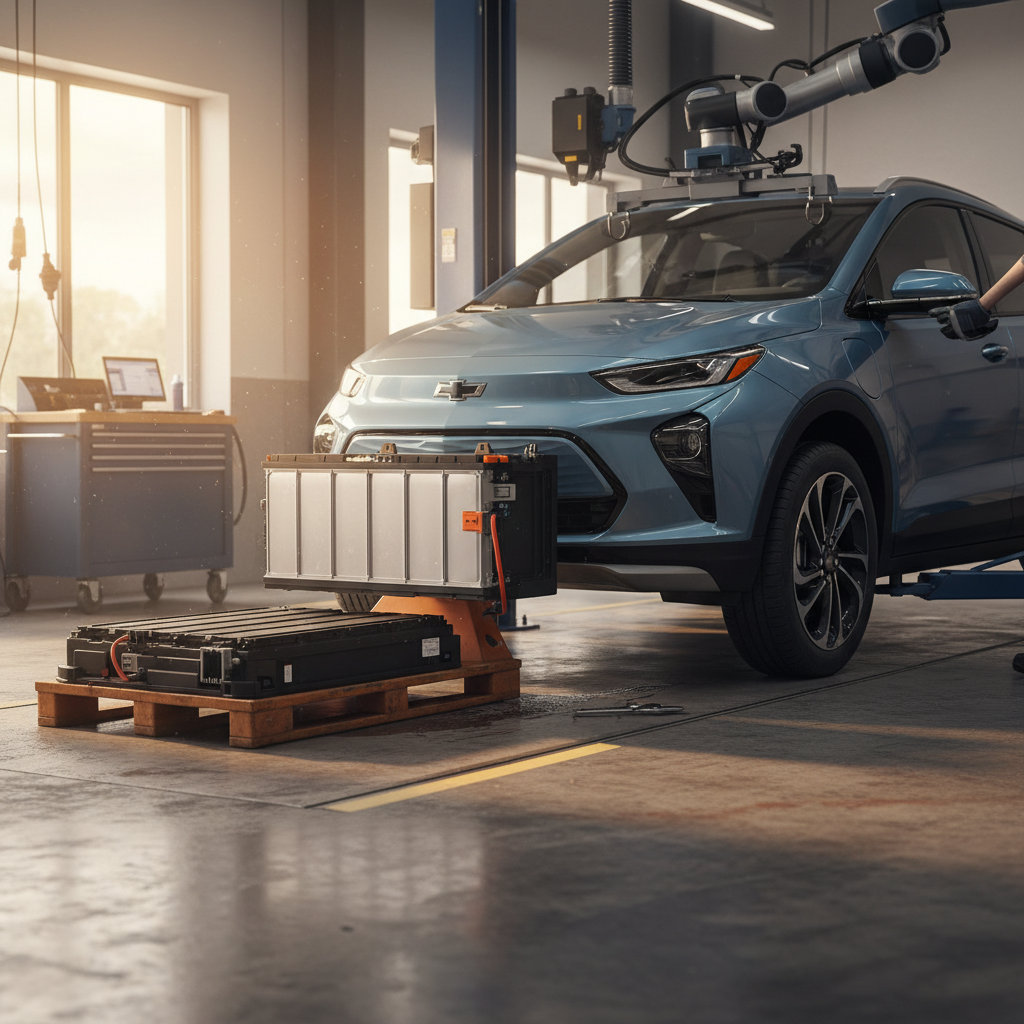
Battery health is the single most important technical factor when you’re comparing a gas SUV used car to a used electric SUV. Unlike an engine, you can’t judge a high‑voltage battery pack by ear. You need data, and ideally, data that’s been verified by someone who knows EVs.
Battery Health Checklist for a Used Electric SUV
1. Get a formal battery health report
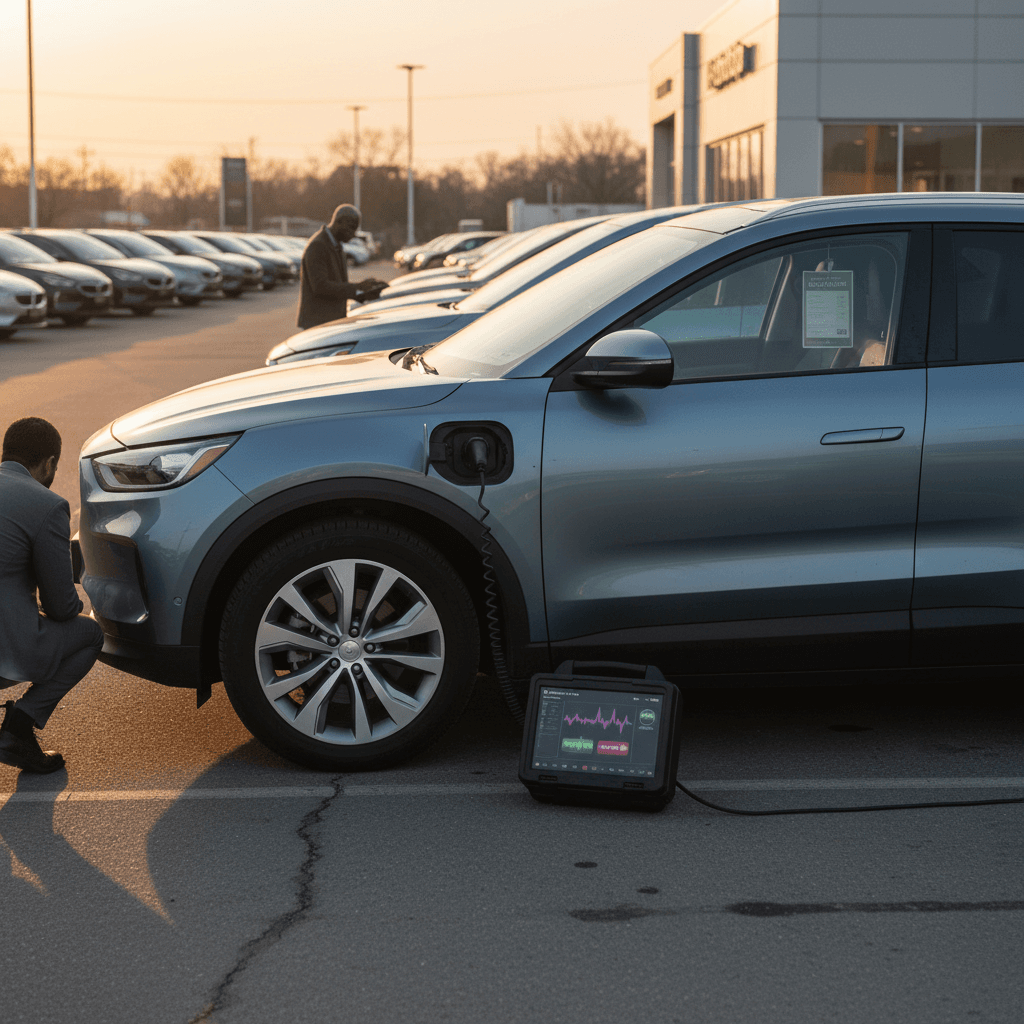
Look for a report that shows current usable capacity versus original, measured from the vehicle’s diagnostic port. Recharged includes a <strong>Recharged Score</strong> with each EV, including a battery health assessment so you aren’t guessing.
2. Compare indicated range to original EPA rating
With the battery at 100%, compare the displayed range to the model’s original EPA figure. A modest drop (5–15%) is normal with age and mileage; anything more should trigger a deeper discussion and possibly a lower price.
3. Check fast‑charge behavior
A test DC fast‑charge session can reveal a lot. A healthy battery and modern EV should ramp up quickly and hold a decent rate; if charging is unusually slow, it might be a software issue, or a sign the pack has been heavily fast‑charged and is protecting itself.
4. Review warranty status
Most EV batteries carry separate warranties, often around 8 years or 100,000 miles. Verify <strong>in writing</strong> how much time and mileage remain and whether the warranty transfers to you as a second owner.
5. Look for uneven cell issues
On a detailed report, big differences between modules can indicate internal imbalance. That’s a conversation to have with an EV‑savvy technician before you sign anything.
Don’t buy blind on a high‑voltage battery
Range, Charging, and Daily Life With a Used Electric SUV
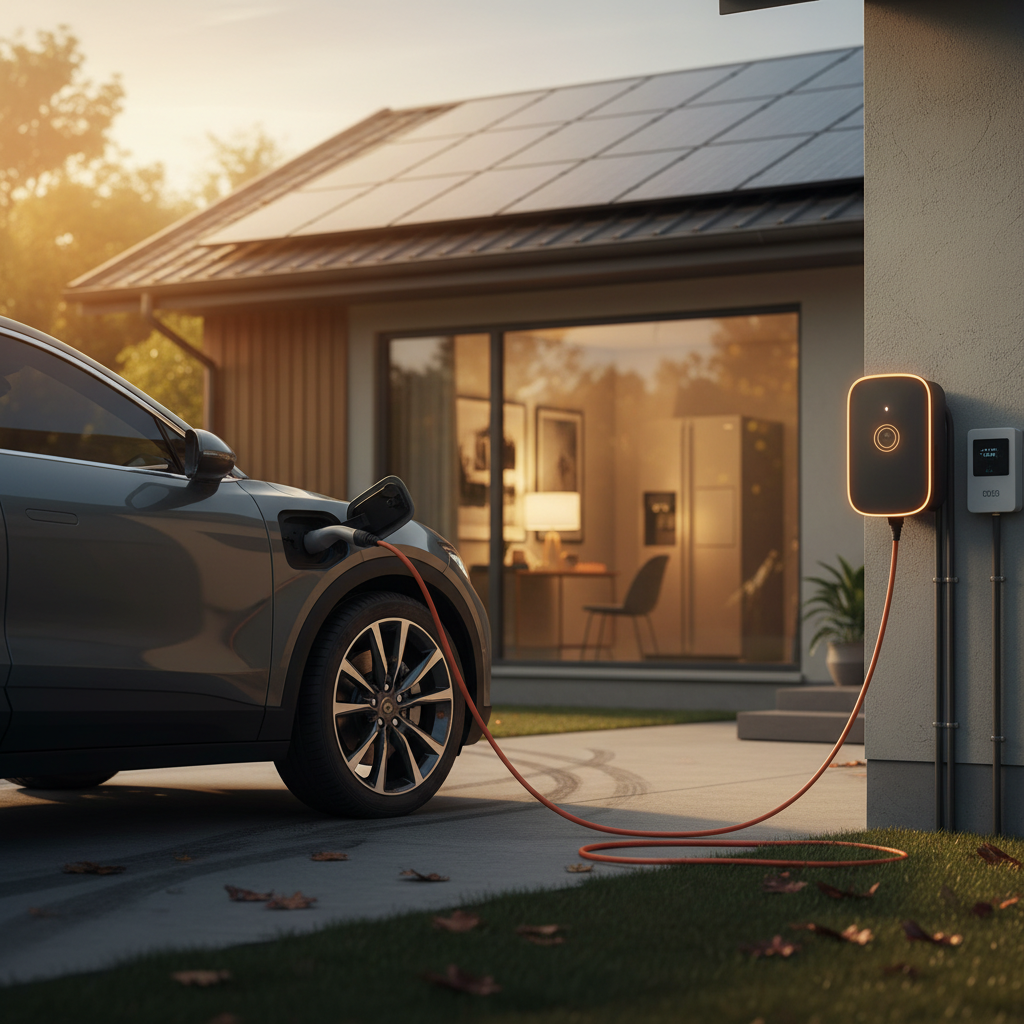
Range anxiety is often the biggest fear for first‑time EV buyers moving from a gas SUV used car. The reality is more mundane: for many U.S. households, a 230–300‑mile used EV SUV plus home charging covers almost all driving without drama.
Common Charging Setups for Used Electric SUVs
Match your charging plan to your daily mileage, not your worst‑case road trip.
Level 1: Standard outlet
Good if you drive under ~30 miles per day and can plug in every night.
- 120V household outlet
- ~3–5 miles of range per hour
- Often enough for city drivers
Level 2: Home or workplace
The sweet spot for most SUV used car owners who go electric.
- 240V outlet or hard‑wired station
- ~20–40 miles of range per hour
- Fully recharge most EV SUVs overnight
DC fast charging
Best for road trips and occasional top‑ups.
- Public stations along major routes
- Can add 150–200 miles in 20–30 minutes on many newer EVs
- More expensive than home charging but still often cheaper than gas per mile
Plan around where you park, not just where you drive
Financing and Insurance for Used EV SUVs
Financing a used electric SUV isn’t that different from any other SUV used car, there are just a few EV‑specific wrinkles worth understanding. The good news: as EVs have gone mainstream, more lenders are comfortable with them, and some even offer specialized green‑vehicle products.
Financing basics
- Loan terms: Many lenders now allow 72‑month terms on late‑model used EVs, similar to gas SUVs. Shorter terms will save you interest if your budget allows.
- Residual value: Because some EVs depreciated quickly early on, lenders are cautious. Expect slightly stricter loan‑to‑value limits on niche or low‑volume models.
- Marketplace advantage: Buying through an EV‑focused retailer like Recharged can streamline financing with partners who already understand used EV values.
Insurance and incentives
- Insurance: Premiums can be higher on some EVs because repairs require specialized parts and training. Get quotes on specific VINs before you commit.
- Incentives: Federal used EV credits have been offered at up to $4,000 for qualifying vehicles and buyers, subject to income, price caps, and build criteria. State and utility programs may also reduce your effective cost.
- Tax timing: Many credits have been available as instant discounts at the point of sale, simplifying cash flow. Confirm the latest rules with your dealer or tax professional.
How Recharged can help with financing
Ready to find your next EV?
Browse VehiclesInspection Checklist for a Used Electric SUV
Most of what you’d check on a traditional SUV used car still applies to a used electric SUV, bodywork, tires, suspension, interior wear. But there are also EV‑specific checks that many shoppers overlook. Use this quick checklist as your baseline.
Quick Inspection Checklist for a Used Electric SUV
1. Confirm charger and cables
Make sure the original portable charging cable, any included adapters, and, if applicable, wall‑box documentation are present and in good shape. Replacements can be several hundred dollars.
2. Test all drive modes and regen settings
On your test drive, try Eco/Normal/Sport modes and adjust regenerative braking levels. Listen for unusual noises from the motors or reduction gear when accelerating or coasting.
3. Check infotainment and connectivity
Because EVs are software‑heavy, a flaky touchscreen or buggy app integration can sour ownership. Test navigation, Bluetooth, driver‑assist settings, and over‑the‑air update status.
4. Inspect underbody and charge port
Look for impact damage to the underbody panels that could indicate curb strikes or off‑roading. Open the charge port and inspect for bent pins, corrosion, or broken covers.
5. Verify driver‑assist systems
If the SUV has lane‑keeping, adaptive cruise, or hands‑free systems, take time to test them. Calibrating sensors after a crash or windshield replacement can be expensive.
6. Confirm a clean title and recall history
As with any SUV used car, avoid salvage or flood titles. Run the VIN for open recalls, especially software and high‑voltage system campaigns, and ensure they’ve been addressed.
Depreciation and Resale: What to Expect
Depreciation is where the EV story gets nuanced. Some early electric models took heavy hits as technology changed quickly and new‑EV incentives favored the latest models. But not all used electric SUVs are depreciation disasters, far from it.
How Used Electric SUV Depreciation Compares
Think model‑by‑model, not “EVs always depreciate faster.”
Mainstream compact EV SUVs
Popular models like the Tesla Model Y, Hyundai Ioniq 5, and Kia EV6 tend to hold value better because they’re in demand and offer competitive range and charging.
Expect depreciation that’s broadly comparable to a well‑equipped gas compact SUV, especially after the first big drop in years 1–3.
Older or short‑range EVs
Early EV SUVs with limited range can lose value more quickly, especially if they don’t support fast charging or have small batteries. These can still be great city commuters if priced correctly and the battery is healthy.
Opportunity for value buyers
For buyers who understand EVs, depreciation can be your friend. A 3‑ to 5‑year‑old used electric SUV with solid battery health and 230+ miles of range often costs far less than a comparable new model but delivers most of the same experience.
Be cautious with very niche models
Frequently Asked Questions About Used Electric SUVs
Frequently Asked Questions
Is a Used Electric SUV the Right SUV Used Car for You?
If you’re in the market for an SUV used car, you owe it to yourself to consider a used electric SUV alongside the usual gas suspects. For many drivers, especially those with home parking and predictable daily miles, the combination of low running costs, smooth performance, and modern tech makes a compelling case.
The key is to shop smart: focus on proven models, insist on a clear battery health report, verify warranty status, and think honestly about how and where you’ll charge. That’s exactly where an EV‑focused retailer like Recharged can simplify your search with verified battery diagnostics, transparent pricing, financing, trade‑in options, and expert support from your first question to delivery.
Do that, and your next SUV used car won’t just be an upgrade in size or features, it can be an upgrade in how you spend money, how you drive every day, and how ready you are for the future of the car market.