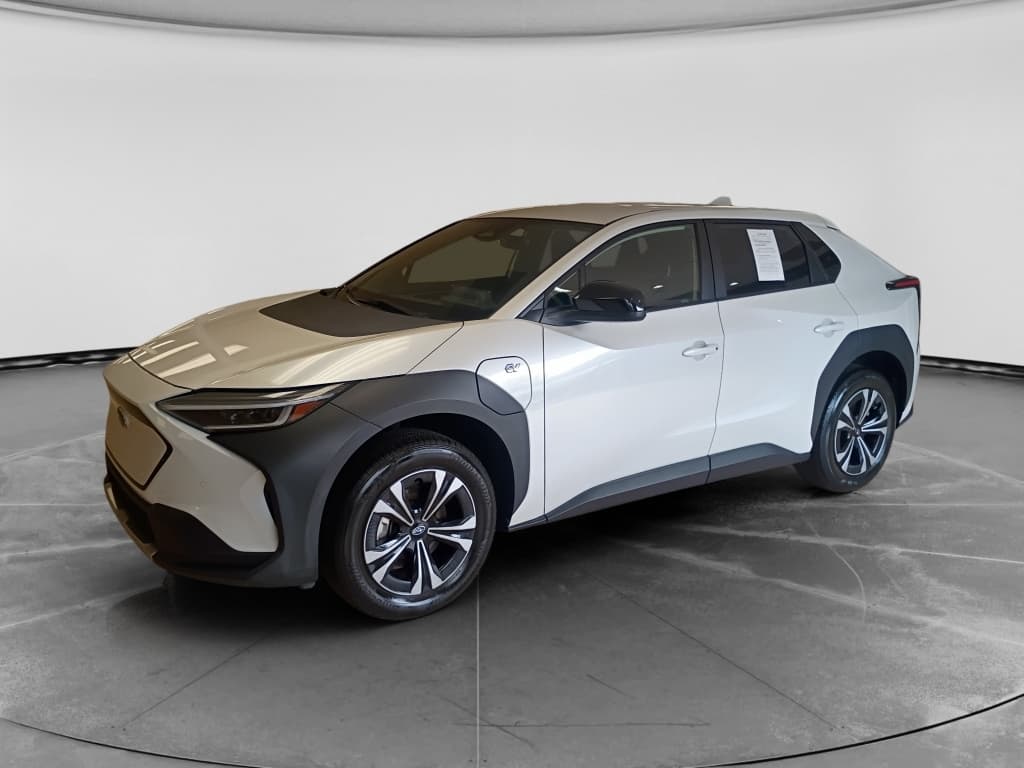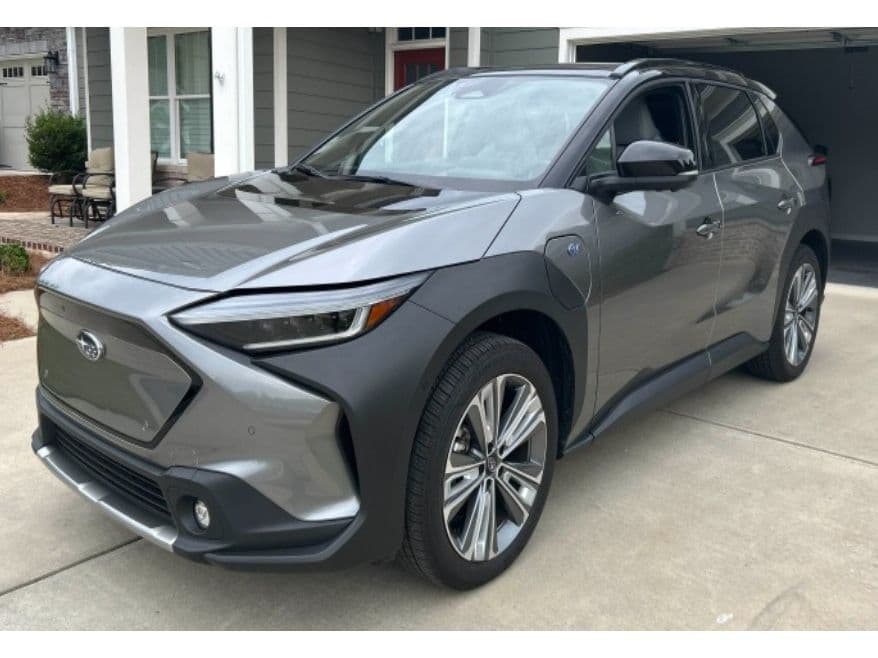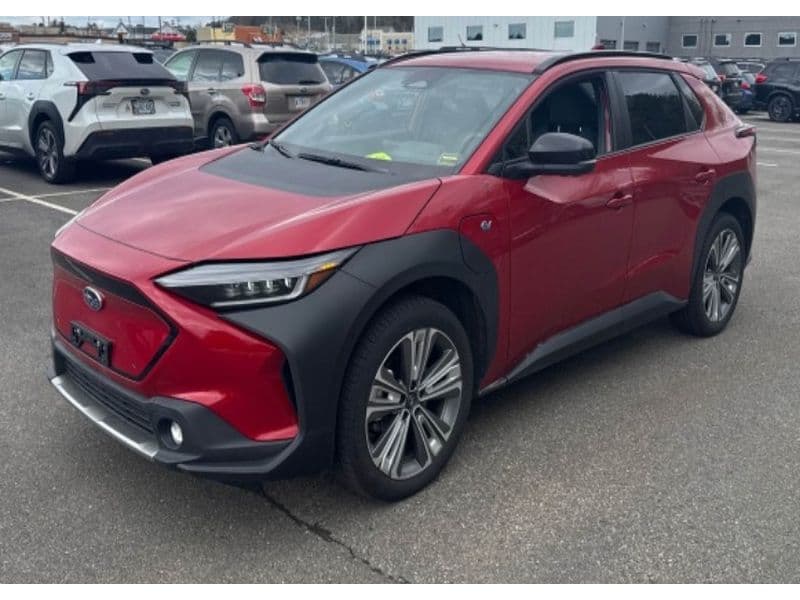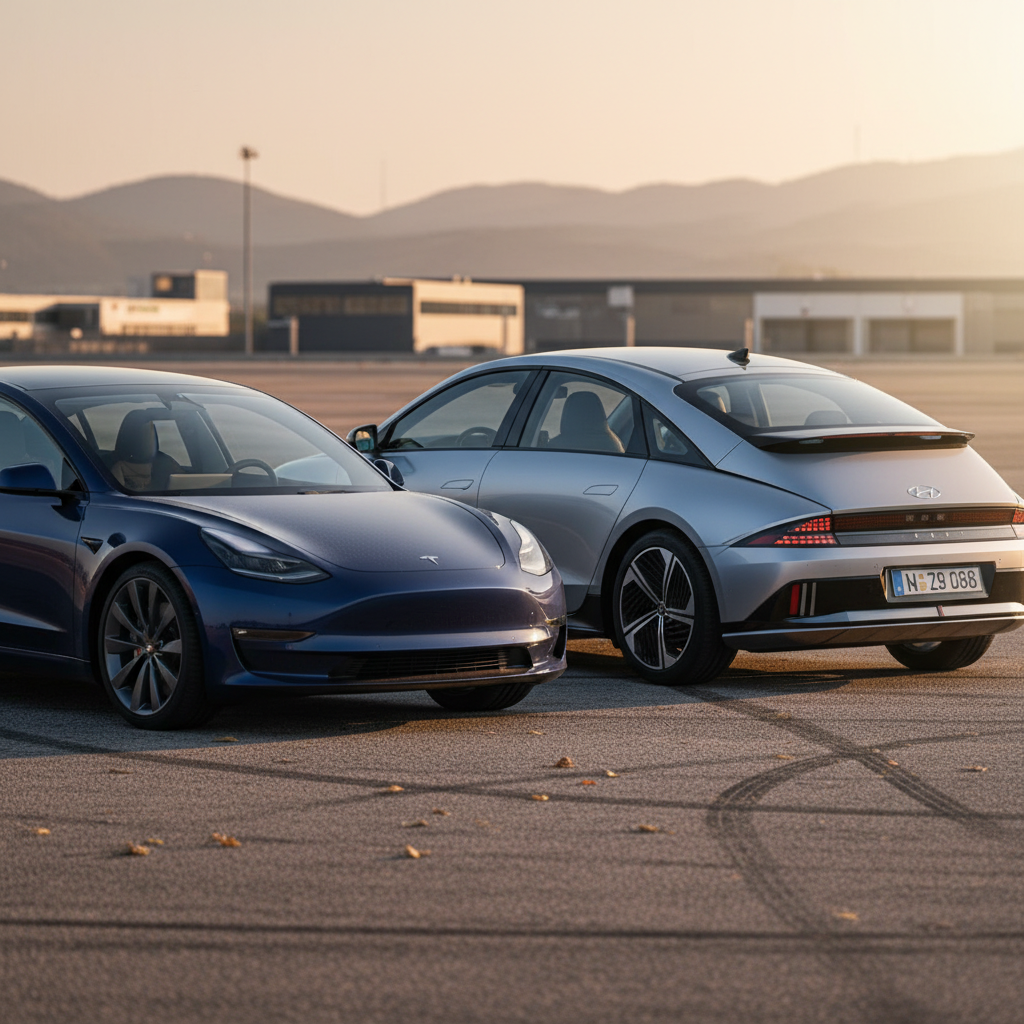
If you’re eyeing Subaru’s first EV, understanding the Subaru Solterra long term ownership cost is just as important as the sticker price. Between steep early depreciation, relatively low maintenance, changing battery tech, and fast-moving incentives, the total cost of ownership can swing thousands of dollars depending on how, and what, you buy.
At a glance
Why Subaru Solterra ownership costs look different
The Solterra is a compact all-wheel-drive electric SUV co-developed with Toyota’s bZ4X. That matters because your long-term costs are shaped by three things that differ from traditional gas Subarus: EV-specific depreciation, charging instead of fuel, and battery health and warranty coverage. Add in Subaru’s standard AWD hardware and you have an EV that’s practical in bad weather but not the cheapest to insure or buy new.
Main drivers of Solterra long-term cost
What moves the needle over 5–10 years
Depreciation
Like many newer EVs, the Solterra takes a relatively steep value hit in the first 3 years before values stabilize. That’s the single biggest cost line item if you buy new.
Energy & charging
Electricity is usually far cheaper per mile than gasoline, especially if you can charge at home on off-peak rates. Public DC fast charging narrows that gap.
Battery health
Battery degradation and warranty coverage have an outsized impact on resale value and long-term risk. A healthy pack can be worth thousands more at resale than a neglected one.
Purchase price, incentives and financing
Subaru has been aggressive on Solterra pricing to stay competitive. Recent model years undercut early 2023 MSRPs by several thousand dollars, with well-equipped trims often advertised below $40,000 before destination and incentives. At the same time, the used market has corrected sharply from early-pandemic EV pricing, making low-mile Solterras comparatively affordable next to rivals like the Tesla Model Y and Hyundai Ioniq 5.
Typical Subaru Solterra price bands (U.S. retail)
Approximate transaction ranges as of early 2026; your local market may vary.
| Vehicle age / type | Typical price range | What you’re getting |
|---|---|---|
| New 2025–2026 Solterra | $39,000–$48,000 | Latest range and charging updates, full warranty |
| 1–2-year-old used (2023–2024) | $25,000–$34,000 | Early depreciation already taken, plenty of warranty left |
| 3–4-year-old used (high miles) | $20,000–$27,000 | Best upfront price, condition and battery health vary widely |
Used prices assume average mileage and clean history.
Factor in EV incentives, not just MSRP
Depreciation and resale value
Depreciation is where the Subaru Solterra currently stings. Independent residual-value trackers show the Solterra among the weaker 3‑year resale performers in today’s market, with projected residual values in the mid‑40% range after three years. That’s in line with several other first- and second-generation EVs, but worse than top-selling models like the Tesla Model Y.
What depreciation looks like for a Solterra
Why this matters if you buy new
The flip side is that buyers of used Solterras benefit from that early drop. If someone else has already eaten the first three years of depreciation, your expected value loss from years 4 through 8 is much gentler, often just a few percent per year assuming normal mileage and good condition.
Charging costs vs. gasoline
On the operating-cost side, the Solterra’s biggest advantage is that you’re buying electricity instead of gasoline. Even with Subaru’s standard dual‑motor AWD setup, you’re typically looking at energy use in the low‑to‑mid 30 kWh per 100 miles for mixed driving, roughly equivalent to a gas SUV that gets 28–30 mpg, but with cheaper “fuel” most of the time.
Home charging costs
If you charge mostly at home, your per‑mile cost will likely beat a similar gas crossover by a wide margin.
- Average U.S. residential rate: about $0.15 per kWh
- Energy use: ~32 kWh per 100 miles
- Cost per 100 miles: ~$4.80
(or about $0.05 per mile)
Compare that to a 28‑mpg gas SUV at $3.50 per gallon: about $12.50 per 100 miles.
Public DC fast charging costs
Rely heavily on DC fast charging, and the savings shrink.
- Typical DC rate: $0.30–$0.45 per kWh
- Cost per 100 miles: ~$9.60–$14.40
That’s closer to parity with gasoline, and sometimes more expensive in high‑cost markets. Occasional road‑trip fast charging is fine; daily use will noticeably raise your long‑term ownership cost.
Use the right charger to hit your cost targets
Maintenance and repair costs
Here’s where the Subaru Solterra looks more like an EV and less like a traditional Subaru. With no oil changes, spark plugs, or exhaust system, routine maintenance is lighter, but it’s not zero. Subaru’s service schedules still call for brake inspections, coolant checks for the battery and drive units, cabin filters, and periodic software and hardware checks on the high‑voltage system.
Typical Solterra maintenance over 5–10 years
What you’ll actually spend money on
Routine inspections
Annual or biannual services for inspections, fluid checks, and software updates. Expect a few hundred dollars per year at dealer rates.
Brake & tire wear
Regenerative braking extends pad life, but heavy EV weight can chew through tires sooner than a comparable gas SUV.
Out-of-warranty repairs
Electronics, suspension components, and climate systems still fail over time. These remain modest compared with potential battery work but should be budgeted for after 5–7 years.
EV advantage: fewer moving parts
Insurance, registration, and taxes
Insurance is one often‑overlooked piece of long‑term cost. Because the Solterra is a relatively new, tech‑heavy EV with standard AWD, premiums can sit above mainstream compact SUVs, but they’re generally in line with other electric crossovers. State registration fees and property taxes vary widely; a few states now add modest annual EV fees that nibble at your fuel‑savings advantage.
How Solterra insurance typically compares
Generalized view; actual quotes depend heavily on driver profile and location.
| Vehicle | Relative annual premium | Why |
|---|---|---|
| Mainstream gas compact SUV | Baseline | Simpler parts, wider repair network |
| Subaru Solterra | +5–15% vs. baseline | Newer EV, dual‑motor AWD, higher parts costs |
| Premium EV SUV (e.g., Tesla Model Y) | +10–25% vs. baseline | Higher MSRP, advanced driver‑assist hardware |
Think of Solterra premiums as closer to a small luxury SUV than a base compact crossover.
Shop EV‑friendly insurers
Battery health and long-term risk
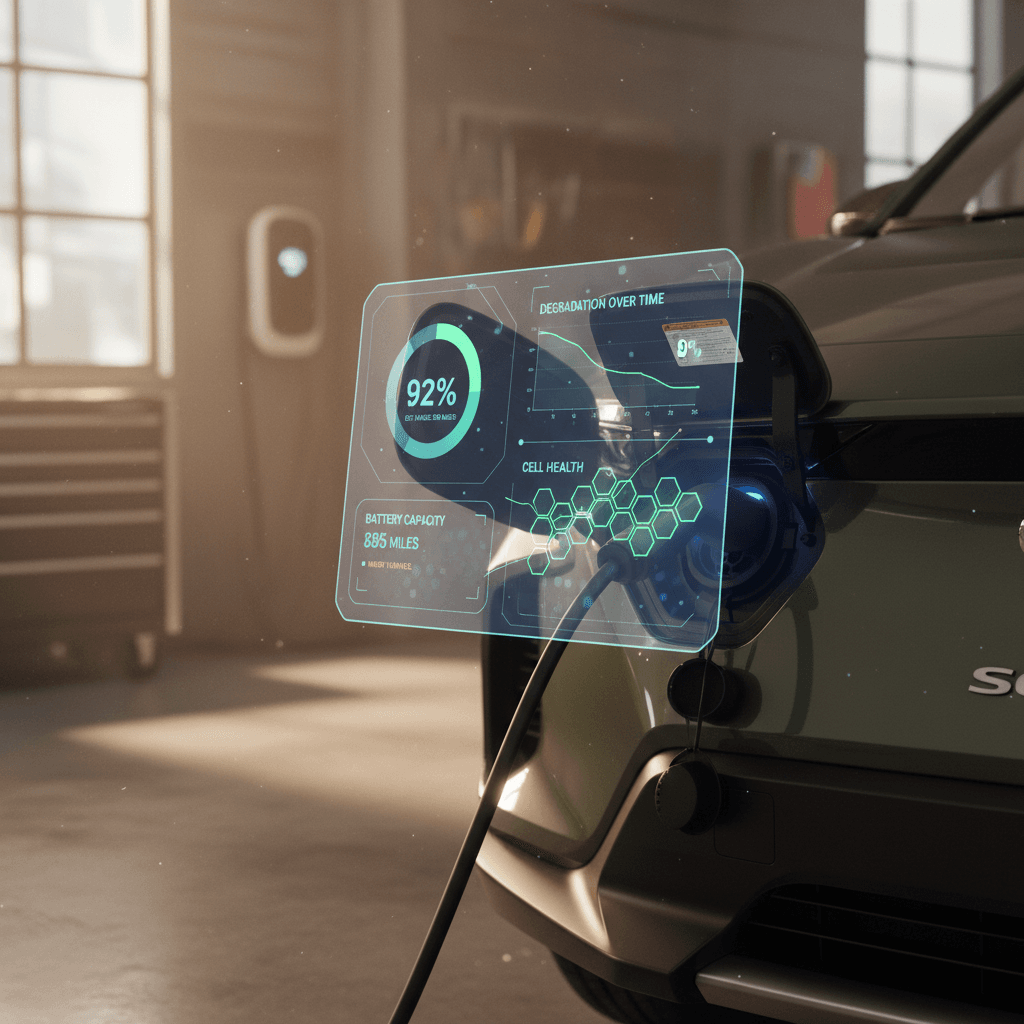
Over a 10‑year horizon, battery health is the make‑or‑break factor in Subaru Solterra long term ownership cost. A healthy pack means predictable running costs and decent resale value; a badly degraded one can suddenly make the vehicle thousands of dollars less desirable on the used market.
- Subaru’s high‑voltage battery warranty typically covers 8 years or 100,000 miles (consult your specific model year for exact terms).
- Real‑world EV data suggest well‑cared‑for packs commonly retain 80%+ capacity after 8–10 years, but abuse, frequent fast charging, and extreme heat can accelerate degradation.
- A Solterra with documented low degradation will command a clear resale premium over one showing heavy range loss.
Why battery neglect is expensive
5-year cost snapshot: new vs. used Solterra
To make this concrete, consider two simplified 5‑year scenarios for an average U.S. driver putting 12,000 miles per year on a Solterra. These are ballpark illustrations, not quotes, your actual costs will depend on your purchase price, incentives, energy rates, and driving habits.
Illustrative 5‑year cost of ownership (60,000 miles)
Approximate totals, excluding taxes and fees, assuming mostly home charging and no major accidents.
| Category | New Solterra (today’s MSRP) | 3‑year‑old used Solterra |
|---|---|---|
| Purchase price / depreciation | $42,000 purchase; ~$16,000 value after 5 years (≈$26,000 cost) | $28,000 purchase; ~$14,000 value after 5 years (≈$14,000 cost) |
| Electricity | ≈$3,600 | ≈$3,600 |
| Maintenance & repairs | ≈$2,000–$2,500 | ≈$2,500–$3,000 |
| Insurance | ≈$7,000–$8,500 | ≈$6,500–$8,000 |
| Total 5‑yr cost (rough) | ~$38,500–$40,600 | ~$26,600–$28,600 |
Electricity cost assumes $0.15/kWh at home; insurance assumes a clean record.
What the numbers suggest
How to lower your Solterra ownership costs
Practical ways to cut long-term Solterra costs
1. Buy after the first depreciation hit
If you’re flexible on model year, look for a 1–3‑year‑old Solterra with low miles and strong warranty coverage. You’ll pay less upfront and face gentler depreciation going forward.
2. Prioritize home charging
Install a Level 2 charger (or at least use a 240‑volt outlet) so the bulk of your energy comes from cheaper residential electricity, not pricey DC fast charging.
3. Maintain healthy charging habits
Avoid regularly charging to 100% or running down to 0%, and limit frequent DC fast‑charging unless you’re on a trip. This supports better long‑term battery health and resale value.
4. Shop your insurance annually
Rates for new EV models can change quickly as insurers gather data. Getting fresh quotes each year, or after a clean‑driving stretch, can lower premiums over time.
5. Stick to the EV service schedule
Follow the maintenance schedule in the owner’s manual, not just generic “Subaru service” packages. Documented care reassures future buyers and helps justify a higher resale price.
6. Consider certified or independently inspected used cars
For used Solterras, a battery‑health assessment and EV‑specific inspection can uncover hidden issues that would otherwise become expensive surprises later.
Should you buy a used Subaru Solterra?
For many drivers, the sweet spot for Subaru Solterra long term ownership cost is a well‑vetted used example. Because first owners take most of the depreciation, the economics of years 3–8 are often very compelling: low fueling costs, manageable maintenance, and a battery still under warranty if you buy carefully.
Strengths of a used Solterra
- Lower upfront price with much of the depreciation already absorbed.
- Standard AWD and Subaru traction tech for bad weather.
- EV‑typical low maintenance and cheap home charging.
- Later model years get range and charging upgrades, improving practicality.
What to watch out for
- Early model‑year depreciation still evolving as the EV market matures.
- Battery health varies by prior owner’s charging and driving habits.
- Insurance and repair costs can be higher than mainstream gas SUVs.
- Range may feel modest compared with the very latest EVs.