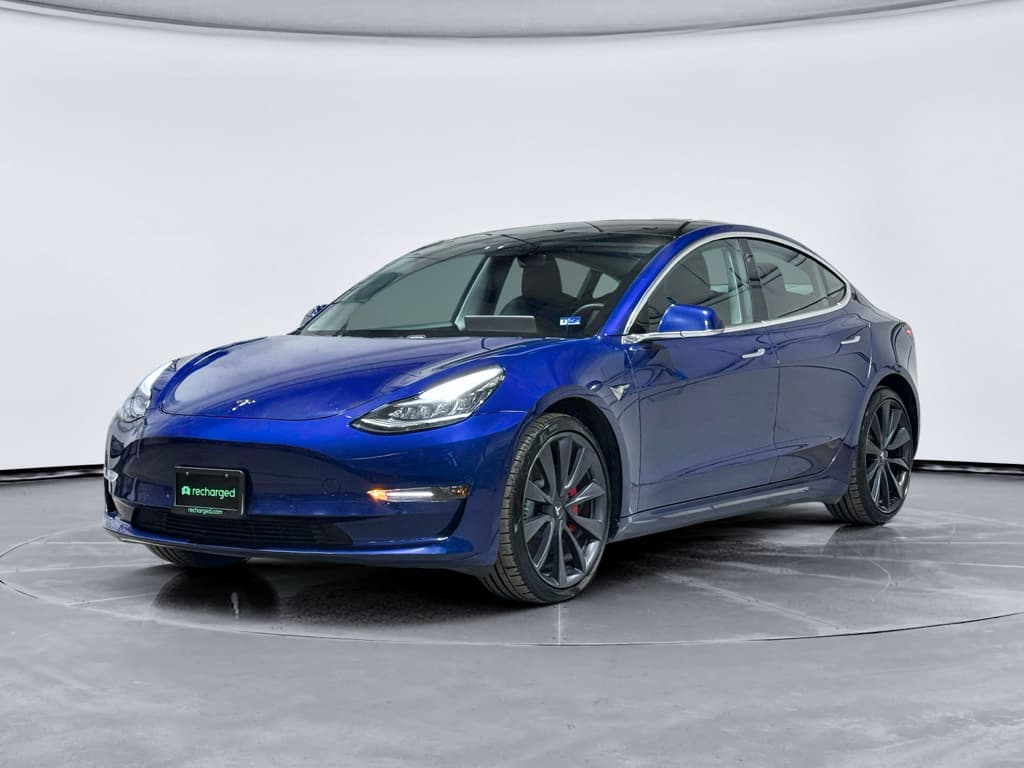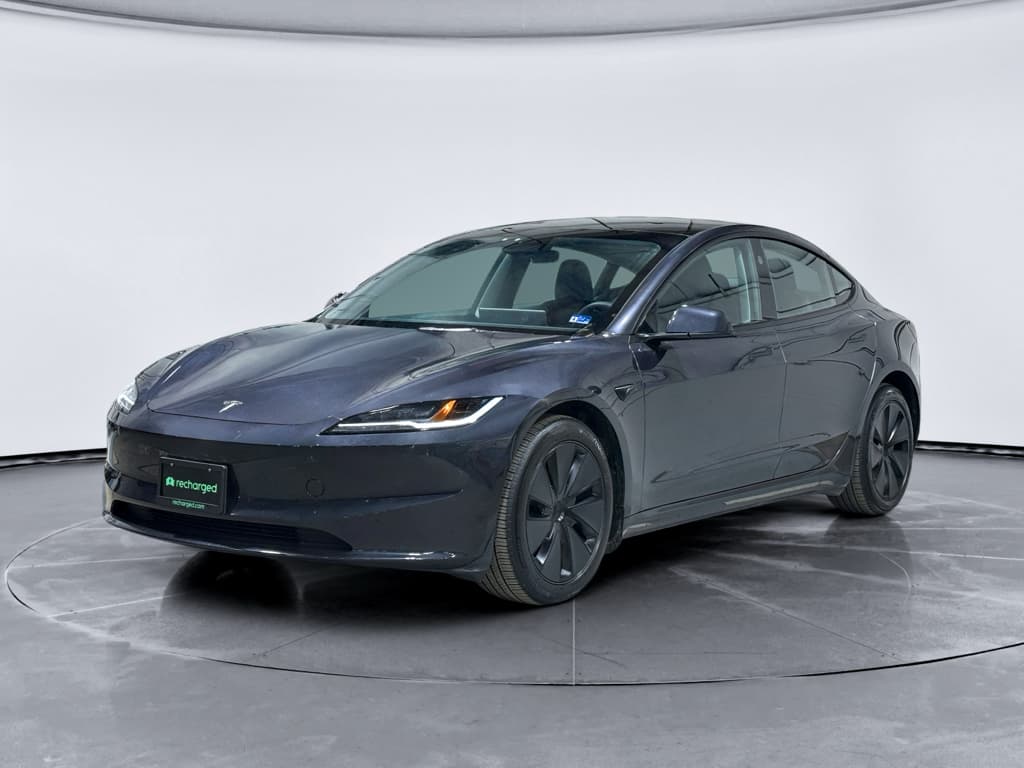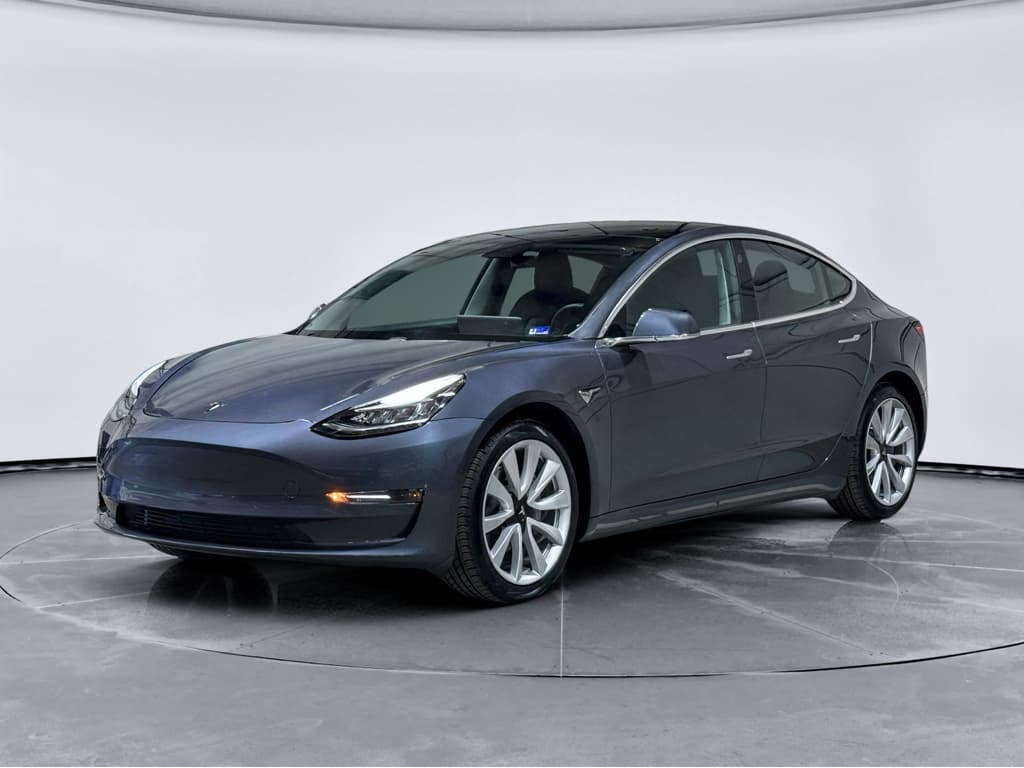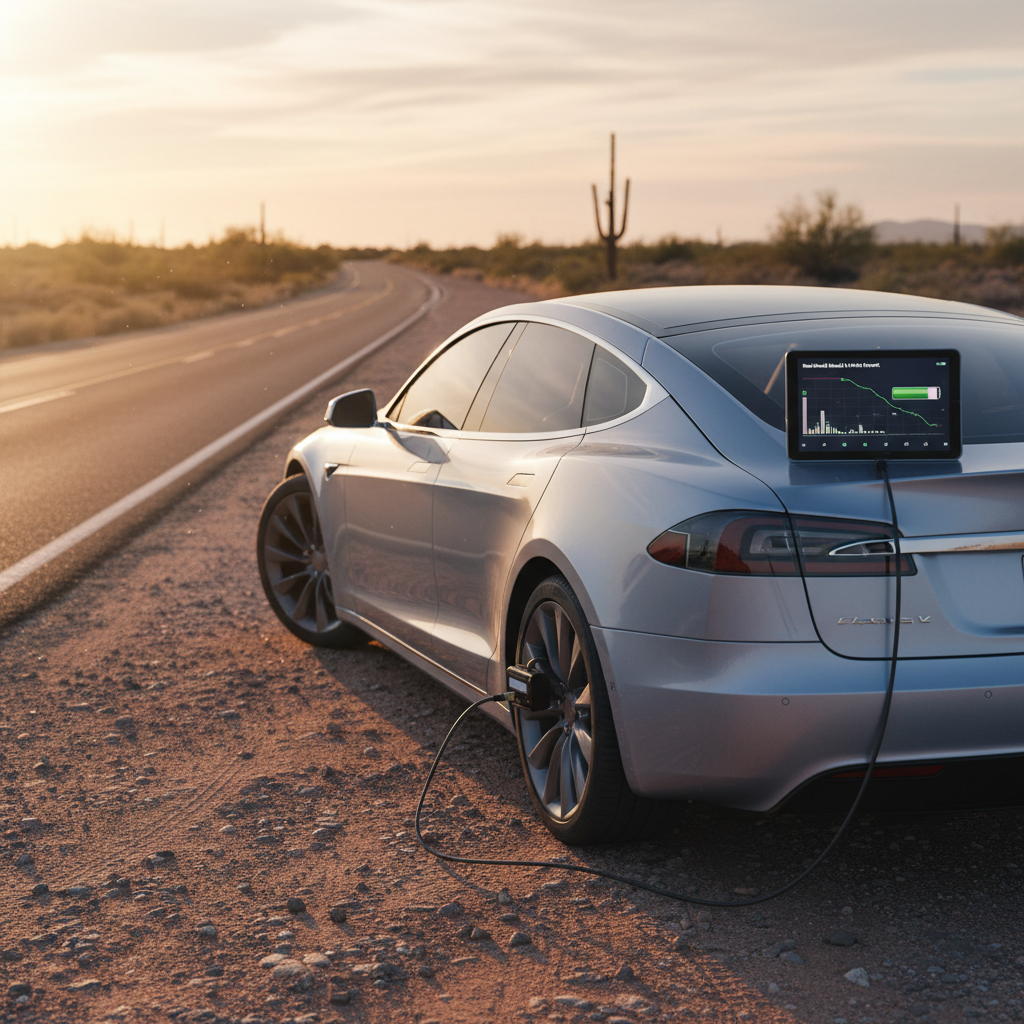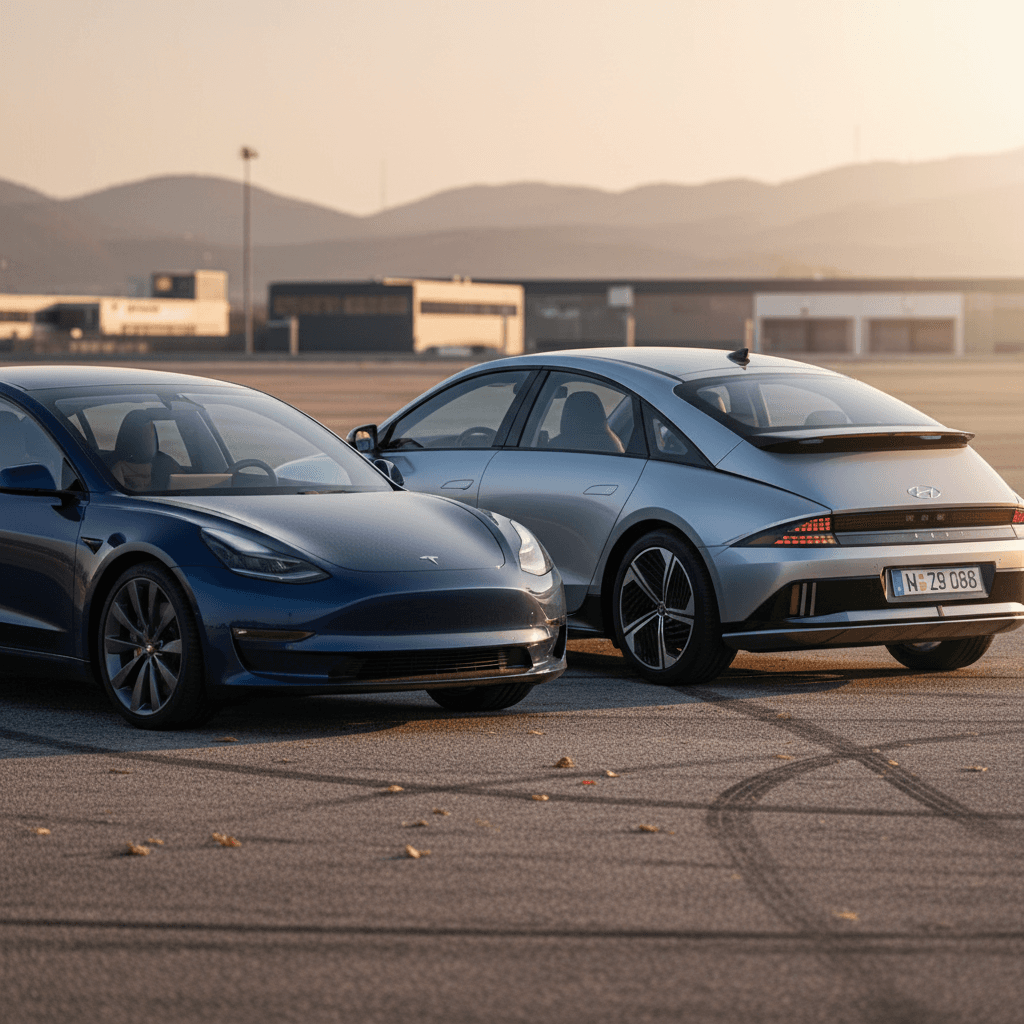
Two cars, one question: when you line up the Tesla Model 3 vs Hyundai IONIQ 6, which electric sedan actually makes more sense for your life and your money? On paper they’re close, sleek, efficient, five-seat EVs with serious range. In practice, they feel very different, and those differences matter even more if you’re shopping the growing used EV market.
The short version
Overview: Tesla Model 3 vs Hyundai IONIQ 6
Tesla Model 3 in a sentence
The Model 3 is the benchmark compact EV sedan: excellent real-world efficiency, quick even in its base form, and plugged into the huge Tesla Supercharger network. The cabin is minimalist to the point of austerity, but it feels like the future and holds its value well.
Hyundai IONIQ 6 in a sentence
The IONIQ 6 is a rolling concept car that escaped the auto show stand, a swoopy, ultra-aero sedan with a superb ride, quiet cabin, and user-friendly controls. Its 800-volt architecture allows very fast DC charging, and Hyundai backs it with a long warranty.
Headline Numbers at a Glance (Recent U.S. Specs)
About range numbers
Pricing and Value: New and Used
Sticker prices move around with trims, options, and incentives, but as of the latest model years, the Tesla Model 3 generally undercuts the Hyundai IONIQ 6 at the base level. Recent reports place the entry Model 3 in the mid–$30,000s for the rear-wheel drive car, with long‑range and performance trims moving into the low–$40,000s and beyond. The IONIQ 6 typically lands a few thousand higher at the entry SE Standard Range level, and well into the $50,000s if you tick all the option boxes.
New-car value picture
- Model 3: Often the lower starting price and, depending on final assembly and battery sourcing rules, stronger access to the U.S. federal EV tax credit. In some years and trims, that full $7,500 credit dramatically improves value.
- IONIQ 6: Pricing starts higher and federal-credit eligibility has been more limited due to assembly location, though state and local incentives can narrow the gap.
Used-market dynamics
- Model 3: Built in volume since 2017, so the used market is deep. You’ll find everything from early Standard Range cars in the low‑$20,000s to nearly new long‑range examples.
- IONIQ 6: Newer to market, so used inventory is thinner and prices haven’t softened as much yet. That can make the Hyundai feel more expensive on the used lot, even when new MSRPs were similar.
How Recharged can help on price
Range and Efficiency
Range is the currency of peace of mind, and both cars are wealthy. The details depend on battery size and drivetrain, but you can think of these two as trading punches rather than blowouts.
Approximate Range and Efficiency by Key Trims
Representative EPA-rated figures for recent U.S. market trims. Always check the exact model year and configuration you’re shopping.
| Model | Drivetrain | Battery | EPA Range (mi, approx.) | Efficiency (MPGe combined, approx.) |
|---|---|---|---|---|
| Tesla Model 3 RWD | RWD | Standard pack | ~270–280 | 120–130 |
| Tesla Model 3 Long Range | AWD | Larger pack | ~333–346 | 120–130 |
| Tesla Model 3 Performance | AWD | Larger pack | ~300–310 | 110–120 |
| Hyundai IONIQ 6 SE Std Range | RWD | 53.0 kWh | ~240 | ~130–135 |
| Hyundai IONIQ 6 SE Long Range | RWD | 77.4 kWh | ~340–360 | Up to ~140 |
| Hyundai IONIQ 6 AWD (77.4 kWh) | AWD | 77.4 kWh | ~300–320 | Low‑130s |
Model 3 and IONIQ 6 deliver broadly similar total range; efficiency and use case tilt the scales.
In RWD, long‑range guise, the IONIQ 6 is an efficiency monster; its MPGe ratings sit at the top of the segment, which means fewer kilowatt‑hours burned per mile and, over time, lower charging costs. The Model 3 counters with excellent highway range and very smart thermal management, which helps keep range more consistent at speed and in cold weather than many rivals.
Cold climates and real-world range
Charging Speed and Infrastructure
Charging is where spec sheets and real life part ways. The IONIQ 6 has the dramatic headline, an 800‑volt system capable of 10–80% in as little as 18 minutes on a 350 kW DC fast charger. The Model 3 tops out at 250 kW and tends to land around 25 minutes for a similar state‑of‑charge swing. On paper, Hyundai wins the drag race to 80%.
Hyundai IONIQ 6: blistering peak speeds
- 800‑volt architecture enables very high charge rates when the stars align, proper preconditioning, an uncrowded 350 kW station, and moderate temperatures.
- In practice, many public networks still struggle with reliability. A theoretical 18‑minute session can turn into a 40‑minute wait, plus app wrangling.
Tesla Model 3: the network advantage
- Up to 250 kW on compatible Superchargers with excellent station reliability and simple plug‑and‑charge operation if you’re in the Tesla ecosystem.
- In the U.S., Tesla’s NACS connector is rapidly becoming the default, and more non‑Tesla EVs are gaining Supercharger access. For Model 3 owners, it already feels seamless.
Home charging parity
Performance and Driving Character
The Tesla is the overachieving honor student who also happens to run track; the Hyundai is the art‑school kid who secretly lifts. Both are quick, just tuned with very different personalities.
How They Drive: Character Over Lap Times
Both are quick; the question is what kind of quick you want.
Tesla Model 3
- Acceleration: Even the base RWD car feels lively; upper trims scoot to 60 mph in the low‑3‑second range.
- Steering & handling: Precise, sport‑sedan lightness with quick steering. Ride quality can feel firm or choppy on rough pavement, especially on larger wheels.
- Noise: Cabin isolation is decent but not luxury‑car quiet. Road noise and wind around the frameless windows are noticeable at highway speed.
Hyundai IONIQ 6
- Acceleration: RWD models are brisk, AWD versions properly quick (0–60 mph in the mid‑4‑second zone), but rarely shocking.
- Ride & composure: Softer and more relaxed. It glides where the Model 3 twitches, excellent for long commutes and highway slogs.
- Noise: Quiet, with a more traditional sound‑deadening approach. It feels closer to a compact luxury sedan in serenity.
Test-drive tip
Interior, Comfort, and Space
Open the doors and the philosophies diverge dramatically. The Tesla interior is a Scandinavian tech startup: lots of glass, very little clutter, one big screen doing everything. The Hyundai is more mid‑century lounge: interesting textures, ambient lighting, and actual physical controls for many core functions.
Tesla Model 3 cabin
- Design: Minimalist to a fault for some. Almost every function lives on the 15‑inch central touchscreen.
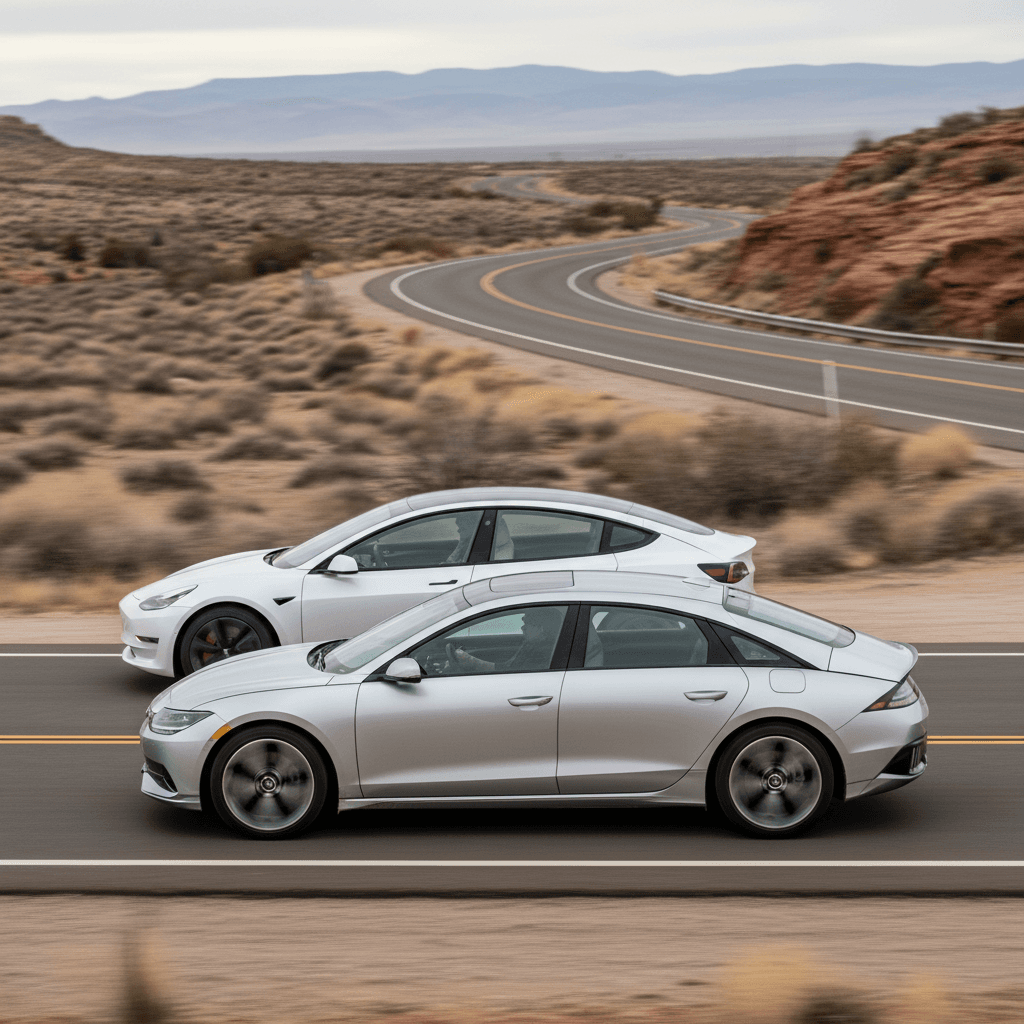
- Space: Good front headroom, fine rear knee room, but a sloping roof and high floor eat into rear comfort for taller passengers.
- Cargo: A generous trunk plus a usable front trunk (frunk) give it roughly 21 cubic feet of cargo space overall, excellent for the segment.
Hyundai IONIQ 6 cabin
- Design: More conventional, though still futuristic. Dual screens behind a shared glass pane, separate climate panel, and tasteful materials.
- Space: Rear legroom is outstanding, but the coupe‑like roof pinches headroom if you’re tall. The trunk itself is a modest ~12 cubic feet, and there’s no meaningful frunk.
- Comfort: Seats and ride tuning aim for comfort first; it feels like it was designed around humans, not just software.
Space trade-off in one line
Tech, Infotainment, and Driver Assistance
On tech, Tesla is still the loudest voice in the room, but Hyundai has been taking very careful notes, and in some ways the IONIQ 6 is easier to live with day to day.
Screens, Apps, and Driver Aids
Both are smart; one feels more like a gadget, the other like a car with gadgets.
Tesla Model 3 tech
- Interface: A single central touchscreen runs everything, speed readout, wipers, mirrors, glovebox. Brilliant when you’re acclimated, distracting when you’re not.
- Updates: Frequent over‑the‑air software updates add features, tweak driving feel, even improve efficiency.
- Driver assist: Autopilot and optional advanced systems can handle lane‑keeping and adaptive cruise on highways but demand driver attention. Capability can vary by software version and options purchased.
Hyundai IONIQ 6 tech
- Interface: Dual digital displays plus separate climate and audio controls. Supports Apple CarPlay and Android Auto, which Tesla still doesn’t offer natively.
- Updates: Over‑the‑air updates are supported but generally less transformative than Tesla’s.
- Driver assist: Hyundai’s Highway Driving Assist suite offers confident lane‑centering and adaptive cruise. It’s less ambitious than Tesla’s most advanced systems but more predictable.
Hands-on means hands-on
Ownership Costs, Warranty, and Reliability
Electric cars simplify maintenance, no oil changes, no spark plugs, no transmission rebuilds. But they don’t erase ownership costs. Tires, brakes (eventually), cabin filters, and especially out‑of‑warranty repairs still matter.
Warranty and support
- Tesla Model 3: Typically an 8‑year battery and drive unit warranty with mileage caps that vary by trim, plus a shorter bumper‑to‑bumper term.
- Hyundai IONIQ 6: Strong warranty story, commonly 10 years/100,000 miles on the battery and powertrain, with a long basic warranty on the rest of the car. If you plan to keep your car for a decade, that matters.
Reliability and repair experience
- Tesla has more EV‑specific service infrastructure and loads of independent specialists, but bodywork and out‑of‑warranty electronics can be pricey.
- Hyundai dealers are everywhere, and while not all are EV experts yet, parts and labor costs tend to be more traditional, and sometimes lower, than Tesla’s ecosystem.
Used-buying protection
Which Should You Buy? Key Scenarios
So, head versus heart: which one belongs in your driveway? Instead of chasing a single “winner,” it’s smarter to map each car to the life where it shines.
Match the Car to Your Life
1. Highway commuter or road‑trip regular
You’re doing lots of interstate miles, maybe crossing state lines on the regular. Here the <strong>Tesla Model 3</strong> is hard to beat: the Supercharger network, efficient highway range, and integrated trip planning make long-distance EV life almost boringly easy.
2. Mostly city and suburban driving
You split your time between errands, commuting, and occasional weekend drives. The <strong>Hyundai IONIQ 6</strong>’s efficiency, smooth ride, and comfortable cabin shine here. You’ll notice the better seats and softer suspension more than the last 10% of range.
3. Tech-forward early adopter
You like software updates, you’re curious about driver-assistance tech, and you don’t mind a learning curve. The <strong>Model 3</strong>’s interface, app ecosystem, and frequent OTA updates will feel like home.
4. Traditional-car comfort with EV benefits
You or your passengers want physical buttons, familiar ergonomics, and a quieter, more cocooned ride. The <strong>IONIQ 6</strong> does an excellent impression of a modern luxury compact sedan that just happens to be electric.
5. Budget-conscious used buyer
You’re chasing maximum value per dollar. The deeper used inventory and wider price spread give the <strong>used Tesla Model 3</strong> an edge today, especially when you factor in strong resale in EV‑dense regions.
6. Long-term keeper
If you’re the “drive it for 8–10 years” type, Hyundai’s <strong>longer battery and powertrain warranty</strong> may tilt the math in favor of the IONIQ 6, especially if you buy closer to new.
Buying Used: Model 3 or IONIQ 6?
The EV market is maturing, and the smartest money often goes to used cars where someone else has paid the steepest depreciation. For the Tesla Model 3 and Hyundai IONIQ 6, the used calculus looks a bit different than the new‑car brochure.
Used-Buyer Checklist: What to Watch For
Four areas that matter more with a pre-owned EV than with a new one.
Battery health & fast‑charge history
Ask for detailed battery data, not just “it seems fine.” High mileage alone isn’t a dealbreaker; repeated fast‑charging from low state of charge and chronic overheating are bigger concerns. A diagnostic report, like the battery health reading in a Recharged Score, can reveal hidden degradation.
Warranty status & recalls
Look up the in‑service date to see how much of the original battery and bumper‑to‑bumper warranty remains. Check for completed recalls and software updates, especially for driver‑assistance systems and high‑voltage components.
Previous use & title history
A former rideshare workhorse or ex‑rental can still be a good buy if it’s priced correctly and the battery checks out, but you’ll want to know. Pull a full history report and inspect for accident repairs.
Charging hardware & accessories
Confirm the car comes with the correct home‑charging cable and, for the Model 3, any adapters you’ll need for non-Tesla networks if that’s part of your plan. Replacing lost accessories can add hundreds of dollars to your first week of ownership.
Why shop used EVs with Recharged
Ready to find your next EV?
Browse VehiclesFAQ: Tesla Model 3 vs Hyundai IONIQ 6
Frequently Asked Questions
If you want the sharpest tool for covering big distances with minimal fuss, the Tesla Model 3 still feels like the segment’s reference point, lean, quick, relentlessly efficient, and backed by the most cohesive fast‑charging network in North America. If you value serenity, design flair, and long warranty protection over stop‑watch bragging rights, the Hyundai IONIQ 6 is the EV that treats you like a comfort‑seeking human, not a beta tester. Either way, buying smart means buying with eyes open: know how you drive, where you’ll charge, and how long you plan to keep the car. And if you’re stepping into the used market, make sure you get the battery facts in writing before you fall in love with the styling.