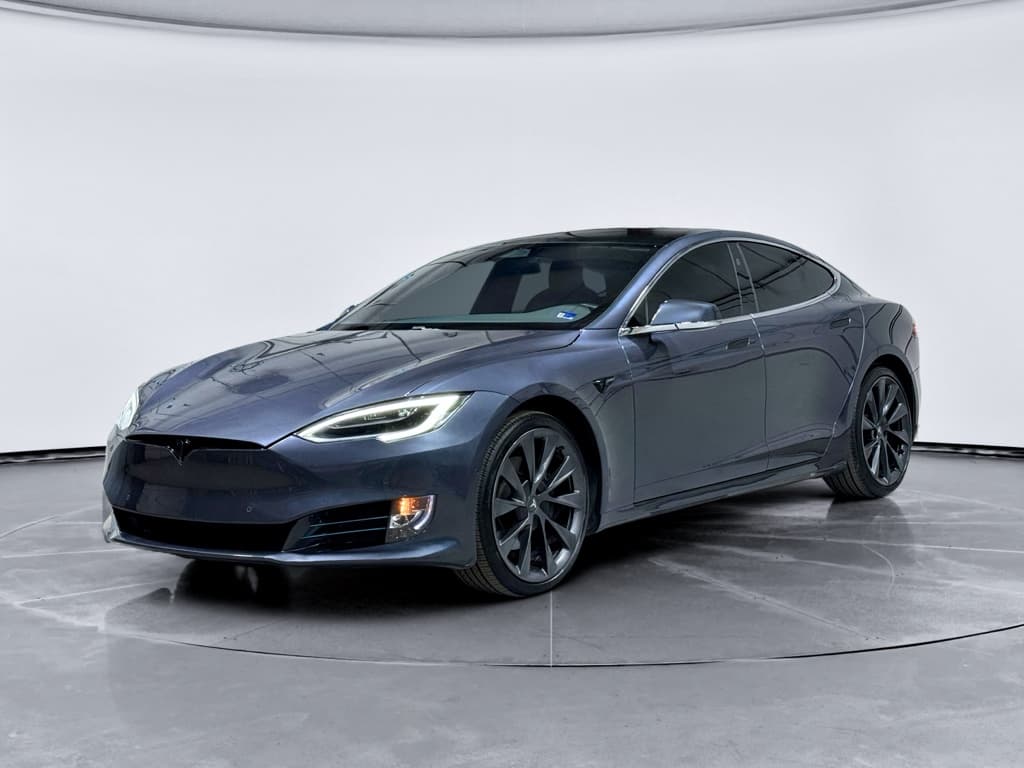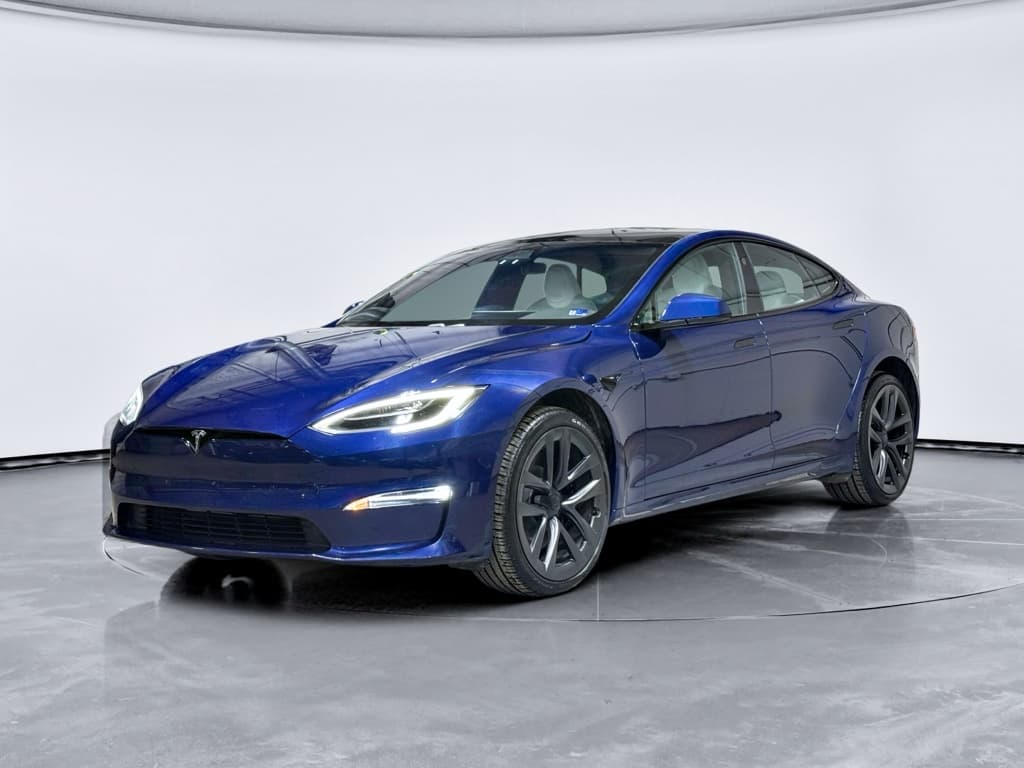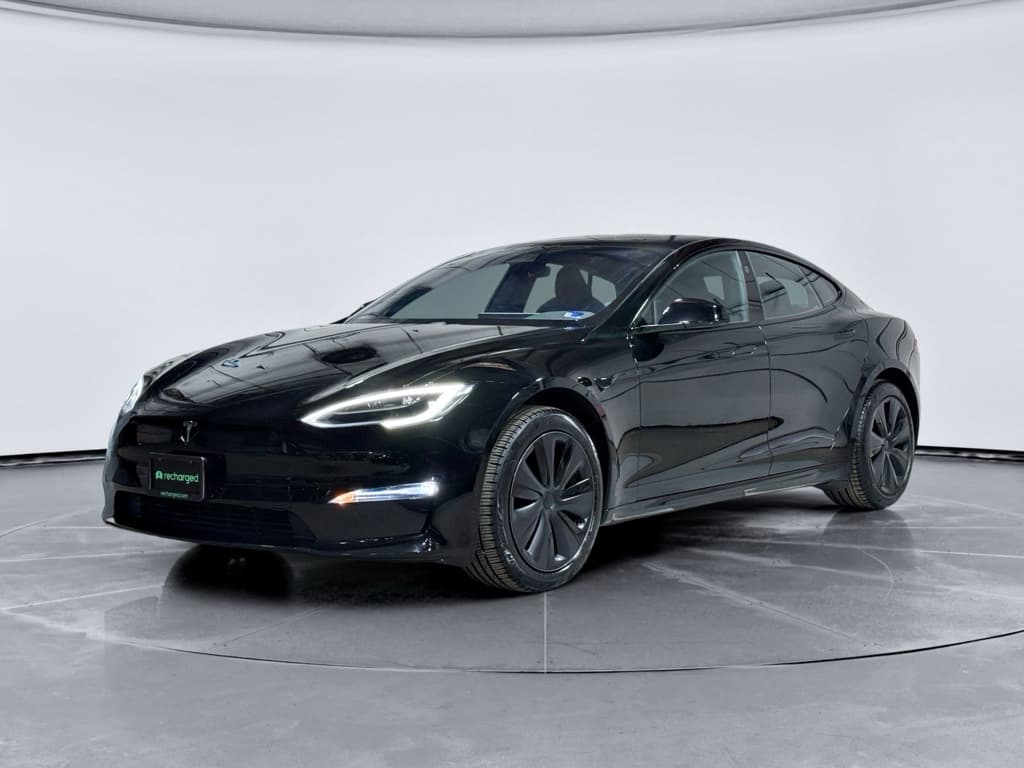
If you’re ready to sell your Tesla Model S in California, you’re sitting on one of the most recognizable EV nameplates in the most EV‑saturated state in the country. That’s good news for demand, but it also means buyers are picky, values move quickly, and you’ll need a plan if you want top dollar without wasting weekends with tire‑kickers.
Quick snapshot
Why Selling a Tesla Model S in California Is Different
Three things that make California a unique Tesla market
More EV buyers, more competition, and more rules
Highest EV concentration
Tighter consumer protections
Battery health is scrutinized
Because California is so EV‑mature, buyers will compare your Model S not just against other Teslas, but against newer competitors and fresh lease returns. To stand out, you’ll want a realistic price, clean documentation, and a way to prove your battery still has plenty of life.
What Is My Tesla Model S Worth in California in 2026?
Pricing is a moving target, but national used‑value snapshots for the Model S give you a starting point. Typical U.S. private‑party ranges in 2026 look roughly like this for well‑maintained cars with normal mileage (California is often near the upper end due to stronger EV demand):
Typical 2026 Tesla Model S price ranges by age (U.S. market)
Use these as directional ranges, then adjust for California demand, mileage, condition, and options.
| Model years | Approx. age in 2026 | Typical mileage band | Private-party range (US$) | Dealer asking range (US$) |
|---|---|---|---|---|
| 2017–2018 (incl. early Raven) | 8–9 years | 80,000–140,000 | $18,000–$28,000 | $22,000–$32,000 |
| 2019–2020 (Raven) | 6–7 years | 60,000–110,000 | $22,000–$33,000 | $26,000–$38,000 |
| 2021–2022 (refresh) | 4–5 years | 40,000–80,000 | $35,000–$52,000 | $40,000–$58,000 |
| 2023–2024 (refresh) | 2–3 years | 20,000–50,000 | $45,000–$65,000 | $50,000–$72,000 |
Real‑world transactions can fall outside these bands, battery health, accidents, and unusual mileage matter as much as model year.
These are national ranges
3 biggest levers on your Model S value
If you want a more tailored view, Recharged publishes a dedicated Tesla Model S value guide and uses real‑time market data plus a battery‑health scan to price every vehicle it buys or lists.
Choose How to Sell: Private Party, Trade-In, or EV Marketplace
1. Private‑party sale
- Upside: Often the highest price if you’re patient and good at marketing and negotiation.
- Downside: You handle everything, ads, test drives, payment, paperwork, and fraud risk.
- Best for: Clean title, desirable spec (Long Range or Performance), and you’re not in a rush.
2. Dealer trade‑in or cash offer
- Upside: Fast, relatively low‑friction; you can roll equity into your next vehicle.
- Downside: Typically pays less than a private sale, especially on high‑demand EVs.
- Best for: Convenience‑first sellers, or cars that might be harder to move privately (accident history, high miles).
3. EV‑specialist marketplace (like Recharged)
- Upside: EV experts handle pricing, marketing, buyer questions, and paperwork; buyers see verified battery health.
- Downside: You may pay a fee or share margin, depending on whether you sell outright or consign.
- Best for: Owners who want near‑retail money without becoming a full‑time salesperson.
How Recharged can help
Step-by-Step: How to Sell Your Tesla Model S in California
Eight steps from “thinking about it” to “sold”
1. Pin down a realistic price range
Use recent California listings for similar Model S years, trims, and mileage as a baseline. Then adjust for your car’s options, battery behavior, cosmetic condition, and accident history.
2. Decide how you’ll sell
Choose between private sale, dealer trade‑in, or an EV‑specialist platform. If you want offers from multiple channels, you can get dealer and marketplace bids while you quietly test private‑party interest.
3. Gather your Tesla and ownership records
Pull your Tesla app service history, Supercharging receipts, any major repair invoices, and your original window sticker if you have it. A tidy paper (or PDF) trail builds buyer confidence.
4. Check payoff and lien status
If you still owe money, call your lender for a 10‑day payoff letter. In California, you’ll usually mail the title directly from the lender to the buyer or dealer, so plan timing carefully.
5. Prep and photograph the car
Deep clean inside and out, clear out personal items, and fix small, inexpensive defects. Then take clear photos in good light: front three‑quarter, rear, both sides, wheels, interior, screen, and any flaws.
6. Create a transparent listing
Highlight trim, battery size, Autopilot/FSD status, remaining warranties, and charging habits. Call out flaws up front. Savvy California buyers will reward honesty with serious inquiries.
7. Screen buyers and manage test drives
For private sales, meet in safe, public places, ideally near a bank. Verify a valid license and proof of funds before handing over keys. Go along on test drives and set clear routes and time windows.
8. Close the deal and handle paperwork
Once you agree on a price, collect verified funds, sign over the title, fill out the bill of sale, and submit a Notice of Transfer and Release of Liability to the CA DMV within five days.
Full‑service option
Ready to find your next EV?
Browse Vehicles
California Taxes, Title, and Paperwork When You Sell
California paperwork isn’t complicated, but it is unforgiving if you skip a step. Here’s what Model S sellers typically need to handle when selling to another private party in‑state.
- Title (pink slip): You and the buyer both sign. If there’s a lienholder, they’ll send the title once the loan is paid off.
- Bill of Sale: Not always strictly required if the title has sale info, but it’s smart to complete one with VIN, sale price, and date.
- Odometer disclosure: Required for most vehicles under 20 model years old; you can usually complete this on the title or a separate form.
- Smog exemption: Teslas are zero‑emission vehicles, so the usual smog check requirement doesn’t apply, but the DMV still needs proof of transfer.
- Notice of Transfer and Release of Liability (NRL): Submit online or by mail within five days of the sale so you’re not on the hook for tickets or tolls.
- License plates: In most California private sales, the plates stay with the car. The buyer handles registration and sales tax when they go to DMV.
Do you owe tax when you sell?
If you sell your Model S to a dealer instead, they’ll usually handle all title work, payoff, and DMV submissions. That’s part of what you’re accepting in exchange for a lower headline price.
Prep Your Tesla Model S to Sell for Top Dollar
High‑impact prep moves before you list
These relatively small efforts can noticeably improve price and time‑to‑sale.
Detail the exterior and interior
Fix cheap, obvious issues
Update software and clear alerts
Document your battery’s story
EV-Specific Buyer Questions You Should Be Ready For
California buyers have heard the horror stories about worn‑out batteries and mis‑represented Autopilot options. Expect them to dig deeper than a typical gas‑car shopper.
Questions serious Tesla shoppers will ask
What range do you actually get today?
Be ready with real‑world numbers: city vs. highway, AC on, typical commute. Don’t just repeat the original EPA estimate, savvy buyers know those numbers already.
How often do you Supercharge?
Frequent DC fast‑charging, especially at high states of charge, can speed up degradation. Explain your routine honestly and, if you mostly charge at home, say so clearly.
Has the battery or drive unit been replaced?
If Tesla has done major warranty work, mention it and provide records. Many buyers view a fresh pack or drive unit as a positive if the work was done properly.
What software and Autopilot features are active?
Confirm whether Enhanced Autopilot or Full Self‑Driving is currently on the car and whether it’s transferable under Tesla’s latest policies. Misunderstandings here can kill a deal.
Is Supercharging pay‑per‑use or free?
Most modern cars are pay‑per‑use. If your Model S still has free, transferable Supercharging, that can be a selling point, just be sure you’re not over‑promising if it won’t transfer.
Which charging adapter(s) are included?
State whether you’re including the Mobile Connector, any NACS/CCS adapters, and wall‑connector hardware. In a state full of condos and older garages, this can matter more than you think.
Common Mistakes When Selling a Tesla Model S in California
- Overpricing based on old headlines: Tesla’s frequent new‑car price changes ripple quickly through used values. A number that worked six months ago might be wishful thinking today.
- Ignoring cosmetic issues in a competitive market: In coastal California especially, buyers have plenty of clean, sun‑belt cars to choose from; obvious scrapes and curb rash get punished.
- Skipping a proper battery story: Saying “range is fine” doesn’t cut it. Bring screenshots or reports, not vague reassurances.
- Taking unsafe payment: Cashier’s checks and Zelle screenshots can be faked. For private deals, meet at the buyer’s bank or use a verified escrow service if you’re not working through a dealer or marketplace.
- Forgetting to remove digital access: After the sale, remove the car from your Tesla account, log out of driver profiles, and unlink services like Spotify, Homelink, and phone keys.
Safety first on private sales
FAQ: Selling a Tesla Model S in California
Frequently asked questions
Bottom Line: The Smart Way to Sell a Tesla Model S in California
Selling a Tesla Model S in California in 2026 is less about luck and more about preparation. Set a data‑driven price, tell a clear story about your battery and usage, and choose the sales channel that matches your priorities for time, effort, and risk. In a state full of EV‑savvy buyers, transparency and documentation are the real differentiators.
If you want help with the heavy lifting, Recharged was built for exactly this moment in the EV market. You can request an instant offer for your Model S, lean on a team of EV specialists for pricing and prep advice, or have them market the car with a Recharged Score battery‑health report and nationwide exposure. However you decide to sell, going in with a clear playbook will make the process smoother, and help you capture the real value of the car you’ve spent years driving in California’s EV fast lane.