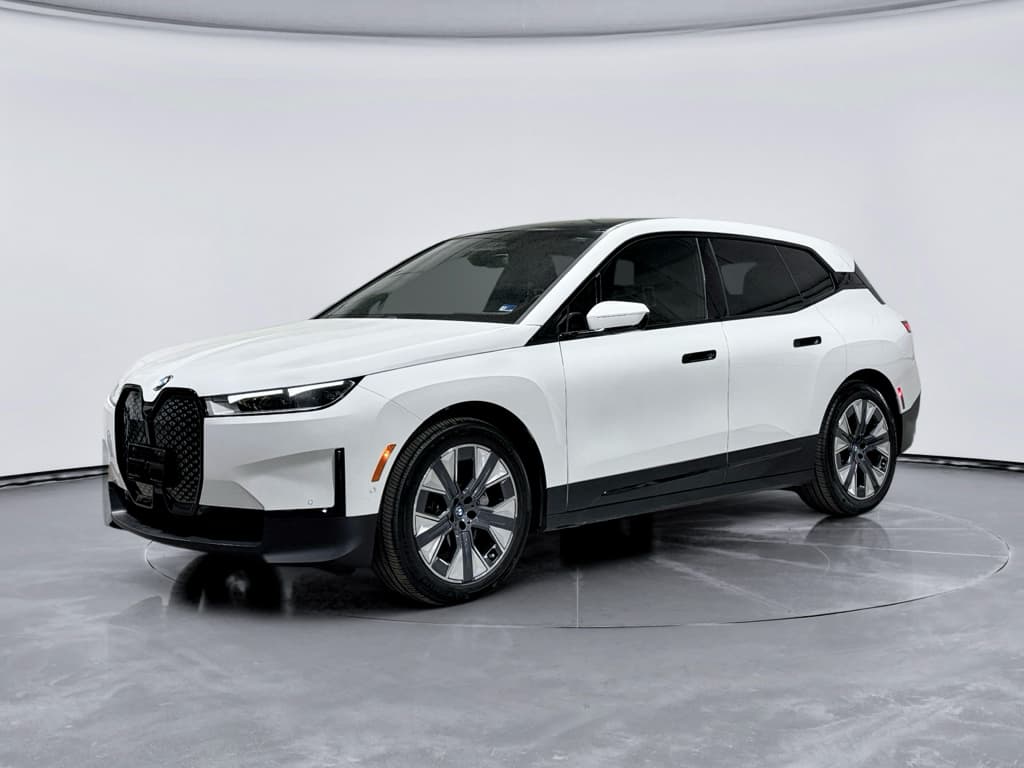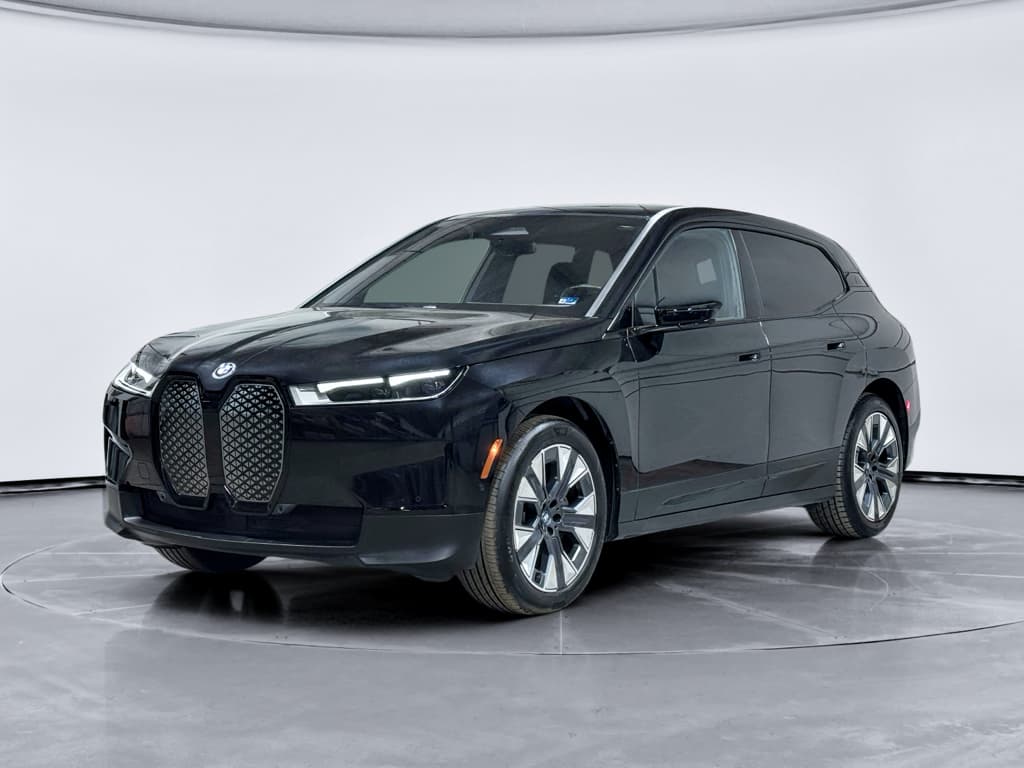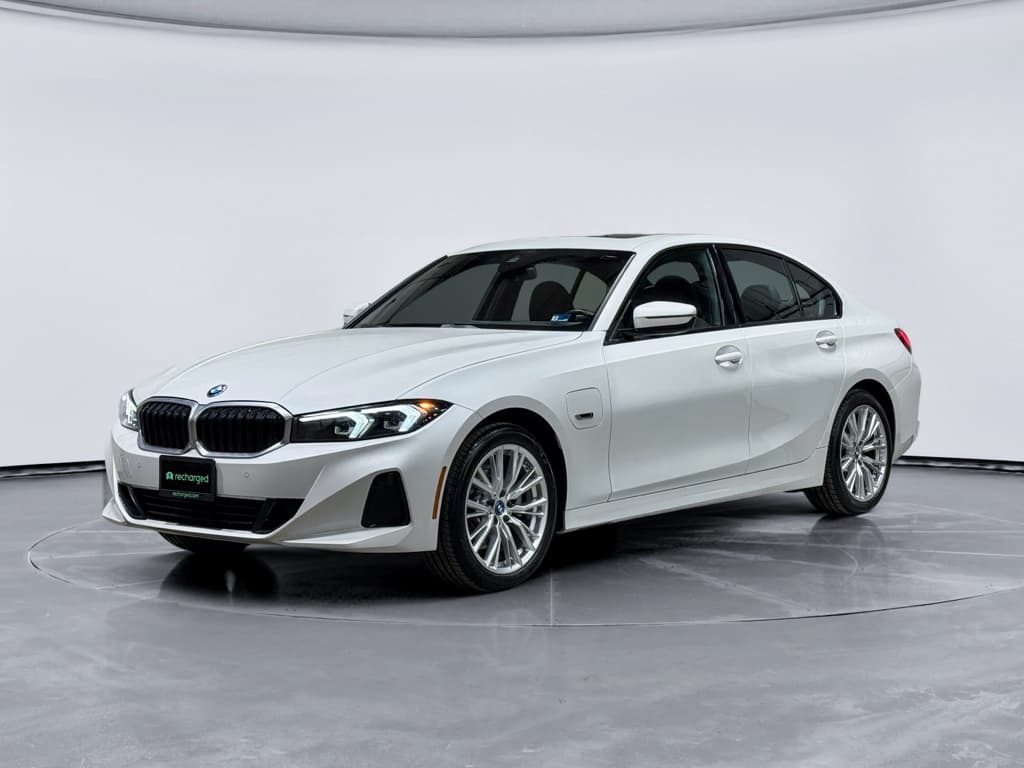
If you’re looking at a BMW i4 depreciation curve over 5 years, you’re really asking two questions: how much value this sleek electric Gran Coupé will lose, and how you can turn that curve to your advantage as a buyer or seller. The good news is that the i4’s relatively steep early depreciation can be a liability for the first owner, but a real opportunity if you shop smart in the used market.
Quick take
BMW i4 5‑year depreciation at a glance
BMW i4 depreciation snapshot (5‑year view)
Different data sets don’t land on one single number, but they cluster in a similar range. Some analyses show the BMW i4 losing just under 50% of its value in the first three years and around two‑thirds of its value by year five. Aggregated EV data also suggests the i4 depreciates a bit faster than the average electric car and faster than a Tesla Model 3 over the same 5‑year span.
Averages are not guarantees
How the BMW i4 depreciation curve typically looks over 5 years
Every car drops hardest early and then flattens, and the BMW i4 is no exception. The i4 also launched into a fast‑moving EV market with heavy incentives, so real‑world resale often reflects not just MSRP, but how much people actually paid after discounts and tax credits.
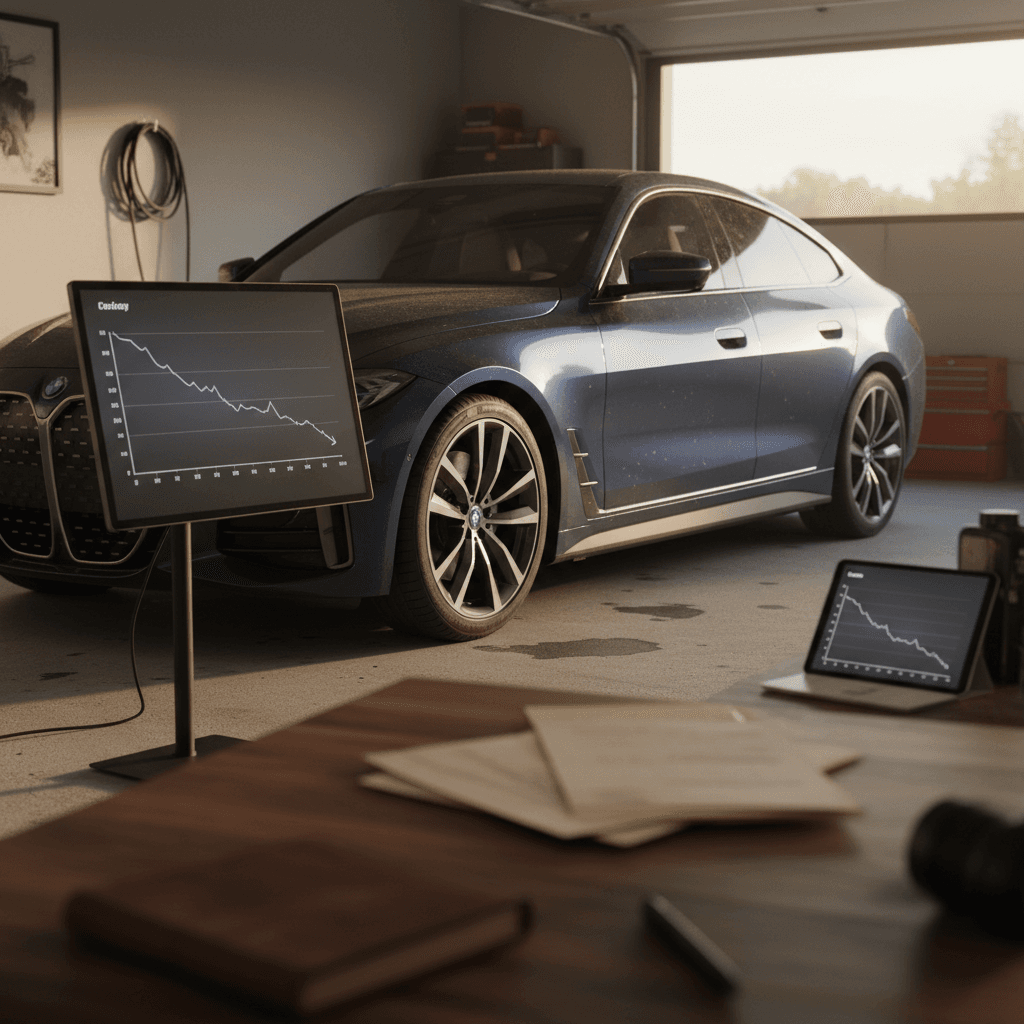
Illustrative 5‑year depreciation curve – BMW i4 eDrive40
This simple model shows how a $60,000 BMW i4 eDrive40 might depreciate under typical U.S. conditions. Your specific car’s numbers will vary, but the shape of the curve is representative.
| Year of ownership | Approx. % of original MSRP remaining | Illustrative value (from $60,000) | What’s happening |
|---|---|---|---|
| Brand‑new | 100% | $60,000 | You’re paying MSRP (or your negotiated price) before incentives and credits. |
| End of Year 1 | ~78–82% | $47,000–$49,000 | Initial "drive‑off" hit plus the reality that new incentives and tech make last year’s car less desirable. |
| End of Year 2 | ~65–70% | $39,000–$42,000 | The steep part of the curve; cars are now common on the used market and lease returns start to appear. |
| End of Year 3 | ~55–60% | $33,000–$36,000 | Depreciation starts to slow as the car finds its long‑term market level. |
| End of Year 4 | ~40–48% | $24,000–$29,000 | Out of basic 4‑year/50k warranty, but still in the 8‑year battery warranty; values become more sensitive to condition. |
| End of Year 5 | ~30–40% | $18,000–$24,000 | The curve flattens; tech feels older, but well‑kept cars with warranty remaining on the battery stay attractive. |
Example only, not a quote. Always check live market data for your VIN and mileage.
Why the steep early drop?
Examples: what a BMW i4 might be worth year by year
To make the numbers more concrete, let’s walk through a couple of simplified 5‑year scenarios. These are not offers, but they illustrate how the curve plays out in real ownership.
Example 1: 2023 BMW i4 eDrive40 bought new
- MSRP (incl. options): $62,000
- Effective price after discounts/tax credit: say $54,000
- Mileage: 12,000 miles per year, typical wear
Using a mid‑range depreciation curve, here’s roughly what you might see:
- End of Year 1: $43,000–$45,000
- End of Year 3: $32,000–$36,000
- End of Year 5: $20,000–$24,000
If you sell at Year 5, you’ve lost around $30,000–$34,000 in value relative to your effective purchase price.
Example 2: You buy that same car used at Year 3
- Purchase price at ~3 years old: $33,000–$36,000
- Years you keep it: 3 more years (Years 3–6 of its life)
Assuming you sell at the end of its sixth year at, say, $17,000–$20,000, your total depreciation hit is roughly:
- Value lost: about $13,000–$18,000 over your 3 years of ownership
Compare that to the first owner’s $30k+ loss. This is why buying a 3‑year‑old i4 can be a very smart move if you want luxury EV comfort without luxury‑EV depreciation pain.
Where Recharged fits in
Ready to find your next EV?
Browse Vehicles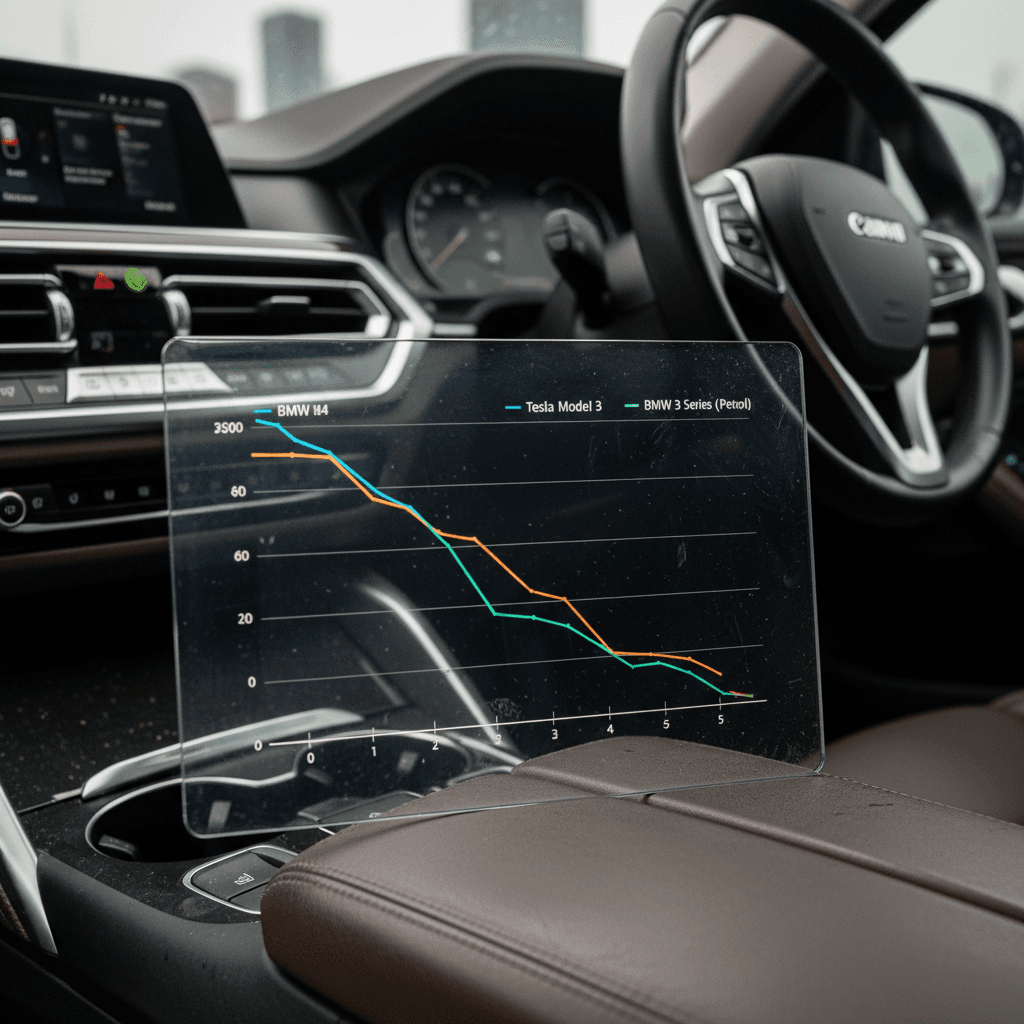
How the BMW i4 compares to Tesla and gas BMWs
BMW i4 vs key alternatives on 5‑year depreciation
Broad trends from recent resale and cost‑to‑own data
BMW i4 vs Tesla Model 3
Trend: The Tesla Model 3 typically holds value better than the i4 over five years.
- Model 3 benefits from strong brand recognition and dense Supercharger access.
- i4’s heavier incentives and luxury‑brand positioning front‑load depreciation.
BMW i4 vs BMW 3 Series (gas)
Trend: The i4’s curve is similar to or slightly steeper than a 3 Series.
- Both are German luxury compacts, a segment that always depreciates faster than mainstream brands.
- EV tech turnover and tax credits can push the i4’s early‑year losses a bit higher.
BMW i4 vs EV segment average
Trend: The i4 loses more value than the average EV over five years.
- Broad EV data shows average 5‑year depreciation under 60%.
- The i4 is closer to the top end of the 60–70% range, especially for high‑MSRP trims like the M50.
What that means for shoppers
Factors that make your BMW i4 depreciate faster or slower
The 5‑year curve is just a starting point. The actual line for your specific i4 will depend on a handful of variables, some you can’t control, and some you absolutely can.
Key levers that move your i4’s curve
1. Mileage and usage pattern
Staying close to 10,000–12,000 miles per year keeps you near the average curve. A car with 80,000 miles at Year 5 will be worth less than one with 40,000 miles, even if they’re otherwise identical.
2. Condition and accident history
Luxury‑car buyers care about cosmetics. Clean paint, straight wheels, and a zero‑accident Carfax help your i4 track at the upper end of the value range.
3. Trim and options
High‑MSRP M50s tend to lose more absolute dollars and sometimes a higher percentage than simpler eDrive35/eDrive40 trims. That panoramic roof and premium audio are worth more to you than to the third owner.
4. Incentives and effective price when new
If BMW put big rebates on 2024 i4s, the used market won’t care what the window sticker said, only what people actually paid. Heavy incentives can make depreciation percentages look worse on paper.
5. Market shifts and interest rates
When new‑car financing is expensive, used values can soften. When EV tax credits change or new models launch, they can pull used prices up or down quickly in a single model year.
6. Region and climate
EV demand is strongest in coastal and urban markets. A rear‑drive eDrive35 in snowy regions may be less desirable than an xDrive car, while in mild climates the difference is smaller.
Cold climate considerations
Battery health, warranty, and their impact on value
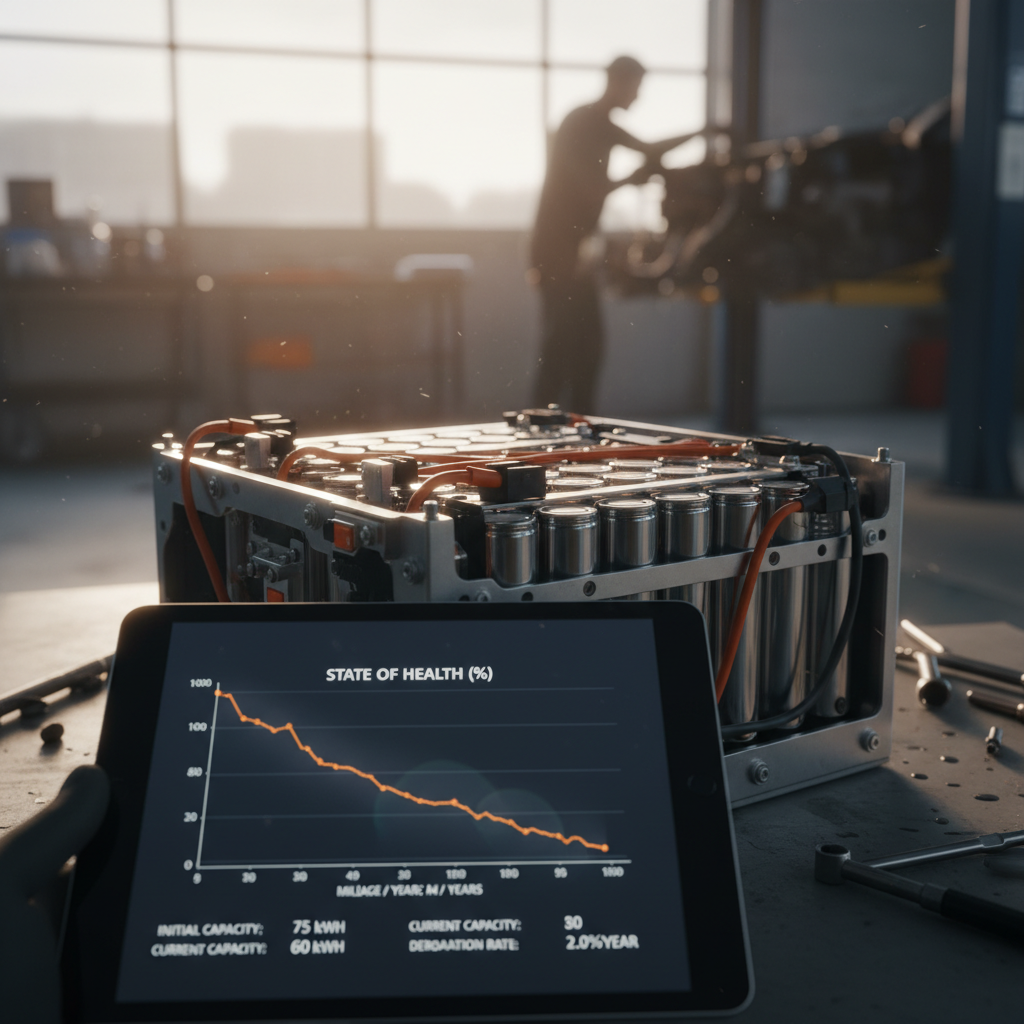
With EVs, depreciation isn’t just about miles and model year. It’s about how confident the next owner feels that the battery will deliver the range they expect for years to come.
- Most BMW i4s in the U.S. carry an 8‑year/100,000‑mile high‑voltage battery warranty, measured from the original in‑service date.
- Real‑world owner reports across modern EVs suggest typical battery degradation of roughly 2–3% in the first couple of years and then about 1% per year after that when the car is used and charged normally.
- Because a 5‑year‑old i4 is still within that 8‑year warranty window, buyers tend to be more comfortable, which helps support resale compared with older out‑of‑warranty EVs.
Why a battery health report matters
Lease, buy new, or buy used? What the curve suggests
Once you understand the 5‑year depreciation curve, you can make a more rational choice about how to get into an i4: lease, buy new, or skip straight to used. Each strategy maps to a different section of that curve.
Leasing a new BMW i4
- Best for: Early adopters, business use, or those who want a new car every 3 years.
- Pros: You let the leasing company absorb most of the first 3 years of depreciation; access to latest tech; often strong lease incentives.
- Cons: Mileage limits; you never escape the steep part of the curve, you just rent your way through it.
Buying a new BMW i4
- Best for: Drivers planning to keep the car 7–10+ years.
- Pros: Full control, no mileage worries, you eventually drive through the steep part and into a flatter curve.
- Cons: You take the full brunt of early depreciation, especially if you trade out in 3–5 years.
Buying a used BMW i4
- Best for: Value seekers who want luxury EV feel at a mid‑price budget.
- Pros: Let someone else pay the steepest 40–50% drop; you still benefit from remaining battery warranty.
- Cons: You need to be picky about battery health, prior charging habits, and history, but the math often works strongly in your favor.
Why many shoppers target Years 2–4
How to use the depreciation curve when buying a used i4
When you’re standing in front of a used BMW i4, whether it’s a private listing, a franchise dealer, or a vehicle on Recharged, the depreciation curve gives you a framework for judging the asking price instead of guessing.
Practical steps to sanity‑check a used i4 price
1. Start from original MSRP
Look up the car’s original window sticker or build sheet if possible. A 2023 i4 M50 that stickered at $78,000 has a very different depreciation profile than a $56,000 eDrive35.
2. Place it on the 5‑year curve
Use age and mileage to find where the car should roughly fall, Year 2? Year 4? A 3‑year‑old car at 20,000 miles should track higher than one at 60,000 miles.
3. Adjust for condition and options
Outstanding condition, desirable colors, and popular options (driver assistance, premium audio) can justify being near the top of the value range; rough condition or sparse equipment should push the price lower.
4. Factor in remaining warranty
A car with 3 years of battery coverage left is easier to sell (and usually worth more) than the same car just months from warranty expiry. Note both the 4‑year/50k new‑car warranty and the 8‑year/100k battery coverage timelines.
5. Compare to live market comps
Cross‑check against similar listings nationwide. Platforms like Recharged normalize for mileage, trim, and options so you can see if a particular car is priced fairly.
6. Use financing and TCO math
If you’re financing, look at total cost of ownership over your expected holding period, not just the monthly payment. A slightly higher price on a better‑optioned car that holds value can be cheaper in the long run.
Leverage Recharged’s tools
Using the curve when selling or trading your BMW i4
If you already own an i4, the same curve can help you decide when and how to sell. You may not be able to beat depreciation, but you can absolutely avoid its worst traps.
Smart exits along the 5‑year curve
How your timing changes what the car is worth
Selling in Years 1–3
- Upside: Car still feels new; most of the 4‑year factory warranty remains.
- Downside: You’re exiting during the steepest part of the curve, so your cost per year is high.
- Best approach: Shop multiple offers (including instant offers) and consider private sale if your car is low‑mileage and well‑optioned.
Selling in Years 4–5
- Upside: Depreciation has slowed, and you’ve gotten more years of use out of the big upfront hit.
- Downside: Basic warranty may be expiring, so buyers will scrutinize condition and service history more closely.
- Best approach: Make sure maintenance is up to date, detail the car thoroughly, and lean on platforms that highlight its strengths, like battery health and clean history.
How Recharged can help you exit
BMW i4 depreciation FAQ
Frequently asked questions about BMW i4 5‑year depreciation
Bottom line: Making the BMW i4 depreciation curve work for you
The BMW i4 depreciation curve over 5 years looks intimidating if you’re the first owner: luxury‑brand drops layered on top of fast‑moving EV tech and shifting incentives. But that same curve creates tremendous opportunity for second and third owners willing to do a bit of homework. If you buy late in the steep part of the curve, Years 2 to 4, you can enjoy a refined, long‑range BMW EV for the price of a much more ordinary new car.
Your job is to know where a particular i4 should sit on that curve, then adjust for mileage, condition, options, and battery health. Recharged was built to make exactly that process simpler and more transparent, with Recharged Score Reports, expert EV support, nationwide delivery, and flexible options whether you’re buying, trading, or selling. Get the depreciation math on your side, and a BMW i4 can be one of the smartest luxury‑EV buys on the road.