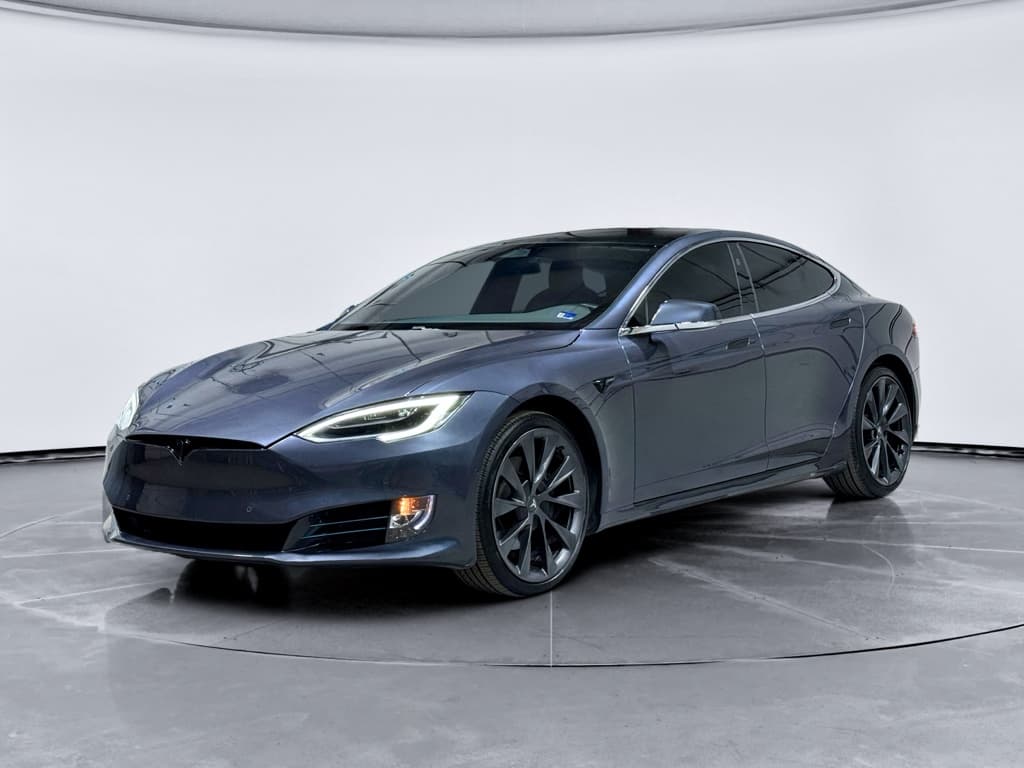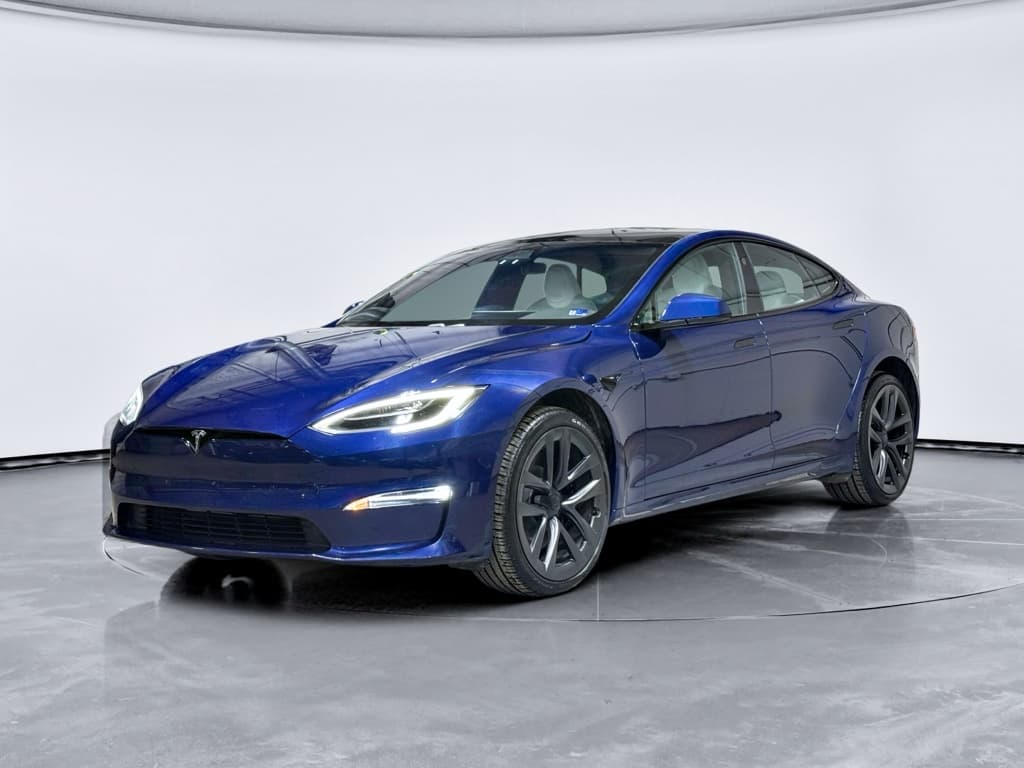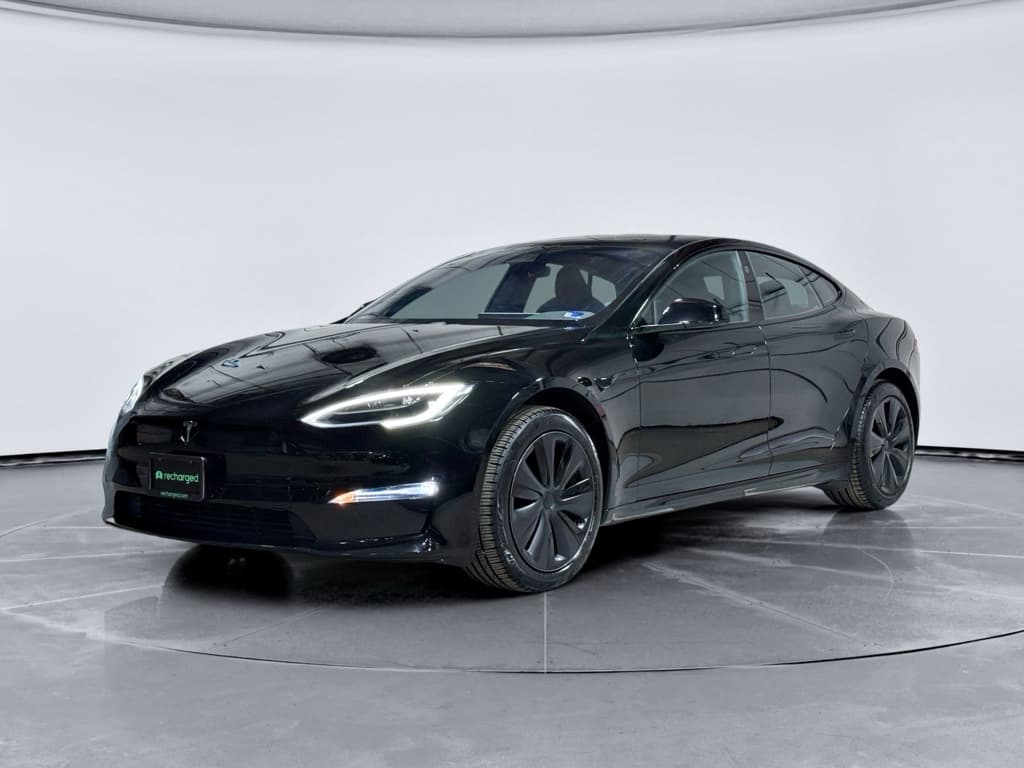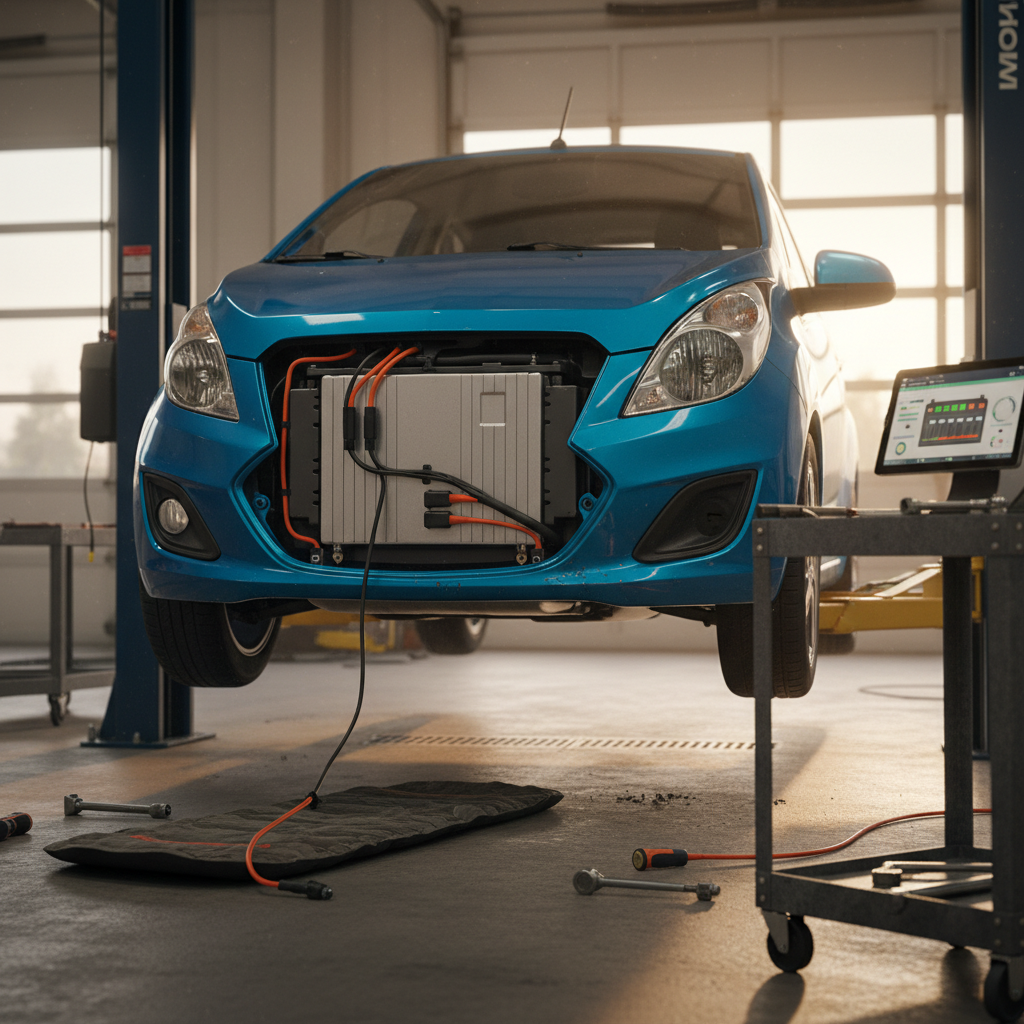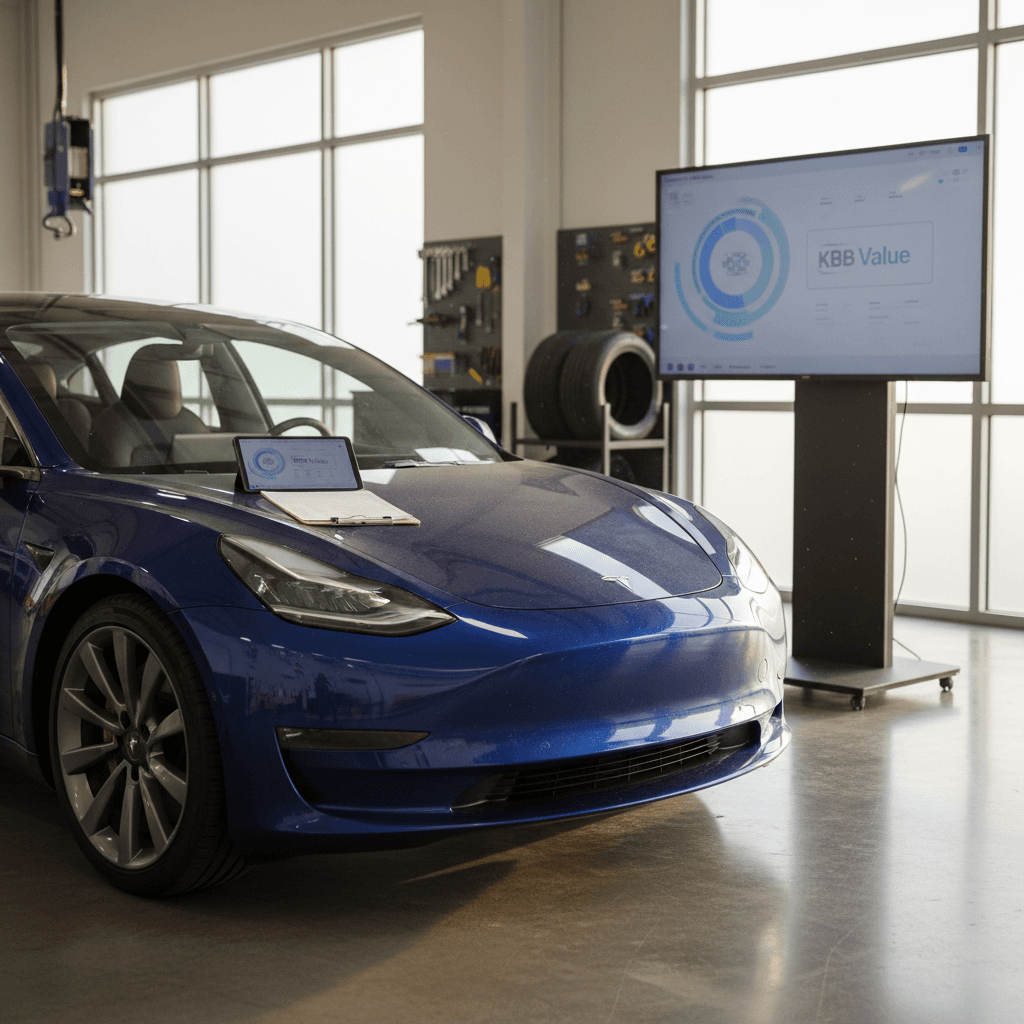
You’re not imagining it: the answer to “what is my Tesla Model S worth?” has changed a lot in the last couple of years. Once the resale king of EVs, the Model S has been hit by a perfect storm of higher interest rates, more competition, and a flood of used Teslas on the market. The upside? If you understand how buyers and data-driven retailers price these cars today, you can walk into any offer, trade‑in, instant cash, or private sale, with your eyes open.
Big picture on Model S values
How much is my Tesla Model S worth right now?
Let’s start with a reality check: there is no single “book value” for a Model S. Instead, you’ve got a range, a low trade‑in number, a higher retail asking price at a dealer, and a realistic private‑party middle ground. For most owners in the U.S. right now, a typical Model S is worth somewhere between the high teens and the mid‑$40,000s, depending on age, mileage, battery health, and spec.
Typical value bands for used Tesla Model S (rough ballpark)
These are generalized ranges for clean, accident‑free cars in average U.S. markets as of early 2026.
Older (2012–2016)
~$12,000–$22,000
High miles are common; Autopilot and battery health heavily affect which end of the range you’re in.
Middle‑aged (2017–2020)
~$20,000–$35,000
Key drivers: battery condition, MCU upgrade, AWD vs RWD, and whether it has the long‑range packs.
Newer (2021+ refresh)
~$35,000–$55,000
Lower mileage Plaid and Long Range cars can still push higher, but big discounts vs new are now standard.
Start with three numbers, not one
Why Tesla Model S values have shifted so much
For years, the Model S was the tech‑bro Rolex: expensive, high‑status, and strangely resistant to depreciation. That’s over. Several independent studies in 2024–2025 found that upscale EVs, notably the Model S, have been among the fastest‑depreciating used vehicles, with some analyses showing around a 65% drop in value after five years.
1. A flood of used Teslas
Tesla has built Model S continuously for over a decade. Lease returns, trade‑ins for newer models, and owners defecting to other brands have all pushed inventory onto the used market. When buyers can choose from dozens of similar cars within 50 miles, they negotiate harder, and prices fall.
2. Brand and market turbulence
Softening demand for new Teslas, aggressive new‑car price cuts, and broader backlash against the brand have all filtered into the used market. When new prices come down, used prices are forced down with them, even for cars that haven’t really changed much physically.
Add in the normal luxury‑sedan curse, big, expensive cars almost always fall harder than compact crossovers, and you get the new Model S reality: as a used car buyer, it’s a deal. As a seller, you have to be very smart about how you present and price your car.
6 factors that decide your Model S value
Every pricing algorithm, whether it’s from a dealer, a classifieds site, or a dedicated EV marketplace, is basically juggling the same six variables. Understanding these will tell you why your friend’s 2018 Model S is worth $8,000 more than yours on paper.
The six dials that move your Tesla Model S price
1. Model year and refresh version
There are effectively three eras of Model S: early cars (2012–2016), mid‑cycle and Raven cars (2017–2020), and the 2021+ refresh with the new interior and yoke/round wheel options. Each jump in era usually adds several thousand dollars, all else equal.
2. Battery size and variant
Long Range, 85/90/100 kWh packs, Performance, Plaid, these labels matter. A long‑range or Plaid car with a big pack and strong remaining capacity will always price above a base or earlier small‑pack car, even if the odometer is similar.
3. Mileage and usage pattern
Most pricing tools assume ~12,000–15,000 miles per year. A five‑year‑old car with 35,000 miles will be treated like a unicorn; the same car with 110,000 miles is going to be priced much more aggressively.
4. Battery health and fast‑charging history
Unlike a gas car, the health of the high‑voltage battery is central to what your Model S is worth. Heavy DC fast‑charging, frequent 0–100% cycles, and deep discharges can all accelerate degradation. A verified health report can add real money to your offer.
5. Condition, accidents, and cosmetic issues
Curb‑rashed Turbines, yellowing screens, rock‑chipped front bumpers, panel misalignment, and any accident history all drag down value. A clean Carfax and recent service records do the opposite.
6. Options, software, and subscriptions
Full Self‑Driving (FSD), Enhanced Autopilot, premium interior, upgraded audio, third‑party wrap, even wheel size, these all influence value. Some buyers will pay extra for FSD; others care more about a clean interior and newer MCU.
Don’t ignore software and subscriptions
How battery health impacts what your Model S is worth
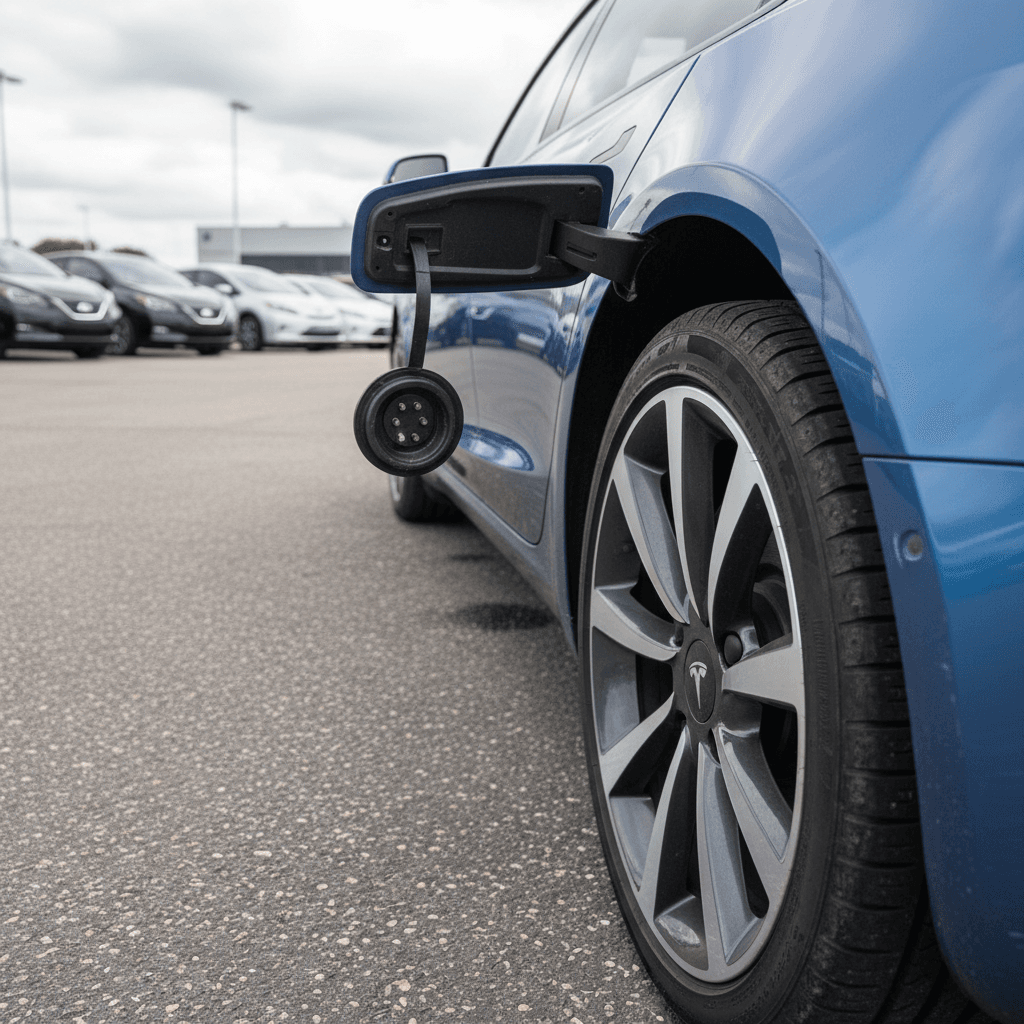
In a gasoline car, you can fake health with a detail and a quiet test drive. In a Tesla, the battery pack is the car. It’s the single most expensive component, and sophisticated buyers now pay far more attention to its health than they did even three years ago.
What battery health actually does to your Model S price
Think in terms of energy retention: how much of its original capacity your pack still has.
90–100% of original capacity
Excellent for the age of the car. This is rare and commands a premium, often worth several thousand dollars vs a similar car with average degradation.
80–90% of original capacity
Normal for many 4–8‑year‑old Model S vehicles. Price will track typical market data, with small adjustments for the exact number.
Below ~80% of original capacity
Noticeable degradation. Buyers will factor in shorter range and the specter of a future pack repair or replacement, pushing your car toward the lower end of its year/mileage band.
How to get a real battery‑health number
This is where a marketplace built for EVs can help. At Recharged, every vehicle includes a Recharged Score battery‑health report, so neither buyer nor seller is guessing. That transparency tends to compress lowball offers and reward well‑cared‑for cars.
Quick value ranges by Model S model year
You shouldn’t treat any online table as gospel, local demand and your specific car’s story always matter, but it’s helpful to see where your Model S likely sits in the broader market. Think of these as temperature checks, not appraisals.
Tesla Model S value snapshots by age (typical U.S. ranges)
Approximate early‑2026 retail‑asking and private‑party ranges for clean‑title cars with average mileage and no major accidents. Your specific car may sit above or below these bands.
| Model Year Range | Age in 2026 | Typical Mileage Band | Private‑Party Range | Dealer Ask Range |
|---|---|---|---|---|
| 2012–2014 | 12–14 years | 120k–200k+ miles | $10,000–$16,000 | $13,000–$20,000 |
| 2015–2016 | 10–11 years | 100k–170k miles | $13,000–$20,000 | $16,000–$24,000 |
| 2017–2018 (incl. early Raven) | 8–9 years | 80k–140k miles | $18,000–$28,000 | $22,000–$32,000 |
| 2019–2020 (Raven) | 6–7 years | 60k–110k miles | $22,000–$33,000 | $26,000–$38,000 |
| 2021–2022 (refresh) | 4–5 years | 35k–80k miles | $30,000–$42,000 | $35,000–$48,000 |
| 2023+ Long Range / Plaid | ≤3 years | Under 45k miles | $40,000–$55,000+ | $45,000–$60,000+ |
These ranges assume normal battery health for each age band. Verified exceptional or poor health can move you several thousand dollars either way.
Why these are only ballparks
Checklist to maximize your Tesla Model S value
You can’t change your model year, but you can change the story your car tells. Before you take a single photo or request a quote, work through this list; it’s the difference between “That seems fair” and “Wait, that’s all you can offer?”
Pre‑sale checklist for your Model S
1. Pull the full service and repair history
Download invoices from your Tesla account, gather receipts for tire and brake work, and print a maintenance summary. A thick stack of records tells buyers your car’s life wasn’t a mystery thriller.
2. Run a battery‑health assessment
Use the built‑in Battery Health Test (if your car supports it) or a third‑party diagnostic to get an objective capacity estimate. When you sell through Recharged, the Recharged Score report is generated for you and included with the listing.
3. Fix the cheap cosmetic stuff
Professional detail, paintless dent repair on obvious dings, and wheel refinishing are relatively inexpensive but make a big difference. Deep scrapes, cracked glass, and worn tires can justify steep deductions, so price out repairs before you accept them baked into an offer.
4. Clear warning lights and software gremlins
No buyer wants to inherit a Christmas‑tree dashboard. Schedule a service visit to address alerts, MCU glitches, or intermittent sensors. A car with zero active warnings is much easier to price at the top of its range.
5. Photograph it like a listing, not a mug shot
Shoot high‑resolution photos in good light: all four corners, both sides, front and rear, interior, trunk, frunk, wheels, and screen showing mileage and rated range. Good photos can literally move your car into a different mental bracket for buyers.
6. Gather both keys, accessories, and charger
Extra key cards, mobile connector, J1772 adapter, floor mats, even the original aero covers, these little things make your Tesla feel complete and reduce friction at negotiation time.
Where Recharged fits in
Ready to find your next EV?
Browse VehiclesSelling options: dealer, private sale, or digital EV marketplace
Once you know roughly what your Tesla Model S is worth, the real question becomes: how much hassle are you willing to trade for a little more money? Your three big options, traditional dealer, private sale, and EV‑focused marketplace, sit on a spectrum of convenience vs price.
1. Trade‑in at a dealer
Pros: Fast, simple, especially if you’re buying another car the same day. One set of keys, one signature, you’re done.
Cons: Typically the lowest dollar amount. Many franchised dealers don’t love stocking older Teslas, and they’ll price in their own uncertainty about battery health and resale.
2. Private‑party sale
Pros: Often brings the highest price if you market well, answer questions quickly, and are willing to meet strangers for test drives and inspections.
Cons: Time‑consuming, plus you’re managing payment risk, paperwork, and every “Is this still available?” message yourself.
3. Digital EV marketplace (like Recharged)
Pros: EV‑literate buyers, battery‑health reporting baked in, and pricing tuned specifically for electric cars. You can get an instant offer, consign, or trade in without leaving your couch.
Cons: Might land slightly below a perfectly executed private sale, but far above a typical one‑shot dealer trade‑in.
Watch out for sight‑unseen lowballs
How Recharged estimates what your Tesla Model S is worth
Recharged was built around a simple idea: EVs shouldn’t be priced like gas cars with a different fuel type. A 2018 Model S with a strong pack and clean history should not be treated the same as one that lived at a Supercharger and bounced down every pothole in the county.
What goes into a Recharged valuation for your Model S
When you request an instant offer or list your Tesla Model S on Recharged, you’re not just getting a number pulled from a generic book. You’re getting a value that weights battery health, options, and EV‑specific wear items properly, and that includes expert guidance from specialists who look at used electric vehicles all day, every day.
FAQ: common questions about Tesla Model S value
Frequently asked questions about Tesla Model S value
Bottom line: what your Tesla Model S is really worth
Used Teslas, and especially the Model S, aren’t the unshakeable blue chips they looked like in 2019. But that doesn’t mean you’re powerless. When you understand how year, mileage, battery health, equipment, and market mood interact, you can read any offer for what it really is: a story someone is telling about your car.
Your job is to bring better data to that conversation. Document the pack health, clean up the cosmetics, price against real‑world comps, and choose a selling channel that actually understands EVs. If you want a shortcut, Recharged can give you a transparent, battery‑verified valuation and multiple ways to sell or trade in your Tesla Model S, without wondering if you left thousands of dollars on the table.