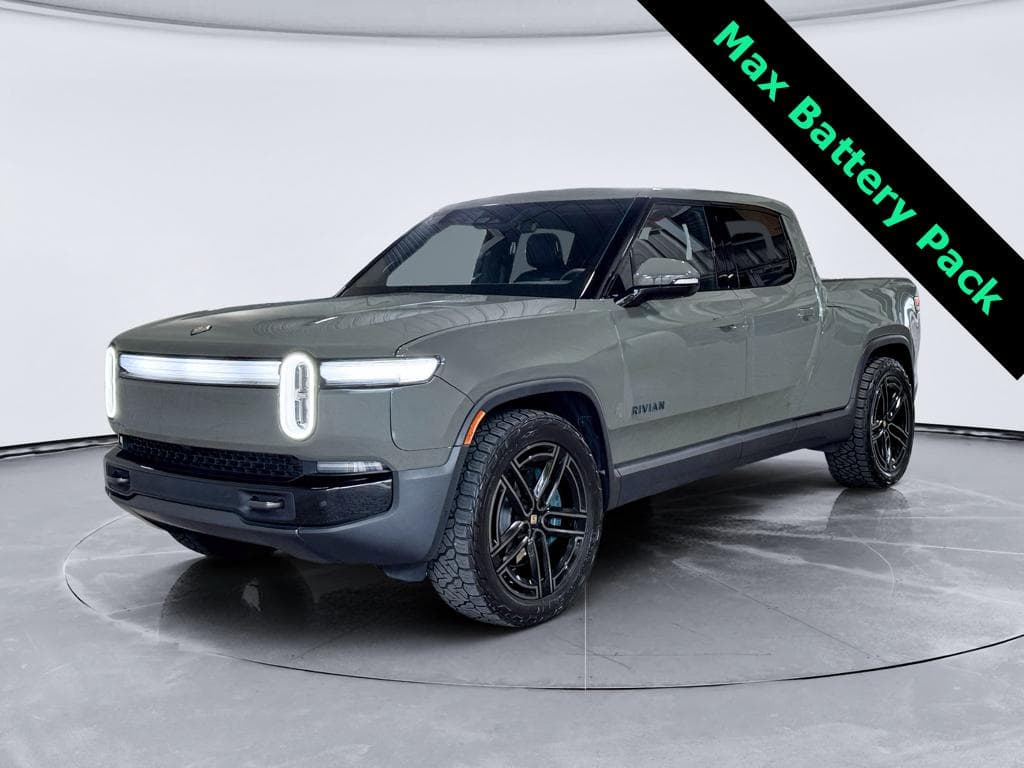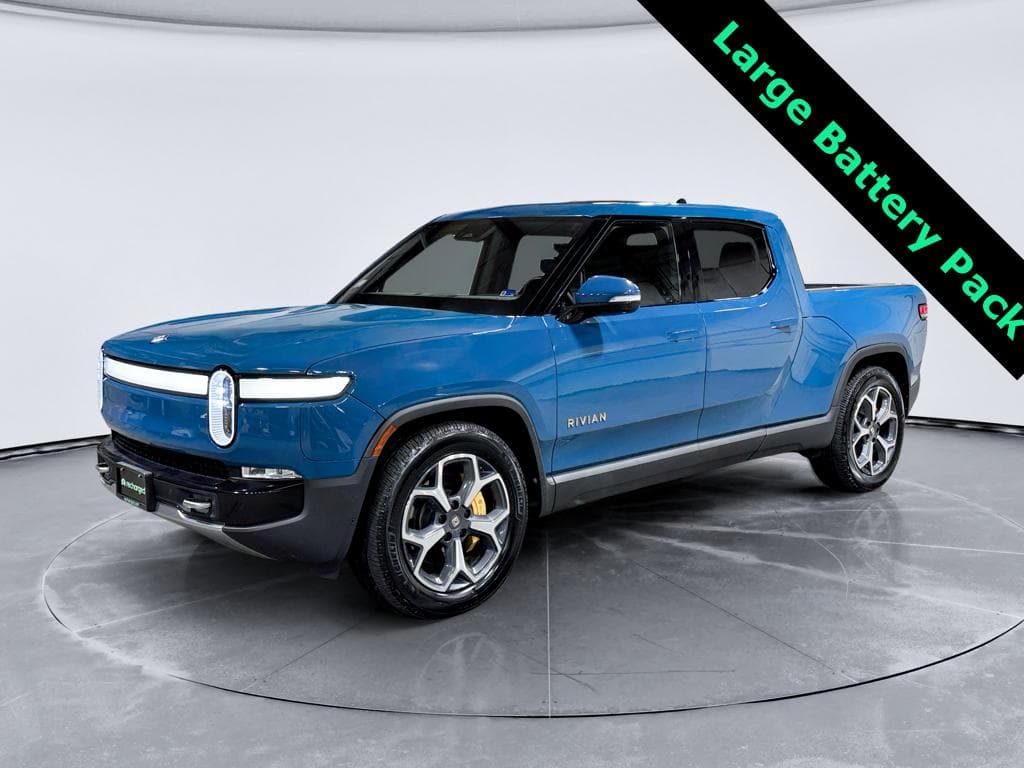
Selling an electric truck is partly a pricing decision and partly a market-access decision. Your R1T's configuration, battery condition, mileage, history, and presentation all influence what a buyer will pay, while the selling route determines your workload and net payout. An EV-focused valuation can account for details that a general appraisal may not fully capture. Before accepting an offer, compare the amount you'll receive after any fees, payoff, transportation costs, and required repairs.
What Recharged's R1T market data shows
Recharged's data shows active seller interest and a wide retail market for used R1Ts. Its latest seller-demand snapshot recorded 153 R1T offer requests, compared with 58 in the prior snapshot period. That doesn't predict your individual offer, but it confirms that Recharged is actively evaluating this model.
Across 14 R1Ts sold by Recharged during the trailing 12 months, buyers paid an average retail price of $56,711 and a median retail price of $52,998. Retail sale prices ranged from $44,998 to $75,847. These are final prices paid by retail buyers, not seller payouts, and a Recharged offer or trade-in will typically be several thousand dollars below retail to account for inspection, preparation, carrying costs, and resale risk.
At the snapshot date, Recharged also had 13 R1Ts listed from $52,599 to $98,997. Those are asking prices for current inventory, not guaranteed sale prices or estimates of what your truck is worth. The broad range is the practical takeaway: the R1T badge alone doesn't determine value, so your truck's exact configuration and condition need to be evaluated.
R1T values can spread out quickly because buyers aren't comparing identical trucks. We look at the complete vehicle, configuration, mileage, history, condition, battery information, and the features that make that particular R1T marketable.
What determines your R1T offer?
Your offer is primarily determined by the truck's configuration, mileage, physical condition, history, battery condition, and current buyer demand. Accurate details matter because the appraiser must estimate what it will cost to inspect, prepare, transport, and retail the vehicle. If you want to understand why EV-specific evaluation matters, review how an EV battery-health report adds information that mileage alone can't provide.
Details that shape an R1T valuation
Configuration and equipment
Provide the exact drivetrain, battery configuration, factory equipment, wheels, accessories, and any major feature changes.
Mileage and usage
Report the current odometer reading and describe how the truck has been used, including towing or frequent off-road driving when relevant.
Battery condition
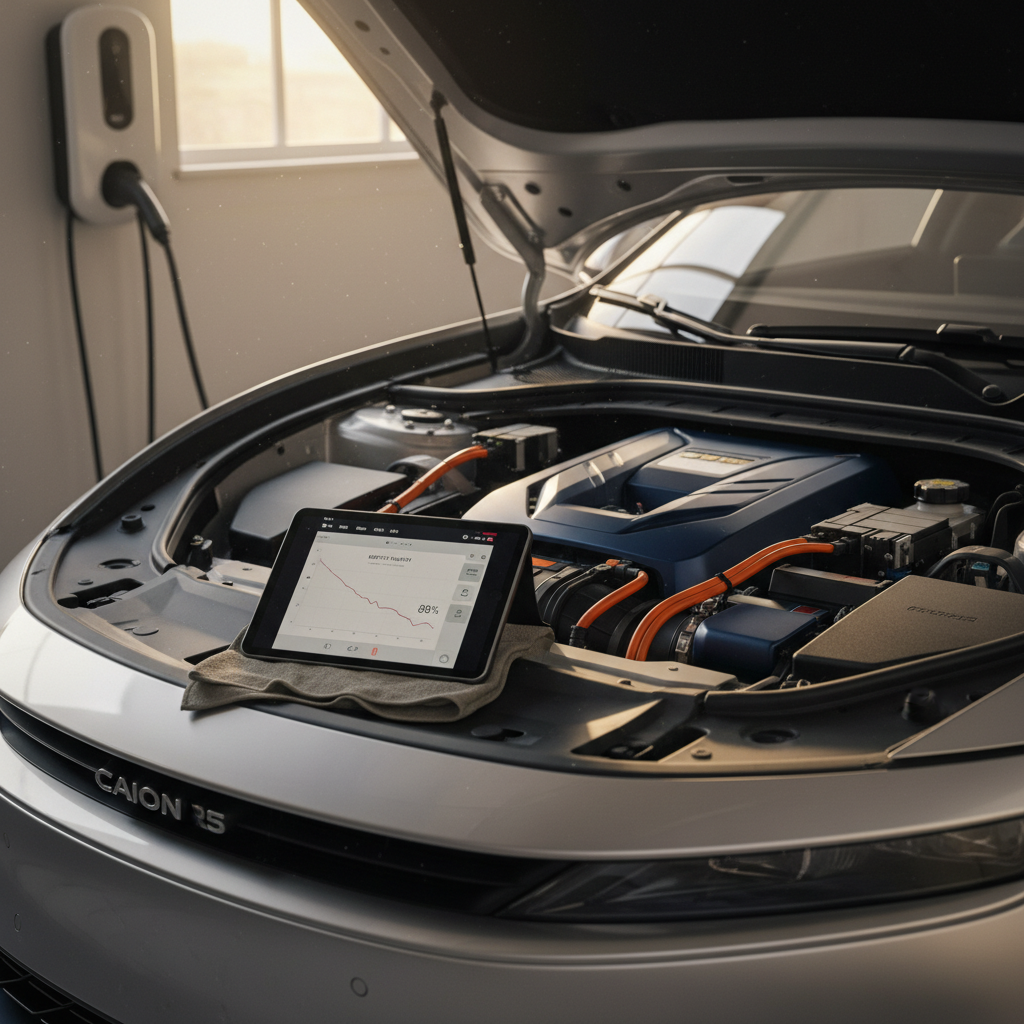
Share available diagnostic or service information. Verified battery health can give an EV buyer more confidence than an unsupported estimate.
Cosmetic and mechanical condition
Disclose dents, paint damage, wheel rash, tire wear, warning messages, charging issues, and malfunctioning equipment.
Ownership and service history
Provide accident information, service records, recall work, modification details, the title status, and the number of keys.
Color and presentation
Unusual colors can attract attention, but they don't guarantee a premium. Recharged has seen strong shopper interest in distinctive examples such as a Compass Yellow R1T.

Don't price your payout from retail listings
Where should you sell your Rivian R1T?
The best place to sell depends on whether you prioritize speed, convenience, transaction certainty, or control over the asking price. An EV specialist can evaluate battery and configuration details, while a private sale may give you more pricing control in exchange for more work and uncertainty. Compare the following routes once you understand the difference between trading in and selling separately.
Ways to sell a Rivian R1T
Compare the entire transaction, not just the headline number.
| Selling option | Best for | Typical speed | Main trade-off |
|---|---|---|---|
| Recharged offer or consignment | EV expertise and support | Fast to medium (days to weeks) | Offer below retail; consignment varies |
| Dealer trade-in | One combined transaction | Fast | Ask how EV value was set |
| General online buyer | Quick comparison quote | Fast | May miss configuration nuance |
| Private sale | Control over asking price | Variable | Screening, negotiation, paperwork |
Actual timing and proceeds depend on vehicle details, title status, location, buyer response, and the chosen transaction.
An instant offer favors convenience, while consignment gives the seller and retailer time to market the truck to a retail buyer. A dealer trade-in may also reduce the number of moving pieces when you're replacing the R1T, but you should still compare the net numbers. A private sale can support a higher asking price, yet the advertised price isn't the same as the amount you will ultimately collect.
How the Recharged selling process works
Recharged lets you choose between a direct offer and a supported consignment route, depending on the vehicle and your priorities. The process begins with detailed information about the R1T so the team can evaluate its market position rather than treating it like a generic pickup. If you accept the available path, Recharged can coordinate documentation and transportation while providing EV-specialist support from start to finish.
- Submit the R1T's VIN, mileage, location, configuration, condition, ownership details, and clear photos.
- Review the proposed path, expected proceeds, timing, and any conditions attached to the valuation.
- Provide the title or lender payoff information, service records, keys, charging equipment, and included accessories.
- Complete the inspection and required documents, then coordinate vehicle handoff or nationwide transportation.
- Confirm payoff and payment details before the transaction closes.
Selling a financed R1T
Recharged data
Selling to Recharged
We're actively buying Rivian R1t
Offer volume is up versus the prior 3 months.
Final purchase amounts are set after inspection and review.
Based on Recharged purchase offers
Recharged data
Recent Rivian R1t sold prices
$52,998
median sold price
What buyers actually paid through Recharged, not list price.
- Lowest
- $44,998
- Average
- $56,711
- Highest
- $75,847
Monthly median sold price
Based on Recharged sales in the last 12 months
Instant offer, trade-in, or consignment. Pickup available.
How should you prepare your R1T for sale?
Prepare your R1T by making the truck easy to evaluate rather than spending heavily on speculative improvements. Clean it, remove personal data and belongings, photograph it in good light, and gather documents before requesting a final offer. Be direct about defects; undisclosed damage can delay an inspection or cause the offer to change.
R1T sale-preparation checklist
Take complete photos
Capture every exterior side, the cabin, bed, frunk, gear tunnel, wheels, tires, odometer, charging port, and visible damage.
Collect documents
Gather the title or payoff statement, registration, identification, service records, repair receipts, and recall documentation.
List everything included
Identify keys, portable charging equipment, adapters, cargo accessories, floor mats, and removable equipment included with the truck.
Document warning messages
Photograph active alerts and disclose charging, software, suspension, tonneau-cover, camera, or driver-assistance concerns.
Remove personal information
After preserving anything needed for the transaction, delete saved addresses, garage access, phone pairings, profiles, and account data.
Compare net proceeds
Subtract fees, transportation, repairs, loan payoff, and other costs before deciding which offer is financially strongest.
The frunk, cabin, gear tunnel, and bed are central to the R1T's appeal. A clean, complete presentation helps buyers understand that utility, so show each storage area and disclose how every feature is working.
Every EV is battery-tested with a Recharged Score. Nationwide delivery.
Rivian R1T selling FAQ
The best next step
The best next step is to request an EV-specialist valuation using complete, accurate information about your R1T. Use Recharged's retail data as evidence that configuration and condition matter, not as a promise of your payout, and compare every option on net proceeds and convenience. If you're still organizing the transaction, follow this broader guide to selling an electric car before accepting an offer.