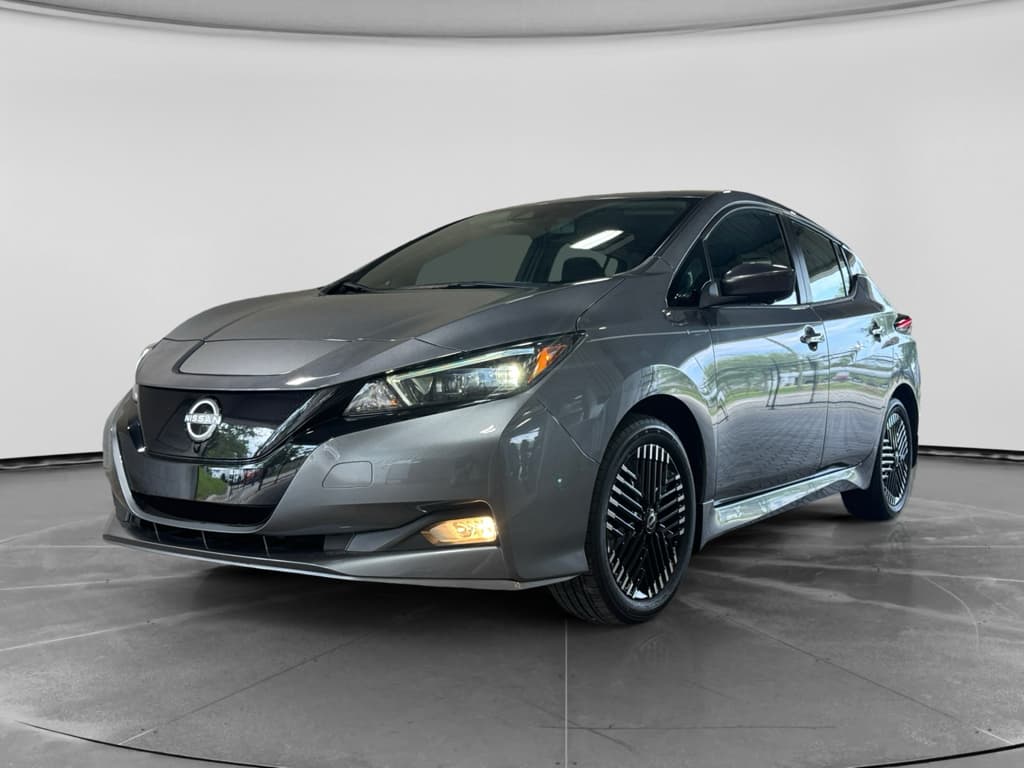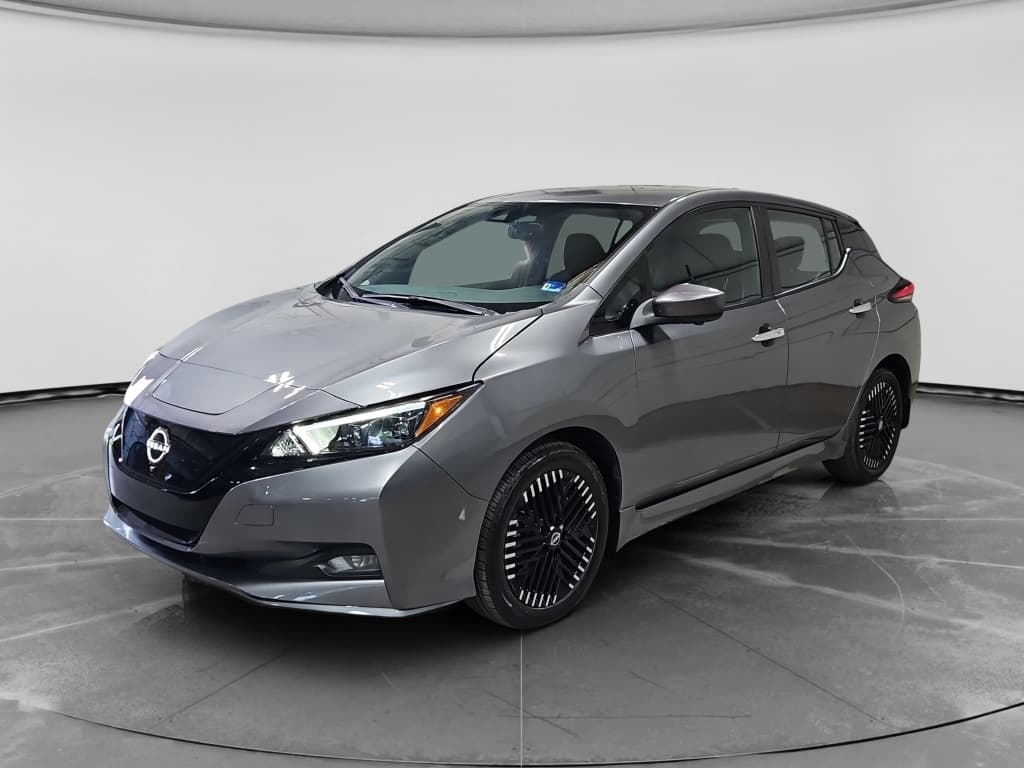
The sub-$20,000 EV market can deliver practical transportation, but it rewards disciplined shopping rather than bargain hunting. Recharged’s strongest first-party evidence in this price bracket comes from the Nissan LEAF, a model that has appeared below the threshold in both completed sales and featured inventory. Start with verified battery condition, tested range, and charging compatibility, then decide whether the car fits your routine.
What Recharged sales data shows
Recharged’s own sales data confirms that the Nissan LEAF can be a credible electric car under $20,000. Across 22 LEAFs sold at retail over the trailing 12 months, buyers paid an average of $14,169 and a median of $13,849; completed prices ranged from $9,996 to $20,998. These are final retail prices paid by buyers, not advertised discounts or estimated values.
A separate Recharged inventory snapshot included seven LEAFs listed from $16,996 to $23,998. That range shows why a fixed budget still requires comparison: some cars fall below $20,000, while newer, better-equipped, or otherwise different examples may sit above it. The takeaway is simple, the budget is realistic, but not every LEAF is interchangeable.
Recharged data
Used Nissan Leaf battery health
91%
avg remaining capacity
From Recharged battery inspections, not manufacturer estimates.
- Lowest
- 78%
- Median
- 92%
- Highest
- 97%
- Est. range
- 180 mi avg
- Cell balance pass
- 97%
- Quick charges
- 7 avg
- Slow charges
- 93 avg
Average cell imbalance: 12.5 mV
Based on vehicles Recharged tested
Recharged data
Recent Nissan Leaf sold prices
$13,849
median sold price
What buyers actually paid through Recharged, not list price.
- Lowest
- $9,996
- Average
- $14,169
- Highest
- $20,998
Monthly median sold price
Based on Recharged sales in the last 12 months
Every EV is battery-tested with a Recharged Score. Nationwide delivery.
Who should consider a sub-$20K EV?
A sub-$20,000 LEAF is most convincing when you need local transportation and can charge predictably. It can work for commuting, errands, or a young driver whose routine stays close to home, while a one-car household needs to examine longer trips more carefully. For more model-specific context, read the used Nissan LEAF buying guide.
Fit by use case
Match the car to the job before comparing cosmetic condition or optional equipment.
| Use case | Overall fit | Top priority | Main compromise |
|---|---|---|---|
| Local commuting | Strong | Tested daily range | Limited trip flexibility |
| Young driver | Strong | Safety equipment and battery | Shorter usable range |
| One-car household | Conditional | Charging and trip needs | Few backup transport options |
| Frequent road trips | Weak | Fast-charge compatibility | Older charging standard |
A lower purchase price does not offset a mismatch in range or charging.
A 2021 LEAF we featured at $12,500 showed why this segment can work: local-use range, useful safety equipment, and a low purchase price. But shoppers still need to verify the battery and confirm that the car has the charging hardware they expect.
Battery condition matters more than age alone
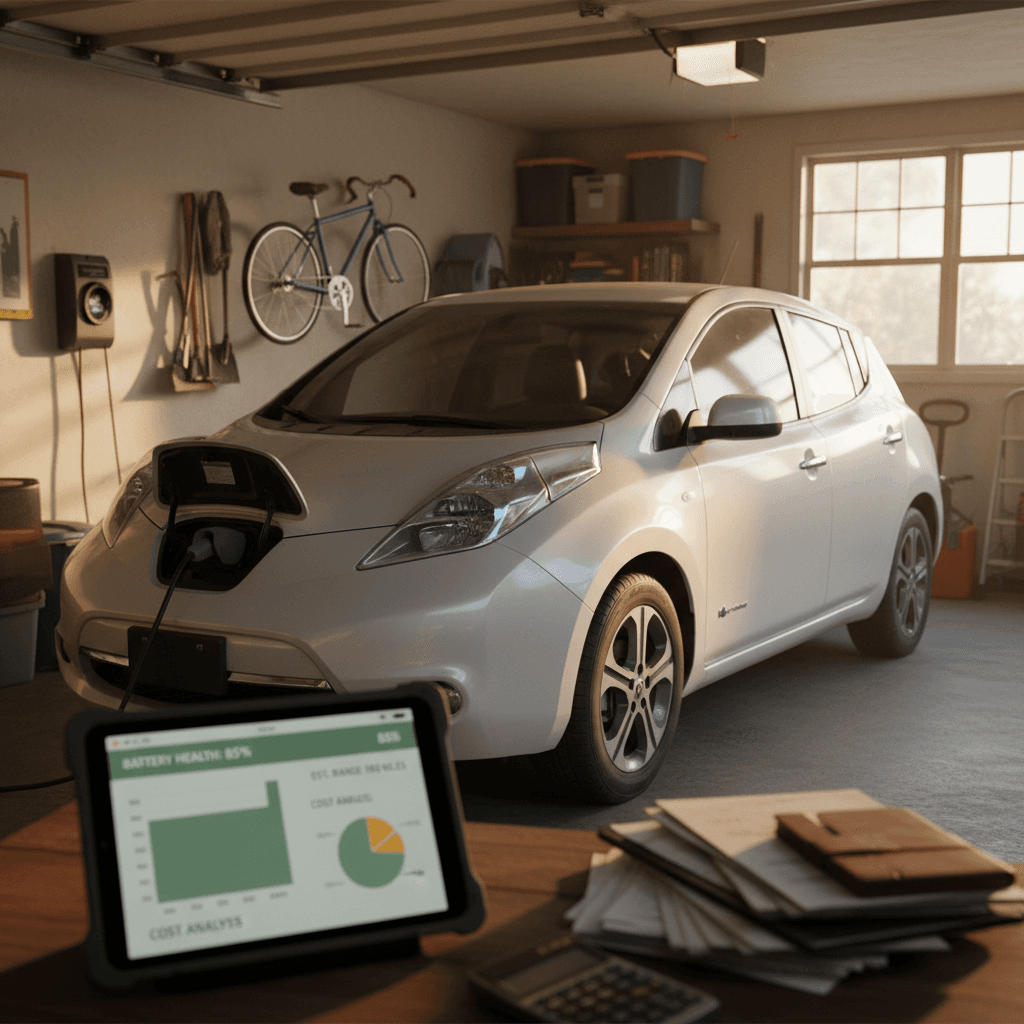
A verified battery report is essential because two similarly priced EVs can deliver very different usable range. In 36 Recharged Score inspections of Nissan LEAFs, tested remaining battery capacity averaged 90.7% of original capacity and had a median of 91.8%; individual results ranged from 78.1% to 96.7%. Tested real-world range averaged 180 miles, with individual results spanning 59 to 211 miles, so you should never assume that a model name, model year, or dashboard estimate tells the full story. Learn what those measurements mean in the used-EV battery health guide.
Will the charging setup work for you?
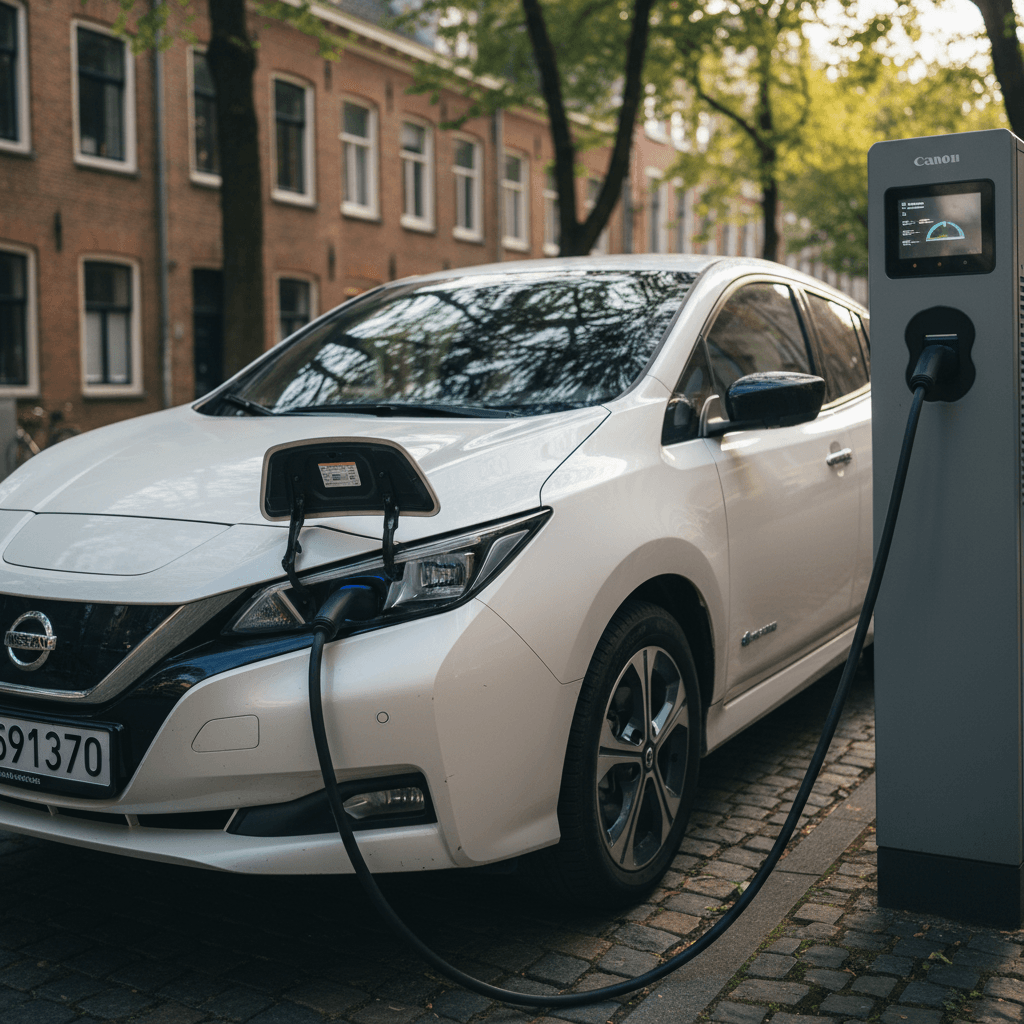
Charging compatibility can make or break an inexpensive LEAF, especially if you expect to use public fast charging. The 2021 car featured by the Recharged team had optional quick-charge hardware and a CHAdeMO fast-charging port, but you should inspect the actual vehicle rather than assume every example is equipped identically. Level 1 uses a standard household outlet, while Level 2 is a faster home or workplace charging setup. Review EV charging levels and connectors, then check your home setup and the stations along your regular routes.
Don’t build the budget around a federal tax credit
How to evaluate an electric car under $20K
The safest approach is to eliminate cars that cannot meet your routine before comparing prices. Use a documented process that covers the battery, range, charging equipment, condition, and total purchase cost. A broader used-EV buying guide can help you organize the inspection and purchase steps.
Pre-purchase checks that matter
Define the daily job
Write down your normal commute, errands, charging location, and occasional longer trips.
Read the battery report
Check tested remaining capacity and real-world range for the individual vehicle.
Confirm charging hardware
Inspect the ports and verify that the car supports the charging you plan to use.
Evaluate range conservatively
Leave room for weather, highway travel, detours, and gradual battery aging.
Compare the complete price
Include taxes, fees, financing costs, delivery, and any home-charging work.
Inspect the whole vehicle
Check tires, brakes, body condition, electronics, service history, and warning lights.
Questions shoppers ask about affordable EVs
The central questions are whether the price is attainable, the battery is healthy, and the car can complete your normal trips. Recharged’s LEAF data shows that the purchase budget is attainable, but it also shows meaningful variation in tested range. The individual vehicle report therefore matters more than a generic promise about an entire model.
Instant offer, trade-in, or consignment. Pickup available.
Electric cars under $20K FAQ
The smart buy is the best-documented car
The best electric car under $20,000 is the one whose verified battery condition, tested range, and charging setup match your real life. Recharged sales show that LEAF pricing can land comfortably below the threshold, but the wide range of battery and driving results makes documentation indispensable. A Recharged Score Report gives you verified battery health and fair-market context so you can distinguish a low price from genuine value.