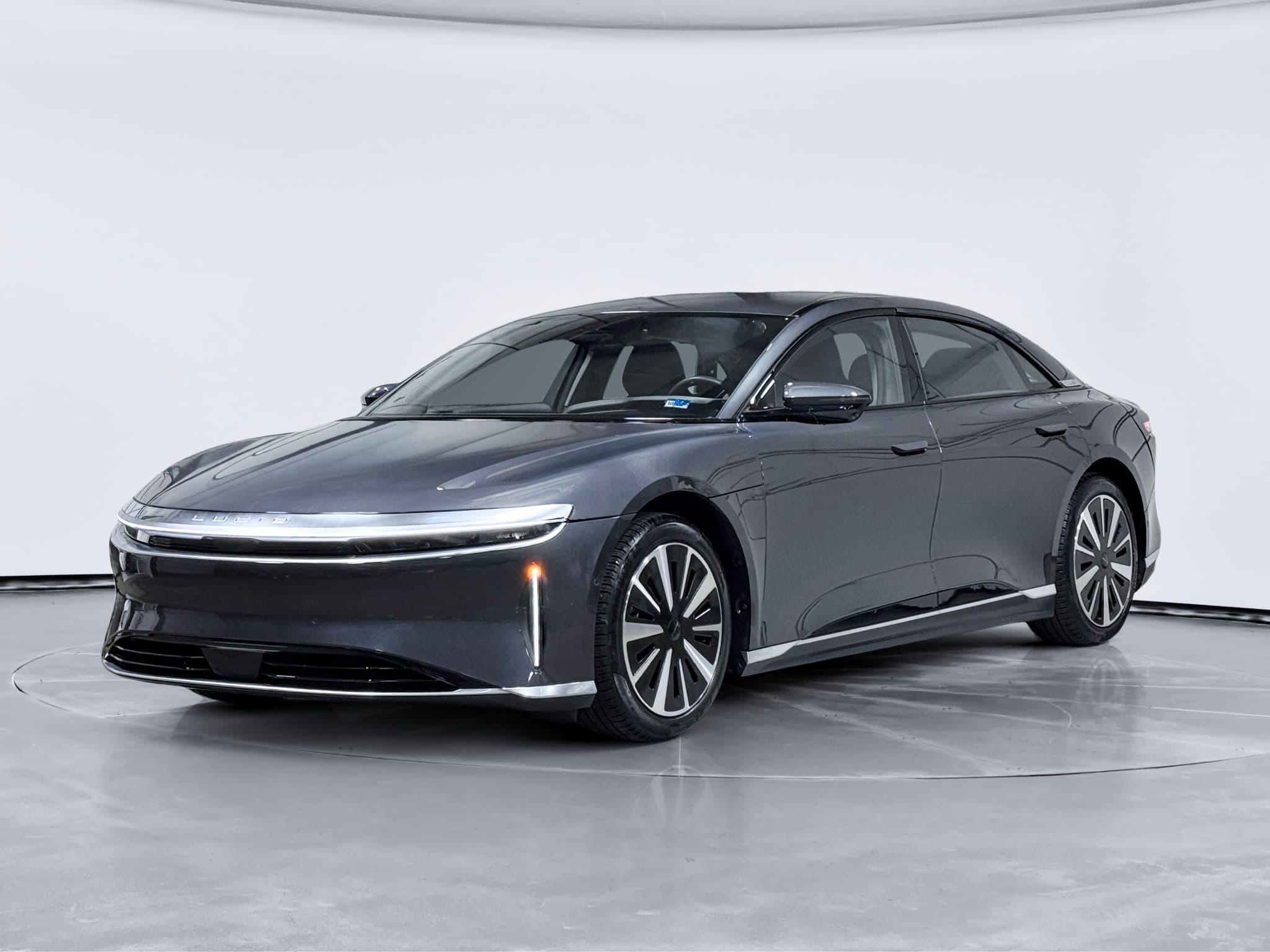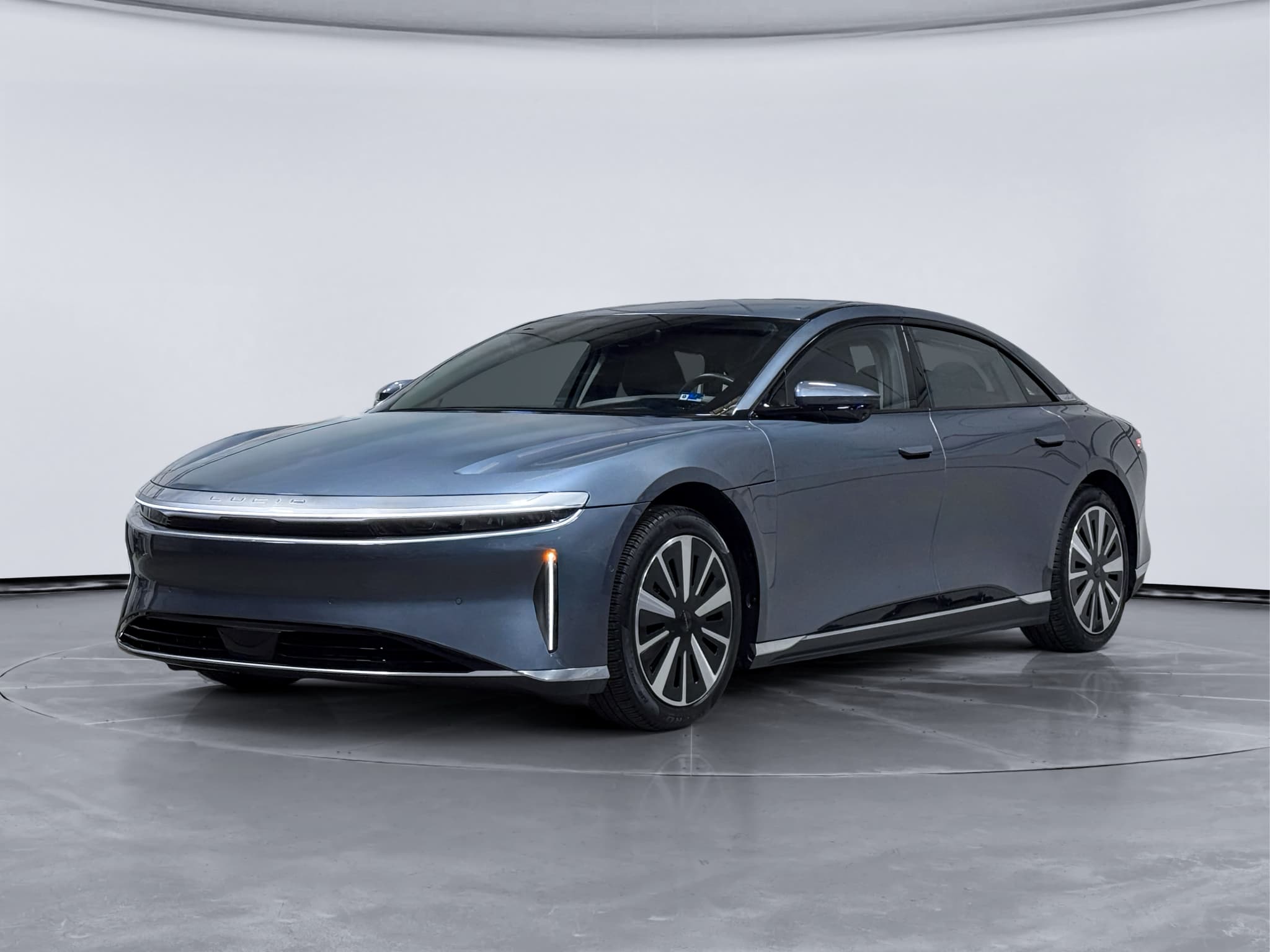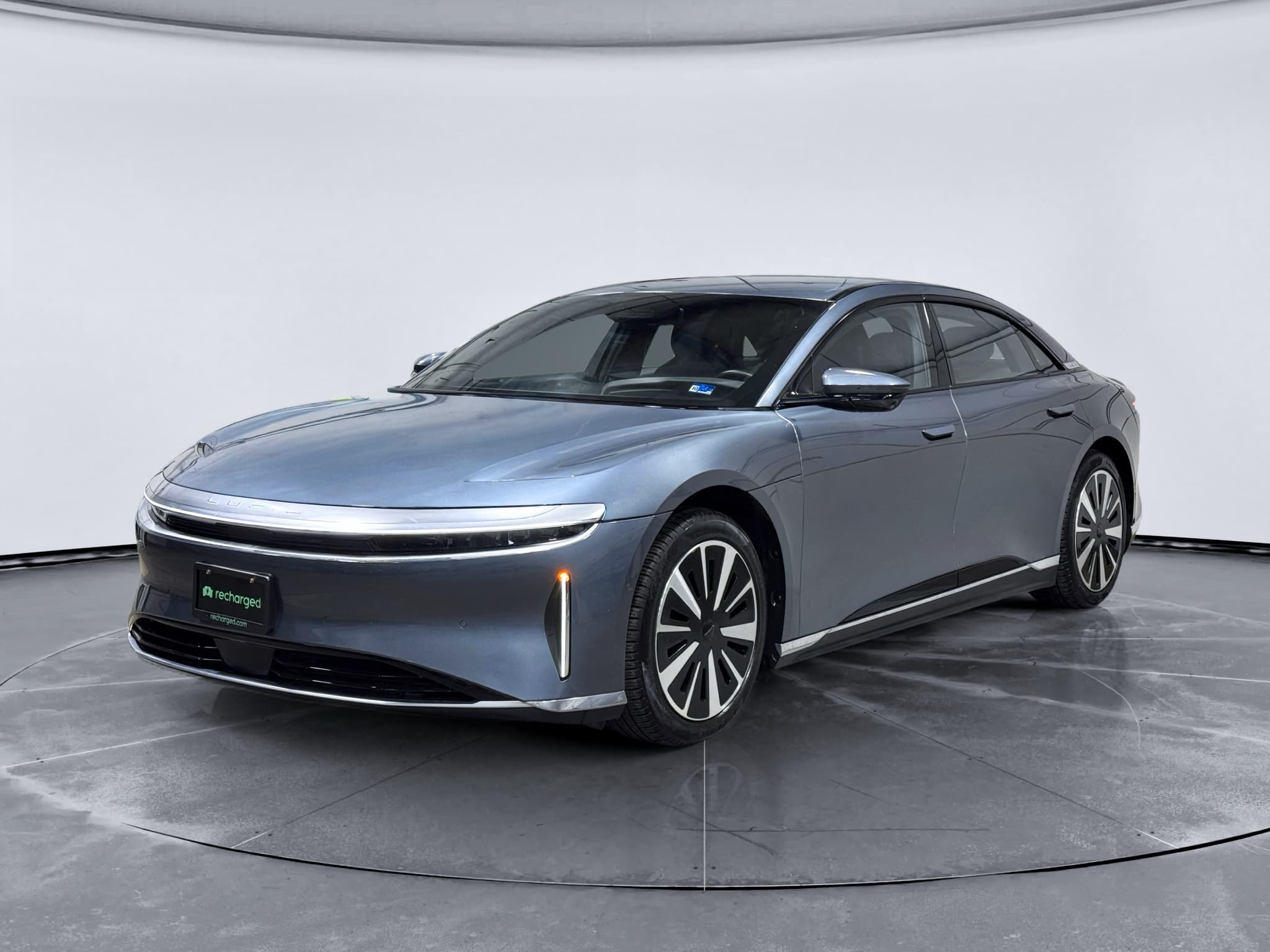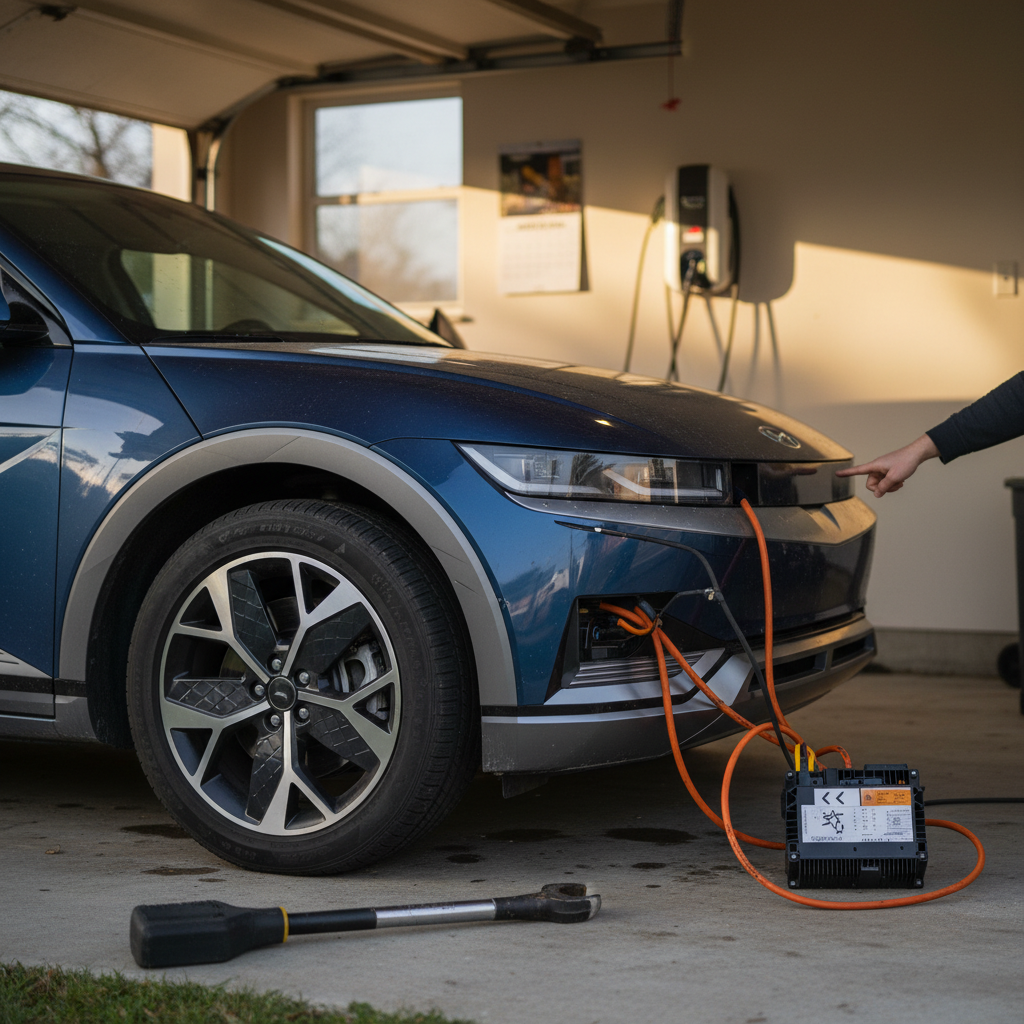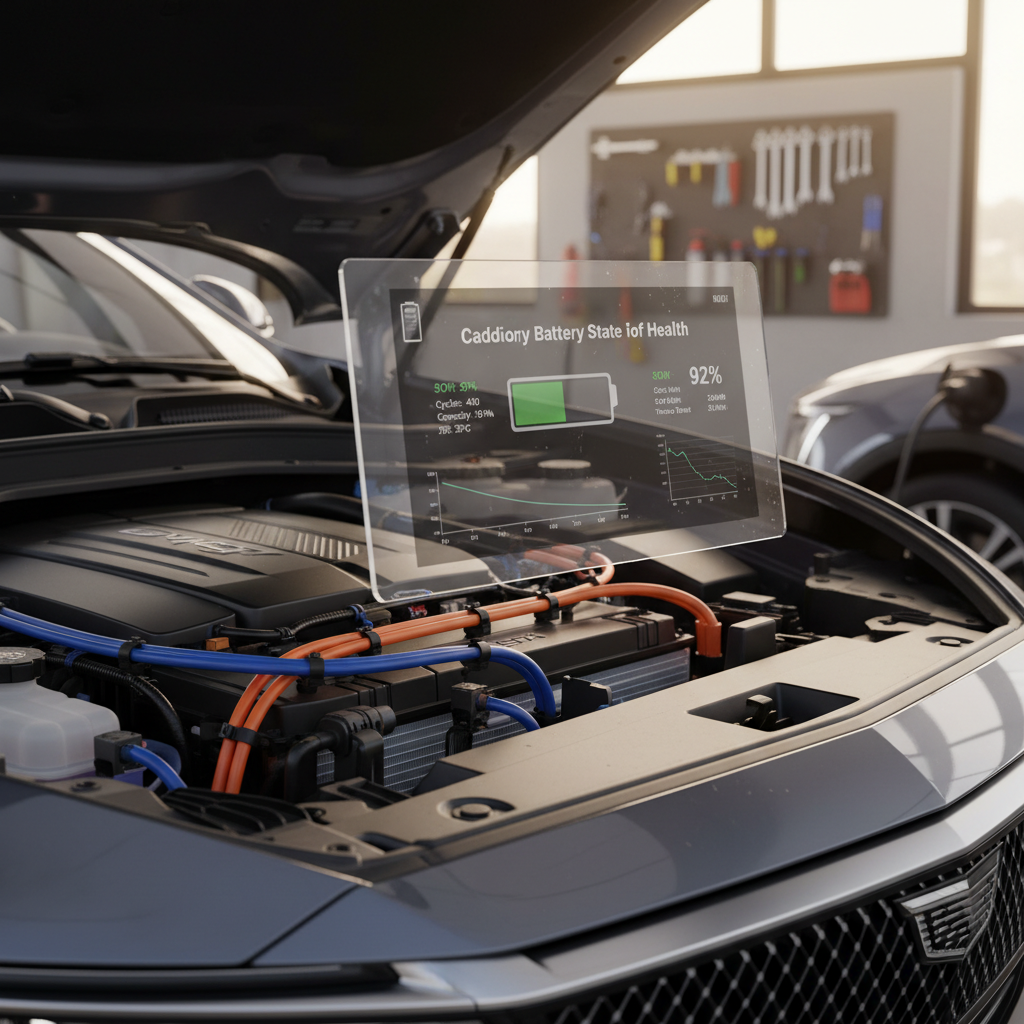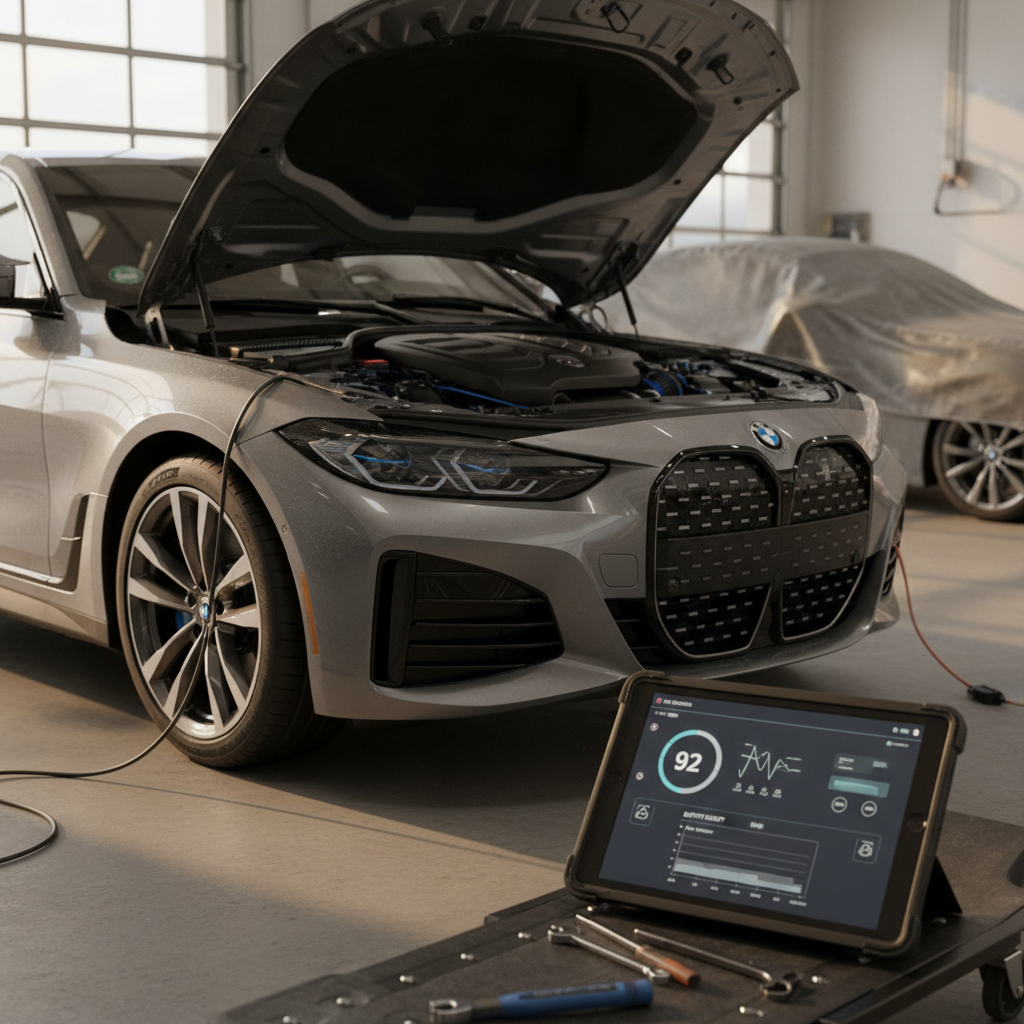
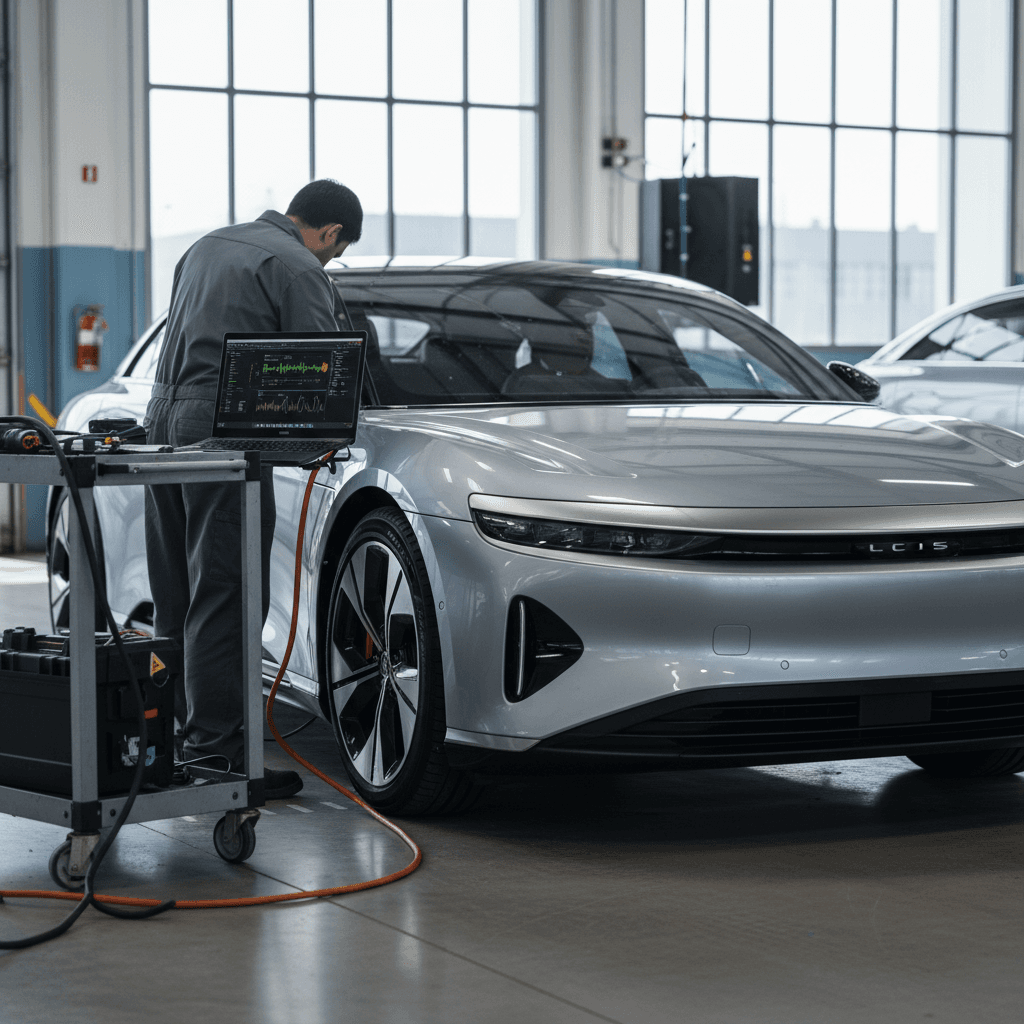
A Lucid Air can deliver the range, comfort, space, and performance expected of a premium electric sedan, but the ownership decision includes more than the car itself. You also need a workable plan for maintenance, diagnostics, collision repairs, and an unexpected no-start condition. That means evaluating service access for your address with the same care you’d use to review battery health, vehicle history, and physical condition.
How should you check Lucid service coverage?
Check service coverage directly with Lucid using your home address and, if you’re considering a specific car, its VIN. A map or nearby location is only a starting point: confirm whether that facility accepts customer vehicles, which repairs it performs, and where your car would go for work it can’t complete. Ask separately about routine appointments, mobile visits, roadside events, collision repairs, and warranty work because the same coverage may not apply to all five.
Don’t rely only on straight-line distance
You should also ask what happens if the Air can’t be driven. Find out who arranges transportation, where the vehicle is taken, whether distance limits apply, and which costs could fall to you. If the answer depends on warranty status, confirm the specific vehicle’s coverage rather than assuming every used Air receives the same support.
Why service distance changes the ownership equation
Distance matters because a remote diagnostic session or mobile visit may not resolve a repair that requires a workshop, specialized equipment, or replacement parts. Your real exposure is therefore not just mileage to a location; it’s the combination of transport logistics, appointment timing, repair scope, and access to the correct components. Buyers who depend on one vehicle should apply a stricter standard than households with a backup car.
With a used Lucid Air, service access belongs on the pre-purchase checklist alongside battery health and physical condition. Confirming the repair route before purchase is much easier than figuring it out after the car becomes undrivable.
This doesn’t automatically make the Air a poor used-EV choice. It means the car’s value to you depends partly on where you live and how much logistical uncertainty you can accept. If you’re new to the category, Recharged’s used electric car buying guide explains how service access fits into broader due diligence.
Compare the possible service-access situations
The best situation is one in which you know who will service the car, what that location can repair, and how an immobile vehicle will reach it. Use this table to classify your access only after you’ve confirmed the details for your address.
Lucid Air service-access scenarios
Questions to resolve before committing to a used Lucid Air.
| Situation | What to verify | Main risk | Buyer move |
|---|---|---|---|
| Nearby service location | Repairs performed there | Scope may be limited | Confirm before deposit |
| Mobile visit available | Eligible repair types | Workshop still required | Ask for exclusions |
| Transport is required | Destination and cost | Longer repair logistics | Price in inconvenience |
| Coverage is unclear | Written service route | Unexpected towing burden | Resolve before buying |
Availability and repair scope should be confirmed directly for your address and vehicle.
An unclear answer should be treated as unresolved risk, not as evidence that support will probably work out. Before buying, save the contact details, location, and transportation instructions you’re given. Those records won’t guarantee a particular repair outcome, but they give you a practical starting point if the car needs attention.
What Recharged’s used-EV data adds
Recharged currently has six Lucid Air listings priced from $40,998 to $57,998, with an average asking price of $47,831 and a median of $46,998. These are asking prices for Air vehicles listed on Recharged as of September 22, 2026, not discounts, seller payouts, or a promise of market value. At this price level, a buyer should evaluate service logistics before treating two otherwise similar cars as interchangeable.
Battery condition deserves a separate check because service proximity doesn’t tell you how much usable capacity remains. Across 2,242 Recharged Score inspections, tested remaining capacity averaged 93.9% of original capacity and the median was 94.9%; this is fleet-wide Recharged data, not an Air-only result. A verified EV battery-health report gives you vehicle-specific evidence, while service planning answers the different question of what happens if the vehicle needs repair.
The takeaway is that listing price, verified condition, and service access should be assessed together. A lower asking price may not be compelling if ownership would expose you to difficult transport arrangements, while a clearly documented repair path can reduce practical uncertainty. Recharged includes a Recharged Score Report with verified battery health and supports buyers through the used-EV purchase process.
Recharged data
Used EV battery health
94%
avg remaining capacity
From Recharged battery inspections, not manufacturer estimates.
- Lowest
- 63%
- Median
- 95%
- Highest
- 100%
- Est. range
- 266 mi avg
- Cell balance pass
- 100%
- Quick charges
- 18 avg
- Slow charges
- 65 avg
Average cell imbalance: 7.3 mV
Based on vehicles Recharged tested
Recharged data
Used Lucid Air prices at Recharged
$46,998
median list price
Current list prices for matching inventory at Recharged.
- Lowest
- $40,998
- Average
- $47,831
- Highest
- $57,998
Based on available listings
Every EV is battery-tested with a Recharged Score. Nationwide delivery.
A service-access checklist for used Air buyers
Before buying, resolve the questions that could leave you without a usable vehicle or a clear repair destination. Keep the answers with your purchase records, especially if you live far from the location that would handle workshop repairs.
What to confirm before purchase
Locate the servicing facility
Ask Lucid which facility serves your exact home address and confirm that it accepts the repair categories you may need.
Define mobile-service scope
Confirm whether mobile support reaches your address and which jobs require the car to enter a workshop.
Plan for an immobile car
Ask who arranges towing or vehicle transport, where the Air goes, and which costs or distance limits may apply.
Check collision-repair access
Identify the repair route for body, structural, glass, sensor, and paint work instead of assuming the service facility handles everything.
Review warranty status
Verify the specific vehicle’s remaining coverage and ask how warranty status affects diagnostics, transport, parts, and labor.
Inspect the vehicle itself
Review battery health, tires, wheels, glass, bodywork, electronics, charging behavior, warning messages, and maintenance records.
A thorough physical inspection is particularly important on a premium used EV. Recharged’s team has encountered Air vehicles where wheel condition, paint finish, interior condition, and exact vehicle specification all affected the purchase discussion. For a broader inspection framework, use this used-EV pre-purchase inspection checklist and review likely electric-car maintenance costs before finalizing your budget.
Instant offer, trade-in, or consignment. Pickup available.
Lucid Air service availability FAQ
The bottom line
Service access should be a deciding factor when you shop for a used Lucid Air, not a question postponed until after delivery. Confirm the servicing location, mobile coverage, workshop scope, towing process, collision-repair route, and warranty status for the specific vehicle and address. If those answers are clear, and the Air also passes condition and battery-health checks, you can judge the car on its full ownership proposition rather than its range and asking price alone.