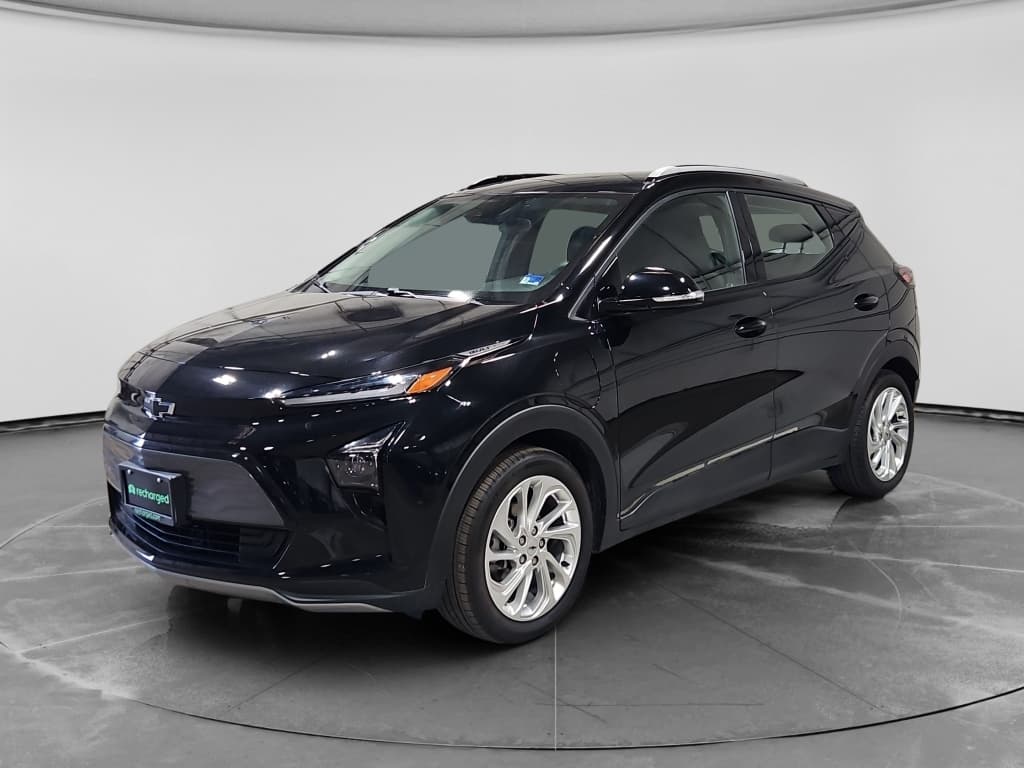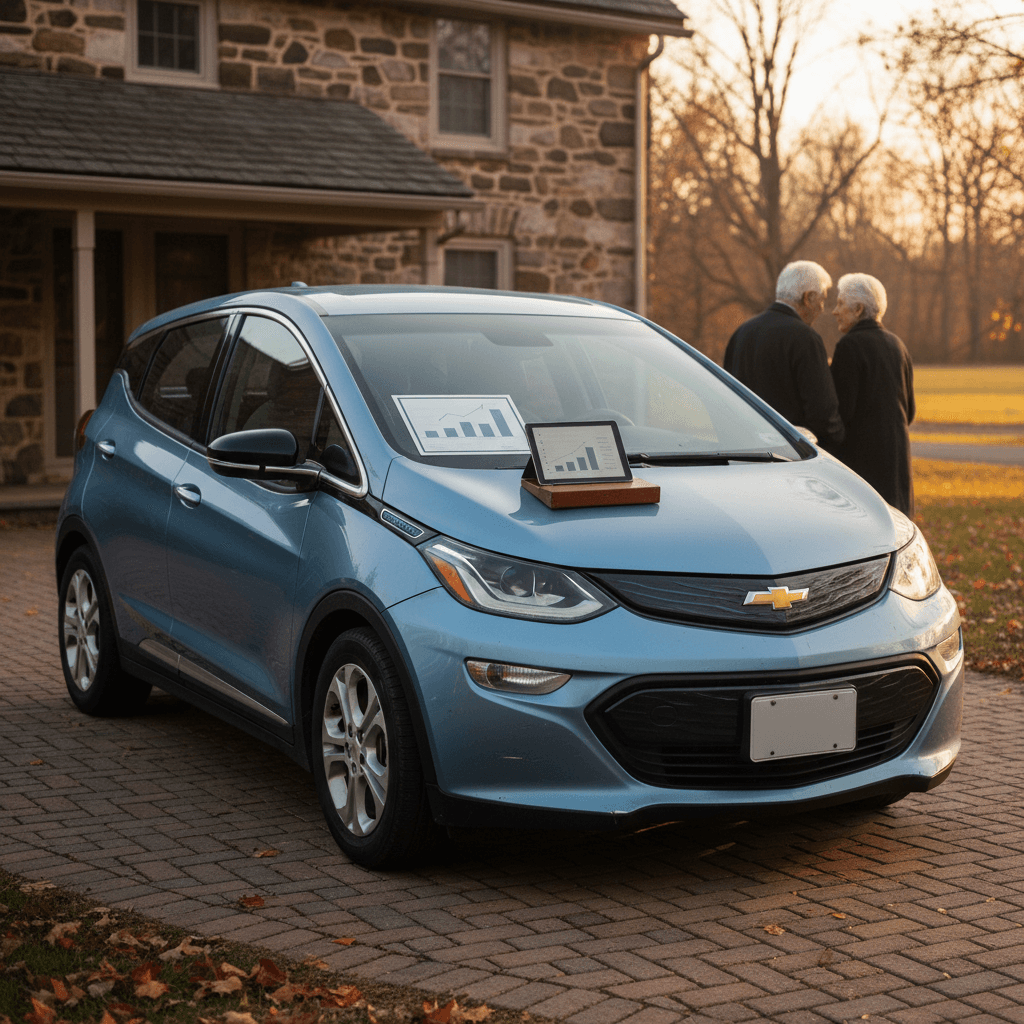
If you're ready to sell your Chevrolet Bolt EV in Pennsylvania, you’re in a pretty good spot. Used EV demand is strong, the Bolt has a loyal fan base, and buyers in cities like Philadelphia, Pittsburgh, and the Lehigh Valley are hunting for affordable electric hatchbacks. But Pennsylvania’s title rules, EV incentives, and the Bolt’s battery‑recall history mean you’ll get a better outcome if you follow a clear plan.
Quick snapshot for PA Bolt EV sellers
Why Selling a Bolt EV in Pennsylvania Is Different
Strong demand for affordable EVs
Pennsylvania drivers are watching their fuel bills and tolls just like you are. A used Bolt EV sits in a sweet spot: compact enough for city parking, but with real highway range. It’s one of the easiest ways for a buyer to get into an electric car without new‑car prices.
But unique state rules and EV quirks
Unlike some states, Pennsylvania usually requires buyer and seller to meet at a notary or authorized PennDOT agent to complete the title work. Layer on the Bolt’s battery recall history, potential branded titles, and questions about range in cold winters, and you can see why a little prep goes a long way.
Know your buyer
Step-by-Step: How to Sell Your Chevy Bolt EV in PA
Seven steps to selling a Bolt EV in Pennsylvania
1. Confirm your title status
Make sure the Chevy Bolt EV title is in your name, with any lien fully released. If there’s a bank listed, contact them for a lien release before you list the car, buyers and notaries in Pennsylvania won’t complete the transfer without clear proof of ownership.
2. Pull service and recall records
Gather dealer service invoices, battery recall repair documentation, and any warranty paperwork. For Bolts, proof that recall work was completed, and whether the battery pack was replaced or just reprogrammed, is a major trust‑builder and pricing lever.
3. Check battery health and range
Charge the car to a known state of charge and note the estimated range on the dash. If you can, track a week of your usual commuting to quote realistic range numbers. Buyers respond well to specifics like, “I get about 230 miles in mild weather and around 170 miles in January.”
4. Clean, photograph, and describe it honestly
Detail the interior, wash the exterior, and photograph the car in daylight from multiple angles. Call out wheel rash, small dings, and any cosmetic flaws up front; EV shoppers tend to research heavily and will appreciate transparency more than salesmanship.
5. Set a data‑driven asking price
Look at listings for similar‑year Bolt EVs around Pennsylvania, year, trim, mileage, and whether the battery was replaced all matter. If your car has a fresh pack or remaining battery warranty, highlight that and justify a premium. If it has a branded or lemon title, price it accordingly and be direct.
6. Choose how you’ll sell
Decide if you want maximum price (private sale), maximum convenience (dealer or instant‑offer program), or a balance (EV‑focused marketplace like <strong>Recharged</strong> that does the marketing and buyer screening for you). Your timeline and comfort with paperwork should drive this choice.
7. Meet the buyer at a PA notary or agent
In Pennsylvania, you’ll normally meet the buyer at a notary, tag service, or dealer so the title can be signed and notarized correctly. Bring your PA driver’s license, the physical title, any loan payoff information, and be prepared to remove your plates once the sale is complete.
Pennsylvania Paperwork: Title Transfer and Plates
Selling any car in Pennsylvania comes down to one key thing: getting the title transfer right. With a Chevrolet Bolt EV, the process is the same as for a gas car, but buyers tend to be extra cautious, so clean paperwork matters even more.
Key paperwork to sell a Chevy Bolt EV in Pennsylvania
Use this as a checklist before you meet your buyer at the notary or tag agent.
| Item | Who Provides It | Why It Matters | Pro Tips |
|---|---|---|---|
| Pennsylvania title | Seller | Transfers legal ownership | Make sure names, VIN, and odometer are correct and there are no open liens. |
| Government ID | Both | Required by PA notary/agent | Bring a valid PA driver’s license or photo ID; out‑of‑state buyers need their home‑state ID. |
| Odometer reading | Seller | Federal requirement on newer vehicles | Have the actual mileage ready; don’t estimate from memory. |
| Payment | Buyer | How you actually get paid | Cashier’s check or bank transfer is safer than large amounts of cash; agree on method beforehand. |
| Plates & registration | Seller | You’re responsible for your plates | In Pennsylvania you normally remove your plates after the transfer; don’t let them leave with the buyer. |
| Bill of sale (optional) | Both | Extra documentation if questions arise later | Not always required, but a simple bill of sale can protect both parties if there’s a dispute. |
You and your buyer should review this list before scheduling the title‑transfer appointment.
Don’t skip the in‑person title transfer
Pricing Your Chevrolet Bolt EV for the PA Market
The Bolt EV doesn’t behave like a typical compact hatchback when it comes to used values. Battery condition, software history, and how the car was used (stop‑and‑go city versus long‑distance DC fast charging) can swing the price by thousands of dollars. Your goal is to price it where serious buyers in Pennsylvania feel they’re getting a fair deal without you leaving easy money on the table.
What matters most for Bolt EV pricing in Pennsylvania
Focus on these five levers when you set your asking price.
Model year & battery pack
Earlier Bolts (2017–2019) may have had their packs replaced under recall, which can actually boost resale value. Later cars with original packs but no recall work may draw more questions from savvy buyers.
Mileage & usage pattern
EV buyers look at miles, but also want to know how the car lived. Fewer DC fast‑charging sessions and mostly home Level 2 charging usually mean less stress on the battery.
Warranty remaining
If your Bolt still has part of its battery or powertrain warranty left, spell it out: number of years or miles remaining. That’s real peace‑of‑mind value for the next owner.
Included charging gear
Offering the OEM portable charger, any upgraded Level 2 EVSE, plus adapters the buyer can use at Pennsylvania public stations can help your car stand out, even if they’re modest in dollar value.
Range in real PA weather
Range drops in a Pennsylvania winter. Share honest numbers for your commute in cold weather, with and without cabin preconditioning. Buyers appreciate candor over brochure figures.
Title status & history
A clean, unbranded title with complete recall documentation is worth more than a similar car with a buyback or lemon history. If your Bolt has a branded title, acknowledge it up front and price accordingly.
Start slightly above your walk‑away price
Battery Health, Recalls, and How They Impact Resale
Battery talk is where many private sellers freeze, but Bolt buyers in Pennsylvania will likely ask about it before they ask about color. The good news: if you’ve kept up with recall work and can speak plainly about range, your car may be more attractive than the anonymous listing down the street.
Recall history: liability or selling point?
Early Chevy Bolt EVs were covered by high‑profile battery fire recalls, and many cars ultimately received brand‑new battery packs. That history can scare off uninformed shoppers. But experienced EV buyers often seek out cars with replaced packs because they effectively get newer batteries with fresh warranty coverage.
Gather any dealer documentation you have. If your pack was replaced, note the mileage and date, and keep that paperwork handy for showings and online listings.
Showing real battery health
Unlike some EVs, the Bolt doesn’t always display a friendly battery‑health percentage on the dash. Buyers will read between the lines using estimated range, your charging habits, and independent inspection reports.
This is where a third‑party battery assessment, like the Recharged Score battery health diagnostics, adds weight. A documented analysis of usable battery capacity and pack condition can cut through doubts and justify your asking price.
Why the Recharged Score matters

Where to Sell Your Bolt EV in Pennsylvania
Once your Bolt is cleaned up and your paperwork is in order, you’ll need to choose where to sell it. In Pennsylvania, you have the usual suspects, private sale, local dealers, online car‑buying sites, but EVs layer on charging questions and battery concerns that not every buyer (or dealer) knows how to handle.
Four main ways to sell your Chevy Bolt EV in PA
Each option trades off convenience, control, and final sale price.
Private sale (marketplaces & classifieds)
Pros: Often the highest sale price, especially in EV‑savvy areas like Philly suburbs or university towns. You control the listing, the test drives, and who you ultimately sell to.
Cons: You handle everything: screening strangers, answering detailed EV questions, scheduling test drives, and managing the title transfer at a notary. If you’re not comfortable explaining charging and battery history, this can get tiring.
Trade‑in to a local dealer
Pros: Fast and simple. You get a number, hand over the keys, and roll the value into your next vehicle. Ideal if you’re already shopping at a Chevy or multi‑brand dealer.
Cons: Many general dealers still under‑value used EVs, especially Bolts with recall history they don’t fully understand. You may leave significant money on the table compared with a targeted EV buyer.
General online “instant offer” sites
Pros: Minimal effort: enter your VIN, answer a few questions, and get a bid. Some services send a partner dealer or transporter to your driveway in Pennsylvania.
Cons: Automated tools may not credit the value of a new battery pack, recent software updates, or excellent range performance. They often treat the Bolt like any other compact hatch, not a niche EV with a very specific buyer audience.
EV‑focused marketplace like Recharged
Pros: Built specifically for used EVs. Recharged buyers are already shopping for cars like your Bolt, and every vehicle includes a Recharged Score Report with verified battery health. You can choose between an instant offer, trade‑in, or a consignment‑style listing where Recharged markets and negotiates on your behalf.
Cons: If you’re determined to squeeze every last dollar out of a highly modified or ultra‑low‑mile Bolt, you might prefer to experiment with private‑sale pricing first. But for most sellers, the mix of strong pricing and hand‑holding beats going it alone.
Taxes, Fees, and Rebates When You Sell or Trade
You can’t talk about EVs in 2026 without talking about tax credits and state rebates. When you sell your Chevrolet Bolt EV in Pennsylvania, the credits that helped you buy it originally don’t change your current tax bill, but they do shape what buyers are willing to pay.
- Sales tax: In a private sale, the buyer, not you, pays Pennsylvania sales tax when they title and register the car. Dealers and marketplaces handle this for the buyer in the background.
- Title and registration fees: Again, these belong to the buyer. Your job is to show up with clean paperwork so the notary or PennDOT agent can process the transfer quickly.
- Past federal or state credits: Any federal clean‑vehicle credit or Pennsylvania Alternative Fuel Vehicle rebate you claimed when you bought the Bolt is sunk cost. It doesn’t trigger extra tax when you sell, but it may mean you can accept a slightly lower sale price and still come out ahead versus a comparable gas car.
- Road‑user or EV fees: Pennsylvania now layers additional road‑use costs on EV ownership instead of fuel taxes. Once you sell, those costs are the new owner’s problem, not yours, but knowledgeable buyers may factor them into what they’re willing to pay.
Trading in? Let the numbers work together
Ready to find your next EV?
Browse VehiclesHow Recharged Can Help Pennsylvania Bolt EV Sellers
If you like the idea of reaching serious EV shoppers but don’t love the idea of fielding every question yourself, Recharged was built exactly for people like you. It’s a retailer and marketplace focused entirely on used electric vehicles, with services designed around the quirks of cars like the Chevrolet Bolt EV.
What you get when you sell a Bolt EV through Recharged
You can request an instant offer, explore a trade‑in, or choose a consignment‑style listing where Recharged markets the car, handles buyer questions, and helps coordinate the sale. Either way, you’re not trying to explain kilowatts and recall campaigns in a grocery‑store parking lot.
Common Mistakes to Avoid When Selling a Bolt EV
- Hiding, or glossing over, the recall history. EV buyers read forums. If your Bolt had recall work done (or still needs it), they’ll find out. Owning that story and showing documentation builds trust rather than fear.
- Under‑explaining charging. A surprising number of shoppers in Pennsylvania are still on their first EV. If you don’t explain Level 1 vs. Level 2 vs. DC fast charging, they may walk away confused instead of excited.
- Letting the buyer leave with your plates. In Pennsylvania, it’s normal practice for the seller to remove their plates after the title transfer. Don’t send your old tags down the Turnpike on someone else’s car.
- Accepting the first lowball offer. Especially if you have a fresh battery pack or great range, your Bolt may be worth more than the first automated quote you see. Get at least two or three data points so you know what “fair” looks like.
- Trying to DIY everything when you’re not comfortable. If the idea of explaining battery health or negotiating at the notary stresses you out, lean on specialists. A used‑EV marketplace like Recharged or a knowledgeable dealer can be worth their cut in both time and final price.
FAQ: Selling a Chevy Bolt EV in Pennsylvania
Frequently asked questions from Pennsylvania Bolt EV sellers
Bottom Line: Getting the Most for Your Bolt EV
Selling a Chevrolet Bolt EV in Pennsylvania isn’t hard, but it is different from selling just another compact hatchback. The buyers are more research‑driven, the questions about battery health and recalls are sharper, and the title‑transfer rules demand a bit of homework. If you prepare your paperwork, price your car based on its real strengths, and communicate clearly about range and charging, you’ll stand out in a crowded used‑car feed.
Whether you decide to handle everything yourself, trade in at a local dealer, or lean on a used‑EV specialist like Recharged, you now know how to navigate Pennsylvania’s rules and the Bolt’s unique story. Take an hour to gather your documents, another to study local pricing, and you’ll be ready to hand over the keys on your terms, confident that both you and your little electric hatchback are getting the deal you deserve.