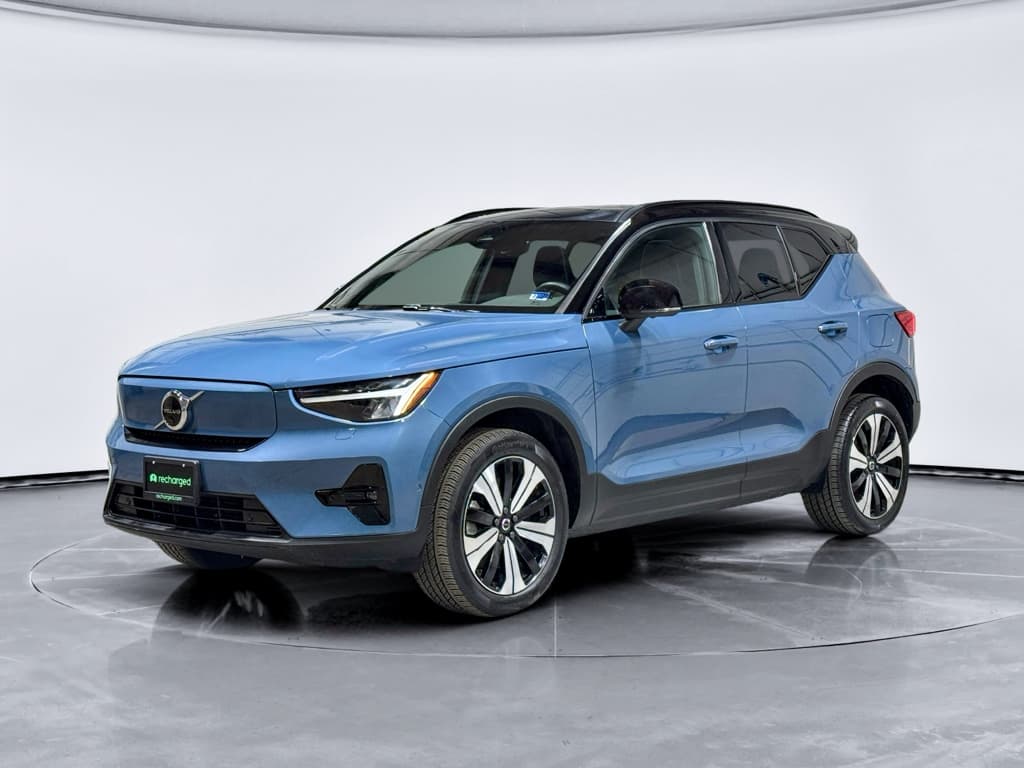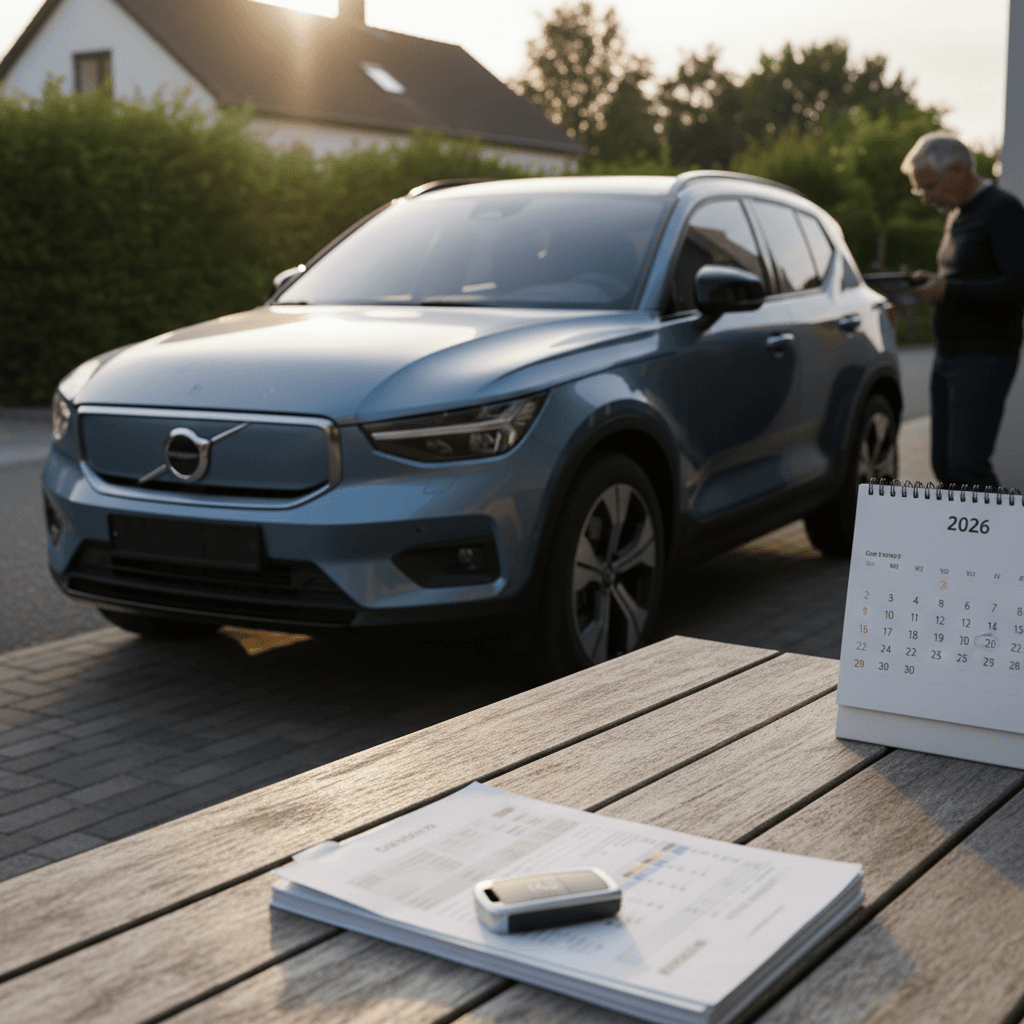
If you’re wondering about the best time to sell a Volvo EX40, you’re already ahead of most sellers. The EX40 is still a relatively new badge in Volvo’s lineup, born when the XC40 Recharge was renamed for the 2025 model year. That means timing your sale, by season, mileage, and model year, can easily swing your bottom line by thousands of dollars.
Quick answer
Overview: Volvo EX40 and why timing matters
The Volvo EX40 is essentially the electric XC40 Recharge with a new nameplate, aligning it with Volvo’s EX30 and EX90 electric SUVs. Under the skin, you’re looking at a compact luxury EV SUV with strong safety credentials, a premium cabin, and a reputation for comfort. That combination makes it appealing on the used market, but only if you sell at the right time.
Electric vehicles in general have depreciated faster than comparable gas models over the last few years, with many EVs losing around half of their value in the first three years. That sounds scary until you realize it cuts both ways: bad news if you sell too late, but a big opportunity if you time your sale smartly and present your EX40 as one of the “good” used EVs in a sea of question marks.
Name change confusion
How the Volvo EX40 depreciates over time
We don’t have decades of EX40-specific resale history yet, but we do have solid clues: depreciation data for the XC40 Recharge and similar luxury EV crossovers, plus what pricing guides are projecting for the 2025 EX40. Together, they paint a familiar EV story: a steep early drop, then a slower slide.
Typical EV depreciation pattern for compact luxury SUVs
Volvo’s own cost-to-own projections for the EX40’s predecessor show roughly half of the vehicle’s value gone by the five‑year mark, right in line with other premium EV crossovers. The EX40’s pricing, starting in the low–to–mid-$50,000s for 2025 in the U.S., means you’re dealing with a vehicle that can be worth somewhere in the high $20,000s to low $30,000s by years three to four if it’s well cared for.
- Years 0–1: Biggest single drop, especially if heavy incentives were available when new.
- Years 1–3: Still steep, but a good time to exit if you want out of the loan or lease early.
- Years 3–5: Depreciation slows, but every model update and new EV launch puts more pressure on prices.
- After year 5: Value curve flattens; condition and battery health matter more than model year.
Think in curves, not cliff edges
Best months of the year to sell an EX40
Seasonality matters more for used EVs than most people realize. Demand, incentives, and interest rates all ebb and flow during the year, and your Volvo EX40 will ride that tide like any other car. The difference is that EV shoppers tend to be more research‑heavy and more tax‑savvy, which amplifies the spring bump.
Best and worst seasons to sell your Volvo EX40
Use these windows as a starting point, then layer in your personal situation.
Late March–June
Best overall window.
- Tax refunds hit bank accounts.
- Families shop ahead of summer road trips.
- Good weather for test drives and photos.
Prime time if you want maximum buyer interest and strong pricing.
July–September
Still solid, slightly softer.
- Road‑trip season keeps EVs attractive.
- New‑model announcements can push some buyers toward used.
- Competition increases as more lease returns hit the market.
October–February
More mixed.
- Holiday budgeting and winter weather slow shopping.
- Year‑end discounts on new EVs can undercut used prices.
- But: serious buyers hunt for deals, and dealers need inventory.
If you want one simple answer
If you’re reading this in April 2026, you’re sitting in the best‑case scenario: you can list your EX40 now, ride the spring demand wave, and be out of the car before summer inventory piles up and new‑model buzz grabs everyone’s attention.
Mileage and age sweet spots for selling a Volvo EX40
Model age and mileage are the second half of the timing equation. Because the EX40 is a premium compact SUV with a relatively long battery warranty, buyers are willing to pay up for low‑mileage examples that still have years of coverage left. Think of your car as a package: remaining warranty years plus remaining battery life plus condition.
When to sell your EX40 by age and mileage
Use this as a guideline, not a hard rule, your local market and trim will nudge things up or down.
| Age of EX40 | Typical Mileage | Buyer Perception | Good Time to Sell? |
|---|---|---|---|
| Under 1 year | Under 12,000 mi | "Basically new"; buyers may compare closely to new-car incentives. | Only if you’re escaping a bad payment or don’t like the car. |
| 1–2 years | 12,000–24,000 mi | Low miles, nearly full warranty, modern tech. | Yes, great if you want out early with strong value. |
| 2–4 years | 20,000–45,000 mi | Sweet spot: trusted used age, still feels current. | Best overall mix of price and demand. |
| 4–6 years | 40,000–70,000 mi | Buyers start worrying about battery and tech age. | Yes, but condition and proof of battery health are crucial. |
| 6+ years | 70,000+ mi | Budget shoppers only; value heavily tied to health reports. | Sell if you don’t want to nurse it into old age. |
Earlier in life, mileage matters more; later on, battery health and condition take over.
Where timing can hurt you
For most EX40 owners, the ideal plan looks like this: drive the car for three to five years, keep the mileage under 60,000, maintain it carefully, and sell in spring before any major redesigns or big range improvements land in showrooms.
Market factors unique to Volvo EX40 sellers
Not all EVs age the same way. The Volvo EX40 comes with some built‑in advantages, and a few quirks, that shape the best time to sell.
What makes the EX40 different on the used market
Lean into the strengths, plan around the risks.
1. Volvo safety & design cachet
Volvo’s reputation for safety and understated design helps your EX40 stand out in a crowded EV field. That halo effect tends to keep resale values a bit healthier than some mass‑market EVs that were discounted heavily when new.
2. Range and charging expectations
The EX40’s range and charging speeds are competitive but not class‑leading. As newer EVs push range higher, your timing matters: selling before a big wave of 350‑mile crossovers hit your local used market will help preserve your bargaining power.
3. Software and tech updates
Buyers pay attention to infotainment performance and driver‑assist features. If Volvo issues a notable tech or interface update for later EX40 or EX60 models, older cars can suddenly feel out of date. That’s a good moment to consider selling before your car is two generations behind.
4. Brand and nameplate confusion
Because the EX40 is closely related to the XC40 Recharge and shares showroom space with EX30 and EX90, some buyers won’t know exactly what they’re looking at. Listings that clearly explain the electric powertrain and highlight remaining battery warranty will rise to the top.
Keep an eye on new launches
Should you sell your Volvo EX40 in 2026 or wait?
We’re in an unusual moment for used EVs. Prices fell sharply in 2023–2024, then settled into a more predictable pattern by 2025. In 2026, the market is still absorbing a wave of lease returns and early adopters trading up to longer‑range models. That creates both opportunity and risk for EX40 owners.
Reasons to sell your EX40 in 2026
- Your car is 2–4 years old with reasonable mileage.
- Your payment feels high compared with current used prices.
- You want to lock in value before a big tech or range leap in new EVs.
- You’re thinking about switching to a smaller EX30 or larger EX90, or a different brand entirely.
Reasons to wait another year or two
- You love the car and it fits your life perfectly.
- Your mileage is very low (under 10,000 miles per year), which makes the car more desirable later.
- You’re still within the early years of your loan and would be upside‑down on a sale today.
- You want to see how fast local charging infrastructure and NACS compatibility roll out before choosing your next EV.
Run the numbers, not just your feelings
How to get top dollar for your Volvo EX40
Choosing the best time to sell is half the battle. The other half is making your EX40 the most compelling option buyers see that day, online or on a dealer lot. EV shoppers ask three main questions: How healthy is the battery, how honest is the pricing, and how easy will this transaction be?
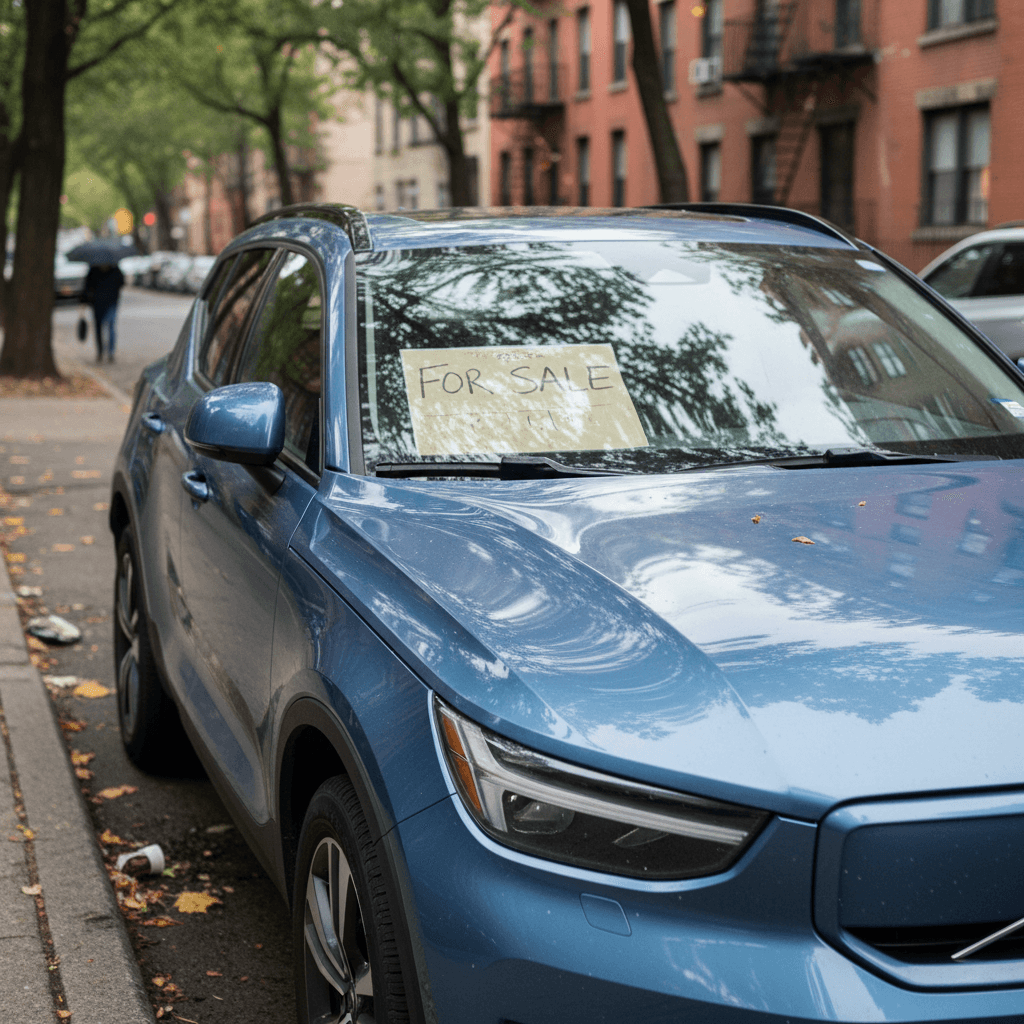
Step‑by‑step prep to maximize your EX40 sale price
1. Document battery health
Buyers fear hidden battery problems more than stone chips. A <strong>third‑party battery‑health report</strong>, like the Recharged Score that comes with every vehicle sold through Recharged, can instantly separate your EX40 from generic listings that say “no issues, trust me.”
2. Schedule software updates and maintenance
Make sure the EX40 is up to date on software and basic service. A quick visit to a Volvo retailer or qualified EV shop for a checkup, cabin filter, and inspection report is cheap insurance and looks great in your listing photos.
3. Detail the interior and de‑clutter
The EX40’s minimalist Scandinavian interior sells itself when it’s clean. Have it professionally detailed or do a thorough DIY job: scrub mats, wipe touchscreens carefully, condition leather or vinyl, and empty every storage bin.
4. Take high‑quality photos in good light
Shoot your photos at golden hour or on a bright overcast day. Capture all four corners, both sides, front and rear, wheels, driver’s seat, rear seat, cargo area, and close‑ups of any flaws. People will forgive a scratch they can see more than one they discover in person.
5. Price with the market, not your heart
Check EX40 and XC40 Recharge listings in your area, then cross‑check with pricing tools. Start slightly above the realistic transaction price to leave room for negotiation, but don’t chase yesterday’s money in a quickly evolving EV market.
6. Decide how you’ll handle test drives and charging
Have at least 50% charge for any test drive, and choose a safe, public meeting area if you’re selling privately. Consider demonstrating how to use the EX40’s driver‑assist features, it helps justify your asking price.
How Recharged can help
Ready to find your next EV?
Browse VehiclesTrading in vs selling your EX40 with Recharged
You’ve got three main paths out of your EX40: traditional dealer trade‑in, private‑party sale, or working with an EV‑focused marketplace like Recharged. The right answer depends on how much effort you’re willing to invest for extra dollars.
Ways to sell a Volvo EX40: pros and cons
Use this comparison to pick the channel that fits your priorities, speed, price, or simplicity.
| Option | Typical Speed | Potential Price | Pros | Cons |
|---|---|---|---|---|
| Traditional dealer trade‑in | Same day | Lowest | Fast, simple, rolls into your next deal. | Least money; dealers may be conservative on EV values. |
| Private‑party sale | 1–6 weeks | Highest | You control pricing and presentation; potentially top dollar. | More work: screening buyers, handling paperwork and test drives. |
| Recharged instant offer / consignment | A few days to a few weeks | High | EV‑specialist pricing, Recharged Score battery report, digital process, nationwide buyer pool. | May involve selling fees, and you’ll coordinate timing with Recharged. |
You’re trading time for money: more effort can mean a higher sale price, but not always a better experience.
Leverage your EX40 as a trade‑in
FAQ: Best time to sell a Volvo EX40
Frequently asked questions about selling a Volvo EX40
The best time to sell a Volvo EX40 isn’t just a date on the calendar, it’s the intersection of seasonal demand, your car’s age and mileage, and the pace of new EV launches. If you can target a spring sale when your EX40 is 2–4 years old, kept in excellent condition, and backed by a solid battery‑health report, you’ll stack the odds in your favor. From there, it’s about choosing the right selling channel, and if you want expert, EV‑specific help from pricing to paperwork, Recharged is built to guide you every step of the way.