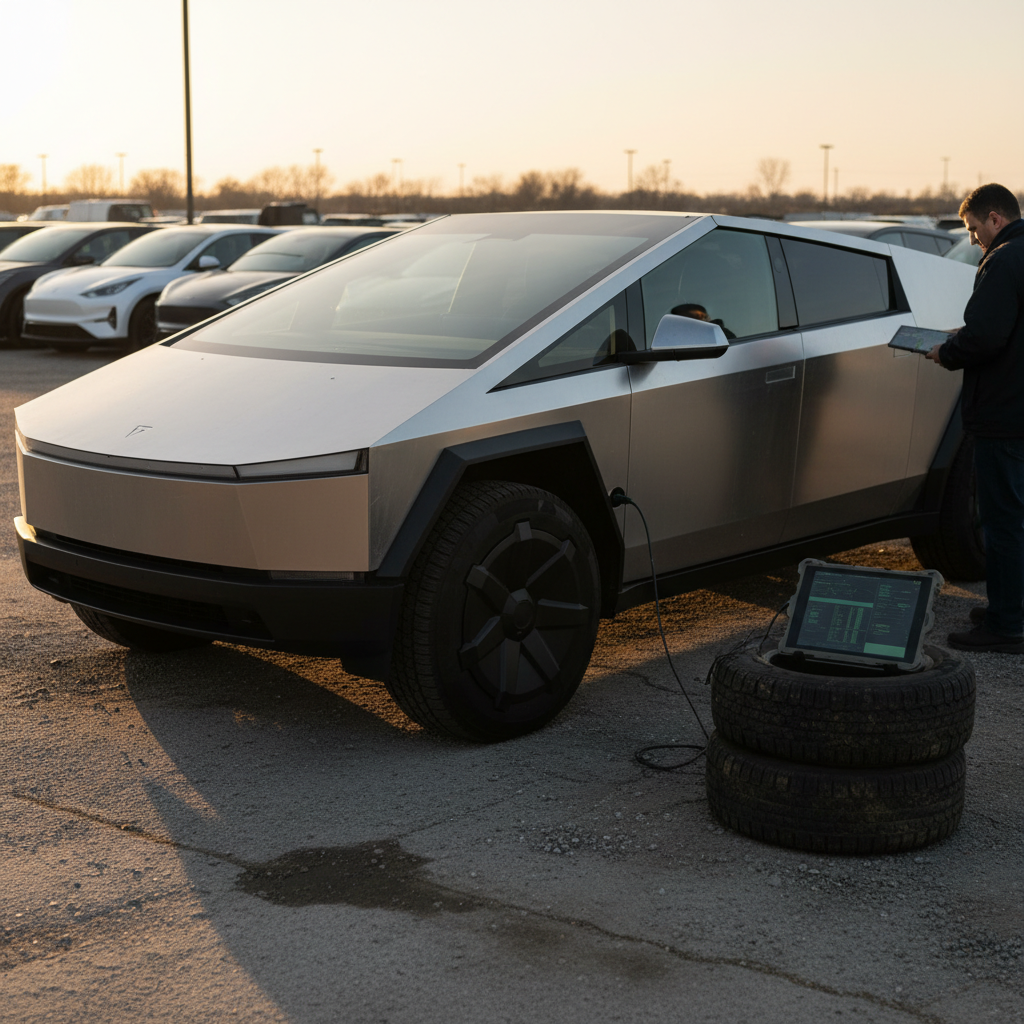
You don’t need $70,000 and a platinum Amex to drive a great electric car in 2026. If you cap your budget around $40,000, you’re in the thick of the market’s sweet spot: practical crossovers with real range, fast charging, and tech that doesn’t feel like last decade’s phone. This guide walks you through the **best EVs under $40,000 in 2026**, including a few used-EV sleepers that make new-car money look a little silly.
Quick reality check
Why $40,000 Is the EV Sweet Spot in 2026
The average new car in the U.S. hovers around the mid-$40,000s, and EVs have tended to land even higher. By drawing a hard line at **$40,000**, you’re forcing the market to make sense: no frivolous performance trims, just the versions engineered to balance **range, comfort, and value**. That’s exactly where the most thoughtful electric crossovers and compact SUVs now live.
EV affordability in 2026, at a glance
At this price point, you’re shopping the **grown‑up** EVs: Hyundai Ioniq 5–class crossovers, compact SUVs like the Chevrolet Equinox EV and Volvo EX30, and, on the used side, cars that were $55,000–$60,000 not long ago and have now drifted into reach.
How We Picked the Best EVs Under $40K
- MSRP or realistic transaction prices under **$40,000** in the U.S. for 2026 (including typical discounts, but excluding expired federal tax credits).
- At least **230 miles of EPA‑rated range** for new picks, or a strong value case if slightly lower.
- Modern DC fast‑charging capability (ideally 150 kW+ peak) so you’re not stuck at 50 kW forever.
- Solid safety and tech: current crash scores where available, plus standard active safety features.
- Availability: either on sale now in the U.S. or expected during the 2026 model year, not vaporware concepts.
- For used EVs: strong **battery reliability records**, remaining battery warranty and compelling depreciation.
About tax credits in 2026
Top New EVs Under $40,000 for 2026
Let’s start with the new metal. Here are the standout **new EVs under $40,000 in 2026** that don’t feel like penalty boxes.
Standout new EVs under $40K
Strong range, usable space, and honest pricing
Chevrolet Equinox EV
What it is: A compact electric SUV sized right in the mainstream, think the electric answer to the family CR‑V or RAV4.
- Price reality: Well‑equipped LT trims are landing in the mid‑$30Ks in many markets, with some higher‑spec versions nudging just under $40,000 depending on incentives.
- Range: EPA estimates around 285–319 miles depending on battery and drive layout, impressive for the money.
- Why it’s here: It’s the rare EV that feels like a normal compact SUV first and an electric car second. Spacious back seat, decent cargo space, and straightforward GM tech make it an easy family choice.
If you want one EV to do everything, commuting, Costco, kid‑duty, the Equinox EV is the current benchmark value play.
Volvo EX30 (Base Single Motor)
What it is: A subcompact premium SUV with big‑car design swagger and tidy dimensions.
- Price reality: U.S. pricing for base trims hovers right around the **high‑$30Ks**; it’s tight against our cap, but you’re getting true European‑luxury fit and finish.
- Range: Typically in the 250–270‑mile zone depending on wheel size and battery.
- Why it’s here: The EX30 is the answer if you want something that feels special every time you walk up to it. Cabin design and materials are leagues above most budget EVs.
Think of it as a design‑forward city SUV that still has enough legs for weekend trips.
Kia EV3 (Expected U.S. Pricing)
What it is: Kia’s compact, boxy electric SUV pitched explicitly as an affordable alternative to the larger EV6.
- Price reality: Globally, Kia is targeting a starting price under the equivalent of $40,000, and early U.S. reports suggest base models landing in the mid‑$30Ks.
- Range: Targeted range figures look to land in the 250–300‑mile band for higher‑capacity packs.
- Why it’s here: Kia has become the quiet assassin of the EV world, excellent charging performance, sharp styling, and useful packaging. If EV3 delivers even 80% of EV6’s goodness at this price, it will be a smash hit.
If you can wait for late‑2026 availability, put this near the top of your list.
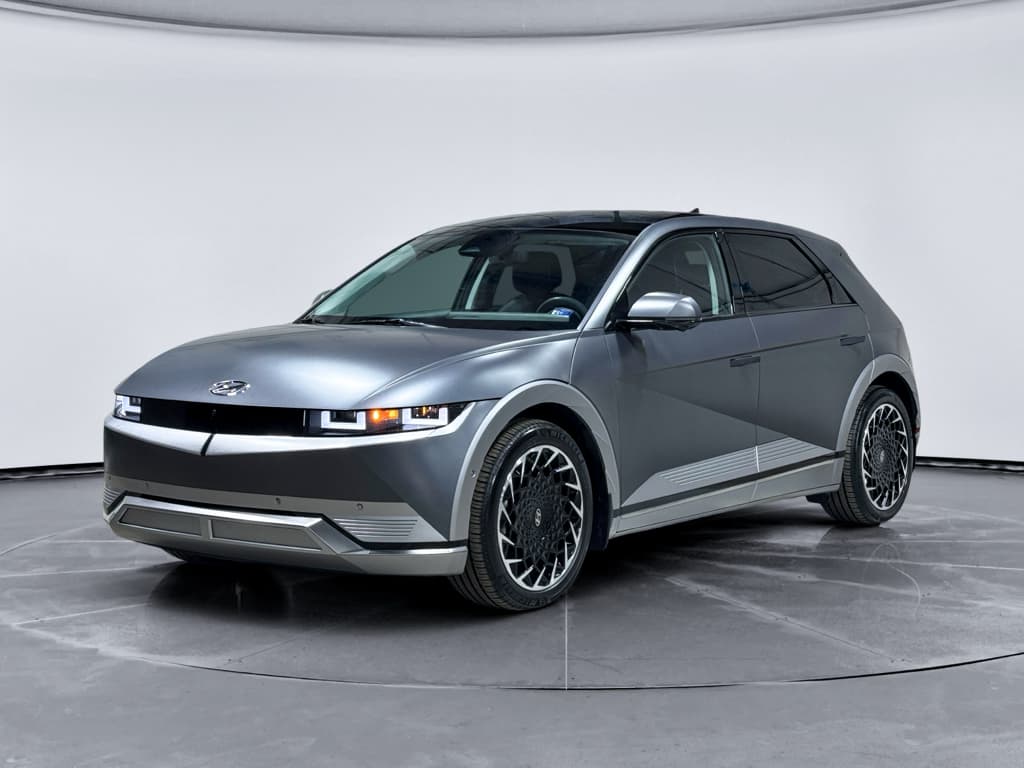
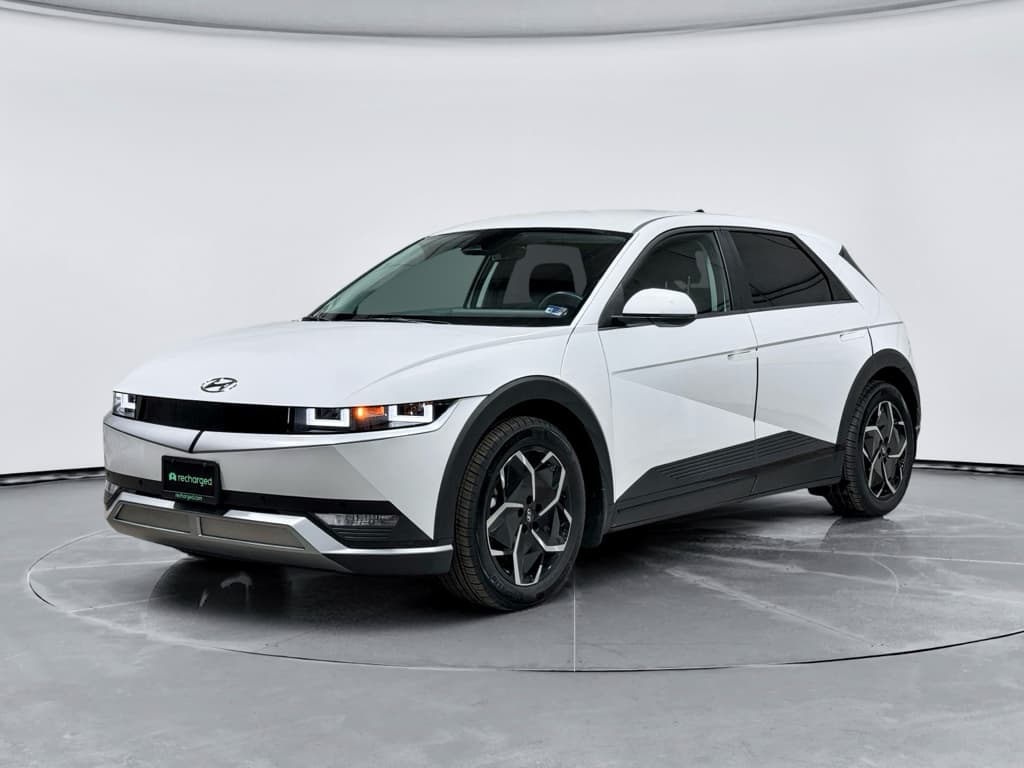
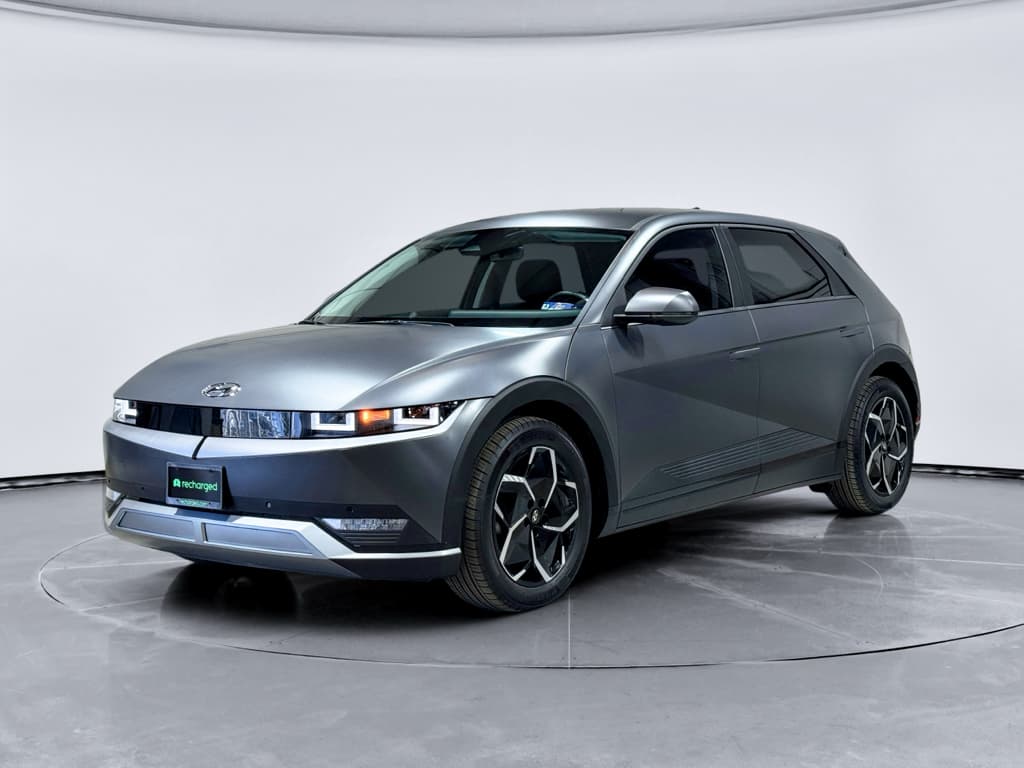
Hyundai Ioniq 5 (Value Trims)
What it is: The now‑famous electric crossover that helped set the standard for fast‑charging and road‑trip‑ready EVs.
- Price reality: New Ioniq 5s can be optioned into the $50Ks, but base and mid‑level trims still show up just under $40,000 when discounted, especially as Hyundai chases volume.
- Range: Roughly 240–300 miles depending on battery and drive configuration.
- Why it’s here: Superb ride comfort, near‑luxury interior design and one of the best DC fast‑charging performances in the segment (often 10–80% in around 20 minutes).
It’s the EV that proves you don’t have to spend luxury‑brand money for a genuinely polished experience.

Don’t ignore dealer discounts
Best Used EVs Under $40,000: Better Range for Less Money
Here’s the thing the new‑car ads won’t tell you: 2022–2024 EVs have already taken their big depreciation hit. Under $40,000, many of the **most satisfying electric cars on the road** are now used, and often still under full battery warranty.
Used EVs that are smarter than buying new
The sweet spot: 2–4 years old, low miles, strong battery health
2022–2023 Chevy Bolt EV/EUV
Budget hero: The Bolt twins are still the benchmark for cheap, honest electric range.
- Typical price (used): Roughly $15,000–$22,000 depending on miles and spec.
- Range: Around 247–259 miles EPA.
- Why it’s great: Small footprint, big range, low running costs. Perfect second car or commuter that can also pinch‑hit for weekend trips.
Find one with a clean battery‑health report and you’ve essentially hacked the EV value matrix.
2022–2024 Hyundai Ioniq 5 / Kia EV6
Road‑trip royalty: These siblings made fast‑charging mainstream.
- Typical price (used): Well‑equipped versions now often land in the mid‑ to high‑$30Ks.
- Range: Commonly 250–310 miles, depending on pack and drivetrain.
- Why it’s great: 800‑volt architecture for genuinely fast charging, airy interiors, and driving manners that feel properly premium.
A used Ioniq 5 or EV6 is the enthusiast’s choice under $40K.
2021–2023 Tesla Model 3 / Model Y (Select Trims)
Network advantage: For long‑distance driving in the U.S., it’s still hard to beat access to Tesla’s Supercharger network.
- Typical price (used): Many lightly used Model 3s and some Model Ys now sit comfortably in the high‑$20Ks to mid‑$30Ks.
- Range: Often 250–330 miles depending on trim.
- Why it’s great: Strong efficiency, constant over‑the‑air improvements, and still‑excellent charging infrastructure.
Just make sure you understand which fast‑charging connectors and adapters you’ll need in your region.
Where Recharged fits in
Comparison Table: Range, Price, and Charging
Specs don’t tell the whole story, but they do help you quickly see what you’re getting for your money. Here’s a simplified snapshot of some of the best **EVs under $40,000 in 2026**.
Key specs for top EVs under $40,000 (2026)
Approximate base or typical transaction values for U.S. shoppers in 2026. Always confirm current local pricing.
| Model | New or Used | Approx. Street Price (USD) | EPA Range (mi) | Fast‑Charge Peak | Character |
|---|---|---|---|---|---|
| Chevy Equinox EV | New | $35,000–$40,000 | 285–319 | ~150 kW | Honest family crossover, strong value |
| Volvo EX30 (base) | New | High‑$30Ks | 250–270 | ~150 kW | Premium feel in a small footprint |
| Kia EV3 (est.) | New | Mid‑$30Ks | 250–300* | Fast DC (target) | Boxy, tech‑forward compact SUV |
| Hyundai Ioniq 5 | New or Used | $36,000–$40,000 (new deals), low‑$30Ks used | 240–300 | Up to ~235 kW | Fast‑charging comfort king |
| Chevy Bolt EV/EUV | Used | $15,000–$22,000 | 247–259 | ~55 kW | Budget commuter with big range |
| Tesla Model 3 (RWD/LR) | Used | High‑$20Ks–mid‑$30Ks | 250–330 | Up to ~170–250 kW | Supercharger access and efficiency hero |
Range and pricing can vary by trim, options, and region.
About those range numbers
Which EV Under $40K Fits Your Life?
Match an EV to how you actually drive
Daily commuter (under 60 miles/day)
You don’t need 300 miles of range; a used Bolt EV/EUV or base Equinox EV will feel effortless.
Prioritize <strong>efficiency, comfort, and charging access</strong> near home or work over outright performance.
Look for cars with smaller wheels and heat pumps where available, they help in bad weather.
Young family hauler
Space, doors, and car‑seat friendliness beat 0–60 times every day of the week.
Crossovers like the Equinox EV or Ioniq 5 give better rear‑seat room and cargo flexibility than small hatchbacks.
All‑wheel drive can be worth the extra cost if you deal with snow, but don’t overpay just for marketing.
Road‑trip regular
Favor EVs with strong DC fast‑charging curves: Ioniq 5/EV6, Tesla Model 3/Y, and some upcoming Kia/Hyundai models.
Study the fast‑charging networks on your common routes, Tesla Superchargers, plus major third‑party networks.
Larger battery packs give more buffer at highway speeds, especially in winter, and cut down on charging stops.
Style‑first city dweller
If you park on the street and mostly do short trips, compact EVs like the Volvo EX30 shine.
Look for <strong>smaller footprints, tight turning circles, and good visibility</strong>.
Interior design and tech you love living with matter more than raw range numbers if you rarely leave the metro area.
When a new EV makes sense
- You want the latest safety tech, screens, and driver assistance.
- You’re planning to keep the car for 8–10 years and want a full new‑car warranty from day one.
- You value tailored financing and maybe rolling a trade‑in into the deal.
In this lane, a new Equinox EV or Kia EV3‑style crossover at $35,000–$40,000 is a solid bet.
When a used EV is the smarter move
- You’d rather have a nicer, longer‑range EV that was expensive two years ago than a brand‑new stripper trim today.
- You’re comfortable letting somebody else eat the sharpest depreciation curve.
- You want proof that the battery is aging gracefully, not just a spec sheet.
A Recharged‑inspected Ioniq 5, EV6, or Model 3 under $40,000 often feels like a class above any brand‑new budget EV.
Financing and Total Cost of Ownership
If you’re cross‑shopping a $38,000 EV against, say, a $33,000 gas SUV, remember that **monthly payment is only half the story**. Electricity is typically cheaper per mile than gasoline, maintenance is lighter, and some cities offer perks like HOV access or discounted parking.
Key cost questions to answer before you buy
1. How will you charge most of the time?
Home Level 2 charging is the golden ticket. If you can install a 240‑volt outlet in your garage or driveway, your fuel costs plummet and daily life gets much simpler. If you’re apartment‑bound, budget time and money for public charging.
2. What will you really spend per month?
Run the math on loan or lease payments plus insurance, electricity, and routine maintenance. A slightly higher car payment can be offset by much lower running costs compared with a thirsty SUV.
3. How long will you keep the car?
EVs make the most sense when you think in years, not months. If you plan to keep the car 5–8 years, paying a bit more upfront for better range and charging speeds often pays off.
4. What’s the battery warranty situation?
New EVs usually carry 8‑ to 10‑year battery warranties. For used, check how many years or miles are left, and insist on a <strong>battery‑health report</strong> before signing anything.
5. Are there local incentives or utility rebates?
Even with federal credits gone, many utilities and local governments still offer rebates on home chargers or EV purchases. That can effectively drop a $40K car into the mid‑$30Ks.
Recharged can simplify the money part
How Recharged Helps You Shop Smarter
Buying an EV in 2026 isn’t hard because the cars are bad; it’s hard because the information is chaotic. Specs, incentives, connector types, charging speeds, every brand speaks a different dialect. That’s where a focused used‑EV marketplace like Recharged earns its keep.
Why consider a used EV from Recharged instead of new?
Stretch your $40K budget without gambling on battery health
Verified battery health
Every vehicle on Recharged includes a Recharged Score Report with third‑party‑verified battery diagnostics. You’re not guessing how the pack has aged, you can see it in black and white.
Transparent pricing
Recharged benchmarks each car against the national market so you know if that Ioniq 5, EV6, or Model 3 is fairly priced. No mysterious fees suddenly appearing in the finance office.
Nationwide, guided experience
From online shopping to nationwide delivery and support at the Richmond, VA Experience Center, Recharged gives you EV‑specialist guidance whether you’re trading in, selling, or buying your first electric car.
Ready to find your next EV?
Browse VehiclesFAQs: Best EV Under $40,000 in 2026
Frequently asked questions
Bottom Line: Best EVs Under $40K in 2026
If you’re shopping for the **best EV under $40,000 in 2026**, you’re not settling, you’re sitting right where the market is most interesting. New options like the Chevrolet Equinox EV, Volvo EX30, and Kia EV3 promise real‑world range and comfort without drifting into luxury‑brand price tags. Meanwhile, the used market is quietly offering Ioniq 5s, EV6s, and Tesla Model 3s that were aspirational money just a few years ago.
The key is matching the car to your actual life: commute distance, charging options, family needs, and how long you plan to keep it. Do that honestly, and a sub‑$40K EV can feel like money extremely well spent. And if you want a guide through the noise, battery reports, fair pricing, financing, trade‑in, and nationwide delivery, Recharged is built to make that jump to electric as simple and transparent as it should have been all along.