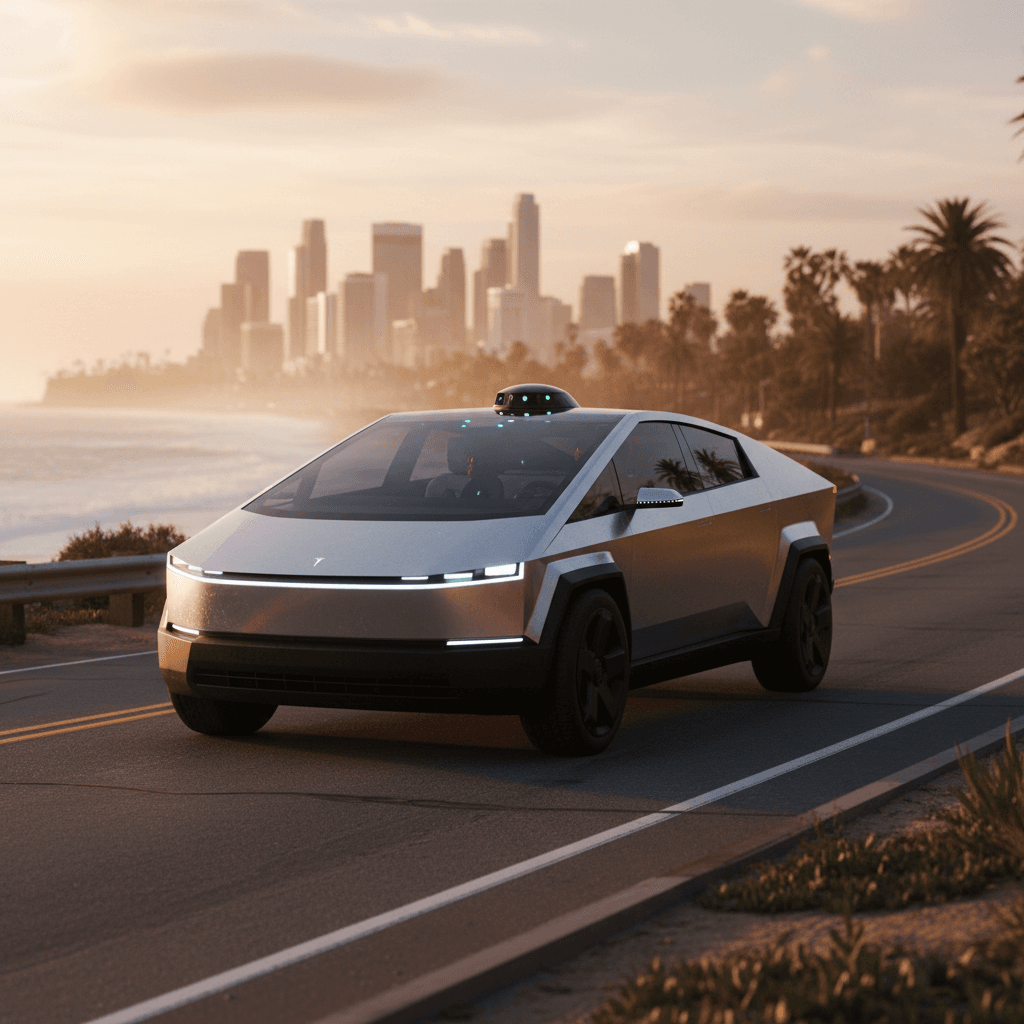
If you’ve searched for self driving cars for sale, you’ve probably seen splashy headlines about robotaxis and futuristic concepts. But when you walk into a dealership, or browse listings for used EVs, the reality is very different. Today, you can absolutely buy cars that drive themselves part of the time, in specific conditions. You cannot yet buy a car that safely, legally drives you everywhere while you nap in the back.
Big picture
What “self-driving” really means in 2025
Carmakers and tech companies love the phrase self‑driving, but regulators and engineers use a stricter framework: the SAE levels of driving automation. Most cars advertised with "self-driving" features today are really offering driver assistance, not full autonomy. They can steer, brake, and accelerate in certain scenarios, but they still expect you to supervise and take over instantly when needed.
- Marketing terms like “Autopilot,” “Full Self-Driving,” “ProPILOT,” or “Pilot Assist” usually mean Level 2 driver assistance, not a car that can drive itself everywhere.
- Only a small handful of production vehicles (notably some Mercedes-Benz S-Class and EQS sedans) offer limited Level 3 automation where the car, not the driver, is legally responsible in very specific conditions.
- Robotaxi fleets from companies like Waymo or Tesla in pilot programs are services you ride in, not cars you can go out and buy at a dealership today.
Don’t trust the badge alone
Are there true self-driving cars for sale today?
In the U.S. consumer market, the honest answer is: not yet. You cannot walk into a showroom in November 2025 and buy a car that will safely handle all driving tasks, in all conditions, with no human attention required. That’s the dream of Level 4 and Level 5 autonomy, and it’s still in limited testing and pilot services, not private ownership.
What you can actually buy in 2025
Think in terms of capabilities, not buzzwords
Level 2: advanced driver assistance
Widely available today in many new cars and a growing number of used EVs:
- Adaptive cruise + lane centering
- Automatic lane changes (some models)
- Still requires your constant supervision
Level 2 hands-free on mapped roads
Systems like Ford BlueCruise and GM Super Cruise allow hands-free driving on specific highways, but you must watch the road:
- Works only in mapped zones
- Driver-monitoring camera checks attention
Level 3: eyes-off in narrow scenarios
Mercedes-Benz Drive Pilot (on some S-Class and EQS sedans) lets you take your eyes off the road in low-speed, mapped freeway traffic, while the system is engaged.
Availability is limited and heavily regulated.
No car is fully self-driving everywhere
Levels of driving automation explained
To shop intelligently for self-driving features, you need a basic grip on the SAE levels of automation. Think of it as a ladder from driver-only to true robotaxi capability.
SAE automation levels in plain English
Where today’s “self-driving” cars really fit.
| SAE Level | Short description | Who’s legally responsible? | Typical examples |
|---|---|---|---|
| Level 0 | No automation; warnings only | Driver | Basic safety features like blind-spot warning |
| Level 1 | Single assist feature | Driver | Adaptive cruise control or lane-keep assist |
| Level 2 | Combined assist (steer + speed) | Driver | Tesla Autopilot/FSD (supervised), Hyundai Highway Driving Assist, most modern ADAS suites |
| Level 2+ | Hands-free on mapped roads | Driver | Ford BlueCruise, GM Super Cruise, some Nissan/Infiniti systems |
| Level 3 | Eyes-off in narrow conditions | System (when engaged) | Mercedes-Benz Drive Pilot on certain S-Class and EQS sedans |
| Level 4 | No driver in defined areas | System | Robotaxis in pilot zones (Waymo, some Tesla trials, other startups) |
| Level 5 | Anywhere, any conditions | System | No production vehicles yet |
Most vehicles with self-driving marketing are Level 2 driver assistance, not autonomous vehicles.
How to use this chart
Hands-free driving systems you can actually buy now
If your goal is to let the car handle more of the highway grind, the sweet spot in 2025 is hands-free Level 2 systems. These still hold you responsible, but when used properly they can reduce fatigue on long trips and daily commutes.
Hands-free highway systems at a glance
Ford BlueCruise
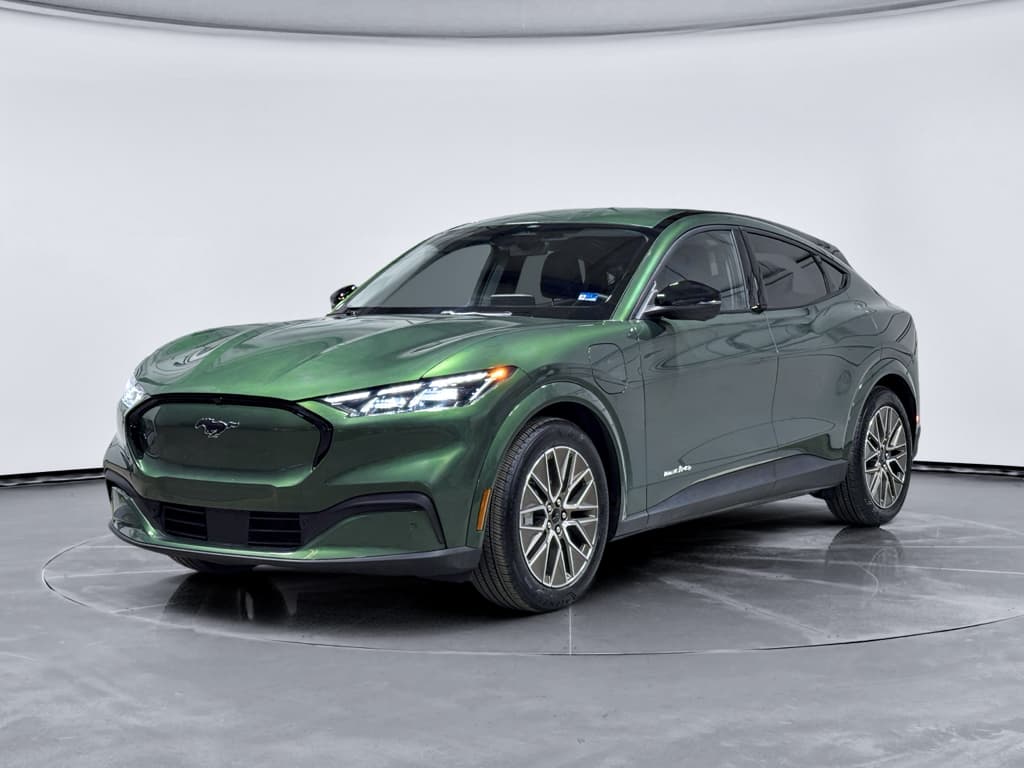
Ford BlueCruise is a hands-free Level 2 system available on models like the Mustang Mach-E, F‑150 and F‑150 Lightning, Expedition and Explorer, plus several Lincoln vehicles. On approved “Blue Zones” highways, you can take your hands off the wheel while the system handles steering, braking and acceleration, but an interior camera makes sure your eyes stay on the road.
- Works only on pre-mapped divided highways designated as Blue Zones.
- Driver must remain attentive, look away for too long and the system disengages.
- Often sold as a subscription feature; make sure you understand trial periods and long-term costs when buying new or used.
GM Super Cruise
GM Super Cruise is another highly regarded hands-free system, available on a wide range of Cadillac, Chevrolet, Buick and GMC models, including electric vehicles like the Cadillac Lyriq and Chevrolet Blazer EV. Super Cruise can even handle automatic lane changes and, on some trucks, works while towing.
- Supports more than 400,000 miles of mapped highways in North America, including some undivided roads.
- Requires active driver-monitoring; sunglasses and hats can sometimes affect how well the camera sees your eyes.
- On used vehicles, verify that the necessary hardware and subscription are still active or can be reactivated.
Tesla Autopilot and Full Self-Driving (Supervised)
Tesla's branding, Autopilot and Full Self‑Driving (Supervised), creates more confusion than any other carmaker’s. Despite the names, these are still Level 2 systems. They can handle lane‑keeping and traffic-aware cruise, and in some regions navigate highway interchanges and city streets, but Tesla requires drivers to supervise at all times and remain ready to intervene.
Used Teslas: read the fine print
Spotlight on Level 3: Mercedes-Benz Drive Pilot
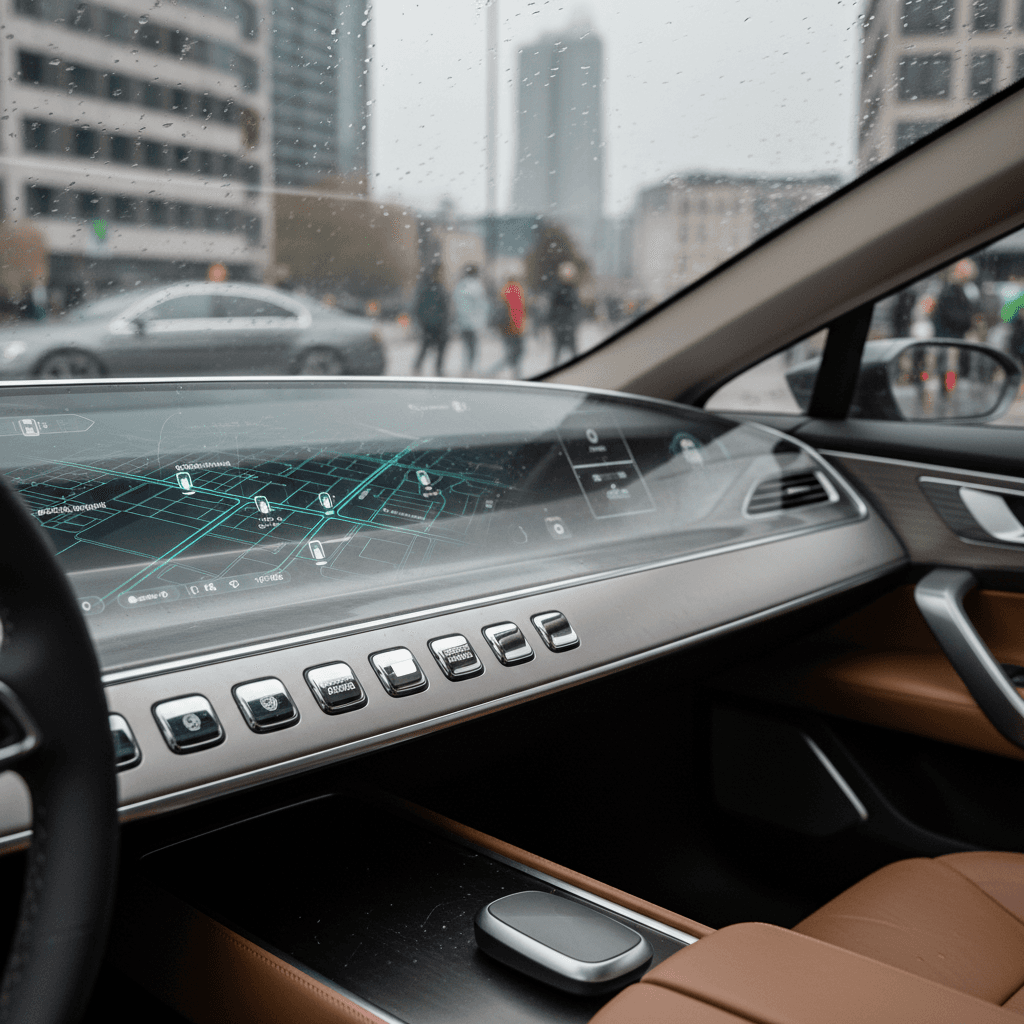
If you’re determined to buy the closest thing to a true self-driving car that you can legally own in the U.S. today, Mercedes-Benz is your main path. Its Drive Pilot system, offered on select 2024+ S‑Class and EQS sedans, is an SAE Level 3 system approved in limited parts of the U.S.
Where and when it works
- On specific, pre‑mapped freeways.
- In good weather, during daylight hours.
- In slow‑moving traffic, typically below highway speeds.
What you can do while it’s on
- Take your hands off the wheel.
- Look away from the road to an extent, such as checking email on the in‑car screen.
- Rely on the car to manage following distance and lane‑keeping while Drive Pilot is engaged.
The key distinction is legal responsibility: when Drive Pilot is active under approved conditions, the system, not you, is considered responsible for driving tasks. If it disengages, you must be ready to take over immediately. And at this point, availability is limited, making these cars a niche but important preview of where the market is headed.
Expect more Level 3, slowly
Self-driving style features in major EVs: quick comparison
If you’re primarily interested in electric vehicles with strong driver-assistance tech, here’s how some common options compare at a high level. This is not exhaustive, but it gives you a feel for what’s out there as you browse self driving cars for sale listings.
Popular EVs and their driver assistance systems
Representative examples of EVs offering advanced cruise and lane-keeping features.
| Model | Brand | Primary system name | Approx. capability | Notes for shoppers |
|---|---|---|---|---|
| Mustang Mach-E | Ford | BlueCruise (on equipped trims) | Hands-free Level 2 on mapped highways | Check for active subscription; not all trims include hardware. |
| F-150 Lightning | Ford | BlueCruise | Hands-free Level 2 on mapped highways | Great if you tow and road-trip; pay attention to trim and options. |
| Cadillac Lyriq | Cadillac | Super Cruise | Hands-free Level 2 on many highways | One of the most polished hands-free systems available today. |
| Chevrolet Blazer EV | Chevrolet | Super Cruise (on select trims) | Hands-free Level 2 on many highways | Verify hardware and subscription on individual vehicles. |
| Model 3 / Model Y | Tesla | Autopilot / FSD (Supervised) | Lane-centering + nav on some roads | Capabilities vary by software package and region; still Level 2. |
| Hyundai Ioniq 5 / Kia EV6 | Hyundai / Kia | Highway Driving Assist | Level 2 lane-centering + adaptive cruise | Driver keeps hands on the wheel; no true hands-free today. |
| Mercedes EQS Sedan | Mercedes-Benz | Drive Pilot + other ADAS | Level 2 + limited Level 3 | Among the most advanced, but availability and cost are limiting factors. |
Always verify specific options and software packages on the exact vehicle you’re considering, especially on used EVs.
Buying a car for “self-driving” features: key checklist
When you’re comparing self-driving claims in listings, it’s easy to get lost in marketing language. Use a structured checklist so you don’t overlook the details that actually affect your day-to-day driving.
Checklist: before you sign for a self-driving–equipped car
1. Clarify the real automation level
Ask the salesperson or seller to identify whether the system is Level 2, Level 2 hands-free, or Level 3. If they can’t answer clearly, that’s your cue to dig into the owner’s manual or official documentation.
2. Confirm hardware is actually installed
Many systems are optional. A listing might say “BlueCruise capable,” but that doesn’t guarantee the necessary cameras and sensors are present. Look for build sheets, window stickers, or option codes.
3. Understand subscriptions and trial periods
Some features require an ongoing subscription. Find out what’s included today, what happens when the trial expires, and what you’ll pay per month or year if you want to keep hands-free features active.
4. Check for software version and region support
For systems that evolve over time, like Tesla FSD (Supervised), verify the current software version on the car and what capabilities are actually enabled in your region.
5. Inspect safety features and driver monitoring
Make sure the driver-monitoring camera, steering‑wheel sensors and basic safety systems (brakes, tires, suspension) are in good condition. A worn-out car is a poor platform for advanced tech.
6. Drive it the way you’ll really use it
On a test drive, use the system on the kind of roads you actually drive, freeway commute, rural two‑lane, or stop‑and‑go traffic, so you understand its strengths and limits before purchase.
Pro move
Shopping used EVs with advanced driver assistance
In the used market, you can often find excellent value: relatively new EVs with sophisticated driver-assistance tech at a significant discount from new-car prices. But you’re also layering software, hardware, and battery health questions on top of the usual used‑car concerns.
Risks to watch for
- Deactivated software: Features like FSD, Super Cruise, or BlueCruise may not transfer between owners or may require re‑subscription.
- Previous damage: Collisions or windshield replacements can misalign cameras and radar, hurting performance.
- Outdated hardware: Early versions of some systems may not support newer features you’ve read about online.
Upside for smart shoppers
- Lower entry price: Let someone else pay for the first years of depreciation.
- Mature software: By the time a car hits the used market, the system has usually seen several rounds of bug fixes and refinements.
- Real-world data: There’s often a large owner community reporting what actually works and what doesn’t.
Where Recharged helps
New vs used for self-driving tech, and where Recharged fits
Deciding between a new or used car for self-driving features comes down to your risk tolerance, budget, and desire to be on the cutting edge.
Should you go new or used for self-driving features?
Both paths can make sense if you know what you’re signing up for.
When a new car makes sense
- You want the latest hardware and longest feature support window.
- You’re comfortable with subscriptions and over‑the‑air updates.
- You want the option to add features later as they’re released.
New is also where early Level 3 systems like Mercedes Drive Pilot are found.
When a used EV shines
- You prefer lower monthly payments and slower depreciation.
- You’re happy with proven Level 2/2+ systems, not bleeding-edge Level 3.
- You want to see multi‑year owner feedback before committing.
Buying used through a specialist marketplace like Recharged adds battery diagnostics and EV‑focused support into the equation.
Nationwide, mostly digital
FAQ: self-driving cars for sale
Frequently asked questions about self-driving cars for sale
Bottom line: how to shop smart for self-driving today
When you search for self driving cars for sale, you’re really shopping a spectrum, from helpful Level 2 assistants all the way up to niche, early Level 3 systems. The key is to ignore the hype and focus on what the car actually does on the roads you drive, under the rules that apply today. Decide whether hands-free highway support or cutting-edge tech is more important than range, charging speed, and total cost of ownership.
If you’re leaning toward a used EV with advanced driver assistance, pairing that with verified battery health and transparent pricing is a smart move. That’s exactly what Recharged was built to deliver: carefully vetted used EVs, a clear Recharged Score Report, and specialists who live and breathe this technology every day. With the right information, and the right partner, you can enjoy the best of today’s semi‑autonomous tech without buying into tomorrow’s promises before they’re ready.